REVIEW · LONDON
London: London in WW2 and Churchill War Rooms Entrance
Book on GetYourGuide →Operated by Urban Saunters Ltd · Bookable on GetYourGuide
Westminster goes wartime in three hours. This WW2 walk through Westminster brings famous landmarks to life, with air-raid details that make the streets feel strangely close to 1940. You’ll also get straightforward entry to Churchill’s War Rooms, so you’re not stuck guessing lines and timing.
I particularly like the way the guide ties everyday events to big, recognizable places like Westminster Abbey, the Houses of Parliament, and Downing Street. The main drawback: the War Rooms portion relies on an audio guide, so you’ll want to be ready to read small signs and listen in a sometimes-crowded setting.
In This Review
- Key things that make this Churchill War Rooms tour worth your time
- Meeting at Westminster Station: find the tour and get in the mood fast
- Westminster in WW2: turning Big Ben, Parliament, and Abbey into a story
- Downing Street and Whitehall: power in wartime isn’t quiet
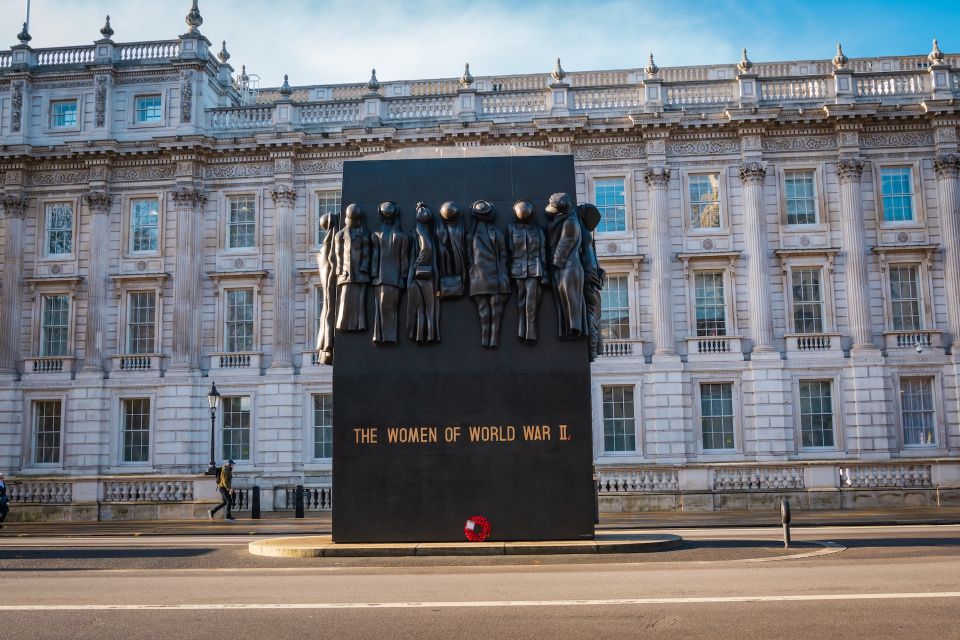
- The Cenotaph and Ministry of War stops: why monuments matter after the guns
- 10 Downing Street to the War Rooms: the walk that sets up the bunker
- Churchill’s War Rooms: what you’ll actually experience underground
- How long the tour feels in real life (3 hours, but not rushed)
- Price and value: is $96 per person a good deal?
- Who this tour fits best (and who should reconsider)
- Practical tips so the day runs smoothly
- Should you book this Churchill War Rooms walking tour?
- FAQ
- How long is the London in WW2 and Churchill War Rooms tour?
- What’s included in the price?
- Is food or drinks included?
- Where do I meet the guide?
- Does the tour run rain or shine?
- Do I have to go through security?
- Is the War Rooms portion fully guided?
- Is this tour suitable for wheelchair users or mobility impairments?
- What should I bring, and what can’t I bring?
Key things that make this Churchill War Rooms tour worth your time
- Westminster landmarks with wartime context: you see the sights, but you also get the “what was happening then” layer.
- Hassle-free War Rooms entrance: you descend knowing the plan and what you’re looking at.
- Small groups (15 or fewer): it’s built for questions and easier pacing.
- Guides who tell Churchill like a person: lots of story, humor, and crisp details that hold attention.
- A tour built for real life: rain or shine, comfortable shoes, and a tight 3-hour window.
Meeting at Westminster Station: find the tour and get in the mood fast
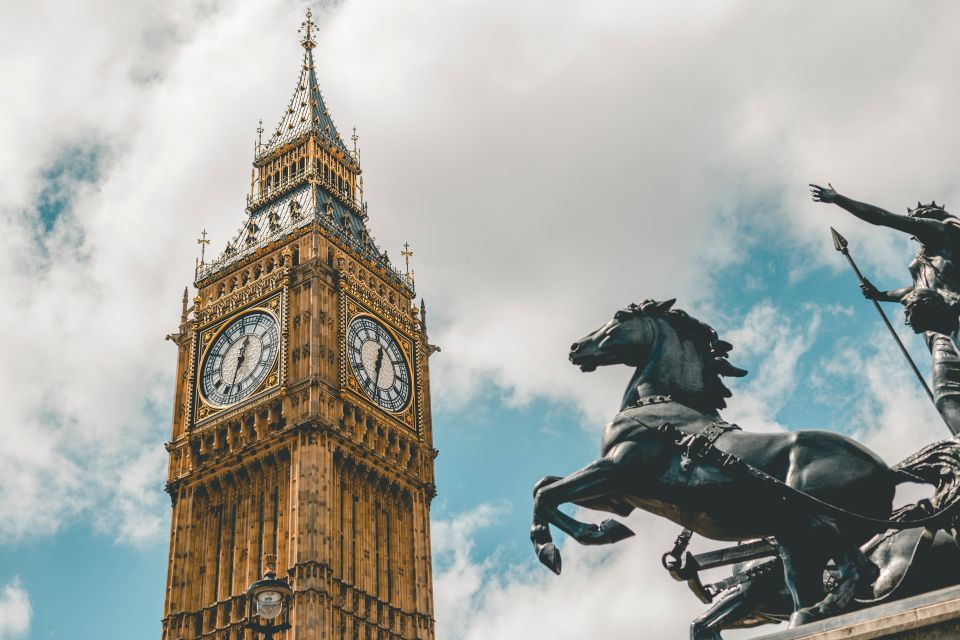
The tour meets outside Westminster Station at the Boadicea and Her Daughters Statue, Exit 2. Go to street level via the stairs, and meet at the top next to the statue. Your guide will be holding an Urban Saunters orange sign, which makes the meetup straightforward.
This matters because Westminster traffic and crowds can turn a “simple start” into chaos. With a clear meeting point and a sign you can spot from a distance, you can relax and start listening sooner. Plan on being there a few minutes early so you don’t feel rushed before security and the walking begins.
You can also read our reviews of more tours and experiences in London.



Westminster in WW2: turning Big Ben, Parliament, and Abbey into a story
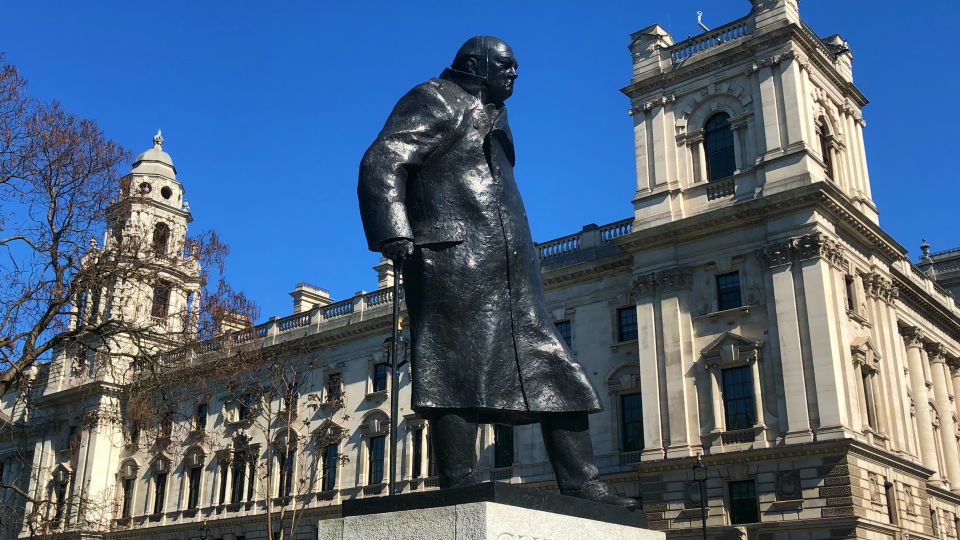
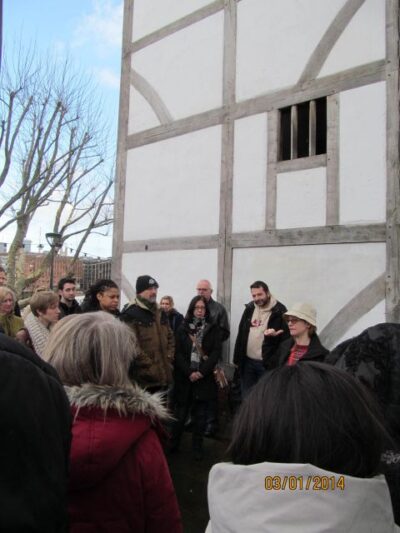
This is a walking tour through the City of Westminster with a local expert guiding you past the monuments that helped define Britain’s public face. Expect the tone to shift quickly: the landmarks that usually feel polished and celebratory are framed here as parts of a wartime capital.
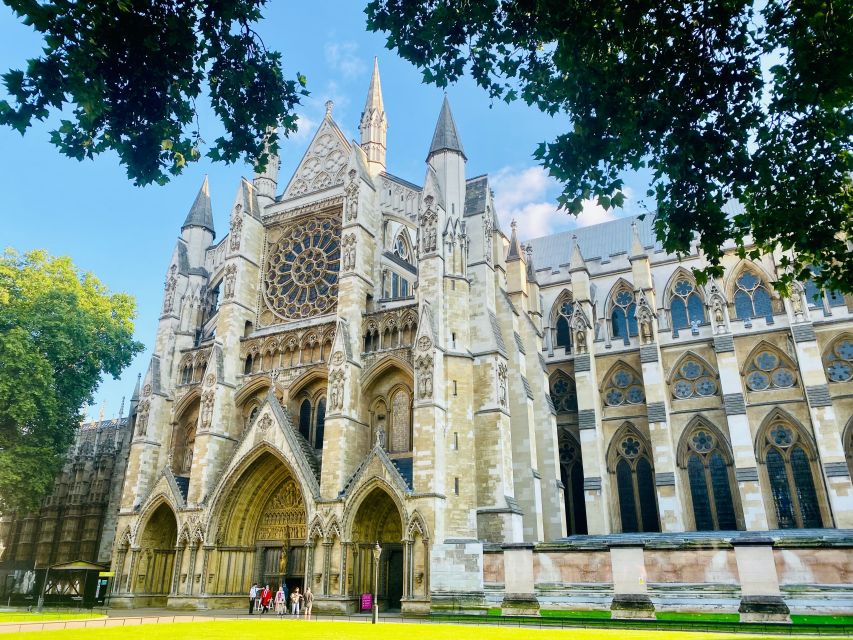
You’ll pass major sights that include Westminster Abbey, the Houses of Parliament, Big Ben, and the area around Whitehall. The guide’s job is to connect what you’re seeing—stone, statues, and ceremonial space—with what those same streets meant during the Blitz years: fear at night, propaganda and morale in public, and the constant reality of planning for survival.
Two things make this section work well:
- You’re not just “looking at buildings.” You’re learning what stood behind the scenes, including what leaders needed and what the public endured.
- Because the tour stays focused on a compact area, you don’t waste time hopping between far-flung sites.
If you’ve visited Westminster before, you’ll still get value. This is less about ticking boxes and more about reframing familiar views so they feel more human—and more tense—than your usual postcard version.
Downing Street and Whitehall: power in wartime isn’t quiet
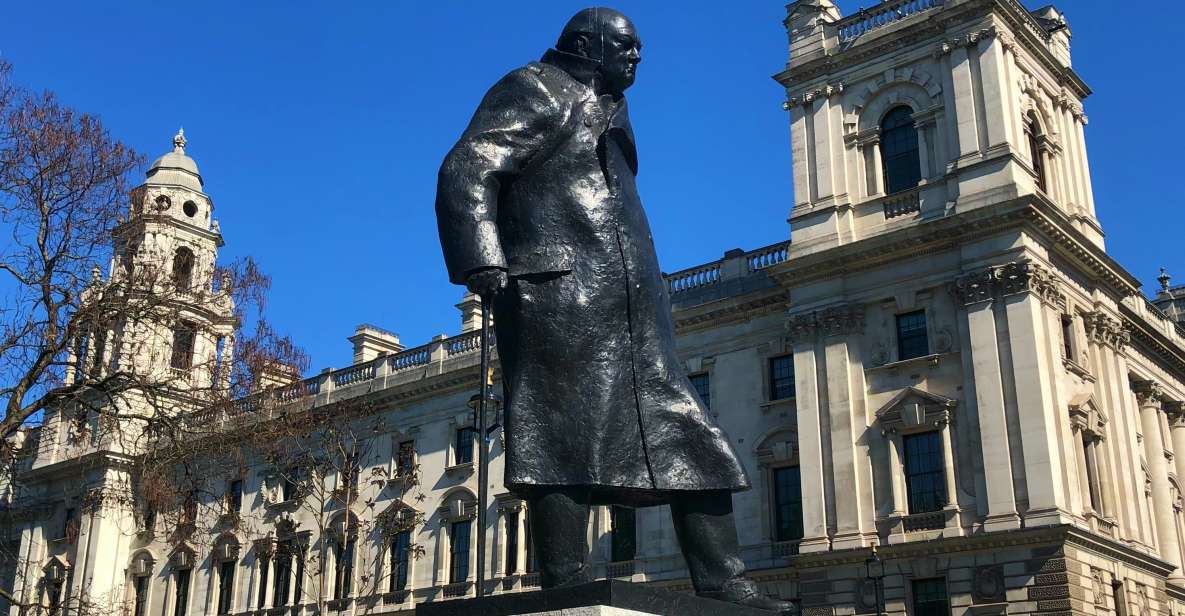
A big part of the experience is how the guide handles Downing Street and Whitehall. These are famous addresses, but in wartime they weren’t just political symbols. They were where decisions were made under pressure, with incomplete information and high stakes.
As you walk, the guide connects the political story to the physical geography around you. That’s the real trick: Westminster looks “official” from a distance, but up close you can feel how the system would’ve moved quickly when alarms sounded and communications mattered.
This section is also a good place to ask questions. Small groups (15 or fewer) make it easier to catch the guide between stops, instead of waiting until the very end.
The Cenotaph and Ministry of War stops: why monuments matter after the guns
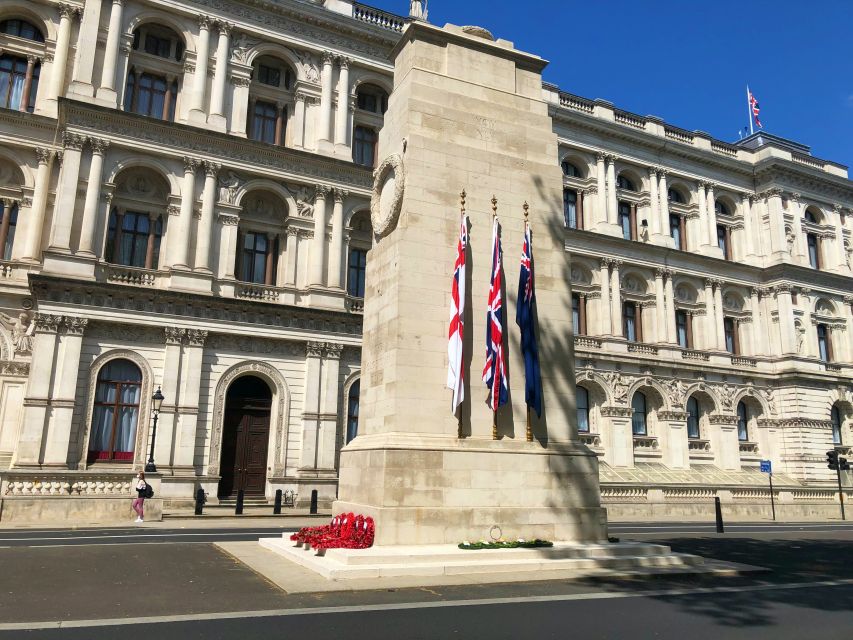
Not every wartime walking tour makes room for grief and remembrance. Here, you get time at major memorial spaces, including the Cenotaph, and points tied to wartime administration like the Ministry of War area.
These stops are valuable because they keep the tour from turning into pure spectacle. You’re reminded that war isn’t only strategy and headlines. It’s also names, loss, and the long after-effect on a city that has to keep functioning.
A practical note: these areas can be windy and busy. If you bring an umbrella, a hat, and a bottle of water, you’ll enjoy the storytelling more because you’re comfortable enough to listen rather than fidget.
10 Downing Street to the War Rooms: the walk that sets up the bunker
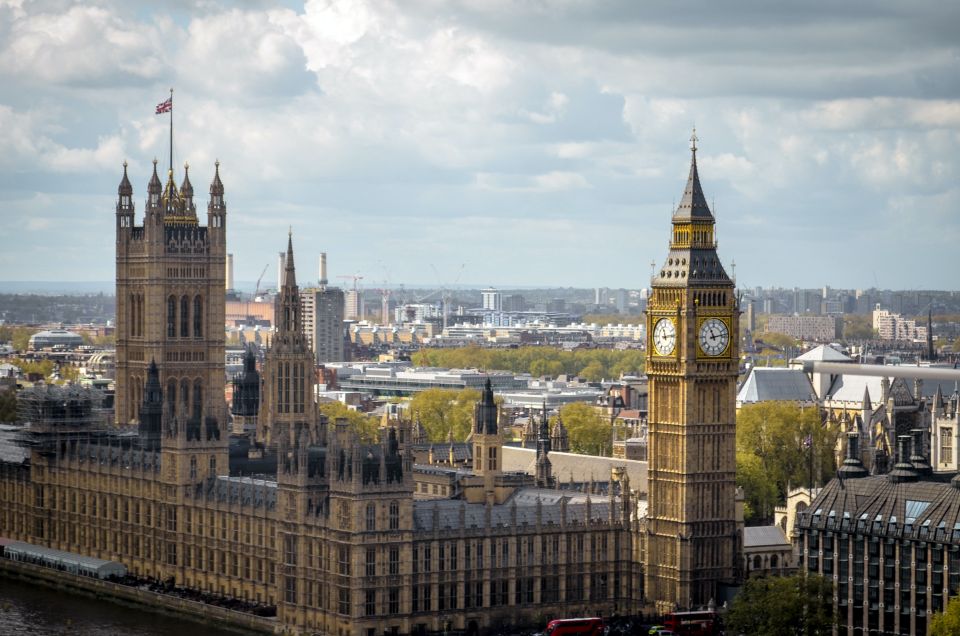
By the time you head toward Churchill’s wartime headquarters, the tour has already built the emotional context. Passing 10 Downing Street and Whitehall acts like a bridge between the public-facing government world and the private machinery behind it.
That matters because Churchill’s War Rooms don’t feel like a museum built for casual browsing. They feel like a working environment frozen in time. When you reach the entrance, you’re primed to notice details: how people would’ve moved, how decisions would’ve been made, and why communication and secrecy were everything.





Churchill’s War Rooms: what you’ll actually experience underground
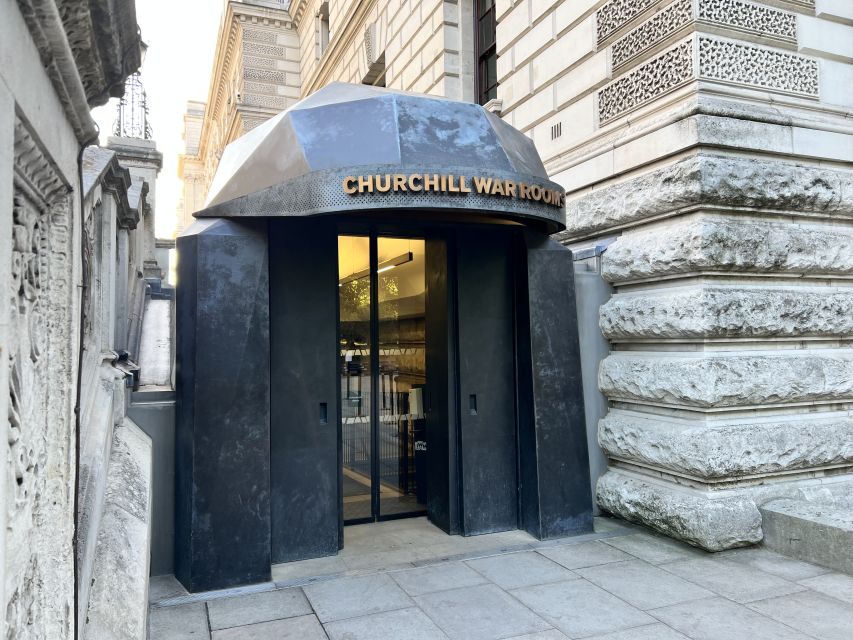
After the walking portion, you’ll descend into Churchill’s War Rooms at your own pace. Entrance is included, and there’s an audio guide in the War Rooms.
What makes this part standout is the contrast:
- Above ground, you’re seeing the icons of Britain.
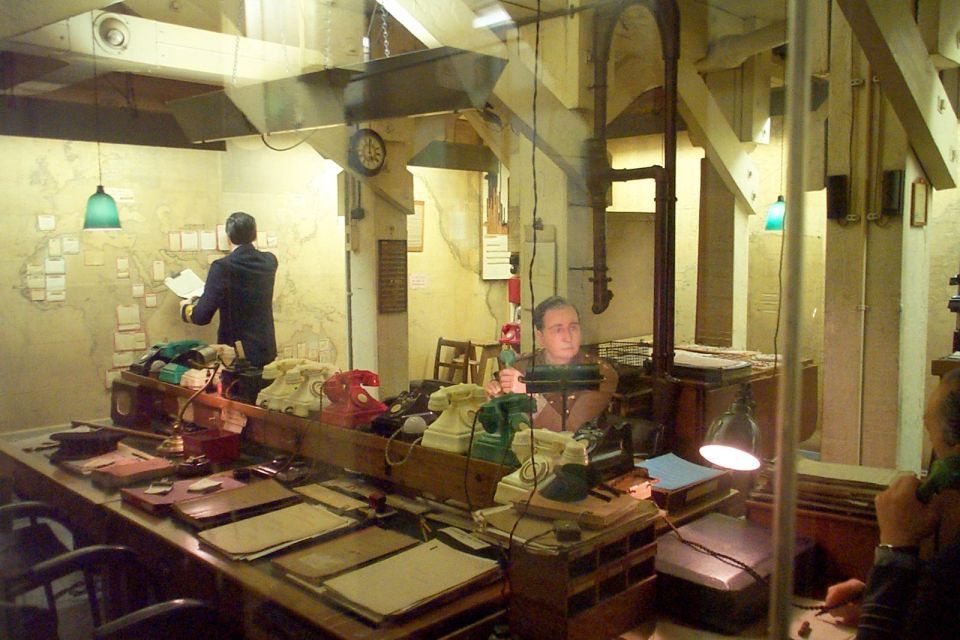
- Below ground, you’re meeting the machinery of survival—rooms that helped leaders manage the war from underground.
The audio guide helps connect what you’re looking at to the people who worked there. It’s especially effective if you’re the type who likes understanding how systems function, not just big moments and dates. You can pause, linger, and then move on at your own pace—useful because the War Rooms is packed with small details.
One consideration: this indoor section can get crowded. The audio format is great for flexibility, but in busy moments it can be harder to take your time with every exhibit. If you want a calmer experience, wear comfy shoes and plan to give yourself a little extra patience once you’re underground.
How long the tour feels in real life (3 hours, but not rushed)
The total duration is about 3 hours. Because it includes a guided walking segment plus time in the War Rooms, the pacing feels intentional rather than frantic.
Still, three hours can disappear faster than you expect in Westminster. You’ll stand at several key points, listen for context, and then adjust to the underground environment once you enter. For a smooth day, I recommend planning something nearby rather than scheduling a tight connection right after.
Also remember: security screening is required before you go in. That’s normal for this kind of site, but it affects timing. Arriving early enough for your own calm buffer is worth it.
Price and value: is $96 per person a good deal?
At $96 per person for a 3-hour outing, the value comes from what’s included—not just the walking.
You’re paying for:
- a guided walking tour of Westminster,
- a local expert (English-speaking),
- a small group size (15 or fewer),
- entrance to Churchill’s War Rooms, and
- an audio guide inside.
You’re also avoiding the biggest headache of this area: trying to line up a guided historical experience with timed entry to a top London attraction. For many people, that alone makes the price feel fair.
What’s not included is food and drinks, plus there’s no hotel pickup or drop-off. So if you’re budgeting, bring water, and plan a simple meal before or after.
For most visitors—especially those who don’t want to piece together tours—this combo is strong value because it connects the streets above to the bunker below.
Who this tour fits best (and who should reconsider)
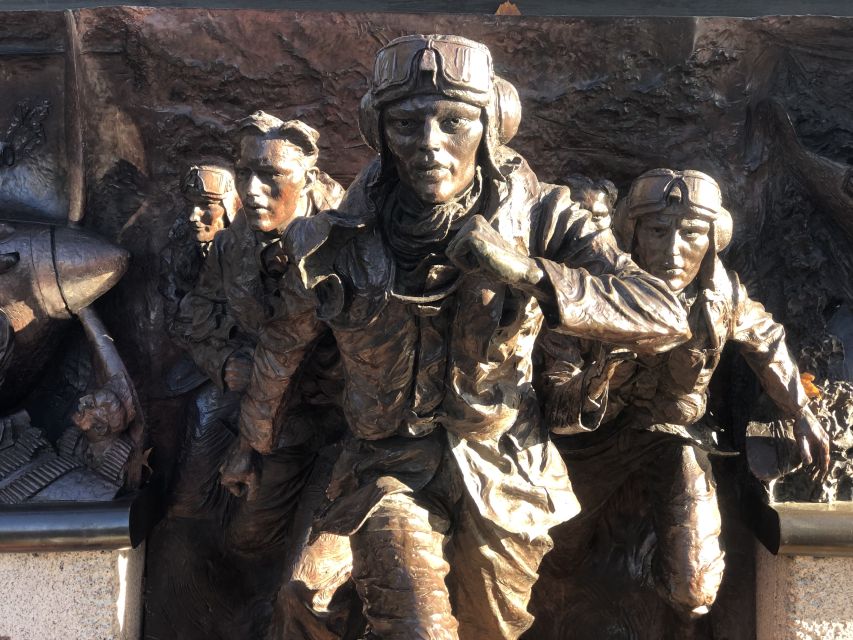
This experience is a great match if you want WW2 history tied to real, walkable places. It’s engaging for all age groups, which makes sense: you’re getting story-driven explanations in between famous monuments, then using audio in the War Rooms so you can set your own pace.
It’s also ideal if you enjoy guides who use humor and vivid storytelling. Multiple named guides associated with this experience—like Babs, Nathan, Richard, Jeremy, Paul, and Peter—are repeatedly described as high-energy and focused on keeping attention during the walk.
Who might consider alternatives:
- If you prefer fully guided, live commentary inside the War Rooms, note that the underground portion is audio rather than a live narration.
- If you have mobility needs, the tour isn’t suitable for wheelchair users or people with mobility impairments, and it also doesn’t allow baby strollers.
- If you hate crowds, the War Rooms audio experience may feel less comfortable during peak times.
Practical tips so the day runs smoothly
Bring comfortable shoes. The tour is walking plus stair access at the War Rooms entrance area and time underground. Pack water and an umbrella—it runs rain or shine.
Keep bags light. Luggage or large bags aren’t allowed. If you have camera gear or a bigger day bag, think twice before bringing it.
And don’t underestimate how much Westminster can look identical if you’re rushing. Use the meeting point directions, arrive early, and let the guide take over from there.
Should you book this Churchill War Rooms walking tour?
If you want a London day that mixes famous landmarks with real wartime context, I’d book this. It’s built for focus: a small group, a tight walking route through Westminster’s most recognizable sites, and then a War Rooms visit that turns “history on a screen” into history you can stand inside.
Book it especially if:
- you like guided storytelling more than self-guided sightseeing,
- you want Churchill’s War Rooms entry included, and
- you’d rather spend 3 hours well than spend your whole day piecing together logistics.
Skip it (or plan carefully) if you strongly dislike audio-guided museums, you need full step-by-step accessibility support, or you’re traveling with large items that won’t fit the site rules.
FAQ
How long is the London in WW2 and Churchill War Rooms tour?
It lasts about 3 hours.
What’s included in the price?
You get a guided walking tour of Westminster with an English-speaking local expert, small group size (15 or fewer), and entrance to Churchill’s War Rooms with an audio guide inside.
Is food or drinks included?
No. Food and drinks aren’t included.
Where do I meet the guide?
Meet outside Westminster Station, Exit 2, at the top of the stairs next to the Boadicea and Her Daughters Statue. The guide will hold an Urban Saunters orange sign.
Does the tour run rain or shine?
Yes. It takes place rain or shine.
Do I have to go through security?
Yes. All visitors must pass through security.
Is the War Rooms portion fully guided?
Not exactly. You’ll descend into the War Rooms and then explore at your own pace using the audio guide.
Is this tour suitable for wheelchair users or mobility impairments?
No. It’s not suitable for people with mobility impairments or wheelchair users.
What should I bring, and what can’t I bring?
Bring comfortable shoes, an umbrella, water, and comfortable clothes. You can’t bring baby strollers or luggage/large bags.