REVIEW · LONDON
London: Stonehenge & Bath Day Trip with Optional Roman Baths
Book on GetYourGuide →Operated by Premium Tours · Bookable on GetYourGuide
Stonehenge and Bath in one long day sounds impossible—until you try a coach itinerary built for it. I like that it pairs two UNESCO stops with real time to roam, not just quick photo breaks, and I also like the mix of structure plus freedom in Bath. One thing to plan for: it’s a full day with walking and lots of time on the coach, and the Stonehenge schedule can feel a bit tight because of shuttle time.
What keeps this from feeling like a “checklist tour” is the human factor. Guides such as Leon, Clive, Eva, Frank, and Steve are repeatedly praised for pacing, humor, and clear context—so Stonehenge turns from random stones into a place with a story, and Bath stops feeling like a pretty postcard. The potential drawback is that the coach day doesn’t include lunch or Roman Baths admission unless you choose the right option, so you’ll want to budget smartly from the start.
In This Review
- Key takeaways before you go
- One long coach day: how the 11-hour rhythm feels
- Stonehenge Visitor Center and the shuttle to the stones
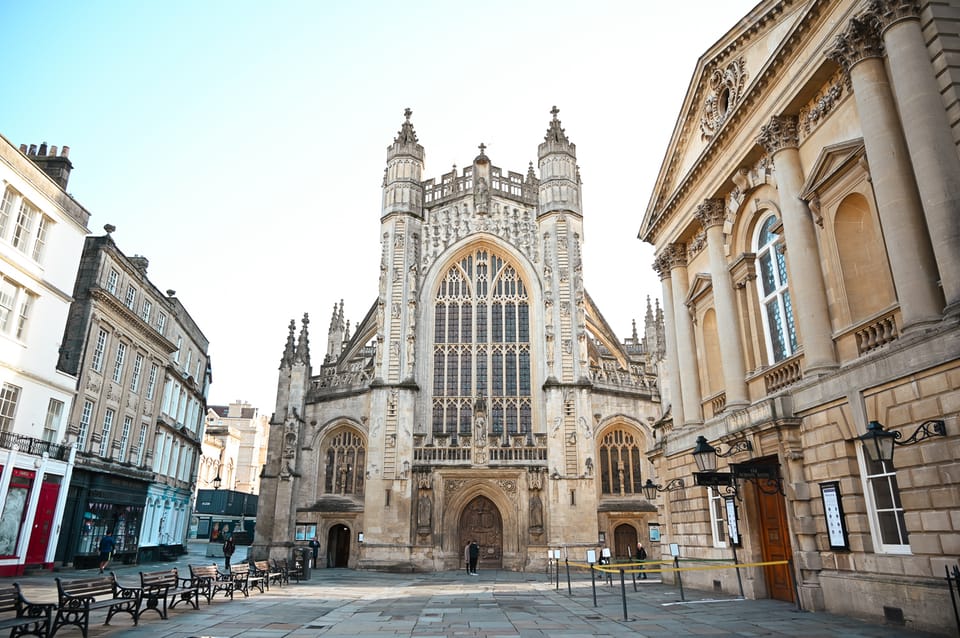
- Bath on foot: Georgian streets, Bath Abbey, and Pulteney Bridge
- Jane Austen Centre and Assembly Rooms: why Bath mattered
- Optional Roman Baths: Museum entry vs going inside the Baths
- Pump Room afternoon tea and the art of not rushing Bath
- Value check: is $97 a good deal for this route?
- What to pack, and where this tour fits best
- Should you book this London to Stonehenge & Bath day trip?
- FAQ
- How long is the Stonehenge and Bath day trip?
- Where do I meet the tour?
- What time should I check in?
- What’s included in the tour?
- Is lunch included?
- Is entry to the Roman Baths included?
- Is there an audio guide for Stonehenge?
- Are pets allowed and is the tour accessible for wheelchairs?
Key takeaways before you go

- Stonehenge is a shuttle-and-stroll experience: you’re not just dropped at a fence; you go up by shuttle, walk the stones, then loop through the Visitor Center.
- Bath gets both a guided walk and free time: the route helps you see the best Georgian shapes fast, then you choose how long to linger.
- Jane Austen stops are built in: the Jane Austen Centre plus Assembly Rooms gives context for why Bath became such a magnet.
- Optional Roman Baths can be worth it: you may get museum access with the option, and add the chance to go inside the main Baths area if available.
- The guide can make or break the day: names like Leon and Clive come up often for keeping things lively without rushing.
- Coach comforts are decent, but not wired: some people note no WiFi/charging points, so plan offline time.
One long coach day: how the 11-hour rhythm feels
This is an 11-hour day trip from central London, designed to cover Stonehenge first and Bath second. That timing matters. Stonehenge is best early, when the light looks good and you’re less rushed by crowds, while Bath works later because you want daylight for bridges, abbeys, and that classic Georgian street rhythm.
The meeting point is Gate 18–20 inside Victoria Coach Station, with check-in at 8:00 AM. If you want a smoother start, I’d show up early enough to find the gate without stress. You’re traveling in an air-conditioned coach, and people consistently mention the vehicles are comfortable and spacious—helpful when you’re away from London all day.
You should also know what you’re signing up for: this isn’t a slow, wander-at-your-own-pace day. It’s “see a lot, learn a lot, and move on,” with breaks at the two main sites. If you prefer flexible, no-timetable travel, you might feel the coach pace. If you prefer structure, you’ll probably like it.
You can also read our reviews of more tours and experiences in London



Stonehenge Visitor Center and the shuttle to the stones
Stonehenge is the headline, so the way the tour handles it is the whole game. You’ll head to Salisbury Plain, then you’ll explore the Stonehenge Visitor Center first. If you choose the option with entry, you’ll likely get access to the main site elements as part of your package.
Here’s the practical reality: Stonehenge is a shuttle + walking setup. Expect time that goes to getting up to the stones and back, then a window to walk around and take photos before you’re pulled back through the Visitor Center again. One of the most common schedule complaints is that the Stonehenge on-site time can feel a touch short because of that shuttle loop. It’s not a deal-breaker, but it’s good to know so your expectations match the day.
The good part is that you’re still getting the full “first-timer” arc:
- shuttle up to the standing stones area,
- walk around for photos and scale,
- time in the Visitor Center for context.
For extra value, download the Stonehenge Audio Tour ahead of time or use it on site. It’s specifically called out as available for app download, and that kind of audio layer helps if you don’t want to rely entirely on the guide’s spoken narration.
One more thing: comfortable shoes aren’t optional here. Stone paths and walking add up fast, and you’ll want stable footing for the outdoor time.
Bath on foot: Georgian streets, Bath Abbey, and Pulteney Bridge

After Stonehenge, you’ll reach Bath with time for lunch on your own and then a guided component. The walking tour is included, and that’s a smart choice: Bath can feel like a lot of beautiful architecture at once unless someone points out what you’re looking at. The tour route helps you spot key Georgian features quickly, so your free time feels more intentional.
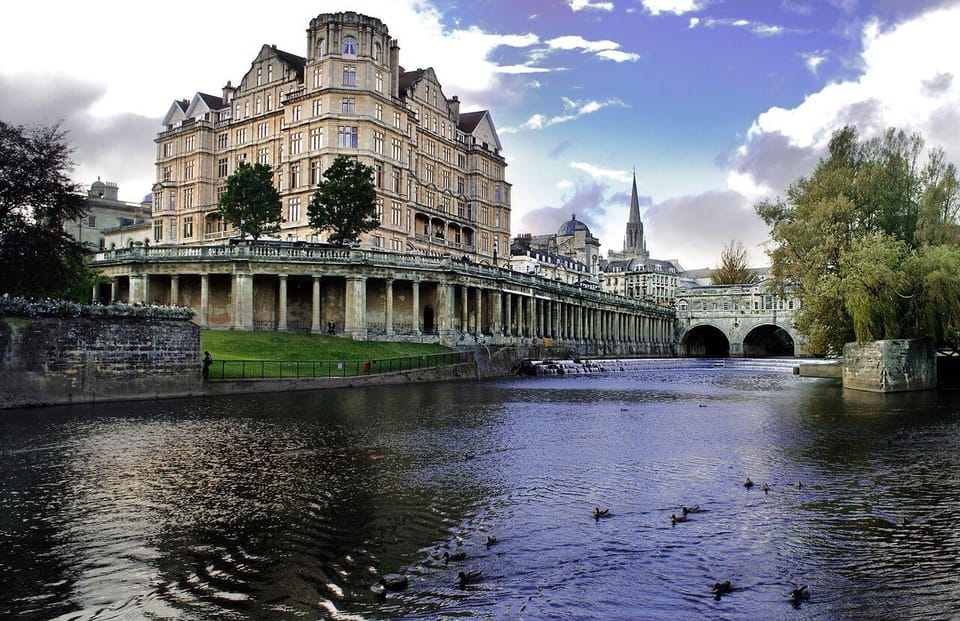
When you’re on your own, you get freedom to roam among Bath’s famous shapes—think crescents and terraces, plus major landmarks like Bath Abbey. There’s also a standout photo and stroll target: Pulteney Bridge across the River Avon. That bridge is the kind of place where the view changes as you walk and lean in, so having actual time to meander is better than racing for a single angle.
Bath Abbey is another place where “seeing it from outside” isn’t the same as having a moment to look up at the stonework and surroundings. Even if you don’t go inside, the exterior is part of the experience. Just keep your pace realistic: the day is long, and you’ll want energy for the optional Roman Baths if you add that.
Jane Austen Centre and Assembly Rooms: why Bath mattered
Bath isn’t just old buildings—it’s a social stage. That’s why the Jane Austen Centre is so useful. It gives you the author’s connection to Bath, and it helps explain why this city became so appealing to visitors in Austen’s era.
You also visit the Assembly Rooms, an elegant 18th-century setting tied to the kind of social life that made Bath famous. Even if you’re not a deep Austen fan, the real value here is context: the Centre and Assembly Rooms turn your walk through Bath from “pretty streets” into “a place where people gathered for music, conversation, and display.”
This part of the day is typically paced so you can combine learning with personal wandering afterward. You’ll also get time to shop, and it’s easy to build in small stops like a tea room if you want something cozy and quintessential.
Optional Roman Baths: Museum entry vs going inside the Baths
If you only choose one upgrade for this trip, I’d look closely at the Roman Baths option—because it’s the most tangible link between “ancient wonder” and an actual preserved public bathing culture.
What you can do depends on which option you select:
- You may get entry to the Roman Baths Museum as part of the included items if you choose that option.
- Separate from that, entry to the Roman Baths themselves may require selecting the option that grants access to the Baths area.
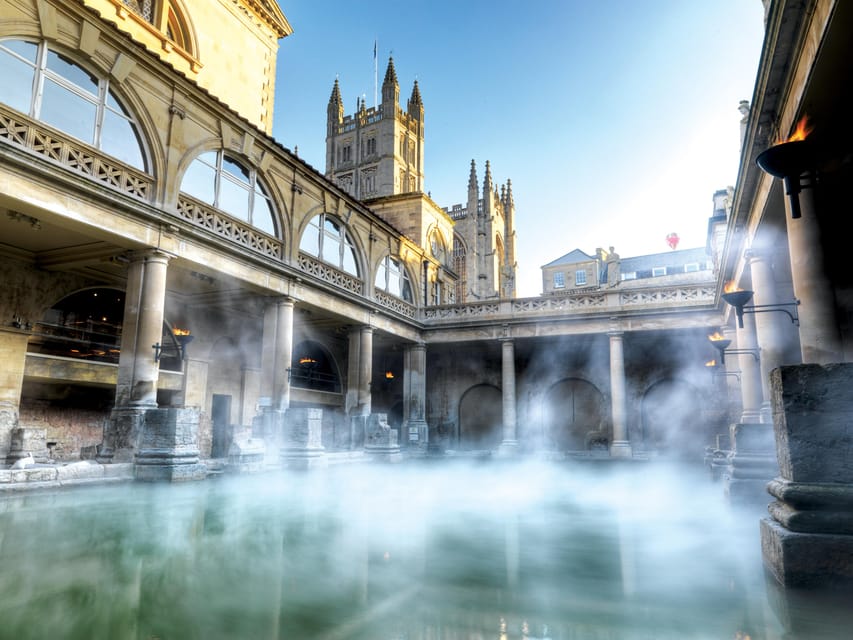
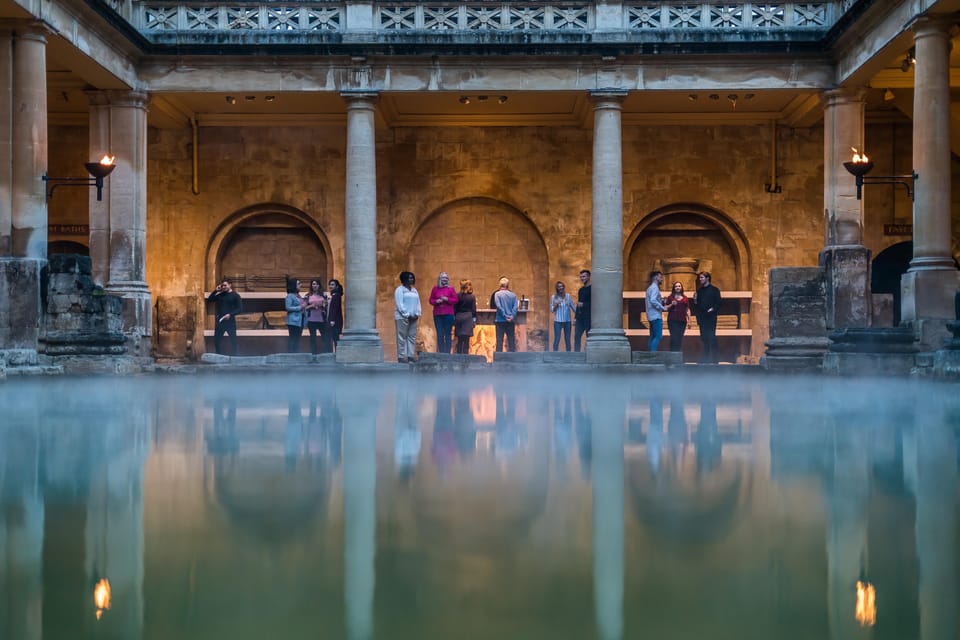
What you’re aiming for (again, depending on entry) is the Roman public bath complex and Roman temple, built around Britain’s natural hot water spring. The centerpiece is the area where you can walk around the steaming pool on Roman stone paving and view ancient statues and architectural details.
If you’re the type who loves ruins that still feel alive, the Baths interior is the moment. If you prefer a lighter day and would rather spend more time in Bath’s Georgian core, you might feel fine with the museum-only choice—especially since Bath already gives you plenty of walking and landmark time.
In other words: choose Roman Baths for the “wow, this is still the site” factor. Skip it if you’d rather maximize shopping, tea, and scenic stroll time.






Pump Room afternoon tea and the art of not rushing Bath

One of Bath’s easiest pleasures is the Pump Rooms and the idea of afternoon tea there, with live classical music mentioned in the plan. Even if you don’t treat tea as a must-do, the Pump Rooms area is a classic Bath setting and gives you a good reset during a long day.
I’d use this timing strategically. Don’t schedule tea so late that it steals time from Roman Baths (if you added them) or from walking the final streets. Instead, treat it like a mid-afternoon battery recharge—something social, warm, and slow enough to balance the earlier rushing at Stonehenge.
If you want snacks instead of a full lunch, Bath is full of options, including traditional pubs, tea houses, and quick sandwich spots. Since lunch isn’t included on this tour, plan a place you’d be happy with ahead of time, then let the free time slot decide how long you can actually linger.
Value check: is $97 a good deal for this route?

At about $97 per person for a day covering two UNESCO sites, the value comes down to what you actually want out of the day.
Here’s what you’re paying for:
- Coach transport from London (air-conditioned),
- a live guide who explains what you’re seeing,
- included Stonehenge entry if you select that option,
- and a guided walk in Bath.
What you’re not paying for:
- Lunch,
- and Roman Baths entry unless you select the option that includes it.
So if you’re the kind of visitor who wants both interpretation and structure, this can feel fair—especially with guides like Leon or Clive often noted for keeping people engaged. If you’re a strict DIY planner who prefers to buy your own timed tickets and skip any guided narration, you might find the base price less satisfying unless you add the Roman Baths upgrade.
Also remember the tradeoff: it’s an 11-hour day. You’re essentially buying convenience and guidance for the long transit time. If you can handle long days and want the “best of” hits, $97 can make sense. If you want a slower, deeper travel pace, you might prefer staying overnight or splitting the cities into separate days.
One practical note: some people mention the coach doesn’t have WiFi or charging points, which can matter if you need your phone for mapping or tickets. Plan to rely on offline basics.
What to pack, and where this tour fits best

This tour has a clear comfort checklist:
- bring comfortable shoes,
- be ready for a lot of walking at Stonehenge and Bath,
- and plan for time outdoors at Stonehenge.
There are also firm limits:
- Pets aren’t allowed.
- It’s not suitable for people with mobility impairments or wheelchair users.
If you’re traveling solo, this kind of day trip can be a good solution because the guide keeps the flow moving and you’re not stuck navigating between sites alone. If you’re traveling with family or a group of mixed interests, Bath’s mix—architecture, Austen context, and tea options—helps keep more people happy.
Who I think this suits best:
- first-timers to both Stonehenge and Bath,
- history buffs who want context without reading a book on the bus,
- visitors who like guided structure but still want free time,
- and people who only have one day to make it happen.
Who should rethink it:
- anyone who hates long coach time,
- anyone who needs extra mobility support,
- and anyone who will feel unhappy if Stonehenge feels a touch time-pressured due to shuttle logistics.
Should you book this London to Stonehenge & Bath day trip?

Book it if you want a strong “two highlights, one day” plan with a guide to turn sightseeing into meaning. I’d especially lean yes if Bath’s Austen connection sounds interesting and you’re open to the Roman Baths upgrade for the real ancient-bathing core.
Skip—or at least reconsider—if you’re trying to avoid long travel hours, or if you’d rather control pacing tightly at Stonehenge and Bath on your own timetable. For people who prefer slow travel, splitting your time across more days often feels better.
If you do book, my advice is simple: choose your Roman Baths option carefully, download the Stonehenge audio guide in advance, and wear shoes you can walk in for hours. Then let the day run. It’s a lot, but it’s also one of the most efficient ways to experience two UNESCO treasures without getting lost between them.
FAQ
How long is the Stonehenge and Bath day trip?
The tour lasts 11 hours.
Where do I meet the tour?
You check in at Gate 18–20 inside Victoria Coach Station.
What time should I check in?
Check-in starts at 8:00 AM.
What’s included in the tour?
The tour includes transportation by air-conditioned coach, a live tour guide, a walking tour of Bath, and entry to Stonehenge if you select that option. It may also include entry to the Roman Baths Museum if you select the option.
Is lunch included?
No, lunch is not included.
Is entry to the Roman Baths included?
Entry to the Roman Baths is not included unless you select the option that includes it. The Roman Baths Museum entry may be included if you select its option.
Is there an audio guide for Stonehenge?
Yes. The Stonehenge Audio Guide is available to download prior to the visit or while you are on site, via the Stonehenge Audio Tour app.
Are pets allowed and is the tour accessible for wheelchairs?
Pets aren’t allowed. The tour is not suitable for people with mobility impairments and wheelchair users.