REVIEW · LONDON
Booze, Brothels & the Bard: London’s Bawdy Borough
Book on GetYourGuide →Operated by Historic London Tours · Bookable on GetYourGuide
London gets wonderfully naughty on foot. This Booze, Brothels & the Bard walk through Southwark and Bankside turns a small area into a full 1,000-year story, with Tom Currie keeping the pace friendly and the facts sharp. I love how it’s built around real, specific stops (not vague talk), and I love the small group size, which makes it easier to ask questions and actually hear the guide.
The only real drawback to plan for: the tour is short, so if you want lots of time inside Shakespeare’s Globe itself, you may need a separate visit later. Also, the subject matter leans adult, so it’s not set up for kids under 13.
In This Review
- Key things to know
- Where Southwark Turns Into London’s Bawdy Borough
- The 2-Hour Plan With Tom Currie’s Easygoing Pace
- Marshalsea Prison: Justice, Punishment, and What Still Survives
- Crossbones Garden: The Side of London You Don’t See From the Tube
- Hop Exchange and The George Inn: When Pubs Sit Next to Legends
- Borough Market: Old Commerce Meets a New Crowd
- Old Operating Theatre Museum & Herb Garret: Life and Death in the Same Block
- Southwark Cathedral and London Bridge: Scale, Power, and Sightlines
- Winchester Palace Remains: Bishops, Authority, and the Big Money Behind the Scenes
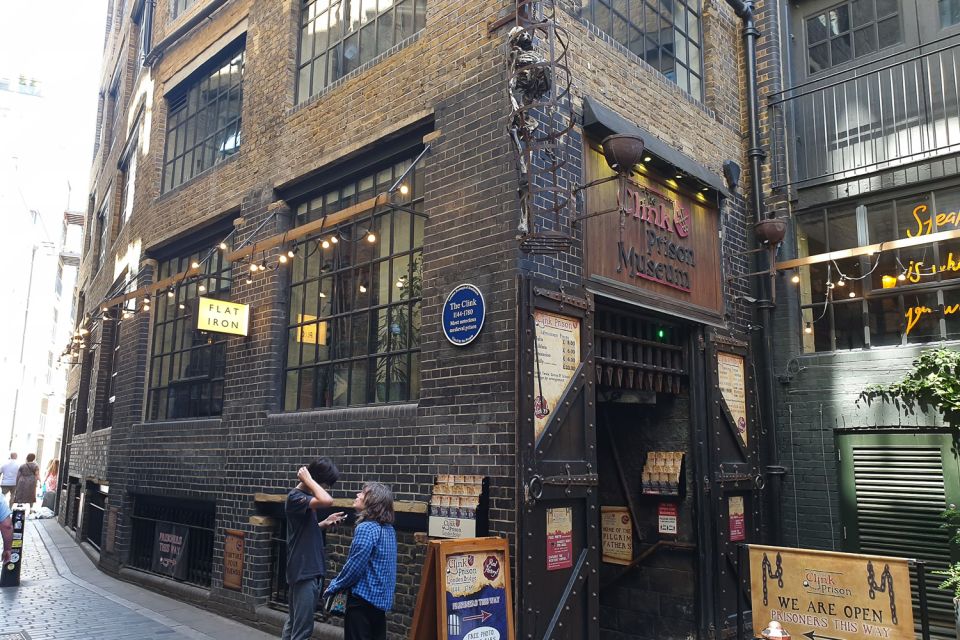
- Clink Prison Museum: The Second Notorious Prison Stop
- Shakespeare’s Globe: Old Site, New Theatre, and Timing Your Expectations
- Value for $26: Why This Price Feels Fair
- Who Should Book, and Who Might Prefer Something Else
- Should You Book Booze, Brothels & the Bard?
- FAQ
- How long is the Booze, Brothels & the Bard tour?
- How far do we walk?
- Where do I meet the guide?
- What language is the tour in?
- What is the group size?
- Is it suitable for children?
- What does the tour include?
Key things to know
- Small group (up to 15 people) for better questions and a calmer pace.
- Two notorious prisons plus what’s still visible today: Marshalsea Prison and Clink Prison Museum.
- Borough Market and the Hop Exchange put the area’s everyday business beside the darker side.
- Charles Dickens and Shakespeare connections help you see this neighbourhood through famous writers.
- Old and new Globe Theatre stops: the original site and Shakespeare’s Globe, both on the same walk.
- About two miles total talking distance over roughly two hours, so it stays manageable.
Where Southwark Turns Into London’s Bawdy Borough
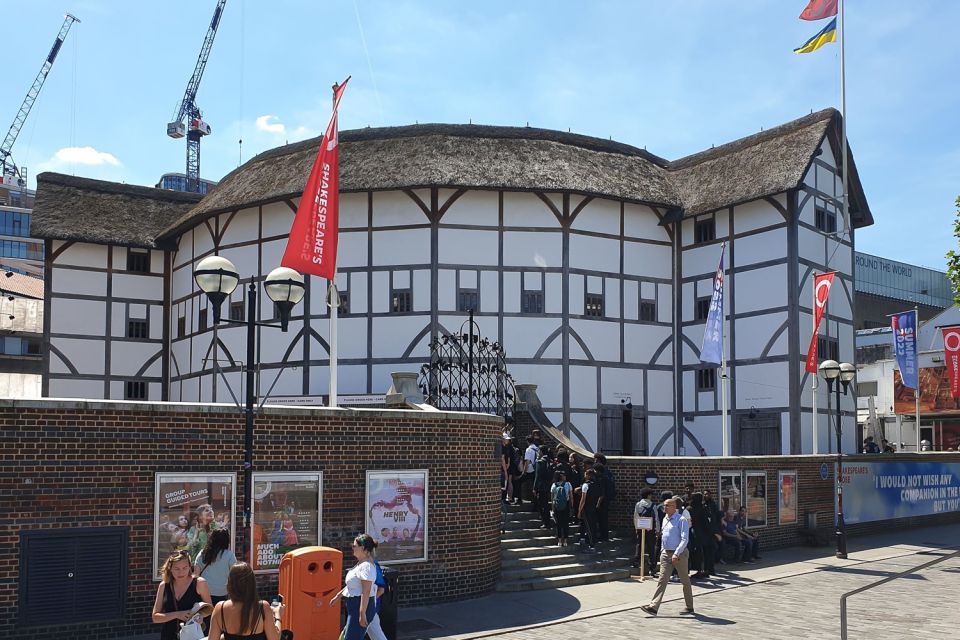
This walk is about a part of London that sat just outside the City of London’s control for centuries. That detail matters. When you step into Borough and Bankside, you’re not just seeing landmarks—you’re seeing how rules, policing, and power shaped what people did with their evenings.
Southwark’s reputation comes through in the tour’s theme: booze, brothels, and the Bard. You’re guided through locations tied to prostitution reaching back to the Romans, and you also hear how the local “underworld” coexisted with normal life like markets and pubs. It’s not presented as shock value; it’s explained as how the area worked, and why certain stories repeat in London’s writing.
Even the names on the route feel like they belong to a darker playbill—things like Doorkins Magnificat and a ghostly nineteenth-century pub landlady appear as part of the storytelling. Whether you’re into history or you just like a good yarn, the point is the same: this neighbourhood has long been linked to trouble, and it left traces you can still find.
You can also read our reviews of more tours and experiences in London.



The 2-Hour Plan With Tom Currie’s Easygoing Pace
The tour runs about two hours and is built on short stopovers (around five minutes of guided time at each location). That structure helps you in two ways: you don’t get stuck listening forever in one place, and you also stay in motion over a compact route.
Your meeting point is just outside Borough Station on Borough High Street, with the guide holding an Historic London Tours sign. The walk starts there and finishes at Shakespeare’s Globe. Along the way, you cover about two miles total (the talking distance), which feels realistic for most visitors as long as you’re okay with a brisk walking pace.
What really elevates this kind of tour is the guide’s delivery. Tom Currie’s style stands out in the way he handles questions and keeps the story balanced—funny when it can be, serious when the topic needs it. People also seem to like that the guide gives just enough detail on-site to make you want to read more later, without turning the walk into a lecture.
Marshalsea Prison: Justice, Punishment, and What Still Survives
The route begins your “hard history” lesson quickly, with a stop at The Marshalsea Prison. This is one of the places that anchors the tour’s big idea: the area wasn’t just about vice; it also carried the machinery of punishment.
You get a guided moment that focuses on why Marshalsea became notorious, and you learn how parts of Southwark’s prison story can still be seen today. Even if you’ve visited other prison sites elsewhere in the UK, you’ll likely appreciate how the tour connects the prison story to the surrounding streets instead of treating it like a museum in isolation.
Practical note: prison sites tend to feel emotionally heavy, so having a guide who can keep the tone clear and respectful helps. From what I gather about the tour’s pace, you’re given enough context to understand the significance without getting overwhelmed.
Crossbones Garden: The Side of London You Don’t See From the Tube
Next up is Crossbones Garden, another stop that strengthens the tour’s theme. The name itself signals something darker, and the guide uses it to talk about prostitution in the area over many centuries.
A key value here is contrast. Southwark contains places linked to everyday commerce and entertainment, but the tour keeps circling back to how the same streets could hold both survival strategies and exploitation. That connection—vice beside daily life—is what makes the neighbourhood feel real rather than theatrical.
If you’re the type who likes your history with atmosphere, this is likely one of the most memorable stops. The tour’s storytelling style gives the area a sense of living presence, not just dates and names.
Hop Exchange and The George Inn: When Pubs Sit Next to Legends
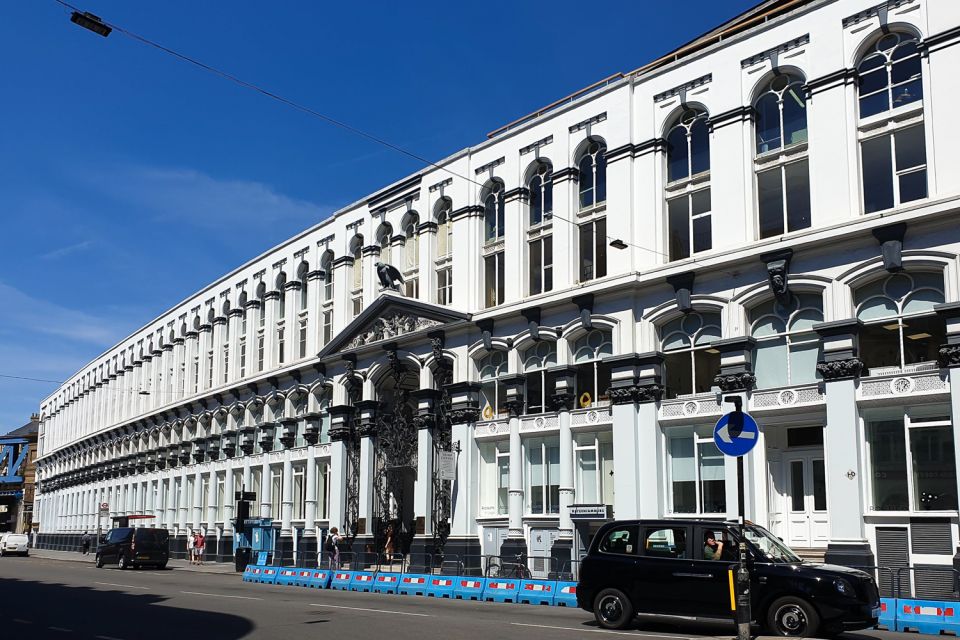
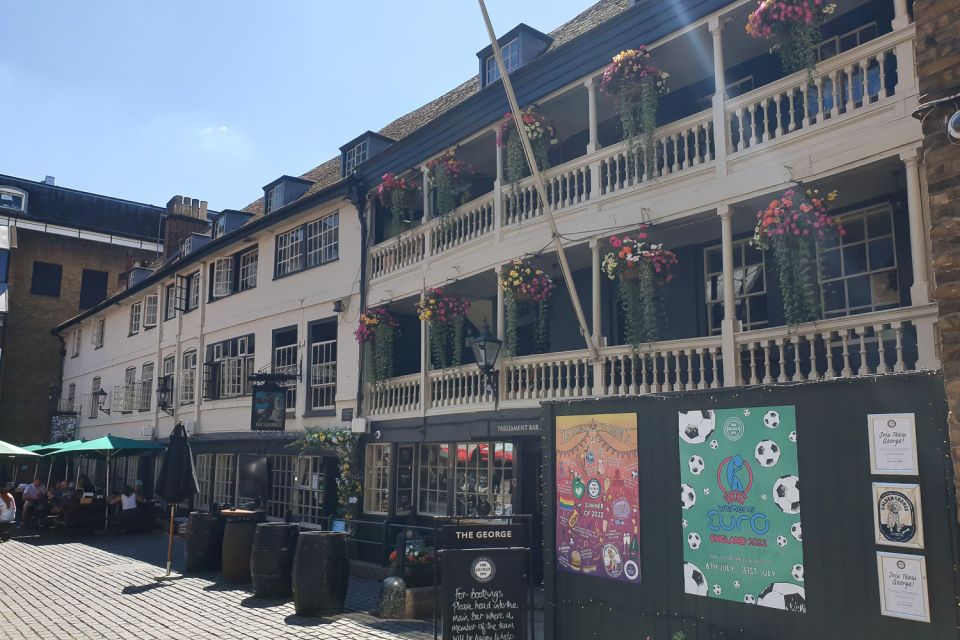
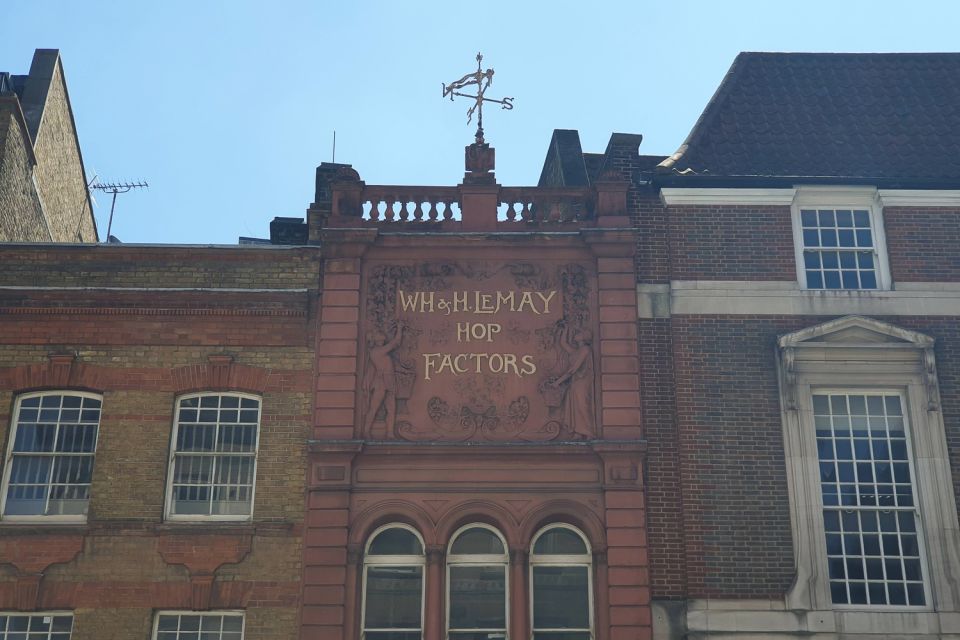
Then you hit the part of the route where the setting starts to feel familiar to anyone who’s wandered London for pubs and snacks—The Hop Exchange and The George Inn.
These stops matter because they connect “big stories” to places people actually used. The route isn’t only about prisons and misery. It also highlights how drinking culture and local institutions were part of how the neighbourhood ran. The mention of a nineteenth-century pub landlady ghost isn’t just a spooky flourish; it fits the idea that pubs were long intertwined with the social life of Southwark.
If you like walking tours that teach you how to read a neighbourhood, these pub-adjacent stops give you a way to notice details you’d otherwise rush past.

Borough Market: Old Commerce Meets a New Crowd
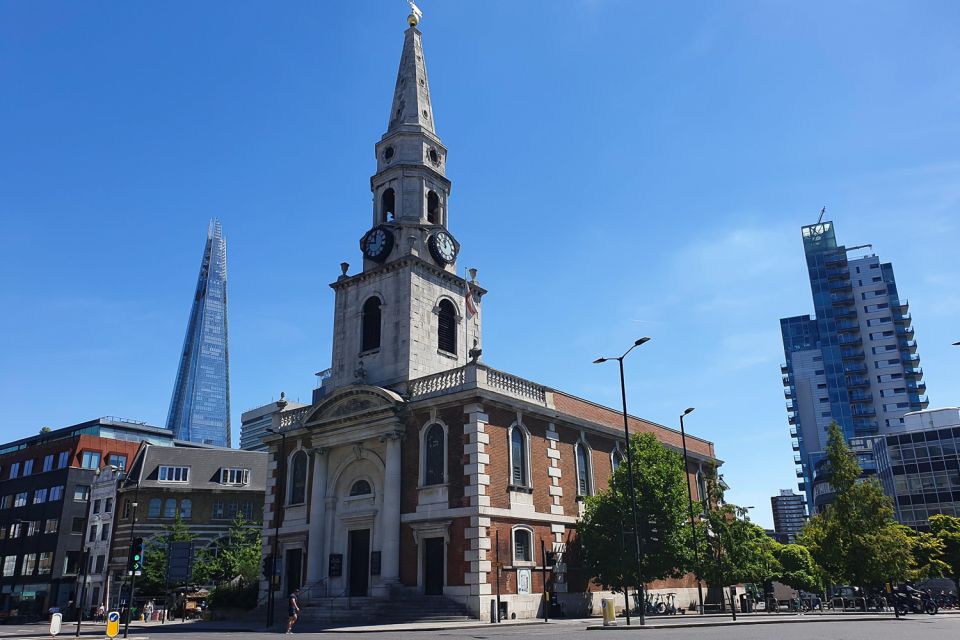
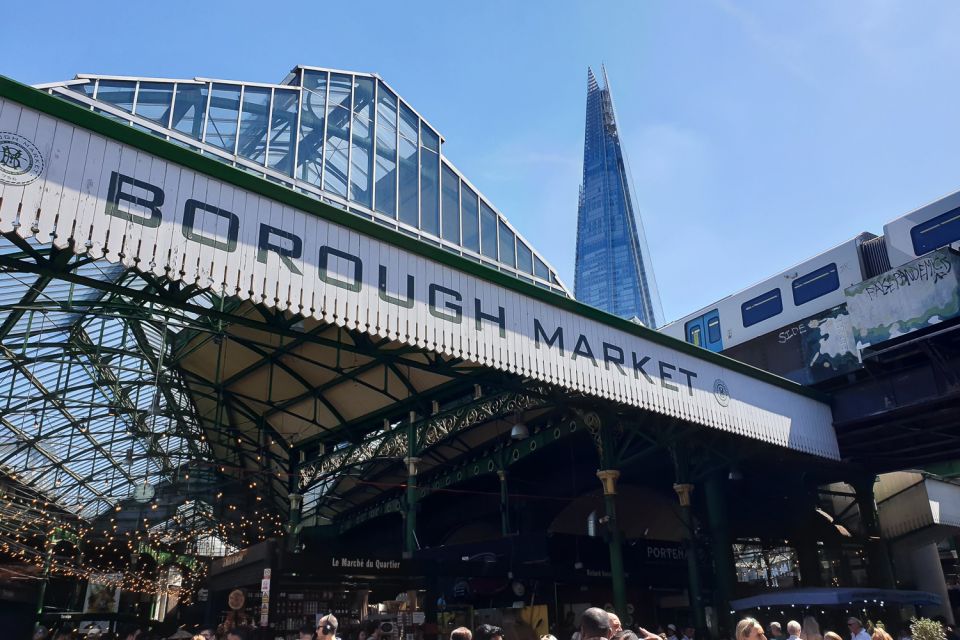
One of the best-known stops on this walk is Borough Market. The tour frames it as London’s largest and oldest market, and it’s the spot where the historic and the current collide.
Here’s the value for you: the tour shows how a place can stay important even as its reputation changes. Borough Market today is about food and momentum, but the guide helps you understand how this kind of trading hub could exist in an area also known for sex work and crime.
Time-wise, the stop is brief, so don’t expect to become a market expert in five minutes. But do expect to get oriented. You’ll likely leave with a short list of stalls or areas you want to revisit when you’re not on a schedule.
Also, London markets can get crowded fast, so this is one of the moments where your guide’s practical crowd management helps.
Old Operating Theatre Museum & Herb Garret: Life and Death in the Same Block
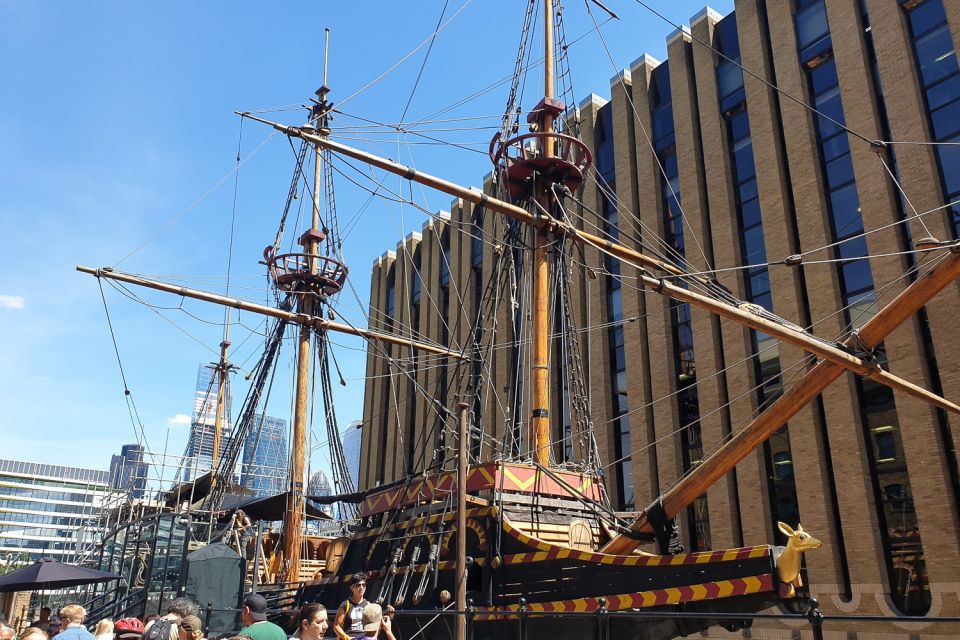
The route includes Old Operating Theatre Museum & Herb Garret, which adds a different kind of realism to the tour. After prisons and street-level exploitation, this stop broadens the theme to the harsh realities of everyday life in earlier London.
What you’ll get here is a guided snapshot—enough to place the site in the neighbourhood’s story—rather than a long museum session. Even without a full deep-dive, the effect is strong: you start to see how punishment, survival, and medicine sat close together in Southwark.
If you care about how city neighbourhoods functioned under pressure, this stop helps turn the tour from “dark history” into “how people lived.”
Southwark Cathedral and London Bridge: Scale, Power, and Sightlines
Two big landmarks arrive in the middle of the route: Southwark Cathedral and London Bridge.
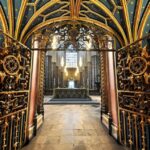
Southwark Cathedral gives you a pause from the edgier stories and helps you zoom out. It’s a reminder that while the area had seedy goings-on, it also held serious religious and civic presence. That contrast helps the bigger picture click: these weren’t separate worlds; they were neighbors.
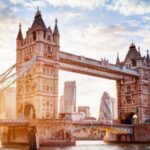
Then you reach London Bridge. This is where you can feel the city’s flow. Even if you’re not crossing the bridge on foot during the tour, stopping near it gives you a natural “orientation moment,” letting the story of Southwark connect to the wider geography of London.
For a two-mile walk, the route does a smart job of mixing tight street history with bigger, open sightlines.
Winchester Palace Remains: Bishops, Authority, and the Big Money Behind the Scenes
Next comes the Winchester Palace stop, tied to the Bishop of Winchester. You’ll see what remains of the palace and learn how powerful figures were part of the same landscape where small-time vice also thrived.
This is where the tour earns its title in a more thoughtful way. It’s easy to think of neighbourhoods like this as only “the bad side of town.” The Winchester Palace angle complicates that. It shows you that big authority and big money operated alongside the darker street economy—and both shaped what Southwark became.
The result is a more balanced understanding. You get grime, yes. But you also get structure.
Clink Prison Museum: The Second Notorious Prison Stop
The tour hits the Clink Prison Museum next, another of Southwark’s notorious prisons. Compared with Marshalsea, this stop reinforces the idea that punishment wasn’t a distant concept; it lived in the neighbourhood.
You’ll see how the prison story fits the area’s wider reputation, and you get more of that “what still remains” perspective. This double-prison setup is one of the most praised parts of the experience because it makes the history feel layered instead of one-note.
If you like your tours with a strong through-line, this is where it really holds together: you’re tracking how law, vice, and daily life interlocked.
Shakespeare’s Globe: Old Site, New Theatre, and Timing Your Expectations
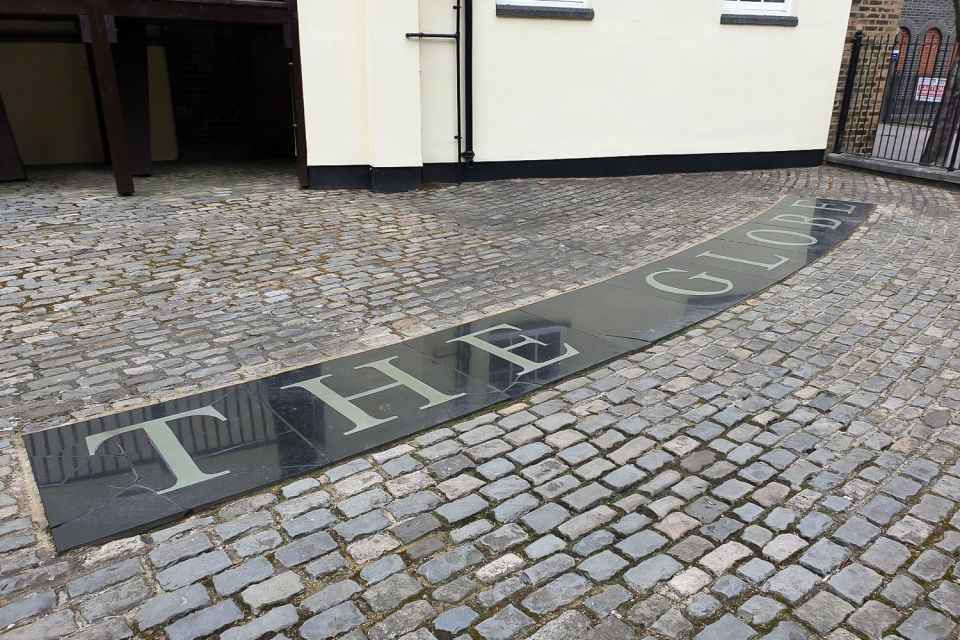
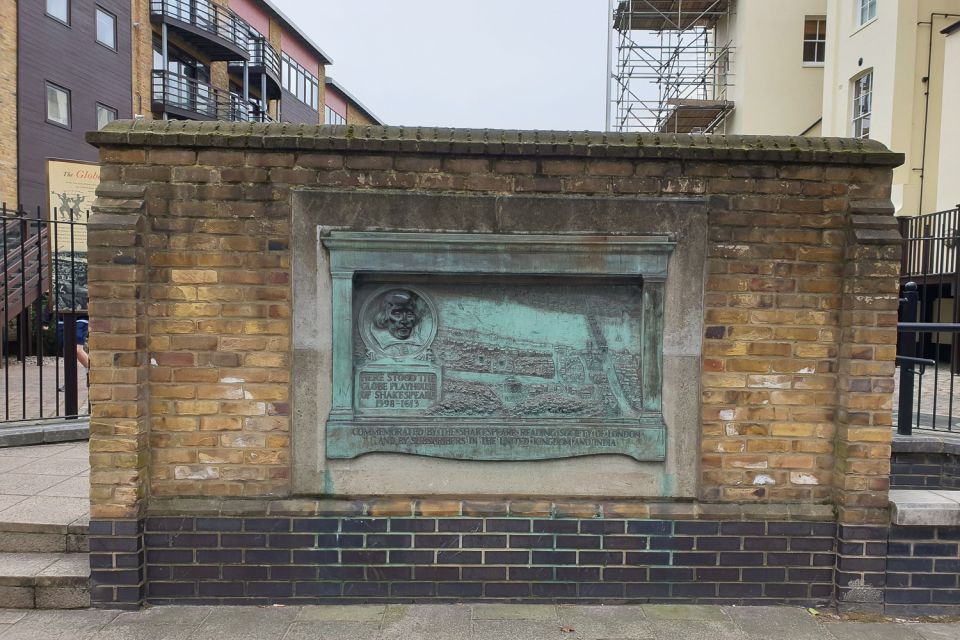
The last stretch brings you to Shakespeare’s story in two steps: first the original site of the Globe Theatre, then Shakespeare’s Globe itself.
This dual stop is a smart design. The original site gives you the sense of where the world-changing performances happened. Then the modern Globe gives you the chance to see how London keeps rebuilding that legacy in physical form.
You’ll also hear about Charles Dickens’s connection to the neighbourhood. That pairing can be a fun way to think about how writers used the streets of London—some to tell tragedies, some to tell darker truths, all to capture local character.
One caution: the tour’s guided time at the Globe is short. If you want to spend a long stretch inside the theatre, plan for a separate visit. A quick orientation is great, but it’s not the same as sitting down, soaking in the atmosphere, and reading the details at your own pace.
Value for $26: Why This Price Feels Fair
At about $26 per person for roughly two hours, this tour can feel like a deal—especially because the route covers a tight cluster of major sites in Southwark and Bankside. You’re not just ticking off one museum stop; you’re getting context at prisons, market ground, famous theatre sites, and cathedral-scale landmarks.
The small group limit (up to 15) also affects value. When fewer people are asking questions at once, the guide can keep the tone personal, and you don’t spend the entire time trying to hear over a crowd.
If you like walking tours that give you a “mental map” fast, this fits. You get a sense of where everything is, why it mattered, and what you should revisit if you want more detail later.
Who Should Book, and Who Might Prefer Something Else
This is best for you if you want:
- a guided walk focused on Southwark’s lesser-known past
- history that mixes crime, social life, and famous names like William Shakespeare and Charles Dickens
- a compact route where each stop adds a piece to the whole story
It’s likely not ideal if you’re bringing children under 13, since the tour content is not geared toward younger audiences.
If you’re new to walking tours, this one can work well because the route is manageable (about two miles total talking distance) and the guide’s pace is designed to keep the group comfortable and engaged.
If you hate crowds, note that Borough Market and the Globe area can be busy. The guide’s job includes steering you through that reality without losing the story.
Should You Book Booze, Brothels & the Bard?
I think you should book this tour if you’re curious about the “other” London—where prisons, markets, pubs, and theatre overlap in the same few blocks. For $26, you get a lot of orientation, a lot of named locations, and a guide style that keeps things engaging without leaving you lost.
Skip it (or plan extra time elsewhere) if you’re only interested in a long theatre visit inside Shakespeare’s Globe. This is a walking tour with short stops, not a full-day ticket to every indoor attraction.
If you do book, my advice is simple: arrive ready to look at street corners like they matter. In Southwark, they do.
FAQ
How long is the Booze, Brothels & the Bard tour?
It takes about 2 hours.
How far do we walk?
The total talking distance is about 2 miles (3.2 km).
Where do I meet the guide?
Meet just outside Borough Station on Borough High Street. The guide will be standing there with an Historic London Tours sign.
What language is the tour in?
The tour is in English.
What is the group size?
Ticket sales are limited to 15 attendees to keep the experience enjoyable.
Is it suitable for children?
No. It is not suitable for children under 13.
What does the tour include?
A live guide is included. You’ll also visit multiple stops along the route, ending at Shakespeare’s Globe.