REVIEW · LONDON
London: The Original Jack the Ripper Walking Tour
Book on GetYourGuide →Operated by See Your City · Bookable on GetYourGuide
That first foggy step into Whitechapel hits different. This London tour pairs a Ripperologist guide with real-world locations, case theories, and hands-on discussion of clues like photographic evidence, all wrapped into everyday 1888 life. I especially like how you get specific stops tied to the story instead of vague spooky talk, and I also like that strong guides (I kept seeing names like Martin Cheng, Nic, Bettina, Gabby, and Ivan) tend to keep the pace moving and the questions flowing. One thing to consider: the tour includes graphic details and visual content, so it’s not the right pick for younger kids or anyone who’d rather skip the darker parts of the case.
If you’re the kind of person who enjoys true-crime history without the Hollywood shortcuts, this one works well. You walk East End streets with a guide who frames the murders in the broader context of 19th-century London, including why Whitechapel mattered and how the era shaped pop culture ideas that later fed into figures like Sherlock Holmes. A possible drawback is also part of the charm: it’s outdoors, so you’ll feel the weather, and the paths can vary.
In This Review
- Key takeaways before you walk into Whitechapel
- A case-file walk through 1888 Whitechapel
- Meeting point at Altab Ali Park: how to start without stress
- The tour’s tone: respect, clues, and the graphic line
- From St Marys to Christ Church Spitalfields: where the story starts
- Spitalfields Market and Mitre Square: clues in plain sight
- Brick Lane and Petticoat Lane: the East End beyond the headline
- The Ten Bells finish: turning the case into context
- Price and value: is $25 worth your time?
- Who should book this tour (and who should skip it)
- Should you book the London Original Jack the Ripper Walking Tour?
- FAQ
- What’s the duration of the tour?
- How much does it cost?
- Where do I meet the guide?
- Which Underground station is closest?
- Is the tour indoors or outdoors?
- What languages is the live guide offered in?
- Is the tour wheelchair accessible?
- Is this tour suitable for children?
- Is food or drinks included?
- What should I bring?
Key takeaways before you walk into Whitechapel
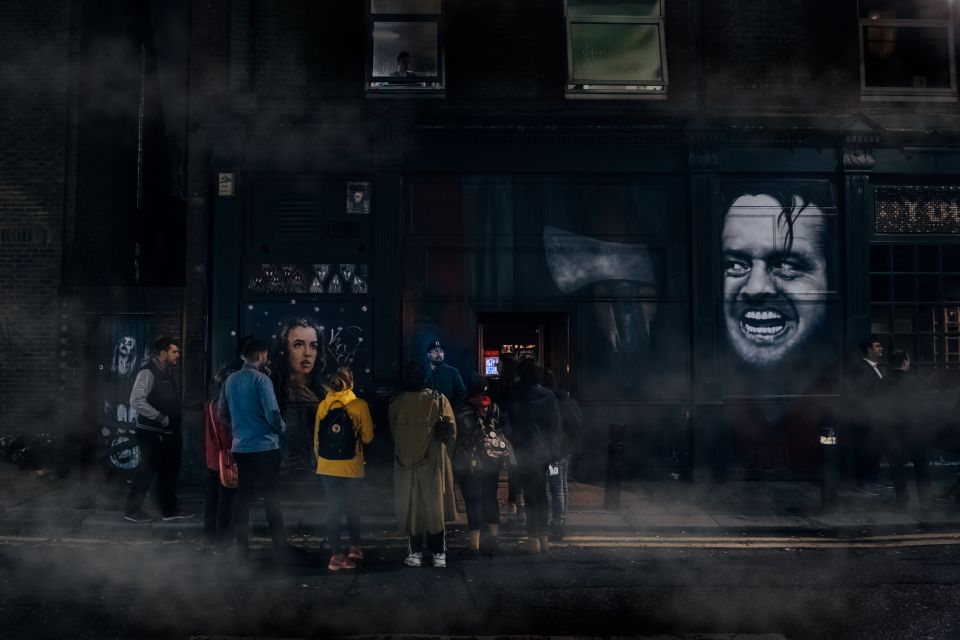
- Real Whitechapel locations connected to the case, not just general “Ripper vibes.”
- Victim and suspect stories told in a way that focuses on what we know and the theories.
- Clue-based discussion, including photographic evidence and alleged investigative findings.
- East End texture through stops like Brick Lane, Spitalfields Market, and Petticoat Lane.
- An expert pace in 2 hours, with plenty of time for questions.
- A strong guide vibe, with repeated praise for hosts who speak clearly and hold attention.
A case-file walk through 1888 Whitechapel
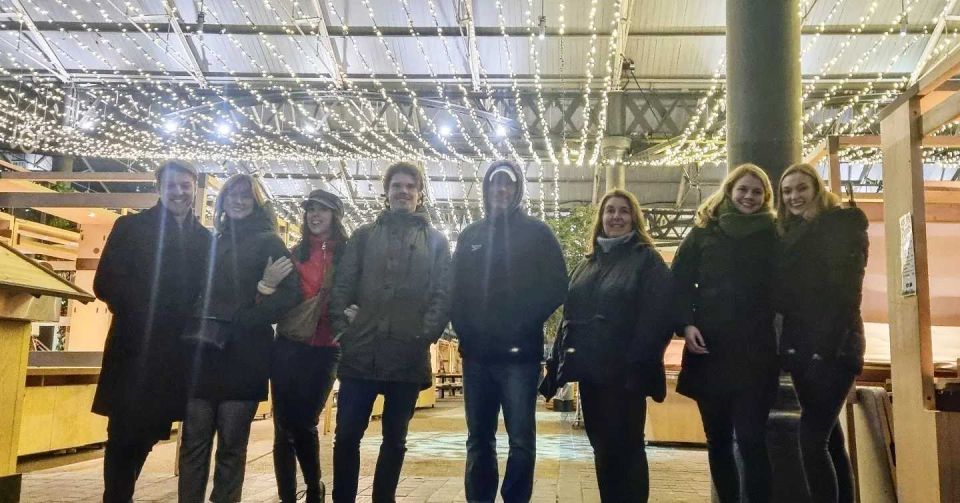
This is not a museum tour where you stare at glass and hope the story sticks. You’re on the street, so the whole thing plays out like a guided investigation of the East End in 1888. Your guide frames the murders as part crime case, part window into daily life in a poor neighborhood where anonymity, overcrowding, and desperation were part of the environment.
What makes it feel worthwhile is the mix of story and method. You don’t just get legends. You get theories, context, and discussion of evidence—sometimes with the guide asking you to weigh what makes sense and what doesn’t. That keeps the tour from turning into a one-way lecture.
And because the tour connects the setting to later cultural ideas—especially the way Sherlock Holmes became a symbol of detective thinking—you end up with more than a horror story. You come away understanding how people in that era (and after) made sense of fear, crime, and mystery.
You can also read our reviews of more walking tours in London



Meeting point at Altab Ali Park: how to start without stress
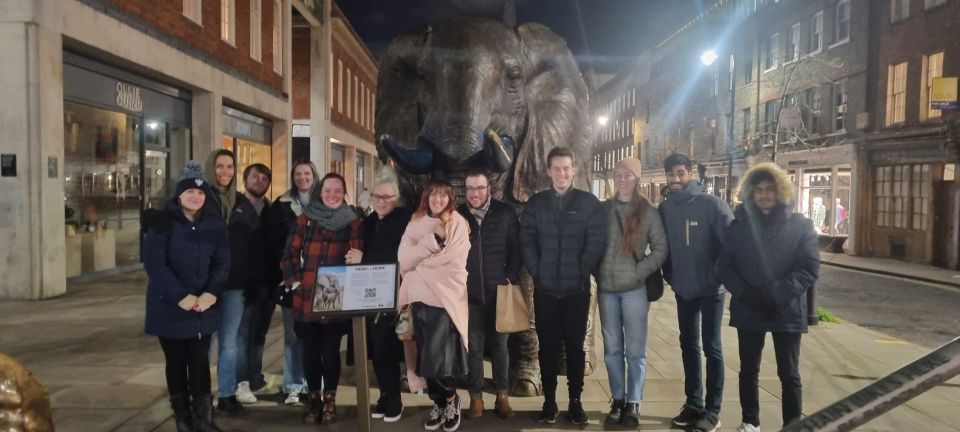
You’ll meet at the west entrance to Altab Ali Park, at the corner of White Church Lane and Whitechapel High Street. Your guide will be holding a blue flag, which is exactly the kind of detail that prevents the classic first-5-minutes scramble.
The nearest Underground station is Aldgate East. If you’re arriving from central London, plan a little extra time. East London foot traffic can be quick, and you want to be standing in the right spot before the guide starts moving.
What to wear matters more than you’d think for a two-hour walk. Bring comfortable shoes (you’re on sidewalks and public paths), and dress for the weather since the tour is entirely outdoors. Even if there aren’t lots of stairs or steep inclines, the ground conditions can vary.
The tour’s tone: respect, clues, and the graphic line
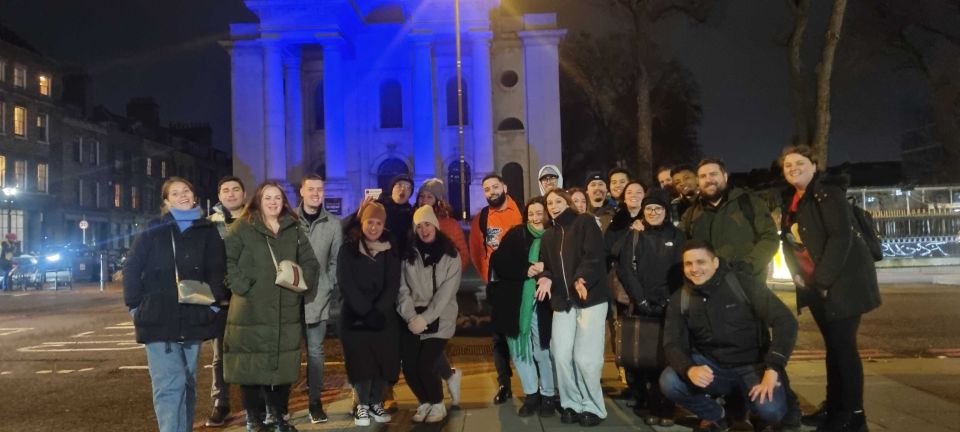
This tour walks a tricky line: it’s a true-crime subject, but it’s also about real victims. The content includes graphic details and visual content, and that’s not something to ignore. If you’re taking someone under 18, they must be accompanied by an adult, and the tour isn’t suitable for children under 12.
That said, the tone tends to be practical rather than gimmicky. Several guides are described as focusing on the victims’ lives with care, and also working to dispel “antiquated myths” (meaning you’ll often hear what’s more solid vs what’s more rumor or folklore). I like this approach because it keeps the tour grounded. You’re not just collecting shock value.
Expect the guide to talk through alleged suspects, including how different people could fit the clues or why the case never reached a clean conclusion. You’ll also hear questions like whether Jack was close to being caught and where evidence was discovered. That kind of framing makes the mystery feel active—like you’re watching an investigation unfold in real time.
From St Marys to Christ Church Spitalfields: where the story starts
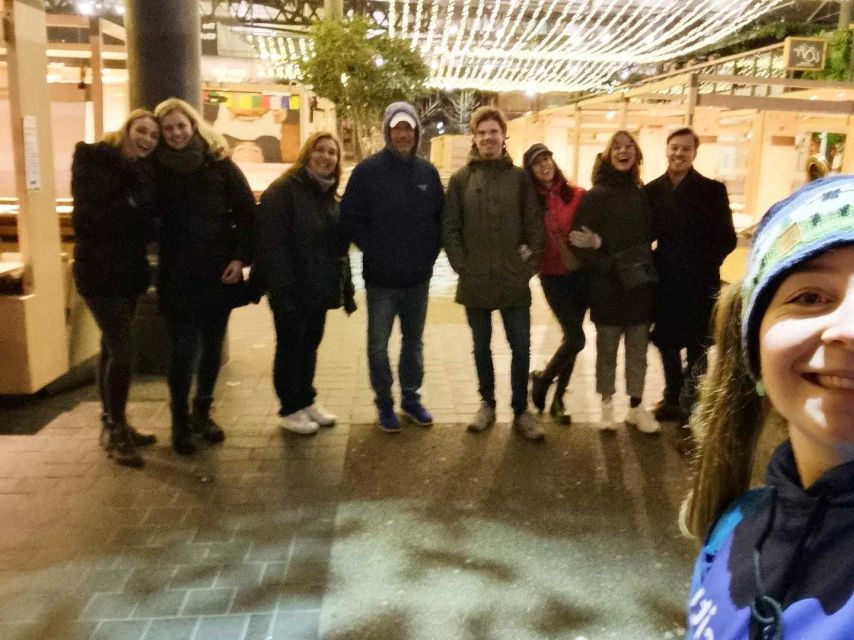
The walk begins near the St Marys Whitechapel Church Memorial area, right by the Altab Ali Park meeting spot. Starting here helps you set the tone quickly: you’re in the right neighborhood without having to “imagine” it from far away.
The early stop is Christ Church, Spitalfields. The value of starting at a real landmark is simple: it anchors you. Instead of floating through streets, you begin with a recognizable point that helps you orient as the story shifts into the 19th century.
You’ll likely get background on Whitechapel’s daily rhythm—who lived there, how communities functioned, and why certain places became magnets for trouble. The tour doesn’t treat Whitechapel like a stage set. It treats it like a place where people had routines, limits, and no easy safety net.
Spitalfields Market and Mitre Square: clues in plain sight

Next you pass Old Spitalfields Market, then Mitre Square. These stops are where the tour starts to feel like a detective story with geography. Markets and squares were social hubs, and guides can connect that to how witnesses, movement, and timing mattered in 1888.
This is also where you start hearing the “why here” reasoning. Why Whitechapel specifically? What made it different from other parts of London? How did the mix of poverty and crowds affect what people noticed, what they reported, and what officials could piece together?
If you’re the type who likes practical thinking, this part helps. You can see the urban shape of the area as you go. And because the tour keeps the pacing tight—two hours total—you don’t feel stuck waiting for the next clue. You’re always walking with purpose.




Brick Lane and Petticoat Lane: the East End beyond the headline
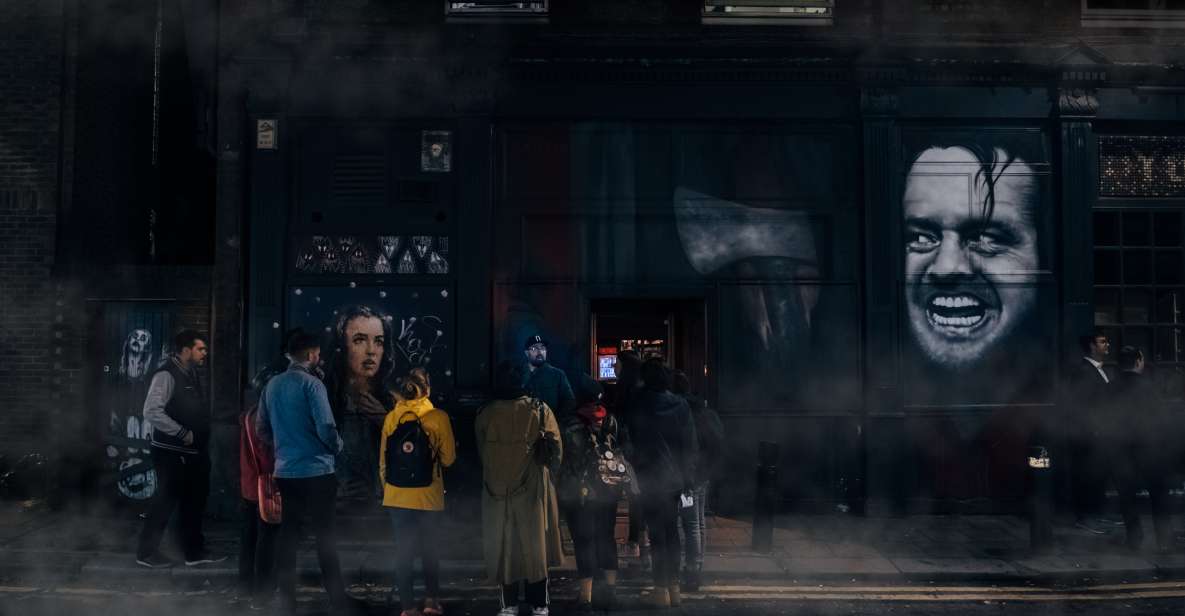
Then comes Brick Lane, followed by Petticoat Lane. These are big-name streets now, but the tour’s focus is different from a standard food-and-shopping walk. The guide uses these areas to bring back everyday life in a working-class neighborhood—how people lived, shopped, and moved around.
This matters because it changes your emotional takeaway. Instead of treating the murders as isolated events, you start to see them as something that happened inside a larger world of labor, housing pressure, and limited options. That’s also where the tour’s cultural context starts to click. The guide can connect how the era shaped later crime storytelling, including the popular interest in detection and mystery.
If you want a tourist experience that doesn’t flatten the past into one spooky theme, pay attention during this section. Brick Lane and Petticoat Lane become more than famous streets. They become part of why the case played out as it did.
The Ten Bells finish: turning the case into context
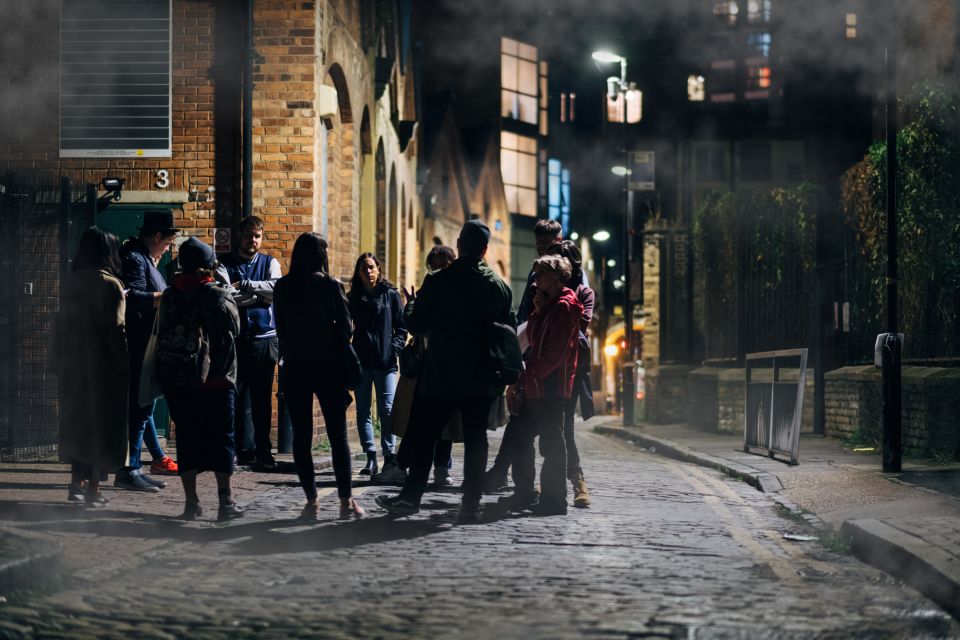
The walk ends at The Ten Bells Spitalfields. Finishing at a recognizable public spot makes a difference: you’re not leaving the story mid-stride. You’re wrapping up with a clear landing point, and you can keep discussing what you heard with your group before dispersing.
This ending also gives the guide space to tie the case back to larger themes—how mystery became a cultural obsession, and how figures like Sherlock Holmes fit into the long arc of London’s fascination with crime-solving. It’s a clever way to avoid the common problem with Ripper tours: ending with only darkness. Here, you end with understanding.
One practical note: since the tour is outdoors, ending in a pub area usually means you’ll be thinking about a drink (even though food and drinks aren’t included). If you want a post-walk snack, plan it yourself. The tour is focused on the walk, not a packaged meal.
Price and value: is $25 worth your time?
At $25 per person for about 2 hours, the value depends on your goals. If you want a guided walk with locations, story structure, and a real guide who can answer questions, this is a fair spend. The tour doesn’t waste time with long detours or filler stops. It aims to compress a lot of context into a short walk.
You’re also paying for specialist framing. The “Ripperologist” approach matters here because it pushes beyond repeating folklore. Instead, you get discussion of evidence types like photographic evidence and theories about suspects—plus the broader “why Whitechapel” explanation. That combo is exactly what makes a walking tour feel different from a generic documentary marathon.
And the guides seem to be a big part of why people rate it so highly. With a 4.7 rating from thousands of bookings, the most consistent praise I saw centered on guides speaking clearly, holding attention, and keeping the mood engaging without losing respect for the victims.
Who should book this tour (and who should skip it)
Book it if:
- You like crime history with a guiding structure and clear stop-to-story connections
- You want Whitechapel context that goes beyond spooky myths
- You’re comfortable hearing about a serious case that includes graphic descriptions and visuals
Skip it if:
- You’re looking for a kid-friendly history walk
- You’re sensitive to graphic details and visual content
- You want an easy stroll with no emotional weight
It also fits well for couples and solo travelers who like an evening activity. And if you enjoy walking but hate feeling lost in a neighborhood, this tour does the navigation for you.
Should you book the London Original Jack the Ripper Walking Tour?
Yes—if you’re ready for a 2-hour, clue-driven walking story in real Whitechapel locations. The stop list is strong (Christ Church Spitalfields, Spitalfields Market areas, Mitre Square, Brick Lane, Petticoat Lane, and the Ten Bells finish), and the tour aims to explain the case rather than just dramatize it.
I’d book it especially if you care about getting a respectful sense of who the victims were, plus practical context about why the case became a cultural obsession. Just go in knowing it’s outdoors, it’s weather-dependent, and the content gets graphic. If that still sounds like your kind of London night, you’ll likely feel like you left with more than stories—you’ll leave with a map of the case in your head.
FAQ
What’s the duration of the tour?
It lasts 2 hours.
How much does it cost?
The price is $25 per person.
Where do I meet the guide?
Meet at the west entrance to Altab Ali Park, on the corner of White Church Lane and Whitechapel High Street. The guide will be holding a blue flag.
Which Underground station is closest?
The nearest station is Aldgate East.
Is the tour indoors or outdoors?
It takes place entirely outdoors, so dress for the weather.
What languages is the live guide offered in?
The guide is available in Spanish, Italian, French, English, and German.
Is the tour wheelchair accessible?
Yes. The tour is wheelchair accessible, though public paths can vary and there aren’t many stairs or steep inclines.
Is this tour suitable for children?
Unaccompanied minors aren’t allowed, and participants under 18 must be accompanied by an adult. It’s also not suitable for children under 12 due to graphic details and visual content.
Is food or drinks included?
No. Food and drinks are not included.
What should I bring?
Bring comfortable shoes and weather-appropriate clothing.