London gets better with street-level stories. This private 90-minute walk turns Borough Market to Tate Modern into a connected timeline, mixing food, religion, ships on the Thames, theatre, and art in a way that goes way past the usual guidebook stops. I especially love the way it makes big London themes feel close to the pavement.
I also like that the route is built for learning on the move. You get stop-by-stop context—from a market with a 2,000-year story to Southwark’s Roman, Viking, and Dickens-era layers—without turning it into a lecture. It’s paced so you can ask questions and still enjoy the streets.
One drawback to keep in mind: two places along the way have admission you’ll need to handle separately, so check for those costs before you budget.
In This Review
- Key things to know before you go
- Why This Borough-to-Bankside Route Feels Like London, Not a Checklist
- Borough Market: 2,000 Years of Food, Trade, and Street Culture
- Southwark Cathedral: Romans, Vikings, and Dickens Characters in One Breath
- The Prison Stop: London’s Dark Chapter Comes Close
- Golden Hinde: Pirates, National Heroes, and a 16th-Century Thames Story
- From the Rose Theatre to Shakespeare’s Rivals: Tudor Stage Energy
- Shakespeare’s Globe and Bankside Details: Bear Pits and Dark Corners
- Tate Modern Finish: Views, Hidden Angles, and Ending on a High Note
- Millennium Bridge: Art Under Your Feet
- Price, Time, and Booking: Is $20.72 Good Value?
- Who This Tour Fits Best (and Who Might Want Something Else)
- Should You Book This Tour?
- FAQ
- How long is the tour?
- Is this a private tour?
- Where does the tour start and end?
- What language is the tour offered in?
- Do I need to print a ticket?
- Is admission included for every stop?
- What if weather is bad?
- Are service animals allowed?
Key things to know before you go

- A tight 90-minute route that links Borough, Southwark, Bankside, and the art district in one walk
- Free entry at several stops, with a couple of paid-admission sites you’ll plan for
- A guide who keeps it personal, since it’s only your group
- Theatre history you can picture, from Tudor playhouses to Shakespeare’s world and Bankside details
- A good finish at Tate Modern with views, plus public-art moments at Millennium Bridge
Why This Borough-to-Bankside Route Feels Like London, Not a Checklist
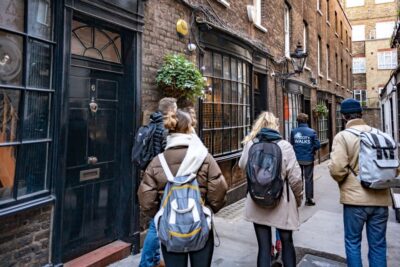
This is the kind of tour that helps you understand London as a place with layers. You start with food culture at Borough Market, then shift into Southwark’s historical mix, move across to Tudor and Shakespeare-era theatre locations, and end with art and river views at Tate Modern. The time adds up to about 1 hour 30 minutes, with short stops that keep your focus sharp.
What makes it work for real life is the pacing. Each stop is long enough to give you the story you’re walking into, but short enough that you’re not stuck waiting for the next turn. You’ll also pick up practical direction—where to go next, and what to eat or drink—because you’re not just following a route. You’re talking with a guide who knows how people actually spend time in this area.
It’s also designed for groups. Since it’s private, you’re not squeezed into a crowd with strangers and a headset. That matters on a route like this, where a lot of the value is in asking questions and getting explanations at the right moment.
You can also read our reviews of more shopping tours in London


Borough Market: 2,000 Years of Food, Trade, and Street Culture
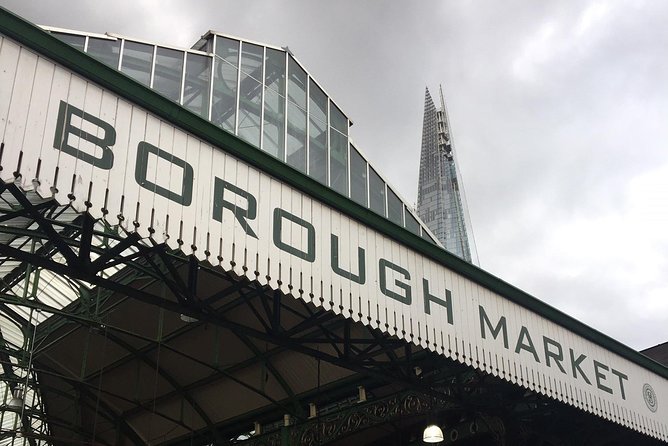
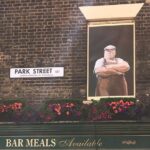
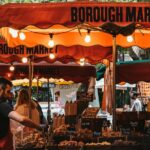
Borough Market is the headline for a reason. Here, you’re not just looking at stalls; you’re getting the context that makes the market feel older and deeper than a modern food hall. The stop includes an overview of how it was voted one of the world’s best foodie destinations, plus the big claim: about 2,000 years of history.
This is where the tour starts doing something subtle: it ties food to the city’s identity. London has always been a trading city, and markets like this are part of that story. Even if you’ve passed by Borough before, this kind of introduction helps you notice details faster—how the area feels designed for vendors, visitors, and regulars to mix in the same space.
Practical tip for you: if you’re hungry, arrive ready to snack, but also stay alert. Early on, you’ll get enough history to make your later tastings feel connected instead of random.
Southwark Cathedral: Romans, Vikings, and Dickens Characters in One Breath
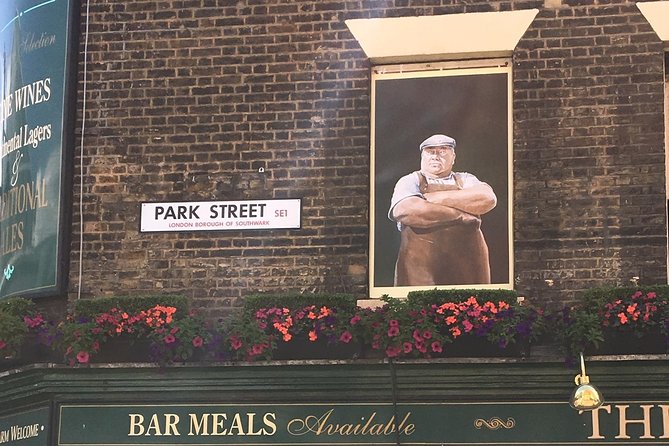
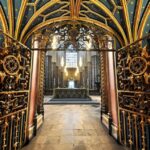
After the market, you shift into Southwark Cathedral, and the energy changes—from food buzz to stone-and-stories. This stop is framed around the area’s long timeline: Romans and Vikings, plus the way Dickens-era heroes and villains show up in the imagination of the neighborhood.
I like this stop because it explains how London neighborhoods keep talking to each other. Southwark isn’t treated like a single period. It’s presented like a layered conversation, where each era adds a new voice.
You don’t need to be a church expert to enjoy it. The tour approach is more about connecting the past to what you can still see and sense around you. That’s a big reason why this feels more informative than a typical quick photo stop.
The Prison Stop: London’s Dark Chapter Comes Close
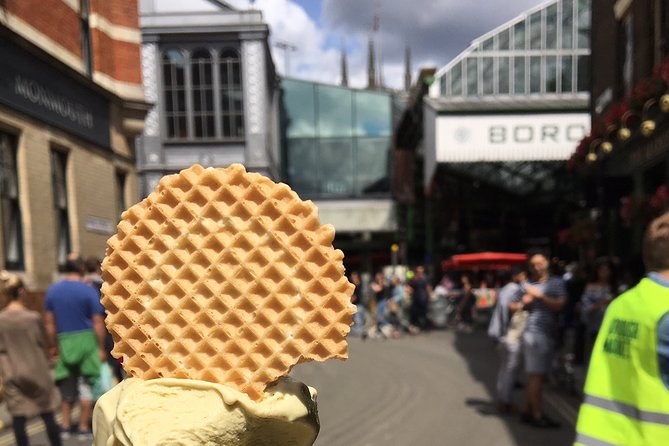
One part of the route focuses on the horrible history of London’s terrible prison. It’s brief, but it’s meant to land. This is the tour’s reminder that every major city has an unpleasant side, and London’s past includes real systems of punishment and confinement.
There’s no point pretending history is only neat and inspiring. This stop gives you a fuller view of the city, and it also helps explain why certain buildings and streets in this area carry a weight you might not notice at first.
If you prefer lighter stories, pace yourself here. The rest of the walk swings back toward theatre and art, so you won’t end the tour in a gloomy mood—just informed.
Golden Hinde: Pirates, National Heroes, and a 16th-Century Thames Story
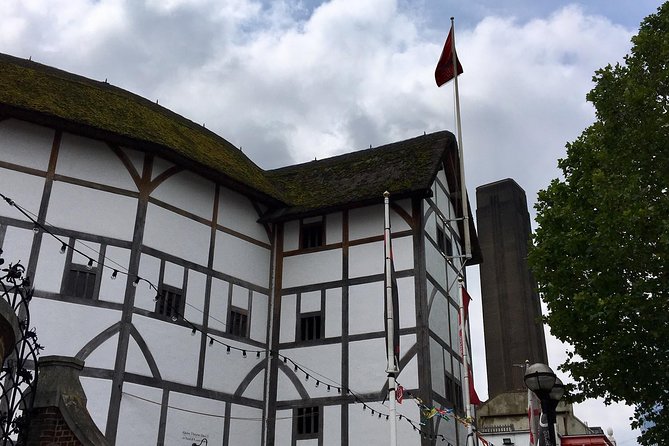
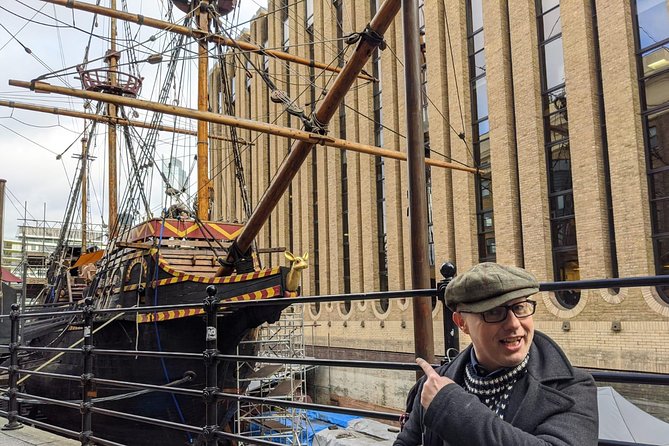
Next comes Golden Hinde, and you get a choice-driven framing: pirates or national heroes—or both. The focus is on the 16th-century ship and its captain, and you’ll hear how the same story can be interpreted differently depending on who’s telling it.
This is a good stop if you like history that feels like people making choices, not just dates on plaques. Ships on the Thames aren’t background scenery; they’re part of how London worked, fought, traded, and projected power.
One budgeting note: admission here is not included, so you’ll want to plan a little extra. The upside is that the tour helps you go in with the right context, so you’re not just paying to look at a boat—you’re paying to understand why this boat matters in London’s story.
You can also read our reviews of more tours and experiences in London



From the Rose Theatre to Shakespeare’s Rivals: Tudor Stage Energy
Then you step into Tudor theatre land at the Rose Theatre. The framing is fun and specific: you meet Shakespeare’s rivals, and you get a sense of how competitive theatre culture worked during that era.
This stop is especially valuable if you’ve ever seen Shakespeare adaptations and wished you knew more about the ecosystem around him. The tour doesn’t just point at Shakespeare; it shows you the surrounding theatre world, which makes his work feel more grounded in real competition and real entertainment demand.
One reason I recommend this for many travelers is that theatre history can feel distant unless someone translates it. Here, you get that translation on foot, with explanations that match what you can picture about performers, audiences, and the streets around the venues.
Admission at the Rose Theatre stop is listed as free, which makes it a low-stress moment in the middle of the route.
Shakespeare’s Globe and Bankside Details: Bear Pits and Dark Corners
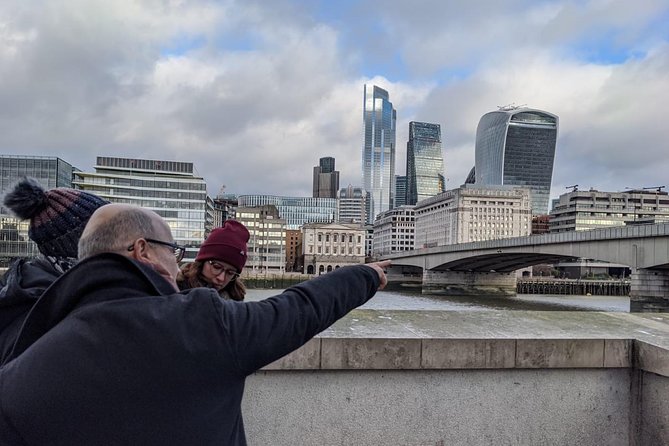
The Shakespeare’s Globe Theatre portion is built to make you see more than the main headline. You’ll hear about how the actors helped the plays come alive, and you’ll visit the original site of the Globe and Rose Theatres, plus bear pits and dark sites of Bankside.
That mix of locations matters. Globe sites are easy to romanticize, but the tour approach reminds you that the entertainment world of the time was complicated. If you only visit one kind of theatre story, you miss that complexity.
This stop also has an admission note: it’s not included. So again, budget for it if you plan to go inside as part of the experience.
Practical advice for you: this is one of the moments where your guide’s pacing helps. You’ll want your attention switched on, because the tour is pointing out specific spots you can otherwise walk past without realizing what they refer to.
Tate Modern Finish: Views, Hidden Angles, and Ending on a High Note
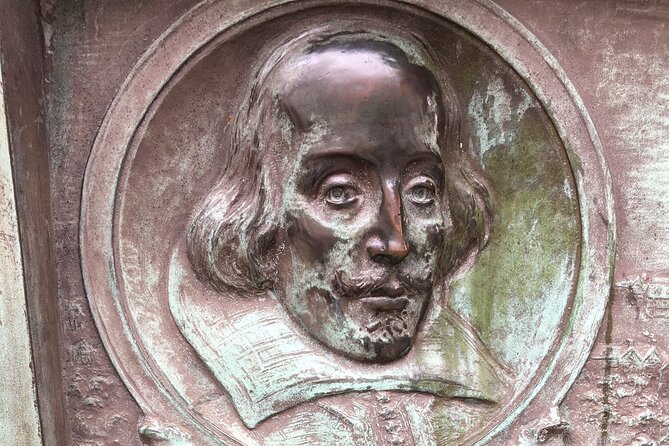
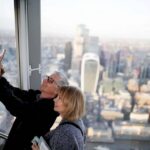
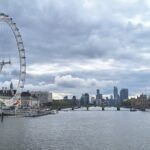
You wrap at Tate Modern, and the tour keeps the ending smart. You’ll see a few more corners tourists miss, then finish at one of the world’s greatest art galleries with a chance to take in amazing views of London.
This is a strong way to end a history-and-theatre walk. Instead of rushing you into one last quick stop and calling it done, the tour sets you up with a payoff: a great museum space and a reason to look out over the city.
Admission at Tate Modern is free during the tour portion, which is a nice value boost. Even if you only have an hour or so of museum time after, walking out with city views makes it feel like you got more than a guided lecture.
After you finish, you’ll also be in a great position for follow-on plans in Bankside.
Millennium Bridge: Art Under Your Feet
Before Tate Modern’s big finale, you get a final public-art moment at Millennium Bridge. The story is simple and delightful: hidden art right under your feet.
This is the kind of stop that feels small until you do it, because you start noticing details at street level again. It also helps reset your attention after theatre history and museum context, so you arrive at Tate Modern with energy instead of fatigue.
If you like photography, this is a good spot to slow down and look at how the bridge changes the way you see the river.
Price, Time, and Booking: Is $20.72 Good Value?
At $20.72 per person for about 1 hour 30 minutes, this tour is priced like a solid learning walk rather than a premium attraction-hopping day. The value comes from what’s packed into the time: multiple story-heavy stops, a guide who keeps it personal, and a route that ties food, religion, maritime history, prison history, Tudor theatre, Shakespeare-era locations, and modern art together.
Two costs to keep in mind:
- Several stops list admission free, which helps keep your total day on track.
- Golden Hinde and Shakespeare’s Globe are listed as admission not included, so you’ll want to budget for those entrances if you plan to fully participate.
The timing can also affect value. Tours are commonly booked about 46 days in advance on average, so if you’re traveling at a busy time, I’d book early so you’re not scrambling for an alternative route.
Who This Tour Fits Best (and Who Might Want Something Else)
This is a great match if you:
- Want London history beyond the common highlights
- Like theatre stories tied to real places
- Enjoy walking between neighborhoods without signing up for an all-day marathon
- Appreciate a private format where you can ask questions and get help with next stops
It may be less ideal if you:
- Only want museum time and prefer skipping outdoor history stops
- Are very sensitive to the prison-history segment
- Don’t want to handle any paid admissions mid-route (because two sites are not included)
Also, it’s language-friendly: it’s offered in English and runs with a mobile ticket.
Should You Book This Tour?
If you want a fast way to make Borough and Bankside make sense, I’d book it. The route does something rare: it connects food culture, centuries of history, and theatre locations with a finish at Tate Modern that feels like a reward, not an afterthought. And because it’s private, you get a more personal pace and direction—especially helpful if you want guidance on what to eat and where to go next.
My only hesitation is the admission mix. If you want to minimize extra fees, you’ll need to plan around the paid entries at Golden Hinde and Shakespeare’s Globe.
FAQ
How long is the tour?
It’s about 1 hour 30 minutes.
Is this a private tour?
Yes. It’s described as a private tour/activity, with only your group participating.
Where does the tour start and end?
It starts at 9 Stoney St, London SE1 9AA and ends at Tate Modern, Bankside (London SE1 9TG).
What language is the tour offered in?
The tour is offered in English.
Do I need to print a ticket?
No. It includes a mobile ticket.
Is admission included for every stop?
No. Some stops are listed as free admission (like Borough Market, Southwark Cathedral, The Rose Theatre, Tate Modern, and Millennium Bridge). Golden Hinde and Shakespeare’s Globe Theatre are listed as admission not included.
What if weather is bad?
The experience requires good weather. If it’s canceled due to poor weather, you’ll be offered a different date or a full refund.
Are service animals allowed?
Yes, service animals are allowed.
If you tell me your travel dates and whether you want to prioritize interior visits at Golden Hinde and Shakespeare’s Globe, I can help you budget the day and plan the best pacing.