REVIEW · LONDON
Burnings, Butchery & Black Death: London’s Bloody Past
Book on GetYourGuide →Operated by Historic London Tours · Bookable on GetYourGuide
Smithfield turns London into a crime scene. This 2-hour walk traces London’s slaughter legacy from Barbican-area streets to the edge of Farringdon, with stories that mix kings, body snatchers, and some seriously grim punishments.
I especially love two things: the way the tour pins history to real corners like Smithfield Market, and how the guide makes the Black Death make sense in human terms instead of textbook terms. You’ll come away with a clearer picture of how a city dealt with catastrophe—fast.
One watch-out: the subject matter is dark, including disease and executions, so it’s not the kind of walk to do if you hate graphic themes or want something kid-friendly.
In This Review
- Key Points at a Glance
- Why Smithfield Is Where London’s Dark Past Gets Real
- The Walking Pace: Barbican to Farringdon in About Two Miles
- Charterhouse Square: Getting the Context Before the Grim Stuff
- Smithfield Market: The Center of Slaughter and Why It Location-Mattered
- St John’s Gate and Cloth Fair: How Old London Turned into an Unsafe Place
- St Bartholomew the Great and St Bartholomew’s Hospital: Faith, Care, and Control
- The Black Death Section: How the City Managed Tens of Thousands of Corpses
- Medieval Executions: Public Punishment and the City’s Message
- William Wallace and the Wallace Memorial: Pop History Meets the Streets
- Golden Boy of Pye Corner and Ely Place: Small Symbols, Big Meanings
- Price and Value: Is $26 Worth Two Hours of Bloody Storytelling?
- Who Should Book (and Who Might Skip It)
- Should You Book Burning, Butchery & Black Death?
- FAQ
- FAQ
- Where does the tour start?
- How long is the tour?
- How far do you walk?
- What does the tour cost?
- How big is the group?
- What language is the tour delivered in?
- Are churches included?
- What if a church has a service?
- Is the tour suitable for children?
- Is there a cancellation option?
- Is there a pay-later option?
Key Points at a Glance
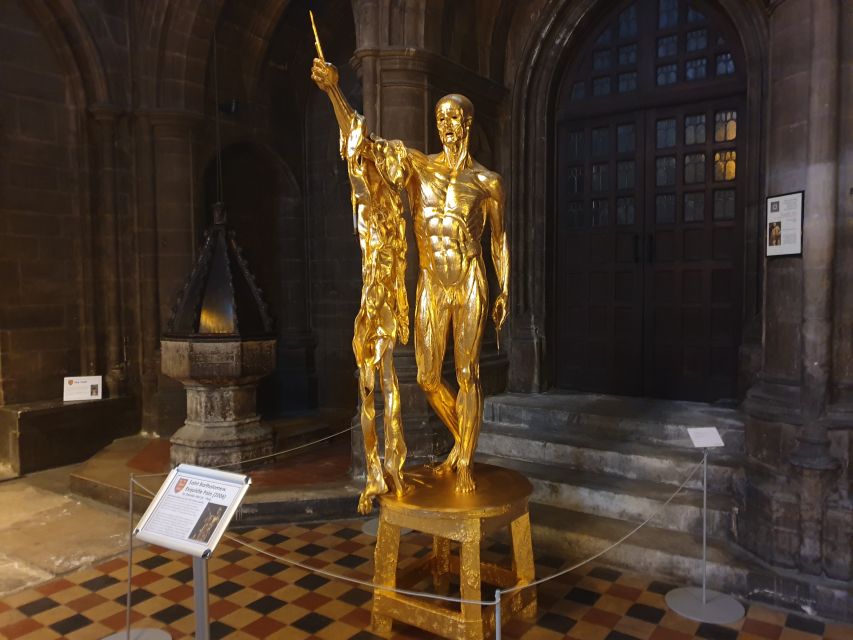
- Smithfield, for animals and humans: You’ll learn why this area became London’s go-to place for slaughter for centuries.
- Black Death corpse disposal: You’ll hear how the city dealt with tens of thousands of deaths in the 1300s.
- Medieval punishment in the open: The tour explains execution methods used in the Middle Ages, tied to specific locations.
- Dickens and the slum story: You’ll see how the neighborhood turned into a notorious slum, with Oliver Twist in the mix.
- A small group helps: With tickets limited to about 15 people, questions feel easy and the pacing stays human.
Why Smithfield Is Where London’s Dark Past Gets Real
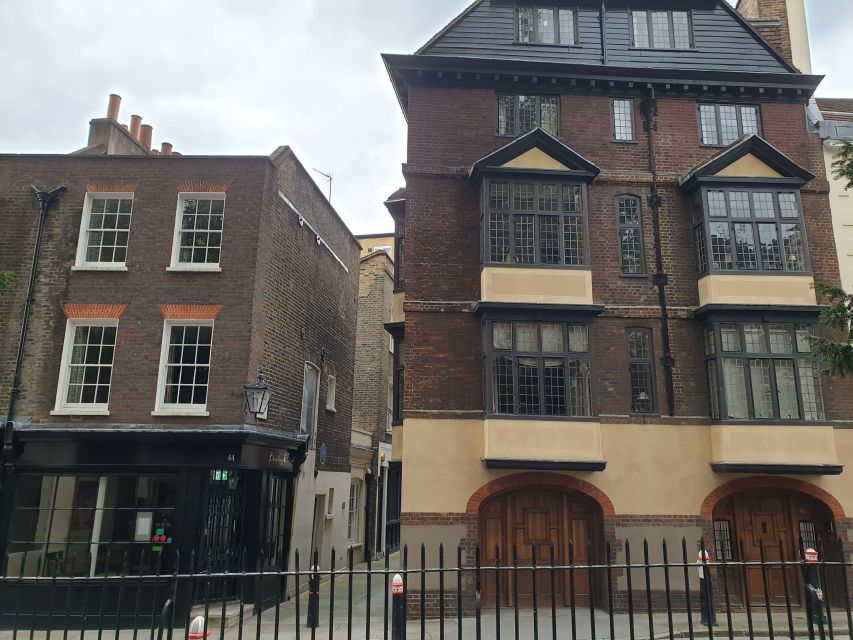
Most London tours do buildings. This one does what happened to people in the shadow of those buildings. You walk through an area that was, for centuries, the city’s practical solution to messy human problems—especially when the problems were mass death and punishment.
Smithfield isn’t just a name you pass on the way to somewhere nicer. It’s a place where slaughter—both animal and human—was part of the urban workflow. When your guide ties that to what the city did during the Black Death, the scale stops being abstract. It becomes something you can picture: streets full of illness, systems struggling to cope, and decisions made under pressure.
And yes, the tour leans into the drama: there are stories involving Charles Dickens, an eighteenth-century ghost, and the surprising presence of William Wallace (with a knowing, humorous angle on how he looked when history says he met his end). It’s not cheap shock value. It’s storytelling that keeps you oriented to what matters.
You can also read our reviews of more tours and experiences in London.



The Walking Pace: Barbican to Farringdon in About Two Miles
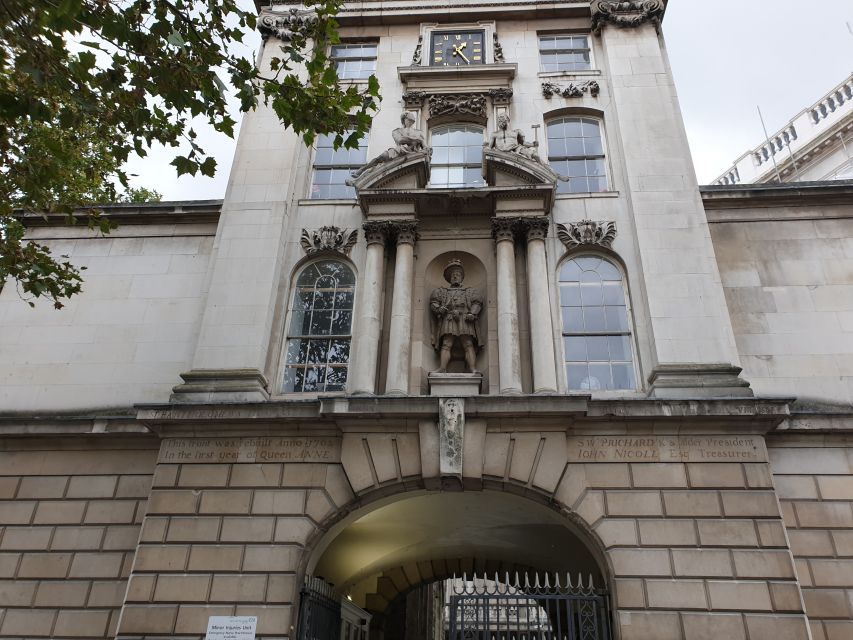
You start just outside Barbican Station, on Aldersgate Street, where you’ll spot a guide holding a Historic London Tours sign. The route ends near Farringdon Station (the official finish is at Ely Place), and the total walking distance is about 2 miles.
Two miles doesn’t sound like much until you realize London streets can be a maze. The good news is the tour is built to feel manageable: about two hours, with short guided segments at each stop. The group is also intentionally small—around 15 attendees—so you’re not stuck listening from the back while someone’s phone blocks the view.
If you’re the type who likes to ask questions, this tour format helps. It’s designed for back-and-forth rather than a lecture where you’re afraid to interrupt.
Charterhouse Square: Getting the Context Before the Grim Stuff
The first stop is Charterhouse Square. This is where the guide sets up the bigger theme: how London grew, shifted, and reorganized itself around urgent needs. You’re not yet at the bloodiest locations, but you’re learning the logic behind them—where people lived, where they processed goods, and how authorities managed public order.
This matters because the middle of the walk can feel like a string of shocking stories unless there’s a framework. Charterhouse Square gives you that framework: you start understanding why Smithfield mattered, and how nearby areas shaped the city’s routine and chaos.
It’s a good moment to settle in, get your bearings, and remind yourself that the tour isn’t only about horror. It’s also about urban systems: markets, medical institutions, and how punishment was staged in public.
Smithfield Market: The Center of Slaughter and Why It Location-Mattered
Then you hit Smithfield Market proper, and this is where the tour earns its title. You’ll learn why Smithfield became London’s long-running site for slaughter—animal at one end, and human bodies at the other. The guide connects this to the practical side of a large city: where you can move crowds, where you can handle waste, and where you can keep the whole operation away from the most delicate streets.
What I like here is the mix of realism and narrative. You’re not just told that executions happened. You’re shown the landscape that supported those actions—where people would have seen it, where authorities could control access, and how daily life worked around these events.
This is also where the “don’t be squeamish” warning makes sense. The tour’s tone stays direct. It treats brutality as history, not as entertainment for its own sake. That makes it easier to follow and less likely to feel like cheap theatrics.
St John’s Gate and Cloth Fair: How Old London Turned into an Unsafe Place
From Smithfield, you move through nearby streets tied to older London institutions. St John’s Gate is one of those stops that helps you understand the city as layers—not just a single timeline. It’s the kind of place where the guide can connect religion, civic life, and the darker side of urban management.
Then comes Cloth Fair, and this is where the tour shifts from “what happened” to “what the neighborhood became.” You’ll hear how Smithfield’s surroundings developed into a notorious slum area, and you’ll get the Dickens connection—because Oliver Twist didn’t pop out of nowhere. Dickens drew on recognizable streets and conditions.
Here’s a practical way to think about it: slums didn’t form because everyone suddenly decided to live poorly. They formed through economics, infrastructure, and neglect—often in the shadow of other intense land uses, like heavy industry and public punishment spaces. The guide makes those links without turning it into a dry history lecture.





St Bartholomew the Great and St Bartholomew’s Hospital: Faith, Care, and Control
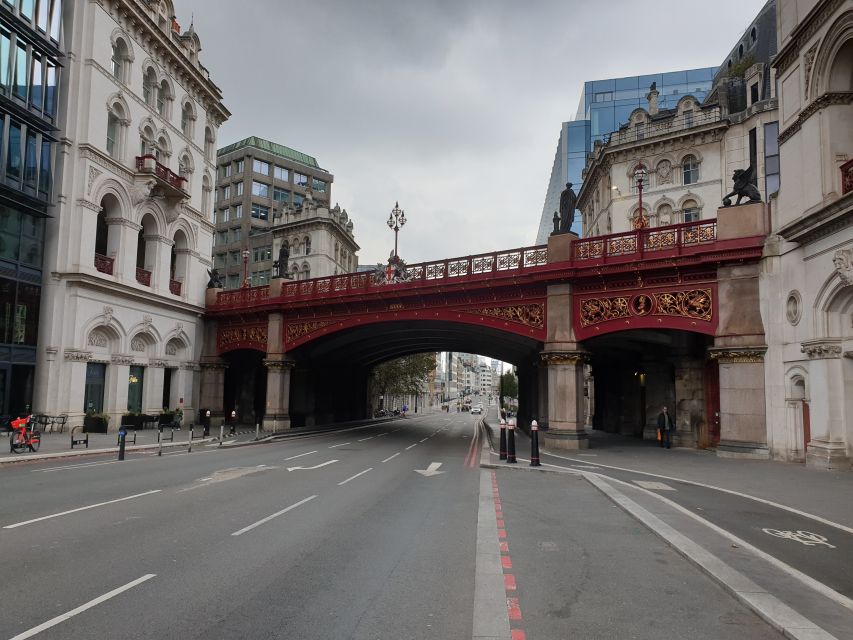
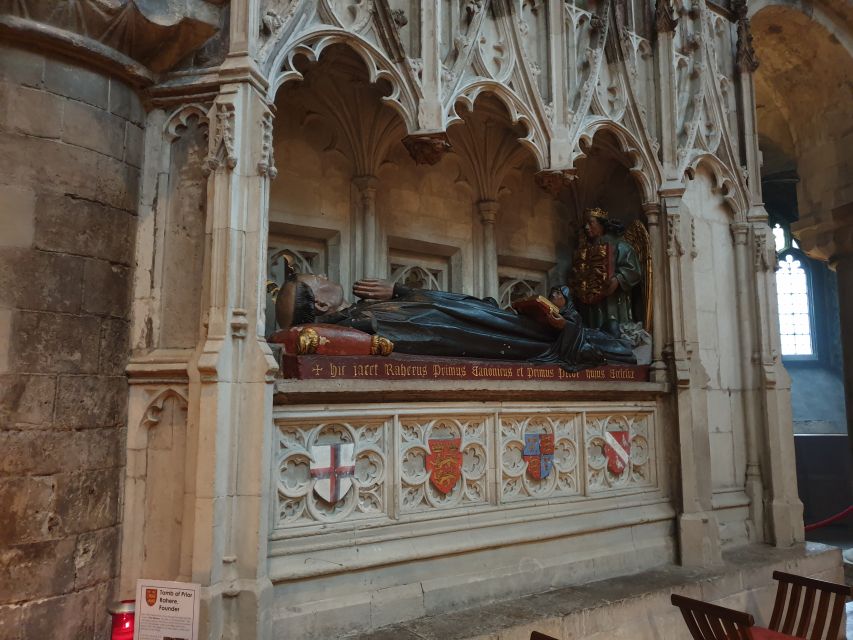
Church stops are included where possible. You may get to enter churches if there are no services in progress, and the route includes St Bartholomew the Great and St Bartholomew’s Hospital.
Even if you’re not a church person, these stops do something useful. They show how London balanced harsh public realities with institutions tied to care, ritual, and legitimacy. During eras when disease could erase a neighborhood, hospitals and churches weren’t just buildings—they were part of how the city tried to impose order.
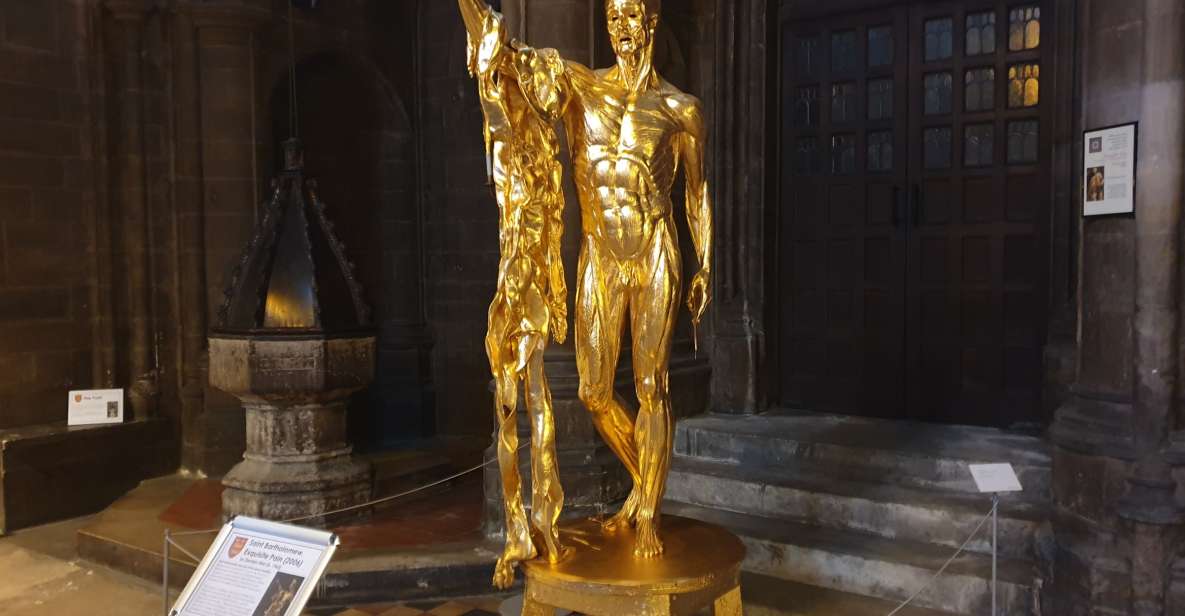
St Bartholomew’s Hospital also becomes a pivot point in the stories. The tour ties together public fear, survival, and the way the city dealt with bodies—whether for burial, punishment, or treatment. If you like history that connects institutions to everyday life, this section is a strong reason to choose this tour over a generic “photos and facts” walk.
The Black Death Section: How the City Managed Tens of Thousands of Corpses
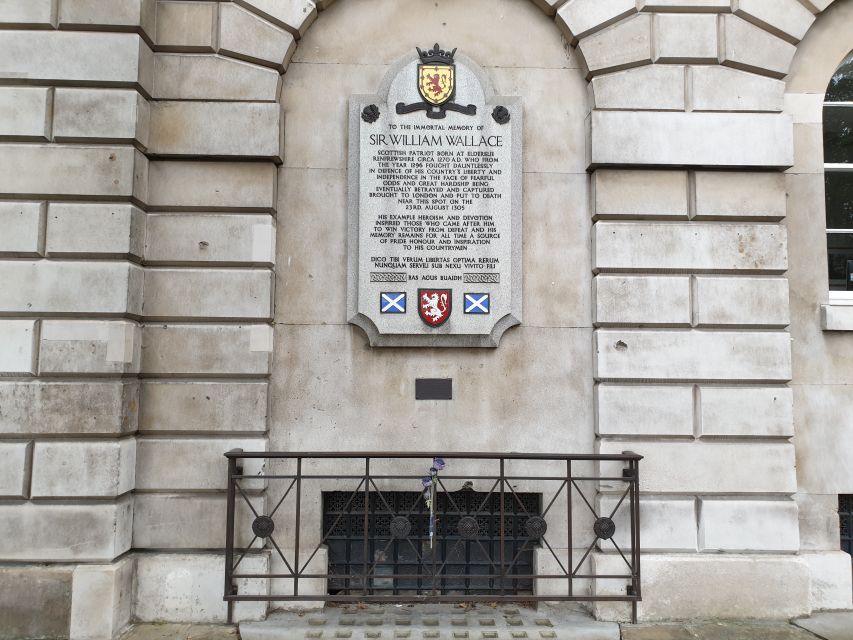
This is one of the tour’s core beats: learning how London disposed of the tens of thousands of Black Death corpses in the 1300s. You don’t just hear that it was terrible. You learn how the city tried to deal with it at scale.
This part matters because it makes you question your assumptions about what a city does during disaster. It’s easy to think disaster response is modern technology. The Black Death shows something older: people still organize burial and waste in the best way they can with limited tools.
The guide frames it around Smithfield’s role as a place where bodies ended up and where the city’s systems could—barely—cope. The result is that you understand the geography of fear: how the city handled death close to home, not in some distant imaginary place.
Medieval Executions: Public Punishment and the City’s Message
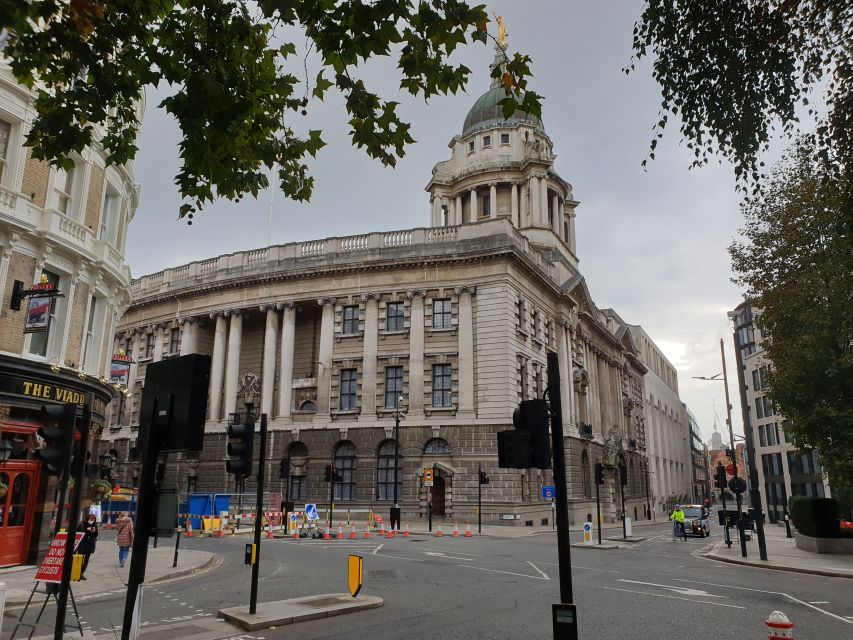
Next, you hear about execution methods used in the Middle Ages. The tour doesn’t offer sanitized history. It treats executions as public events with social purpose—an official message carved into daily street life.
I find this section especially effective because it’s tied to actual locations you’re standing near. You’re not just learning that executions existed. You’re seeing why certain areas worked as stages: access for spectators, space for control, and visibility for deterrence.
Also, because the walk is only about two miles, you’re close enough to keep the mental map. That makes the darker details easier to process.
William Wallace and the Wallace Memorial: Pop History Meets the Streets
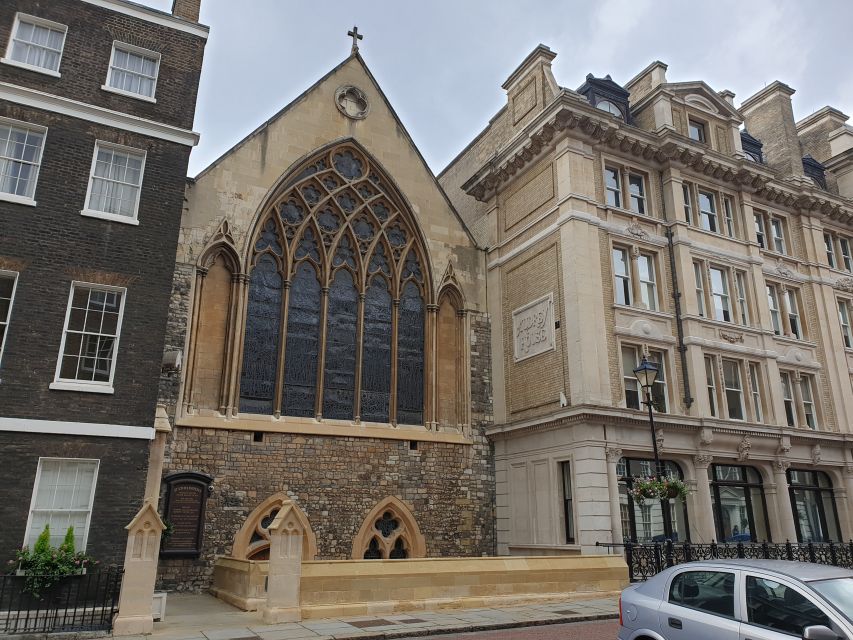
You’ll also stop at the Sir William Wallace Memorial. This is where history collides with modern storytelling. The guide brings in William Wallace and ties the moment to what you know from films—then adds a practical, grounded point about how things actually look in real life during execution, including the idea that he was not in a fit state to perform dramatic last words.
It’s a small stop, but it adds variety. The tour isn’t trapped in one century or one kind of story. It keeps moving so you don’t feel like you’re walking through a single grim chapter without relief.
And it gives you a reminder: London’s “bloody past” isn’t only about one event. It’s a pattern repeated across centuries—sometimes with different methods, sometimes with new excuses, always with the city’s layout doing the heavy lifting.
Golden Boy of Pye Corner and Ely Place: Small Symbols, Big Meanings
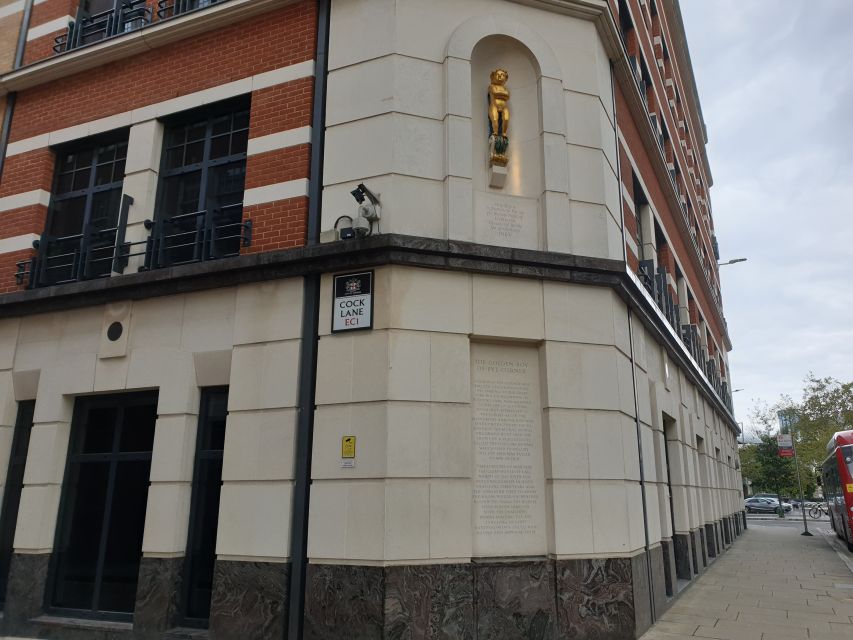
Later in the walk you reach the Golden Boy of Pye Corner, a famous marker that ties into London’s plague-era folklore and memory. Even if you don’t know the story at first, the guide helps you connect the monument to the wider Black Death narrative you’ve been building.
Then the tour winds toward Ely Place, where it officially finishes. Ending there near Farringdon makes this feel like a real city outing, not a one-way trek into an empty corner.
If you’re planning the rest of your day, keep the emotional tone in mind. This tour gives you a lot of heavy material in a short time. Afterward, it’s nice to move straight into something normal—coffee, a museum, or a long walk where your brain can decompress.
Price and Value: Is $26 Worth Two Hours of Bloody Storytelling?
At $26 per person for about 2 hours, this is priced for a focused, guided experience rather than a long day tour. The value improves because of the format: small group size (around 15), walking distance that’s manageable (about 2 miles), and a guide who blends facts with storytelling and humor.
That humor matters more than you might think. When you’re hearing about slaughter, plague disposal, and executions, you want a guide who can keep the material clear and not drown you in grimness. Past guides for this tour have been praised for being both entertaining and helpful, including supportive pacing for people traveling with elderly parents, and encouraging questions instead of shutting them down.
So the practical takeaway: if you like history that’s place-based—where you stand in the real neighborhood and learn why it mattered—this price is fair. If you want gentle, family-friendly sightseeing, you’ll probably feel out of your comfort zone.
Who Should Book (and Who Might Skip It)
Book this tour if you want:
- A Smithfield-focused London history walk with clear, grounded context
- Stories connected to Dickens, plague-era reality, and public punishment
- A small-group vibe where you can ask questions
Consider skipping if:
- You’re sensitive to disease and execution topics
- You’re bringing kids under 13 (this tour isn’t suitable for children under that age)
- You’re looking for a light, casual walk with minimal dark material
Best fit: adults and older teens who love London’s street-level history and don’t mind that the past was often brutal.
Should You Book Burning, Butchery & Black Death?
I’d book it if you want London history that feels like you’re walking inside the story. Smithfield isn’t a vague theme—it’s specific streets, markets, monuments, and institutions tied directly to plague memory and medieval punishment. The small group size and tight two-mile route keep things from getting overwhelming.
Skip it only if you know you’re going to struggle with grim subjects like Black Death disposal and medieval executions. Otherwise, this is a strong choice for anyone who likes authentic, well-placed storytelling.
FAQ
FAQ
Where does the tour start?
Meet just outside Barbican Station, on Aldersgate Street. Your guide will be standing there with an Historic London Tours sign.
How long is the tour?
The duration is about 2 hours.
How far do you walk?
The total distance walked is about 2 miles.
What does the tour cost?
The price is $26 per person.
How big is the group?
Ticket sales are limited to about 15 attendees.
What language is the tour delivered in?
The live tour guide speaks English.
Are churches included?
Entry to churches is included, subject to there being no services in progress.
What if a church has a service?
Church stops may be visited if there are no services in progress.
Is the tour suitable for children?
No. It is not suitable for children under 13.
Is there a cancellation option?
Yes. Free cancellation is available up to 24 hours in advance for a full refund.
Is there a pay-later option?
Yes. You can reserve and pay later to keep plans flexible.