REVIEW · LONDON
From London: Private Stonehenge Sunrise Viewing & Bath
Book on GetYourGuide →Operated by Premium Tours · Bookable on GetYourGuide
Stonehenge at dawn feels like a different planet. This full-day tour combines private inner-circle access with a guided crawl through Lacock’s movie-set streets and Bath’s Roman-era highlights, all without wasting time in long lines. Two things I especially like: you get up close to the stones before most people arrive, and you finish with Bath’s Roman Baths Museum (when the option is selected). The main drawback to plan for is the brutally early start—5:30 AM meeting time—and a day that runs on schedule once you leave London.
You’ll also appreciate the “why” behind what you’re seeing. The guide helps connect Stonehenge’s layout—altar, slaughter, and heel stones—with the site’s seasonal alignments, then shifts the story to the Roman spa culture in Bath. One consideration: depending on the season and daylight timing, you may not actually see the sun pop up from the exact moment you expect, even though you’ll arrive as early as possible.
In This Review
- Key Highlights You’ll Feel Immediately
- Stonehenge Inner-Circle Sunrise: The Real Value of Private Access
- 5:30 AM Departure From London: Beating the Crowds the Smart Way
- Inside the Stones: Pagan Stories, Key Rock Names, and Better Photos
- Lacock’s Saxon Streets and a 14th-Century Pub Breakfast Stop
- Bath’s Georgian Icons: Royal Crescent, Circus, and Pulteney Bridge
- Roman Baths Museum: AD 60, Hot Springs, and the Sacred Spring
- Price and Logistics: Is $184 Good Value for This Mix?
- Group Size, Timing, and the Human Factor
- Who This Tour Suits Best
- Should You Book This Stonehenge and Bath Tour?
- FAQ
- FAQ
- What time do I need to be at the meeting point?
- How long is the tour?
- Do I get access inside the Stonehenge inner circle?
- Is Roman Baths Museum entry included?
- Is breakfast included?
- Will I definitely see the sunrise?
- Is the tour a private group?
- Is there a free cancellation option?
- Do I skip the line at Stonehenge?
Key Highlights You’ll Feel Immediately

- Inner-circle access at Stonehenge before the masses: direct proximity changes your photos and your understanding.
- Early coach timing from London (5:30 AM): it’s the difference between empty stones and a crowd.
- Lacock’s Saxon-to-24th-century film vibe: real village streets plus a classic pub breakfast stop.
- Bath’s Georgian showpieces: Royal Crescent, Circus, and the quick hit at Pulteney Bridge.
- Roman Baths Museum option: AD 60 artifacts and the Sacred Spring story.
Stonehenge Inner-Circle Sunrise: The Real Value of Private Access
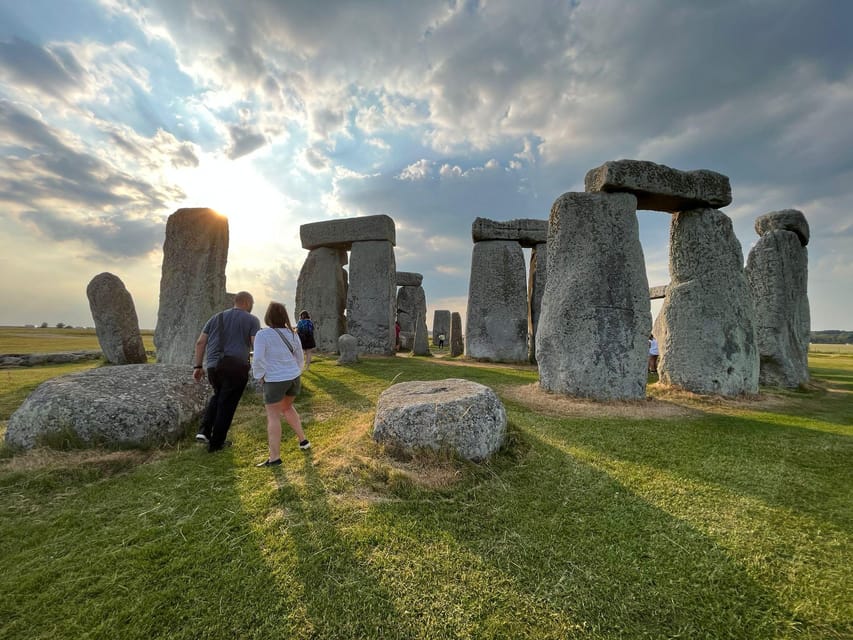
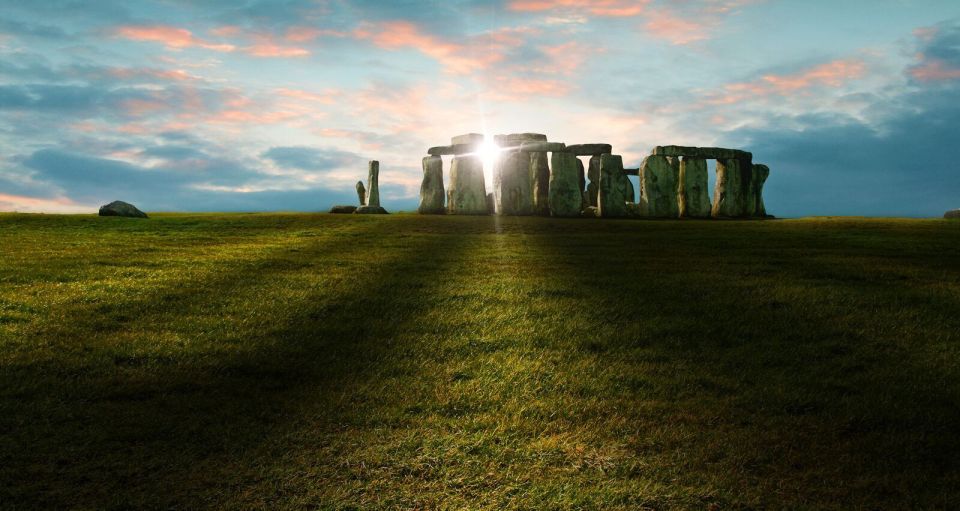
Stonehenge is famous, but most visits feel oddly distant—great for photos from behind barriers, not great for soaking in the scale. What makes this tour different is the exclusive access to the inner circle when it’s closed to the general public. That means you’re not just looking at the monument; you’re walking around its core arrangement and standing closer to the sarsen rocks that people have argued about for centuries.
I love that the guide doesn’t treat Stonehenge like a vague mystery. You’ll get a clear, guided walkthrough of key stones—like the altar, slaughter, and heel stones—and what they mean in relation to sunlight at important times of year (including the summer solstice). It turns the site from “cool rocks” into a place with a logic you can track with your eyes.
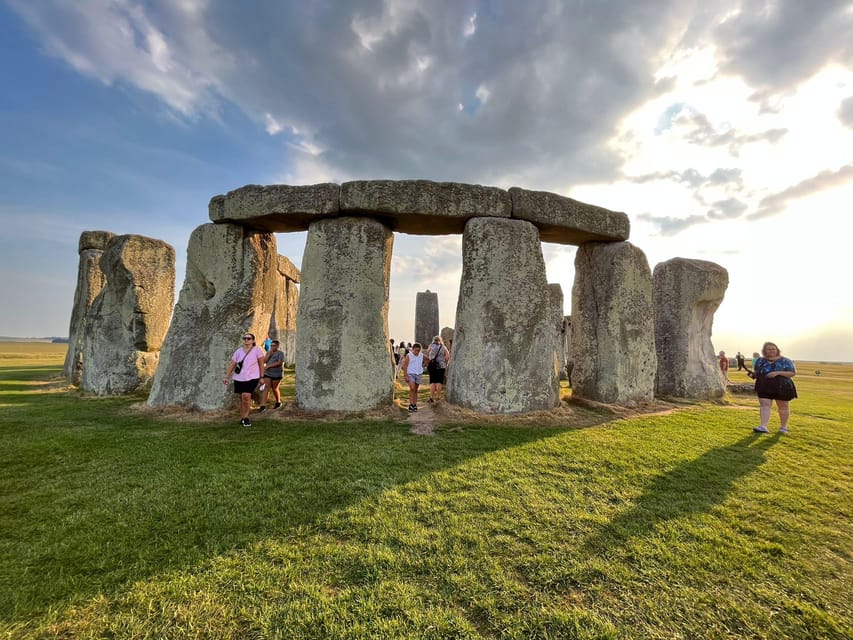
The best practical takeaway: you’ll remember how Stonehenge looked at human scale. From the inner ring, the geometry feels tighter and the stone heights feel more physical. If you’re sensitive to crowds, this access is one of the few ways to make Stonehenge feel calm and personal instead of rushed.
You can also read our reviews of more private tours in London


5:30 AM Departure From London: Beating the Crowds the Smart Way
This is a 12-hour day built around one goal: getting west fast enough to beat the busiest time at Stonehenge. You meet at the Millennium Gloucester Hotel in London at 5:30 AM, and you’re asked to arrive 15 minutes early. If that sounds intense, it is. But this timing is the whole point.
The coach is air-conditioned and aimed at comfort for a long ride. Most of the time it’s spent in transit, and the schedule is tight once you start. In a couple of past experiences, seat comfort has been an issue for some people when they ended up farther back on the coach—so if you’re given a choice, I’d aim for seats closer to the front.
Pack for the reality of early mornings: even in summer, sunrise-area weather can still feel chilly. Bring a light layer you can shed later, plus something for wind. You’ll be standing around and moving at Stonehenge, and weather shifts are part of the game.
Inside the Stones: Pagan Stories, Key Rock Names, and Better Photos
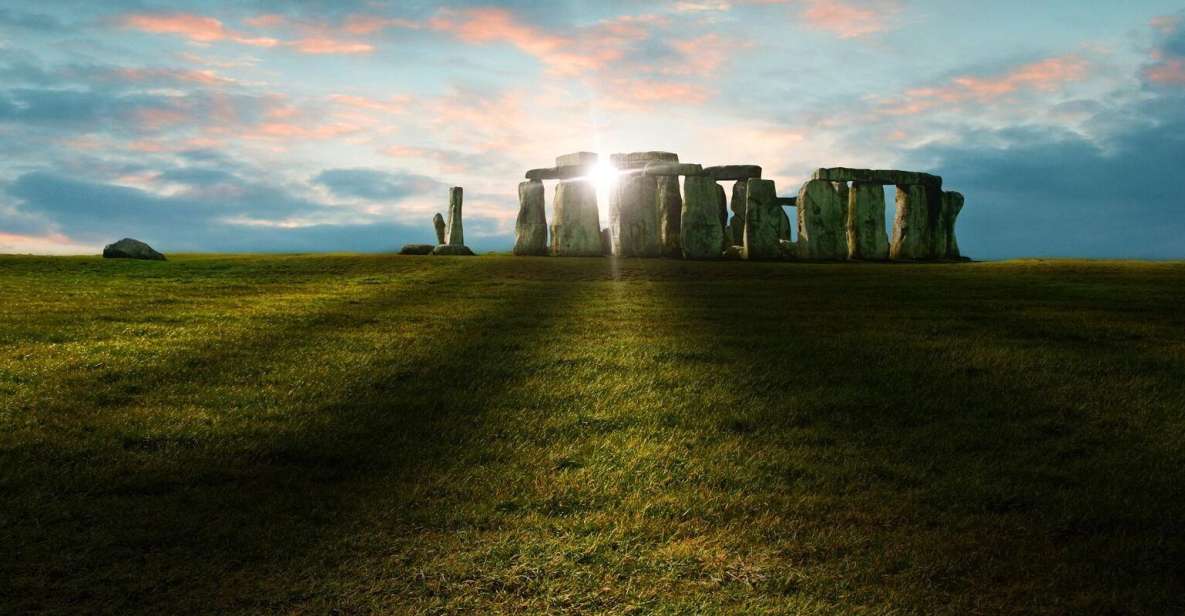
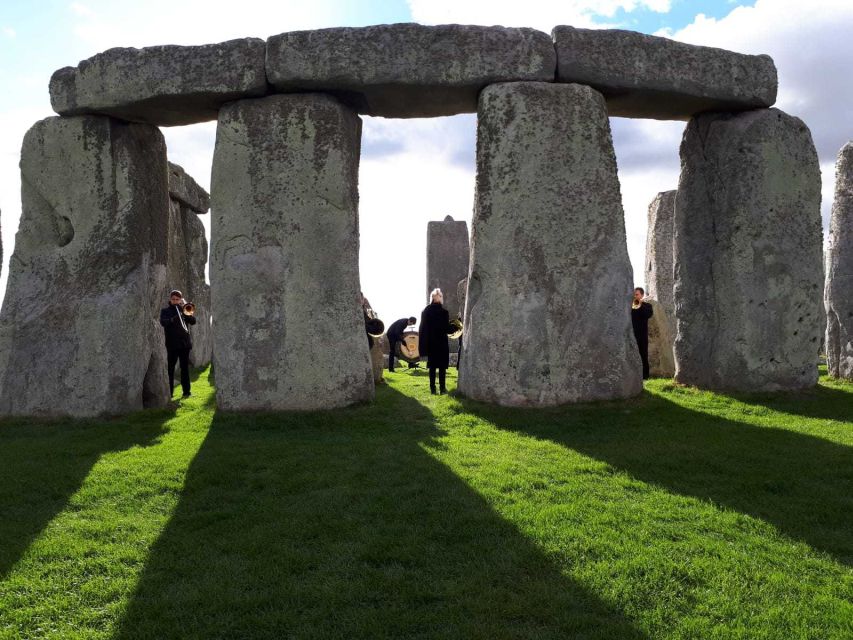
At Stonehenge, the guide’s job is to make the site legible. You’ll get to stand by the stones themselves with a live explanation that ties together what you’re seeing with how people have interpreted the place over time.
You should know what to watch for:
- The guide will point out specific stones and their names.
- You’ll learn how the placement connects to the sunrise/summer solstice idea people associate with the site.
- You’ll have a chance to look around from multiple angles inside the circle, not just from a single spot.
One heads-up: the tour information notes that at certain times, it may not be possible to see the actual sunrise. Still, the early arrival and timing are designed to give you the best possible shot at calm light and fewer people—even if you don’t see a perfect sunrise moment.
If photography is your priority, inner-circle time is huge. You’re closer to the stones, and you’re not fighting for a view between other tourists. The photos you’ll take feel less like documentation and more like immersion—without needing hours of hiking or complicated planning.
Lacock’s Saxon Streets and a 14th-Century Pub Breakfast Stop
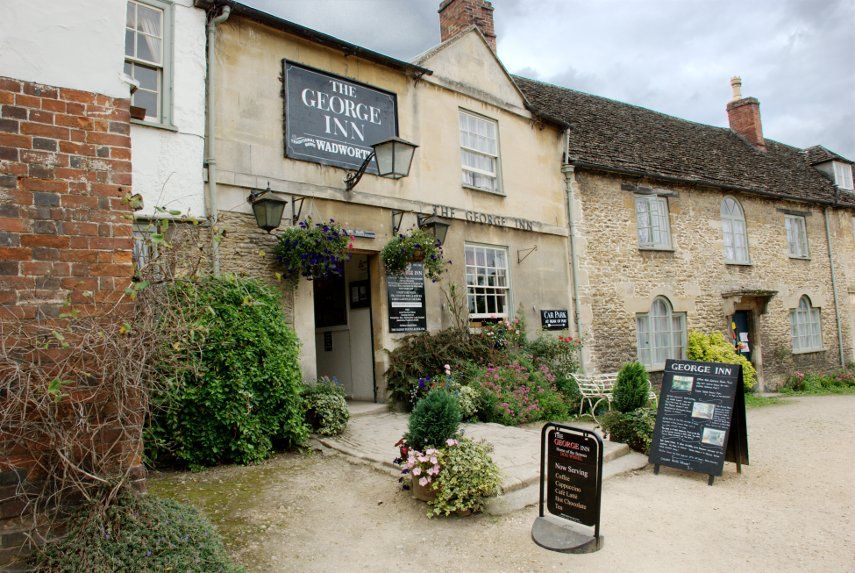
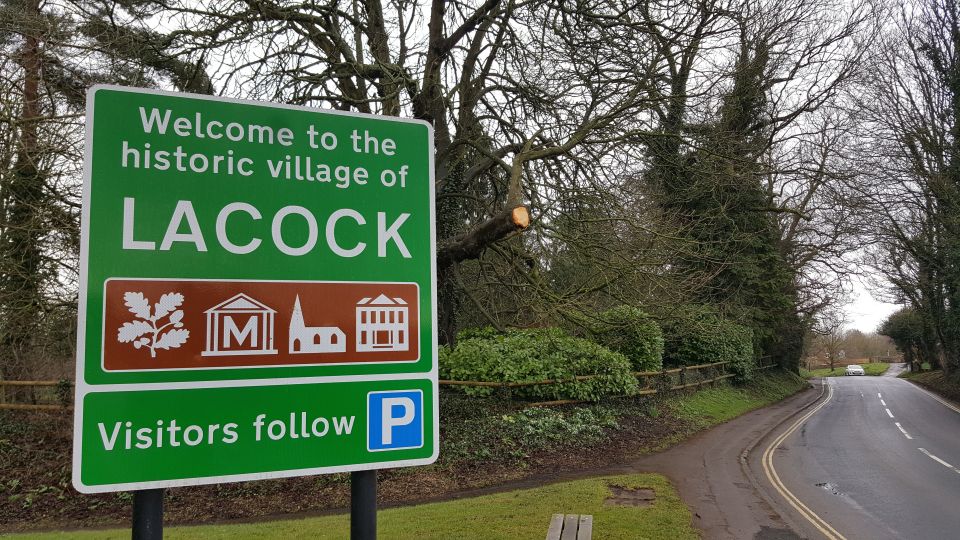
After Stonehenge, you shift gears into something gentler: Lacock, a village with deep roots that stretches back to Saxon-era origins. It’s also a National Trust village, meaning the buildings and atmosphere are protected instead of constantly changing.
This stop is not just a scenic break. Lacock is part of why this tour feels satisfying. You’ll wander around streets and buildings that have repeatedly stood in for other worlds. Film and literature fans often connect Lacock with Pride and Prejudice and Harry Potter and the Philosopher’s Stone, and the village’s preserved look makes that connection feel natural.
And then there’s breakfast. You’ll have time at a 14th-century pub (with an optional breakfast). The practical value here is simple: you get real food before the long Bath segment, and you’re doing it in a place with character rather than another generic rest stop.
If you like a slow stroll, plan to wear comfortable shoes. Lacock is walkable, and the best part of villages like this is often the small detours—courtyards, stone walls, and viewpoints that appear when you turn a corner.
Bath’s Georgian Icons: Royal Crescent, Circus, and Pulteney Bridge
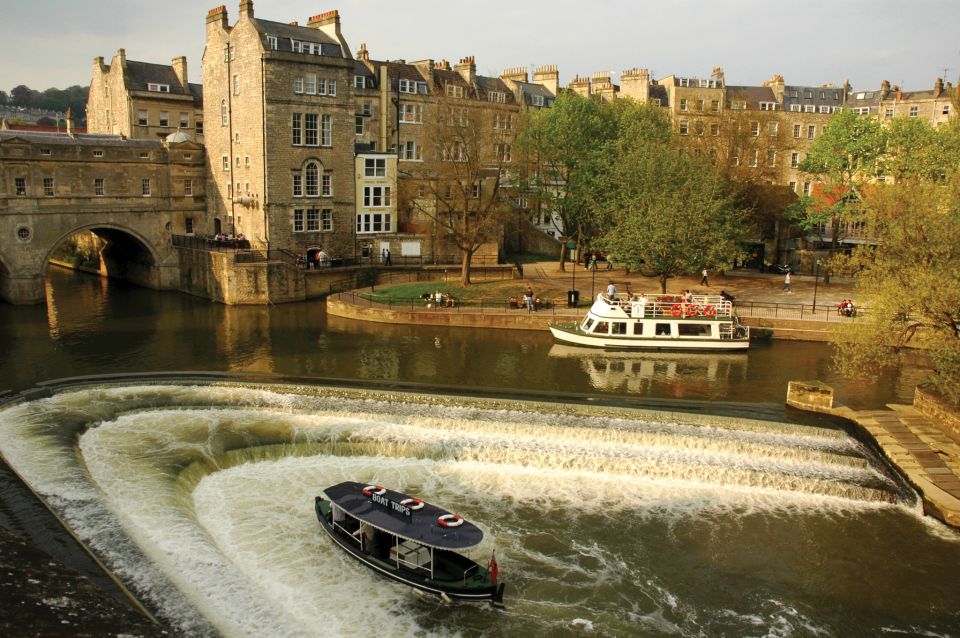
Bath is where the tour turns from prehistoric wonder to architectural elegance. You’ll see famous Georgian views like the Royal Crescent and Circus, then enjoy a guided look around the city’s beautifully proportioned streets.
This part of the day has a “hit list” feel, but it works. Bath is compact enough that you can cover a lot in a single day without feeling like you’re missing everything. You also get a photographed favorite: Pulteney Bridge over the River Avon.
Here’s a practical note: Bath can be busier later in the day, so keeping to the tour’s pace helps. The best strategy is to treat this as an introduction—enough to fall in love with the city, but not so rushed that you feel like you’ve sprinted through it.
Optional walking is also mentioned for later in Bath—this can include stops linked to Jane Austen and a classic tea-room area. If you like small, foot-led exploration more than big-ticket museum time, it’s worth considering when you’re choosing the option.
You can also read our reviews of more tours and experiences in London


Roman Baths Museum: AD 60, Hot Springs, and the Sacred Spring
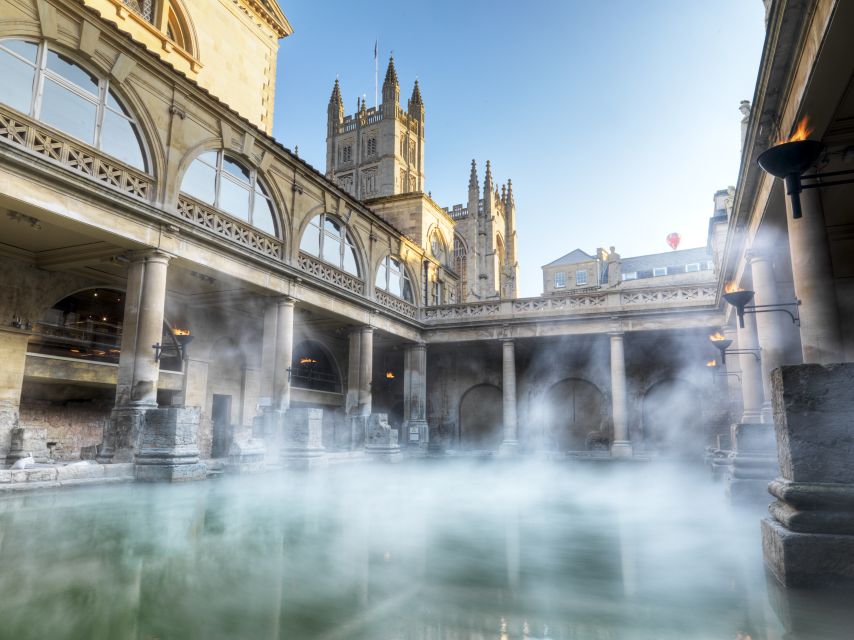
Bath’s Roman Baths are the real anchor of the city. The Baths site dates back to around AD 60, and the hot springs feeding the complex are still driven by the Mendip Hills aquifers. It’s one of those rare heritage places where the “wow” isn’t just visual. The water and the plumbing story are part of why the site feels so alive.
If you select the option, you’ll visit the Roman Baths Museum, which includes artifacts from the Roman period—objects and offerings connected to the Sacred Spring. That detail matters. It helps you understand the Baths weren’t just public plumbing; they were part of a ritual world where people interacted with the water as something powerful.
The museum also helps balance the day. Stonehenge asks you to think about meaning across thousands of years. Bath’s Roman story brings meaning down to a human scale you can picture: devotion, routines, and daily life around a sacred place.
Price and Logistics: Is $184 Good Value for This Mix?
At $184 per person for a 12-hour day, you’re paying for three things that most DIY trips struggle to bundle cleanly:
- Private inner-circle access to Stonehenge (a major differentiator versus regular entry).
- A guided day that combines three distinct locations—Stonehenge, Lacock, and Bath—without you doing route planning or timed ticket juggling.
- Air-conditioned coach transport plus skip-the-line style convenience via a separate entrance.
You should also factor in what’s not included: food and drinks aren’t included in the base cost. Breakfast is optional (and happens at the Lacock pub). Roman Baths Museum entry is included only if you choose that option. So if you want full value, you’ll likely want the Roman Baths Museum add-on and to budget for snacks during the day.
Is it expensive? Compared to basic tours, yes. But if your priority is Stonehenge access that feels close and personal, this is exactly where paying more can make the day better—not just pricier.
Group Size, Timing, and the Human Factor
This is a Premium Tours group with a maximum group size of 50. That’s large enough to keep logistics smooth, but small enough that you’re not constantly swallowed by a sea of people. In places like Stonehenge and Bath, crowd management matters, and early timing does a lot of heavy lifting.
You’ll also have a live English guide, and the guide’s style can shape your day. In past runs, guides like Eva (or Ava), Tom, Nicholas, Toby, Wendy, Anna Marie, and Leon have shown up in different combinations with drivers including Nigel, Heda, Jermaine, Neil, Andre, and Gary. Regardless of who you get, the best guides in this format do two things well: keep the group moving on time and make the stones, buildings, and artifacts feel connected.
If you’re sensitive to long narration, be aware you may spend several hours being guided. I’d treat the guide’s commentary as part of the experience, but if you prefer quiet, bring something to take the edge off—headphones and a simple plan to pause for photos when you need a break.
Who This Tour Suits Best
I’d point you toward this tour if:
- You care about Stonehenge access that’s not behind ropes.
- You want a single day that hits Stonehenge + Lacock + Bath without adding travel stress.
- You like context—stories and explanations—rather than only wandering.
You might consider a different plan if:
- You hate early mornings. Meeting at 5:30 AM is the real commitment.
- You want tons of free time in Bath. This day is designed for coverage, not slow wandering.
- You’re planning to buy lots of extra food and drinks. The tour cost doesn’t cover them, and the day moves on schedule.
Should You Book This Stonehenge and Bath Tour?
If Stonehenge is your top priority, I think this is an easy yes. The inner-circle access and early arrival are exactly what convert a famous site into a personal experience. The Lacock and Bath pairing also makes practical sense: you move from ancient mystery to medieval charm to Roman engineering and museum artifacts, all in one smooth arc.
Book it if you’re willing to trade sleep for access and if you like guided storytelling. If you want a late start, a purely self-guided day, or long unstructured time in Bath, you may feel constrained.
FAQ
FAQ
What time do I need to be at the meeting point?
The meeting point is at 5:30 AM at the Millennium Gloucester Hotel. Please arrive 15 minutes early.
How long is the tour?
The tour runs for 12 hours.
Do I get access inside the Stonehenge inner circle?
Yes, the tour includes exclusive and private access to the inner circle when it’s closed to the public.
Is Roman Baths Museum entry included?
Entry to the Roman Baths Museum is included if you select the option.
Is breakfast included?
Breakfast at a 14th-century pub in Lacock is optional.
Will I definitely see the sunrise?
The tour information notes that at certain times it may not be possible to see the actual sunrise, but you arrive as early as possible for the private access experience.
Is the tour a private group?
It’s a private Premium Tours group, with a maximum group size of 50 people.
Is there a free cancellation option?
Yes. Free cancellation is available up to 8 days in advance for a full refund.
Do I skip the line at Stonehenge?
You get skip-the-line style access through a separate entrance.
If you tell me your travel month (roughly) and whether you care more about sunrise photos or Bath time, I can help you judge if this exact timing is the right fit.