REVIEW · LONDON
London: Natural History Museum Guided Tour
Book on GetYourGuide →Operated by Babylon Tours London · Bookable on GetYourGuide
A museum like this turns time into something you can hold. With a 2.5-hour guided route through the Natural History Museum’s biggest hits, you’ll connect dinosaurs, birds, and human curiosity in one smooth loop. I love that it’s built to hit the must-see pieces without turning into a lost-in-the-hallways marathon.
Two things I especially like: you get close to standout fossils and oddities like Iguanodon teeth and a Dodo skeleton, and you also get stories that make them make sense. That’s the real value of having a guide rather than just wandering with a phone map.
One consideration: there’s a small amount of walking, and luggage or large bags aren’t allowed inside—so pack light and plan for security lines even with the skip-ticket benefit.
In This Review
- Key Highlights Worth Planning Around
- Why This London Natural History Tour Works Better Than Self-Guided
- The Route in Real Terms: What You’ll See and Why It Matters
- Starting Off: Getting Your Bearings in a Museum Maze
- Dinosaur Clues: Iguanodon Teeth and the Fossil Mindset
- Awe Moment: Pompeii Casts and the Power of Human History
- The Dodo Skeleton: Extinction in a Single Glance
- Archaeopteryx: The Dinosaur-to-Bird Link You Can See
- Darwin’s First Edition: On the Origin of Species Up Close
- Oddball Magic: Sophie the Stegosaurus, the Cursed Amethyst, and the Sequoia Slice
- Wrapping Up: Turning Museum Noise into Clear Meaning
- What You Really Pay For: Price, Time, and Guide Value
- Logistics That Affect Your Comfort (So You Don’t Waste Energy)
- Who This Tour Suits Best
- Final Call: Should You Book This Natural History Museum Tour?
- FAQ
- How long is the London Natural History Museum guided tour?
- What are some of the top highlights included?
- Is skip-the-ticket line included?
- What size are the groups?
- What should I bring for the tour?
- Are luggage or large bags allowed inside the museum?
- What language is the tour guide?
- Is the tour wheelchair accessible?
- Where do I meet the guide?
Key Highlights Worth Planning Around
- Iguanodon teeth fossils that make dinosaur life feel oddly specific
- Pompeii casts that connect natural history to human history and tragedy
- A Dodo skeleton that lets you see extinction up close, not as a headline
- Darwin’s On the Origin of Species (first edition) for a real-world moment in science history
- Archaeopteryx and the dinosaur-to-bird story in one step
- Cursed Amethyst and a slice of Giant Sequoia for the museum’s best “wow” objects
Why This London Natural History Tour Works Better Than Self-Guided
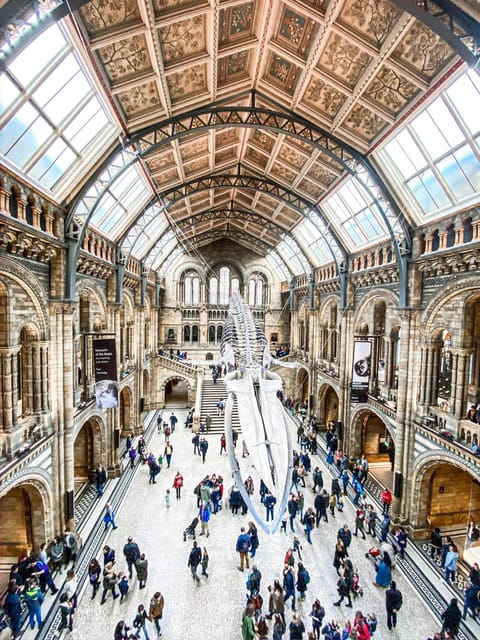
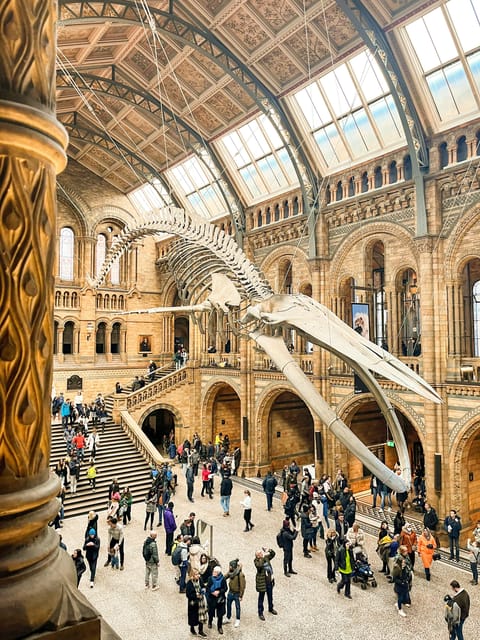
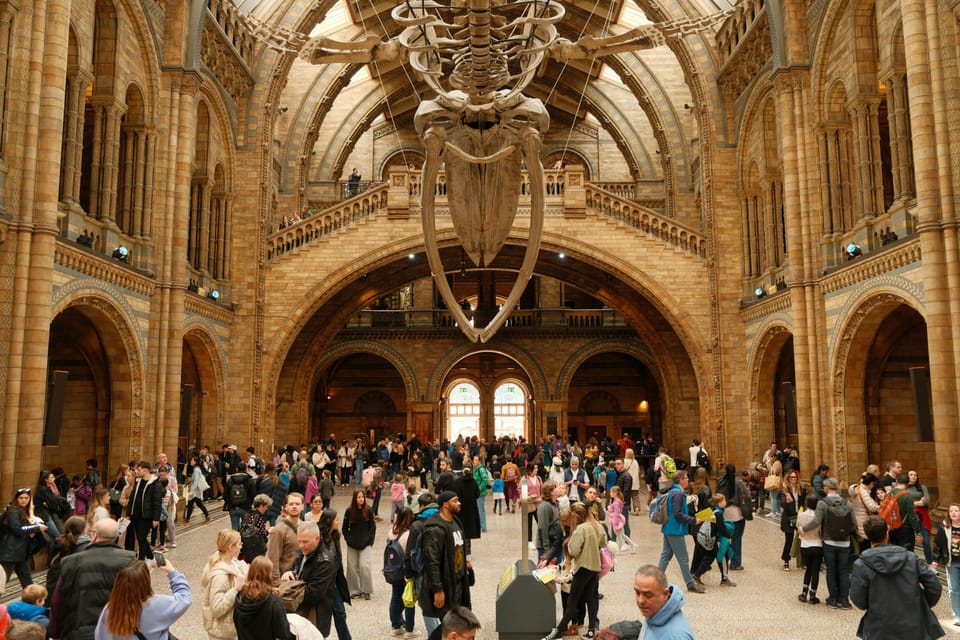
London’s Natural History Museum can feel like a science city. One hall leads to another, and before you know it you’re staring at a label longer than a bus timetable. This guided version solves that problem with a tight 2.5-hour route designed to pick up the threads: Earth’s early beginnings, evolution, and the odd objects that people can’t stop talking about.
The big win is focus. You still get that grand scale—this museum holds an estimated 80 million specimens—but you don’t have to figure out which rooms will reward your time. You’re taken to the pieces people remember: the ones that feel iconic in person.
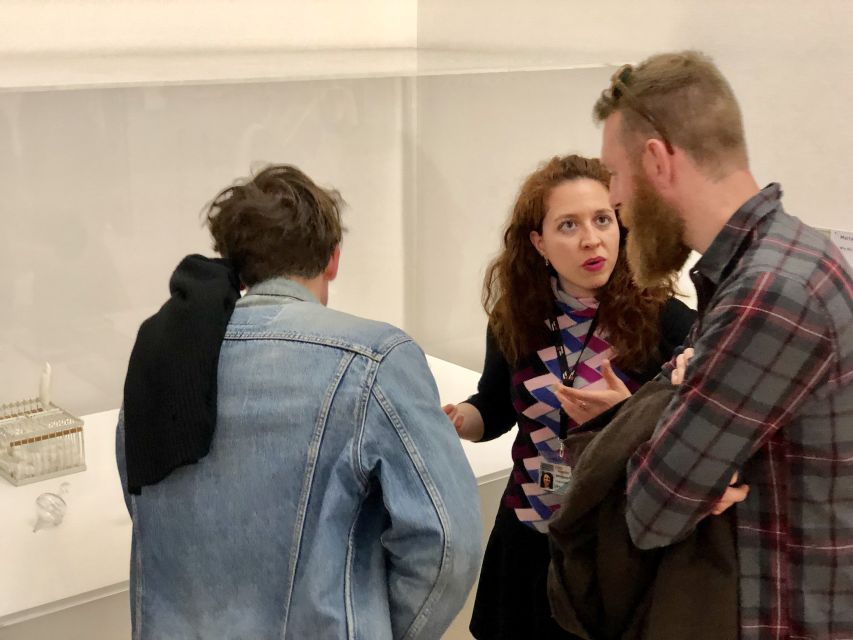
Another plus is the way guides tend to shape the experience for different ages. In past groups, guides like Ivo, Guy V., Matilda, Sacha, and Luis were praised for involving children without making it feel like a kid-only show. That matters, because a museum tour can either be educational or just exhausting. This one aims for both: facts plus momentum.
You can also read our reviews of more guided tours in London



The Route in Real Terms: What You’ll See and Why It Matters
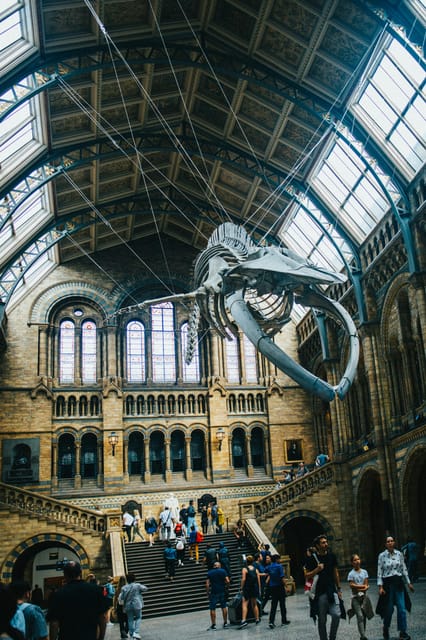
This tour is built as a “greatest hits” overview rather than a full museum education. That’s a smart choice here. You’ll walk through key galleries and hit signature objects that anchor big themes: dinosaurs, birds, extinction, and evolutionary thinking.
Even if you’ve visited before, a guided run can change how you experience the same rooms. The objects don’t move, but your attention does. A good guide points out the shape, the material, the symbolism. You start seeing patterns instead of random displays.
Starting Off: Getting Your Bearings in a Museum Maze
You’ll enter the museum experience with a plan, and that’s no small thing. The Natural History Museum is a labyrinth of galleries, and the architecture alone can slow you down. With the group route, you avoid the common problem of spending the first 30 minutes just figuring out where the best stuff is.
The tour includes skip-the-ticket line, which helps you get inside and settled faster. In London, museum entry and security can add friction. Cutting that time means more time for the objects that actually justify the ticket.
Dinosaur Clues: Iguanodon Teeth and the Fossil Mindset
One of the highlights is the chance to see Iguanodon teeth fossils. Teeth are a great fossil subject because they’re durable, and they tell you about diet even when you never see the animal in its full body form. A guide can connect those small shapes to what these dinosaurs likely ate and how paleontologists think.
This stop is also good for families and non-science visitors. You don’t need to memorize Latin names. You just need to notice what fossilized remains can still reveal about living behavior.
If you’re the kind of person who likes evidence, you’ll appreciate how teeth shift the conversation from fantasy dinosaur images to real-world data.
Awe Moment: Pompeii Casts and the Power of Human History
Then comes one of the most emotionally heavy stops: the Pompeii casts. These are casts made from victims of the volcanic disaster at Pompeii, and they bring the idea of sudden catastrophe into physical form.
The Natural History Museum isn’t only about rocks and bones. It also holds objects that show how natural events shaped human lives. A guided stop here matters because it’s easy to miss what you’re looking at if you just read the label and move on.
You’ll also get exposure to the museum’s odd intersections of culture and science, including notes about civilizations that used human skulls as drinking glasses. That’s not pleasant history, but it’s an important one. You’ll leave with a sharper sense of how science museums preserve uncomfortable truths, not just nice surprises.
You can also read our reviews of more historical tours in London





The Dodo Skeleton: Extinction in a Single Glance
Next up: getting close to a Dodo skeleton. This is one of those exhibits that can quietly hit you. The Dodo is a famous extinction story, but seeing the bones helps it stop being abstract.
A guide’s context is key here. Without it, you can view the skeleton as a strange curiosity. With it, you start thinking about how ecosystems change, how humans and animals interact, and how quickly nature can tip.
This is also a great stop for kids, because it offers a simple question they can grab onto: what caused it, and what would that look like today?
Archaeopteryx: The Dinosaur-to-Bird Link You Can See
The tour also includes a glimpse of Archaeopteryx, often described as the alleged missing link between dinosaurs and birds. This is the kind of exhibit that can feel technical, but the best guides make it readable.
You’re not just looking at a specimen. You’re looking at a debate. A guide helps you understand why Archaeopteryx matters in the larger story of evolution—how paleontology uses evidence to build a connection between groups that seem different at first glance.
If you like science that feels alive rather than like a textbook, this stop is a highlight for a reason.
Darwin’s First Edition: On the Origin of Species Up Close
One of the tour’s most memorable headliners is the chance to see a first edition of On the Origin of Species. This is where the museum stops feeling like a cabinet of curiosities and starts feeling like the birthplace of modern thinking.
Even if you don’t read early scientific text, seeing a first edition changes the tone. It turns a theory into a real artifact tied to a real moment—when ideas spread because someone dared to make a big argument with evidence.
A guide can explain what you’re looking at in practical terms: why a first edition is significant, what kind of work it represents, and how it fits into the broader evolution story you’ve been tracking during the tour.
Oddball Magic: Sophie the Stegosaurus, the Cursed Amethyst, and the Sequoia Slice
This museum has a talent for mixing seriousness with wonder. You’ll be introduced to characters like Sophie the Stegosaurus, which helps the dinosaur theme stay friendly instead of intimidating.
Then you may get drawn to the Cursed Amethyst. That name makes it sound like a movie prop, but in practice it’s a reminder that people always attached stories to minerals and treasures. It’s also a fun example of how museum display can make you curious even when you don’t know the science yet.
Finally, the tour includes an enormous slice of a Giant Sequoia tree. Scale is the point here. Seeing a giant sequoia section up close does something labels can’t do. You start appreciating growth, age, and the sheer physical patience of nature.
If you enjoy “wow” objects that feel almost impossible, you’ll like this part a lot.
Wrapping Up: Turning Museum Noise into Clear Meaning
The tour ends with you walking out with a connected picture of Earth’s history: from ancient life and fossil evidence to evolution and human understanding. That’s the main value. You leave with themes, not just sightings.
In some group experiences, guides like Ivo and Guy V. were praised for giving the kids context without losing the adults. That balance is hard to pull off in museums, but it’s why this kind of guided tour often feels like it goes faster than you expect.
What You Really Pay For: Price, Time, and Guide Value
At $112 per person for 2.5 hours, you’re paying for three things: access help (including skip-the-ticket line), time efficiency, and interpretation.
If you’re visiting on your own, the museum can take half a day or more. But even if you have time, you might still spend it wrong—too long in the wrong rooms, or missing the context that turns an object into a story. A guided highlight route is a practical way to avoid that.
This isn’t the cheapest museum add-on. But it’s also not trying to sell you a long, exhausting day. For the price, you’re buying a set of high-impact stops plus a guide who can explain what you’re seeing in ways that fit the group.
Also: the group size for group tours is up to 8 guests maximum. Smaller groups usually mean better pacing and more chances to ask questions, especially if you’re traveling with kids or you want clarity on tricky ideas.
Logistics That Affect Your Comfort (So You Don’t Waste Energy)
This tour is offered daily, with starting times you can check. Plan for a small amount of walking, and dress appropriately for entry into some sites. London museum security is real, and lines can form even when you have skip-the-line access.
Big practical rule: no luggage or large bags. Only handbags or small thin bag packs typically go through security. If you show up with a suitcase, you’ll lose time dealing with it instead of enjoying the tour.
You should also bring passport or ID.
If you’re traveling with a wheelchair: the data here is mixed. It says the tour is not suitable for wheelchair users, but it also states wheelchair tours are available upon request only and only as a private tour. If accessibility matters, ask about the private option early.
Who This Tour Suits Best
This tour is ideal when you want a meaningful museum visit without turning it into a day-long grind. It’s great for:
- Families who want science highlights that still feel engaging for different ages
- First-timers who need a map plus context
- Visitors who like evolution and fossils but don’t want to research on the spot
- Anyone who wants to see iconic objects like a Dodo skeleton and Darwin’s first edition without hunting for them
If you love museums for the slow, self-directed wander, you might still enjoy it—but you’ll likely want extra time afterward to explore on your own. Think of this tour as the fast, high-quality intro.
Final Call: Should You Book This Natural History Museum Tour?
Yes, if you want your Natural History Museum visit to feel coherent and memorable in just 2.5 hours. The standout reason is the combination of objects that cover different sides of science—fossils, evolution, extinction, and those big human history interruptions like the Pompeii casts—paired with guides who can explain clearly and keep kids involved.
Book it particularly if:
- You’re short on time but want major highlights
- You’re traveling with children and want them guided, not just supervised
- You care about getting the meaning, not just the photos
Skip it if you’re the type who wants to roam freely for hours with no structure. In that case, you can still enjoy the museum on your own—you’ll just miss the story glue that makes these particular exhibits click.
FAQ
How long is the London Natural History Museum guided tour?
The tour lasts 2.5 hours.
What are some of the top highlights included?
You’ll see items including Iguanodon teeth fossils, Pompeii casts, a Dodo skeleton, Archaeopteryx (rare glimpse), and a first edition of On the Origin of Species, along with displays like Cursed Amethyst and a slice of Giant Sequoia.
Is skip-the-ticket line included?
Yes. The tour includes skip the ticket line.
What size are the groups?
Group tours are 8 guests maximum. Private and semi-private options are also available.
What should I bring for the tour?
Bring a passport or ID card.
Are luggage or large bags allowed inside the museum?
No. Luggage or large bags are not allowed. Only handbags or small thin bag packs are typically allowed through security.
What language is the tour guide?
The tour is English.
Is the tour wheelchair accessible?
The tour is marked as not suitable for wheelchair users, but wheelchair tours are available upon request only and only as a private tour.
Where do I meet the guide?
The meeting point may vary depending on the option booked, so check your specific booking details.