REVIEW · LONDON
Handel Hendrix House Ticket
Book on GetYourGuide →Operated by Handel Hendrix House · Bookable on GetYourGuide
Two musical legends share one address.
At Handel Hendrix House in Mayfair, you walk through George Handel’s rooms and then climb straight into Jimi Hendrix’s first London home. You get baroque drama downstairs and 1960s rock-world detail upstairs, all in one compact, small-group visit.
I especially love the way the antique harpsichord sound hangs in the air while you move through Handel’s space. And I like how the Hendrix side doesn’t just show memorabilia; it connects his life there through the domestic details of 23 Brook Street, including his record collection and stories tied to Kathy Etchingham.
One thing to consider: the venue is small, and the Hendrix rooms may not feel like a warehouse of original artifacts. Some items in the property are limited, so if you expect tons of firsthand objects, go in knowing you’re experiencing a carefully recreated home story.
In This Review
- Key highlights you won’t want to miss
- Handel Hendrix House: the rare Mayfair link between baroque and rock
- From the Grade 1 staircase to the baroque rooms
- Where Messiah was rehearsed, plus the harpsichord atmosphere
- Upstairs in the 1960s: Hendrix at 23 Brook Street
- Hendrix’s gear wall: amps, pedals, and an acoustic guitar
- Time, money, and what you actually get for $19
- Should you book this Handel Hendrix House ticket?
- FAQ
- How long does the Handel Hendrix House visit take?
- Where is the meeting point?
- What’s the nearest Tube station?
- What is included with the ticket?
- Are events included in the ticket price?
- Is Handel Hendrix House wheelchair accessible?
- How many people are in a group?
- Is the visit in English?
- Can I book flexibly or cancel?
Key highlights you won’t want to miss
- Grade 1 staircase with a wonky climb that slows you down in the best way
- Messiah-linked rooms tied to the windows and the Cuzzoni tale
- Antique harpsichord practice that can make the whole visit feel like a live performance
- Kathy Etchingham research details that bring Hendrix’s Brook Street life into focus
- Hendrix’s amps, pedals, and acoustic guitar in a “how he made it” way
- Small group size (up to 9) with guides/hosts you can ask questions to
Handel Hendrix House: the rare Mayfair link between baroque and rock
This ticket is a bit of London magic trick: you start with George Handel and end with Jimi Hendrix, with both eras feeling like they belong to the same street. The setting is Mayfair at 25 Brook Street, and the building itself helps sell the switch in time. One moment you’re hearing about court musicians and big-city musical stars; the next you’re looking at how Hendrix shaped his sound back home.
The visit runs about an hour or two at a comfortable pace. It’s also structured for small groups, capped at nine people, which makes the rooms feel less crowded and more conversational. If you like music more than crowds, this format is a good match.
And yes, the house is genuinely tight. That’s part of the charm and part of the trade-off. You won’t be here for a whole day like a giant museum campus. But you will feel the contrast between composers, lifestyles, and eras without the usual museum fatigue.
You can also read our reviews of more tours and experiences in London


From the Grade 1 staircase to the baroque rooms
Your visit starts in the Handel side, and the first “wow” moment is the wonky 250-year-old Grade 1 stairway. It’s not just scenic. It makes you slow down and look at the rooms as you earn your way up.
Then you step into George Handel’s world. You’ll move through spaces where he composed, rehearsed, performed, and spoke with leading baroque musical figures. The rooms are arranged so the story moves with you: not just big facts on walls, but scenes you can connect with how Handel actually worked day-to-day.
A standout detail is the set of windows tied to a famous dramatic episode involving soprano Cuzzoni. You’ll hear about Handel threatening to throw her out the window when she refused to sing one of his arias. It’s an operatic moment in real-life form, and it helps you understand how high-stakes music making could feel even centuries ago.
If you want to get the most out of this floor, take your time with the small visual cues: doorways, room shapes, and the way musicians can be found practicing during the day.
Where Messiah was rehearsed, plus the harpsichord atmosphere
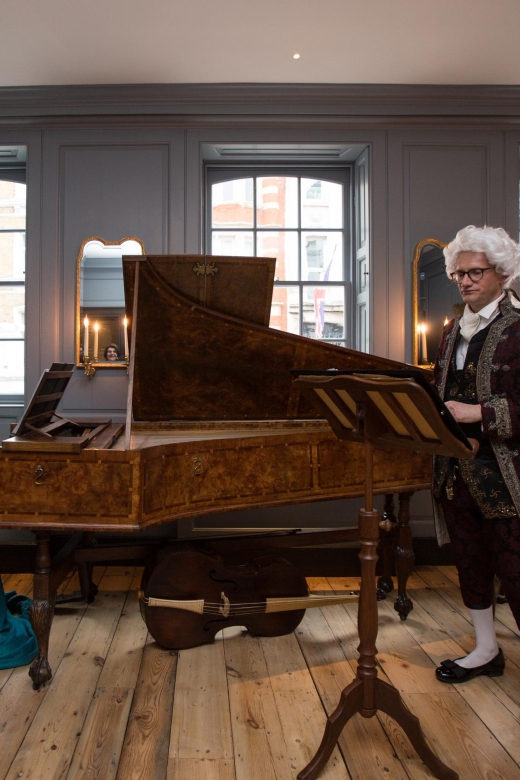
Handel’s connection to Messiah is the emotional center of this half of the museum. You’re not just reading that the work existed. You’re seeing the rooms where it could have been shaped, tested, and lived with.
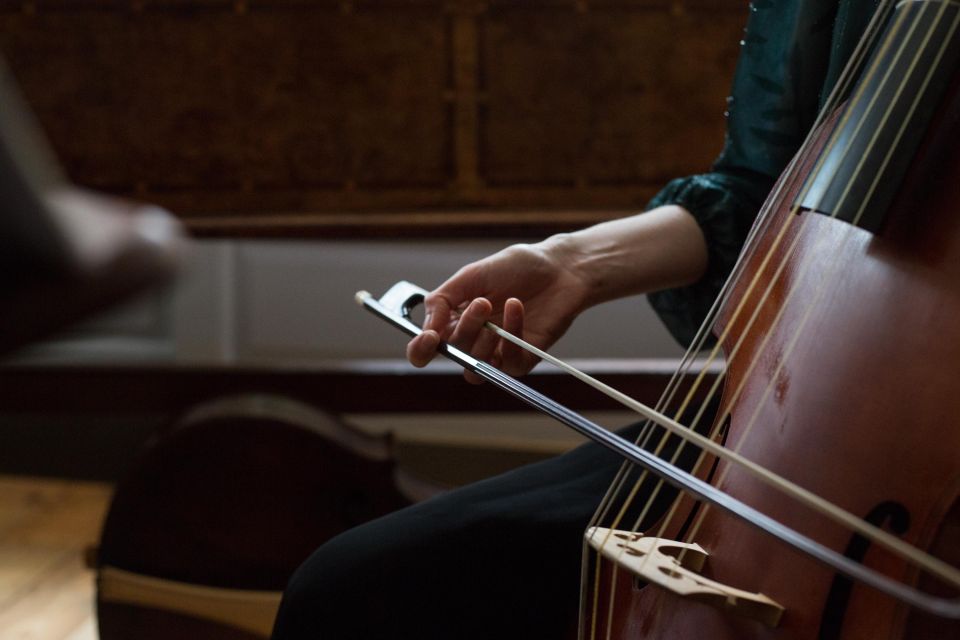
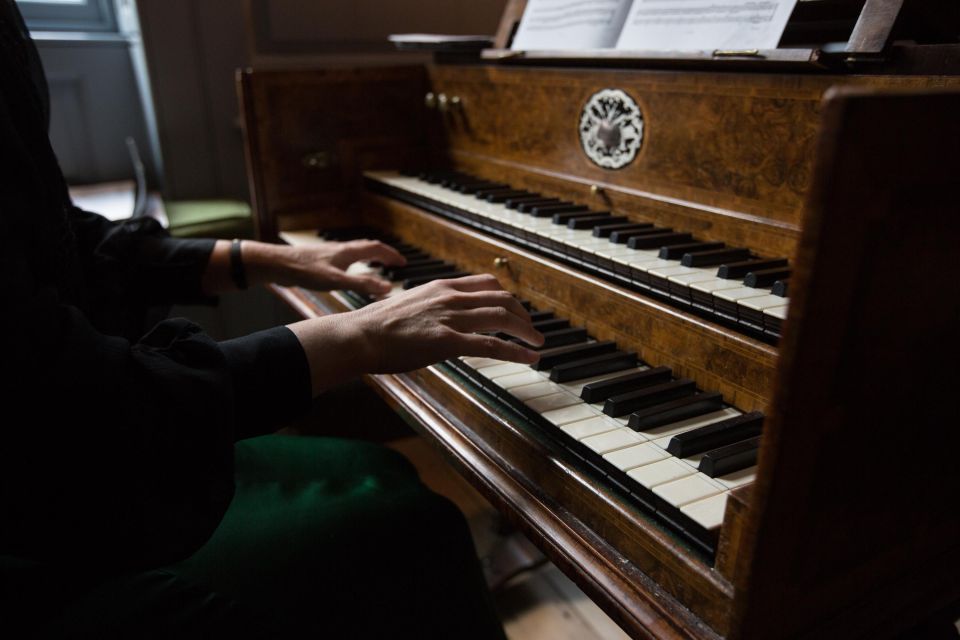
One of the best sensory touches is the antique harpsichord. Musicians are often practicing on it throughout the day, so even when you’re between “main exhibits,” the space keeps sounding alive. If you catch a rehearsal, it changes the whole visit from viewing to experiencing.
There’s also a clear “levels of the story” feeling. As you climb toward the second floor, you reach Handel’s dressing room and then his bedroom—the one he eventually died in after 35 years at the center of English court life and music. That final detail matters because it turns a composer into a person who stayed in one place long enough to age there.
Practical tip: if you’re a quick mover, this still works. But if you’re the type who likes to linger and listen, plan extra minutes here. The sound experience is part of what you’re paying for.
Upstairs in the 1960s: Hendrix at 23 Brook Street
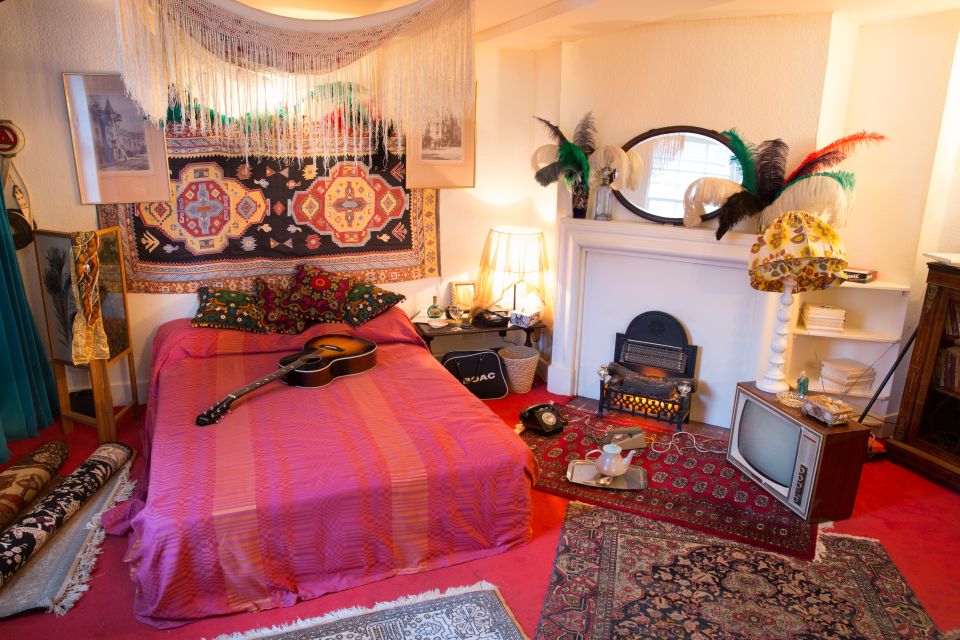
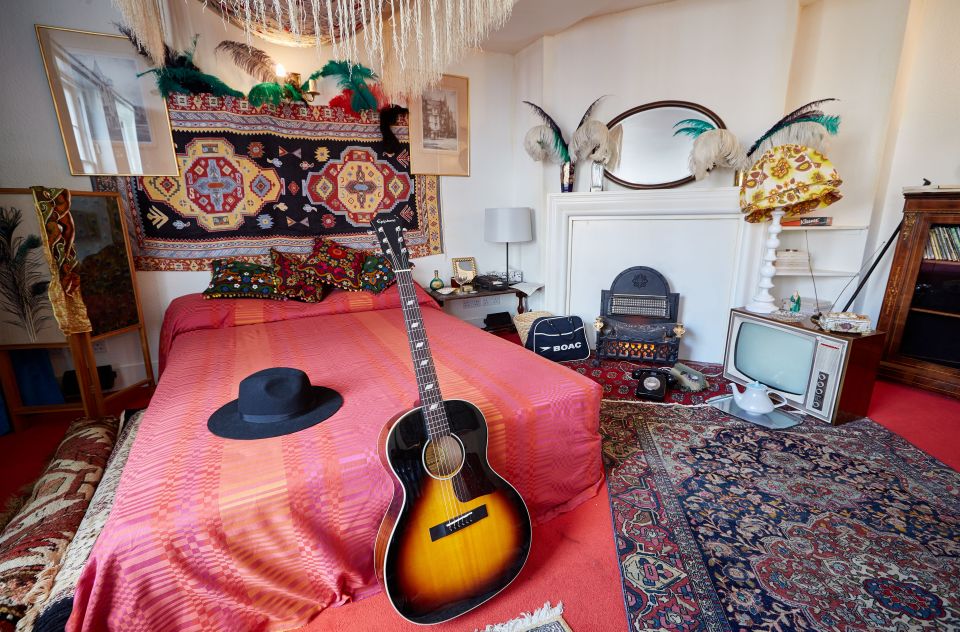
Then comes the jump in time—and it’s done with care. On the third floor, you’re taken into 60s London and the height of the swinging era, with a special focus on the flat at 23 Brook Street. London helped make Hendrix famous, but this room is presented as the first place he truly called home.
The museum recreation is painstakingly built from intensive research, with Kathy Etchingham’s help on small, lived-in details. That matters because the story isn’t only about guitars and fame. It’s also about what everyday life looks like in the middle of a creative life: the objects, the domestic rhythms, and the feel of a real home rather than a staged set.
You can also browse Hendrix’s record collection. Instead of turning it into a generic list, the exhibits connect albums to personal likes and anecdotes, including stories connected to Etchingham. If you like figuring out how taste and listening habits shaped sound, you’ll enjoy this part more than you might expect.
One key emotional note: the room is made famous in film footage and photographs showing Hendrix living and playing there in 1969, before his death a year later at 27. It’s handled as a lived-in snapshot, not just a celebrity timeline.
Hendrix’s gear wall: amps, pedals, and an acoustic guitar
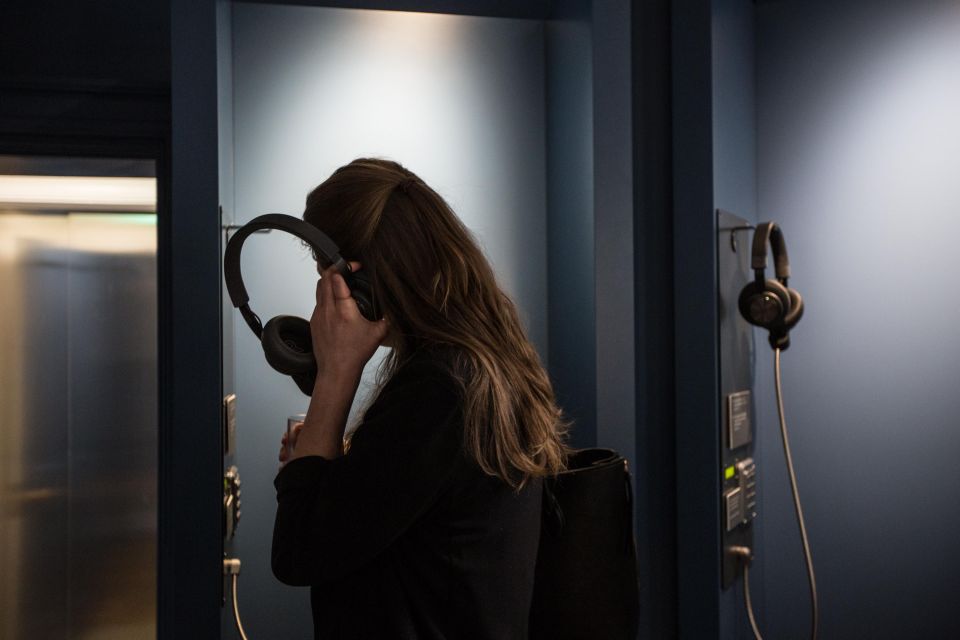
If the Handel side gives you mood, the Hendrix side gives you mechanics. You’ll learn about the amps and pedals Hendrix used to recreate his unique sound. That’s one of the most practical sections for music fans because it answers the question you’re probably already thinking: how did he get that tone?
The exhibits also include Hendrix’s acoustic guitar. You’re not just seeing instruments as icons; you’re being nudged toward how different gear choices create different textures. Even if you’re not a gear nerd, it’s a helpful way to connect the sound you’ve heard a thousand times with the tools behind it.
This section is also where the small size works in your favor. You don’t need hours to feel like you understood what mattered. You’ll leave with a clearer picture of what Hendrix relied on and how his setup supported his style.
One consideration: because the venue is compact, you might want to focus on a few sections rather than trying to read every line. If you love detail, you can still do it. If you’re short on time, prioritize the gear and record collection.



Time, money, and what you actually get for $19
The price is listed as $19 per person, and it’s basically paying for entrance into the museum experience. It’s not priced like a long half-day attraction, and you shouldn’t treat it like one. A typical visit is about 1–2 hours.
So is it good value? In my view, yes—if you’re the kind of person who likes contrast and story. You’re getting two major music figures in one address: Handel’s baroque world and Hendrix’s 23 Brook Street home, with a real atmospheric element (harpsichord practice) plus a practical one (amps, pedals, acoustic guitar).
It’s also a calmer buy than some London ticketing, since the group size is limited to nine. You’re more likely to actually ask questions and get answers than just drift through.
Logistics are straightforward. It’s easy to find in Mayfair, and you’ll likely use Bond Street Station (Central and Jubilee lines) as your anchor. One more practical note: no luggage or large bags are allowed, so travel light.
Should you book this Handel Hendrix House ticket?
Book it if you want a music-focused visit that feels personal, not huge. This is great for Handel and Hendrix fans, and also for anyone who likes seeing how creative genius lived inside real rooms, not just behind glass.
Skip it only if you’re specifically hunting for a massive collection of original Hendrix artifacts. The Hendrix side is built around a carefully recreated home story, and while the details matter, the volume of items may not match the expectation of a big dedicated collection.
If you’re scheduling a Mayfair afternoon, this is a smart anchor. Give it an hour or two, and plan to let the sound—especially the harpsichord—do part of the work for you. And if live practice music happens during your visit, that’s when the place starts feeling like a performance space, not just a museum.
FAQ
How long does the Handel Hendrix House visit take?
Plan for about 1 to 2 hours. The experience is designed for walking through the rooms at a relaxed pace while you take in the musical atmosphere.
Where is the meeting point?
You’ll meet at Handel Hendrix House, 25 Brook Street, Mayfair, London, W1K 4HB.
What’s the nearest Tube station?
The nearest Tube is Bond Street Station on the Central and Jubilee lines.
What is included with the ticket?
The ticket includes museum entrance fees.
Are events included in the ticket price?
No. Entry to events is not included, so if there are concerts or special programs running, you may need separate entry.
Is Handel Hendrix House wheelchair accessible?
Yes. Wheelchair accessibility is listed for the activity.
How many people are in a group?
The group is small, limited to 9 participants.
Is the visit in English?
Yes. The host or greeter is English, and English is listed as the language for the experience.
Can I book flexibly or cancel?
Yes. There’s free cancellation up to 24 hours in advance for a full refund, and you can reserve now and pay later to keep plans flexible.