REVIEW · LONDON
London: Spitfire Cockpit Experience
Book on GetYourGuide →Operated by Royal Air Force Museum · Bookable on GetYourGuide
Spitfires feel close in person. In London, you get a one-person chance to sit in a real World War II cockpit at the Royal Air Force Museum, with a guide to walk you through what you’re seeing. It’s short on paper, but the access is the point.
I love two things most: the guided, human pace of the session (you’re not just taking a photo and leaving), and the photo time inside the cockpit so you go home with proof. One guide named Ashley especially stood out for being friendly, clear, and confident while explaining the aircraft.
The main thing to weigh is physical access: the cockpit has specific requirements, and it’s not wheelchair accessible. Also, your photo angle can be affected by indoor space and the entry ramp, so go in knowing it may not look exactly like outdoor promo shots.
In This Review
- Key things to know before you go
- Hangar 3 and the Spitfire Mark XVI: where the magic starts
- The 15-minute flow: what your guide covers in the cockpit
- Inside the cockpit: controls you can actually see, not just read about
- Photo time in the real cockpit: how to get the shots you’ll want
- Value for $33: why a short session can be worth it
- Who this Spitfire cockpit experience is for
- Things to consider: indoor photos, limited time, and mobility limits
- Previewing the aircraft virtually before you arrive
- Should you book the Spitfire Cockpit Experience?
Key things to know before you go
- One-person session means you get close attention while you’re in the cockpit
- Hangar 3 is the setting, near the Spitfire Mark XVI, so the atmosphere feels real
- A guide-led walk-through connects the cockpit to the Spitfire’s real wartime job
- Photos inside the cockpit are part of the experience, not an afterthought
- The session is 15 minutes, so timing and focus matter
- Expect an indoor hangar setup, which can change your photo expectations
Hangar 3 and the Spitfire Mark XVI: where the magic starts
If you only have a small window of time, this is a smart way to spend it. The experience takes place at the Royal Air Force Museum in London, specifically Hangar 3, near the Spitfire Mark XVI. That matters because you’re not dealing with a distant display—your body is going where the aircraft’s crew once went.
You’ll check in at the Admissions Desk and get prepped by museum staff before your session. Plan to arrive at least 30 minutes early so you’re not rushed when it’s time to move. That extra buffer helps you get your bearings fast and focus on the cockpit moment rather than the clock.
One thing I’d flag from practical experience with aircraft displays: indoor hangars have their own “photography rules.” Lighting can be flatter than outside, and the surrounding structure can limit angles. That doesn’t make it worse—it just means you’ll get the authentic hangar view, not an outdoor brochure look.
You can also read our reviews of more tours and experiences in London.



The 15-minute flow: what your guide covers in the cockpit
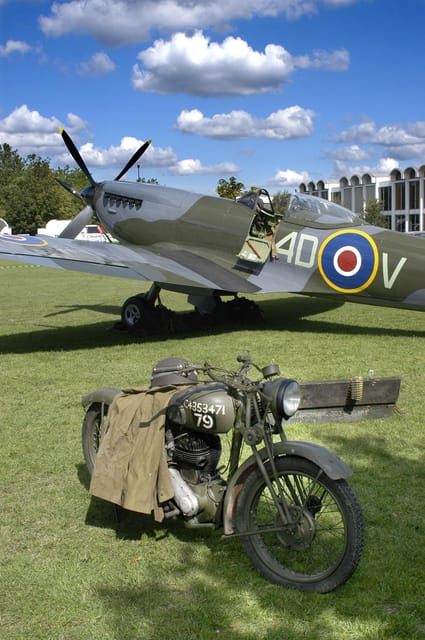
Your session is designed around a single person, and that one-person format changes the feel. You don’t have to “share space” with a line of people waving phones. Instead, a guide brings you in and talks you through what you’re looking at while you’re standing or seated in the cockpit.
You’ll get expert insight on the Spitfire’s role in the war and the kinds of daring missions it undertook. The best part is how the explanation ties directly to the aircraft’s cockpit layout—so it feels less like a lecture and more like translation: guide talk becomes “oh, that’s why this control is here.”
A guide named Ashley is mentioned in feedback as especially friendly and clear, and that lines up with what you want from this kind of experience. With only 15 minutes, you need the information to be understandable quickly. You’re not just admiring metal; you’re learning how a fighter cockpit worked in real life, even if you’re not actually flying.
Also, remember the session is 15 minutes total. That means the guide has a plan, and you’ll likely move through the experience in a tight sequence: briefing and access, your time in the cockpit, then photos, then wrap-up.
Inside the cockpit: controls you can actually see, not just read about
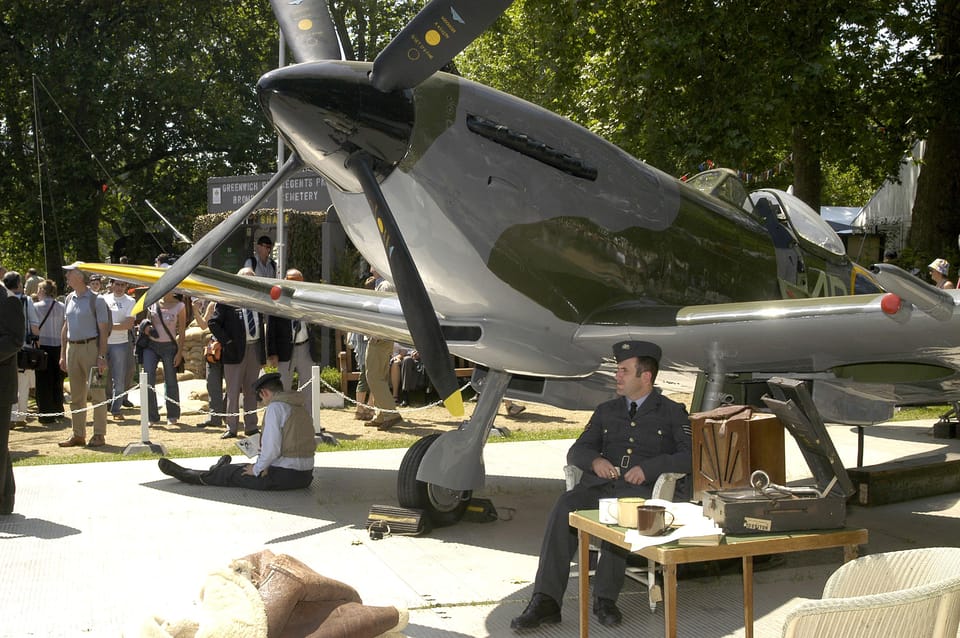
This is where the experience earns its place. Sitting in a real Spitfire cockpit is different from looking at a cockpit in a museum display. The controls, layout, and proximity hit you physically. You don’t just understand the aircraft—you feel the scale and the “how would it work in the air” logic.
You’ll spend time with the iconic cockpit area—enough to notice details like how everything is positioned for quick access. Even without technical training, you can usually spot what would matter during a mission: where your hands go, what’s within reach, and how the cockpit supports fast decisions.
The experience also gives you a chance to connect the aircraft’s reputation to its mechanics. The guide’s explanation of missions isn’t random storytelling; it’s meant to help you interpret why this cockpit exists in this exact form. That’s the value for history lovers and aviation fans alike: you’re not only hearing the name Spitfire, you’re seeing how the machine supported the job.
One more practical point: because you’re in an indoor hangar, you may notice the environment more than you expect—sounds, light, and the way people move around the aircraft display. That can actually help you remember where you were and what the moment felt like, like a living snapshot of the museum’s behind-the-scenes world.
Photo time in the real cockpit: how to get the shots you’ll want
Photos inside the cockpit are explicitly part of the experience, which is a big reason to book. A lot of tours say you’ll get pictures, but here you’re given time to take them where it counts: from inside the cockpit area.
That said, manage expectations on angles. There’s feedback about the fact that some sample photos look more outdoor, while the actual experience happens in an indoor hangar. If you’re picturing open-air views, you might find the indoor setting changes the composition. It’s still exciting—it’s just a different vibe.
There’s also a practical issue that can affect photography: entry and the ramp area can get in the way. One reviewer noted the ramp was sometimes visible or obstructive in photos, which is understandable given the real-world need to guide safe access.
My advice: don’t wait for the perfect shot. Instead, take a few fast frames at different angles right away—especially once you’re comfortably positioned. Then, after you’ve done your first round, you can slow down for the “memory shot” you’ll actually keep.
If you’re doing this mainly for photography, you’ll still get the historical context, but you may also want to keep your phone handy and ready before your guide starts. The cockpit time is limited; preparation helps you capture what you came for without feeling distracted.
Value for $33: why a short session can be worth it
At about $33 per person for 15 minutes, it sounds brief in the way many museum add-ons do. But the price is easier to justify when you look at what’s included: guided access to the cockpit, a one-person session, and dedicated photo time.
This isn’t a “stand near it” experience. It’s also not a multi-stop, half-day production. You’re paying for a specific kind of access that most people can’t get at a museum: sitting in the cockpit with an expert guide, in a controlled and safe way, with time set aside for photos.
The one-person format is also part of the value equation. If you dislike crowded attractions or you want a calm moment, this layout fits. You’re not competing for elbow room or getting jostled while you try to take a clear photo inside a tight space.
Is it still a short visit? Yes. That’s the trade-off. But if you’re spending time in London and want something meaningful that doesn’t eat your whole day, this is an efficient win.



Who this Spitfire cockpit experience is for
This fits best if you have any real interest in aviation, World War II history, or hands-on museum moments. Even if you’re more of a casual fan, the cockpit access turns curiosity into something you can remember for years.
It’s also a good choice if you like your guides practical and focused. Feedback highlights clear explanations and friendly staff, including a specific mention of Ashley. That’s exactly what you want in a short, high-impact experience.
And if you enjoy photography as part of travel, this gives you a subject that’s hard to replicate. A cockpit photo is one of those images you can’t easily recreate later. You don’t just get a photo of a plane—you get a photo that includes you inside aviation history’s physical space.
The one group it’s not suited for is clear: wheelchair users. The cockpit has physical access requirements and isn’t wheelchair accessible. If that affects your mobility, you’ll want to look for another RAF Museum offering that matches your needs.
Things to consider: indoor photos, limited time, and mobility limits
The experience is very direct, so you’ll want to plan around its shape.
First, expect the setting to be an indoor hangar. That affects lighting and photo composition. If you only want outdoor-looking images, you may find the indoor environment doesn’t match what you imagined from marketing photos.
Second, time is limited. Fifteen minutes means you don’t want to spend your precious seconds trying to figure out where to stand or how to position your camera. Arriving early helps, and keeping your focus on the cockpit moment helps more.
Third, mobility access is a real factor. The cockpit isn’t wheelchair accessible due to specific physical access requirements. If you’re unsure whether you can safely manage the access, it’s smart to ask the museum staff about your situation before you commit.
Finally, keep in mind the experience is designed for a private group / one person session. That’s great for attention, but it also means you shouldn’t plan on adding extra people to the same time slot.
Previewing the aircraft virtually before you arrive
If you like getting your bearings before you walk into a museum, use the RAF Museum virtual tour available for the Spitfire cockpit. A quick preview can help you understand what you’re about to see, so your guide’s explanation lands faster once you’re in the hangar.
This doesn’t replace the real thing. But it can help you notice cockpit features earlier during your actual session, especially since your time inside is short.
Even five minutes of virtual prep can turn the visit from surprise into recognition—less, wow what is that, and more, oh, I see exactly how that control fits into the cockpit story.
Should you book the Spitfire Cockpit Experience?
Book it if you want one standout museum memory in London that’s hands-on: a real cockpit seat, guided context about the Spitfire’s wartime role, and time to take your own photos inside. At $33 for a 15-minute one-person session, it’s a strong value if your goal is access, not just sightseeing.
Skip it or look for an alternative if mobility access is a concern for you, since the cockpit isn’t wheelchair accessible and has specific physical access requirements. Also consider your photography expectations: it’s in an indoor hangar, and the entry/ramp setup can influence what shows in your pictures.
If you’re an aviation fan or a history lover who appreciates learning by standing where the story happened, this is exactly the kind of add-on that makes a museum visit feel personal.