REVIEW · LONDON
Beginners Photography Course – Small Group Workshop
Book on Viator →Operated by London Photo Tours and Workshops · Bookable on Viator
Learning your camera in London beats guessing. This small-group beginners workshop turns iconic sights into hands-on practice, with expert tuition aimed at real camera controls.
I love the focus on your exact camera settings and the short exercises that connect theory to what you see outside. You also get personal help (max six people), so questions don’t get stuck at the back of the group.
One consideration: you’re bringing your own camera, fully charged, and you’ll do practical shooting and experimenting—not just watching.
In This Review
- Key takeaways before you go
- A six-person London photo class: what you gain fast
- Where you meet and what to bring from London Bridge Station
- More London City Hall: ISO, shutter speed, and aperture with real practice
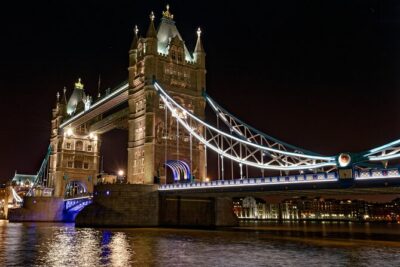
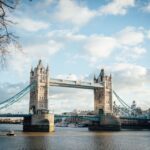
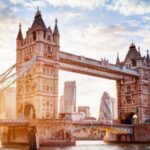
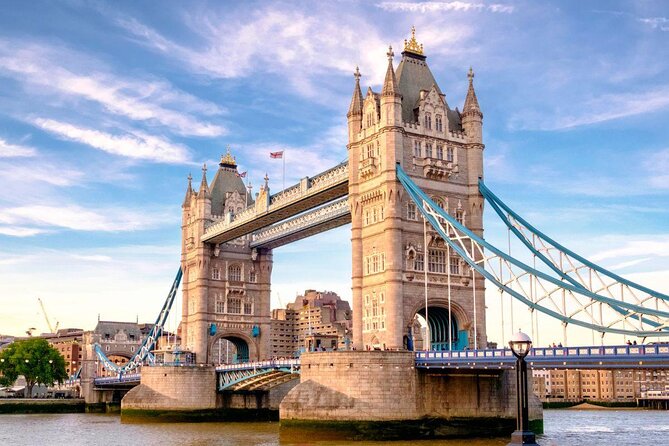
- Tower Bridge: composition, depth of field, and focusing tricks
- Tower of London across the river: lens choices, shutter speed, and light
- Price and value: is $336.07 worth your time?
- How to get the most out of your 4-hour session
- Should you book this Beginners Photography Course?
- FAQ
- How long is the Beginners Photography Course?
- What is the group size?
- Do I need to bring my own camera?
- Is the course offered in English?
- Will the tutor teach me using my specific camera?
- Is there a minimum age to join?
- Are admission tickets included for the stops?
- Is food or lunch included?
- Is cancellation free?
Key takeaways before you go
- Max six people keeps the pace manageable and the teaching personal
- Teaching geared to your camera model means less guesswork than generic tips
- Hands-on practice with ISO, shutter speed, and aperture while you’re in London
- Tower Bridge and Tower of London shooting teaches composition, focus, and light in context
- Expert help at each stop so you can fix problems on the spot
- Professional, mobile-friendly setup with a mobile ticket and admission marked as free at stops
A six-person London photo class: what you gain fast
If you’ve been stuck on Auto or Scene modes, this course is designed for that exact moment when your camera feels like a black box. The big win here is the small group size (a maximum of six). That matters because photography basics stick better when you can see what’s happening on your own settings, then immediately try again.
I especially like that the tutor’s teaching is geared toward the camera you own. Instead of being told vague rules that only work on certain models, you get help navigating the menus and controls you actually have. In the reviews, the tutor is named Lou, and that matches the vibe you want: patient, practical coaching that makes terms like ISO, aperture, and shutter speed feel usable rather than intimidating.
The other thing you gain quickly is confidence. In a few hours, you’re not trying to become a pro. You’re learning the knobs that let you steer results—so you can recreate the look you want, even when lighting changes from one street corner to the next.
You can also read our reviews of more photography tours in London
Where you meet and what to bring from London Bridge Station
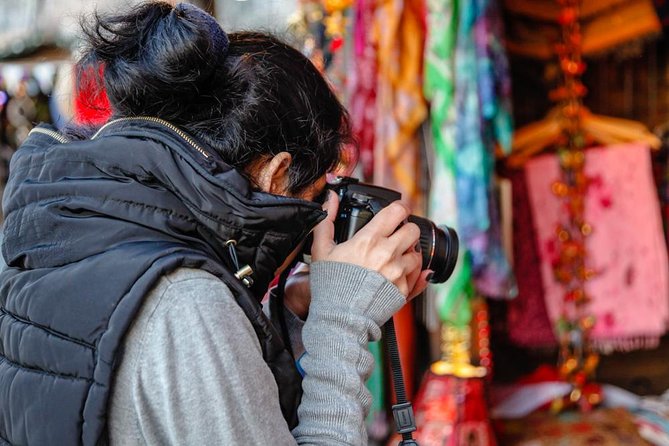
The session starts at London Bridge Station, specifically London Bridge Station Approach Rd, London SE1 9SP. It ends back at the meeting point, so you’re not trekking across town after you’ve learned the lesson.
Plan to arrive with your basics ready to go. Bring:
- Your own camera (digital), plus a fully charged battery
- Spare battery (if you have one)
- Memory cards
That sounds obvious, but it’s worth saying: this is a shooting-first workshop. If your battery dies midway, you lose practice time. If your memory card is full, you lose the chance to compare settings. You’ll get the most from the class when you can keep experimenting.
Also good to know: it’s offered in English, and most people can participate. Minimum age is 16. Service animals are allowed, and the meeting point is near public transportation.
More London City Hall: ISO, shutter speed, and aperture with real practice
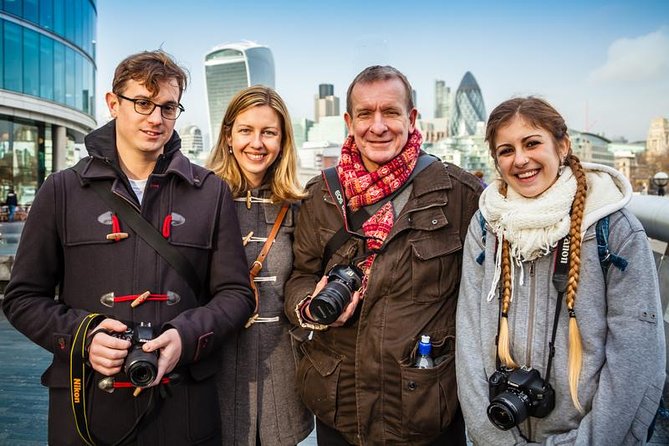
The first stop is More London and City Hall, where you spend about two hours learning how to take control of your digital camera. This is the longest block of the course, and it’s the one that decides whether the rest of the tour feels confusing or empowering.
Here’s what this part actually gives you:
- Control of the main settings and functions on your specific camera
- Short assignments that force you to connect the concepts to the image
You’ll work with the three big pillars of exposure: ISO, shutter speed, and aperture. Instead of memorizing definitions, you practice how those settings change what the camera records. That hands-on structure is what helps the terms stop being scary. If you’ve ever read a camera manual and thought, I’ll never use this, this stop is how you start using it.
You’ll also learn practical guidance on approaching different subjects. That might sound broad, but the point is clear: you get tips for how to look at a scene and then decide which setting to adjust first. The tutor also shows how to change the way your photos look while you’re out shooting, so you’re not learning in theory and then going home to hope it translates.
What to watch for during this stop:
Pay attention to the cause-and-effect. When you change one setting, notice what changes in the photo. If you rush, you’ll miss the lesson.
Possible drawback:
Because this is a teaching-heavy block, the “fun” comes from experimenting. If you expected a light stroll with casual photos, you might feel the pace more educational than social.
Tower Bridge: composition, depth of field, and focusing tricks
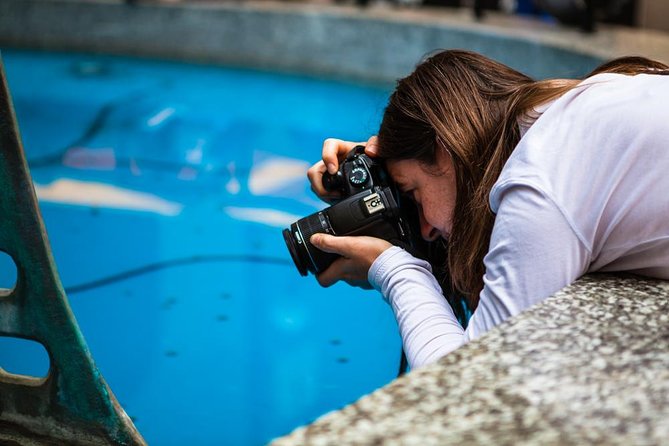
After City Hall, you head to Tower Bridge for around 30 minutes. This is where the course starts turning your new setting skills into visible photographic style.
At the bridge, you’ll learn:
- Composition and framing from across the river
- How light affects what your camera records
- Depth of field concepts in a real scene
- Different focusing techniques
The emphasis here is practical. You’re not just taking a picture of an iconic structure—you’re learning how to arrange it in the frame and how to control what’s sharp. That’s exactly the kind of skill you’ll reuse later when you’re photographing buildings, monuments, or even friends in a city setting.
Light is also a big deal at Tower Bridge. You can see the effect quickly when you change settings, and the tutor stays close enough to help you adjust rather than letting you guess. If you’ve struggled with autofocus or manual focus before, this is a good place to get unstuck because you have a clear subject and easy-to-check results.
My advice for this stop:
Choose one small goal for yourself. For example: try getting the bridge sharp while the background falls into softness, or try a different framing angle and compare quickly. Speed helps here—you’re learning technique, not chasing one perfect shot for hours.
Tower of London across the river: lens choices, shutter speed, and light
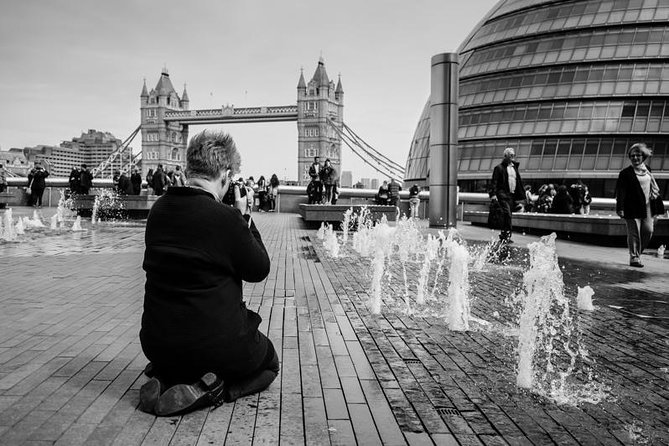
The final major stop is Tower of London, again photographed from across the river for about 30 minutes. This is a tighter time window, but it’s valuable because it reinforces what you learned first and adds a couple of key upgrades.
You’ll focus on:
- Lens choices (and why the lens you pick changes the look)
- Shutter speed and how it affects motion or crispness
- Composition and framing
- Using light effectively on a dramatic subject
This stop is also where the course feels most like a “real photography day.” Tower of London is visually strong, and the river view gives you a repeatable shooting angle. That helps you compare images from earlier parts of the walk using the same general location logic, then adjust your settings based on what you see.
If your camera feels intimidating, this part matters. In the reviews, people describe going from being overwhelmed to feeling more self-sufficient with settings like shutter speeds, ISOs, white balance, and apertures. Even if you don’t remember every term the first time, the repetition across stops helps it stick.
Small caution:
With only about half an hour, you’ll want to keep your experiments simple. Pick one or two changes, not ten. You want the session to end with usable learning, not a memory card full of confusion.
You can also read our reviews of more tours and experiences in London





Price and value: is $336.07 worth your time?
At $336.07 per person for about four hours, the price can feel like a big decision—especially in London, where you can walk around and take photos without paying anything.
Here’s why this one can be worth it if you’re a beginner:
- You’re not just touring landmarks. You’re learning exposure and camera control through targeted practice.
- The group is capped at six, which supports real questions and hands-on help.
- Teaching is geared toward the camera you own. That avoids the common beginner frustration of generic instruction.
- The tour includes a professional photographer with extensive teaching experience, and the stops are tied to specific skills (composition, depth of field, focusing, shutter speed, and light).
- Admission is marked as free at the stops listed, so you’re not paying extra to access the views in the lesson plan.
In other words, you’re paying for coaching and time efficiency. Instead of spending your vacation struggling to interpret ISO/aperture/shutter speed relationships, you learn them while you’re surrounded by subjects that make the results obvious.
Who this is best for:
- Complete beginners who want to leave with more than random photos
- People who feel stuck on Auto and want to understand what those settings do
- Anyone who inherits a camera or upgrades to a more complex model and needs a starting point
If you’re already comfortable in manual or semi-manual modes, you might find parts of the first stop review. But for true beginners, this structure is exactly the right kind of effort.
How to get the most out of your 4-hour session
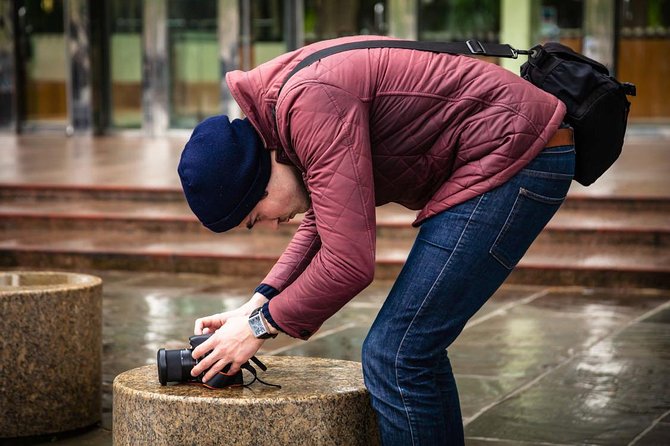
You’ll enjoy this course more if you treat it like a mini training sprint rather than a sightseeing bus ride.
A few practical moves I recommend:
- Bring a charged spare battery if you have one. This session is about shooting, so power = freedom.
- Take quick notes during explanations. You don’t need essays—just what you tried and what happened.
- During the assignments, change one thing at a time. Compare results faster.
- Ask questions early. With a max of six, you won’t feel like your question is taking time from the group.
- Keep your expectations realistic: four hours is enough to learn control, not enough to master every variable.
One nice bonus is the pacing. Two hours at City Hall gives you the foundation. Then Tower Bridge and Tower of London give you real places to test framing, focus, light, and shutter speed. It’s structured learning with quick feedback loops.
Also, if you’ve been unable to remember what settings do, you’ll likely find the hands-on repetition helps those relationships click. In multiple reviews, people mention terms like ISO, shutter speed, and aperture becoming clear, and their camera manuals suddenly making more sense.
Should you book this Beginners Photography Course?
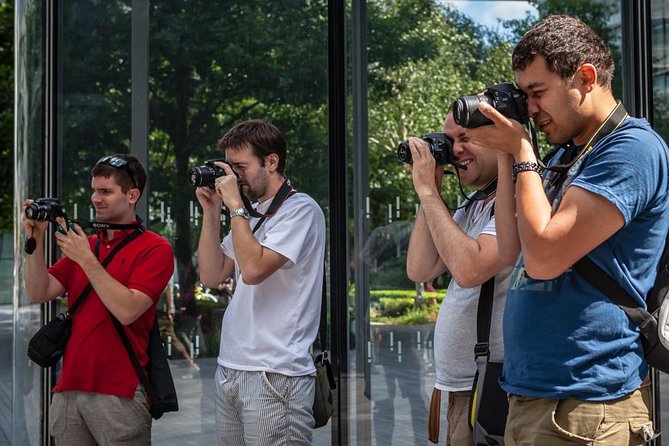
Book it if you want to stop guessing and start controlling your results. You’ll get a small-group setup, camera-specific teaching, and structured practice with the key exposure settings. Plus, you’ll walk away with images from London landmarks while learning why they look the way they do.
Skip it—or consider waiting for a different type of class—if you want a purely casual photo day with minimal instruction. This is active learning. You’ll be shooting and adjusting settings through the session.
If you’re on the fence, here’s my simple rule: if you can’t confidently explain what ISO, aperture, and shutter speed do (or you want to), this course is a strong use of time in London.
FAQ
How long is the Beginners Photography Course?
It lasts about 4 hours.
What is the group size?
The workshop has a maximum of 6 travelers.
Do I need to bring my own camera?
Yes. Bring your own camera, a fully charged battery, and memory cards (a spare battery if you have one).
Is the course offered in English?
Yes, it’s offered in English.
Will the tutor teach me using my specific camera?
Yes. Tuition is geared toward the camera you own, and the tutor has experience with many camera types.
Is there a minimum age to join?
The minimum age is 16.
Are admission tickets included for the stops?
Admission tickets are marked as free for the listed stops.
Is food or lunch included?
No. Food and drinks, including lunch, are not included.
Is cancellation free?
Yes, you can cancel for a full refund up to 24 hours in advance.