REVIEW · LONDON
London: Traditional English Scone Making and Tea Workshop
Book on GetYourGuide →Operated by We Are London · Bookable on GetYourGuide
You can smell the butter before you even sit down. This one-hour Central London workshop is a hands-on scone class with traditional tea and a take-home batch you’ll be proud of. You’ll learn the techniques, not just watch.
I especially liked the step-by-step coaching and the fact you get to eat your scones warm, right after baking. I also loved the extra layer of context—like the jam and clotted cream story—and how the hosts keep it fun; guides such as Ron and Danni show up in many of the best comments. One possible drawback: it focuses on scone-making, not making clotted cream from scratch.
In This Review
- Key things to know before you go
- A one-hour scone class in Central London: what you’ll really get
- De Hems Dutch Cafe Bar: the meeting point and your first hurdle (timing)
- What happens during the hour: from mixing to warm scones
- Tea time with purpose: pairing your scones the British way
- Your scones, your leftovers, and that certificate to take home
- Price and value: is $45.80 per person fair in Central London?
- Who this workshop suits—and who should skip it
- Tips to make the most of it (before you even arrive)
- Should you book this London scone workshop?
- FAQ
- Where does the scone workshop start?
- How early should I arrive, and what happens if I’m late?
- How long is the workshop?
- What’s included in the ticket price?
- Is this workshop suitable for vegans or people with gluten or lactose intolerance?
- Can children attend?
Key things to know before you go
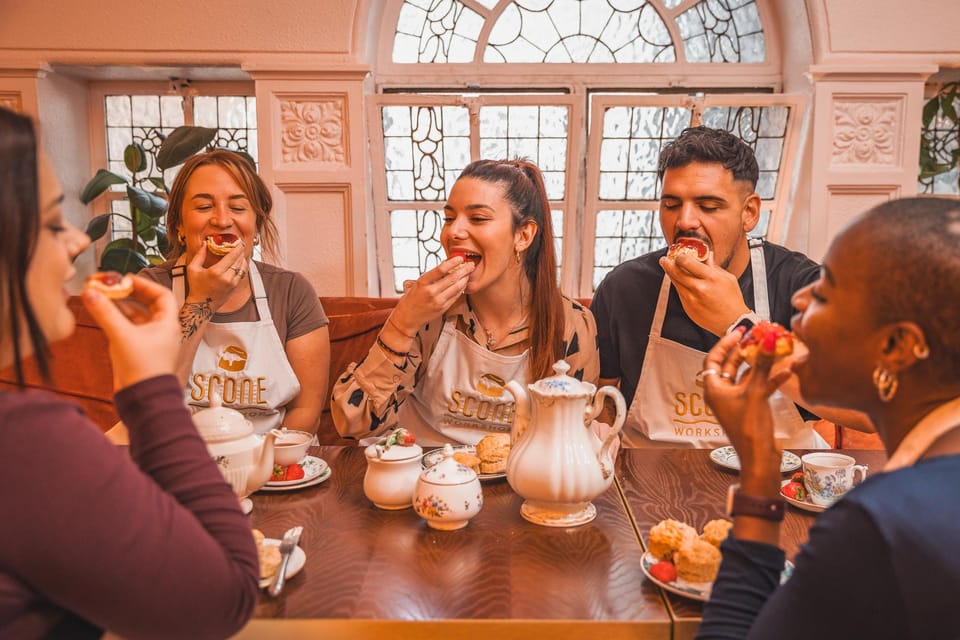
- Central London location: First floor of De Hems Dutch Cafe Bar, easy to plug into a day of sightseeing.
- Hands-on and fast: A full “make, bake, taste” session in about 1 hour.
- Tea as part of the class: You’re sipping while you work, not just at the end.
- You leave with more than a bite: You make 4 scones total, with one eaten during the workshop.
- You get a certificate: A fun souvenir that turns the experience into something you can brag about.
- Serve-the-scone culture: Expect stories about the traditional jam and clotted cream debate.
A one-hour scone class in Central London: what you’ll really get
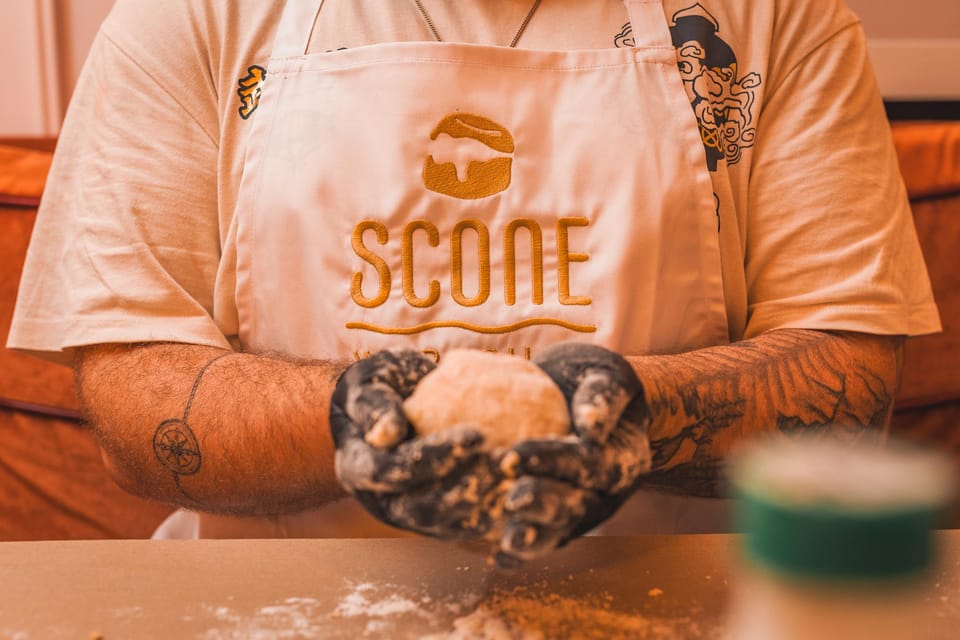
This is not a long, formal baking course. It’s a tight, friendly London afternoon-style workshop focused on one very specific goal: making traditional British scones the classic way. In practical terms, that means you’ll spend your time mixing, shaping, and learning what makes scones rise and taste right—then you’ll bake and eat.
The “traditional English tea” part matters more than you might think. Tea here isn’t a random add-on. It’s timed to match the work you’re doing, so you’re not waiting around hungry while someone lectures. It also turns the class into something closer to what locals actually do when they talk about scones: sit, sip, and eat in a calm rhythm.
You also get a built-in souvenir. That scone-making certificate sounds small, but it’s the kind of thing that makes the hour feel like a real achievement rather than just a snack-and-a-photo stop. And because you take home leftover scones, you get a second moment to enjoy your handiwork later.
One note on expectations: this is primarily a scone workshop. If you’re hoping for a full clotted cream tutorial from scratch, you may find the scope narrower than you’d want. The best version of this class for most people is the one that treats clotted cream and jam as part of the story and serving tradition—while the real hands-on work stays on the scone dough.
You can also read our reviews of more tours and experiences in London



De Hems Dutch Cafe Bar: the meeting point and your first hurdle (timing)
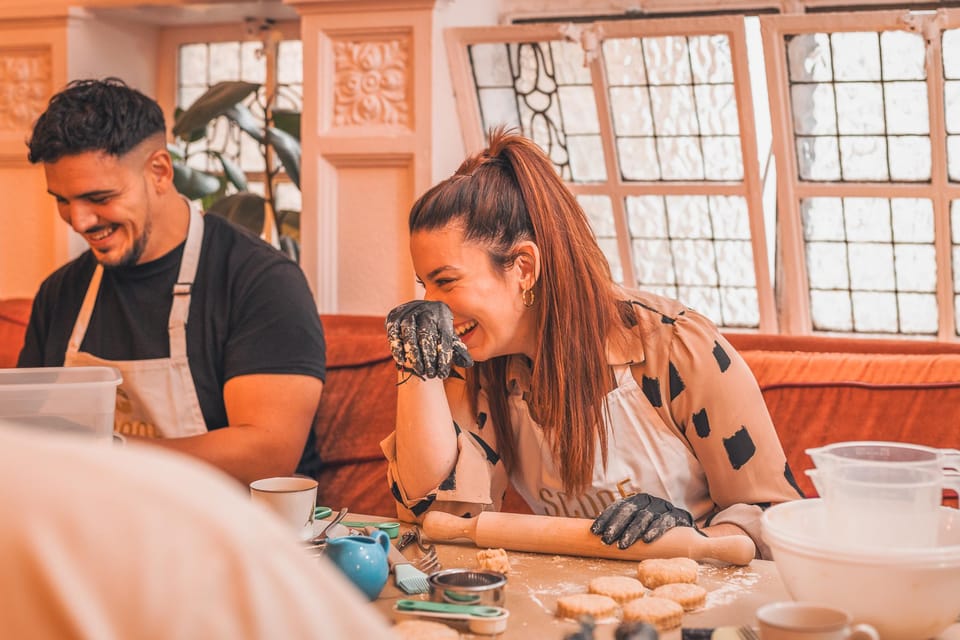
The workshop meets on the first floor of De Hems Dutch Cafe Bar, 11 Macclesfield St, London. When you arrive, look for signs pointing to the workshop area, or ask the staff at the bar for directions. It’s in a pub setting, so the easiest way to get oriented is to go straight to the counter and confirm you’re in the right place.
Timing is the big real-world rule here. You’re told to arrive 10 minutes before the start. And if you’re more than 5 minutes late, you won’t be allowed into the session. That’s not a “maybe.” It’s a hard cutoff, so I’d plan to be early even if you think you’re good at London walking speeds.
Why this matters: in a one-hour workshop, late arrivals don’t just slow you down—they disrupt the whole schedule for baking, tasting, and handing out the take-home scones. So if you’re juggling transit changes or walking from a nearby museum, build in buffer time.
If you arrive early, you can have drinks and snacks in the pub. There’s even a special workshop discount. Drinks can be taken into the workshop too, which helps if you want to settle in without feeling rushed.
What happens during the hour: from mixing to warm scones
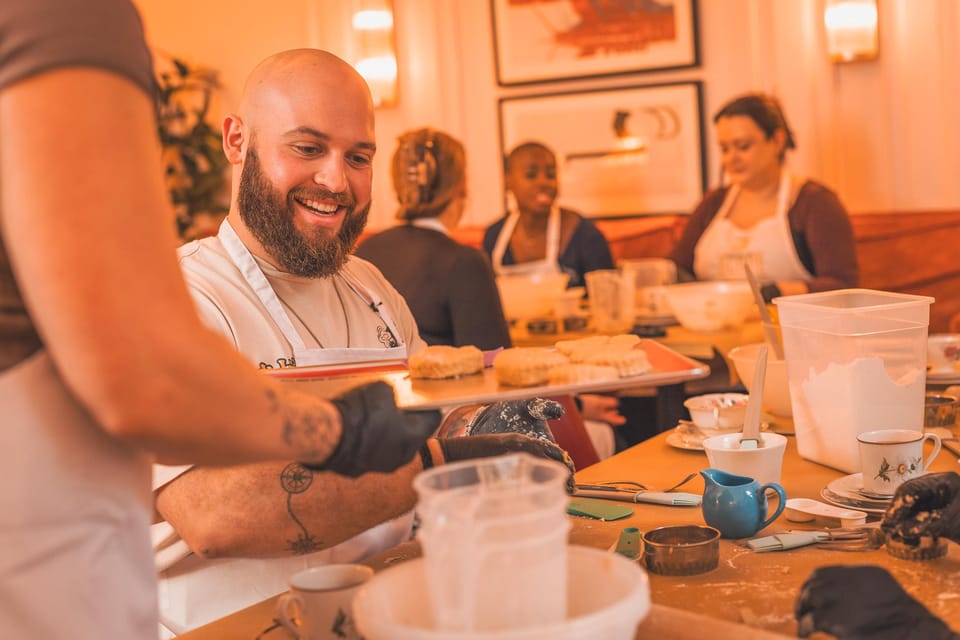
The workshop runs for about 60 minutes, and it follows a clear “hands-on learning” flow. The instructor welcomes you, then you move step by step through making your own traditional British scones.
Here’s how I’d think about the experience as you’re doing it:
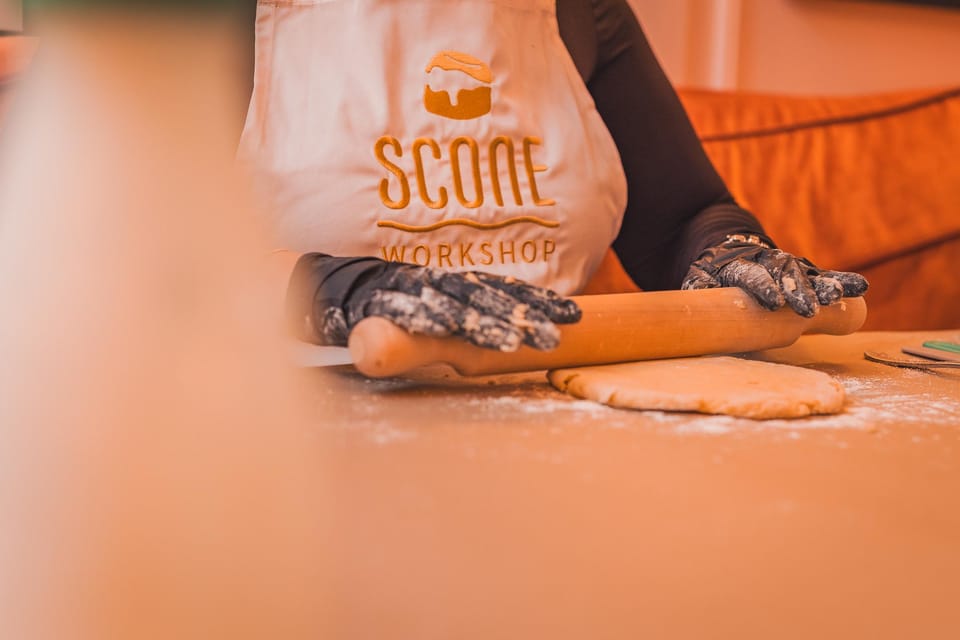
- You start with the core dough process, with guidance on getting the texture right.
- Then you shape the scones so they bake up properly (and not like sad little biscuits).
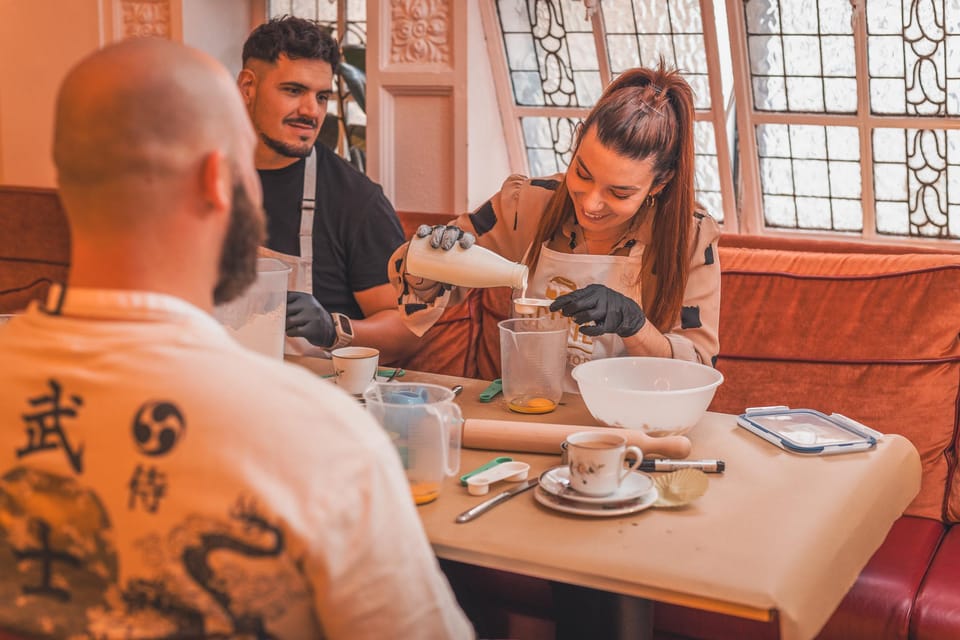
- As the baking time happens, you’re not left out in the cold. You’ll be sipping traditional English tea while the oven does its job.
- When they’re ready, you get to enjoy your scones warm and freshly baked.
- Finally, you wrap up and package the rest to take home.
The class includes an apron and the supplies you need, which is a relief in a city where you’ll already have bags full of sightseeing stuff. You only need to show up in comfortable clothes—nothing fancy, nothing delicate. If you’re bringing kids, this is also a good choice because the work is very tactile and straightforward.
One thing I like about formats like this in London: you get a “win” fast. The session is short enough that you don’t spend the whole hour worrying you’re doing it wrong. The instructor and hosts check progress and keep things moving, which helps even if you’re a total beginner.
Tea time with purpose: pairing your scones the British way
Tea isn’t just liquid comfort here. It’s part of the lesson experience. As you bake, you’re sipping traditional English tea so the whole workshop feels like a small, friendly break from London’s pace.
This class also leans into food culture, not just technique. Many of the best parts people point to are the added stories around scone traditions—especially the jam vs clotted cream debate. You’ll likely hear the classic controversy framed as more than trivia: it’s one of those British food rituals people argue about with a surprising amount of personality.
In one of the stronger comments, Danni specifically shared information about the history of scones and English tea and even their connection to the Royal family. Even if you don’t care about that angle, it adds a layer of meaning to what you’re doing. Your scone stops being just a snack; it becomes part of a recognizable British tradition.
Practical payoff: you’ll have a better idea of how to serve scones when you get home. The class doesn’t just teach baking—it helps you understand why people eat them the way they do.
Your scones, your leftovers, and that certificate to take home
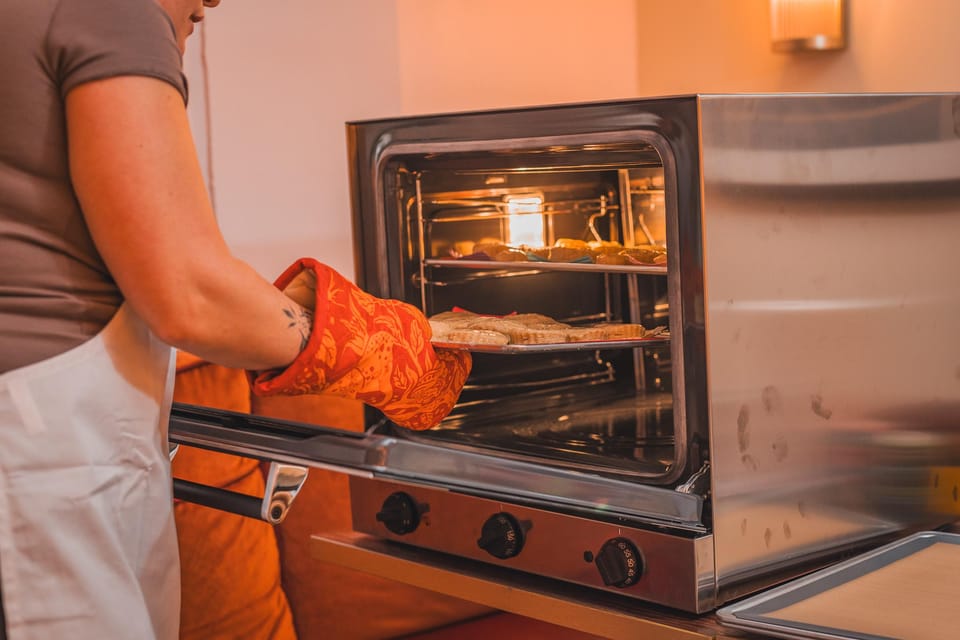
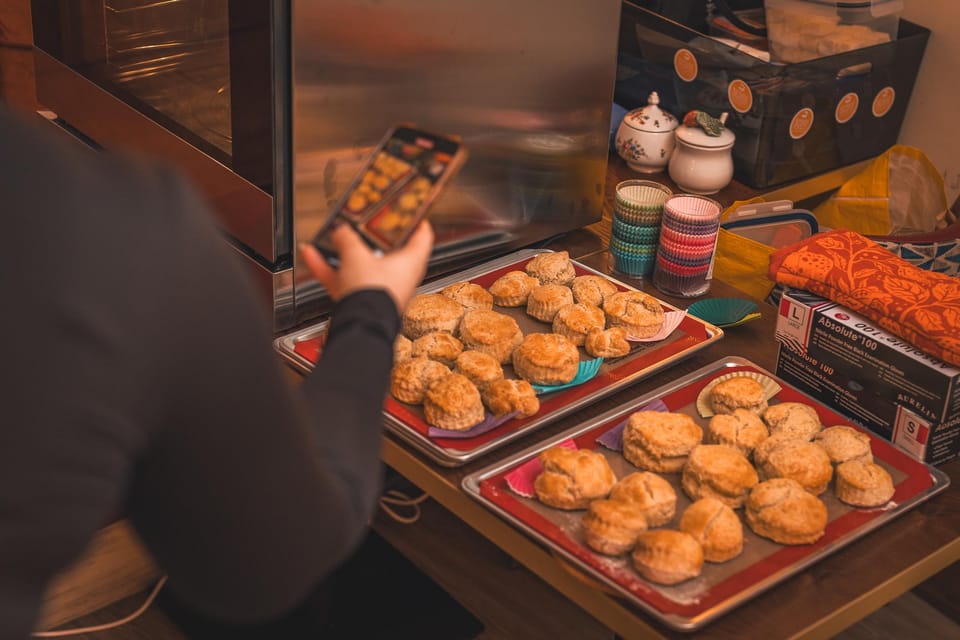
You’ll make four scones in total. One is eaten during the workshop. The other three are for you to take home. That’s a smart setup because it doubles the value: you get the immediate satisfaction of warm scones, and you get a second serving later without having to cook again.
For families and friends, leftovers are also what makes the experience feel like a real meal, not a “class snack.” More than once, people highlighted how good the take-home scones were.
Then there’s the certificate. It’s personalized, and it’s branded as the We Are London British Baking Certificate. I don’t think of certificates as “necessary,” but in this case it works as a souvenir you can keep with your travel memories—especially if you plan to bake again later.
And if you’re the type who likes to do a hands-on activity while you’re in a city, certificates help you translate the experience into something you can actually use in everyday life. You’ll know what you did. You’ll remember the texture and shape cues. And you’ll have proof you learned it, not just watched it.






Price and value: is $45.80 per person fair in Central London?
At $45.80 per person for a one-hour workshop, you’re paying for more than ingredients. In Central London, the real cost is instructor time, workspace, oven time, and the convenience of having everything set up for you.
Here’s where the value gets tangible:
- You get hands-on instruction from an instructor.
- You get materials and an apron, so you don’t need to buy anything.
- You get tea during the class (not a separate add-on).
- You get a total of 4 scones, with one eaten on-site and the rest taken home.
- You get a certificate, turning the session into a keepsake.
If you’ve ever paid for “tour + photo stop” experiences that feel like you’re mostly being moved around, this is different. This hour is focused. It produces something real. And unlike some cooking classes where you taste one tiny sample, you leave with actual baked goods.
The main thing to compare is your priorities. If you want the cheapest London food experience, this isn’t it. If you want a fun, guided, edible activity that’s hard to replicate perfectly without the coaching, the price looks much more reasonable.
Also, for travelers who like to fit experiences into a packed schedule, one hour is practical. You’re not losing half your day to a class that runs late or requires a long commute.
Who this workshop suits—and who should skip it
This is a good fit if you:
- Want a short, hands-on food activity in Central London
- Enjoy baking or want to learn a classic that’s easy to repeat
- Like social experiences (many people mentioned it’s a great way to meet others while you work)
- Want a relaxing, cozy break that still feels “productive”
You might want to rethink it if:
- You need wheelchair accessibility (it’s noted as not suitable for wheelchair users)
- You’re vegan, or you have gluten intolerance or lactose intolerance (it’s noted as not suitable for those dietary needs)
- You’re hoping for a deeper multi-step craft like making clotted cream from scratch (the format is centered on scone-making, and at least one person flagged that clotted cream production wasn’t part of their session)
If you’re traveling with kids, this can be a strong choice. One parent described it as a highlight for ages 6, 7, and 9, and the class is described as friendly for families. Just remember the rules: children must be accompanied by an adult with a paid ticket, and the workshop/floor can’t accommodate non-participating guests.
Tips to make the most of it (before you even arrive)

A few practical moves make this kind of class smoother:
- Show up early. You’re required to be there 10 minutes before, and lateness can lock you out.
- Wear comfortable clothes. There’s mixing and handling dough; you’ll want freedom of movement.
- Don’t plan a tight connection right before. London transit can be unpredictable, and missing the start ruins the whole point of a one-hour activity.
- If you’re curious about serving traditions, ask questions. The class naturally touches jam vs clotted cream, tea culture, and scone stories, and you’ll likely get better context if you speak up.
Once you leave, treat the leftovers gently. They’re part of the experience, so store and reheat in a way that keeps them tasty. The big bonus is that your “lesson” continues at home with your own tea-and-scone moment.
Should you book this London scone workshop?
Yes—if you want a quick, hands-on slice of British comfort food and you like the idea of going home with baked results. The strongest reasons to book are straightforward: you learn real technique, you get cozy tea-and-scones pairing, and you leave with more food than just a bite.
Skip it only if your needs don’t match the format—especially if you require gluten-free, lactose-free, or vegan-friendly options, or if mobility access is a concern. And if you’re hunting for a deep “everything from scratch” class including clotted cream production, you may find the focus is more on the scones and the serving tradition than on making every dairy component yourself.
FAQ
Where does the scone workshop start?
The workshop is held on the first floor of De Hems Dutch Cafe Bar, 11 Macclesfield St, London.
How early should I arrive, and what happens if I’m late?
You should arrive 10 minutes before the activity starts. Guests who are more than 5 minutes late will not be allowed to join the session.
How long is the workshop?
The workshop duration is 1 hour.
What’s included in the ticket price?
You get an instructor, 4 scones (one eaten during the workshop and the others taken home), an apron and supplies, tea, and a scone-making certificate.
Is this workshop suitable for vegans or people with gluten or lactose intolerance?
No. The workshop is not suitable for vegans, and it’s also not suitable for people with gluten intolerance or lactose intolerance.
Can children attend?
Children must be accompanied by an adult with a paid ticket. Non participating guests cannot be accommodated on the workshop floor.