REVIEW · LONDON
London: Traditional Scone Making Workshop
Book on GetYourGuide →Operated by Cook and Craft Collective Ltd · Bookable on GetYourGuide
If you like your London days to smell like butter, go for this class. You’ll learn classic scone techniques at a hands-on workshop in Balham, then finish with tea, jam, and clotted cream. You also get a real choice—classic, cheese, or sultana—so the baking feels personal, not just scripted. One thing to consider: if you’re hoping for a recipe follow-up after class, it may not be sent automatically, so it’s smart to ask.
What I like most is how friendly, patient teaching turns dough-making into something you can actually repeat at home. And I like the simple structure: you do the steps yourself, you taste the results immediately, and you leave with a big batch to keep your trip (and breakfast plans) going. The workshop runs just 1.5 hours, which is great for getting a satisfying activity in quickly—but it also means you won’t have time for extra troubleshooting once the dough is moving.
In This Review
- Key points at a glance
- London Scone Making in Balham: The Real Point of This Workshop
- Choosing Classic, Cheese, or Sultana Scones (And Why It Matters)
- Your 1.5-Hour Flow: What Happens From Arrival to the Last Bite
- The Techniques You’ll Actually Use Again at Home
- Tea Time With Real Clotted Cream: The Traditional Way to Eat Scones
- Bringing Wine, Pairing With Tea, and Handling Corkage
- Price and Value: Does $80 Make Sense in London?
- Getting There From Central London: Easy Enough, No Hotel Pickup
- Who This Workshop Suits Best (Solo, Couples, Families)
- Small Classroom Energy: Why the Room Size Changes Everything
- What to Bring (And What Not to Overthink)
- Should You Book the Traditional Scone Making Workshop?
- FAQ
- Where do I meet the group?
- How long is the workshop?
- What is included in the price?
- Do I choose what kind of scones to make?
- Can I take any scones home?
- Can I bring alcohol?
- What should I wear or bring?
- What language is the class taught in?
- Is hotel pickup included?
- Is free cancellation available?
Key points at a glance
- Choose your scone style: classic, cheese, or sultana before you start
- Everything is provided: ingredients (and the equipment you need) for baking from scratch
- You eat what you make: tea plus jam and clotted cream at the end
- Small, personal feel: you’ll work at your own station with clear step-by-step guidance
- Take-home batch: you leave with enough scones for sharing during your trip
- Warm instructors with real teaching experience: teachers like JoJo, Lola, and Dora keep things calm and clear
London Scone Making in Balham: The Real Point of This Workshop

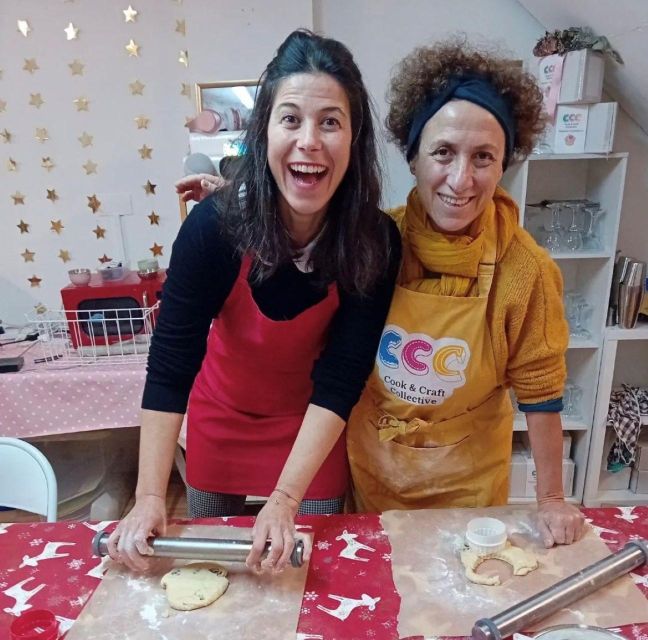
This is one of those London activities that doesn’t just entertain you for an hour—it gives you a skill you can use again. You’re not standing at the side watching someone else work. You’re mixing, shaping, and building scones from scratch, guided by an instructor who explains what to watch for and why it matters.
The setting is the right kind of casual. People describe it as cozy and welcoming, and that matters because baking has a rhythm. When the room is relaxed, you make better dough without getting flustered.
You can also read our reviews of more tours and experiences in London



Choosing Classic, Cheese, or Sultana Scones (And Why It Matters)

Before you start, you’ll choose what you’re making: classic, cheese, or sultana. That sounds like a small detail, but it changes the flavor and the way you think about the dough.
Classic scones are your baseline test. They help you learn the core method: mixing, cutting, and getting a tender crumb without overworking. Cheese scones add savory depth, and they’re a great option if you want something that works as a snack or with a meal, not only with tea.
Sultana scones bring the fruity sweetness. They’re a comfortable choice if you want a more dessert-leaning bake and you’re already thinking about jam.
One small warning: if your booking specifically indicates cheese scones, still confirm on arrival. There has been at least one case where the cheese option didn’t match the booking, so a quick check avoids disappointment.
Your 1.5-Hour Flow: What Happens From Arrival to the Last Bite

The workshop is designed to fit into a busy London itinerary. In 1.5 hours, you should be able to go from plain ingredients to finished scones, plus a proper tea-time finish.
When you arrive, you buzz for Cook and Craft Collective and wait in reception until someone collects you. From there, you’re guided into the kitchen space where your station is set up, ready to go. The best part is that you don’t waste time hunting for tools or figuring out the setup. You get into the work fast.
Over the class, you’ll go through the steps to make scone dough, portion and shape your scones, and bake until they’re ready. Then you end with the reward moment: you sit down with jam, clotted cream, and tea and eat the scones you just pulled together.
The Techniques You’ll Actually Use Again at Home

This is not a vague “how to bake” talk. You get specific handling tips that help you avoid the usual scone problems: tough dough, uneven rising, and bland flavor.
A recurring theme in the teaching style is clarity. Even people who bake often say they picked up a couple of practical tricks. That’s a good sign for you, because it means the class isn’t only for beginners. It’s still useful if you’ve made biscuits before and want a truer English scone result.
You’ll also learn the tiny choices that matter:
- how much to mix (and what “too much” feels like)
- how to shape without flattening everything into sadness
- how to get consistent portions so your batch bakes evenly
These are the kinds of lessons that turn a one-time success into a repeatable recipe.
Tea Time With Real Clotted Cream: The Traditional Way to Eat Scones
The end of class is where British tradition gets fun. You’ll enjoy your scones with jam and clotted cream, plus tea.
This part isn’t just a snack. It’s a mini lesson in culture and preference. One helpful detail you may hear is that people have strong views about layering: some prefer clotted cream first, others prefer jam first. Either way, you’ll get a better sense of what “traditional” means in practice—less about rules, more about the order that tastes right to you.
If you’re new to clotted cream, this is a low-pressure introduction. It’s richer than regular cream, and once you taste it with warm scone texture, the combination clicks fast.






Bringing Wine, Pairing With Tea, and Handling Corkage
If you want to add a little London-to-your-glass flavor, you can bring a bottle of wine. The workshop allows it, and the guidance is simple: corkage is £2 per bottle.
This doesn’t turn the class into a wine-and-dough party (the baking still comes first). But it’s a nice option if you’re on a date, celebrating, or just want something extra without ordering a separate drink package.
If you prefer non-alcoholic options, you can purchase a beverage from the onsite cafe. Just note that buying drinks there is separate from the workshop itself.
Price and Value: Does $80 Make Sense in London?
At $80 per person, this isn’t a “cheap eats” activity. But it also isn’t one of those pay-for-the-view classes. You’re paying for several things that add up fast in London:
- a guided workshop (1.5 hours, not a quick demo)
- ingredients provided for your scone batch
- a sit-down finish with tea, jam, and clotted cream
- the ability to take home what you bake
The value improves if you think about what you’d otherwise spend on ingredients plus a casual food experience. If you like hands-on activities, you’ll get more satisfaction out of this than another museum-hour where you leave knowing facts but not making anything.
Also, planning matters. If you schedule this early in your trip, the take-home batch can stretch the experience. You’re not limited to eating everything at the workshop. You can share your scones later as a personal souvenir.
Getting There From Central London: Easy Enough, No Hotel Pickup
There’s no hotel pickup. You’ll make your own way to the meeting point, buzz for Cook and Craft Collective, and wait in reception until you’re collected.
The good news is that the location is reachable by public transport. If you’re using the tube and buses, you should find it straightforward. And since you’re not relying on a pickup window, you keep control of your schedule—especially helpful if your day is already packed.
For this kind of class, I’d build in a little travel buffer. Kitchens are warm, stations are active, and arriving calm helps you enjoy the process.
Who This Workshop Suits Best (Solo, Couples, Families)
This is a great fit if you want a break from walking all day. It’s also a solid choice for couples and groups because you can actually talk while working, not just sit quietly.
Families work well too. The class has been described as enjoyable for a child around school age, and the instructors have shown flexibility with special needs situations. If you’re traveling with someone who may need extra patience or pacing, reach out with details beforehand so the team can prepare.
If you’re a confident baker, you’re still likely to learn things. People who bake regularly have said they found practical tips, not only basic instructions. That keeps the class from feeling like it’s talking down to you.
If you’re truly a first-timer, the beginner-friendly format is the point. The steps are clear, and the teacher stays engaged throughout instead of disappearing after the intro.
Small Classroom Energy: Why the Room Size Changes Everything
One reason the experience gets such a strong reaction is the way the class feels at human scale. Many sessions are small, which means you get attention without waiting for a long line of hands raised over a bowl.
That matters for baking. If you’re unsure whether dough is too wet or too dry, you need a quick answer. In a small group, that check is easier.
It also makes the class more comfortable if you’re traveling solo. You still get conversation and guidance, but you’re not lost in a crowd.
What to Bring (And What Not to Overthink)
You don’t need a baking kit. The workshop provides the ingredients and the equipment you need, and you’re set up at your station.
Just bring:
- comfortable clothes
- closed-toe shoes
That’s it. Also, if you’re bringing wine, bring it securely and be ready for the £2 corkage.
If you’re the type who likes to take notes, bring a small notebook or phone notes. The class is short, and you’ll want the key steps in your head when you bake at home later.
Should You Book the Traditional Scone Making Workshop?
Yes—if you want a hands-on London food experience that ends with something you can eat and share. This workshop is especially worth it when you value instruction, not just watching.
Book it early in your trip if you like the idea of taking scones home and enjoying them during the rest of your London days. It also makes sense if you’re traveling with someone who enjoys cooking but doesn’t want the hassle of sourcing supplies.
Skip it only if you expect a long, deep, multi-course baking seminar. This is tightly timed, focused on scones, and built around getting you to the tea table with a real result.
FAQ
Where do I meet the group?
Please buzz for Cook and Craft Collective and wait in reception until you are collected.
How long is the workshop?
The duration is 1.5 hours.
What is included in the price?
The scone making workshop and ingredients are included, and the class includes tea with jam and clotted cream at the end.
Do I choose what kind of scones to make?
Yes. You can choose between classic, cheese, or sultana scones depending on your preference.
Can I take any scones home?
Yes. You’ll leave with a big batch of scones to take home.
Can I bring alcohol?
You can bring your own bottle of wine. Corkage is £2 per bottle.
What should I wear or bring?
Wear comfortable clothes and closed-toe shoes.
What language is the class taught in?
The class is in English.
Is hotel pickup included?
No, hotel pickup and drop-off are not included.
Is free cancellation available?
Yes. You can cancel up to 24 hours in advance for a full refund.