REVIEW · LONDON
Greenwich Highlights Private Half Day Tour
Book on GetYourGuide →Operated by Greenwich Royal Tours · Bookable on GetYourGuide
Greenwich hits you with big ideas fast. I love the Prime Meridian you can stand on, and I love seeing the restored Cutty Sark up close. The one thing to consider is the pace: it is a guided walking tour with moderate fitness, plus a few ups and downs.
This is a true private tour, so you and your guide cover the highlights without weaving through tour crowds. You also get all admissions included, which matters in London where tickets can quietly add up.
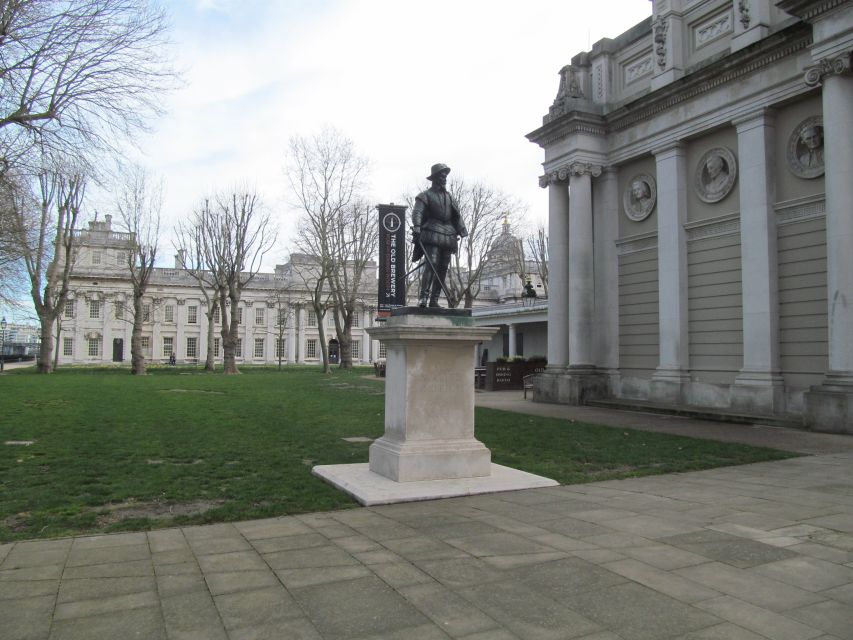
You’ll meet at the Sir Walter Raleigh statue outside the Greenwich Tourism Information Centre, then work your way from the River Thames toward the Old Royal Naval College, the Royal Observatory, and the National Maritime Museum—ending at Greenwich Market. Queen’s House and its Elizabeth I Armada portrait fit into the story, not just the schedule.
In This Review
- Key highlights to look for
- Greenwich in 3.5 hours: doable, focused, and worth it
- Meeting Sir Walter Raleigh and getting oriented on the Thames
- Old Royal Naval College to Royal Observatory: Prime Meridian and the Harrison breakthrough
- National Maritime Museum: where the story gets big and your feet get a break
- Cutty Sark: a surviving teaclipper and a very tangible history lesson
- Queen’s House and Elizabeth’s Armada portrait: art with a naval spine
- Private guide stories, punctuality reality, and how to protect your time
- Price and value: what you’re really paying for
- Getting there and building a smooth half-day plan
- Should you book this Greenwich Highlights Private Half Day Tour?
- FAQ
- How long is the Greenwich Highlights Private Half Day Tour?
- Is this a private tour?
- Where do we meet the tour?
- What attractions are included in the tour?
- Are admissions included?
- Is food included in the price?
Key highlights to look for
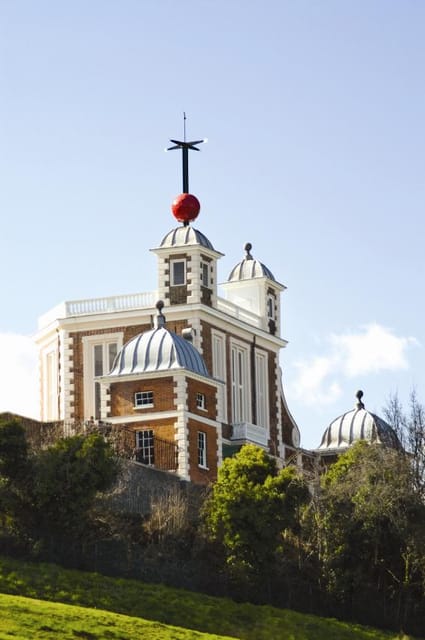
- Prime Meridian at the Royal Observatory: stand by the line marking 0 degrees longitude and the split of east and west.
- John Harrison’s clocks: science you can actually see, not just a concept in a textbook.
- National Maritime Museum: the world’s largest maritime museum, plus a built-in chance to pause with tea or coffee.
- Cutty Sark, the surviving teaclipper: restored and reopened for public viewing, with its late-Age-of-Sail story.
- Queen’s House and Elizabeth’s Armada portrait: where art museums meet Britain’s naval legend.
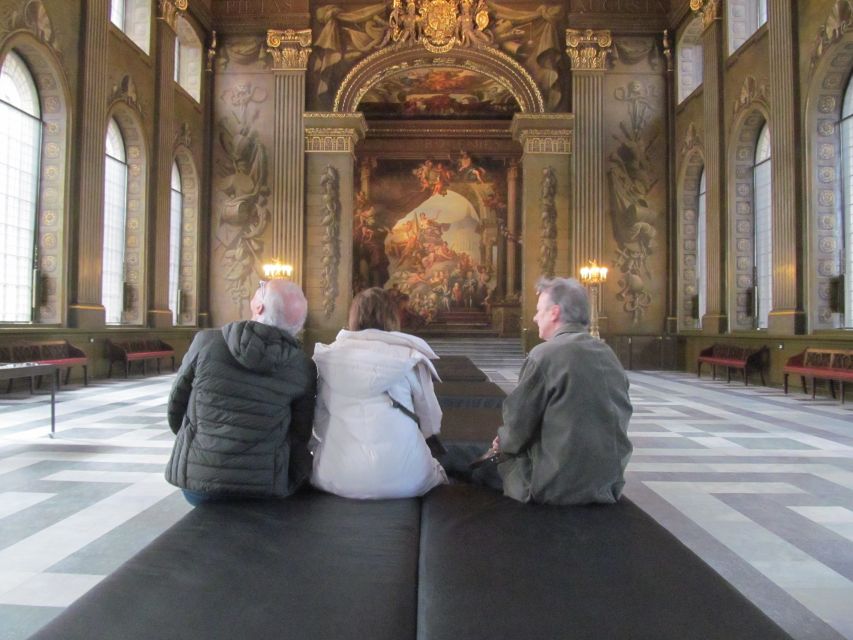
- Old Royal Naval College: Sir Christopher Wren’s legacy and the site’s long naval training past.
Greenwich in 3.5 hours: doable, focused, and worth it
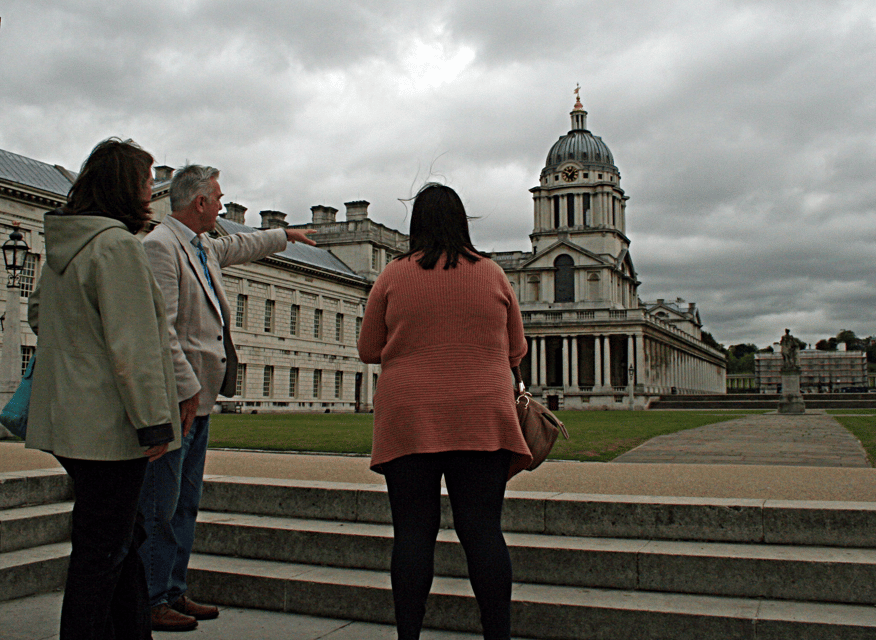
Greenwich can swallow a whole day. This tour doesn’t. It is built for a smart half day: you cover the iconic sights that explain why Greenwich mattered, then you stop while you still feel fresh.
The value here is the way the stops connect. You start with the Thames and naval education roots, then you rise to the Royal Observatory where timekeeping and navigation changed the sea forever. After that, you drop into maritime culture at the National Maritime Museum, and you finish with Cutty Sark—an actual ship, not a model or a distant photo.
The walking is the trade-off. You’re not doing a sit-and-wave tour. If you have limited mobility or your legs need frequent breaks, this “moderate fitness” note is your biggest sign to think it through.
You can also read our reviews of more private tours in London


Meeting Sir Walter Raleigh and getting oriented on the Thames
The meeting point is easy to find: the Sir Walter Raleigh statue just outside the northern entrance to the Greenwich Tourism Information Centre, across from Greenwich Pier. It’s a good spot because it gives you a sense of place right away. This area is made for moving between river, rail, and footpaths.
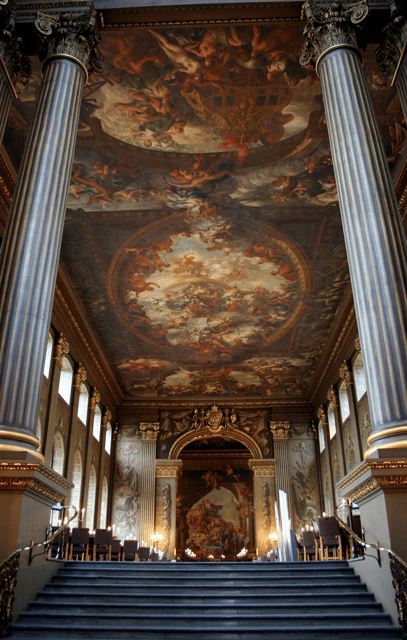
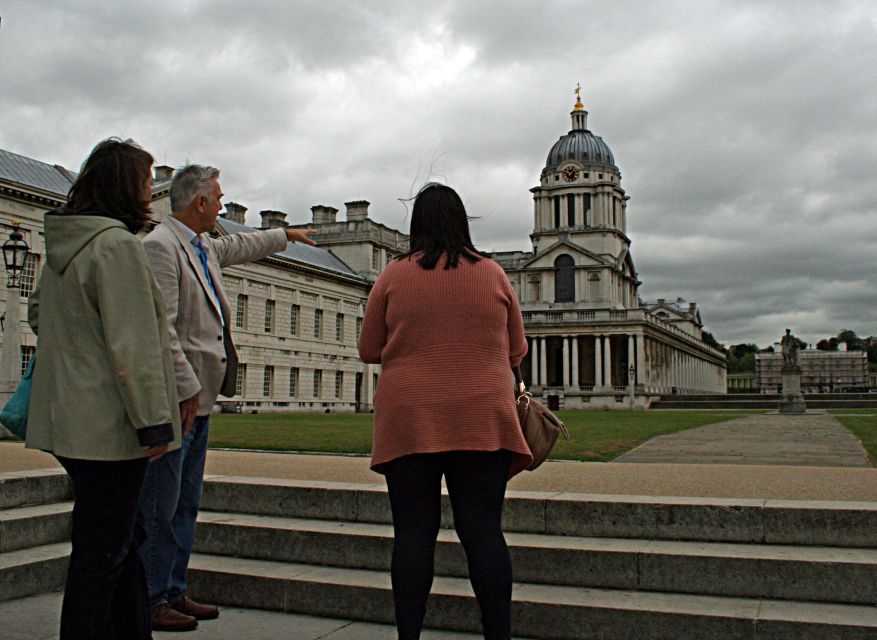
From the start, you walk along the Thames toward the nearby Old Royal Naval College, designed by Sir Christopher Wren. Even if you only catch a few viewpoints between stops, you’ll feel how the river shapes Greenwich’s identity. The Thames isn’t a decoration here. It’s the reason this district became a naval and navigation hub.
A practical tip: wear shoes you trust. You’ll be switching between outdoor paths and museum floors, and Greenwich weather can change fast. Also, since your guide leads the pacing, arrive a touch early so you’re not starting out stressed.
Old Royal Naval College to Royal Observatory: Prime Meridian and the Harrison breakthrough
This is the moment most people come for: the shift from naval place to scientific precision. The Old Royal Naval College connects you to Britain’s training history, including its naval training college use up until the Millennium. That context matters because the Observatory isn’t random fancy architecture—it’s tied to why sailors needed better ways to find their position.
Then you head up to the Royal Observatory, home of the Prime Meridian. You’ll see the line that divides the Western and Eastern hemispheres and learn what 0 degrees longitude means in real-world navigation terms. It’s one of those experiences where the idea clicks immediately once you’re standing at the point itself.
Inside the Observatory museum, you’ll also see the unique clocks associated with John Harrison. The key story: the clocks helped solve the longitude problem for seafarers. The genius is not just technical—it’s human. Better timekeeping meant ships could determine position more reliably, which means fewer lost voyages and more accurate routes.
What you should expect physically: there’s a climb involved. Nothing extreme, but it’s not flat stroll territory. If you’re traveling with anyone who tires quickly, plan on letting the guide set the rhythm.
National Maritime Museum: where the story gets big and your feet get a break
After the Observatory, the tour heads down to the National Maritime Museum, described as the world’s largest maritime museum. This stop is a change of pace from the “one location, one concept” feel of the Prime Meridian area. Here, you get breadth—Britain’s seafaring past and its role as a naval power.
You’ll also get a built-in pause. The tour includes time to rest your feet and enjoy tea or coffee. That’s not a small detail. In a condensed itinerary, a moment to sit helps you retain what you just learned instead of rushing through everything like a checklist.
The museum is best if you enjoy context: how naval power, trade, exploration, and technology all feed into one another. You don’t need to be a maritime expert. A good guide can make the exhibits click by showing you how the themes connect, rather than treating each room like a separate universe.
A consideration: with a half-day schedule, you won’t see everything. But that can be a plus. Instead of getting overwhelmed, you’ll have the highlights tied to the narrative you started at the Observatory.
Cutty Sark: a surviving teaclipper and a very tangible history lesson
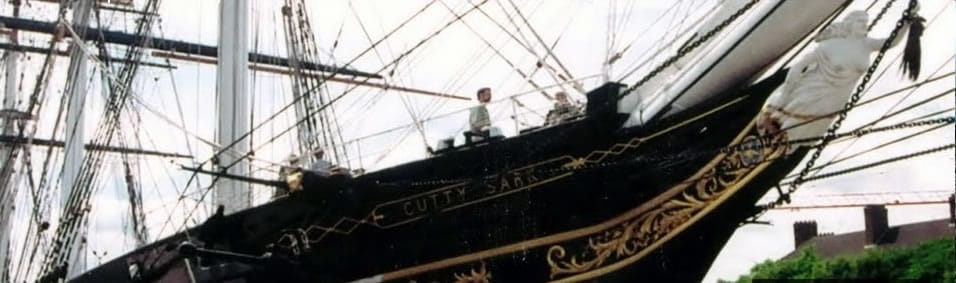
Then comes the showstopper for many people: Cutty Sark. You’ll board the world-famous clipper ship after your museum break, and you’ll get the story of what made it special at the very end of the Age of Sail.
This isn’t just a ship you view from a distance. The tour includes time to experience her as a real piece of preserved maritime life. The ship is described as the only surviving teaclipper, which alone makes her unusual. And the restoration is part of the appeal: reopened to the public on May 1st, 2012 after a restoration project with a cost of 50 million pounds.
Why that matters to your trip: seeing restored woodwork, fittings, and the ship’s scale helps your brain understand what the Age of Sail required. It’s one thing to hear that a ship was fast. It’s another to stand in the space where speed was engineered into design and sail handling.
If you like photos, you’ll probably find yourself stopping often. The ship’s structure gives you angles that look good even without professional photography gear.
If you dislike crowds, note the ship is a public attraction—so you may have busier moments. A private guide helps here by steering you toward the most meaningful viewpoints, not just the busiest photo spots.



Queen’s House and Elizabeth’s Armada portrait: art with a naval spine
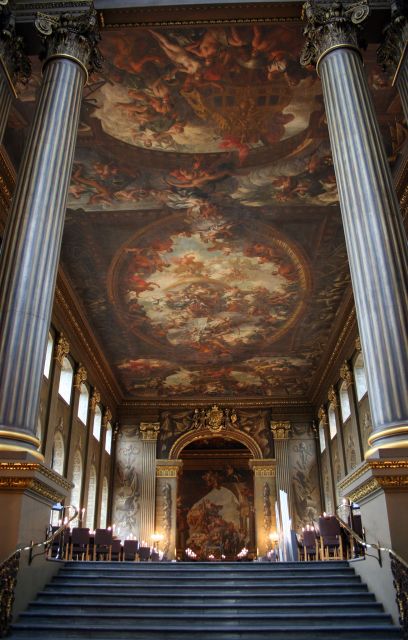
Queen’s House is the art museum component of the day, and it works because it adds a different kind of evidence. Naval power isn’t only ships and charts. It’s also the politics and imagery that helped nations rally around their maritime identity.
In this stop, you’ll visit Queen’s House, which includes Elizabeth’s Armada portrait. The Armada story is part propaganda, part memory, and part national mythmaking. Seeing that painting in a real museum setting gives you a fuller picture of how Britain used art to shape public understanding of naval events.
What makes this stop feel different from the Observatory and Cutty Sark: you’re not learning how navigation works or how a ship was built. You’re seeing how people chose to represent their maritime victories and threats through visual culture.
Time is limited, of course. If you’re the type who can happily spend hours in galleries, you might wish this stop had more room. Still, for many visitors, the short visit is the right amount to connect the dots without dragging the day down.
Private guide stories, punctuality reality, and how to protect your time
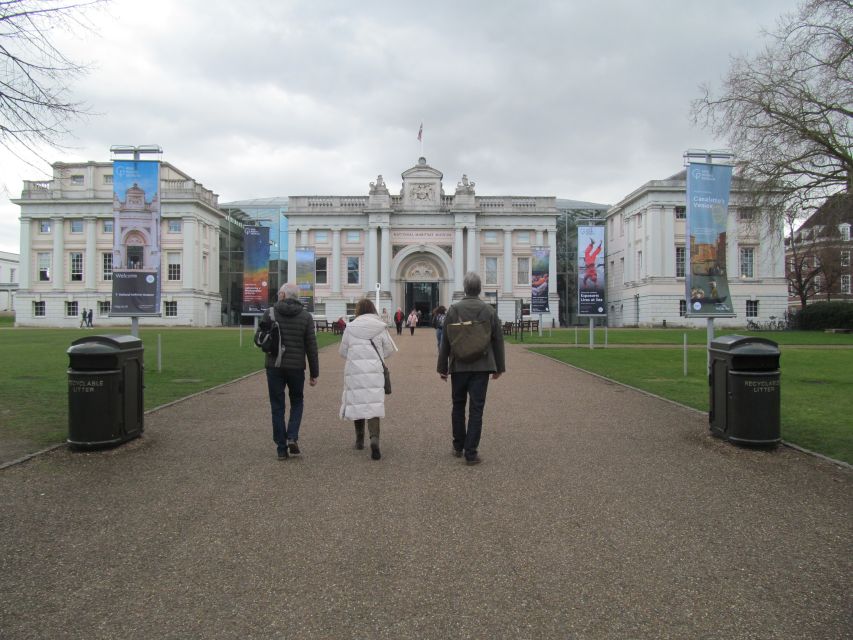
The quality of this tour often comes down to your guide. The information you get is not just facts. It’s stories—connections between places and why they mattered.
From the guide names tied to strong experiences, you’ll see examples like Nathan, Victoria, and Steven. When a guide works well, it feels like the sites stop being isolated stops and start acting like chapters in one narrative.
Here’s the balanced part: punctuality isn’t something you should gamble on blindly. One experience noted a guide arriving 20 minutes late, and another situation involved a guide not showing up. The company handled a refund quickly in that case, but your vacation time still gets affected when plans slip.
So I’d do two simple things:
- Check your guide details ahead of time and be ready at the statue meeting point.
- Keep a way to contact the tour provider during your travel day, just in case.
It sounds basic, but it’s the difference between a smooth morning and a stressful scramble.
Price and value: what you’re really paying for
The price listed is $398 per person for a private half day, and the alternative pricing note says £245 per person for a couple, with discounts as more people join. Either way, this isn’t a low-cost walking tour. You pay for three things: privacy, guide time, and included admissions.
Admissions included is a real value driver. The Royal Observatory, the National Maritime Museum, and the ship experience are not free, and they add cost fast if you try to piece everything together on your own.
You’re also getting structure. In Greenwich, you can absolutely self-guide—but you’ll spend extra time figuring out what matters most at each stop. With this tour, the guide decides the order, ties themes together, and keeps you moving efficiently across the district.
What’s not included is also clear: transportation and food. You should budget for snacks or lunch plans later, especially since the tour ends after the Greenwich Market walk.
This tour is a good fit if you:
- Want a guided walk without the hassle of planning transport and ticketing.
- Like maritime and navigation stories, but also enjoy learning through real places.
- Have limited time in London and want to hit the core Greenwich icons.
It may be less ideal if you crave long, slow museum wandering. At 3.5 hours, you’ll hit highlights, not everything.
Getting there and building a smooth half-day plan
Greenwich is easy to reach by cruise boat, rail, or the DLR, which is a big plus if you’re already in London for other days. The meeting point being across from Greenwich Pier also helps you match your arrival style.
The tour runs daily from 10:00 a.m. to 1:30 p.m., so it’s friendly for cruise schedules and for visitors who want Greenwich done early. The end at Greenwich Market is practical too—you can refuel, browse, or turn your afternoon plans into something flexible.
One more practical note: children 5 and under go free. That can make the family math work better, as long as everyone is comfortable with the moderate walking pace.
Should you book this Greenwich Highlights Private Half Day Tour?
If you have only half a day and you want the big Greenwich hits connected by a real explanation, I’d book it. The standout reasons are the Prime Meridian experience, the chance to see the story of John Harrison’s clocks, and the tangible, restored experience of Cutty Sark.
I’d especially recommend it to couples and small groups who like learning as they walk, and to anyone visiting Greenwich from a cruise stop or a tight schedule. The private format makes the pacing feel tailored, even when time is limited.
The main reason to hesitate is the walking requirement. If your group struggles with hills or standing for museum portions, you may find the moderate fitness requirement limiting. In that case, you might prefer a slower approach.
All in all: this tour is built for value through focus. You’re not paying to watch the day pass. You’re paying to understand Greenwich fast, see the key places, and finish with time left to enjoy the market.
FAQ
How long is the Greenwich Highlights Private Half Day Tour?
The tour runs for 3.5 hours.
Is this a private tour?
Yes. It’s a private group tour with a live English guide.
Where do we meet the tour?
Meet at the Sir Walter Raleigh statue just outside the northern entrance to the Greenwich Tourism Information Centre, across from the Greenwich Pier.
What attractions are included in the tour?
You’ll visit Cutty Sark (the teaclipper), the Royal Observatory and Prime Meridian line, the National Maritime Museum, and Queen’s House. The Old Royal Naval College is also part of the walking route and visit.
Are admissions included?
Yes. All admission fees are included.
Is food included in the price?
Food isn’t included. The National Maritime Museum stop includes time to rest your feet and enjoy tea or coffee, but meals are not listed as included.
If you want, tell me your travel month and who’s in your group (ages and mobility level). I can suggest a smart order for your day around this 10:00 a.m. to 1:30 p.m. window.