REVIEW · LONDON
London: London by Night Sightseeing Open-Top Bus Tour
Book on GetYourGuide →Operated by See London By Night · Bookable on GetYourGuide
London at night is a whole different show. This open-top bus tour strings together the big icons—Big Ben, the London Eye, and Tower Bridge—with live commentary that makes the streets feel real.
What I like most is the way the guide turns architecture into stories, and even into jokes. Guides such as Michael, Shannon, and Chris have a knack for pacing the fun so you stay comfortable mentally even when it’s freezing outside. The main catch: open-top means wind and cold can be intense, especially on river-side stretches.
In This Review
- Key Things You’ll Enjoy Most
- Why London Looks Different From an Open-Top Night Bus
- Green Park Start: How to Set Yourself Up for the Best Views
- Wellington Arch, Royal Albert Hall, and Natural History Museum in Night Lighting
- Harrods After Dark: A Shopping Icon With Holiday Energy
- Westminster Abbey, Big Ben, and Parliament: The London You Came For
- London Eye and Royal Courts of Justice: Skyline Views With Context
- St Paul’s and Tower Bridge: Two Stops That Feel Like a Double-Feature
- Tower of London and Whitehall: Government-Era Grandeur Without the Waiting Lines
- Trafalgar Square and Piccadilly Circus: Lights, Sound, and That City Pulse
- Your Guide Makes It Feel Personal: Names Like Michael, Shannon, and Chris
- Weather, Seats, and Comfort: What to Wear for a Cold, Windy Top Deck
- Value for $29: Why This Tour Often Wins for Short Trips
- Who Should Book This and Who Might Skip It
- Should You Book This London-By-Night Bus Tour?
- FAQ
- How long is the London by Night open-top bus tour?
- Where do I meet the tour?
- What landmarks will I see on the route?
- Is there a live guide on board?
- Is the tour wheelchair accessible?
- Are pets allowed on this tour?
- Will it be fully dark during the tour in May, June, and July?
- What if there is a road disruption?
- Can I choose different starting times?
- Is cancellation free, and can I reserve without paying right away?
Key Things You’ll Enjoy Most
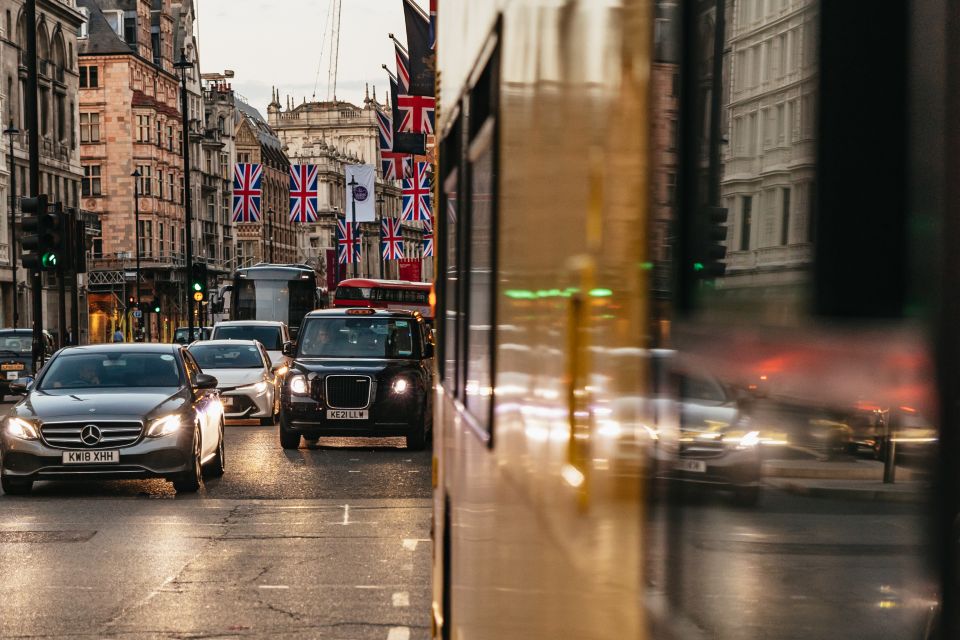
- Open-top night views of London’s most photographed monuments, lit after dark
- Live narration that connects buildings to real events and everyday details
- A route built for first-timers, covering Westminster, the City skyline, and Trafalgar Square
- Photo-ready moments with the guide calling out what’s coming and when to look
- A short 90-minute format that helps you plan where to go next on foot
Why London Looks Different From an Open-Top Night Bus
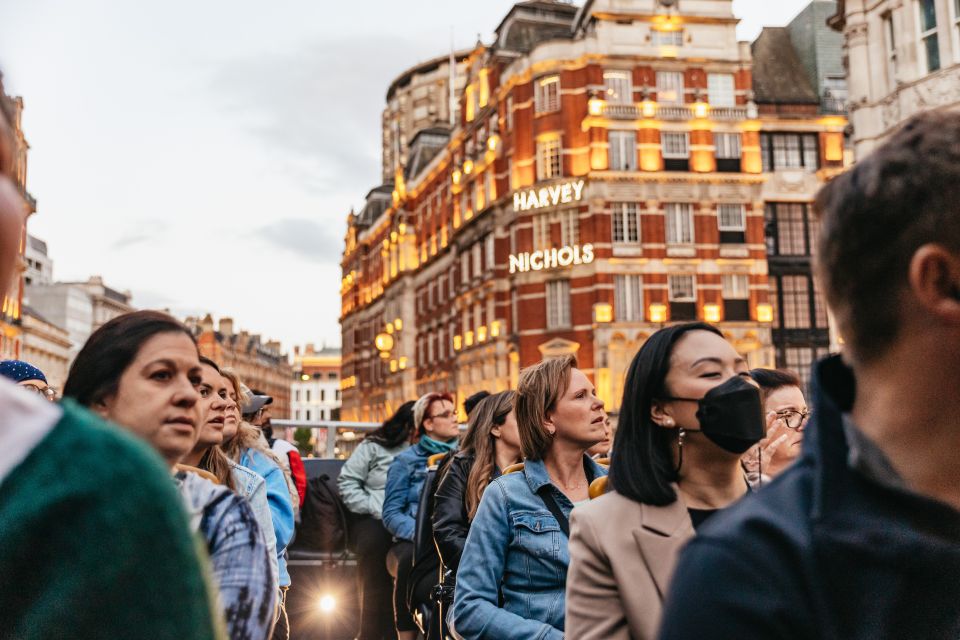
London’s daytime glamour is great, but at night you get edges, shadows, and a stronger sense of scale. From the top deck, the monuments don’t just sit there—you glide past them, and the city feels like it’s moving with you. That matters. It turns “I’ve seen this on a postcard” into “I get why it’s famous.”
The tour also gives you a quick, guided sweep of key areas: Westminster, the river corridor, the City skyline, and central theaters near Piccadilly. If you’re short on time, this is one of the fastest ways to get your bearings fast. And because it’s live, the guide can tailor the pace to the group mood, with jokes and history mixed together.
Just remember: open-top is the point. That also means you’ll want to dress for cold wind, not summer sightseeing.
You can also read our reviews of more evening experiences in London
Green Park Start: How to Set Yourself Up for the Best Views
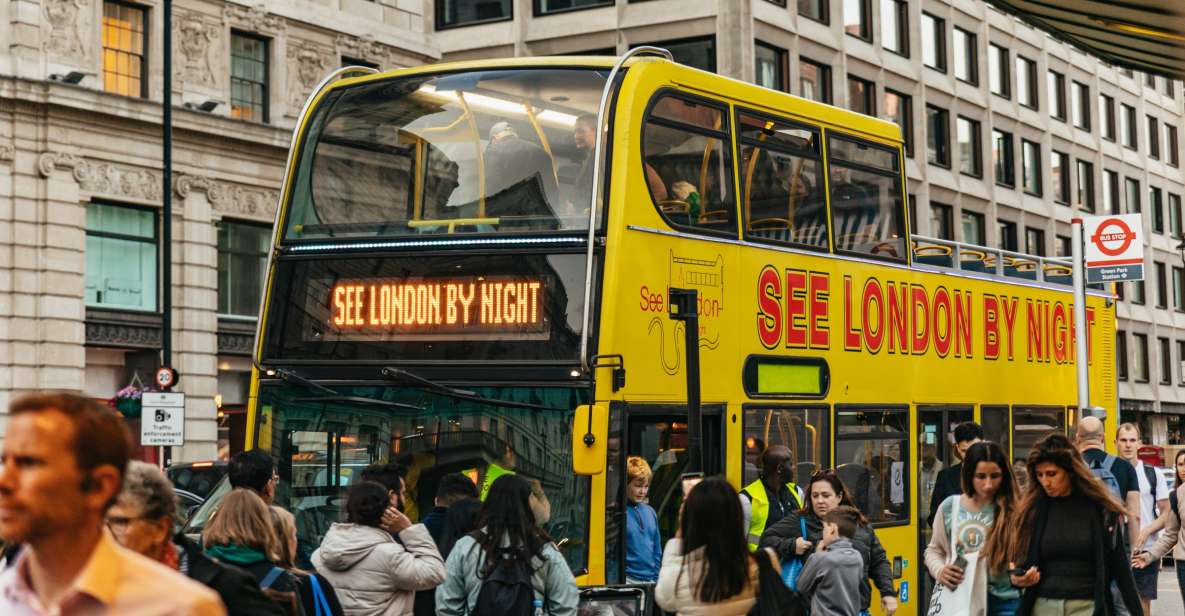
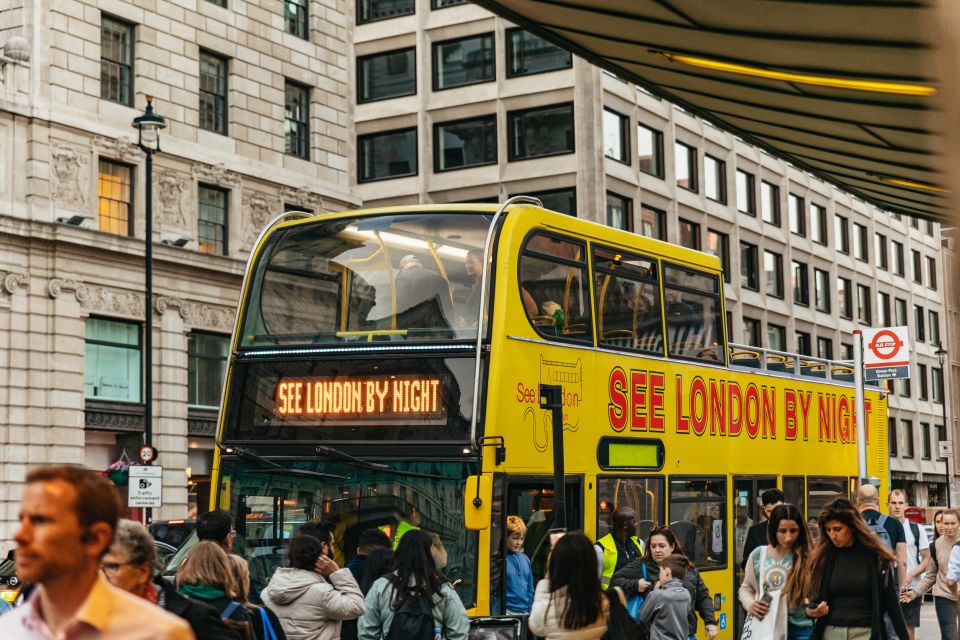
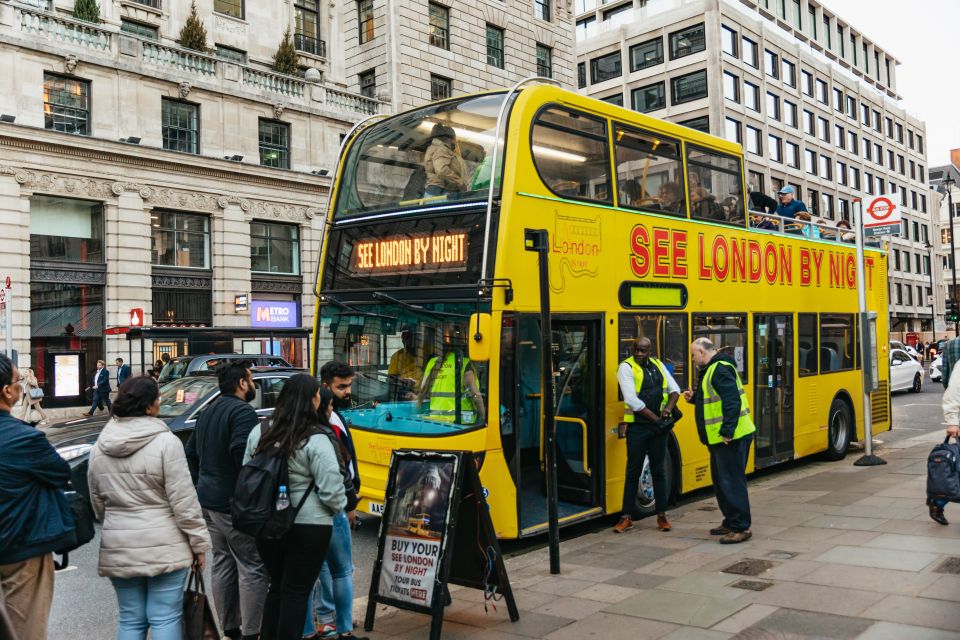
You meet at the bus stop outside Green Park Underground station, next to the Ritz Hotel, boarding the yellow bus with the See London by Night logo. I like this start point because Green Park sits at a central crossroads, so you can connect quickly from other parts of your trip.
Aim to arrive a bit early. Some departures can fill up quickly, and if you end up in seats under a covered section of the upper deck, you may lose part of your skyline view. On at least one departure, people described the front covered area as something that blocks sightlines, so early arrival is your best bet if photos matter to you.
Once you’re on board, watch what the guide does with announcements: they tend to give you enough warning so you can turn, frame, and shoot. That’s a big deal in London traffic, where windows of visibility are short.
Wellington Arch, Royal Albert Hall, and Natural History Museum in Night Lighting
The route begins by moving out from Green Park and into a classic central-London stretch. One stop that sets the tone is Wellington Arch, which you’ll see as the bus lines up with the wide ceremonial streets around it. At night, stone details catch the light differently than they do in daylight—more contrast, sharper silhouettes.
Next comes Royal Albert Hall, a building that reads instantly in photos and in person. When it’s lit at night, the hall’s shape looks even more dramatic, like it belongs to a movie scene rather than a normal evening out.
Then you roll past the Natural History Museum. This one is a favorite for nighttime exteriors because the facade lighting makes the structure look tall and crisp. Just be aware that trees along some parts of the route can block some angles, which can make photos harder depending on where your seat lines up.
If you’re traveling with family or friends and you’re trying to decide where to spend time on foot later, this first section is your “wow, we should return here” moment.
Harrods After Dark: A Shopping Icon With Holiday Energy
The bus then heads toward Harrods, one of the most recognizable retail landmarks in London. At night, the store’s lighting scheme can feel extra theatrical, and the tour description even calls out that it can look evocative of Christmas even when it’s not December.
This is exactly the kind of stop that helps the tour earn its place. You’re not waiting in line to enter something. You’re getting the exterior spectacle and the story behind why the place matters. The guide usually ties in context as you pass—so you’re not just looking, you’re learning what you’re looking at.
Also, this stretch tends to feel lively because central London lighting is strongest around here. If you’re the type who likes to see how neighborhoods glow after dark, Harrods is a good early payoff.
Westminster Abbey, Big Ben, and Parliament: The London You Came For
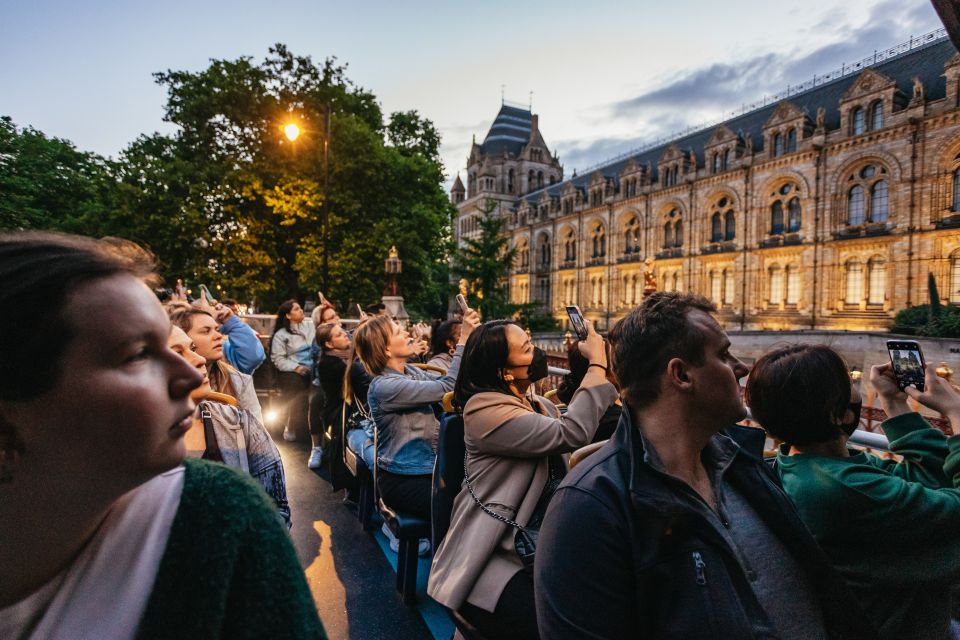
When the tour reaches Westminster Abbey, you get a Gothic silhouette that looks instantly important. Even if you don’t plan to go inside, the night lighting helps you read the building’s scale and shape.
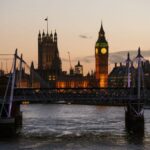
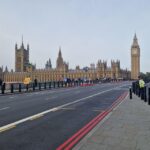
Soon after, Big Ben and the Houses of Parliament come into view. This is the part where the bus moving past matters most. Instead of standing in one spot for ages, you get multiple angles as the bus positions along the route. The guide typically gives cues so you know when to look up and where the sightline is best.
If you’re sensitive to sound or crowds outside, this is a nice compromise. You get the landmark experience with less friction than trying to do it on foot while traffic and pedestrian flows swirl around.
Practical note: London’s streets can be busy, and traffic jams happen. In the past, guides have kept commentary going and stayed upbeat even when delays hit, which helps the moment stay fun instead of stressful.

London Eye and Royal Courts of Justice: Skyline Views With Context
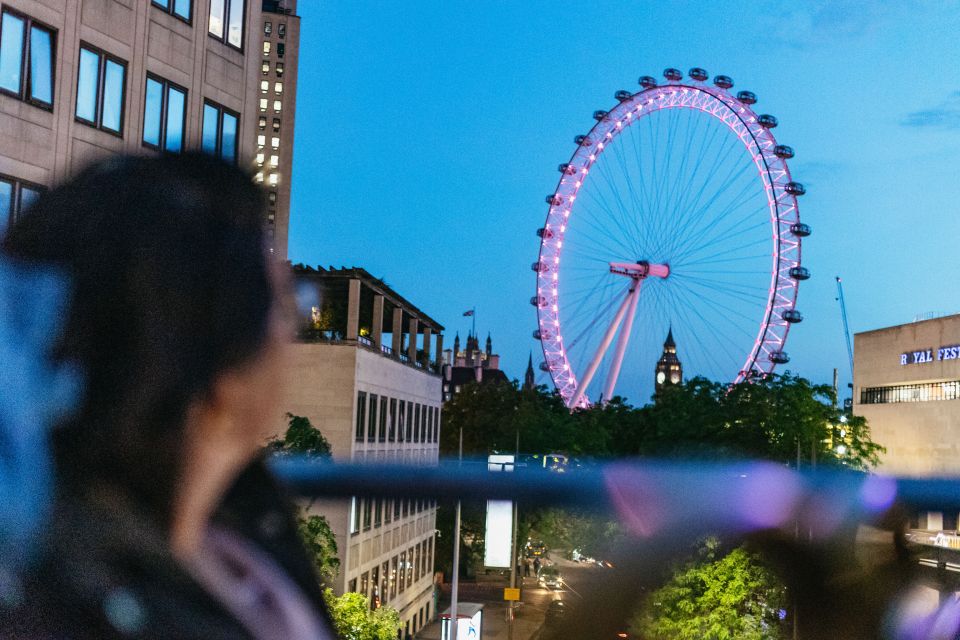
After Westminster, the tour shifts toward the London Eye, which usually steals attention just by being lit. From the bus, you’ll see it in relation to the surrounding skyline, which helps you understand why it’s such a visual anchor on the river.
Next you pass Royal Courts of Justice. This is one of those architecture-forward stops where the guide’s storytelling can turn “I think I’ve seen that building” into “Oh, that’s what that structure represents.” Even if you’re not an architecture person, the night lighting makes the stonework stand out.
This middle section is also good for regrouping. By now you’ve warmed up with the early landmarks, and you’re heading into the river-adjacent views where the city opens up.
St Paul’s and Tower Bridge: Two Stops That Feel Like a Double-Feature
Then comes St Paul’s Cathedral, and it’s hard not to stare. Night lighting makes the dome and facade read with extra authority from a moving vehicle. Even if your photo isn’t perfect, your sense of the cathedral’s presence will be.
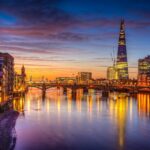
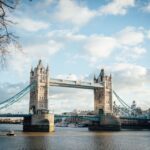
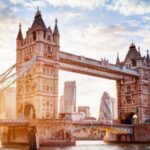
Right after, you get Tower Bridge, usually one of the most exciting moments on the entire route. The structure’s shape is instantly recognizable, and at night you get the bridge’s lights against darker sky tones. This is one of those “yes, this is London” scenes.
If you care about photos, keep an eye on the guide’s timing. People have praised how guides call out when to look and when to snap, and that’s exactly what helps here—because you won’t have long to react as you glide by.
Tower of London and Whitehall: Government-Era Grandeur Without the Waiting Lines
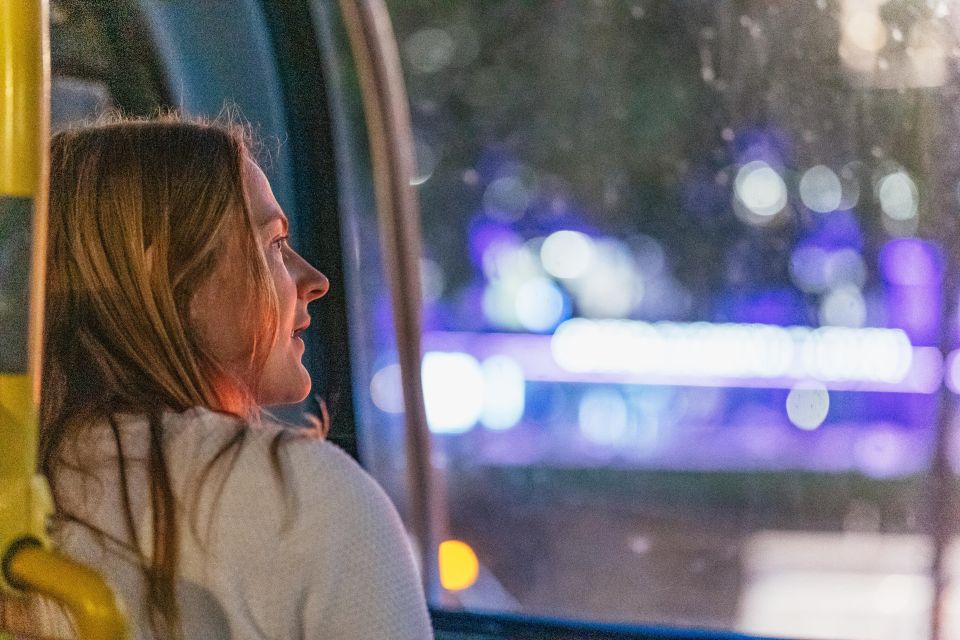
You then travel along Tower of London, which looks formidable even from a distance. At night, it feels less like a historical site and more like a working symbol—still standing, still important.
After that, you pass Whitehall. This stretch is where the “London is power” theme becomes visible. Large institutions and government buildings line the route, and the guided narration helps connect what you’re seeing to the bigger story of the city.
This is also where the tour proves its value as a low-effort introduction. You get the sense of what areas influence London’s identity, without committing to multiple tickets, multiple travel legs, and multiple walking routes.
Trafalgar Square and Piccadilly Circus: Lights, Sound, and That City Pulse
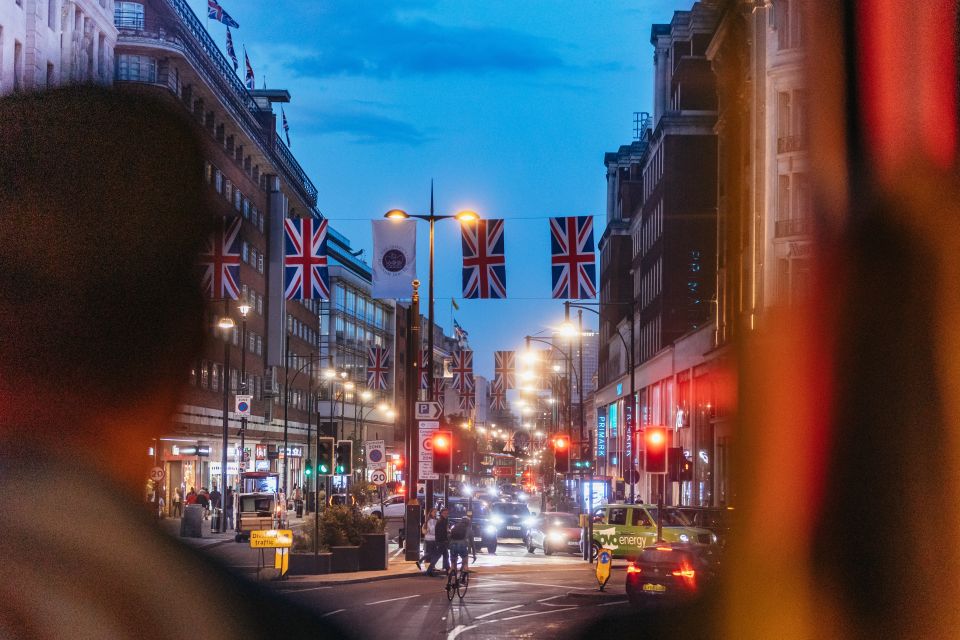
Next up is Trafalgar Square, and the night version is the key. The tour experience highlights the fountains lit up and the square’s energetic feel after dark. Even if you’re not jumping off to explore, seeing it from the bus gives you context for what the area looks like when it’s in full night swing.
Then you reach Piccadilly Circus, where neon screens and bright signage take over. This is the moment the tour turns “historic London” into “London as pop culture,” and it’s a fun contrast. If you’re someone who wants the whole London vibe—old stone plus modern lights—Piccadilly delivers.
By the time you cycle back toward Green Park, you’ll have the key sights in your head in the right order. That makes it much easier to choose what to visit next on foot.
Your Guide Makes It Feel Personal: Names Like Michael, Shannon, and Chris
The biggest reason this tour scores high is the human element. Many guides stick to a formula—facts plus humor—but the best ones do it with timing. From the experience, guides like Michael are often singled out for getting people laughing while still delivering clear history and memorable details. Others, like Shannon, have the same energy, turning the ride into something you look forward to rather than something you endure.
Chris is another guide name that shows up in the lineup, described as funny and able to explain each location as you pass. And in more than one instance, guides teamed up with drivers who handled busy streets smoothly and even adjusted for photo moments when possible.
Here’s what you should expect, practically: you’ll hear stories connected to landmarks, and you’ll get regular cues about what’s coming next. That’s how you make the most of a short 90-minute window.
Weather, Seats, and Comfort: What to Wear for a Cold, Windy Top Deck
This is the only thing I’d plan for hard: cold wind. Open-top doesn’t mean open-comfort. On chilly evenings, you’ll feel it more than you expect, especially in exposed sections near the river. Based on actual experiences, it’s smart to bring gloves, a warm hat, and layers you can move in.
Blankets aren’t guaranteed, so dress as if you’re going to be outside for the whole time. Some people have said the bus can feel chilly even when wrapped up, and that lines up with the reality of a top deck in winter.
Seat choice matters too. If you can, grab a position with the clearest sightlines. A covered front section on the upper deck can block some of the view, so early boarding helps if you want full-height skyline shots.
And one small practical tip: if you wipe your own seat area before settling in, it can help keep your hands and clothes from picking up grime. That’s not glamorous, but it improves the experience.
Value for $29: Why This Tour Often Wins for Short Trips
At around $29 per person for roughly 90 minutes, this tour is good value because it bundles three things most people need early on:
- a guided overview of major sights
- night lighting and photo angles you’d otherwise chase on your own
- a plan-you-next advantage, since you’ll recognize where you want to return
You’re not paying to enter buildings. You’re paying for a guided route that covers the key “first London visit” checklist. If your days are packed and you don’t want to spend your only evening navigating the city, this format does the job.
It’s also described as family-friendly and suited to groups of friends. That matters because not everyone wants a long walking day after dark, and the guided narration keeps a mixed-age group engaged.
Who Should Book This and Who Might Skip It
This tour is a great fit if you want to:
- get a high-quality first look at London’s icons at night
- learn what you’re seeing without running between separate attractions
- take a short evening activity that still covers a lot of ground
It may be less ideal if you only care about one or two specific sights and prefer long, slow photography sessions. A bus ride gives you a pass-by view, not an all-night hangout.
It also helps to match expectations to the format. You’re going to see many landmarks from the road, so you’ll still have to decide later if you want to go inside. Think of it as the “night orientation session,” not the entire trip.
Should You Book This London-By-Night Bus Tour?
Yes, if you want an efficient, guided night sampler of London’s most famous landmarks. The combination of open-top views, live guide storytelling, and a route that hits Westminster, the river skyline, and the central lights makes it a strong pick for short stays. Guides such as Michael and Shannon are regularly praised for keeping things funny and clear, which makes the whole ride feel personal instead of scripted.
Book it if you’re willing to dress for cold and accept that views can vary slightly depending on your seat and weather. If you hate wind, don’t want cold exposure, or you want deep time at a single attraction, choose a different style of night experience.
FAQ
How long is the London by Night open-top bus tour?
The tour is about 90 minutes, and the listing notes a duration of 1.5 hours.
Where do I meet the tour?
You board the yellow See London by Night bus at the bus stop outside Green Park Underground station next to the Ritz Hotel.
What landmarks will I see on the route?
You’ll pass major sights including Wellington Arch, Royal Albert Hall, Natural History Museum, Harrods, Westminster Abbey, Big Ben, Houses of Parliament, The London Eye, Royal Courts of Justice, St Paul’s Cathedral, Tower Bridge, Tower of London, Whitehall, Trafalgar Square, and Piccadilly Circus.
Is there a live guide on board?
Yes. The tour includes a live guide and the tour is in English.
Is the tour wheelchair accessible?
Yes, the tour is listed as wheelchair accessible.
Are pets allowed on this tour?
No, pets are not allowed.
Will it be fully dark during the tour in May, June, and July?
Not necessarily. During May, June, and July, earlier tours may still be daylight and not entirely dark.
What if there is a road disruption?
If roads are disrupted, look for staff in yellow jackets to help guide you or phone the customer service line.
Can I choose different starting times?
Yes. The duration is fixed (1.5 hours), but you should check availability to see starting times.
Is cancellation free, and can I reserve without paying right away?
The tour notes free cancellation up to 24 hours in advance for a full refund, plus a reserve now & pay later option.