REVIEW · LONDON
London: Jack the Ripper Tour in Spanish
Book on GetYourGuide →Operated by Once Upon a Tour · Bookable on GetYourGuide
If you like true crime with real street corners, this tour fits. You’ll walk Victorian-era Whitechapel with a live Spanish guide and pick up the kind of details you miss when you’re just sightseeing. I especially like the storytelling quality and the fact you’ll also see archival photographs and replicas of the case as you go.
Two hours sounds short, but the tour’s pace helps you stay with the plot without feeling rushed. I also like that the guide holds it to a steady, professional tone, with humor that makes the heavy subject easier to take. The main consideration is content: this is about brutal murders, so it may feel intense, and it’s not suitable for children under 12.
You start in the right place, at street level, and you finish back where the city feels more everyday. One practical drawback: no video or audio recording, so bring a notebook or be ready to rely on memory for the key points.
In This Review
- Key things that make this Jack the Ripper tour work
- Why a Spanish Jack the Ripper walk starts at Whitechapel Art Gallery
- What makes the route and stops worth your time
- Gunthorpe Street to Whitechapel High Street: the first tightening of the story
- Saint Botolph Without Aldgate: where the setting starts to feel real
- Mitre Square: a small stop that can change your perspective
- Goulston Street and Lilian Knowles House: where the photos and replicas add punch
- The Ten Bells & Spitalfields Market: ending with a clearer sense of the area
- The guide’s storytelling tone: why it lands so well in Spanish
- Price and value: what $17 buys you in London
- Pacing, walking comfort, and what to bring
- Who should book this (and who should skip it)
- Should you book this Jack the Ripper tour in Spanish?
- FAQ
- Where do I meet the guide?
- What is the duration of the tour?
- What language is the tour in?
- What is the tour price?
- What is included in the experience?
- What are the main stops on the route?
- Where does the tour finish?
- Is the tour wheelchair accessible?
- What should I bring?
- What is not allowed during the tour?
Key things that make this Jack the Ripper tour work
- Spanish live guide: you get a real conversation style, not a phone app.
- Archival photos and replicas: case details land more clearly when you can see them.
- A tight 2-hour walking route: enough stops to feel like a journey, not a marathon.
- Whitechapel-to-Spitalfields ending: the story closes as the neighborhood shifts.
- Meeting point is easy to spot: the guide stands in front of Whitechapel Art Gallery holding a purple umbrella.
- Stronger engagement from the guide’s tone: professional, sometimes with humor to cut the chill.
Why a Spanish Jack the Ripper walk starts at Whitechapel Art Gallery
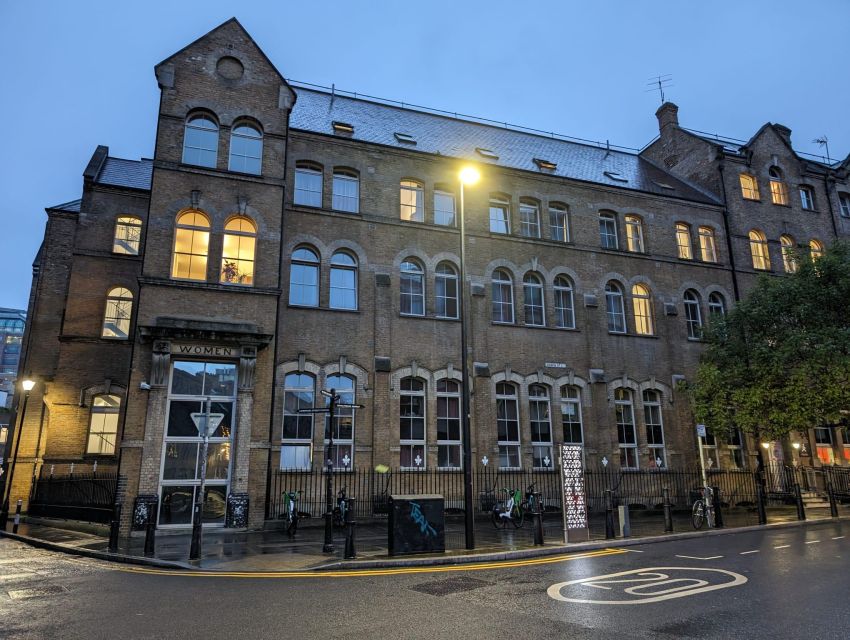
Whitechapel is the name you can’t escape when you talk about the Ripper case, and starting at the Whitechapel Gallery keeps the tour grounded in the neighborhood itself. You’ll meet in front of the gallery, and the guide is easy to find—look for the purple umbrella.
Because the tour runs in Spanish, it’s a great fit if you want the story in your own language without switching to English just to keep up. Two hours also means you’ll get a focused experience without having to plan a whole evening around it.
You should dress for London weather. The reviews specifically mention how the tour handles brutal cold, and while the duration is manageable, you’ll still be outside and walking.
You can also read our reviews of more tours and experiences in London.


What makes the route and stops worth your time
This is not just a “see a plaque and move on” style walk. The stops are spaced so the guide can build a chain of locations, which helps the case feel connected instead of like a set of random facts.
Here’s what you’ll cover, in order:
- Gunthorpe Street
- Whitechapel High Street
- Saint Botolph Without Aldgate
- Mitre Square
- Goulston Street
- Lilian Knowles House
- The Ten Bells & Spitalfields Market (finish)
What I like about this structure is that it’s practical. You’re not chasing far-flung landmarks; you’re tracing a specific pocket of the city, stop by stop, with the guide steering you.
Gunthorpe Street to Whitechapel High Street: the first tightening of the story
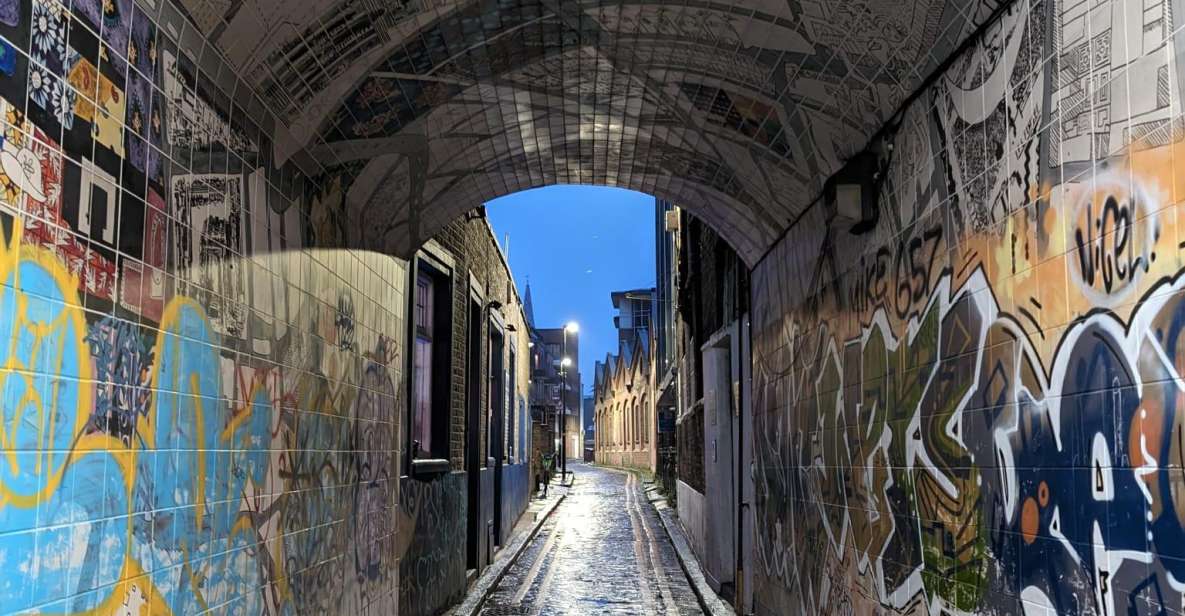
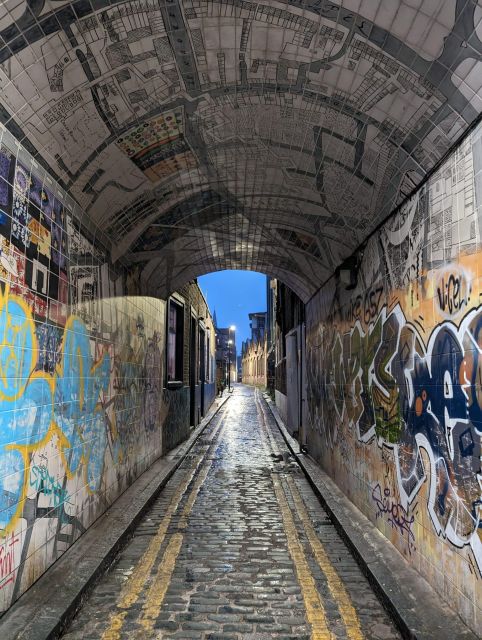
Early on, you’ll get oriented fast. Gunthorpe Street is where the tour starts building mood—cobblestones, old street layout, and that sense that you’re in the right slice of London for the story.
Then comes Whitechapel High Street, which matters because it’s a major spine of the area. Even if you’re not a history buff, this kind of street helps you understand how busy and central places would have been for everyday life—and for the tension that surrounded the case.
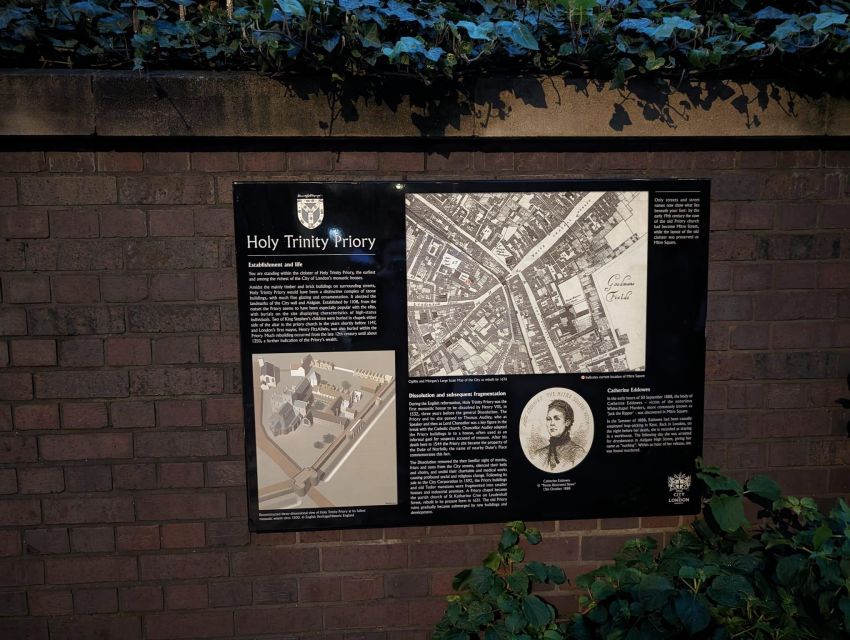
Expect the guide to connect what you’re seeing with what’s being explained. The tour includes archival photographs and replicas, and those kinds of visuals work best when you’re right where the story places you.
Saint Botolph Without Aldgate: where the setting starts to feel real
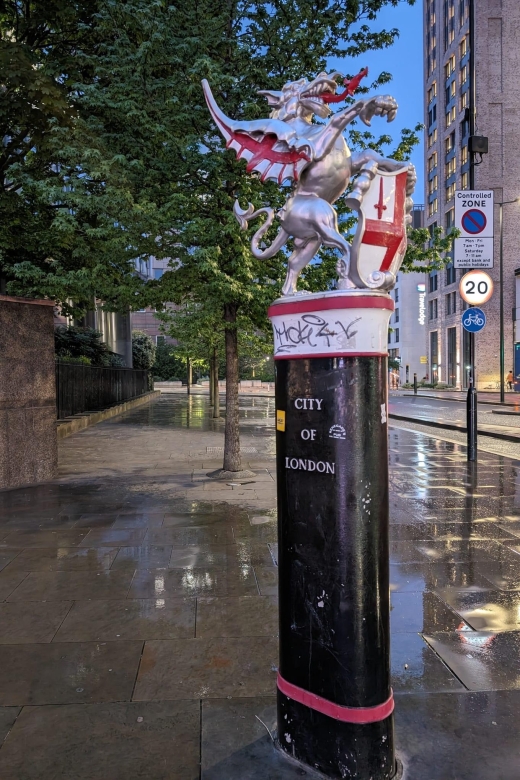
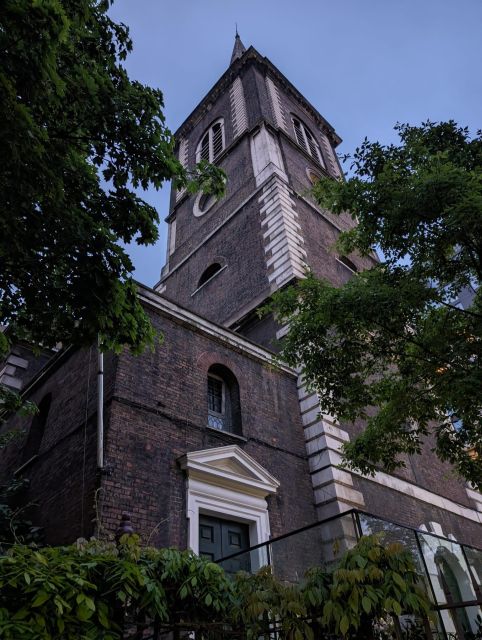
Next is Saint Botolph Without Aldgate, a stop that shifts the tone a bit. Churches and historic landmarks often change how you read a neighborhood, and this one gives the guide room to slow down just enough for context.
This is also where a strong guide earns their fee. The Spanish narration is live, and based on the feedback about Carmen’s approach, you’ll likely hear the facts treated with seriousness, not melodrama—plus a touch of humor when it helps you stay comfortable in the cold.
If you’re the type who wants details you can hold onto later, this sort of stop helps. You’ll leave with place names that actually mean something.
Mitre Square: a small stop that can change your perspective
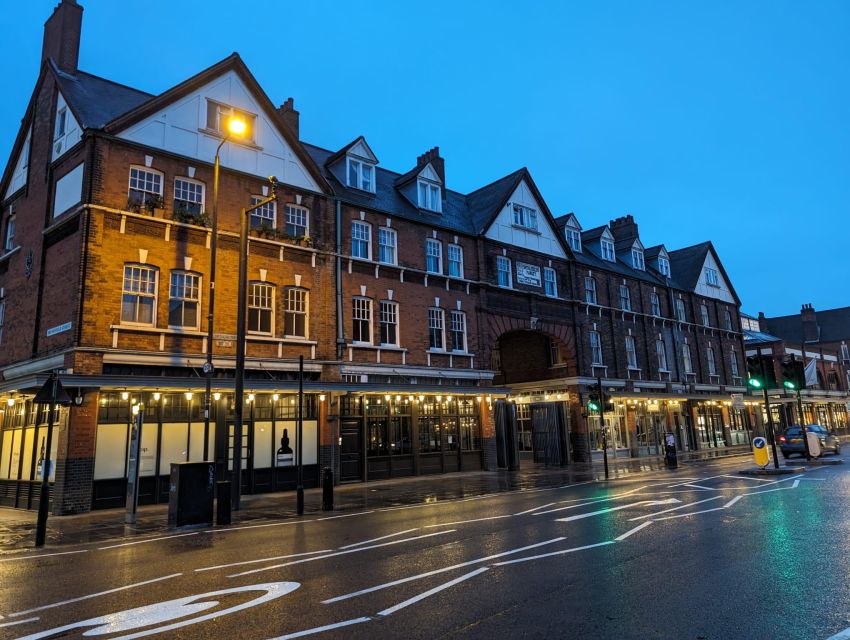
At Mitre Square, the tour gives you another hinge point in the neighborhood. Smaller squares often feel different than main roads—less “traffic and bustle,” more “tight, enclosed world.”
This is a good moment to listen for how the guide links geography to the timeline. Even without turning it into a lecture, a well-run walking tour shows you how locations connect, and how witnesses and movement would have made the area feel dangerous.
If you’re worried the tour might feel too dark for too long, this kind of placement is useful. The guide has built-in opportunities to reset your attention between heavy moments.



Goulston Street and Lilian Knowles House: where the photos and replicas add punch
Then you reach Goulston Street, followed by Lilian Knowles House. These stops are a big deal in the tour’s flow because they’re where the case details tend to become more tangible.
That’s where the archival photographs and replicas of the case can really help you. Seeing items connected to the story while you stand in the street can turn abstract “history” into something your brain organizes as a real sequence of places.
I especially value this approach for language learners and casual readers. When someone is telling you a story in Spanish, visuals give your mind something concrete to attach to. You’re not only listening—you’re also placing what you hear.
The Ten Bells & Spitalfields Market: ending with a clearer sense of the area
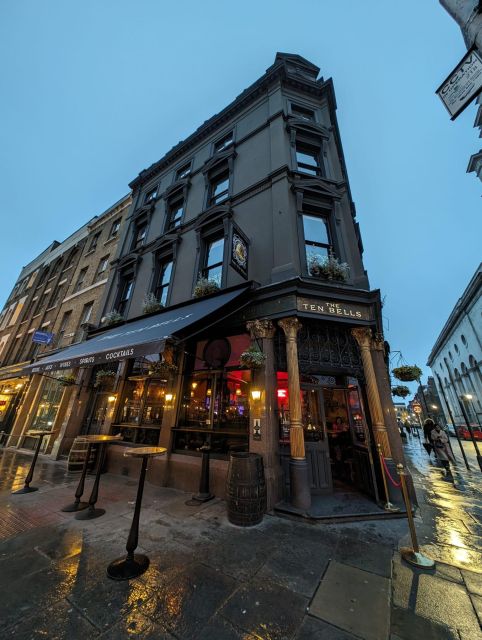
The final stretch is The Ten Bells & Spitalfields Market, and the finish matters. It’s not just an arbitrary endpoint; it shifts you from the most grim parts of the narrative back into a neighborhood you can actually keep exploring afterward.
Spitalfields has that everyday London feel—markets, shops, people moving on with their day. That contrast is useful. It helps you process what you just heard without feeling stuck in the story’s darkest mood.
Even if you don’t want to linger, you’ll likely walk away with a better mental map of where Whitechapel’s story spills into the city beyond it.
The guide’s storytelling tone: why it lands so well in Spanish
The tour’s biggest strength, judging by the feedback, is the guide’s delivery. Carmen (mentioned in one review) is praised for telling hard facts with rigor, while still adding humor that makes the cold more bearable.
That combination matters more than it sounds. If you’re new to the subject, you want accuracy. If you’re standing outside for two hours, you need a guide who can keep the energy human, not numb.
You’ll also likely appreciate the way live narration keeps you engaged with the streets themselves. A walking tour works when the guide helps you look around. When it’s done well, you notice small details in the street layout because someone pointed out why they matter for the story.
Price and value: what $17 buys you in London
At $17 per person for a 2-hour Spanish guided walking tour, the value is pretty direct: you’re paying for live interpretation, a structured route, and visual aids (archival photos and replicas). London prices can be all over the map, so this kind of straightforward cost makes it easier to justify.
What you’re not paying for is extra frills. This isn’t a long coach day or a multi-part museum ticket. It’s a focused walk with a guide, designed to make the case feel connected to the streets you walk.
The best “value” tip here is simple: commit to listening. If you treat it like a quick photo stop, you’ll miss what you paid for. If you show up prepared to follow the story from place to place, you’ll likely feel like the time flew by.
Pacing, walking comfort, and what to bring
The duration is 2 hours, and the experience is a walking tour. That means comfort matters more than you might expect, especially in cooler months.
Bring weather-appropriate clothing. The tour’s content is serious, but the practical challenge is staying warm while you’re listening. If it’s chilly, wear layers you can move in without fussing every few minutes.
One more practical note: no alcohol or drugs, and no video or audio recording. Plan to take notes if you want a record of names and explanations, especially because the story includes multiple locations.
Who should book this (and who should skip it)
This tour is a good match for you if you:
- want a Spanish guided option for a classic London topic
- enjoy street-level history and true crime storytelling
- like tours with visuals, not just spoken direction
It may not be your best fit if:
- you’re traveling with kids under 12 (it’s not suitable)
- you dislike crime-themed stories with graphic context (the subject matter is hard)
- you need to record audio or video for later (those are not allowed)
If you’re a first-time London visitor, this also works because it pairs a well-known case with a real neighborhood feel. You’ll get more than a myth—you’ll get a place-based account.
Should you book this Jack the Ripper tour in Spanish?
I’d book it if you want the Ripper story told with care in Spanish and you like structured walking tours where the guide keeps the momentum. The combination of a live, professional guide and archival photographs plus case replicas is what makes this more than just a route with scary vibes.
I’d hesitate only if you’re sensitive to violent history or you’re traveling with young kids. Also, if you rely on recording everything, you’ll need to adjust since video and audio recording aren’t allowed.
If you’re the kind of person who likes your London with a bit of edge—while still organized and easy to follow—this is a strong choice.
FAQ
Where do I meet the guide?
You meet in front of the Whitechapel Art Gallery. The guide will be holding a purple umbrella.
What is the duration of the tour?
The tour lasts 2 hours.
What language is the tour in?
The guided tour is in Spanish.
What is the tour price?
The price is $17 per person.
What is included in the experience?
It includes a Spanish guided walking tour.
What are the main stops on the route?
The tour includes stops at Gunthorpe Street, Whitechapel High Street, Saint Botolph Without Aldgate, Mitre Square, Goulston Street, Lilian Knowles House, and The Ten Bells & Spitalfields Market.
Where does the tour finish?
The tour finishes at Spitalfields Market.
Is the tour wheelchair accessible?
Yes, the activity is wheelchair accessible.
What should I bring?
Bring weather-appropriate clothing.
What is not allowed during the tour?
Alcohol and drugs are not allowed, and video recording and audio recording are not allowed.