REVIEW · LONDON
London: Jack the Ripper Tour
Book on GetYourGuide →Operated by See Your City · Bookable on GetYourGuide
Whitechapel feels like a crime scene you can actually walk. This Jack the Ripper tour uses suspect cards, a Ripperologist guide, and real East End streets to turn 1888 into a solvable (or at least argueable) mystery. You’ll hear stories about the victims, the shady suspects, and the theories that keep this case alive.
I love the case-file style of the tour: you’re not just listening to facts, you’re trying to assess clues like photographic evidence and weigh competing ideas. I also like that the route includes specific places you can picture in your head after the tour, including Spitalfields Market, Brick Lane, and the Ten Bells area.
One possible drawback: the live guide speaks Italian. And if you’re not comfortable with Italian, or if a guide struggles to make themselves understood, you’ll feel it fast, as one unhappy experience noted.
In This Review
- Key things to know before you go
- Whitechapel turns 1888 into a live mystery
- Meeting at Altab Ali Park: get oriented fast
- St Marys Whitechapel Church Memorial: the story’s starting beat
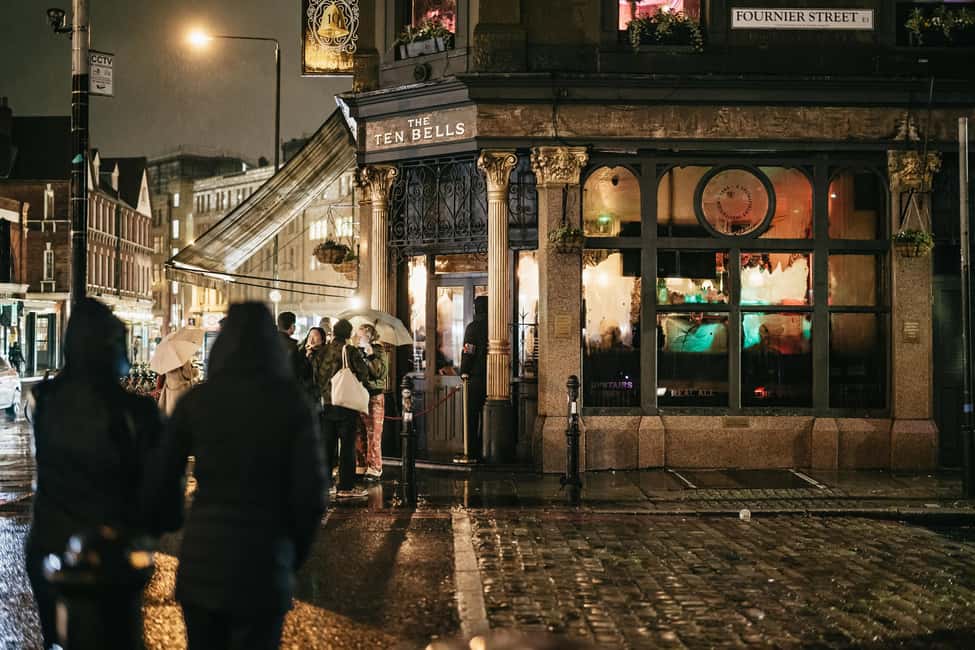
- Ten Bells Spitalfields: the route’s anchor stop
- Christ Church London: streets with a real footprint
- Mitre Square: theories meet the street plan
- Brick Lane: the East End street layer
- Spitalfields Market and Petticoat Lane: context with teeth
- Your guide: what makes—or breaks—the experience
- Price and time: is $26.94 worth your 2 hours?
- Outdoor walking realities (and who should be comfortable)
- Who this tour fits best
- Should you book this Jack the Ripper tour?
- FAQ
- How long is the London Jack the Ripper walking tour?
- What language is the tour guide?
- Where does the tour start?
- What is the nearest Underground station?
- Where does the tour finish?
- Which stops are included?
- Is food or drinks included?
- Is the tour suitable for children?
Key things to know before you go
- Italian-language tour: the live guide delivers the story in Italian.
- Suspect-card mystery format: you’ll get cards and “investigate” possible suspects based on the clues shared.
- 2 hours on foot: check starting times, and plan a quick walk between stops.
- Real East End locations: Brick Lane, Christ Church, Spitalfields Market, Mitre Square, Petticoat Lane, and Ten Bells Pub are part of the story route.
- Outdoors the whole time: dress for the weather, and be ready for public-path conditions.
Whitechapel turns 1888 into a live mystery
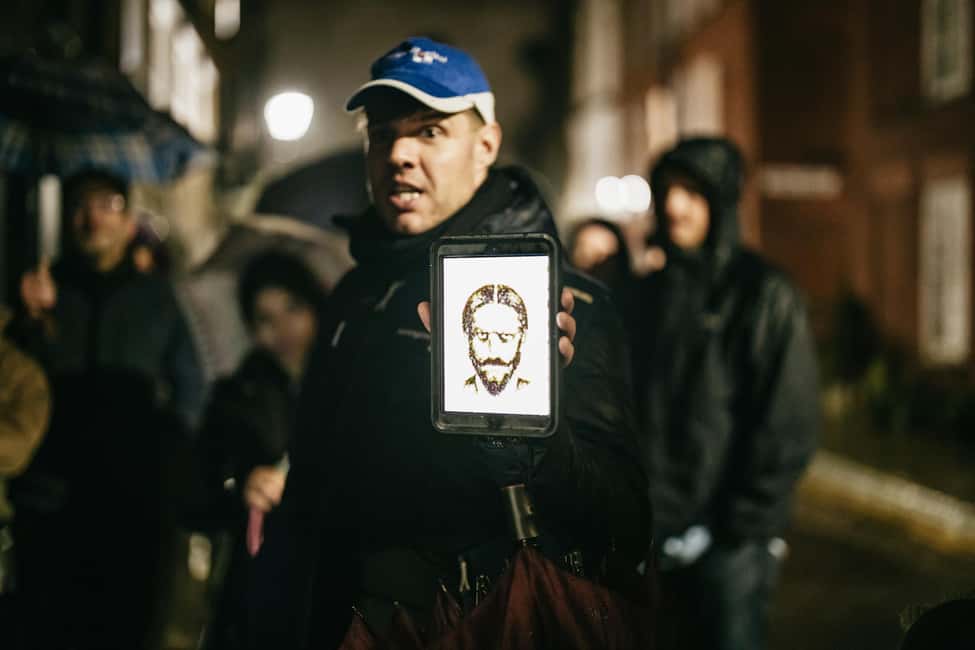
Jack the Ripper stories are everywhere, but this tour aims to do something different: it treats the murders like an active investigation. Instead of only retelling events, you’ll work through theories, and the guide will talk you through how people tried to make sense of what happened in Victorian London.
A big part of the value is the why, not just the what. You’ll hear why the choice of Whitechapel mattered, what made the neighborhood different at the time, and how everyday life in an impoverished area shaped what was possible (and what might have been missed). That context helps the darker parts of the story feel less like random horror and more like history with a cause.
You’ll also connect the case to pop culture. The tour includes the cultural context behind Sherlock Holmes—useful if you’re wondering how Victorian crime fiction grew out of real streets, real anxiety, and real reports.
You can also read our reviews of more tours and experiences in London.



Meeting at Altab Ali Park: get oriented fast
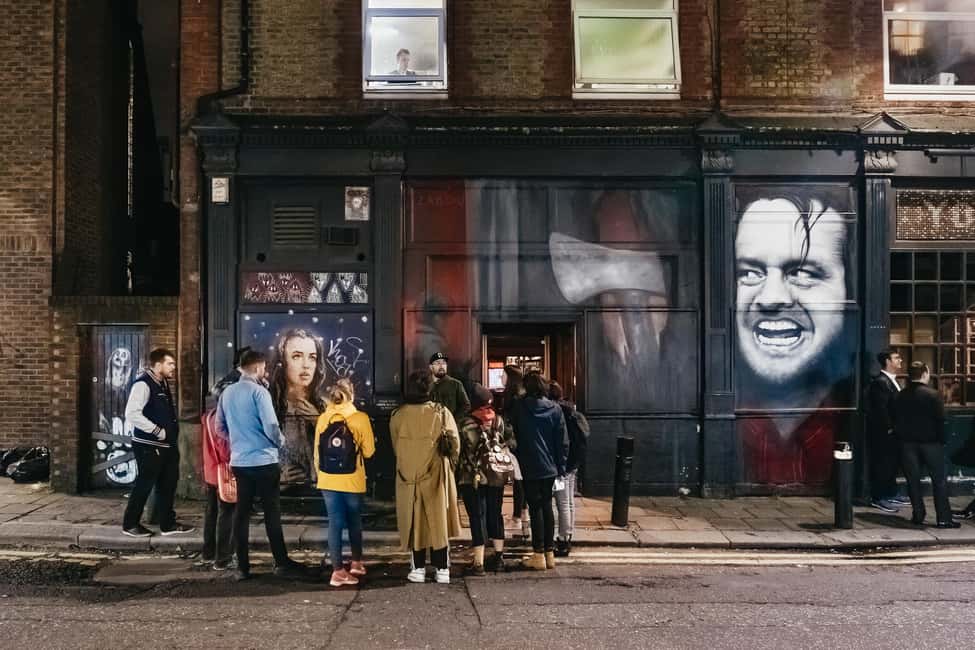
The tour starts at the west entrance to Altab Ali Park, at the large iron arch gate on the corner of White Church Lane and Whitechapel High Street. The nearest Underground is Aldgate East.
Why this matters: walking tours lose people at the meeting stage, and Whitechapel isn’t a place you want to wander around guessing where to regroup. I’d treat the first few minutes like part of the experience—show up early enough to find the gate, spot your group, and settle in before the story begins.
If you’re using public transit, give yourself a little buffer. Even a small delay can make a 2-hour walking tour feel rushed.
St Marys Whitechapel Church Memorial: the story’s starting beat
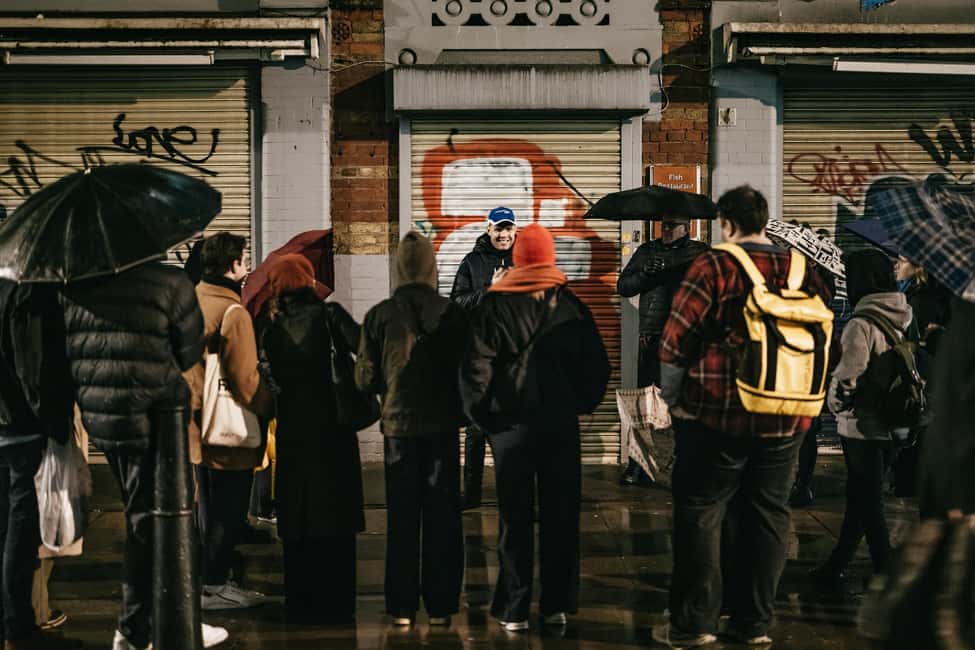
The first stop is St Marys Whitechapel Church Memorial. This is where the tour sets its tone—back to the late 1800s, with the East End streets as your timeline.
Even if the current surroundings don’t feel exactly Victorian anymore, this kind of starting point helps you “lock in” to the guide’s framing. Expect to hear how the case is presented and how you’ll be using your suspect cards to follow the reasoning as you walk.
It’s also a practical moment: you can get your bearings, ask quick questions, and prepare for the next streets as the pace picks up.
Ten Bells Spitalfields: the route’s anchor stop

You pass by Ten Bells Spitalfields and also finish near the Ten Bells area. The Ten Bells Pub is listed as one of the tour stops, so it’s not just a photo stop—it’s a marker where the guide brings things back together.
What makes this part work is contrast. In a short 2-hour walk, you don’t have time to deeply tour multiple museums. Instead, the guide uses key streets and named places to help your brain map the story quickly. Ten Bells acts like a “bookmark,” so when you later recount what you learned, you’ll have a firm reference point.
One consideration: if you’re sensitive to graphic details, mentally prepare before you reach the later portion of the tour, since the conversation tends to keep tightening around the crimes and theories.
Christ Church London: streets with a real footprint
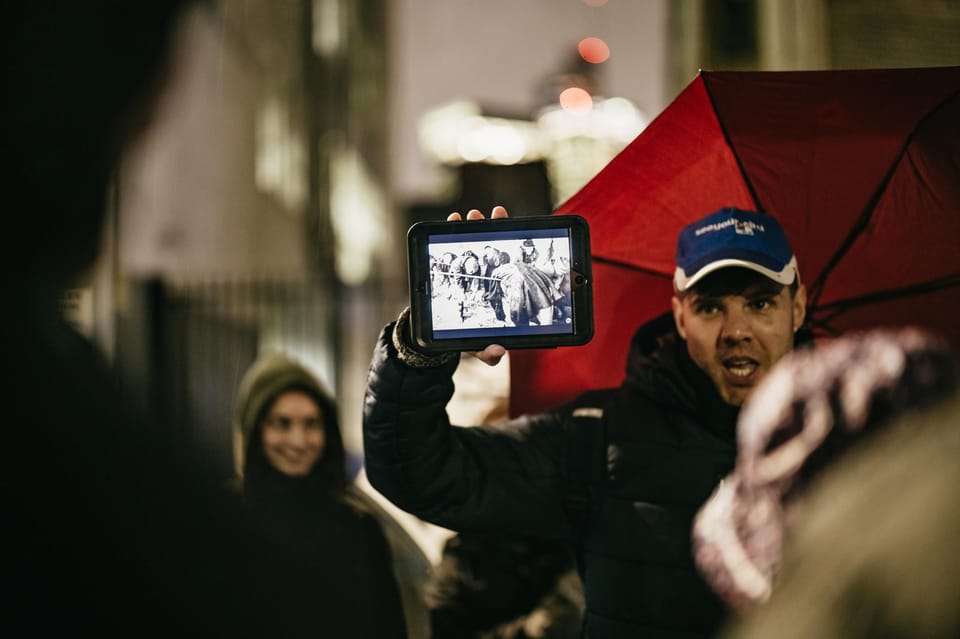
Another listed stop is Christ Church London, which you pass by as the route moves through the Whitechapel core.
This is where the tour’s strength—real places tied to the case—does its job. You’re not only absorbing narrative; you’re visually matching the story to the kind of geography Victorian residents would have recognized: church-adjacent streets, walkable blocks, and the cramped kind of urban layout that makes witnesses, rumors, and movement complicated.
If you like history but find pure lecture tours heavy, this is a good middle ground. You get a moving storyline, tied to visible locations.





Mitre Square: theories meet the street plan

You’ll also pass by Mitre Square. Squares like this work well for walking tours because they give the guide a natural way to explain patterns—where people could gather, where paths converge, and why someone might appear or disappear in the chaos of a real neighborhood.
The tour’s “investigation” format fits this kind of stop. As you walk, the guide shares alleged evidence and competing suspect theories, and by the time you reach a place like Mitre Square, you can start connecting why the guide thinks one theory feels more likely than another.
This is where the tour becomes more than sightseeing. It’s reasoning on the move.
Brick Lane: the East End street layer
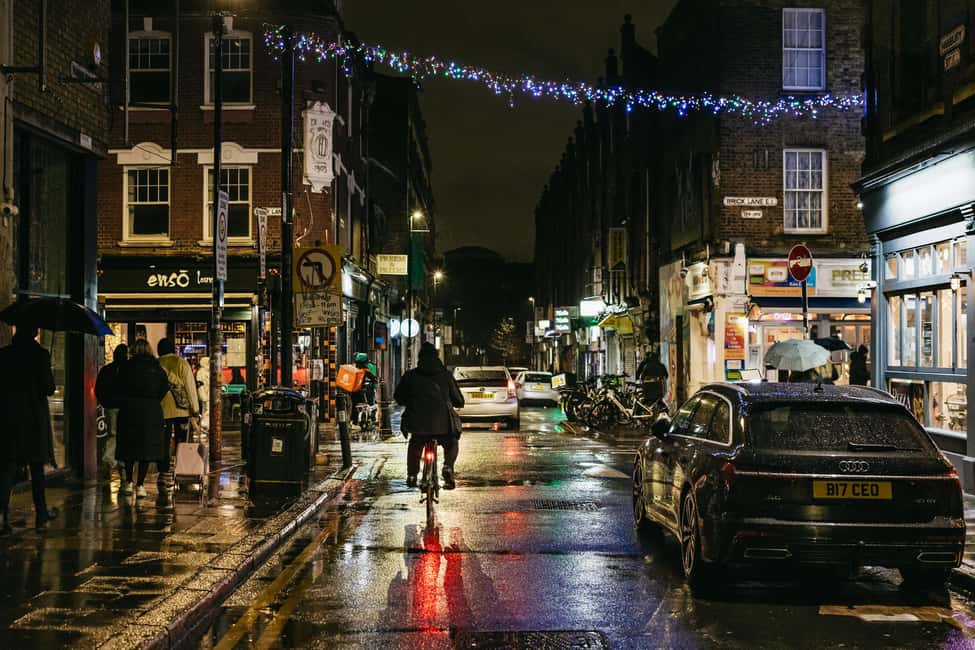
Brick Lane is on the route. Even if you’re mostly there for the Ripper story, I think Brick Lane adds a key layer: it reminds you this is still a living neighborhood. That matters because the tour spends time on everyday life in Whitechapel during the 19th century. You’ll hear how an impoverished area shaped the human side of the story—who was working, what daily routine looked like, and what the neighborhood felt like to live in.
Practically, Brick Lane is also a good spot to notice the change over time. The tour doesn’t claim you’ll see a fully preserved Victorian London. One review even flagged that very little Victorian fabric remains—true enough in many parts of London. But that’s not a failure. It’s part of the lesson: the story survived, even when the original streetscape didn’t.
Spitalfields Market and Petticoat Lane: context with teeth
The tour includes Spitalfields Market and Petticoat Lane as key stops. These locations help ground the case in the economic reality of the East End.
Markets and surrounding lanes aren’t only backdrop. They’re places tied to movement, crowds, and chance encounters—exactly the kind of environment where rumors spread and where “who saw what” becomes a major part of any theory. The guide’s emphasis on the victims and everyday life makes these stops feel like more than scenery.
If you enjoy history that links culture, crime, and daily routine, this is where the tour earns its keep. You’ll start to understand why the neighborhood became the stage for these crimes in the first place.
Your guide: what makes—or breaks—the experience

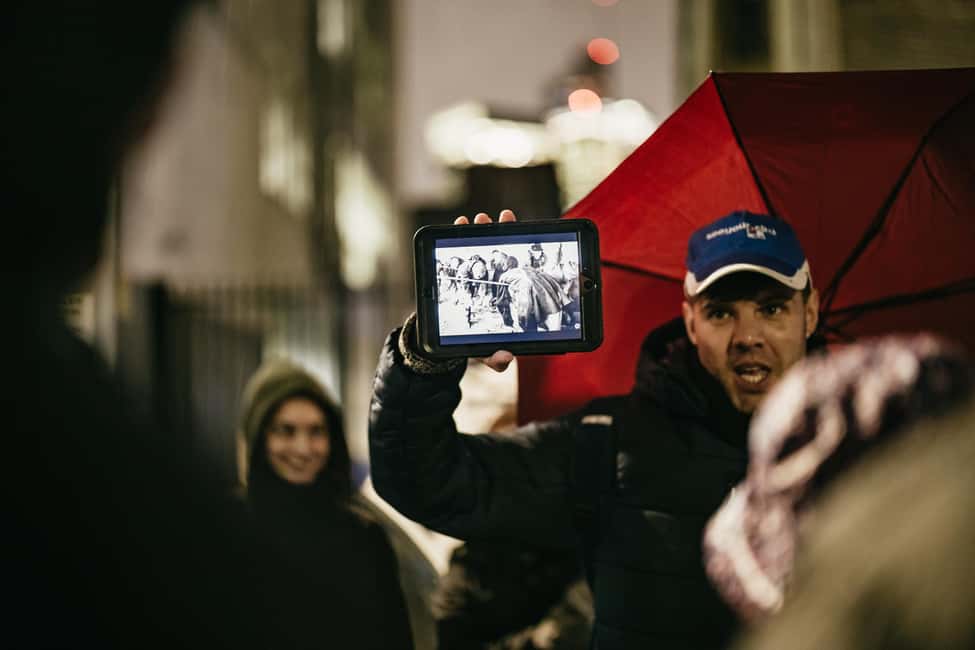
This is a guided story with a specific style. You’ll be led by a Ripperologist guide, and you’ll get suspect cards as part of the method. The goal is to help you “assess photographic evidence,” hear investigation theories, and decide which suspects make sense to you based on what the guide shares.
Language is the biggest real-world factor. The tour is live in Italian, and that can be a plus if you want the story in another language while you explore. But it can also turn frustrating quickly if you don’t follow Italian well.
One of the strongest reviews praised Perla, describing her Italian delivery as enthusiastic and professional and recommending the tour for Italian-speaking visitors. That’s a great sign for anyone who wants energy plus clarity.
At the same time, there’s a clear warning from an unhappy experience about language being hard to understand, leading to confusion. The takeaway for you: if your Italian is not solid, think twice. If you’re relying on translation apps or partial comprehension, this isn’t the type of tour where you can safely “catch up later”—the whole format depends on following the guide’s reasoning.
Price and time: is $26.94 worth your 2 hours?
At $26.94 per person for a 2-hour walking tour, the value comes from three things the price covers: the guide, the walking route through multiple named locations, and the “investigation” structure with suspect cards.
This isn’t a long-haul sightseeing day, so you shouldn’t expect a deep museum-style experience. But for a short window, I think it’s fair—especially because you’re not just hearing general Jack the Ripper facts. You’re getting the case framed with victims, suspects, and local Whitechapel context, plus the Sherlock Holmes link.
Two practical notes:
- Food and drinks aren’t included, so you’ll want to plan water or a quick snack before or after.
- You’re outdoors the whole time, so weather can affect your comfort and your patience.
If you’re tight on time in London but still want a story-driven walk with specific locations, this price-to-time ratio is likely to make sense.
Outdoor walking realities (and who should be comfortable)
The tour is entirely outdoors. That’s great for atmosphere, but it also means you’re exposed to wind, rain, and cold. Dress for weather, and don’t count on the route to slow down for comfort.
Accessibility is listed as wheelchair accessible, and the tour doesn’t include many inclines or stairs. Still, public paths can vary, so if you use mobility equipment, it’s smart to be prepared for uneven surfaces or curb cuts.
Also, this tour includes graphic details and visual content, and the rules specify that participants under 18 must be accompanied by an adult. If you’re going with a younger teen, or if you prefer your history non-graphic, you’ll want to weigh that before booking.
Who this tour fits best
This Jack the Ripper tour works well if:
- You like walking tours that teach you something specific, not just “look at this building” sightseeing.
- You enjoy crime-story reasoning—theories, clues, and suspect arguments.
- You want Whitechapel context, including how everyday life influenced the case.
- You’re interested in how crime stories connect to cultural figures like Sherlock Holmes.
It’s less ideal if:
- You can’t follow Italian comfortably and you want the story clearly, step by step.
- Graphic content would put you off.
- You’re looking for mostly intact Victorian streets—because the reality is, much of the original look has changed over time.
Should you book this Jack the Ripper tour?
I’d book it if you’re excited by a street-level mystery format and you can handle the Italian-language delivery. The combination of named locations (Whitechapel, Brick Lane, Spitalfields Market, Petticoat Lane, Mitre Square, and Ten Bells) plus the suspect-card structure makes it feel like a short “case” rather than a generic retelling.
I’d think twice if Italian is a weak spot for you. One reported experience pointed to confusion caused by difficulty being understood, and that’s exactly the risk with a story that depends on following clues and theories. Also, don’t forget the tour includes graphic details.
If you can read the conditions and language requirements and you’re ready for an outdoor, story-forward walk, this is a solid way to spend 2 hours in London’s East End—especially if you want more than just famous names, and you’d rather understand how the case got woven into culture.
FAQ
How long is the London Jack the Ripper walking tour?
It lasts 2 hours.
What language is the tour guide?
The live tour guide speaks Italian.
Where does the tour start?
Meet your guide at the west entrance to Altab Ali Park, at the large iron arch gate on the corner of White Church Lane and Whitechapel High Street.
What is the nearest Underground station?
Aldgate East Station is listed as the nearest Underground stop.
Where does the tour finish?
The activity ends back at the meeting point, and it also lists finishing at The Ten Bells Spitalfields.
Which stops are included?
Stops include Brick Lane, Christ Church London, Spitalfields Market, Mitre Square, Petticoat Lane, and Ten Bells Pub.
Is food or drinks included?
No. Food and drinks are not included.
Is the tour suitable for children?
Participants under 18 must be accompanied by an adult, and the tour contains graphic details and visual content.