REVIEW · LONDON
London: Royal Observatory Planetarium Show Entry Ticket
Book on GetYourGuide →Operated by Royal Museums Greenwich · Bookable on GetYourGuide
A front-row seat to the night sky. Step into the Peter Harrison Planetarium at Royal Museums Greenwich, where the show is guided by a Royal Observatory astronomer and tailored to what the sky looks like on your visit day.
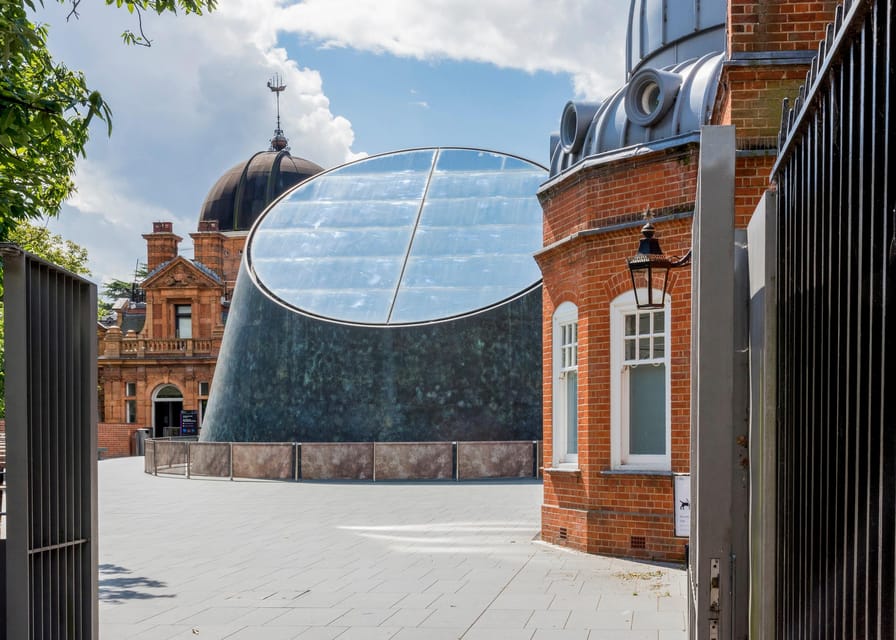
I love the idea that this is London’s only operational planetarium, and the setting is as impressive as the science: you’re in the UNESCO Maritime Greenwich area, and the planetarium is right where you can also enjoy big open views over London. The one catch: the show lasts just 30 minutes, and once it starts you can’t re-enter, so arriving a few minutes early matters.
I also really like the show’s mix of visuals: you get real images taken from spacecraft and telescopes, then the experience adds advanced CGI for the parts you can’t see with a regular camera. It’s a smart way to keep your brain learning while your eyes stay glued to the screen.
In This Review
- Key highlights that make this ticket worth it
- Inside the Peter Harrison Planetarium show: what you’re buying
- Sky Tonight: the live astronomy that anchors everything
- The science stories you’ll see: from the Sun to star birth
- We Are Guardians, Audio Universe, Starstruck: mini-adventures inside the show
- We Are Guardians: satellites with a purpose
- Audio Universe: space that you can hear
- Starstruck: the lifecycle of a star
- How the visuals work: real images plus advanced CGI
- Where you’ll be: Maritime Greenwich energy and London views
- Ticket price and value: $16.16 for a live dome show
- Timing reality: plan for a clean start (latecomers won’t wait)
- Who this is best for (and who might prefer something else)
- Practical tips that make your visit smoother
- Accessibility and comfort: built for mobility, with a couple of limitations
- FAQ
- FAQ
- How long is the planetarium show?
- Who presents the show?
- What is included in the ticket?
- Is entry to the Royal Observatory included?
- What kinds of themes will the show cover?
- Are latecomers allowed after the show starts?
- What age is the show suitable for?
- Does the planetarium support hearing aids?
- Is the venue wheelchair accessible?
- Should you book this Royal Observatory planetarium ticket?
Key highlights that make this ticket worth it
- London’s only operational planetarium (Peter Harrison Planetarium)
- A live Royal Observatory astronomer-led show with Sky Tonight
- Real space imagery paired with advanced CGI
- Short, focused 30-minute runtime that still covers big cosmic ideas
- Multiple show themes, including Solar System sound and star lifecycles
- Spectacular London views from the top of one of the city’s biggest green spaces
Inside the Peter Harrison Planetarium show: what you’re buying
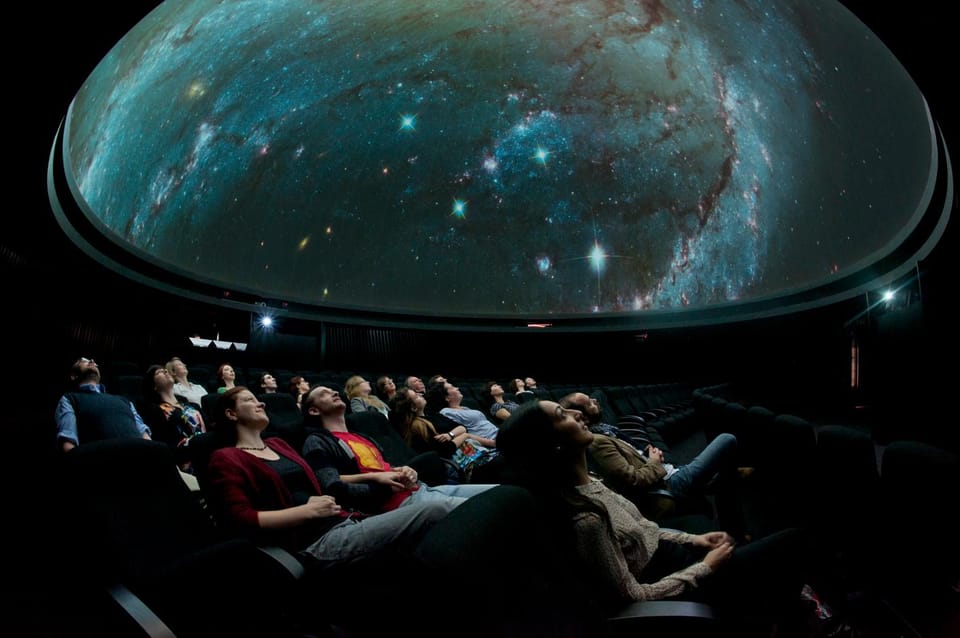
This is a straightforward ticket, and that’s good. You’re not paying for a long museum day or extra galleries. You’re paying for a live planetarium experience inside the Peter Harrison Planetarium, with a Royal Museums Greenwich astronomer presenting what you’ll see in the sky.
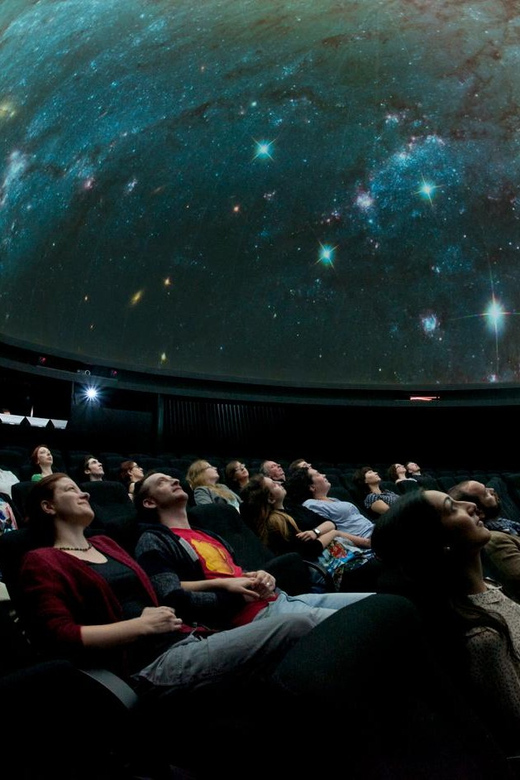
The planetarium itself is a 120-seat venue, so it feels like a real show, not a lecture hall with thousands of seats. You’ll sit inside the dome and get a guided “journey into space,” with a mix of current observations and big-picture storytelling.
What you should know up front: the ticket includes entry to the planetarium and the live planetarium show, plus planetarium special exhibitions. It does not include general entry to the Royal Observatory itself, so if you’re aiming for the Observatory experience beyond the show, you’ll need a separate plan.
You can also read our reviews of more tours and experiences in London



Sky Tonight: the live astronomy that anchors everything
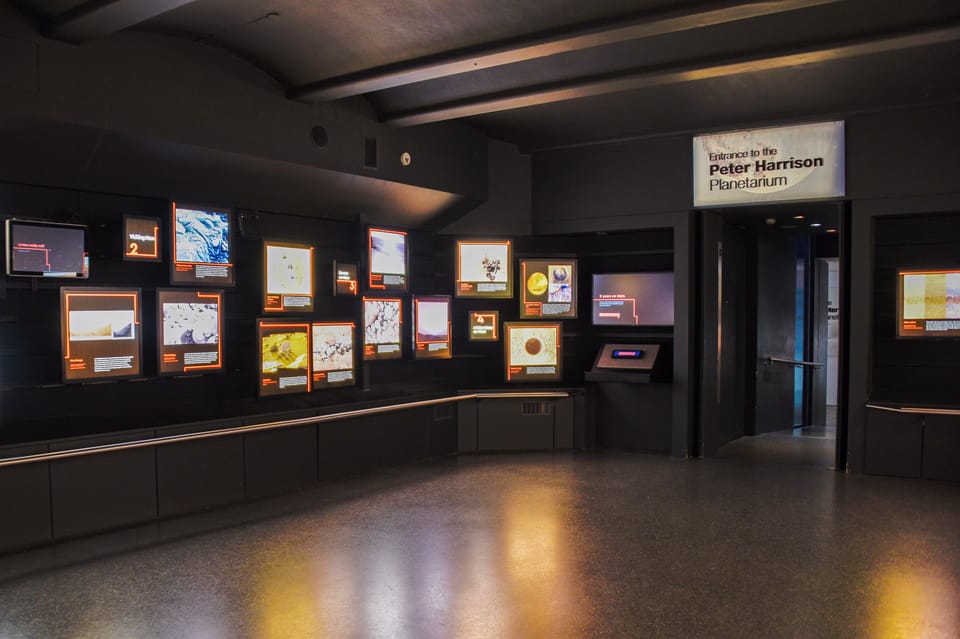
Your show is tied to the day you attend. The core segment is Sky Tonight, which looks at the night sky as it will appear on your specific visit date. That matters more than you might think. Many planetarium experiences feel like a greatest-hits tour of space. This one tries to make the sky feel immediate, like you could walk outside afterward and recognize something.
You’ll also hear about the day’s sky focus in a way that connects the dots: the lives of stars, how they change over time, and the satellites that orbit Earth. It’s not just “here are constellations.” It’s the science of how we know what we know.
And because it’s live, the presenter can pace the show, adjust explanations, and keep the room moving. On more than one occasion, the onstage performance is what makes people rate this so highly. One presenter named Jess was highlighted as exceptional for clarity and energy, so if your schedule lines up with a show featuring her, that’s a bonus.
The science stories you’ll see: from the Sun to star birth
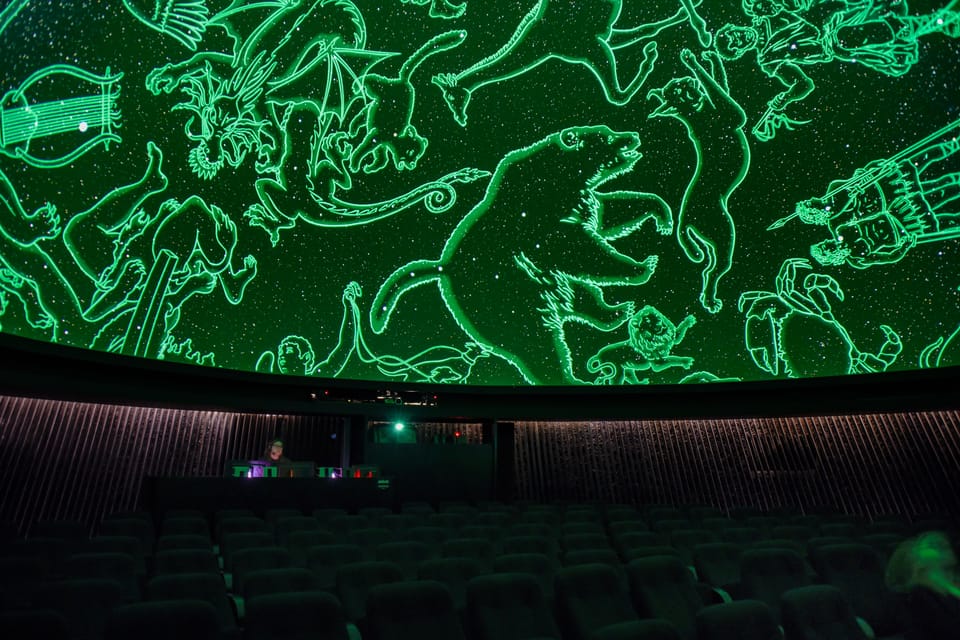
The dome is where the show’s themes come to life. Based on the programming, you’ll follow along with different space “chapters.” The highlights include a few standout themes:
- A flight into the heart of the Sun
- Visits to distant galaxies
- The birth of a star
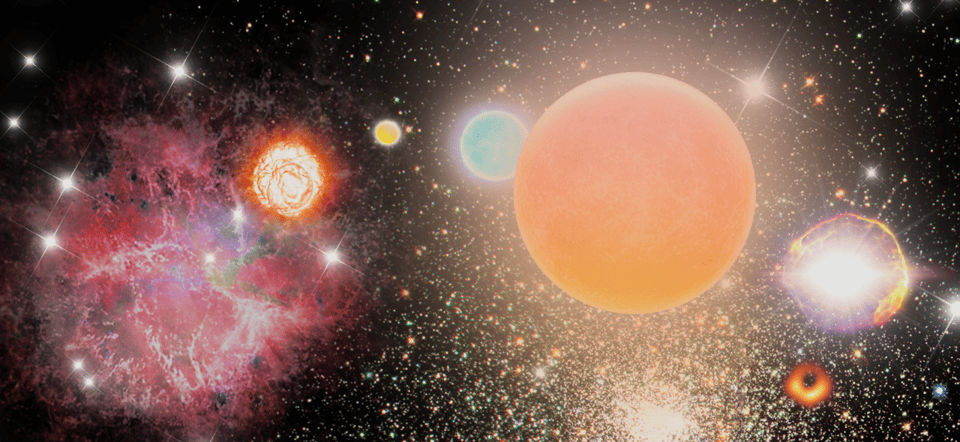
Those are big, dramatic topics, but they’re presented in a way that stays tied to what’s physically happening. The show uses a blend of real visuals and computer-generated sequences so you can understand both the scale and the mechanisms behind the scenes.
We Are Guardians, Audio Universe, Starstruck: mini-adventures inside the show
One reason this ticket gets repeat praise is that it doesn’t feel like one long slideshow. It’s built from different themed segments, each with its own style:
We Are Guardians: satellites with a purpose
In We Are Guardians, you join Earth’s fleet of satellites and explore how they play a role in protecting our planet. For many first-timers, this is the part that makes space feel practical. Satellites aren’t just floating science props; they’re part of how we monitor weather, environment, and Earth systems.
You can also read our reviews of more tours and experiences in London



Audio Universe: space that you can hear
In Audio Universe, the show introduces a sensory twist: you experience the Solar System in a spacecraft setting, and objects in space can be turned into sound. If you’ve never seen astronomy presented through sound, this section can be surprisingly memorable because it gives your brain a second way to process scale and movement.
Starstruck: the lifecycle of a star
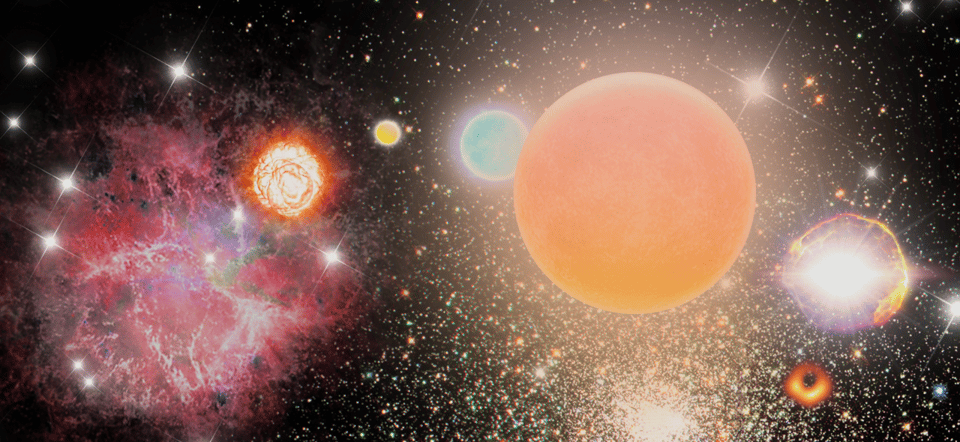
In Starstruck, you get the amazing lifecycle of a star. This is where the show’s “storytelling science” approach really works. Instead of only focusing on what stars look like, you see how they change across time—so constellations become the starting point, not the whole answer.
A key detail: even with different segments, the show experience is cohesive. It flows like a guided journey through space, not separate attractions stapled together.
How the visuals work: real images plus advanced CGI
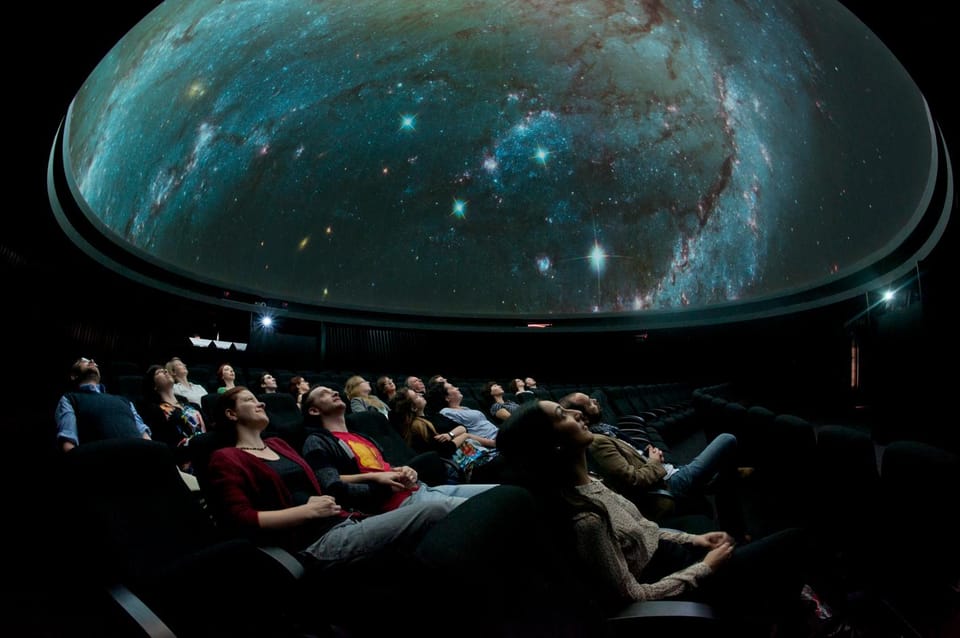
You’ll get both realism and imagination. The show uses real images from spacecraft and telescopes, then layers advanced CGI to show what would be impossible to witness directly.
For me, the best part of that design is how it keeps you from drifting into pure fantasy. When you see genuine imagery, your brain trusts the source. When the CGI takes over, it feels like reconstruction, not random effects. The result is a show that’s fun to watch and still earns its educational moments.
If you’re the type who wants facts without killing the wonder, this format hits the sweet spot.
Where you’ll be: Maritime Greenwich energy and London views
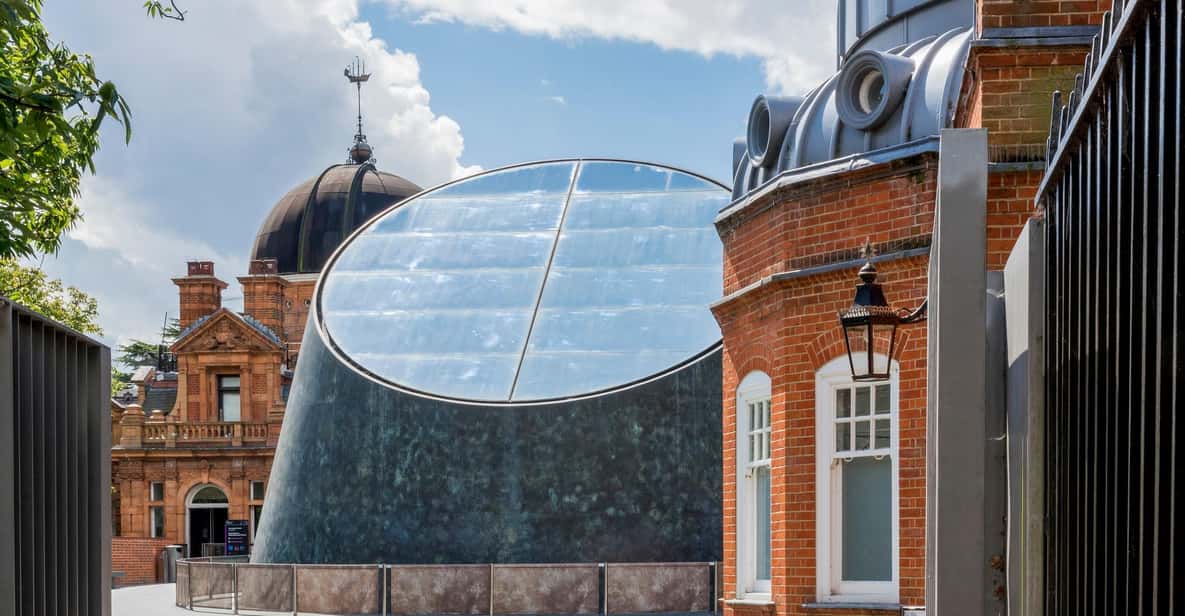
The planetarium is in UNESCO Maritime Greenwich, which already gives you an atmosphere even before the dome lights go down. Greenwich is a part of London that feels purposeful rather than chaotic, and that helps. You’ll likely find it easier to slow down and take in the surroundings before your show.
And yes, there’s a payoff outside the dome. The experience includes time to take in spectacular views of London from the top of one of the city’s biggest green spaces. That matters because it turns the day into a two-part experience: you get the night-sky drama indoors, then you reconnect with the city outdoors.
This is especially good if you plan your visit as a half-day. Do something light nearby, then end with the show, then finish with a view.
Ticket price and value: $16.16 for a live dome show
At about $16.16 per person, this isn’t a budget deal where you feel like you’re buying something tiny. It feels more like a fair price for a live, astronomer-led production in a purpose-built planetarium.
Here’s why it’s good value:
- You’re paying for a live presenter, not just a prerecorded video.
- You get 30 minutes that fit easily into a London itinerary.
- The show includes planetarium special exhibitions, so the ticket isn’t only about the dome moment.
- It’s London’s only operational planetarium, which makes the experience meaningfully “local.”
It’s also a smart price point for couples and solo travelers. Even if you’re not a space superfan, you’re still buying a well-produced educational show and a London view—two things for one ticket.
Timing reality: plan for a clean start (latecomers won’t wait)
This is where I’ll be blunt, because it affects your enjoyment.
The show runs throughout the day Monday–Sunday, and when you book, you’re automatically assigned to a show time based on that day’s programming. That means you shouldn’t treat it like a flexible “swing by anytime” thing.
Most importantly: latecomers and re-entry aren’t permitted once the screening has begun. So if you want a calm arrival, give yourself extra time to get there, use the facilities if you need to, and settle in before the lights dim.
This short runtime is part of the charm, but it also means the show doesn’t stretch to accommodate delays. Plan accordingly.
Who this is best for (and who might prefer something else)
This ticket is ideal if you want:
- A fun first introduction to astronomy that still uses real science
- A show format that mixes awe with explanation
- A compact activity that doesn’t swallow your whole day
It’s also a nice choice for families, but there’s one hard rule: it’s not suitable for children under 7 years. If your kids are older than that, the show themes (stars, satellites, Sun, galaxies, star birth) tend to align well with what many children and teens find exciting.
If you’re an astronomy nerd, you may still appreciate it because the show touches big concepts without turning into a textbook. If you’re simply curious, the blend of Sky Tonight plus the themed segments gives you a lot to talk about afterward.
Practical tips that make your visit smoother
A few small choices can make this feel effortless:
- Aim to arrive early so you don’t stress about being on time. Once it begins, you’re locked in.
- If you wear hearing aids, check that you’ll be able to use the planetarium’s induction loop setup. That’s built in for hearing support.
- If you’re bringing a group, decide beforehand who’s responsible for finding seating. The show is short, so coordination helps.
Accessibility and comfort: built for mobility, with a couple of limitations
The planetarium is wheelchair accessible by lift, and there are four wheelchair spaces available for each planetarium show. When you book, you should select the option that reserves one of those spaces.
There’s also a practical note: mobility scooters may be too large. If that’s your situation, it’s worth planning your transport setup so you’re not stuck at the last step.
FAQ
FAQ
How long is the planetarium show?
The show runs for 30 minutes. Starting times depend on the day’s programming, so check availability when you book.
Who presents the show?
A Royal Observatory astronomer presents the live planetarium show as part of Royal Museums Greenwich programming.
What is included in the ticket?
Your ticket includes entry to the Peter Harrison Planetarium, the live planetarium show, and planetarium special exhibitions.
Is entry to the Royal Observatory included?
No. The ticket includes the planetarium experience, but entry to the Royal Observatory is not included.
What kinds of themes will the show cover?
The show can include Sky Tonight, satellites, and themed segments such as We Are Guardians, Audio Universe, and Starstruck. The highlights include the Sun, distant galaxies, and the birth of a star.
Are latecomers allowed after the show starts?
No. Latecomers and re-entry are not permitted once the screening has begun.
What age is the show suitable for?
It’s not suitable for children under 7 years.
Does the planetarium support hearing aids?
Yes. The planetarium has an induction loop for hearing aids.
Is the venue wheelchair accessible?
Yes. It’s wheelchair accessible by lift, with four wheelchair spaces available per planetarium show. Mobility scooters may be too large.
Should you book this Royal Observatory planetarium ticket?
If you want a clean, focused London experience that mixes real astronomy with movie-level visuals, I’d book it. The value is strong for the price, and the format is ideal if you only have a short window in Greenwich.
I’d especially book it if you like the idea of Sky Tonight, because it ties the show to your visit date, and that makes it feel less generic. And if you’re bringing family, make sure everyone is 7+, plan to arrive early, and you’ll likely leave with plenty to talk about.
If you’re mainly looking for a long, hands-on science day or a full Royal Observatory visit, this ticket alone may not be enough since it doesn’t include Royal Observatory entry. But for a satisfying planetarium show plus Greenwich views, it’s a smart pick.