REVIEW · LONDON
Southwark to Shoreditch Shakespeare Promenade
Book on GetYourGuide →Operated by Lights of London Productions · Bookable on GetYourGuide
Shakespeare walks next to the river. This Southwark to Shoreditch promenade turns London’s landmarks into scenes, with an actor guide who drops in Shakespearian speeches and performance as you move. I especially love the Thames and skyline views plus the way the guide makes theatre history feel immediate, not dusty.
One thing to weigh: it’s 16+ and involves a lot of walking, with no Globe Theatre entry included. If you’re sensitive to crowds, uneven pavement, or long stretches outdoors, plan accordingly.
In This Review
- Key Things to Know Before You Go
- How This Southwark-to-Shoreditch Walk Turns London Into Shakespeare Scenes
- Start at Mansion House: The Garlick Hill Meeting Point and First-Minute Vibes
- From Queenhithe to Southwark Bridge: Thames Views and Old-City Architecture
- Watching the Globe Without Tickets: What the Theatre Sight Stop Actually Gives You
- Millennium Bridge to Blackfriars and the City Sights: A Walk Through Layers of London
- Barbican Centre Break: The 20-Minute Reset You’ll Be Glad You Took
- Bunhill Fields to Shoreditch: Street Art, Theatre Birthplaces, and the End at New Inn Yard
- Who This Tour Fits Best (and Who Might Want Another Plan)
- Price and Value: Is $21.55 a Fair Deal?
- Practical Tips That Make the Walk Way More Enjoyable
- Should You Book This Shakespeare Promenade?
- FAQ
- Where does the tour start?
- How long is the experience?
- How much does it cost?
- Do we visit the Globe Theatre inside?
- Is there a break during the walk?
- How big is the group?
- Is it suitable for kids or teens?
- Can I cancel if my plans change?
- What should I bring?
Key Things to Know Before You Go
- Small group (up to six) keeps it personal and easy to hear the guide.
- Actor guide storytelling + performance happens at key points, not just at the start.
- Globe Theatre sightline only; you won’t be going inside.
- 20-minute rest at the Barbican Centre gives you a breather in the middle of the walk.
- Shoreditch street art and theatre-origin sites close the loop on the Renaissance story.
How This Southwark-to-Shoreditch Walk Turns London Into Shakespeare Scenes
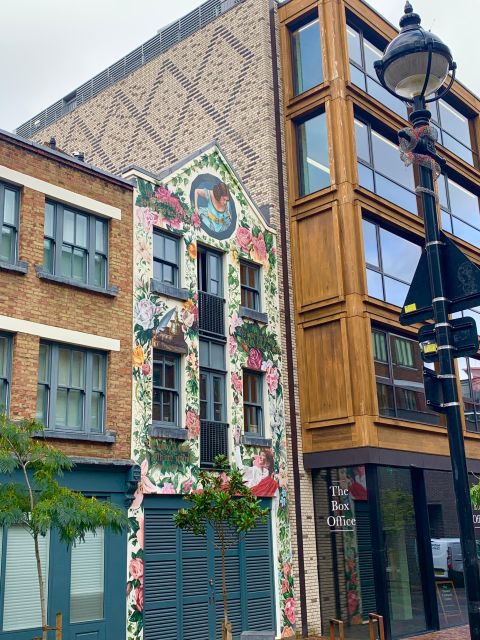
This tour works because it’s not just sightseeing. You’re tracing the working life of Shakespearean theatre from the Globe area back toward its earlier roots, using the city as your map and a performer as your guide.
I like that the storytelling mixes fact, theatre craft, and quoted lines at the places where the ideas make sense. You get the literary side, yes, but you also get the practical side: who worked where, why plays moved, and how London shaped the stage.
And since it’s a river walk followed by City streets and then Shoreditch, the mood changes in a good way. One moment you’re looking across the Thames. Next you’re cutting through modern London’s arts zones and finishing in a part of town that still feels ready for a performance.
You can also read our reviews of more tours and experiences in London.



Start at Mansion House: The Garlick Hill Meeting Point and First-Minute Vibes
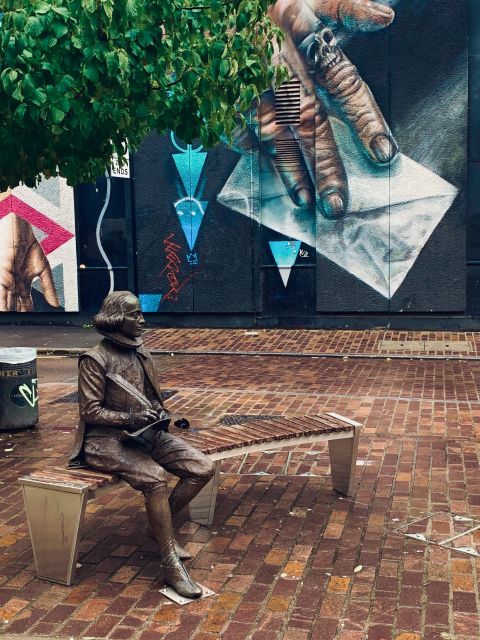
You meet at Mansion House Station, Exit 1 on Garlick Hill. That matters because the tour starts by easing you down toward the river and the older lanes of the city, so you’re not rushing into random landmarks—you’re being guided into the story.
It’s also a small-group setup, which means you’ll likely get moving quickly without long waiting around. The tour length is about two hours of walking, plus a 20-minute break, so arriving on time helps you avoid feeling rushed before the first real stop.
From Queenhithe to Southwark Bridge: Thames Views and Old-City Architecture
After meeting, the route takes you down toward the river via Queenhithe, one of the stepping-stones into London’s older waterfront character. You’ll get a short walk along the river side, and that’s where the experience clicks for most people—because Thames views aren’t abstract when you’re right there under them.
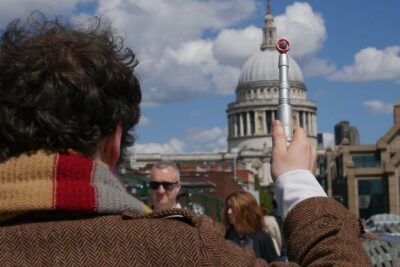
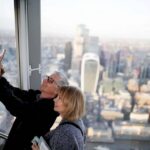
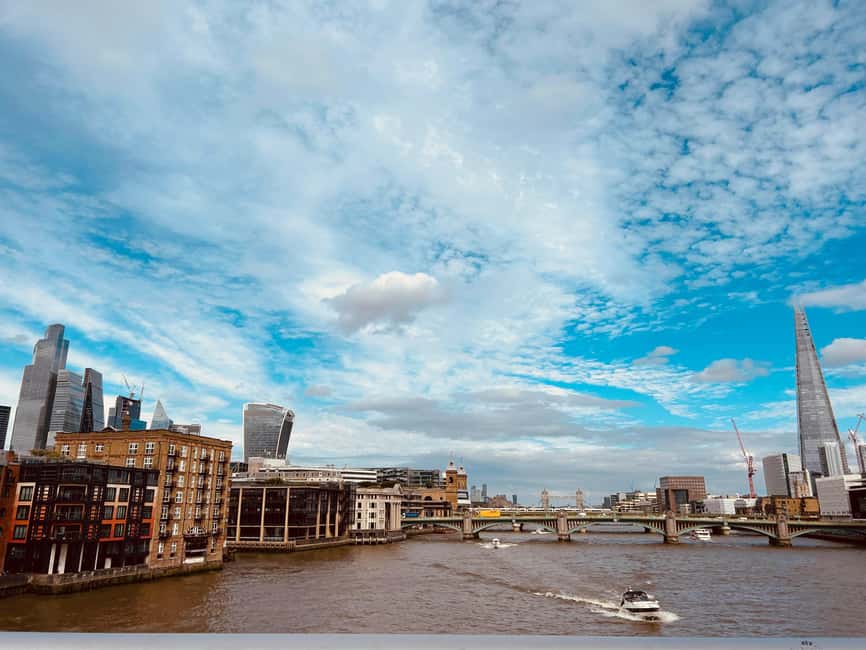
Then comes Southwark Bridge, one of the best positions for skyline photography and for understanding how this part of London sits across from the theatre world. The guide uses the setting for storytelling, so what you see starts to feel connected: the river as a route, the city as a stage, and Southwark as a major part of the theatre ecosystem.
I’d call out the architecture here as a real payoff. Even if you don’t call yourself a history person, the buildings and the scale of the riverfront help you picture how crowds and performers would have moved through this area.
Watching the Globe Without Tickets: What the Theatre Sight Stop Actually Gives You
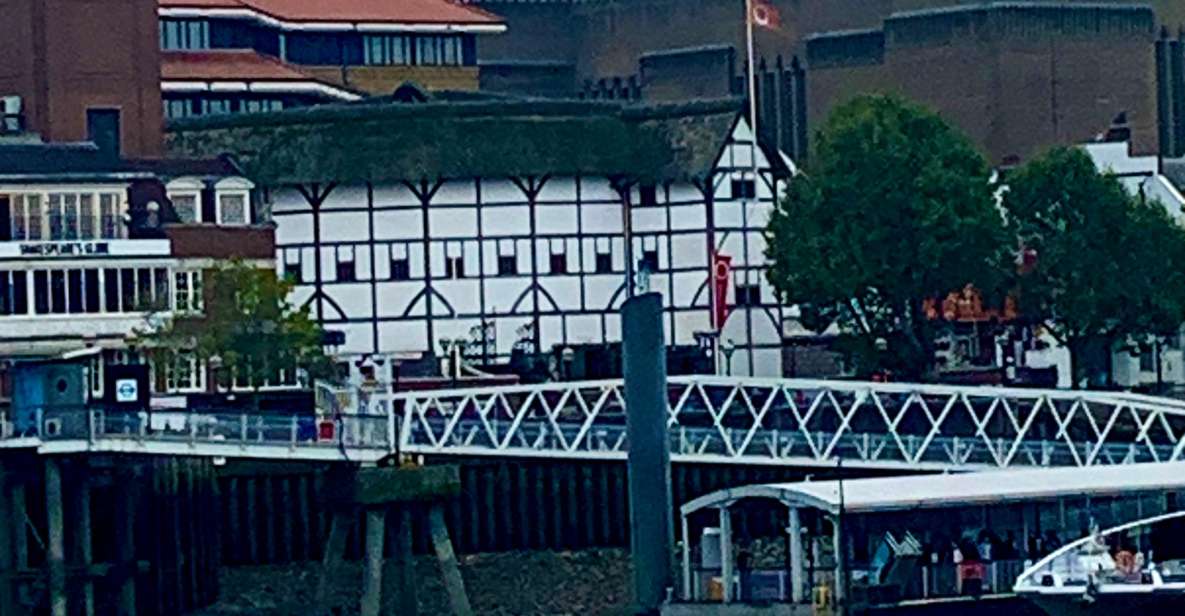
At Shakespeare’s Globe Theatre, you get sightseeing time, but the tour does not include entering the Globe. For many people, that’s the right trade-off. You still get the famous view and the historical framing, while the rest of the day stays focused on walking, performance, and connected spots.
This is also where the actor guide’s timing matters. The tour is built around key points in the Elizabethan and Shakespearian Renaissance story, and the Globe area is treated like a major chapter. You’ll hear Shakespearian quotes and speeches placed so they land where your feet are standing—not floating in the air.
If you’re hoping for a full theatre visit, you’ll need to plan that separately. But if you want the walk to feel like a living play, the setup here makes sense.
Millennium Bridge to Blackfriars and the City Sights: A Walk Through Layers of London
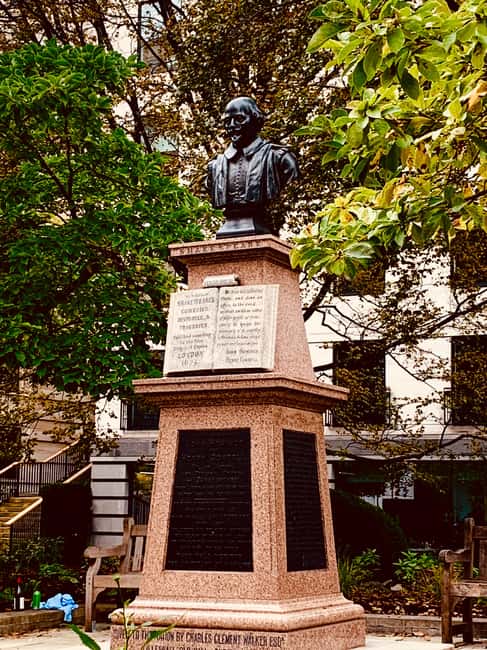
Crossing the Millennium Bridge shifts you back toward the City side. It’s a quick change, but it feels like moving between two versions of London: the iconic river panorama and then the denser, more structured urban streets.
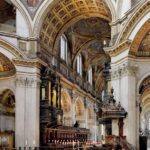
From there, the tour moves through stops that help connect theatre life to the wider city world—Blackfriars, then St Paul’s Cathedral area sightseeing, then Guildhall and London Wall viewpoints. Even without going inside big attractions, you’re gaining context for how the theatre fit into everyday life, power structures, and city identity.
This is where I’d be honest: some parts are sight-focused rather than quote-and-performance heavy. But for theatre lovers, those stops still matter because they anchor the story. For everyone else, they break up the river views with dramatic landmarks and strong sightlines.
Also, the pace here helps you understand scale. You start to feel how far London theatre people could plausibly travel and how the city itself shaped audience movement.



Barbican Centre Break: The 20-Minute Reset You’ll Be Glad You Took
The tour includes a 20-minute rest and refreshment break at the Barbican Centre. This is a practical win. After hours of moving and listening, you get a moment to catch your breath, check your photos, and regroup.
It’s also a thematic stop. The Barbican estate is a different visual language from the river and older city streets, and it gives the tour a modern arts counterpoint. If you’ve ever wanted to see how London carries arts energy into new architectural forms, this is one of the best quick stops on the route.
A small note: food and drink aren’t included, so treat this as time to grab what you need on your own. If weather is wet or windy, this break can also be your plan for dodging the worst of it.
Bunhill Fields to Shoreditch: Street Art, Theatre Birthplaces, and the End at New Inn Yard
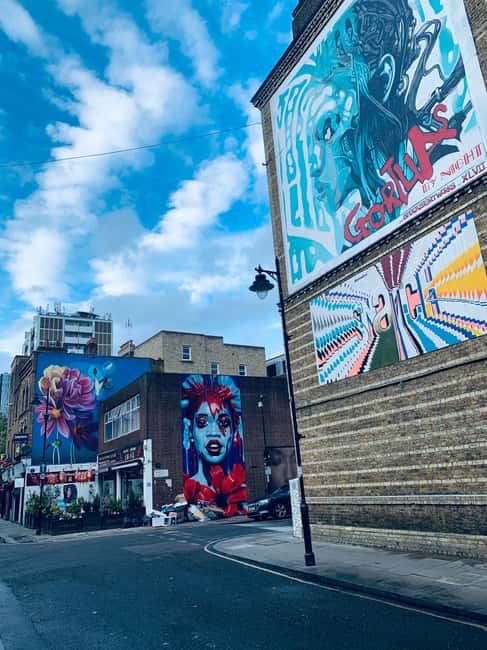
After the Barbican, the route shifts toward Bunhill Fields, then into Shoreditch for the final stretch. This is where the tour leans into the contemporary London feel: street art, lively lanes, and the sense that the city is still in dialogue with creative work.
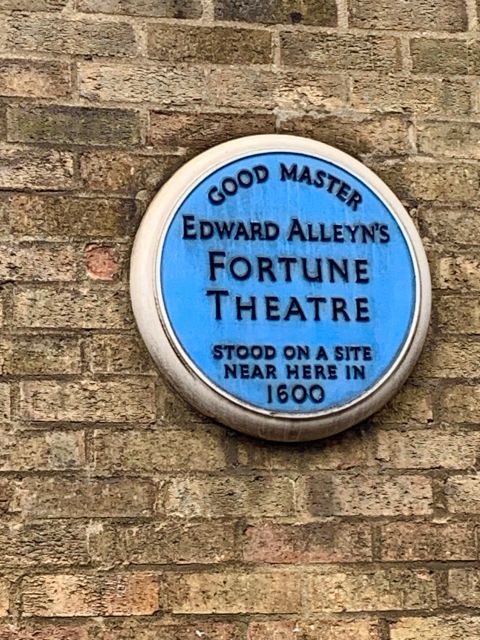
The ending matters to theatre buffs. You finish near New Inn Yard, and the route points you toward foundational sites connected with the first playhouses, including The Curtain and the The Theatre. That’s a strong way to close the loop: you start with famous Globe imagery, then work backward to earlier stage origins.
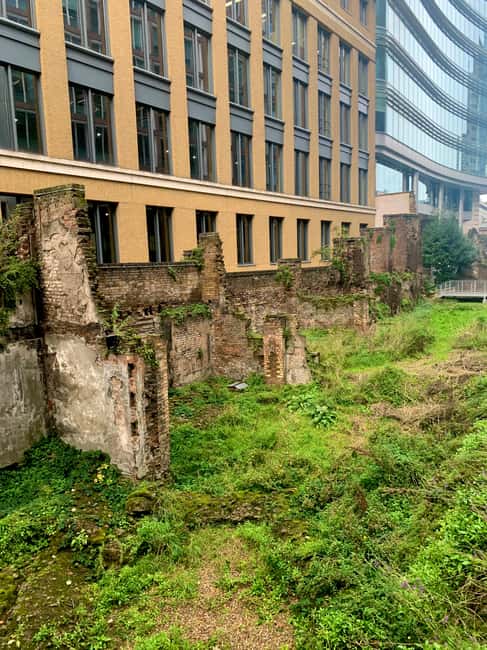
I really like how Shoreditch lands as a finale. The area’s walls and streets look like they’re constantly telling stories, so the Shakespeare theme doesn’t feel like it stops at the river.
Who This Tour Fits Best (and Who Might Want Another Plan)
This one is designed for people 16+. It’s not suitable for children under 16, and it’s also not a match for wheelchair users or people with mobility impairments. It’s also not suitable for visitors with visual or hearing impairments listed in the activity details.
If you can handle a city walk with uneven surfaces and weather exposure, you’ll probably love it. The group is limited to six, which helps with comfort and hearing the actor guide clearly.
Best fit:
- Theatre lovers who enjoy quotes, performance, and place-based storytelling
- People who like walking tours but want more than facts on a sign
- Anyone curious about how Renaissance theatre grew out of specific London neighbourhoods
Less ideal if:
- You want a guaranteed indoor tour
- You need frequent long seated breaks
- You’re expecting Globe Theatre entry (it’s not included)
Price and Value: Is $21.55 a Fair Deal?
At $21.55 per person, this tour is priced like a small-group walking experience. Where the value comes from is the combination: you’re paying for an experienced actor guide plus real performance and storytelling at multiple stops.
You also get Thames views, skyline perspectives, and a connected set of landmarks that would take a lot longer to piece together on your own. And because the group stays small, you’re not stuck listening over a crowd.
The trade-offs are clear:
- Globe Theatre entry isn’t included
- Food and drink aren’t included
But if you plan to treat this as a guided, narrative walk through iconic areas, the cost feels fair. It’s a good option when you want theatre vibes without buying multiple attraction tickets.
Practical Tips That Make the Walk Way More Enjoyable
A few details can make or break a walking tour like this.
Bring comfortable clothes and shoes you trust on sidewalks. Add water, and pack rain gear even if the forecast looks calm. The tour is outdoors for long stretches, and the total time is about two hours of walking plus a 20-minute break.
Arrive a few minutes early at Mansion House Station’s Garlick Hill exit. In small-group tours, starting cleanly makes the whole thing better.
Finally, if you’re photographing, keep your camera ready during river and skyline sections. Those are the moments when the guide’s story often aligns with what you’re looking at.
Should You Book This Shakespeare Promenade?
Yes, if you want Shakespeare-adjacent London that feels like a story in motion. The biggest strength is the actor guide performance layered onto real landmarks—plus the satisfying arc from Southwark river views to Shoreditch theatre origins.
Book it especially if you like tours that explain how people lived and worked, not just what buildings look like. If you’re expecting the Globe as a fully ticketed visit or you need step-free, seated, or low-walking arrangements, then look for a different option.
FAQ
Where does the tour start?
The tour starts at Mansion House Station, Exit 1 on Garlick Hill, where the guide will be waiting.
How long is the experience?
Plan on about 2 hours, plus a 20-minute break. Walking time can vary based on pace.
How much does it cost?
The price is listed as $21.55 per person. You can check availability for the available starting times.
Do we visit the Globe Theatre inside?
No. The Globe Theatre stop is for sightseeing only, and a visit to the Globe is not included.
Is there a break during the walk?
Yes. There’s a 20-minute rest and refreshment break at the Barbican Arts Centre.
How big is the group?
Groups are small and limited to up to six participants.
Is it suitable for kids or teens?
It’s not suitable for children under 16. The age suitability is 16+.
Can I cancel if my plans change?
You can cancel up to 24 hours in advance for a full refund.
What should I bring?
Bring comfortable clothes, water, and weather-appropriate clothing, including rain gear if needed.
If you want, tell me your travel dates and your walking comfort level. I can suggest a smart time to start (and what to wear) based on typical London weather patterns.