REVIEW · LONDON
Iconic London Running Tour
Book on GetYourGuide →Operated by Urban Stride · Bookable on GetYourGuide
London moves fast, but this tour keeps it friendly. You cover a 10-kilometer loop of big-ticket sights at a pace you control, with time for photos and short pauses. And yes, it’s a real workout, just not a punishment.
I especially like the way the guide sets the rhythm with you, whether you’re a steady jogger or just trying to get your legs moving. I also like that you don’t just glance at icons—you pass Trafalgar Square, Big Ben and the Houses of Parliament, Buckingham Palace, Hyde Park, and more in one connected route, so the city starts to make geographic sense.
One thing to consider: this is not designed for low fitness levels or for anyone who needs wheelchair access, and it’s also not suitable for pregnant travelers or people with heart problems. If you’re unsure, be honest about your limits before you book.
In This Review
- Key tour highlights to know before you go
- The value of doing London on foot, at running speed
- Who should pick this tour?
- Starting at Trafalgar Square: the quickest way to get your bearings
- Whitehall to Horse Guards Parade: big politics, close in
- What to watch for while you run
- Buckingham Palace and Green Park: the royal corridor effect
- Wellington Arch to Hyde Park: switching gears from photos to flow
- Italian Gardens and the Albert Memorial: beauty that doesn’t take forever
- St James’s Park photo stop: the calm between the big hitters
- Houses of Parliament (and Big Ben) pass-by: your grand finale moment
- Getting the pacing right: what makes this tour feel safe
- Training level reality check
- Price, digital photos, and why the $47 feels fair
- What the route teaches you about London (without turning it into a lecture)
- Logistics and comfort tips that actually matter
- Should you book the Iconic London Running Tour?
- FAQ
- Where is the meeting point for the London running tour?
- How long is the tour?
- How far do you run?
- Is the pace set by the guide?
- Are digital photos included?
- What landmarks are included along the route?
- Is the tour suitable for wheelchair users?
- What should I do about bags or personal items?
- What is the cancellation window?
Key tour highlights to know before you go
- Your pace, your stops: you help set the tempo and get time to take pictures.
- Icon-route in one go: Trafalgar Square to Parliament via Whitehall, St James’s Park, and Hyde Park.
- Alan’s style is a big reason people love this: pre-tour outreach and thoughtful pacing.
- Photo package included: you get digital photos after the run.
- Small, private-group feel: focused attention from a local guide on an energetic loop.
- Built for motion, not bag hauling: plan to travel light since there’s no storage for personal items.
The value of doing London on foot, at running speed
A sightseeing tour can be slow in the wrong way—long waits, too much standing, and not enough time to actually notice details. A running tour flips that. You get movement, fresh air, and a route that strings London’s landmarks together in a way your brain can hold onto.
This one is priced at $47 per person for a 90-minute small-group experience (with a local guide). On paper, that can look like a “just do it” add-on. In practice, it’s a good value because you get three things many tours charge extra for: a real route length (a 10K run), guided context, and digital photos. If you want London to feel active—not like a checklist—this hits the sweet spot.
You can also read our reviews of more tours and experiences in London.



Who should pick this tour?
You’ll likely enjoy it if you:
- Want an early-morning-style plan without spending the day on buses
- Like learning while you move, not while you stand still
- Prefer a guided run that adapts instead of leaving you behind
And you should probably skip it if you:
- Are dealing with heart conditions, are pregnant, or need wheelchair access
- Know you struggle with sustained walking, let alone jogging
- Have to bring lots of personal items with you (there’s no storage mentioned)
Also, the experience is in English, so if that’s your comfort zone, you’re set.
Starting at Trafalgar Square: the quickest way to get your bearings
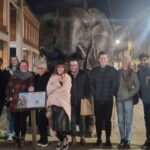
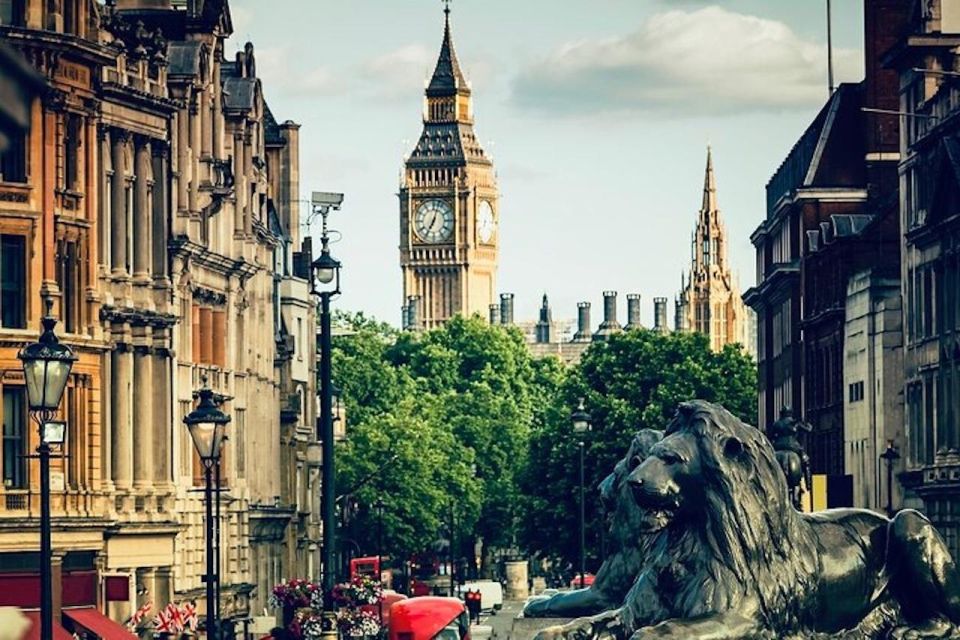
The tour begins at Trafalgar Square, meeting next to one of the lions at the base of Nelson’s Column. It’s a smart start point because the square is a literal crossroads of central London energy—easy to orient from, and perfect for kick-starting your route map.
The timing matters too. Your guide is there about five minutes before the scheduled start time, which helps you avoid the usual “stand around and guess” feeling. And since the run is about 1.5 hours total, that opening stretch sets the tone for the entire loop: you’ll transition from city spectacle to a steady rhythm quickly.
Practical note: since there’s no place to store bags and personal items, I’d keep what you bring to a minimum. Think: phone, essentials, maybe a light layer, and that’s it. You’ll feel better when your hands are free and your pockets aren’t doing a strange balancing act.
Whitehall to Horse Guards Parade: big politics, close in
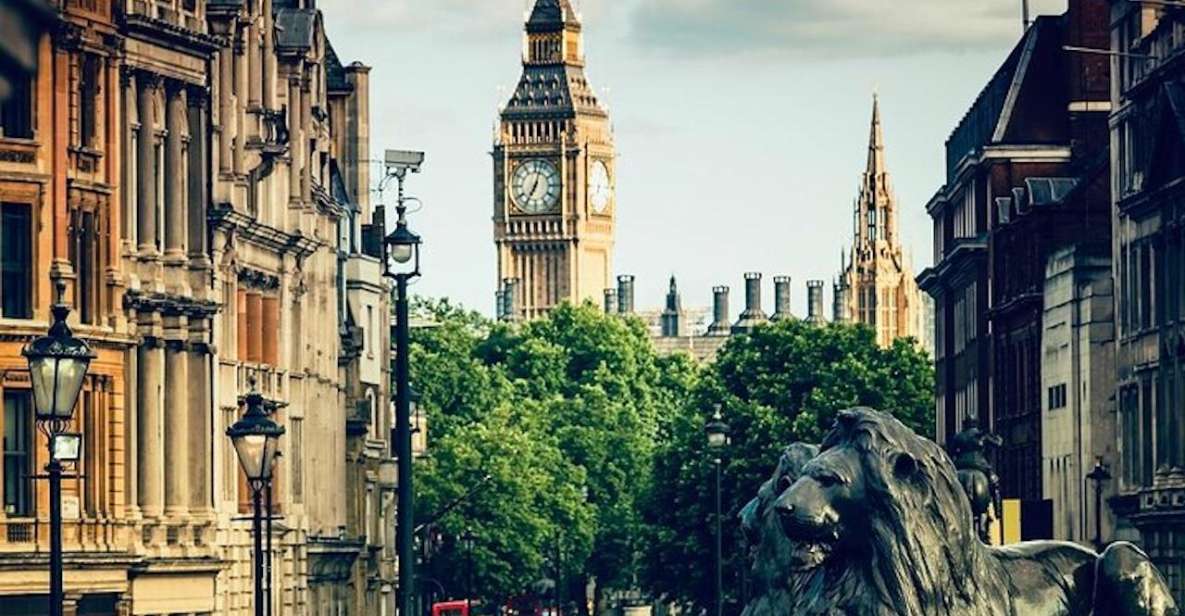
From Trafalgar Square you move toward Horse Guards Parade at Whitehall. This stretch is one of those London experiences where you don’t just see a landmark—you see the setting. Government buildings and official spaces have scale. Running past them gives you that “oh, this is really designed to be seen” feeling.
One underrated part of this route is the variety of sight lines. You’re not stuck staring at the same direction all the time. The loop structure helps you notice how London organizes its monumental buildings—wide approaches, open squares, and sight corridors.
What to watch for while you run
- Use the photo-stop windows well. If you’re chasing good pictures, remember that crowds and lighting can shift fast.
- Keep your breathing steady. You’re setting up the whole 10K, not sprinting for bragging rights.

Buckingham Palace and Green Park: the royal corridor effect
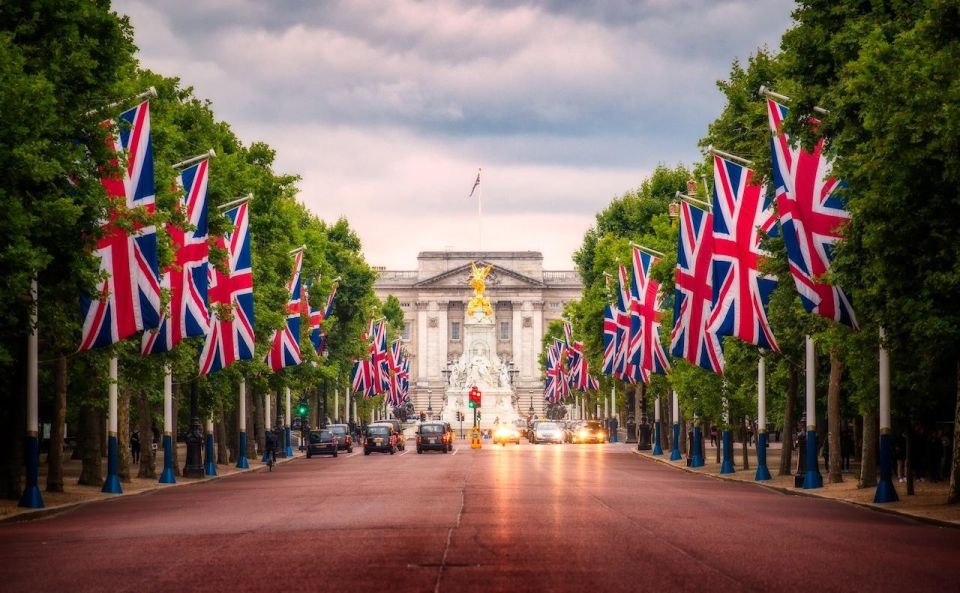
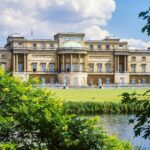
The tour includes a stop opportunity at Buckingham Palace (photo stop and pass by). Even if you’ve seen palace photos before, there’s a difference when you’re there at running pace. The scale hits harder. And passing nearby Green Park adds a contrast: landmark stone on one side, open greenery on the other.
Green Park is especially helpful in a running itinerary because it can feel like a visual breath. The park space breaks up the “monument after monument” cycle. You’re still in the center of it all, but your eyes get a rest.
If you care about photos, you’ll appreciate that the tour isn’t just “run and go.” It’s described as having time for stops and pictures, and guides tend to work photo timing into the rhythm so you’re not always snapping shots while moving at full speed.
Wellington Arch to Hyde Park: switching gears from photos to flow
Next comes Wellington Arch, then you head into Hyde Park. This is a great part of the itinerary for anyone who wants the workout without losing the sightseeing.
Wellington Arch gives you a quick “wow” moment—another grand focal point that feels like part of London’s formal design language. Then Hyde Park arrives like a reset button. You get open paths and room to settle into a pace that actually feels sustainable for a 10K loop.
Hyde Park also helps explain why a running tour can be better than a walking tour for some people. You’re not stuck moving at slow speed that makes everything feel crowded. Instead, your body finds a rhythm, and your brain catches details along the edges—statues, paths, and park landmarks you’d probably walk past on a standard schedule.
Italian Gardens and the Albert Memorial: beauty that doesn’t take forever
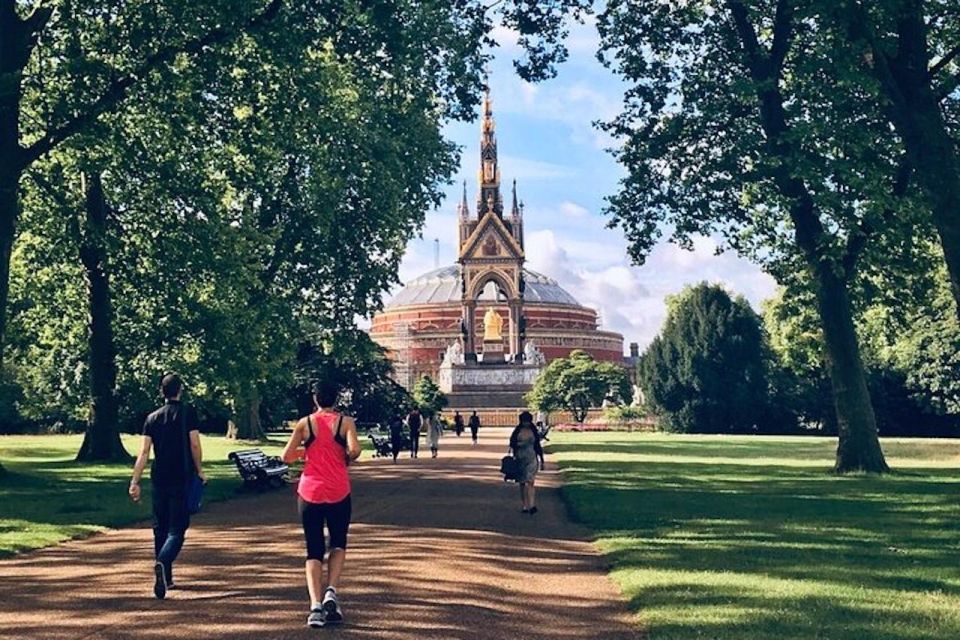
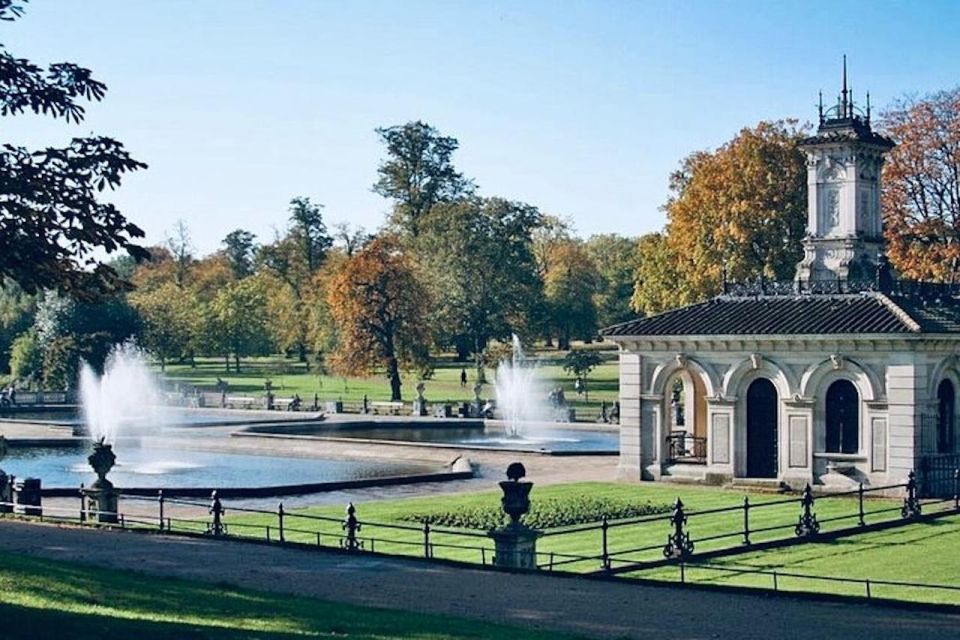
The route includes the Italian Gardens, then continues to the Albert Memorial.
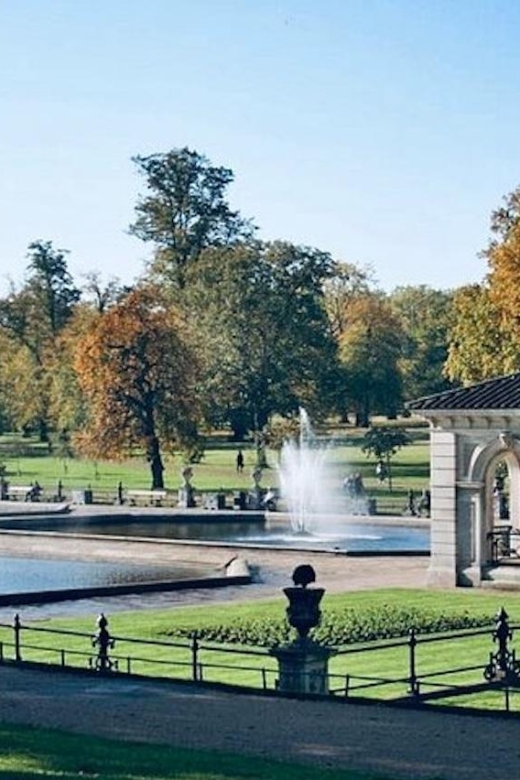
This is a great mid-tour pairing because it gives you both atmosphere and a sense of place. Gardens add texture—colors, shapes, and an almost “pause here for a second” vibe. And then the Albert Memorial offers a monument-style moment that feels like the tour is actually teaching you how London layers its eras.
This section is also where the pacing plan pays off. The experience is described as adapted to your comfort level, and the pace is set by you. That matters because if you can’t handle hill climbs or sustained jogging, you don’t want a guide who pretends it’s all the same for everyone.
From the guide conversations in the tour feedback, the most praised moments often involve someone like Alan adjusting to runners’ needs and keeping things comfortable without turning the tour into a slow shuffle.
St James’s Park photo stop: the calm between the big hitters
After the more sculpted, monumental feel of the central route, St James’s Park arrives as a calmer visual stretch. The itinerary includes a photo stop here.
This is a strong choice because it’s one of those places where the scene supports both photos and breathing room. You can grab a few pictures, catch your rhythm again, and then prepare for the last iconic segment—parliamentary London.
And there’s a practical benefit: St James’s Park sits at the right place in the loop to break up your energy. If you’re the kind of person who needs a “second wind,” parks and open views help.
Houses of Parliament (and Big Ben) pass-by: your grand finale moment
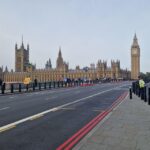
The tour passes the Houses of Parliament and includes photo stops around this area. This is the part most people are thinking about when they picture London—stone, history, and the feeling of being right up against a national stage.
The key here is how the tour frames it. Instead of treating the site like a static museum stop, the run keeps you moving while the guide helps connect the landmarks to each other. That’s how you start building a mental map: Trafalgar Square connects to Whitehall, which connects to royal spaces, which then connects to Parliament through parks and corridors.
One more reason this finale feels satisfying: by the time you’re here, you’ve already been “collecting” landmarks for about 60 minutes. So the Parliament area doesn’t feel sudden—it feels like the last chapter you’ve been walking toward.
Getting the pacing right: what makes this tour feel safe
This tour is built around the idea that you choose your pace. It’s described as adapted for seasoned runners and casual joggers, with the reassurance that no one should feel rushed or left behind.
That’s not just a nice sentiment. For a running tour, pacing is the difference between:
- A fun workout you’d want to repeat, and
- A stressful effort where you’re too out of breath to enjoy anything
In the tour feedback, Alan gets named again and again for communication and care—reaching out in advance to understand pacing, keeping conversation going while moving, and making sure people felt safe. I like that approach because it means the tour isn’t one-size-fits-all.
Training level reality check
If you’re comfortable with a steady jog, you’ll likely enjoy the “fun first, workout second” balance. If you’re a beginner, you may still enjoy it as a brisk run/walk blend—assuming you’re honest about comfort from the start.
And if the route length matters to you: it’s described as an enjoyable 10-kilometer run. Some feedback notes a loop distance close to 6.5 miles, which fits the same general idea. Either way, plan your expectations around a real but doable aerobic effort.
Price, digital photos, and why the $47 feels fair
Let’s talk money like an adult. $47 is a lot or a little depending on what you compare it to. If you compare it to a bus ride, it sounds pricey. If you compare it to a guided walking tour plus extra services, it gets easier to justify.
Here’s why it feels fair:
- You’re paying for a guided route, not just access to landmarks
- You get digital photos, which can save you time and effort hunting your own shots
- You cover a meaningful distance (10K) in about 1.5 hours, so the “time cost” is low
And the photos matter because you’re actively moving. Taking good pictures while jogging is hard. A guide-led approach makes it more likely you’ll capture the classic views without sacrificing your pace.
What the route teaches you about London (without turning it into a lecture)
London can feel like a puzzle at first. Streets seem similar. Landmarks show up like special effects. This itinerary helps you see the city as a connected system.
You start with Trafalgar Square—big central point. Then you move into Whitehall and official spaces. You pass Buckingham Palace and get the royal corridor context. You transition into parks—Green Park, Hyde Park, Italian Gardens, St James’s Park—which gives you a sense of how London uses green space as a planning tool, not just decoration. Finally you reach Wellington Arch and the Albert Memorial, which add monument scale. Then it all snaps together at Houses of Parliament.
That’s what makes this tour useful even if you’ve seen London pictures before. It’s not only sightseeing. It’s understanding the layout—fast.
Logistics and comfort tips that actually matter
This kind of tour can be great, but details can make or break it. Here’s what you should plan for based on what’s stated:
- Bring as few personal items as possible because there’s no place to store bags
- Wear running shoes. This is a run, not a stroll
- Dress for weather you can handle during outdoor movement
- If you have limitations (pregnancy, heart problems, wheelchair needs, low fitness), this isn’t for you
Also, because the guide is meeting at Nelson’s Column by one of the lions, it helps to arrive a bit early so you don’t waste the first minutes searching for the right person.
Should you book the Iconic London Running Tour?
I think this is a smart booking if you want a London experience that combines landmark access + a real workout + guided context in about 90 minutes. The price is reasonable when you factor in the guided run, the pacing support, and the included digital photos.
Book it if:
- You’re comfortable jogging or can run/walk for a 10K
- You like structured movement with stops for pictures
- You want to learn as you go, not just watch from a seat
Skip it if:
- Your fitness level is low enough that even light jogging feels like a struggle
- You need wheelchair access
- You’re pregnant or have heart-related concerns
If you match the tour’s fitness and mobility requirements, this is one of those London activities that feels efficient and memorable. You finish with your legs worked, your phone filled with shots, and a better mental map of the city than you’d get from another half-day of staring out a window.
FAQ
Where is the meeting point for the London running tour?
You meet next to one of the lions at the base of Nelson’s Column. The guide will be there about 5 minutes before the scheduled start time.
How long is the tour?
The tour lasts about 1.5 hours.
How far do you run?
The experience is described as a 10-kilometer run.
Is the pace set by the guide?
The pace is set by you, and the guide adapts the tour to your comfort level. There should be time for stops and pictures.
Are digital photos included?
Yes. Digital photos are included as part of the tour.
What landmarks are included along the route?
The route passes or includes stops around Trafalgar Square, Horse Guards Parade, Buckingham Palace, Green Park, Wellington Arch, Hyde Park, the Italian Gardens, Albert Memorial, St James’s Park, and the Houses of Parliament.
Is the tour suitable for wheelchair users?
No. It is not suitable for wheelchair users.
What should I do about bags or personal items?
You should bring as few personal items as possible because there is no place to store bags and other personal items.
What is the cancellation window?
You can cancel up to 24 hours in advance for a full refund.