Underground London has layers most people never see. This Hidden London tour takes you under Piccadilly Circus for disused tunnels and off-limits spaces long closed to the public. I love the fact that the tour is built from archive material and guided by experts from the London Transport Museum. I also love that it turns a famous station into a real story about engineering, wartime life, and design choices you can still spot with your own eyes.
You’ll start at the Edwardian station’s world—Piccadilly Circus opened in 1906 and was later modernised in the 1920s to cope with growing crowds. Expect behind-the-scenes access through secret doors and passageways, plus wartime shelter stories from people who used the Underground when London needed protection. That mix of architecture and human stories is what makes this tour click.
One thing to consider: this is a walk-heavy, stair-filled tour with low lighting and uneven ground, and it is not step free. If you’re prone to claustrophobia, you should treat this as a clear no.
In This Review
- Key things to know before you go
- Piccadilly Circus Station’s “normal” look, plus secret layers
- Where you meet (and why Exit 4 matters)
- What the 75 minutes feels like on your feet
- Edwardian design features you’ll actually notice
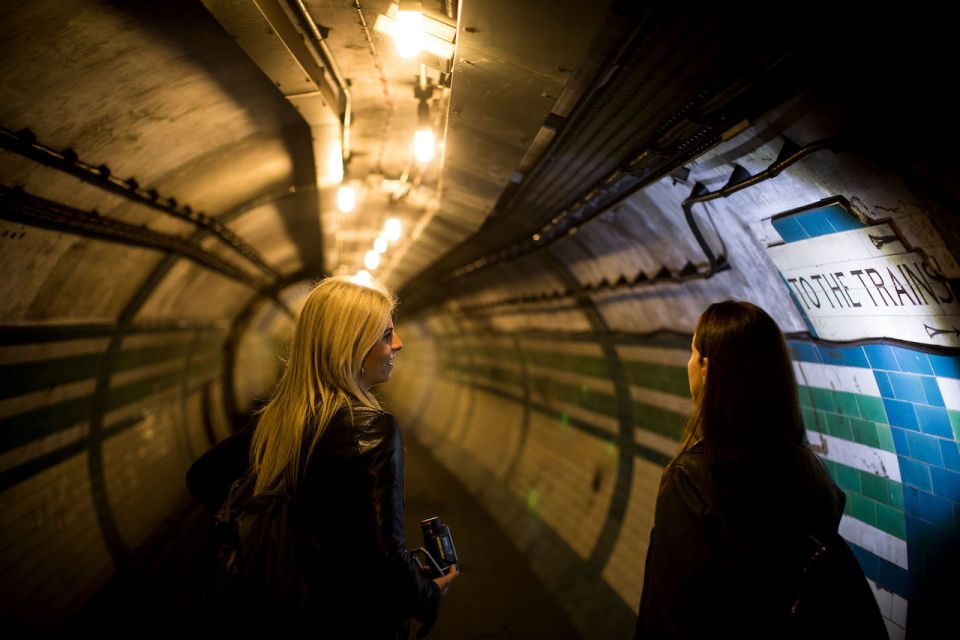
- Disused passenger tunnels closed since 1929
- Wartime sheltering stories under Piccadilly Circus
- Secret storage and the station as a system, not a set
- The guide makes or breaks it (and here, it’s a strong point)
- Value check: is $60.61 worth 75 minutes?
- Who should book this Hidden Tube Tour?
- Final call: should you book it?
- FAQ
- How long is the Hidden Tube Tour – Piccadilly Circus?
- Where do I meet the guide?
- Where does the tour end?
- What’s included in the ticket price?
- Do I need ID?
- What should I wear?
- Is the tour suitable for people with claustrophobia or mobility impairments?
- Is food or luggage allowed?
Key things to know before you go
- Start at Exit 4: the meeting point is the bottom of the stairs at Exit 4 of Piccadilly Circus Underground
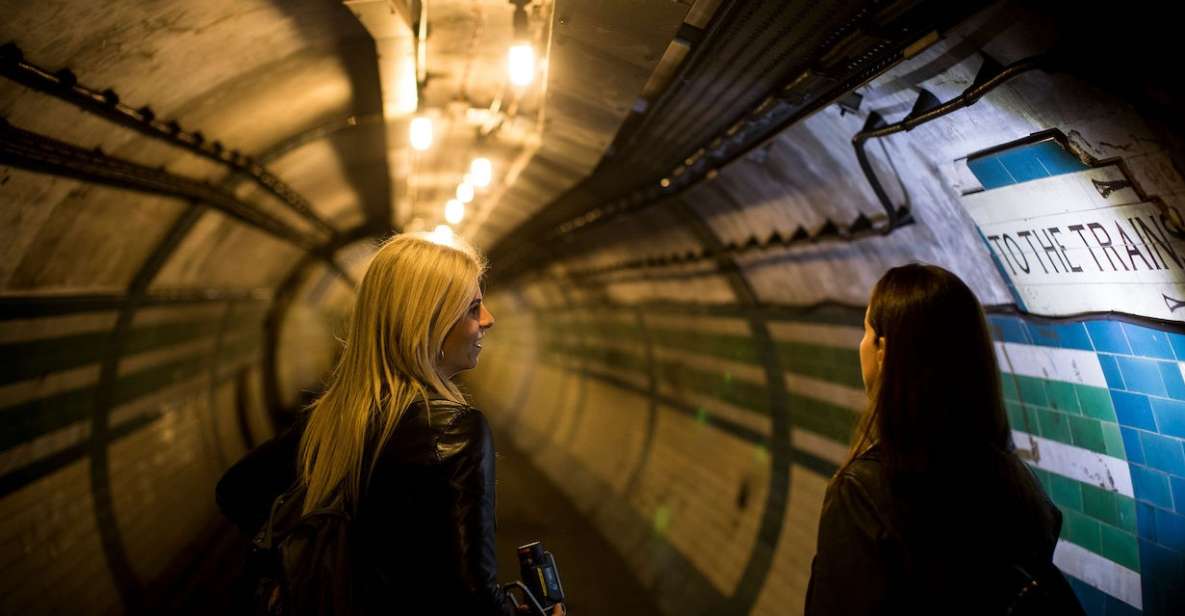
- Closed since 1929: you’ll see disused passenger tunnels and areas that have been off-limits to the public for decades
- Edwardian design details: the guide points out original 1906 features you won’t spot on a normal platform visit
- Wartime shelter stories: you’ll hear what the station meant for Londoners during the war
- Expert-written tour content: historical experts from London Transport Museum shape what you learn and see
- All in 75 minutes: short enough to fit a day, but still a real walking tour with stairs
Piccadilly Circus Station’s “normal” look, plus secret layers
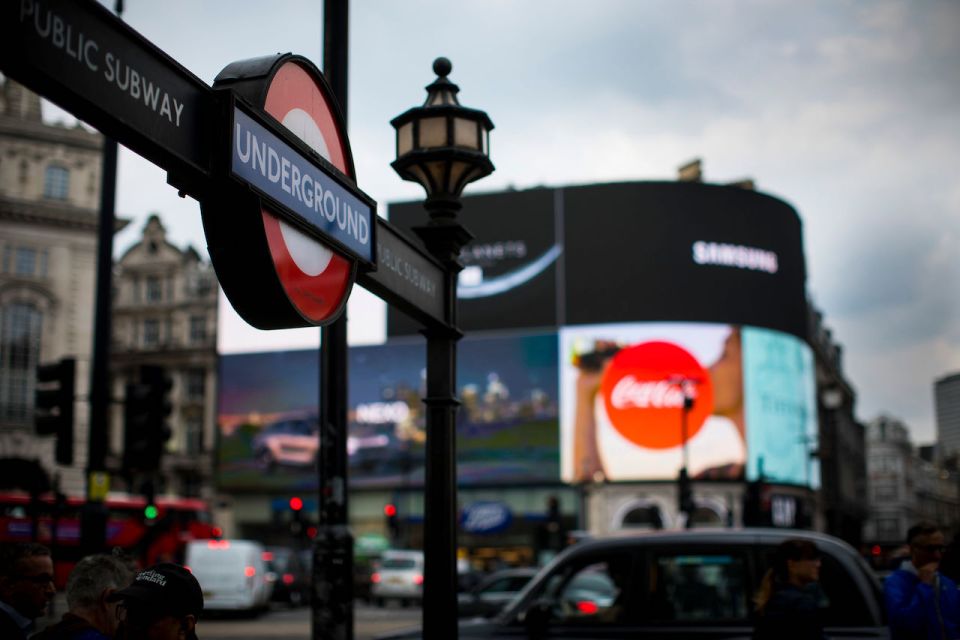
Piccadilly Circus Station is famous above ground, and it’s famous on maps. What most people miss is what sits beneath that bustle: the original Edwardian station under the modern station you ride today. This tour is built around that contrast—old London engineering still visible, but mostly hidden behind doors and walls the public don’t normally access.
I like how the tour frames Piccadilly Circus Station as an evolving system. It opened in 1906 serving the Bakerloo and Piccadilly lines, then was extensively modernised between 1925 and 1928 to handle heavier passenger demand. That timeline matters because it helps you understand why certain spaces exist—and why some were later closed.
The best part is that the tour doesn’t just point at history from a distance. You’re led into passageways, lift-shaft areas, and disused routes connected to the station’s earlier design. It turns a stop on your Tube route into a place with backstage access.
You can also read our reviews of more tours and experiences in London.



Where you meet (and why Exit 4 matters)
You’ll meet at the bottom of the stairs of Exit 4 at Piccadilly Circus Underground. Exit 4 is at the corner of Shaftesbury Avenue and Coventry Street, next to the Criterion Restaurant.
Then you’ll end back at the same meeting point. That matters for planning because you’re not left wandering across the West End afterward. In practice, you can line up a dinner or a show nearby without having to guess how far you’ll walk after the tour.
The station area is busy, so I’d give yourself a few extra minutes. Low lighting inside and a lot of stair travel makes it worth arriving calm, not rushed.
What the 75 minutes feels like on your feet
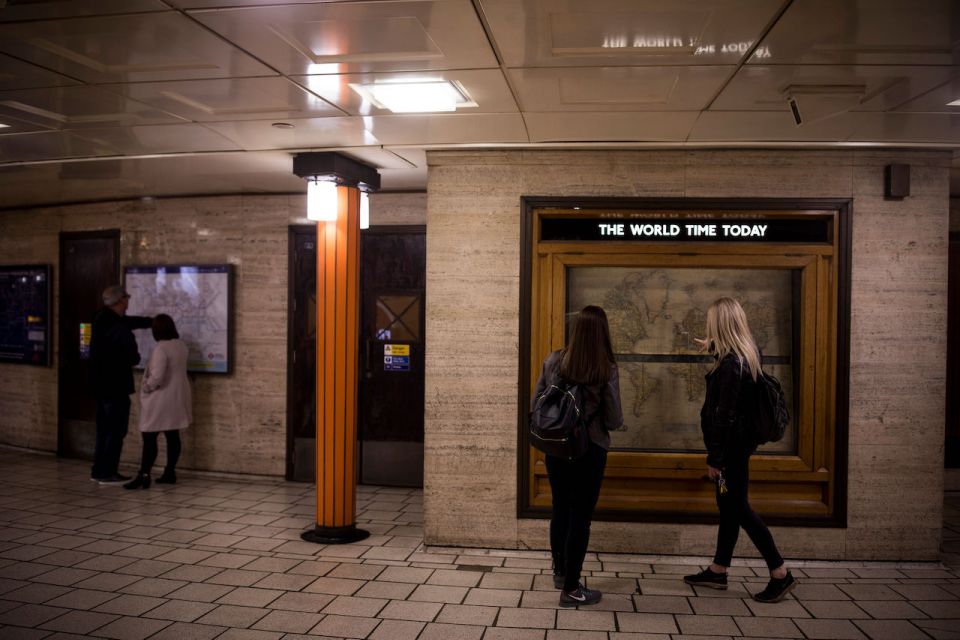
This is a 75-minute guided tour, and it’s not designed as a sit-down museum experience. The tour includes a lot of walking, with uneven ground in places and low lighting in others. It also includes stairs, and there’s no elevator.
Also, this is not step free. So if you use mobility aids or need step-free access, this tour isn’t listed as suitable for that. And if you’re dealing with claustrophobia, the tour involves spaces that can feel tight—so it’s not a comfortable match.
If you go, do the practical things: wear sturdy footwear and suitable clothing. Avoid open-toed shoes. There’s no cloakroom, so you also want to travel light—no luggage or large bags.
Edwardian design features you’ll actually notice
The tour’s early focus is the station’s Edwardian roots—because Piccadilly Circus Station opened in 1906, and you can still find original design details in the station’s older infrastructure. You’re guided to hidden original features rather than just hearing general facts from the surface.
What I like here is the “eyes-on” approach. You don’t just learn that the station was built for crowds; you learn how and where that shows up in structure and layout. That makes the modern station make more sense, too. Once you see the original design logic, today’s moving parts feel less random.
Expect the guide to lead you through spaces that are normally closed, including secret doors and passageways. These aren’t just novelty stops. They help you connect the station’s physical design to the demands that drove changes during the 1920s.
Disused passenger tunnels closed since 1929
One of the biggest reasons to book is straightforward: you explore disused passenger tunnels that have been closed to the travelling public since 1929. This is not “we’ll stand near a closed wall and imagine it.” The tour is designed to take you into those older, no-longer-used routes.
Why this matters: tunnels like these show you how Tube planning changed over time. When tunnels go out of service, it usually means the station system needed redesign—capacity changes, layout shifts, or new operational needs. Seeing the disused spaces makes those improvements feel real, not theoretical.
The low-light environment is part of the point. It’s also why good footwear matters. You’ll be moving through areas that don’t look like a polished attraction corridor, so slow down and follow the guide’s pace.




Wartime sheltering stories under Piccadilly Circus
London doesn’t just have history on plaques—it has history in places that people relied on in emergencies. This tour includes stories of wartime shelterers who took refuge in the station.
That human layer changes how you interpret the building. A station is usually about travel, but during wartime it became protection and shelter. Hearing those stories while you stand in the spaces that helped people find safety adds meaning that you don’t get from photos or captions.
The guide ties these events back to the station’s physical features—so you’re not only learning what happened, you’re also understanding how the station functioned under pressure. It’s a reminder that infrastructure is social, not just mechanical.
Secret storage and the station as a system, not a set
Another standout part is the mention of top-secret storage of priceless artefacts. You won’t treat the Underground as a single room. Instead, the tour shows it as a system with different uses across time.
Even without a full tech-spec lesson, you can grasp the idea: a station isn’t only for platforms and trains. It can also be a place where London’s priorities—whether passenger flow or wartime needs—shaped hidden spaces.
This is where I think the expert-guided format shines. The tour is written by historical experts from the London Transport Museum, and the content is drawn from the museum’s archive and collection. That means the story stays grounded in what the Underground actually was and did, not just dramatic speculation.
The guide makes or breaks it (and here, it’s a strong point)
The experience runs on live interpretation, and the guide quality is consistently praised. The overall rating is 4.4 based on 15 reviews, and the feedback highlights guides who are informative, enthusiastic, kind, and often humorous.
That combination is exactly what you want for a tour in a dim, stair-heavy station environment. Humor helps with nerves. Enthusiasm helps you stay focused when you’re moving through areas that aren’t designed for sightseeing.
You’ll also appreciate that the tour guide is live and runs in English. If you want your questions answered in the moment—especially about how and why certain areas were closed—this format is a good fit.
Value check: is $60.61 worth 75 minutes?
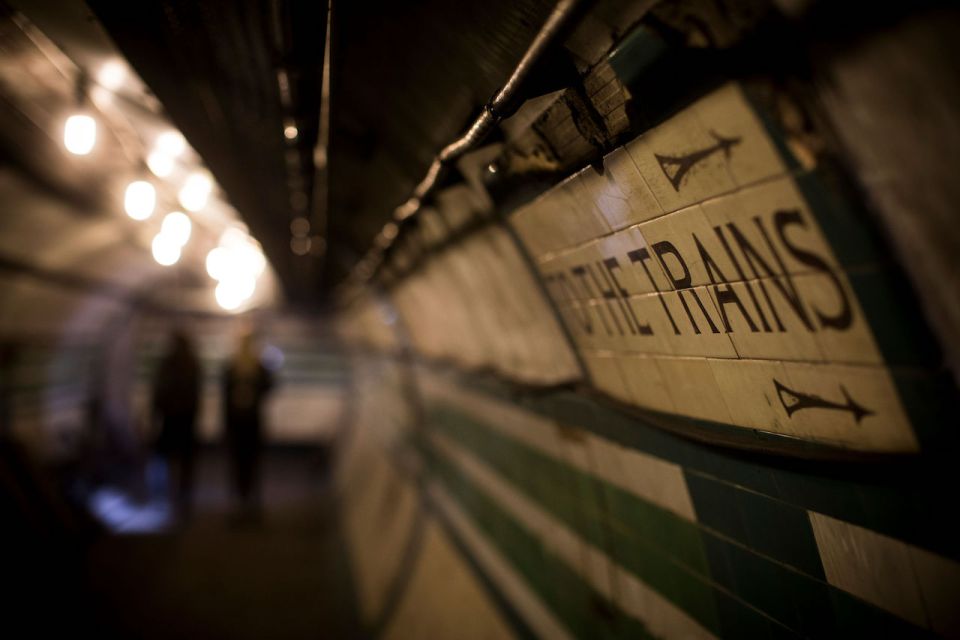
At $60.61 per person for about 75 minutes, this isn’t a budget add-on. But it can be good value if you care about real access.
Here’s what you’re paying for, in practical terms:
- Access to spaces that have been closed to the public since 1929
- Guided interpretation by historical experts linked to the London Transport Museum
- Attention to original Edwardian design features you can’t easily spot on your own
- A story mix that includes engineering, wartime sheltering, and station storage roles
If you’re the type who likes transport history, architecture, and “how it used to work” questions, that access time is the product. If you mainly want a quick photo stop, a standard station visit won’t be the same.
Who should book this Hidden Tube Tour?
This tour is a strong match if you:
- Like rail and Tube history, especially how stations evolve over time
- Enjoy architecture and want to see original Edwardian design elements
- Want wartime stories tied to real spaces
- Are comfortable walking a lot and handling stairs
It’s not a match if you:
- Need step-free access
- Are claustrophobic (the tour involves enclosed underground areas with low lighting)
- Prefer a low-walking experience
- Are traveling with open-toed shoes, food and drinks, or luggage/large bags (those aren’t allowed)
For families, there’s a limit: up to four children aged 10–15 per adult. Children under 10 aren’t suitable for this tour. If you’re bringing teens, make sure they can handle the stairs and uneven ground.
Final call: should you book it?
I’d book this if you’re excited by the idea of getting behind the scenes at a major London Tube station—and you’re comfortable with stairs and dim, enclosed spaces. The access to disused tunnels closed since 1929 and the focus on Edwardian design features are the kind of specifics that make a guided underground tour feel worth it.
Skip it if your mobility needs step-free routes or if claustrophobia is a real concern. In that case, the normal Piccadilly Circus experience will be easier and less stressful.
If you’re on the fence, decide based on this: do you want to understand how the Underground changed over a century by walking through the spaces where that change happened? If yes, this tour is a smart use of time in London.
FAQ
How long is the Hidden Tube Tour – Piccadilly Circus?
The tour lasts 75 minutes.
Where do I meet the guide?
Meet at the bottom of the stairs of Exit 4 of Piccadilly Circus Underground station, next to the Criterion Restaurant at the corner of Shaftesbury Avenue and Coventry Street.
Where does the tour end?
The tour ends back at the same meeting point.
What’s included in the ticket price?
You get a 75-minute guided tour of Piccadilly Circus Underground station, including disused parts of the station long closed to the travelling public.
Do I need ID?
Yes. You should bring a passport or ID card.
What should I wear?
Wear sturdy footwear and suitable clothing. Open-toed shoes are not allowed.
Is the tour suitable for people with claustrophobia or mobility impairments?
No. It is not suitable for people with claustrophobia, and it is not step free. The tour is not suitable for guests with mobility impairments.
Is food or luggage allowed?
Food and drinks aren’t allowed, and luggage or large bags aren’t allowed.