REVIEW · LONDON
London: Beatles Walking Tour with Abbey Road Crossing
Book on GetYourGuide →Operated by London Walks and All · Bookable on GetYourGuide
Zebra stripes, big stories. This Beatles walking tour strings together Abbey Road photo-stop drama and the band’s real-world addresses, and I love how the guide makes each scene feel connected. Two standouts for me: the guide’s Abbey Road photo help and the way the route is packed with specific filming and landmark details. One thing to consider first: it’s a lot of walking, and the pace can feel quick if you or your group is slower.
I’d call it a tight 2.5-hour hit of Fab Four geography—less museum, more street-level storytelling. You’ll do one short Tube hop, see the Apple-area sites, John Lennon’s Blue Plaque location, and end at the area tied to the last Beatles concert at 3 Savile Row (with the tour finishing in the Burlington Arcade area).
In This Review
- Key things I’d watch for on this Beatles tour
- Entering Beatles London from St. John’s Wood
- Abbey Road crossing: the photo stop everyone remembers
- Beyond the zebra: Abbey Road Studios and what the walls represent
- The Marylebone Tube hop and the Hard Day’s Night link
- Apple Boutique, Apple Corp locations, and the marriage story details
- John Lennon Blue Plaque and the drug bust context
- Paul’s Asher family home stop: where a dream becomes a song
- BBC area, Speakeasy Club site, and the birth of Beatlemania
- Carnaby Street, the Bag ’o’ Nails, and meeting Linda
- The last concert at 3 Savile Row, then finishing near Burlington Arcade
- What the guide performance feels like in real life
- Value for money: is $26 worth it?
- Who should book this Beatles Abbey Road tour
- Should you book the Beatles walking tour with Abbey Road crossing?
- FAQ
- How long is the London Beatles walking tour?
- Where do I meet the guide?
- What’s included in the price?
- Does the guide help with photos at Abbey Road?
- Is this tour suitable for young children?
- What should I bring for the tour?
Key things I’d watch for on this Beatles tour
- Abbey Road crossing photo moment: You get a classic zebra-crossing setup and the guide can help with photos/video.
- Abbey Road Studios context: You don’t just point at the building—you hear how it fits the Beatles recording story.
- A short Tube hop to Marylebone: A quick ride helps you connect stops around different eras and filming locations.
- John Lennon specifics: You’ll see the Blue Plaque area and hear the story tied to a drug bust and arrest.
- Paul’s “most covered song” origin: You’ll visit the Asher family home location where Paul’s dream is linked to the song.
- The final-concert area: You’ll end at the 3 Savile Row location tied to the last ever Beatles concert.
Entering Beatles London from St. John’s Wood
The tour starts near St. John’s Wood, outside the Helter Skelter Coffee Shop, and that location makes sense right away. This is a west London pocket where Beatles-era life overlaps with modern London streets—meaning you’re not stuck in one single theme park loop.
From the start, the idea is simple: you’re walking through the Beatles’ London like it’s a living map. The guide (Grant is the name that comes up again and again) doesn’t just list facts; he tends to connect each stop to what was happening at the time—who was where, what music ties back to that address, and why certain corners matter to Beatles history.
If you’re the type who loves street details, this start is a good primer. You get your bearings fast—then the tour rolls into the most famous spot in the whole storyline.
You can also read our reviews of more walking tours in London


Abbey Road crossing: the photo stop everyone remembers
The heart of the experience is the walk across the Abbey Road Crossing for the iconic picture. This isn’t a museum moment where you wait in a line and move on. It’s the real street scene: zebra stripes, cars nearby, pedestrians hovering for photos, and a guide helping you get the shot.
What I like here is that Abbey Road isn’t treated like a gimmick. You’re also shown the Abbey Road Studios location and given the context for why this area mattered to recordings that became global touchstones.
Practical tip: bring your camera ready. Comfortable shoes help a lot too, because the photo opportunity is best enjoyed without rushing. Also, be mindful about stopping in the road for long stretches. The whole point is to get the moment and then move aside so you’re not causing your own traffic drama.
Beyond the zebra: Abbey Road Studios and what the walls represent
Right near that crossing, you shift from the Beatles’ most photographed street moment to the recording-location side of the story. Abbey Road Studios is the kind of place where just seeing the exterior isn’t enough. So the tour builds meaning around it—how the studio fits into the Beatles’ rise, and how it became part of their creative footprint.
The guide uses an iPad to support what you’re seeing in front of you. That’s a big deal in a walking tour because it keeps you oriented. Instead of trying to imagine a different decade while standing on a modern sidewalk, you get short historical visual references while you’re still near the actual street.
If you love connecting music to place, this is one of the tour’s strongest advantages. You’ll still be outside and walking, but the explanation feels tied to the geography instead of drifting into a general lecture.
The Marylebone Tube hop and the Hard Day’s Night link
A key rhythm change on the tour is the Tube travel segment. You take a short Tube journey to Marylebone Train Station. Even if you’re mostly doing this for Beatles sightseeing, the Tube hop matters: it helps you stitch together neighborhoods that the band connected through their work and filming locations.
At Marylebone, you’ll see the station area tied to a filming connection for Hard Days Night. This stop turns the tour from pure address-hunting into film-location tourism too. And that’s a smart mix, because the Beatles story isn’t only songs—it’s also what their world looked like on screen.
For logistics, it’s still part of a 2.5-hour window, so you don’t get stuck in long transit. You just keep the momentum. Still, if you’re sensitive to crowds at underground stations, consider using that time to regroup and hydrate.
Apple Boutique, Apple Corp locations, and the marriage story details
Once the tour moves away from the Abbey Road cluster, you go deeper into Beatles-era business and personal-world stops. You’ll see locations tied to Apple—including where the Apple Boutique shop was—and you’ll hear how the brand fits into the wider Beatles timeline.
You’ll also stop at locations associated with the marriages story tied to two Beatles and repeated ceremonies. The tour frames these addresses as part of the Beatles’ public and private life overlap—fame that spills onto streets, not just into newspapers.
One thing to know before you set expectations: some stops on Beatles tours are meaningful even if you aren’t a superfan of that specific side-plot. The Apple-related commercial angle can feel less emotional than the song-origin moments for some people, and that’s a fair reaction. If you’re the kind of fan who loves big human drama—marriages, arrests, creative breakthroughs—this still lands. If you only care about recording and iconic songs, you might want to mentally prioritize the later, heavier story points.


John Lennon Blue Plaque and the drug bust context
Seeing the Blue Plaque location for John Lennon is a clear highlight. Plaques can feel like a photo-op only, but here you get the surrounding story tied to a drug bust and the arrest of Lennon and Yoko. That’s a heavy topic, and the tour treats it as part of how real life intersected with global fame.
Why it works: it turns the Beatles from distant legends into people caught in London’s real institutions—police, publicity, and consequences. That’s often what makes the strongest tours linger, not just the famous street corners.
If you enjoy history with edge, this is the stop that gives the tour emotional weight. And even if you’re not trying to memorize the timeline, the guide’s pacing here tends to make the connection between the address and the event feel concrete.
Paul’s Asher family home stop: where a dream becomes a song
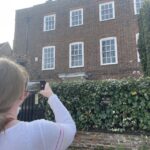
One of the most interesting creative-origin stops is the former home of the Asher family, where Paul dreamt what became the most covered song in history. This isn’t just trivia. It’s the kind of detail that makes you look at a plain London house a little differently—like art came from inside these ordinary walls.
I like that the tour doesn’t rush past this. It’s the kind of moment where you can pause, take a picture if you want, and actually let the story sit in your head. It also gives your tour a creative backbone rather than making every stop a celebrity-address scavenger hunt.
If you’re bringing a parent, partner, or friend who is less obsessive about every Beatles location, this is a good “bridge” stop. It has a universal hook: inspiration and songwriting, not just sightseeing.
BBC area, Speakeasy Club site, and the birth of Beatlemania
As you pass the BBC area and see the former site of the Speakeasy Club, the tour shifts into the media-and-fandom engine room. You’re not just learning where the Beatles lived; you’re learning where the world got the Beatles.
The route includes the place tied to where Beatle Mania was created, and it also points out where Brian Epstein’s NEMs offices were located. Those details matter because they explain why the Beatles didn’t become famous only through music. There were offices, promotions, venues, and intermediaries turning attention into mass fandom.
Grant’s storytelling style (as it’s described in multiple tour accounts) leans on short, clear historical references. That’s helpful on a walking tour because you don’t want a long speech at a street corner while cars and foot traffic keep moving.
Carnaby Street, the Bag ’o’ Nails, and meeting Linda
Carnaby Street is a great palate cleanser after the more intense Blue Plaque and business-story stops. You’ll also see a statue of John Lennon here, which offers a more traditional landmark moment—something you can photograph without juggling traffic concerns.
Then the tour heads to Paul’s favorite club the Bag ’o’ Nails, linked to where he first met Linda. This is one of those stops that feels personal. It’s not only about the band as a worldwide product; it’s about relationships and human beginnings.
This sequence is smart. It gives you a mix of fandom, fame, and personal life. And even if you don’t know every location story by heart, you’ll likely recognize the importance of the Bag ’o’ Nails angle as soon as you hear it.
The last concert at 3 Savile Row, then finishing near Burlington Arcade
The tour ends at 3 Savile Row—the venue tied to the last ever Beatles concert. This is the emotional closer of the whole route. A lot of Beatles tours end at a big photo spot. Here, you finish with a moment that’s about an ending, not just a highlight.
After that, the tour finishes in the Burlington Arcade area. That works nicely because it gives you a comfortable place to regroup, grab a snack nearby if you want, and process what you just walked through.
If you’re a fan of the later Beatles chapter, or you’ve watched Get Back/Let It Be, this ending tends to land especially well because it reconnects the rooftop-era mood to a real address.
What the guide performance feels like in real life
Grant is repeatedly described as welcoming and patient, and that shows up in how the tour runs. He’s also known for offering to take video and photos at Abbey Road for your group, plus using that iPad to provide historical footage that matches what you’re seeing.
That’s a practical advantage. In a walking tour, the guide’s tools matter: visuals help you follow along, and photo help means you’re not stuck in the awkward process of asking strangers to capture your moment.
That said, there are two caution flags to keep in mind. First, the route involves a lot of walking, and one account noted that the group can fall behind if the guide’s pace is fast. Second, a different experience described the presentation as somewhat reticent or shy. Translation: the facts are there, but the delivery might not match what every person wants.
If you’re slower on your feet or you need frequent check-ins to keep up, you’ll be happier if you go into this expecting steady pace and lots of stops on foot.
Value for money: is $26 worth it?
At about $26 per person for roughly 2.5 hours, this tour is strong value if you want a focused, guide-led route that mixes street landmarks, filming-location context, and one Tube segment.
The big value items you get for the price:
- A guided walking tour of Beatles-related locations
- Abbey Road and the Abbey Road Studios location context
- A short Tube journey to Marylebone Train Station
- Stops that include John Lennon’s Blue Plaque area and sites tied to major events and personal stories
- The tour ends at 3 Savile Row tied to the last Beatles concert
What you don’t get (which you should plan for): meals, drinks, and any entrance fees for attractions not included. If you’re the kind of person who expects to go inside museums every stop, you’ll need a different kind of ticket. But if you want street-level storytelling, the price-to-time ratio feels fair.
Who should book this Beatles Abbey Road tour
This is a great fit if you:
- Love Beatles locations tied to real music and real events
- Want an easy-to-follow route that focuses on a clear narrative arc
- Appreciate film-location context and not just album-era trivia
- Can do comfortable walking for the duration
It’s not a fit if:
- You have mobility limits, use a wheelchair, or need an accessible route
- You’re traveling with kids under 10
- You have heart problems, or you’re not comfortable with sustained walking
- You’re in the 95+ age range (the tour data lists an age ceiling)
Should you book the Beatles walking tour with Abbey Road crossing?
Yes—if you’re a Beatles fan who wants street-level stories and a proper Abbey Road photo moment, this tour is a solid use of your time in London. The guide support (including photo/video help at Abbey Road and matching historical footage on an iPad) is a big reason people enjoy it.
I’d hold off or choose a gentler alternative if walking pace is a concern for you, or if you prefer a tour with fewer stops and more sitting time. The route is packed, and that’s part of why it works for fast-moving fans.
FAQ
How long is the London Beatles walking tour?
The tour runs for about 2.5 hours.
Where do I meet the guide?
You meet outside the Helter Skelter Coffee Shop.
What’s included in the price?
The tour includes a guided walking tour of Beatles-related locations, a visit around Abbey Road and the Abbey Road Studios location, a Tube journey to Marylebone Train Station, and visits to several Beatles-related sites (including the John Lennon Blue Plaque area and locations tied to Apple and other stories).
Does the guide help with photos at Abbey Road?
Yes. The guide is described as offering to take video and photos for guests, including at the Abbey Road crossing.
Is this tour suitable for young children?
No. It’s listed as not suitable for children under 10.
What should I bring for the tour?
Bring comfortable shoes, a camera, and water.