REVIEW · LONDON
Jack The Ripper Tour in London’s East End
Book on GetYourGuide →Operated by Brit Movie Tours · Bookable on GetYourGuide
Goulston Street still sends chills down East End streets. This 2-hour walking tour follows the Jack the Ripper murders in London’s Whitechapel district, mixing real locations with the mystery of an unsolved case.
I love that you walk the same streets tied to the killings, including dark alleys that still feel made for a night-time story. I also like the guide’s use of still photos and letters to give the tale a more documentary feel. One possible drawback: the subject matter is disturbing, and some guides lean into dark, graphic-style storytelling.
Key things to know before you go
- Actual East End locations connected to the murders (and others thought to be linked)
- A focused stop on Goulston Street, with an emphasis on clues and non clues
- Documentary-style evidence shown via still photos and letters
- A guide-led walk with strong storytelling, often with dark humor and a lively pace
- Begin and end at the City of London police station near Bishopsgate
In This Review
- Entering Whitechapel, Not a Theme Park
- Meeting Point at Bishopsgate Police Station: Find It in 5 Minutes
- Walking the East End Footsteps: Streets, Passages, and the 1888 Atmosphere
- Goulston Street: Clues and Non Clues That Keep the Case Alive
- Still Photos and Letters: When the Story Becomes Documentary
- Guides Like Ian, Rory, and Chris Make the Difference
- How Scary Is It? Managing the Tone Without Killing the Fun
- Price and Value: $22.90 for Two Hours of Real-Place Story
- What to Expect From the Walk Day-of
- Quick Tips So You Get the Most From Two Hours
- Should You Book This Jack the Ripper Tour in London’s East End?
- FAQ
- How long is the Jack the Ripper tour in London’s East End?
- What is the price per person?
- Where do I meet the guide?
- What are the directions from Liverpool Street Station?
- What does the tour include?
- Is the tour offered in English only?
- Do I get different starting times?
- Can I cancel for a full refund?
- Is there a pay-later option?
- Where does the tour end?
Entering Whitechapel, Not a Theme Park
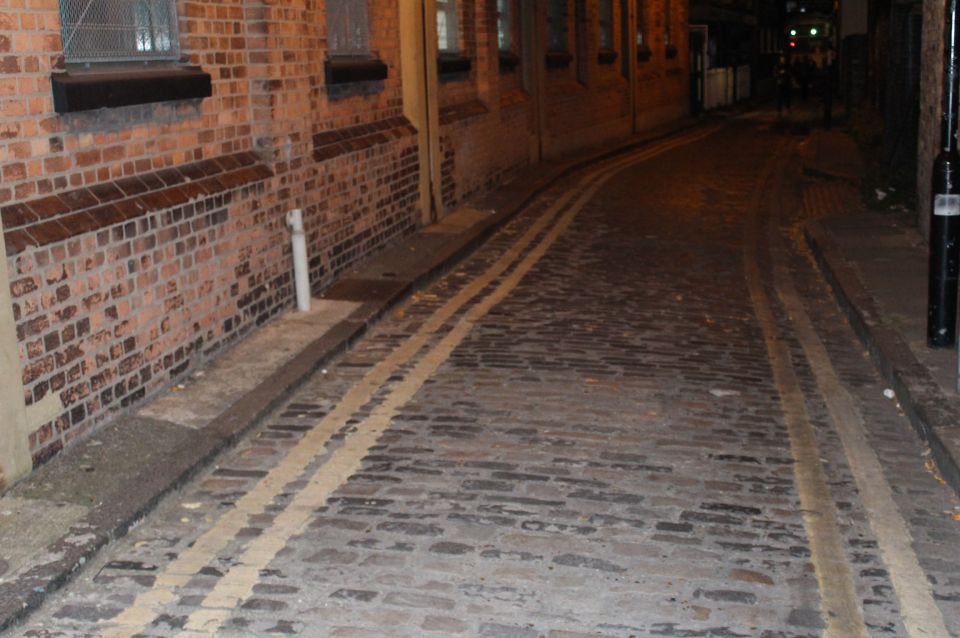
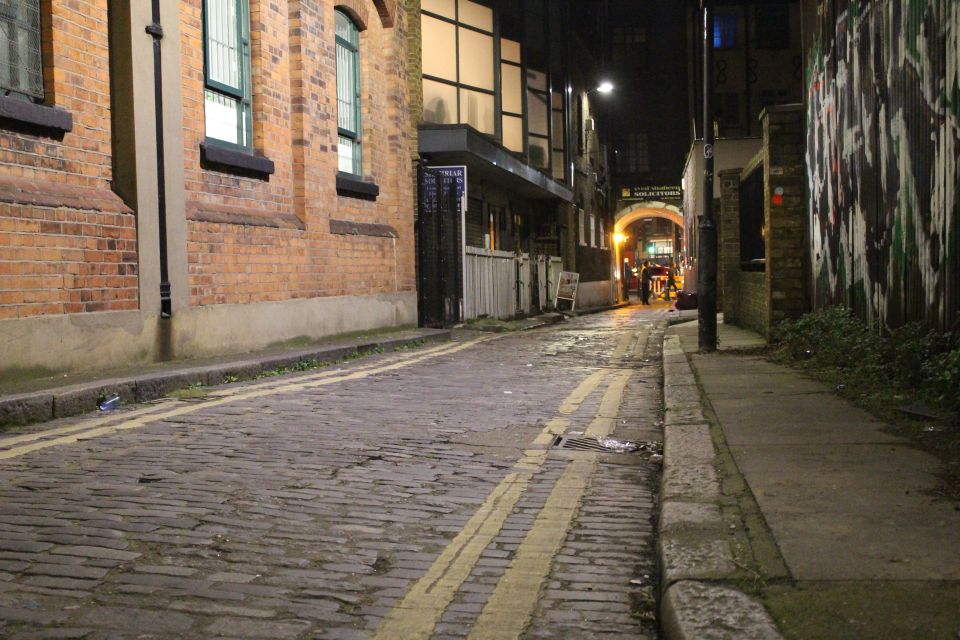
If you think a Jack the Ripper tour will feel like walking through a cheesy film set, this one fights that idea fast. It’s built around a real place—London’s East End—and the way the streets and alleys shape how a story feels when you’re standing in it.
The tone is part “history lesson,” part crime-story investigation. You’ll follow the autumn of 1888 murders and how the discovery of a body sparked one of London’s most famous man-hunts. And because the killer was never identified, the tour keeps circling back to the same frustrating question ripperologists and amateur sleuths have wrestled with for over 120 years.
Meeting Point at Bishopsgate Police Station: Find It in 5 Minutes
You start by meeting your guide 10 minutes early at the left of the entrance of the City of London police station, 182 Bishopsgate, London EC2M 4NP. From Liverpool Street Station, take the Bishopsgate West exit, then look across Bishopsgate—you should see the police station there.
This detail matters more than it sounds. A walking tour lives or dies by timing, and arriving early helps you start as the group forms rather than trying to catch up mid-story. The tour also ends back at the meeting point, so you’re not left hunting for a last bus stop while your brain is already doing creep math.
You can also read our reviews of more tours and experiences in London.



Walking the East End Footsteps: Streets, Passages, and the 1888 Atmosphere
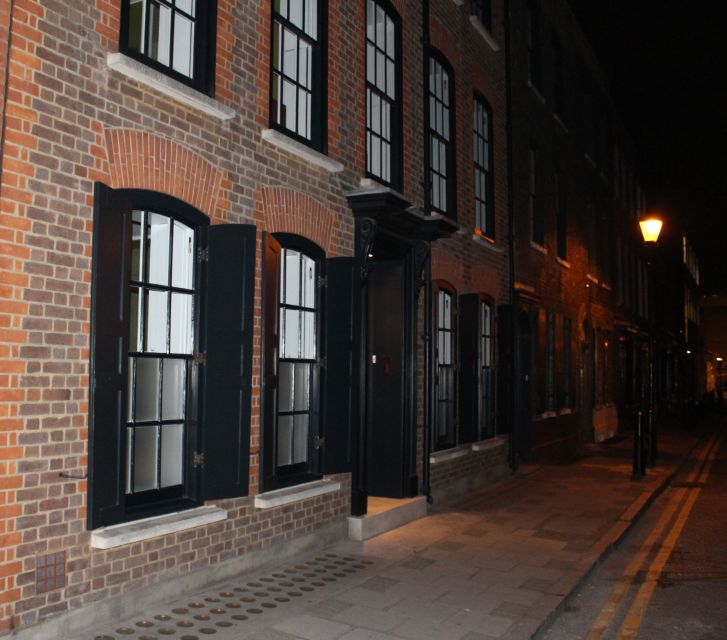
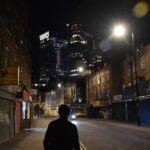
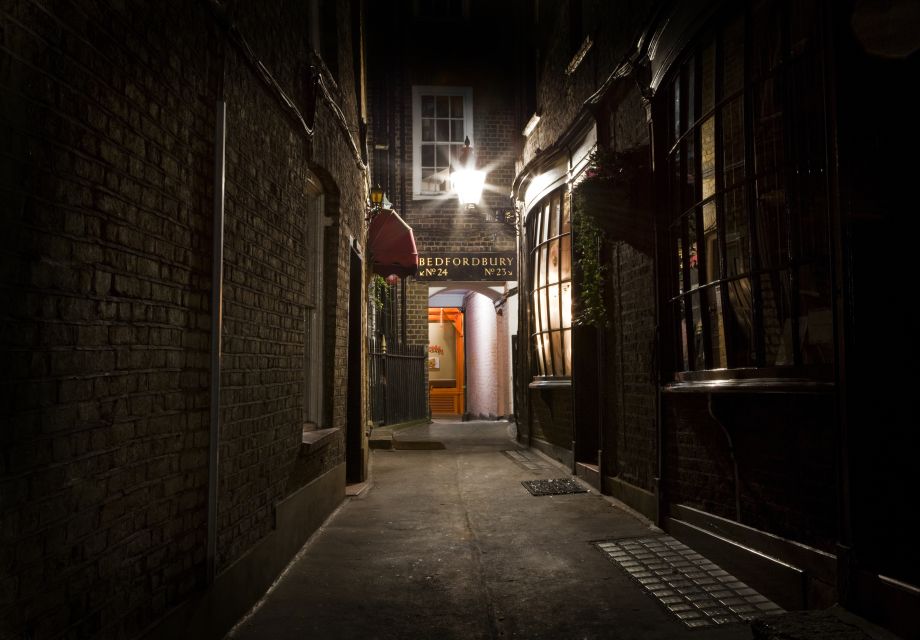
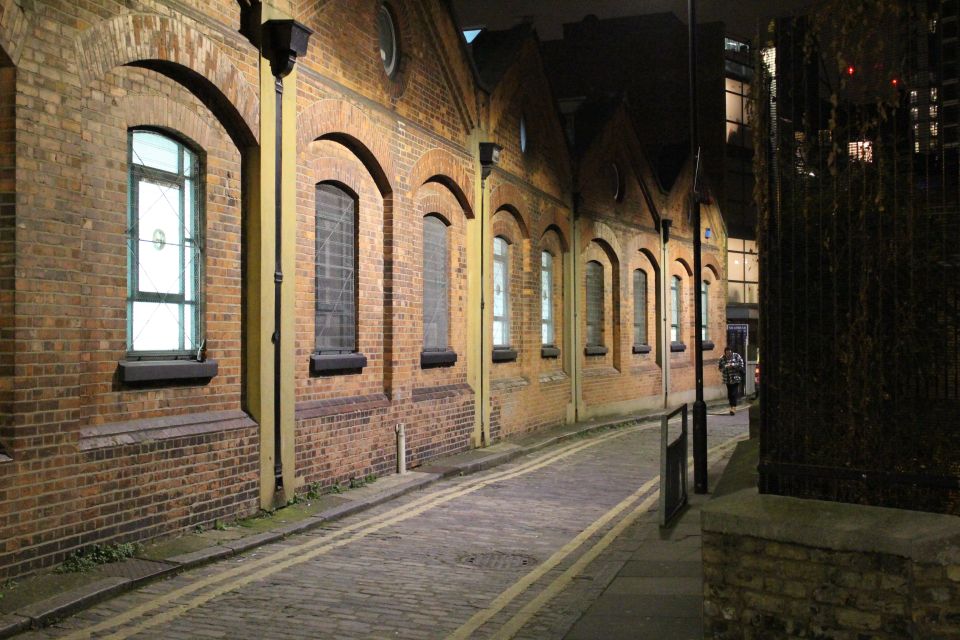
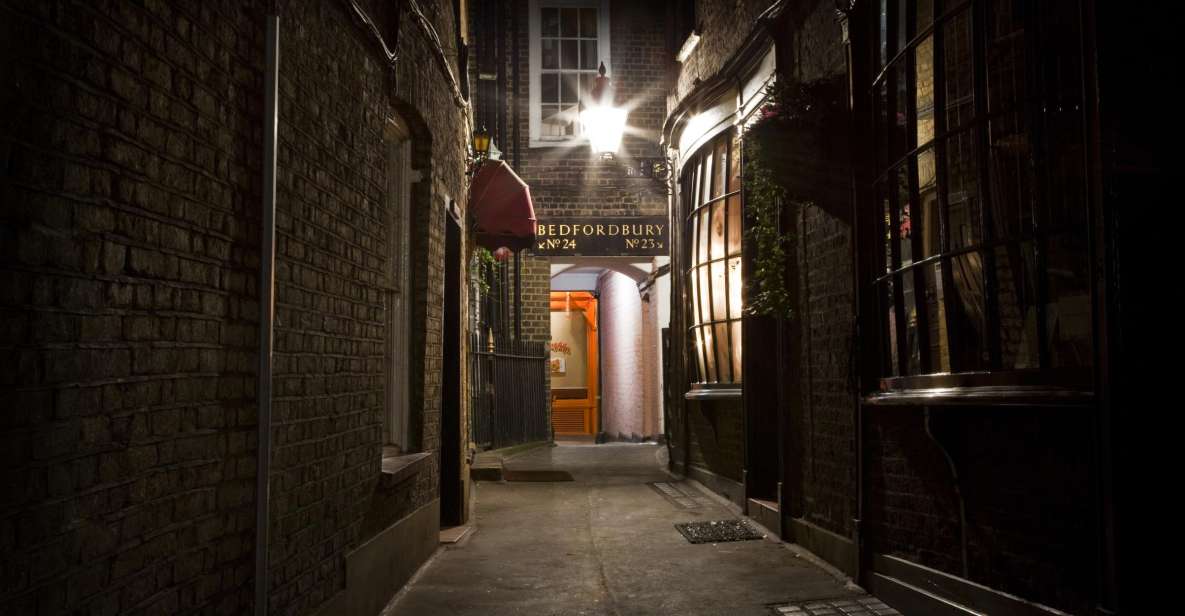
The core of the experience is simple: you walk through the Whitechapel district and see the areas tied to the murders. The tour is designed to help you imagine what residents and victims would have recognized—especially the dark passages and alleys that still exist in some form today.
What makes this valuable for you is the change in perspective. In a book or documentary, you get the “crime scene” as an idea. On this tour, you get the wider context: the street layout, the narrow paths, and the sense of how easy it would be for someone to move through the area without drawing attention.
You’ll visit the “actual murder sites” connected to Jack’s victims, and you’ll also stop at other places that were thought to be part of the same killing spree. The key is that it’s not only about naming dates—it’s about connecting locations to the story’s timeline and the panic that followed when the killings gripped the East End.
Goulston Street: Clues and Non Clues That Keep the Case Alive
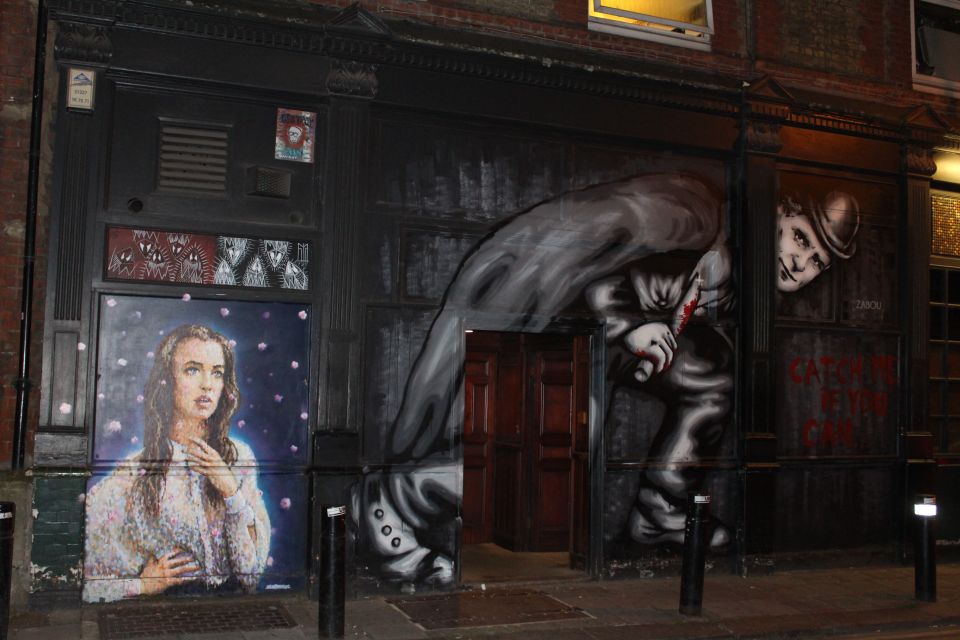
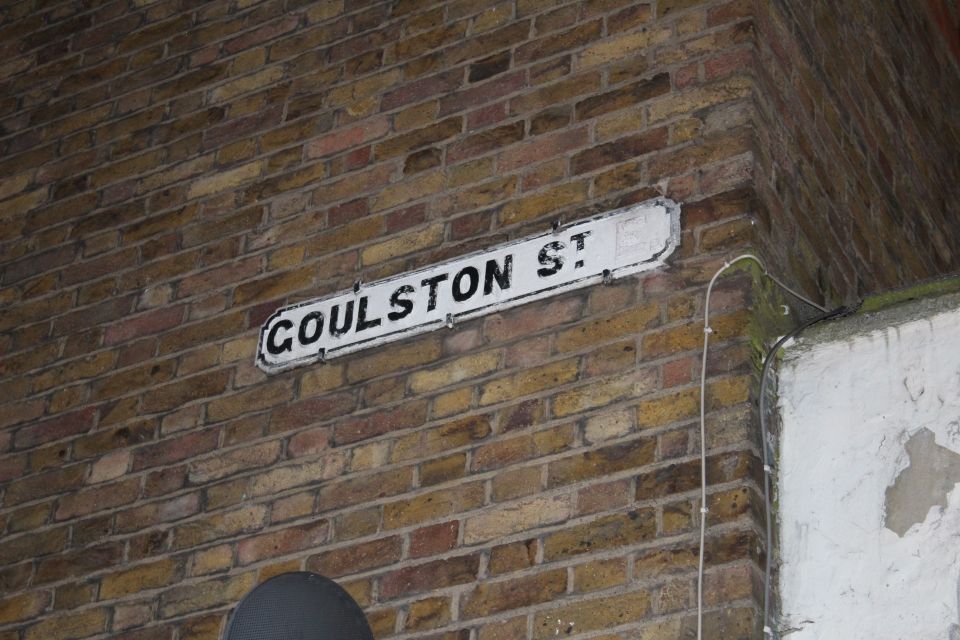
One stop gets special treatment: Goulston Street. The tour focuses on the clues and non clues tied to what happened there, and that’s exactly the kind of detail that separates a basic “Ripper facts” walk from something more satisfying.
The most useful way to think about this is that the Goulston Street material highlights why the case never fully resolves. Some evidence points different directions. Some details feel meaningful until you question them. Your guide ties those uncertainties back into the larger mystery, rather than treating everything as one clear narrative.
This also works well if you like real investigation logic—figuring out what might be solid, what might be rumor, and what might be missing. Even if you’ve seen the famous names, this kind of stop pushes you to think about process, not just outcome.
Still Photos and Letters: When the Story Becomes Documentary
A standout feature here is the use of documentary evidence—specifically still photos and letters. That means you’re not just hearing a creepy recap; you’re shown material that frames the events the way people tried to make sense of them at the time (and later tried to interpret them).
For you, this matters because it gives the tour texture. Pure storytelling is fun, but visual artifacts help you slow down and pay attention to small points. You’ll hear the story of the murders and the hunt that followed, but the photos and letters pull the focus toward the case’s written and visual record.
It’s also a helpful reminder of scale and emotion. The Ripper story isn’t only about one mystery; it’s about how fear spread through communities and how the public tried to read signs in the dark.
Guides Like Ian, Rory, and Chris Make the Difference
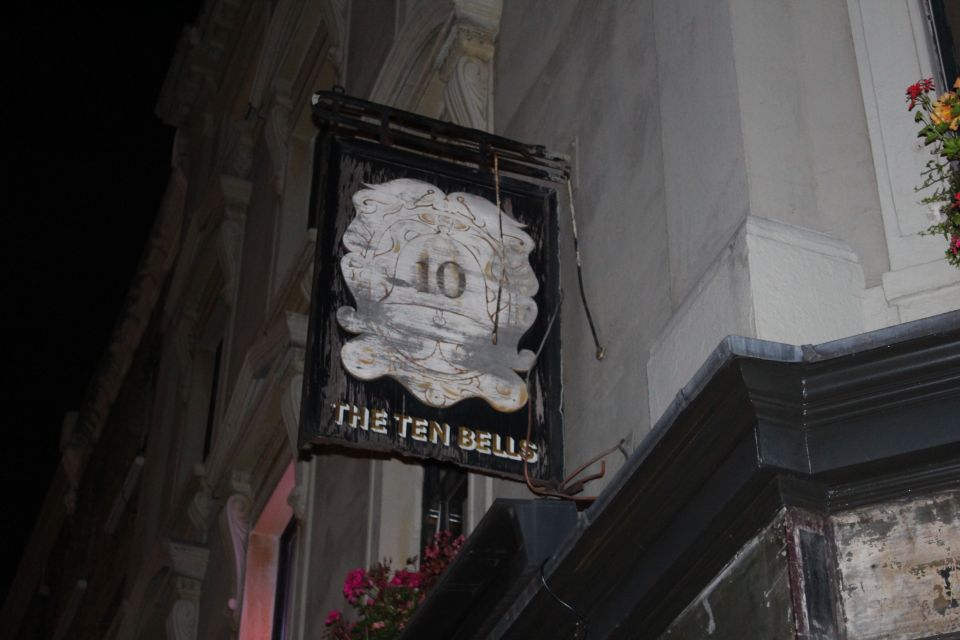
The experience strongly depends on the guide, and the guides here seem to bring a mix of energy and care. Multiple names pop up, including Ian, Rory, Jed, Chris, Jericho, Konstantin, Michael, Eva, and Jeremy. That’s a good sign, because it suggests the tour style is consistent while the personality changes.
Here’s what the best guide moments tend to do on this kind of tour:
- Keep the pace so you don’t feel bored between stops.
- Explain the story clearly, even if you’re not a superfan.
- Invite questions and answer them without rushing.
- Use tone—often dark humor—but still keep it respectful.
If you get a guide who’s great at pacing and storytelling, the two hours can feel like less. One reason is that you’re not just walking—you’re watching the guide connect each location back to the mystery and the public reaction. When that clicks, it stops being trivia and starts feeling like an actual “case walkthrough.”





How Scary Is It? Managing the Tone Without Killing the Fun
Let’s be straight: this is a spine-chilling walking tour with graphic crime-story storytelling. Some guides use dark humor, and there’s mention of graphic storytelling as part of what makes it memorable. At the same time, other guides are described as funny and respectful, with a calm effort to ensure everyone can follow along.
So your best self-check is about how you handle disturbing material in a lively group setting. If you want light spooky vibes, you might find it too intense. If you can handle grim content and you’d rather hear a real, story-driven explanation than a sanitized version, this is a strong match.
Also, it’s conducted in English only, so your comfort with English matters. Even if you understand most of it, tours with lots of storytelling can move quickly, so having decent listening skills helps a lot.
Price and Value: $22.90 for Two Hours of Real-Place Story
At $22.90 per person for a 2-hour walking tour, you’re paying for one thing above all: time with a professional guide and a route built around meaningful locations. You’re not just buying access to a “view,” and you’re not only buying information you could read online.
You’re buying the way the story is organized—murder sites, the Goulston Street focus, and the documentary photos and letters—plus someone steering the group through the East End so you don’t miss the thread.
Is it “worth it”? For me, it hits value if you like guided context and you want the tension of the unsolved mystery placed back onto the streets where it happened. If you’re already very deep into Ripperology and want minute, victim-by-victim coverage, you may feel the time limit. In fact, one detail mentioned in the provided feedback is that some topics can get omitted due to length, such as extended focus on Annie Chapman.
What to Expect From the Walk Day-of
This is a straight walking format: you’ll meet at the station, spend 2 hours moving through the area, and return to the meeting point. The tour is led by a live English guide, so you can ask questions and get answers tailored to your group.
You should also expect that the tour relies on storytelling moments as much as on location stops. The “dark passages and alleys” part is built into the experience, and the clue-focused sections—especially Goulston Street—are meant to keep you thinking as you move.
And yes, weather happens in London. One of the real-world upsides of these tours is that guides keep going because the route is outdoors and structured for the time you booked. If rain is in the forecast, bring a rain layer and keep your posture friendly—your guide needs the group together for the story beats.
Quick Tips So You Get the Most From Two Hours
You’re covering real streets on foot, so keep your basics easy:
- Wear comfortable shoes. This is a walking tour, and your feet will notice if you cut corners.
- Plan to arrive early—10 minutes before is part of the design so you can start on time.
- Bring your curiosity. The tour leans into mystery and uncertainty, so the best moments come when you’re open to theories and explanations.
If you’ve done no Ripper reading at all, don’t panic. The tour is built to explain the background and how the case became such a cultural phenomenon. If you’re a fan, go in expecting less “everything in chronological order” and more “guided highlights with key mystery stops.”
Should You Book This Jack the Ripper Tour in London’s East End?
I’d book this if you want a guided walk that stays anchored in real places, with a strong focus on Goulston Street and documentary-style material like still photos and letters. It’s also a great pick if you like when a guide turns a mystery into a story you can follow step by step.
Skip it (or at least reconsider) if you’re sensitive to crime content or you’d rather have a lighter, less intense experience. Also, if you’re looking for ultra-detailed coverage of every major victim and every debate point, the 2-hour format may feel selective.
If you’re the kind of traveler who likes being out on the street, asking questions, and letting the mystery stay mysterious for once—this is a solid use of time in London’s East End.
FAQ
How long is the Jack the Ripper tour in London’s East End?
The tour lasts 2 hours.
What is the price per person?
The price is $22.90 per person.
Where do I meet the guide?
Meet your guide 10 minutes before the tour to the left of the entrance of the City of London police station, 182 Bishopsgate, London EC2M 4NP.
What are the directions from Liverpool Street Station?
Leave Liverpool Street Station by the Bishopsgate West exit. You should see the police station on the opposite side of Bishopsgate.
What does the tour include?
It includes a professional live guide, and the experience covers murder sites, the Goulston Street clues/non clues, and documentary evidence using still photos and letters.
Is the tour offered in English only?
Yes, the tour is English only.
Do I get different starting times?
Starting times depend on availability, so you’ll need to check what times are offered.
Can I cancel for a full refund?
Yes. There is free cancellation up to 24 hours in advance for a full refund.
Is there a pay-later option?
Yes. You can reserve now and pay later, so you don’t have to pay immediately to hold your spot.
Where does the tour end?
It ends back at the same meeting point.