REVIEW · LONDON
James Bond Shooting Locations 2-Hour Walking Tour of London
Book on GetYourGuide →Operated by Brit Movie Tours · Bookable on GetYourGuide
London turns into a spy set fast. This 2.5-hour James Bond shooting locations tour strings together more than 10 real spots tied to films like Skyfall and SPECTRE, plus Ian Fleming’s world of intrigue. I like the way you learn film-making tricks while you’re standing in the exact kind of places movies use. I also like the ending outside MI6 in Vauxhall, which makes the whole walk feel like a real-life 007 mission. One thing to consider: the route mixes walking with public transport, so you’ll want an Oyster card and solid shoes.
The biggest payoffs for me are two things: first, the tour helps you spot how Bond scenes are staged, not just where they were shot. Second, guides bring the story to life with humor and a steady pace, so it’s not a rushed stampede between landmarks (even when the route gets disrupted).
The main drawback is practical: this isn’t a good fit for everyone. It’s not suitable for mobility impairments or wheelchair users, and it also isn’t listed as suitable for hearing-impaired guests, so you’ll want to match your needs to that reality before you book.
In This Review
- Key highlights you’ll care about
- Charing Cross to MI6: what this walking tour really feels like
- Westminster power moves: government buildings and intrigue stops
- Trafalgar Square and Whitehall cues you can spot in seconds
- Horse Guards and Big Ben: famous views tied to Bond-style staging
- Film-making process, Ian Fleming links, and real spy-service context
- The MI6 finish: why the Vauxhall ending hits so hard
- Guides, pacing, and route changes: the difference between OK and great
- Value and timing: is $22 for 2.5 hours a good deal?
- Practicalities you should plan for before you go
- Should you book the James Bond Shooting Locations walking tour?
- FAQ
- Where does the tour meet?
- How long is the tour?
- What is the price?
- How many James Bond locations do we visit?
- Is an Oyster card required?
- What should I bring?
- What is included in the ticket price?
- Who should not book this tour?
- What’s the cancellation policy?
Key highlights you’ll care about
- More than 10 shooting locations in a tight 2.5-hour window, with Bond moments tied to multiple films
- A Bond-style photo and moment set-up at locations used in Skyfall, SPECTRE, and more
- Film-making process explanations that help you understand how movie magic is built on real streets
- Westminster and secret-agent London, including government-area intrigue and bunker-style storytelling
- A dramatic end at MI6 in Vauxhall, so you leave feeling like you’ve actually reached headquarters
Charing Cross to MI6: what this walking tour really feels like
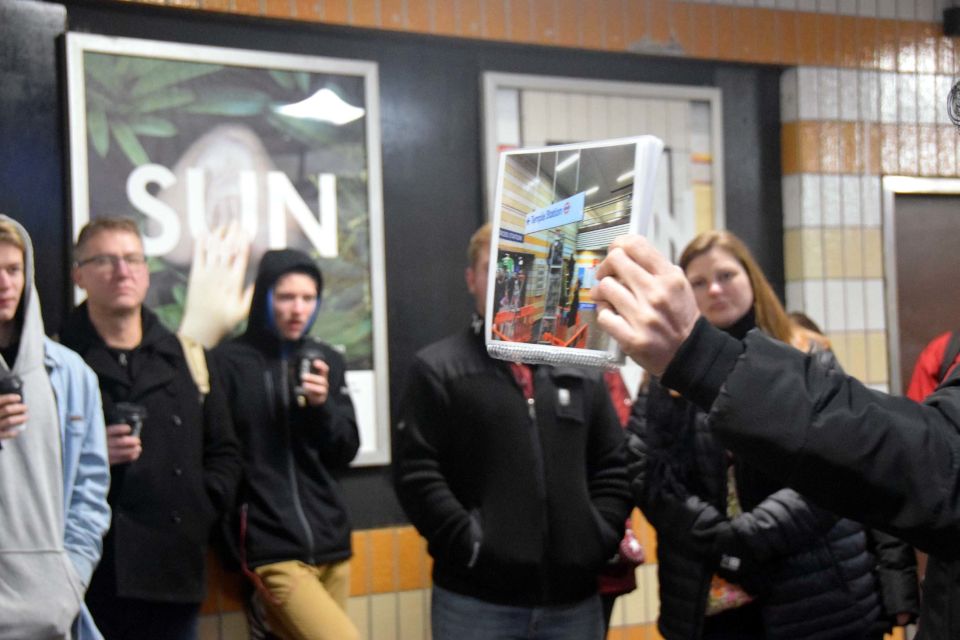
This tour is built for people who want London to feel cinematic without needing to hunt down filming sites on your own. You start at Charing Cross railway station by Boots and the Clermont Charing Cross Hotel. From that easy-to-find point, the day shifts into “agent mode,” using real streets and real buildings as your clues.
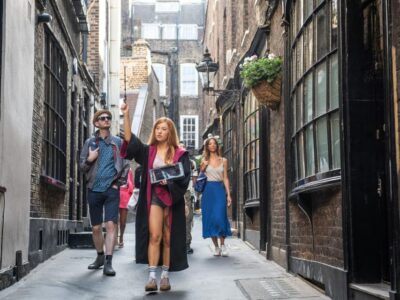
You’re out for about 2.5 hours, with a professional guide driving the pace and the storytelling. The walk itself is meant to be manageable, and guides are careful about keeping the group together. You’ll also use public transport during parts of the route, so plan for that part of your logistics early.
If you like Bond for the look, the tech, and the mood, this tour hits those notes. It’s also a win if you’re more interested in London itself. Westminster-area streets can feel familiar from TV and movies, but this route shows you how the city’s power-center vibe becomes a spy backdrop.
You can also read our reviews of more walking tours in London

Westminster power moves: government buildings and intrigue stops
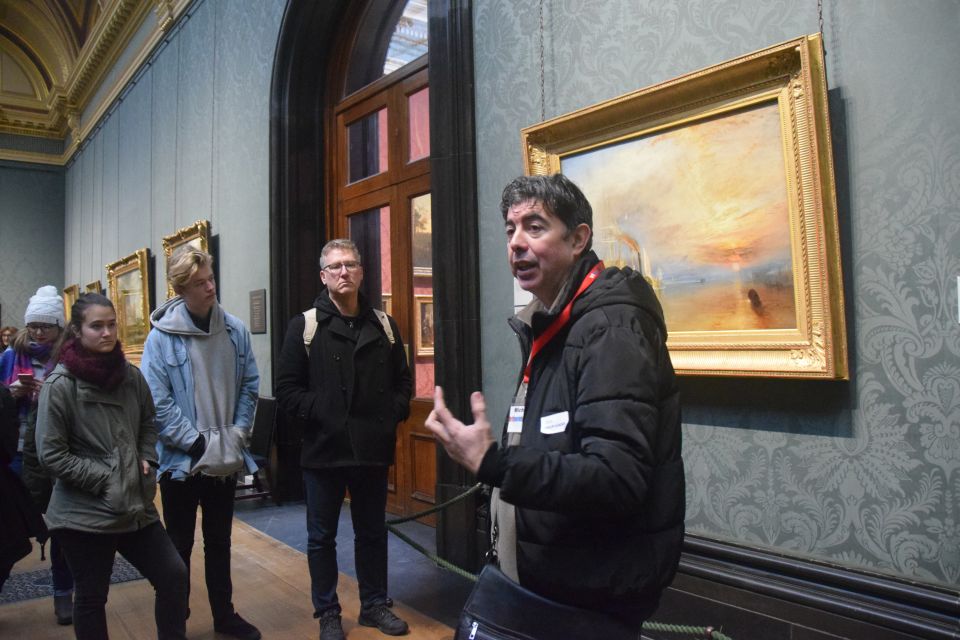
A big chunk of the experience centers on Westminster, the political heartbeat of London. This is where the tour’s spy-story framing really clicks: you’re not just seeing famous architecture, you’re getting the “how would a spy use this” angle.
As you move through the government-heavy areas, the guide ties Bond locations to the larger idea of secrecy—where information lives, who controls access, and how tension is built into a scene. The tour also leans into the real-life British Secret Service concept, so it’s not only about movie plots. You’re meant to connect fiction to the practical reality of how intelligence work is structured, even if the films take plenty of dramatic liberties.
What you’ll appreciate here is that the tour keeps asking you to look closely. In Westminster, details matter: sightlines, entrances, vantage points, and the way key buildings “read” on camera. It’s the kind of street-level viewing that helps you understand why Bond scenes feel so confident and controlled.
Trafalgar Square and Whitehall cues you can spot in seconds
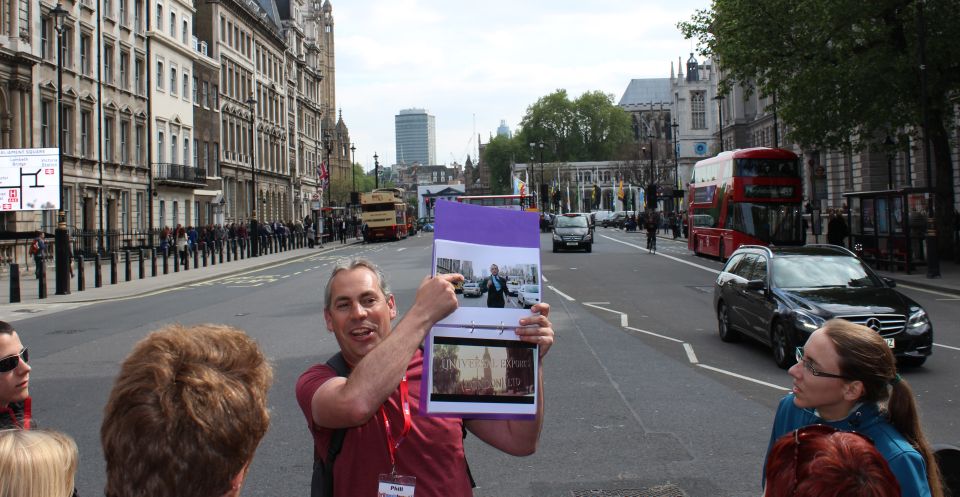
One of the most satisfying parts of the tour is when you hit the classic tourist icons, then see them through a spy lens. The route often threads through Trafalgar Square and nearby landmarks, and the guide points out the little things you’d usually skip.
Trafalgar Square, for example, isn’t treated as a postcard backdrop. You’re encouraged to look at it like a set: where people stand, what dominates the frame, and why certain spots work so well for big introductions and tense beats. The guide also brings in film symbolism—helping you understand how Bond uses visual language to sell character roles and technology themes.
Whitehall is another major ingredient. It’s the kind of area where the scale of government buildings and the geometry of streets naturally lend themselves to “official meeting” scenes and shadowy movement. Even if you’ve been through this part of London before, the tour’s approach gives you a fresh mental map fast.
You’ll also get a few off-the-beaten-path moments along the way. One example from the experience is noticing something like a notably small police station tucked into the area. It’s not a “star attraction,” but it adds texture. And that texture is what makes a Bond story feel like it’s built on real life, not just special effects.
Horse Guards and Big Ben: famous views tied to Bond-style staging
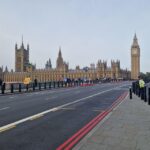
Later in the walk, the route connects you to London’s most recognizable skyline elements, including the general Horse Guards and Big Ben area. The point isn’t that you’ll memorize every angle like a cinematographer. It’s that you’ll learn what kinds of views Bond likes to use and why.
Famous buildings work because they instantly communicate status. Bond scenes often rely on contrast: cold government power versus personal stakes. In this part of the tour, you get to understand how the city’s landmarks are used for that contrast. The guide helps you link what you see in the street to what you might have seen on screen.
And because this is a walking experience, you can judge distances and sightlines yourself. You start to feel where a camera would stand and why the scene looks the way it does. It’s a hands-on learning style, and it’s one of the reasons this works so well even for people who aren’t lifelong Bond devotees.
Film-making process, Ian Fleming links, and real spy-service context
This tour stands out because it explains the why, not only the where. You’ll hear about the film-making process behind Bond movies and how the production side turns London into a believable world of secret agents.
You’ll also get more than just film talk. The guide connects locations to Ian Fleming and the inspiration behind the novels, and it’s handled in a way that makes the writing feel grounded in place. Fleming’s influence matters because Bond isn’t only a cinematic brand. It’s a character built from a certain era’s idea of intelligence, glamour, and danger.
A related highlight: the tour doesn’t ignore the symbolism Bond uses around tech and character roles. For instance, one frequently noted moment is the explanation around the Q scene introduction symbolism. That kind of detail makes the films feel smarter the next time you watch them, because you’ll start catching the visual cues the guide pointed out.
You can also read our reviews of more tours and experiences in London

The MI6 finish: why the Vauxhall ending hits so hard
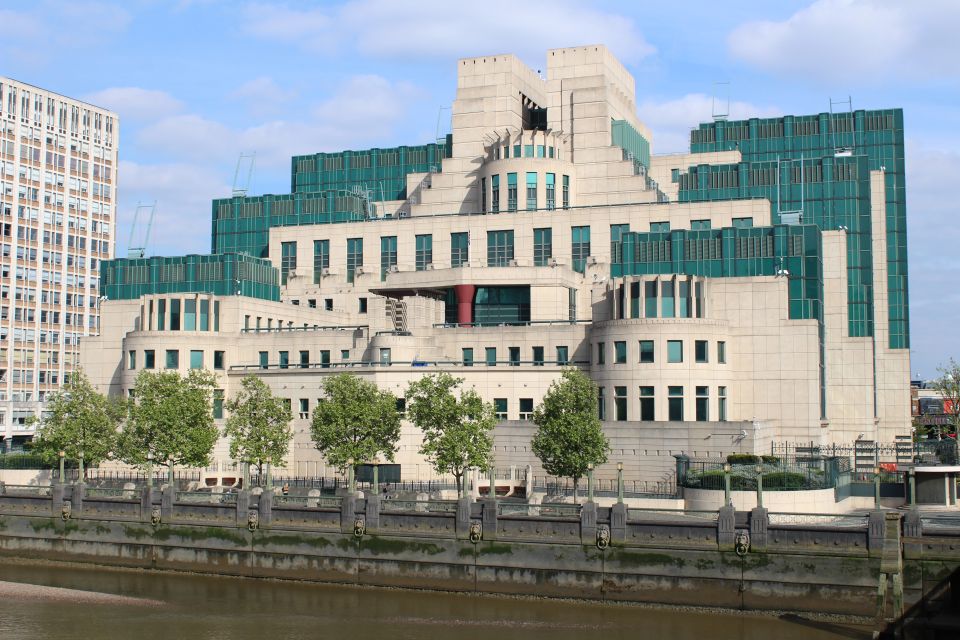
The tour ends outside the MI6 building in Vauxhall, a spot instantly associated with the franchise. The headquarters is described as fortress-like, and that mood lands even if you’re not waiting for a dramatic scene.
This ending works because it brings the story full circle. Earlier stops train your eye for spy-ready angles and story logic. Then MI6 gives you the final “target” in one place. It’s not just a famous exterior. It’s the moment the tour’s premise becomes real-life: you’re at what feels like the cinematic command post.
If you like Bond for the sense of authority, this is where you feel it most. If you like London for its layers, this is also where you feel the scale of the city’s institutional core.
Guides, pacing, and route changes: the difference between OK and great
A walking tour lives or dies by the guide’s flow. Here, the experience is consistently shaped by guides who know how to steer the group, keep energy high, and still stay on schedule.
Guides including Owen, Rob, Michael, Jonathan, Benny, Tom, and Ian show up repeatedly in the experience as names people connect with the tour’s tone. The consistent theme is that the guide doesn’t just recite facts. They tell stories in a way that makes locations feel usable, like you can almost see a scene being blocked in real time.
Another practical win: guides adapt when the route can’t go exactly as planned. Road closures, public events, or changes around major landmarks can affect movement in central London. In these situations, a good guide doesn’t let it ruin the tour. The result is a session where you still get the full arc, instead of spending time lost or stuck.
Value and timing: is $22 for 2.5 hours a good deal?
At $22 per person for about 2.5 hours, this is priced like a straightforward sightseeing tour, not a premium private experience. The value comes from three places.
First, you get more than 10 Bond-linked locations in a single morning-style block. Doing that solo is possible, but you’d spend real time hunting down coordinates, figuring out transit legs, and constantly re-checking where filming spots are relative to one another.
Second, you get interpretation. The guide’s focus on film-making process and real spy-service context turns “I saw a building” into “I understood why it was used.”
Third, you get an actual ending at MI6 rather than leaving you to piece together the final scene on your own. That structure matters. Bond is all about momentum, and this tour keeps that feeling moving until the last stop.
If you’re only in London for a short visit, it’s also a solid use of time. You’ll cover a large central area without needing an all-day commitment.
Practicalities you should plan for before you go
Two things can make or break your experience here: footwear and your transit setup.
Bring comfortable shoes. Even if the pace is kept friendly, you’ll still be moving through central London streets, and you’ll want your feet ready for real sidewalks, curbs, and standing for short moments at stops.
Next: you’ll need an Oyster card. The tour uses public transport (bus) during the experience, and cash is no longer accepted on public transport. So don’t show up relying on spotty cash options. If your Oyster balance is low, fix it before the tour begins.
A few people should note the restrictions listed for this tour: it’s not suitable for mobility impairments or wheelchair users, and it’s also listed as not suitable for hearing-impaired people. It also doesn’t allow baby strollers and doesn’t accept unaccompanied minors. If any of that applies, you’ll want to choose a different activity that fits better.
Should you book the James Bond Shooting Locations walking tour?
Book it if you want Bond to be more than just a themed stroll. This tour gives you more than 10 film-linked stops, real-world spy context, and a payoff ending at MI6 in Vauxhall. The guide-led storytelling, including humor and route adaptation, is a big reason it consistently works well.
Skip it (or consider alternatives) if you can’t handle the walking and public transport mix, or if the tour format doesn’t match accessibility needs like mobility or hearing requirements. Also, if you’re the type who only wants stand-alone landmarks with no explanation and minimal standing time, you might find the “story-based” approach less appealing.
If you’re on the fence, think about what you want out of London: sights, or story. This one leans hard toward story, and it uses London’s actual streets as the script.
FAQ
Where does the tour meet?
You meet outside Charing Cross railway station, in front of Boots, next to the Clermont Charing Cross Hotel.
How long is the tour?
The experience runs for about 2.5 hours.
What is the price?
It’s $22 per person.
How many James Bond locations do we visit?
The tour visits more than 10 James Bond shooting locations.
Is an Oyster card required?
Yes. You’ll need an Oyster card for travel during the tour because it includes a bus segment.
What should I bring?
Bring comfortable shoes.
What is included in the ticket price?
A professional guide is included.
Who should not book this tour?
It’s listed as not suitable for people with mobility impairments, wheelchair users, and hearing-impaired people, and it doesn’t allow baby strollers or unaccompanied minors.
What’s the cancellation policy?
You can cancel up to 24 hours in advance for a full refund.