REVIEW · LONDON
Jack The Ripper Tour: Interactive Tour London
Book on GetYourGuide →Operated by Global Experiences · Bookable on GetYourGuide
Victorian fog and street clues still feel close here. A Jack the Ripper tour that focuses on the victims, not just the killer, makes for a more human kind of mystery in Whitechapel. I love that you’re guided to real locations and kept busy with an interactive detective pack. One thing to consider: it’s a 2-hour walking experience, so comfortable shoes matter if you’re sensitive to cobblestones and crowds.
You’ll start at St Mary’s Whitechapel Church Memorial area, then work your way through the neighborhood toward The Ten Bells while your guide builds the case. I really like the theory-hunting at the end, because you’re given material to think through instead of being handed a single answer. The main drawback is that this is fact-based storytelling tied to violent crimes, so it may feel heavy if you prefer light, entertainment-only tours.
In This Review
- Key Highlights You’ll Actually Notice
- A Jack the Ripper Walk That Feels Grounded in People
- The tone: mystery with consequences
- Where the Tour Starts: Altab Ali Park and the Yellow Flag
- Stop 1: St Mary’s Whitechapel Church Memorial
- What to watch for
- Whitechapel on Foot: Real Crime Scenes and Your Detective Pack
- Why the “victim stories” matter
- A practical expectation: you’ll be doing more than sightseeing
- Collecting Clues: The Interactive Part Without the Gimmicks
- How to get more out of it
- Stop 2 to the End: From Crime Scenes to Theories
- What you’ll likely take away
- The Ten Bells Finish: Closing the Case at a Famous Corner
- Price and Value: What $20.33 Gets You in Two Hours
- The only built-in tradeoff
- How the Guide Makes It Work: Friendly, Informative, and Responsive
- Logistics That Matter Day-Of
- Who This Tour Suits Best
- Best timing for your day
- Should You Book Jack The Ripper Tour: Interactive Tour London?
- FAQ
- Where is the meeting point?
- Where does the tour finish?
- How long is the tour?
- What’s included in the tour?
- Is food and drink included?
- Is the tour wheelchair accessible and offered in English?
- Can I cancel, and is pay later available?
Key Highlights You’ll Actually Notice
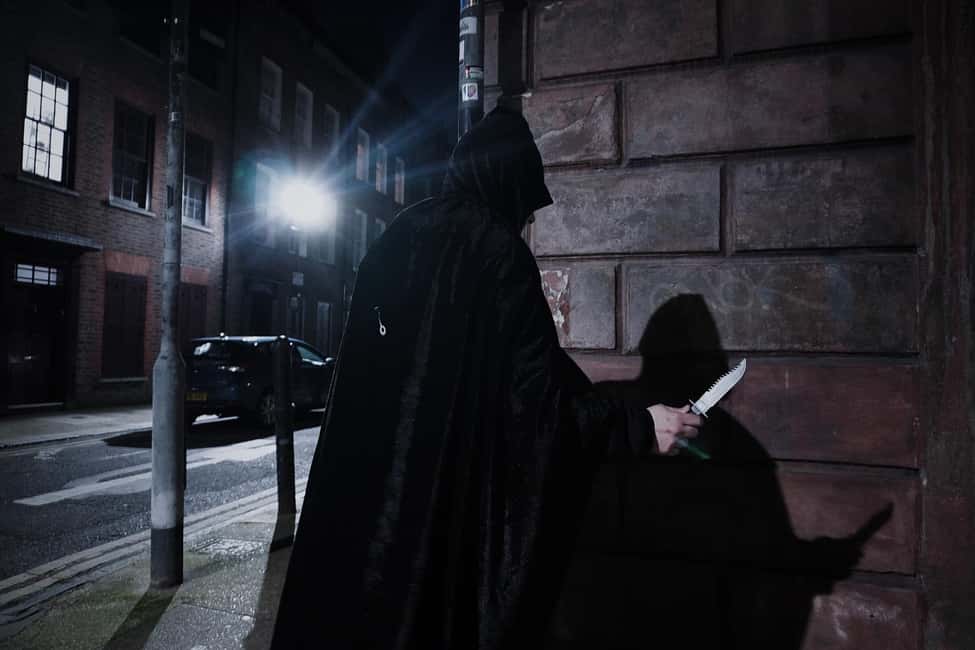
- Victim-centric stories: you spend real time on the women’s lives, not just the legend.
- Real-world crime scenes: the walk is set around actual Whitechapel locations connected to the murders.
- Interactive detective pack: you get prompts to collect clues as you go.
- A Ripperologist guide: expect a specialist-style explanation of the case and its unanswered questions.
- Crime-scene-to-theories flow: you investigate first, then analyze competing identity theories afterward.
- Easy 2-hour format: compact enough to fit into a busy London day.
A Jack the Ripper Walk That Feels Grounded in People

Jack the Ripper stories can turn into spooky theater fast. This one aims at something more grounded: the victims, their lives, and the lasting legacy their deaths left behind. That shift changes the tone of the whole experience. Instead of just asking, Who was he? you end up asking, Who were they, and what do we know for sure?
I also like how interactive the format is. You aren’t just walking behind your guide like an audience member. You’re meant to act like a detective, using a provided detective pack to gather clues as the route unfolds. It’s a small thing, but it keeps your brain engaged and helps the stops feel connected rather than random points on a map.
You can also read our reviews of more tours and experiences in London.



The tone: mystery with consequences
Because the tour centers on victims of violent crimes, you should expect a serious narrative. You’re not on a cheap jump-scare tour. It’s more like an investigative walk where facts, theories, and context sit side by side.
If that’s your kind of travel—history with a purpose, and questions that don’t have neat answers—you’ll probably enjoy this style a lot.
Where the Tour Starts: Altab Ali Park and the Yellow Flag
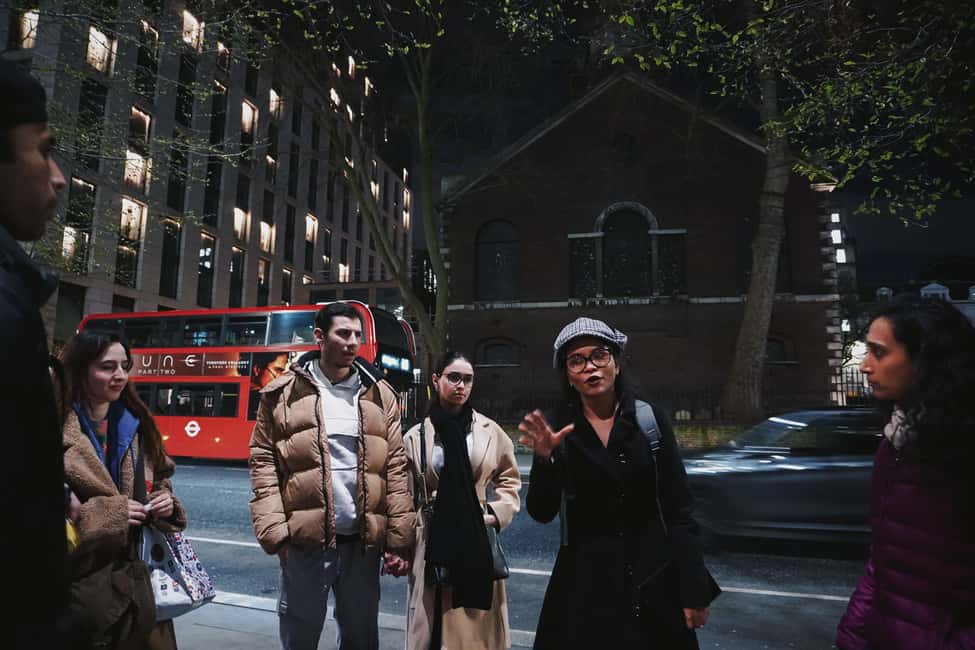
The meeting point is at Altab Ali Park, and you’ll find the guide waiting inside the park holding a yellow Carpe Diem Tours flag or sign. Arrive about 10 minutes early so you can check in without stress. That little buffer matters on street-level tours, because finding the right person is half the battle.
The tour is led in English by a live guide described as a Ripperologist. That matters because this isn’t just a walk with a speaker on a phone. You’ll have someone steering the story, answering questions, and guiding the clue-collection part of the detective pack.
Stop 1: St Mary’s Whitechapel Church Memorial
The first stop sets the mood and gives you a starting frame for the case. You’ll begin at the St Marys Whitechapel Church Memorial location. Even before you get deep into the crime-scene route, this early moment helps you understand how Whitechapel is presented in the narrative of 1888.
This is also where the tour’s victim-focused approach should start to click. If you’ve ever felt that Jack the Ripper stories turn into a checklist of murders, the first stop is the gentle correction. The guide’s job here is to get you oriented—geographically and emotionally—so the rest of the walk lands with meaning.
What to watch for
Listen for the way your guide connects the neighborhood to the victims’ lives and the uncertainty around the Ripper’s identity. You’ll be moving into real location visits afterward, so this is your chance to get your bearings and settle into detective mode.





Whitechapel on Foot: Real Crime Scenes and Your Detective Pack
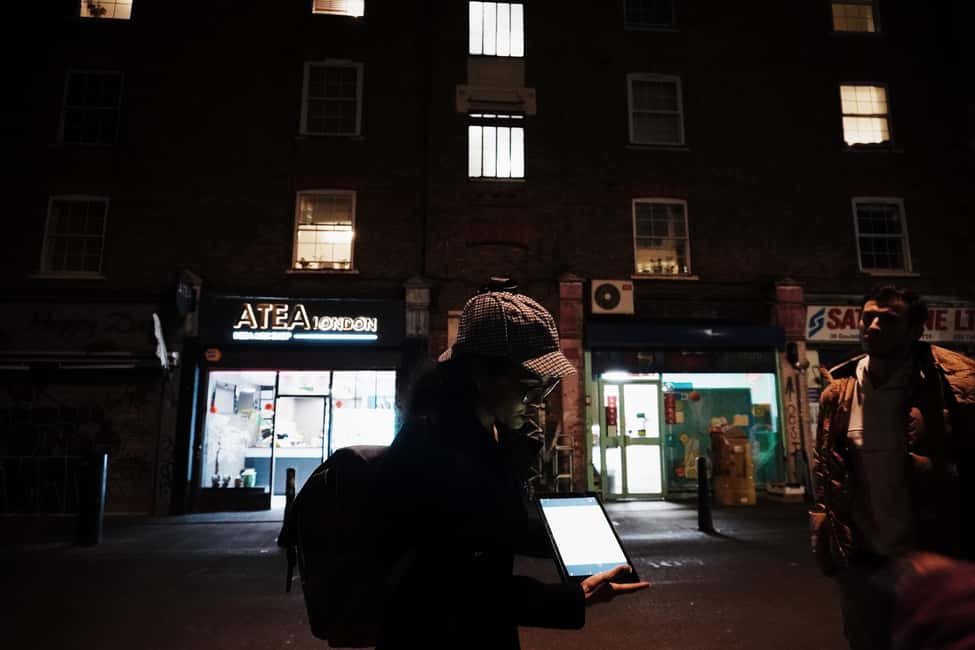
Most of the tour time is spent wandering Whitechapel while the guide leads you through the route’s key points. This is the heart of the experience: you visit real-life crime locations and hear victim-centric stories connected to the case.
You’ll also use your interactive detective pack during the walk. The idea is simple: collect clues as you go, then piece them together later when theories are discussed. That structure is valuable because it mirrors how real investigations feel—information first, conclusions after.
Why the “victim stories” matter
When a tour gives you the women’s stories instead of only the killings, you get something more than shock. You start to understand how these deaths were part of real lives in a real community. That’s likely to make the unanswered questions feel more honest, because you’re not treating the victims like props.
A practical expectation: you’ll be doing more than sightseeing
This won’t feel like a sit-and-listen museum tour. It’s an active walk. You’ll be absorbing narrative details while also responding to clue prompts. If you like hands-on history—where you do something during the tour—you’ll appreciate the pace and format.
Collecting Clues: The Interactive Part Without the Gimmicks
The detective pack doesn’t just exist to be fun. It’s there to help you connect the stops you’re seeing with the case questions you’ll tackle afterward.
Think of it like this: each location visit adds a layer. Your guide explains what’s known, what’s uncertain, and how people have tried to build theories from the evidence. Your detective pack then turns those explanations into something you can process actively, rather than passively.
How to get more out of it
Bring curiosity, not a need for certainty. Since Jack the Ripper’s identity remains unknown, the tour’s strength is showing how mystery works when the record is incomplete. Pay attention to how your guide handles gaps—because those gaps are where theories start.
Stop 2 to the End: From Crime Scenes to Theories

After the clue-collecting and victim-story portion, the tour transitions into the most brainy part: analyzing theories about the Ripper’s true identity and what might have happened to him. This is where many Jack the Ripper experiences either oversimplify or sensationalize. Here, the aim is to weigh possibilities after you’ve seen the real locations and heard the stories tied to them.
That order—scene first, theories second—is smart for your takeaway. You’re less likely to remember a random name and more likely to remember the logic your guide uses to explain why some theories stick better than others.
What you’ll likely take away
You should leave with a clearer understanding of:
- Why the case remains unresolved
- How people build identity theories from partial evidence
- How victim-focused storytelling changes your sense of the overall case
Even if you already know a bit about Jack the Ripper, this approach tends to feel different because it puts the emphasis where most mainstream versions go light: the human impact, then the mystery.
The Ten Bells Finish: Closing the Case at a Famous Corner
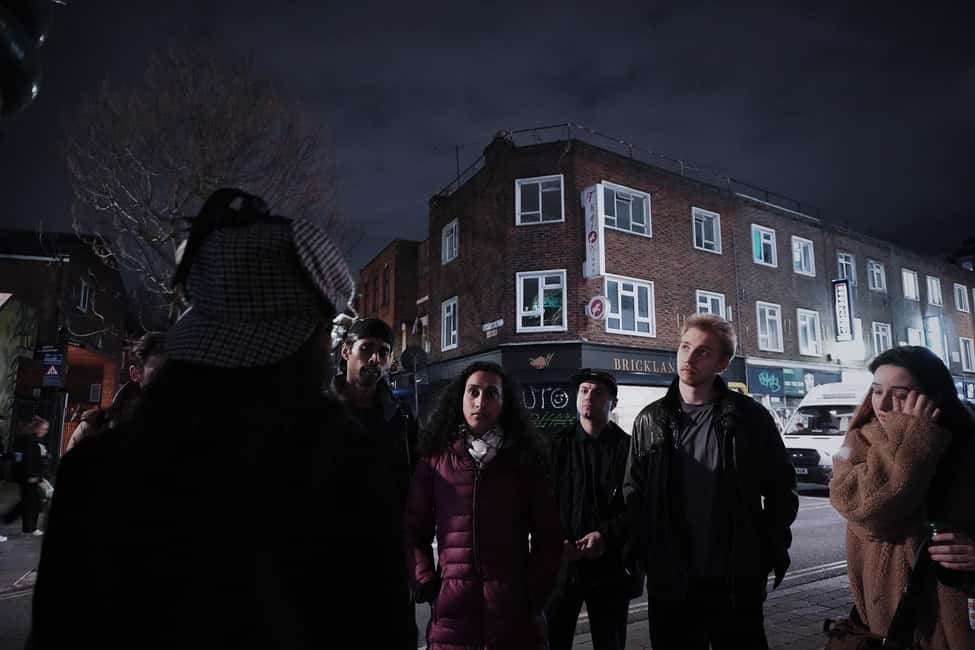
The tour ends at The Ten Bells. That finish point is more than a symbolic stop. It wraps your route into a recognizable end marker so you’re not floating around Whitechapel wondering where the tour ended.
The activity is described as ending back at the meeting point, which is useful to know because it signals the tour isn’t designed as a one-way route you have to solve with transit planning. In other words: you should be able to follow the structure without having to figure out a new pickup point.
If you’re planning the rest of your day, treat the end at The Ten Bells as your natural pivot point. After 2 hours, you’ll be ready to either grab food nearby or continue exploring the area at your own pace.
Price and Value: What $20.33 Gets You in Two Hours
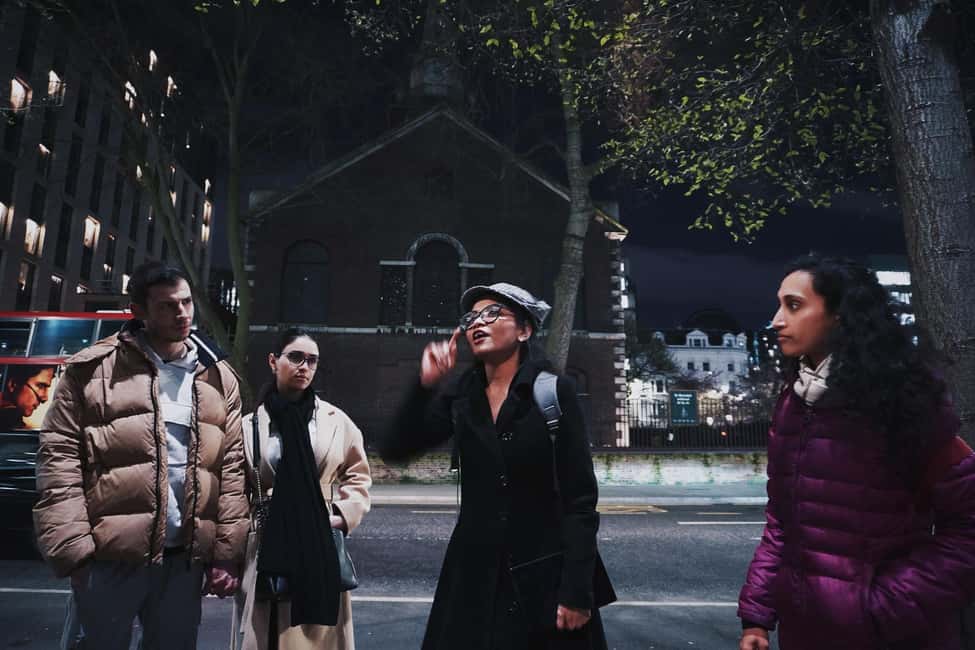
At $20.33 per person, this is priced as a compact, guided walking experience rather than a high-end, long-form production. For me, the value comes from three things that align well with the price point:
- You get a live Ripperologist guide and real narrative structure.
- You visit multiple locations connected to the case rather than just one photo stop.
- You receive an interactive detective pack, which turns the walk into an activity, not just a slideshow.
You’ll also spend the time on the ground in Whitechapel, where location context matters. That’s hard to replicate through a basic self-guided audio tour.
The only built-in tradeoff
There’s no food or drink included. That’s not a problem if you plan ahead, but it does mean you’ll want to schedule a meal separately. It also helps you avoid “tour meal” crowds, since you’ll be free to choose your own spot afterward.
How the Guide Makes It Work: Friendly, Informative, and Responsive
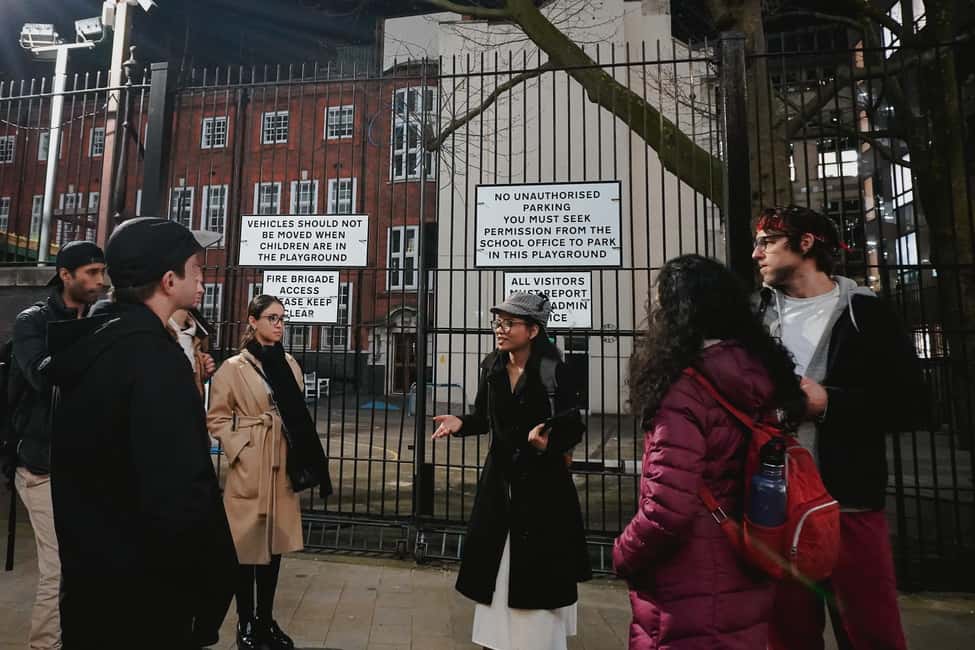
One review detail stands out from the guide style: the guide was friendly, informative, and took time to check that everyone was ok while also answering questions. That kind of responsive guiding is exactly what you want on a story-heavy route—especially one covering real murders.
You’ll likely do best if you’re comfortable asking questions. The tour format supports it. You’re not trapped in silence while the guide talks past you.
Also, because this is a victim-focused tour, the guide’s handling of sensitive material matters. A careful, respectful tone helps the experience stay thoughtful rather than sensational.
Logistics That Matter Day-Of
Here are the practical bits you should plan around:
- Duration: 2 hours (check availability for starting times)
- Language: English
- Accessibility: wheelchair accessible
- What to bring: comfortable walking shoes and a bit of patience for city sidewalks
- Food/drink: not included, so plan a snack or meal separately
The route is in and around Whitechapel, so expect a typical London walking pace. If your schedule is tight, the 2-hour length is a real advantage.
Who This Tour Suits Best
This experience is a great match if you:
- Like interactive history that makes you think, not just watch
- Want the story centered on victims, not pure killer mystique
- Enjoy crime-case style explanations with multiple theories
- Prefer a short, focused tour you can plug into a longer London itinerary
It may be less ideal if you want a light, entertainment-only ghost walk. Because this tour focuses on lives and deaths tied to real violence, it’s thoughtful and serious by design.
Best timing for your day
If you like “morning clarity” and “evening wander,” slot it when you’re fresh—before fatigue makes detective-style clue tasks feel like homework.
Should You Book Jack The Ripper Tour: Interactive Tour London?
If you’re looking for a Jack the Ripper experience that treats the victims as real people and keeps you active with clues, I’d say yes. The combination of real Whitechapel locations, a Ripperologist guide, and the interactive detective pack makes it feel like more than a re-telling.
Skip it only if you strongly dislike crime-history topics or you want a relaxing, low-stimulation outing. Otherwise, this 2-hour format is a strong value—especially for the way it builds from crime scenes into theories, so you leave with a better sense of how the mystery persists.
FAQ
Where is the meeting point?
The guide waits inside Altab Ali Park. Look for a yellow Carpe Diem Tours flag or sign.
Where does the tour finish?
The tour finishes at The Ten Bells. The activity is described as ending back at the meeting point.
How long is the tour?
It lasts 2 hours. Check availability to see starting times.
What’s included in the tour?
You get a tour of Whitechapel with visits to real crime scenes, victim-centric stories, a Ripperologist guide, and an interactive detective pack.
Is food and drink included?
No. Food and drink aren’t included.
Is the tour wheelchair accessible and offered in English?
Yes, it’s wheelchair accessible, and the live tour guide language is English.
Can I cancel, and is pay later available?
Free cancellation is available up to 24 hours in advance for a full refund. There’s also a reserve now & pay later option so you can book without paying today.