REVIEW · LONDON
Lights, Camera, London! Movie Locations Walking Tour
Book on GetYourGuide →Operated by Where Now Tours · Bookable on GetYourGuide
London turns film fiction into real streets. This walking tour links famous movie moments to the actual streets you can stand on today, with on-the-spot film clips that explain what you’re seeing and why it matters. I also love the way the route blends major landmarks with lesser-known corners like Cecil Court, so you leave with both star-power photos and local texture.
One thing to think about first: this is about 90 minutes of brisk walking, plus you’ll use the London Underground, so comfortable shoes and quick transit timing help a lot.
In This Review
- Key things I’d watch for on this tour
- From Eros Fountain With an Orange Umbrella
- Piccadilly Circus to Cecil Court: Movie Energy, Real Street Corners
- Trafalgar Square and Great Scotland Yard: Big Names, British Film Atmosphere
- The Blackfriar, St Paul’s, and the Millennium Bridge Shot Setup
- Shakespeare’s Globe Theatre and the Path Toward Borough Market
- The Film History Angle That Makes the Walking Tour Worth It
- Price and Value: Is $21.55 a Good Deal?
- Who This Tour Fits Best
- Should You Book Lights, Camera, London?
- FAQ
- How long is the Lights, Camera, London! Movie Locations Walking Tour?
- Where does the tour start?
- How do I recognize the guide?
- What is included in the ticket price?
- Is food and drink included?
- Do I need an Oyster card or contactless payment?
- What movies or franchises are featured?
- How much walking is involved?
- What should I bring?
- Is the tour suitable for wheelchair users?
Key things I’d watch for on this tour
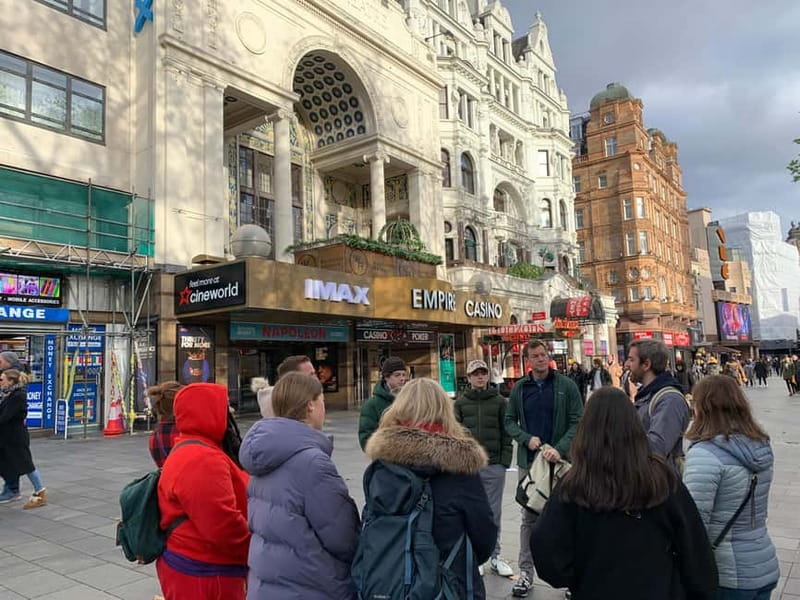
- Film clips at real locations: You don’t just hear stories; you see scenes tied to the streets.
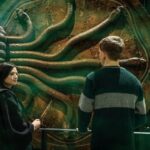
- Big franchises, plus variety: Mission Impossible, Harry Potter, Fast and Furious, James Bond, Marvel, Disney, and more are part of the mix.
- Iconic landmarks, short stops, lots of photos: You’ll get quick guided moments at Piccadilly Circus, Trafalgar Square, and Millennium Bridge.
- Offbeat London stops: Cecil Court and Scotland Yard areas add flavor beyond the usual checklist.
- A satisfying food ending: Borough Market is a great place to snack and regroup after the walk.
- Underground jump between stops: Plan for quick transfers and have your payment ready.
From Eros Fountain With an Orange Umbrella
The tour starts at the Shaftesbury Memorial (Eros Fountain) area. When you arrive, look for the guide holding an orange umbrella. It’s a simple trick, but it saves time when London sidewalks are doing their usual crowd ballet.
This is a 2-hour experience, and you’ll be moving most of the time. The route has you out for around 90 minutes of brisk walking, with photo stops and short guided explanations at each location. That pace keeps the tour feeling energetic, but it also means you should treat it like a proper walking itinerary, not a slow sightseeing stroll.
You’ll also use the London Underground during the tour, so you can’t just show up empty-handed. Plan to bring an Oyster card or contactless (or a paper ticket for Zone 1), with enough value on board. The tour guidance mentions at least £2.40 for your Oyster/contactless, and it also notes £2.20 in another place—so I’d personally aim for the higher amount to avoid last-minute stress.
You can also read our reviews of more walking tours in London

Piccadilly Circus to Cecil Court: Movie Energy, Real Street Corners
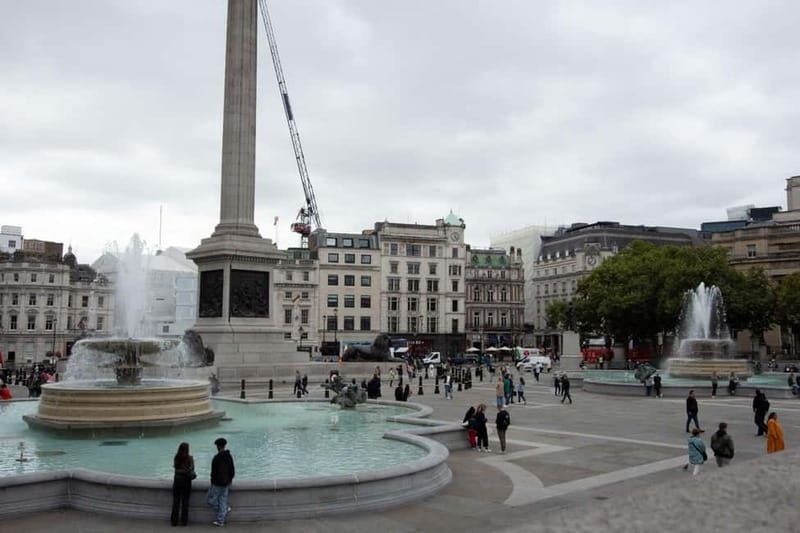
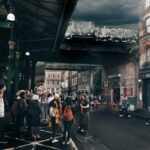
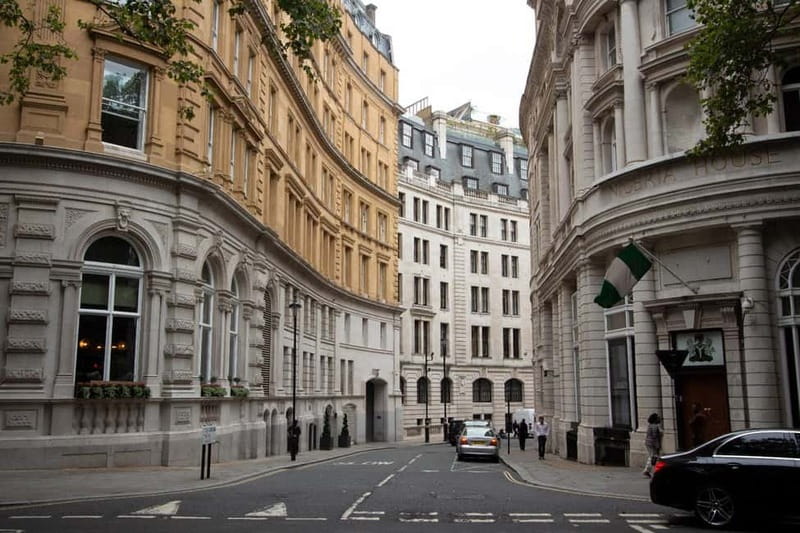
Your first major stop is Piccadilly Circus, with a photo moment and guided time focused on how screen scenes intersect with the look of the street. Expect quick orientation more than a long sit-down lesson. That’s part of the tour’s style: you move fast, you watch the clip, and you look up at the same angle in real life.
After Piccadilly Circus, you’ll have a couple of additional short photo-and-walk moments (the tour keeps these tight, with brief guided time). Think of these as connective tissue—places where the guide helps you understand why this area works on camera and how London’s visuals get reused again and again.
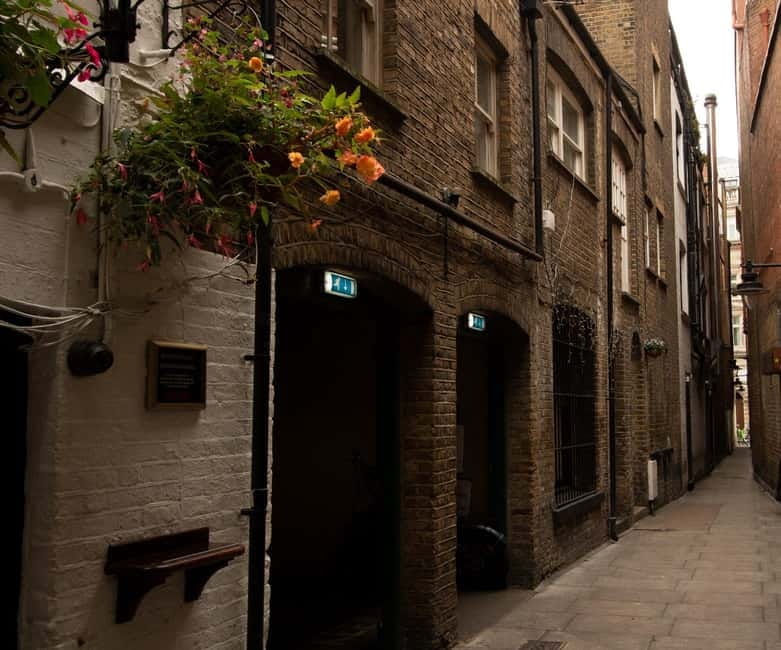
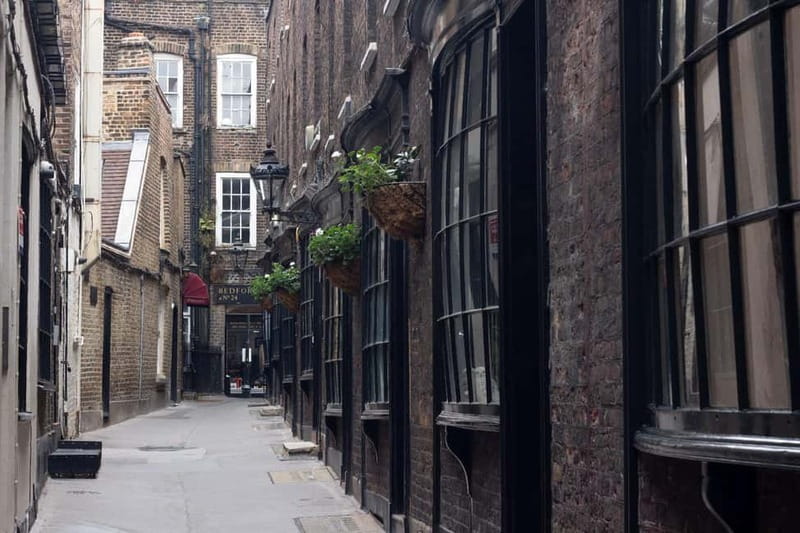
Then comes Cecil Court, one of my favorite kinds of stops on any London tour: the less-famous streets where the city feels like itself. The guide gives you a short window to photograph and then explains how this kind of London location fits into film storytelling. Cecil Court is a great example of the tour’s value. You get the thrill of big productions, but you also see that London has film-friendly details well outside the postcard giants.
The trade-off with these early stops is that there isn’t much time to wander off on your own. If you like to browse shops or linger for “just one more photo,” this itinerary is a better fit if you keep moving with the group.
Trafalgar Square and Great Scotland Yard: Big Names, British Film Atmosphere
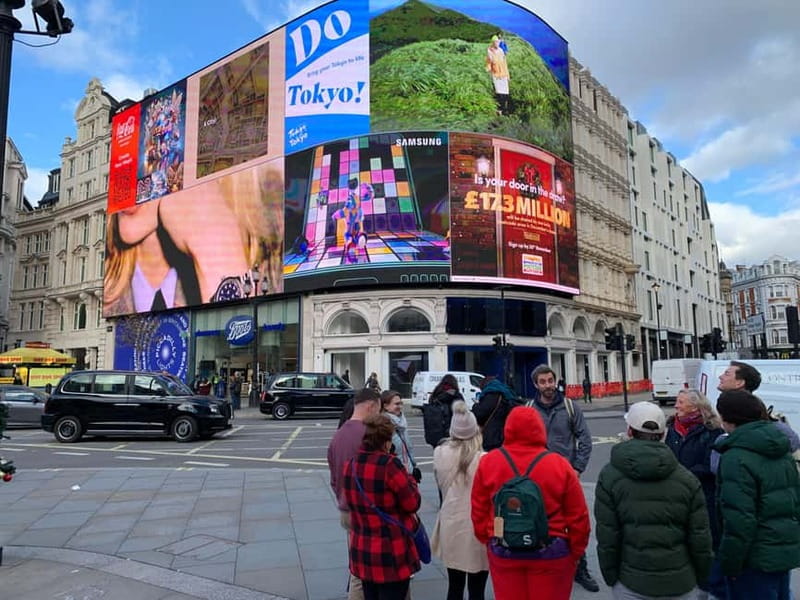
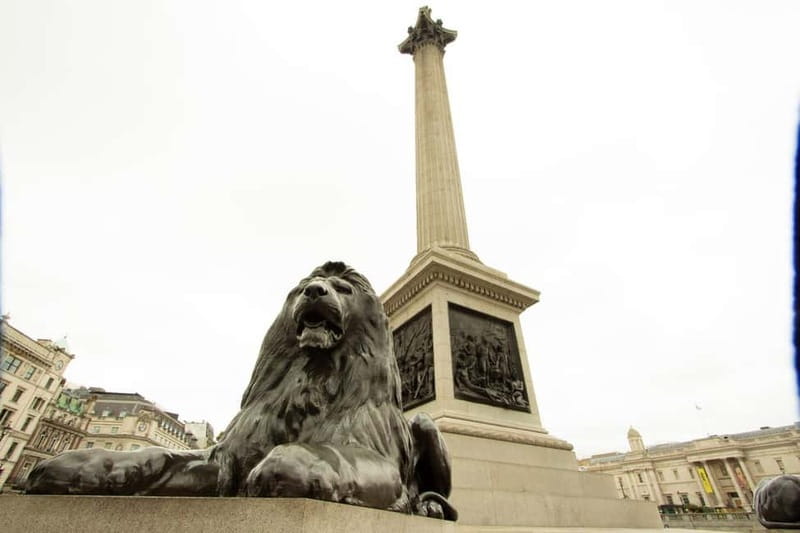
Next up is Trafalgar Square, again with a photo stop and guided time. This is the kind of place where movies like to set up contrast: formal public space, crowds, and stone geometry that photographs well. The tour uses those visuals to connect film language to real-world London.
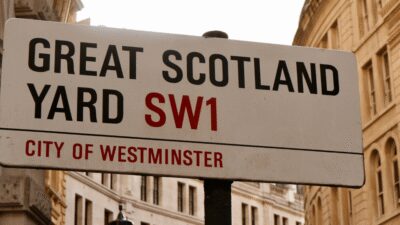
From there, you head toward Great Scotland Yard for another photo-and-guided segment. This stop works well because it adds a different kind of movie logic. It’s not only glamour. It’s also the built-in mood of institutional London—useful for crime stories and spy-flavored scenes. You’ll also get ties to major franchises that lean into that atmosphere.
There’s a short Underground/metro segment in the middle of this stretch. You’ll likely feel the rhythm of the tour here: arrive, watch the clip context, take photos, move fast, then repeat. If you’re someone who hates rushing between sights, this is the part where you’ll want to keep your phone charged and your sense of direction simple.
The Blackfriar, St Paul’s, and the Millennium Bridge Shot Setup
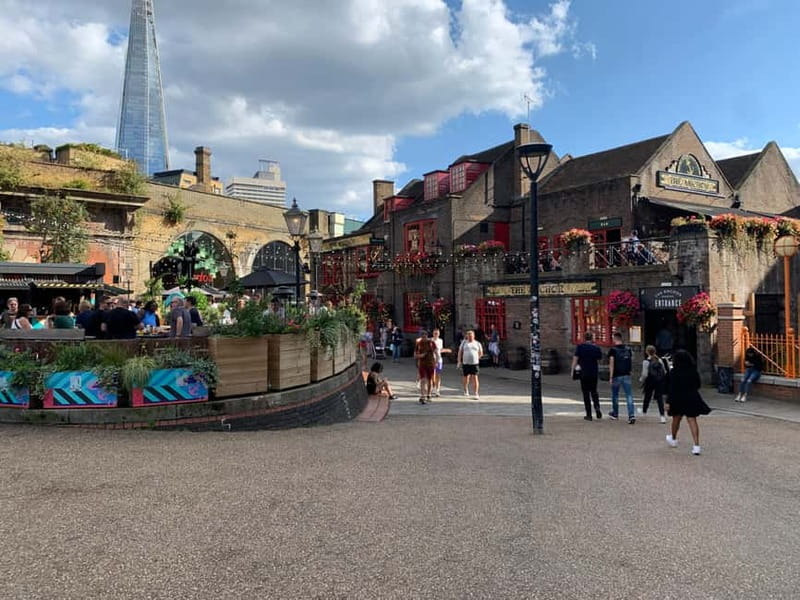
The itinerary brings you to The Blackfriar for a short guided moment and photo stop. Pubs in London are often more than backdrops. They’re social hubs with a lived-in look, and that makes them perfect for film scenes that want authenticity. This stop adds a human scale to what can otherwise feel like pure monument tourism.
Then you head to St Paul’s Cathedral. You’ll get a short photo stop and guided time, which is just enough for you to understand where the sightlines work. St Paul’s is a visual cheat code for filmmakers, so seeing how the tour frames its screen use gives you a new habit: looking at the city as a set of camera angles rather than just a view.
After that, the tour hits Millennium Bridge for another photo stop and guided segment. The bridge is the kind of landmark that looks dramatic in motion, which is exactly what film crews love. Here, the tour’s clip approach helps you spot how a single location can feel completely different depending on timing, lens choice, and scene intent.
One practical note: these photo stops can be short. So if you want great pictures, keep your camera ready, don’t overthink settings, and take a wide shot first before you zoom in.
Shakespeare’s Globe Theatre and the Path Toward Borough Market
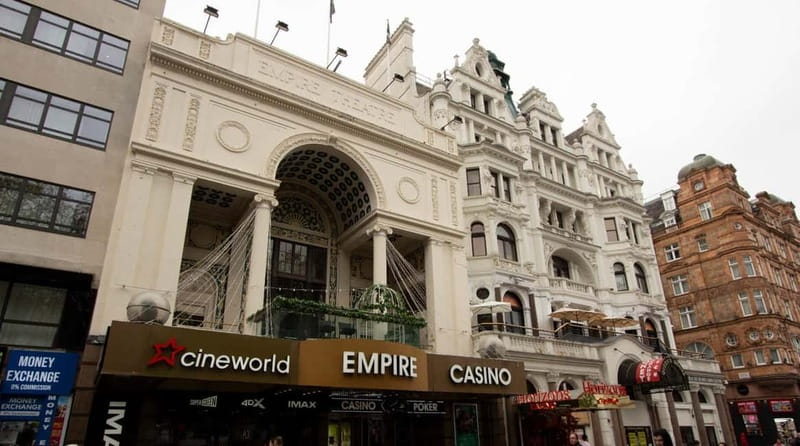
The route continues to Shakespeare’s Globe Theatre for a quick photo stop and guided time. Even if Shakespeare isn’t your personal obsession, this stop makes sense in the tour’s overall theme: London as a place where performance is part of the architecture. The guide’s film-history angle helps you see how older cultural spaces feed the modern movie machine.
From here, the tour includes a couple of additional short photo-and-guided moments (again, brief segments with quick instruction and plenty of time for you to stand back, watch, and snap). These are ideal for filling in gaps between the headline landmarks.
Finally, you reach Borough Market, where the tour finishes. This ending is smart. You get a food market built for wandering and snacking right after you’ve been walking for two hours. The tour isn’t about eating as part of the program—you’ll see that food and drink aren’t included—but Borough Market is a ready-made reward. It’s also one of the easiest places to reset your bearings and decide what you want to do next.


The Film History Angle That Makes the Walking Tour Worth It
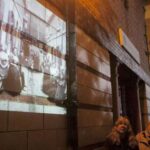
What makes this tour more than a photo scavenger hunt is the guide’s film-history focus. Along the way, you’ll hear about the history of film in London and where the British film industry started. The tour doesn’t treat movie-making like distant Hollywood magic. It frames it as something that grew from London’s real spaces and real industry roots.
You’ll also see how modern blockbusters and classic British film vibes can share the same city logic. The guide connects big-screen moments to real street layouts, then uses those film clips to show how London’s look gets reused across genres—spy, action, fantasy, romance, and superhero stories.
And yes, the clip format matters. If you’ve ever visited a movie location and thought, I can’t imagine that scene here, this tour approach is built to fix that. Seeing a film fragment while you’re standing in front of the setting helps your brain link image to location fast.
Price and Value: Is $21.55 a Good Deal?
At $21.55 per person for a 2-hour guided walk, this tour sits in the “good value if you’ll actually use the guide” category.
Here’s why it feels worth it:
- You get an expert guide plus film clips, which is hard to recreate on your own quickly.
- You hit major landmarks like Piccadilly Circus, Trafalgar Square, St Paul’s, and Millennium Bridge, plus you get into areas people often skip, like Cecil Court.
- You also get film-history context, not just trivia.
- You end at Borough Market, which makes it easy to turn the tour into a longer day out.
What could make it less worth it for you is if you already know the exact movie locations you want and you’re comfortable building a route with transit. If that’s you, you might prefer a DIY map. But if you want someone to point out what to look for and show the clips right where they happened, this price is pretty reasonable for central London.
Who This Tour Fits Best
This works especially well if you:
- Love movie franchises and want to connect them to real streets.
- Enjoy quick, guided stops rather than long free time.
- Want film history as part of your sightseeing, not as a separate museum visit.
It may feel less comfortable if you:
- Struggle with walking. The tour includes around 90 minutes of brisk walking.
- Need lots of time to linger. The schedule is built on short photo moments and movement between stops.
There’s also a bit of a mismatch in the provided access notes: it’s listed as wheelchair accessible, yet it’s also marked not suitable for wheelchair users and people with mobility impairments. If you have mobility needs, treat that as a sign to confirm fit with the operator before you book.
Should You Book Lights, Camera, London?
If you like the idea of standing in the same place a famous scene was made and then seeing a matching clip, I think this tour is a strong yes. It’s a smart mix of famous landmarks and lesser-seen London streets, with the key ingredients that make locations feel real: guidance, clips, and context.
Book it if you want an efficient, movie-focused way to explore central London in just two hours. Skip it if you want slow pacing or deep, unhurried time at each stop.
FAQ
How long is the Lights, Camera, London! Movie Locations Walking Tour?
The tour lasts about 2 hours.
Where does the tour start?
It starts by the Shaftesbury Memorial (Eros Fountain).
How do I recognize the guide?
The guide will be holding an orange umbrella.
What is included in the ticket price?
You get an expert guide, film clips of movie locations, and history of film in London.
Is food and drink included?
No. Food and drink are not included.
Do I need an Oyster card or contactless payment?
Yes. The tour uses the London Underground, and every person over 11 needs an Oyster card or contactless payment method (or a paper ticket for Zone 1) with the required balance.
What movies or franchises are featured?
You’ll see clips tied to Mission Impossible, Harry Potter, Fast and Furious, Bridget Jones Diary, Marvel Cinematic Universe, James Bond, and Disney, along with other film locations.
How much walking is involved?
The tour includes about 90 minutes of brisk walking.
What should I bring?
Bring comfortable shoes, a camera, and a charged smartphone.
Is the tour suitable for wheelchair users?
It is listed as wheelchair accessible, but it is also marked not suitable for wheelchair users and people with mobility impairments, so you should check suitability before booking.