REVIEW · LONDON
London: Jack the Ripper Walking Tour – Ripper Vision Tours
Book on GetYourGuide →Operated by Secret Chamber Tours Ltd · Bookable on GetYourGuide
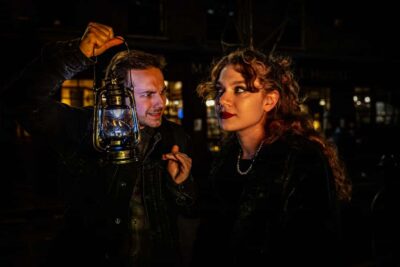
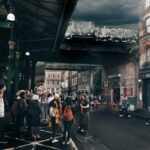
Foggy Whitechapel turns into a crime scene. This Jack the Ripper walking tour uses a handheld Ripper-Vision projector to throw Victorian-era images onto the streets, so the story feels tied to the pavement, not a book page. I especially like the way it makes the setting do the work, with gaslight-and-fog atmosphere built in as you walk.
My second big win is the guide-led storytelling, where you get both the facts and the conspiracies around Jack the Ripper and then hear how modern criminal profiling could (and should) change the case. Guides such as Harry, Alan, Rob, Mick, and Sinead are repeatedly praised for clear, energetic narration and strong pacing.
One thing to consider: timing matters. If you start while it is still bright, the projection can be harder to see, and bigger groups on narrow streets can make it tougher to hear or get a clean view.
In This Review
- Key things to know before you go
- Ripper-Vision: What you actually see on the Whitechapel streets
- Finding the start at Aldgate East (and why Exit 3 matters)
- The first stretch: setting Victorian London’s tone
- Mid-tour moments: projected crime scenes, mortuary photos, and suspects
- The theory part: facts, conspiracies, and a profiling-style ending
- How hard is it, really: shoes, weather, and narrow-street crowding
- Who should book (and who should skip)
- Price and value: is $26.94 worth 105 minutes?
- The guide factor: why people rave about the storytelling
- After the tour: where to head next in Whitechapel
- Should you book this Jack the Ripper walking tour?
- FAQ
- Where is the meeting point?
- Does the tour end somewhere else?
- How long is the tour?
- What language is the tour in?
- What should I bring?
- Will the tour run in bad weather?
- Is it suitable for wheelchair users or mobility impairments?
- Is it okay if I have heart problems?
- Is the content graphic?
- Can I get a refund if my plans change?
Key things to know before you go
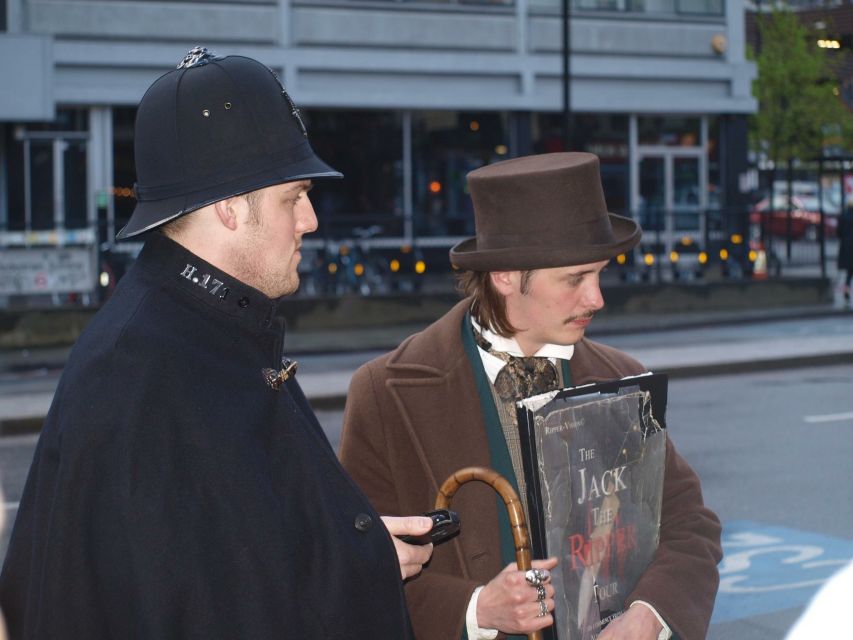
- Ripper-Vision projections on real streets: crime-scene visuals, mortuary photos, and suspect imagery are shown right where the story points.
- Facts plus conspiracies, not just one theory: you’ll hear how the case is framed, argued, and re-argued.
- Modern profiling angle: the tour doesn’t stop at history trivia; it talks about what the police should have considered using modern methods.
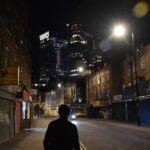
- Expect a night-tour vibe: the whole thing is designed for the darker atmosphere, and it gets better as the light fades.
- Graphic material warnings: some guides warn you before showing more intense images, so you can look away if you need to.
- Moderate walking on uneven ground: cobbles and uneven bits mean comfortable shoes are not optional.
Ripper-Vision: What you actually see on the Whitechapel streets
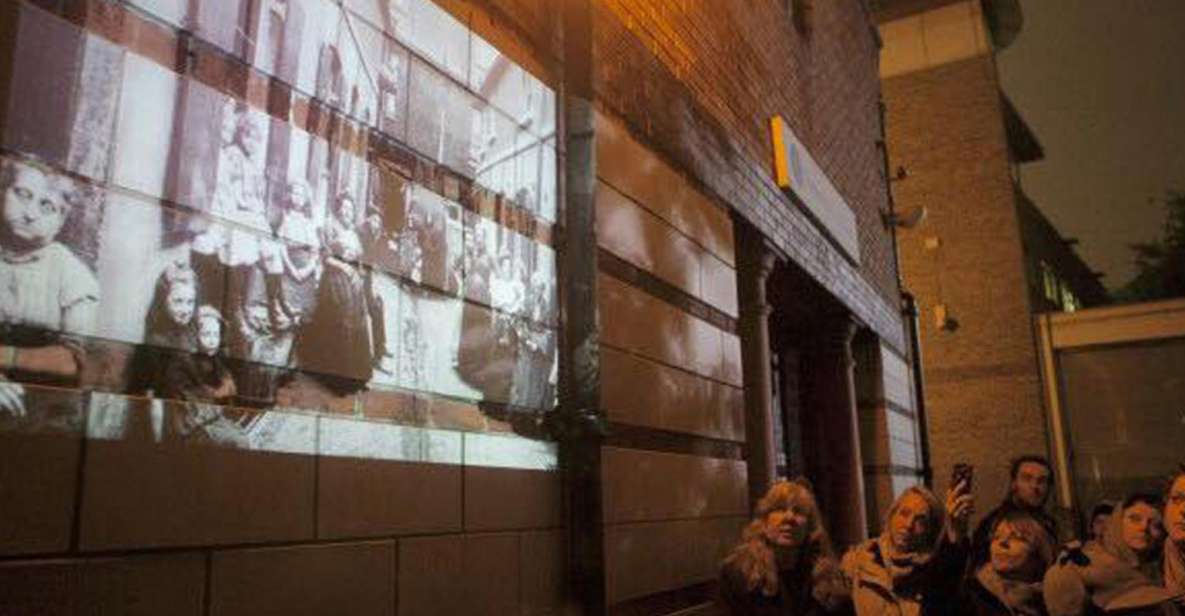
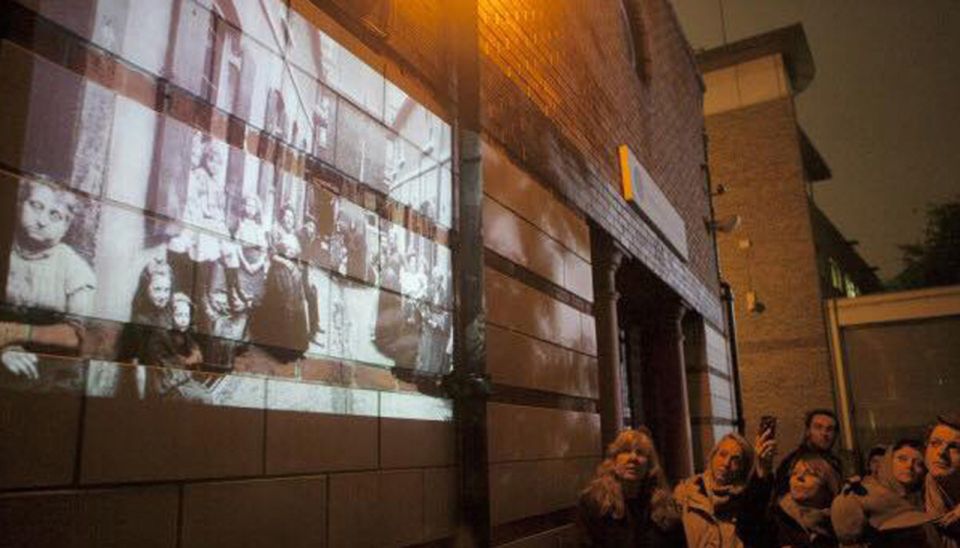
This tour’s signature tool is a handheld projector called Ripper-Vision. Instead of a standard slideshow on a screen, the guide uses the device to place images directly onto the streets of Whitechapel. You’re walking through the neighborhood while images of crime-scene material and period documentation appear in your view—mortuary photos, crime-scene-like visuals, and suspects tied to the story.
That change sounds small. It’s not. Putting those images on the actual street does two things for you:
- It forces your brain to connect the story to a real location, which is how the best walking tours work.
- It keeps the tour moving. You’re not stuck listening to static information while everyone stares forward at a wall.
The tour is also described as letting you follow in the footsteps of Jack the Ripper and investigate the crimes as you go. Even without a long list of named stops, you’ll feel the rhythm: walk, pause, projection, explanation, then move on again.
Practical note: the projection is best when the light is low. One review specifically pointed out that when the tour started too close to daylight, viewing the projected images could be delayed or limited. So if you have a choice of start times, aim for the darker option.
You can also read our reviews of more walking tours in London

Finding the start at Aldgate East (and why Exit 3 matters)
You’ll meet outside Aldgate East Tube Station, Exit 3, and the meeting spot is outside the Whitechapel Art Gallery, next to the KFC. The details matter here: you meet outside Aldgate East, not Aldgate Station.
Why I like this kind of start point: it’s easy to navigate once you’re on the right line. You’ve got a recognizable landmark (Whitechapel Art Gallery) and a fast visual cue (KFC nearby). Plan to arrive a few minutes early so you can get oriented before the story gets rolling.
The tour ends back at the meeting point. That’s a nice touch for logistics—no mystery “how do we get out of here” scramble at the end.
The first stretch: setting Victorian London’s tone
When the tour begins, you’re stepping into a version of Victorian London built around fog, gaslight, and dim streets. The guide uses the environment as part of the performance, which is exactly what you want from a nighttime themed walk.
Expect the opening phase to focus on:
- setting the tone of the case and the neighborhood (Whitechapel in the late 1800s)
- explaining how the tour will work, including when Ripper-Vision gets used
- getting you oriented so you can follow the clues as the walk continues
This matters more than it sounds. If you don’t know what the guide is aiming to show, the projections can feel random. If you do, it turns into a guided investigation where the street is the evidence board.
Mid-tour moments: projected crime scenes, mortuary photos, and suspects
This is where Ripper-Vision does its heavy lifting. As you walk, the guide projects images tied to the case directly onto the streets—crime-scene style visuals, mortuary photos, and suspect imagery.
A couple of practical benefits:
- You don’t have to squint at tiny printed photos. The guide is building a scene in front of you.
- The visuals are paced to the story. Instead of seeing everything at once, you get the right images at the right time.
There’s also a content sensitivity element. One guide is praised for warnings before showing graphic scene pictures, so you can decide whether to look away. Since the subject is inherently gruesome, I’d go in with the mindset that you might see intense material. If you’re sensitive to that, choose a start time when you can give the guide your full attention so you’re not stressed by crowds and timing.
One review also said the visuals were great but wished for more pictures. That’s useful to know: the projections are strong, but they aren’t necessarily a full wall of information. The tour prioritizes the story and the investigative arc, not turning into a photo catalog.
The theory part: facts, conspiracies, and a profiling-style ending
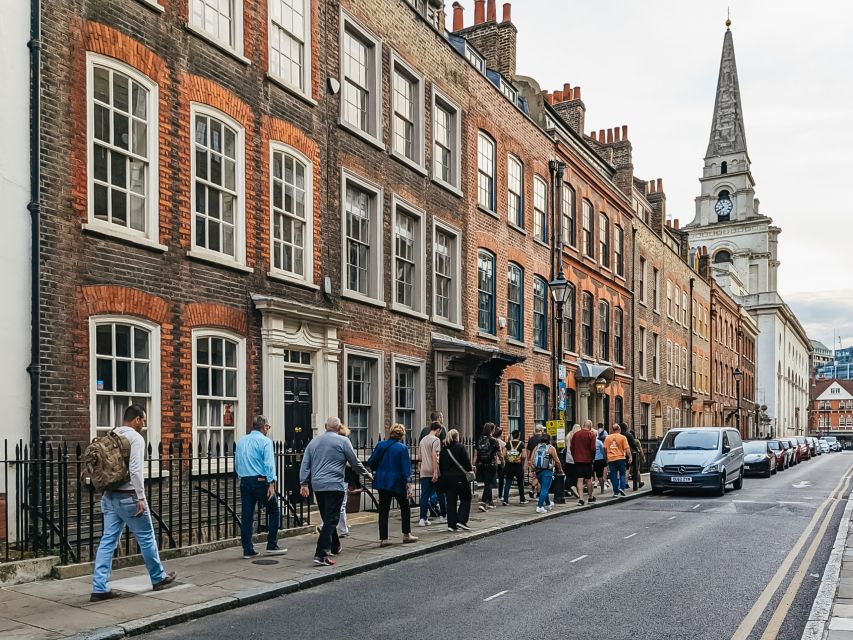
A big selling point is that you don’t just get the legend. You get facts, conspiracies, and then an approach that borrows from modern thinking.
The tour description highlights modern criminal profiling and a reveal of who the police should have been looking for during the biggest manhunt in British history. In plain terms, the guide is aiming to do two jobs for you:
- Reframe the case using what we know about evidence and behavior patterns (the profiling angle).
- Turn the “who was Jack the Ripper” question into an argument you can follow, not just a list of suspects.
This is also where the best guides shine. Reviews praise guides for building atmosphere all the way to a thrilling climax, and for being open to questions. Some guides are described as humorous and personable while still staying factual enough that you don’t feel like you’re only hearing horror-movie storytelling.
If you’re the type who likes mystery stories but also likes a structure, this part is a strong reason to book. You’ll leave with a clearer idea of how theories are constructed—and why some ideas feel stronger than others.


How hard is it, really: shoes, weather, and narrow-street crowding
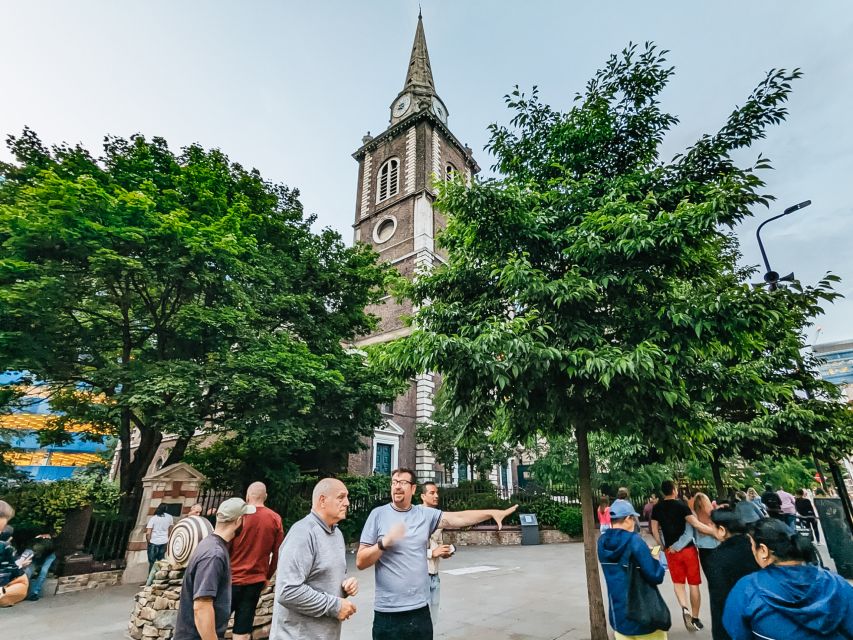
This is a walking tour with moderate walking and some uneven ground and cobblestones. Bring comfortable shoes and dress for the weather. The tour runs in all weather conditions, which is helpful because you don’t get stuck rescheduling every time London does its thing.
The nighttime theme also means you’ll be out longer than a quick photo stop. Plan on standing for prolonged periods in spots where everyone is regrouping and looking at the projected images.
Group size is the one variable you should factor in. One review complained about a large group (around 40) making it difficult to see and hear at times on narrow streets. Other feedback says the guide handled larger groups well, but the takeaway for you is simple:
- Choose a start time that works for you, but don’t assume you’ll always have a perfect viewing angle.
- If you care about visuals, position yourself early in the group when the guide pauses.
If you’re worried about walking comfort or uneven surfaces, this isn’t the tour to treat as a casual stroll.
Who should book (and who should skip)
Based on the info provided, this tour is not suitable for:
- people with mobility impairments
- wheelchair users
- people with heart problems
That’s important. The tour includes standing for long periods and walking on uneven/cobblestone areas, so it’s not the right fit for accessibility needs or medical caution.
Who it suits well:
- People who like walking tours with a story structure (not just facts on plaques).
- Mystery lovers who want both legend and a reasoned theory at the end.
- Night explorers who enjoy atmosphere and don’t mind dark subject matter.
Also, the feedback includes praise from a party that included teenagers who enjoyed the experience. Just be aware: it’s still a crime-focused tour with potentially graphic elements.
Price and value: is $26.94 worth 105 minutes?
At $26.94 per person for 105 minutes, the value comes down to one question: do you want the Jack the Ripper story in an active, guided format?
This tour’s value drivers are:
- a professional guide who controls pacing and makes the case feel connected
- Ripper-Vision, which is a real added layer beyond typical walking tours
- the blend of facts, conspiracies, and a profiling-style argument that ties to the case’s biggest manhunt framing
If you’re comparing it to a free or low-cost self-guided walk, you’re paying for the guide’s narrative control and for the technology that makes the story visual in real time. If you’re comparing it to other ticketed “themed” tours, you’re getting a full 1 hour 45 minutes of active storytelling plus a distinctive projector element—so you’re not just buying a name and a route.
My practical take: at this price point, it’s a good buy if you enjoy guided stories and want your evening plan to include something that feels different from the usual sightseeing loop.
The guide factor: why people rave about the storytelling
The most repeated praise is about the guide. Names show up across feedback: Harry, Alan, Rob, Mick, Andrew, Sinead, Andre, and Matt. The common thread isn’t just subject matter; it’s delivery.
You’ll get:
- clear voice and strong audibility (one review praised a voice that carried perfectly)
- enthusiasm that keeps the pacing tight
- a guide willing to manage questions
- atmosphere-building that carries to the ending reveal
One review specifically credited a guide with making sure everyone knew how to get home at the end, which is a small but real quality-of-life detail for a late night.
If you care about tour quality, this is your best lever. A great story plus a mediocre route still works; a mediocre story on a great street doesn’t.
After the tour: where to head next in Whitechapel
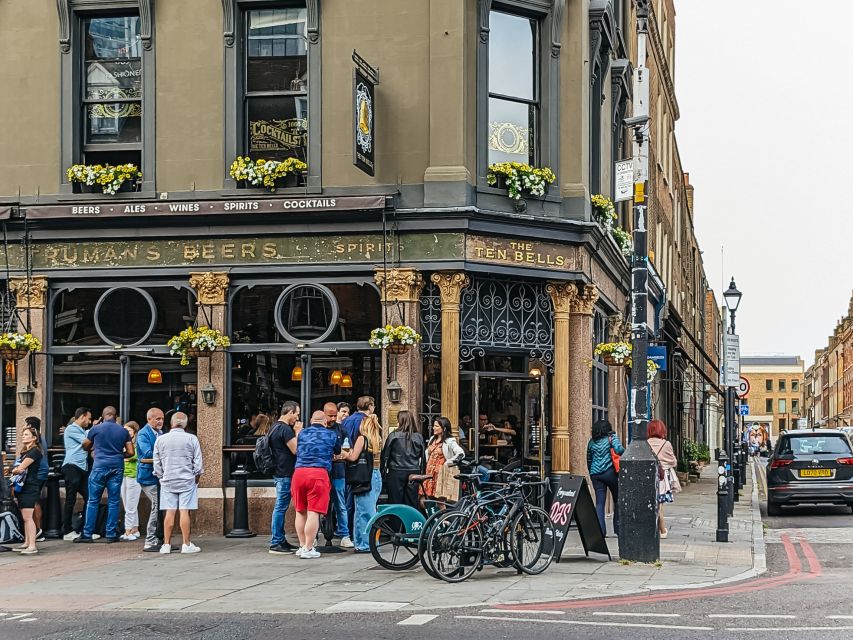
Because the tour ends back at the starting area, you’re well-placed to keep exploring. One review mentioned going back to Ten Bells Pub after the tour for a well-deserved pint.
That kind of post-tour stop is practical: you’ll be tired in a normal way, and you’ll already be close to your starting point. If you’re going to eat or drink nearby, aim for somewhere walkable from Whitechapel Art Gallery so you don’t have to rebuild your night from scratch.
Should you book this Jack the Ripper walking tour?
Book it if you want a night walking tour that uses more than storytelling alone. The Ripper-Vision element is the main reason to choose it, and it’s best when the light is low.
Skip it if you:
- need wheelchair access or have mobility limits (the tour isn’t suitable for that)
- have heart-related concerns (also not suitable)
- want a fully calm, quiet sightseeing experience (narrow streets and crowding can affect hearing and viewing)
If you’re on the fence, I’d make the decision based on one thing: how much you value the combination of guided narrative + street-level visuals. For this price and time, that pairing is exactly what makes the tour feel like more than another route through London.
FAQ
Where is the meeting point?
Meet outside Aldgate East Tube Station, Exit 3. The spot is outside the Whitechapel Art Gallery, next to the KFC.
Does the tour end somewhere else?
No. The tour ends back at the same meeting point.
How long is the tour?
The duration is 105 minutes.
What language is the tour in?
The live tour guide speaks English.
What should I bring?
Wear comfortable shoes and dress in weather-appropriate clothing. The route can involve uneven ground and cobblestones.
Will the tour run in bad weather?
Yes. The tour operates in all weather conditions, so plan accordingly.
Is it suitable for wheelchair users or mobility impairments?
No. It is not suitable for wheelchair users or people with mobility impairments.
Is it okay if I have heart problems?
No. The tour is not suitable for people with heart problems.
Is the content graphic?
The tour can include graphic crime-scene imagery. Some guides warn you before showing graphic scene pictures so you can choose to look away.
Can I get a refund if my plans change?
Yes. You can cancel up to 24 hours in advance for a full refund.