REVIEW · LONDON
London: Apsley House Entry Ticket
Book on GetYourGuide →Operated by English Heritage · Bookable on GetYourGuide
Apsley House feels like a time machine, minus the warning sign. This entry ticket gets you into the former London home of the first Duke of Wellington, with opulent rooms packed with major paintings and objects. Two things I really love here: the Waterloo Gallery and the sheer scale of the collection, often described as 3,000 works across paintings and sculpture. The main drawback is simple: it’s a long-looking, art-and-rooms kind of visit, and there may not be an easy tearoom right nearby, so plan a snack stop in advance.
This is also one of London’s best “wait, that’s here?” places. Apsley House sits at Hyde Park Corner, and it’s the only surviving aristocratic townhouse in the city that’s still open to visitors today. If you want a grand interior break from museums, this is a strong pick.
In This Review
- Key highlights you’ll care about
- Apsley House at Hyde Park Corner: Why This Address Matters
- Ticket Value: Is a $17.51 Entry Ticket a Good Deal?
- Before You Go: Timing, Audio Guides, and How to Pace It
- Entering the House: The Inner Hall Seating and Wellington Albums
- Grand Rooms and Art Galleries: Velázquez, Rubens, and Big European Names
- The Waterloo Gallery: The Stop That Makes the Visit Click
- Basement Gallery Finds: Rare Pieces Worth the Extra Effort
- A Useful Detail I’d Tell You to Listen For: The Lighting Story
- The Canova Moment: Sculpture Drama and a Tiny Detail That Gets Attention
- A Practical Day Plan: How to Fit Apsley House into London
- Who This Entry Ticket Suits Best (and Who Might Skip It)
- Should you book Apsley House Entry?
- FAQ
- What is included in the Apsley House entry ticket?
- How long is the ticket valid?
- Do I need to choose a starting time?
- Where is Apsley House located?
- What language is the host or greeter?
- Are audio guides available during the visit?
- How much artwork can I expect to see?
- Is free cancellation available?
- Is reserve and pay later available?
Key highlights you’ll care about

- Waterloo Gallery: a must-see stop that centers Wellington’s triumphs and adds drama to the artwork.
- 3,000 works on display: not just paintings, but sculptures and other impressive pieces.
- Inner Hall comfort zone: a seating area plus leather-bound albums to browse at an unhurried pace.
- Basement gallery finds: rarely seen pieces that add variety beyond the main rooms.
- Blue-chip names in the art: paintings by Velázquez and Rubens, plus standout sculpture.
- Audio support in the rooms: so you can follow the main features as you go.
Apsley House at Hyde Park Corner: Why This Address Matters
Apsley House is one of those London places you walk past without realizing what it contains. From the outside, it reads as classic grandeur. Inside, it’s something else: a functioning showcase of the home life and public legacy of the first Duke of Wellington.
The big idea is that this isn’t a generic palace museum. You’re stepping into Number 1 London, the Duke of Wellington’s former residence, with rooms that connect art, politics, and personal display. It makes the collection feel lived-in and purposeful, not just staged behind glass.
I also like that the visit is rooted in a single address. That means you spend time in one coherent place—Hyde Park Corner—rather than hopping between scattered sites. If you’re pairing this with other central stops, it’s an easy “anchor” location.
You can also read our reviews of more tours and experiences in London



Ticket Value: Is a $17.51 Entry Ticket a Good Deal?
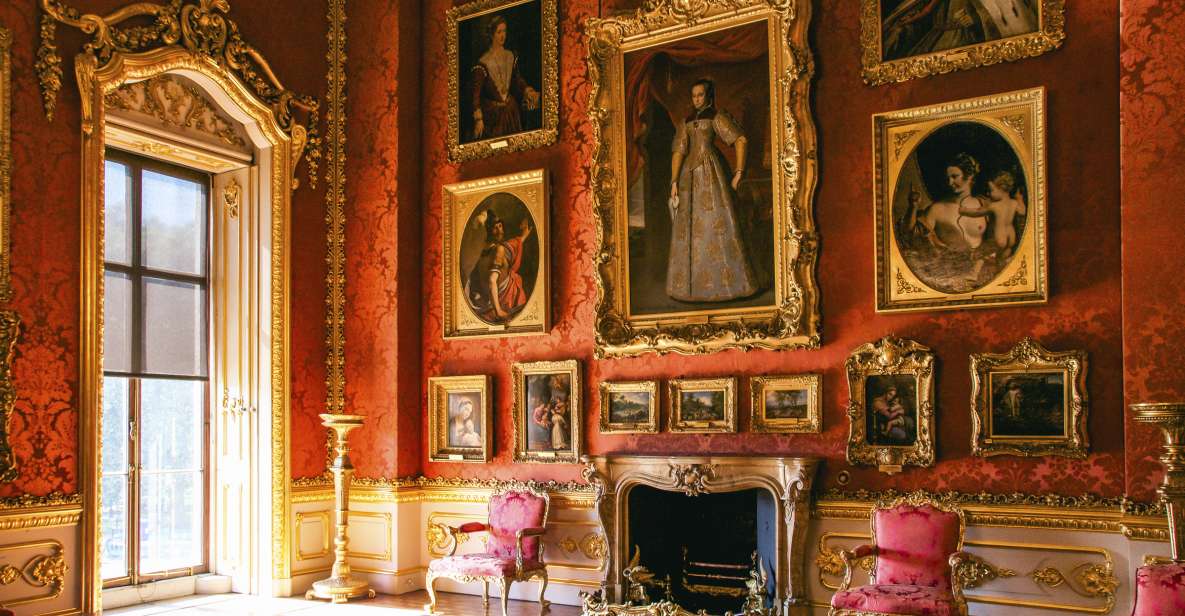
For about $17.51 per person, you’re paying for a very specific package: entry into a grand Georgian townhouse and access to a major art and object collection. What makes it good value is the range you get in one sitting—paintings, sculptures, decorative arts, and the distinct Waterloo Gallery.
You’re also not limited to one theme. Yes, you’ll see major European painting names, but you’ll also find personal touches and display choices tied to Wellington and his descendants. That variety matters because it turns a “look at art” ticket into a “understand a whole household story” ticket.
Is it overpriced? No. It’s priced like an entry admission to a site with a lot of content. The real question isn’t cost—it’s fit. If you’re not in the mood for interiors and gallery viewing, you might want something more modern or more interactive instead. But if you like old rooms, it’s a solid use of your time.
Before You Go: Timing, Audio Guides, and How to Pace It
Your ticket is valid for 1 day, and you’ll want to check availability for starting times. That matters because it’s the kind of visit where you benefit from arriving at a time when you can actually relax through the rooms.
Also, opening hours can shift by season. One visit noted the house opening at 11 rather than 10, so treat the hours as day-specific. If you’re building this into a morning itinerary, look up the day’s schedule so you don’t waste time nearby.
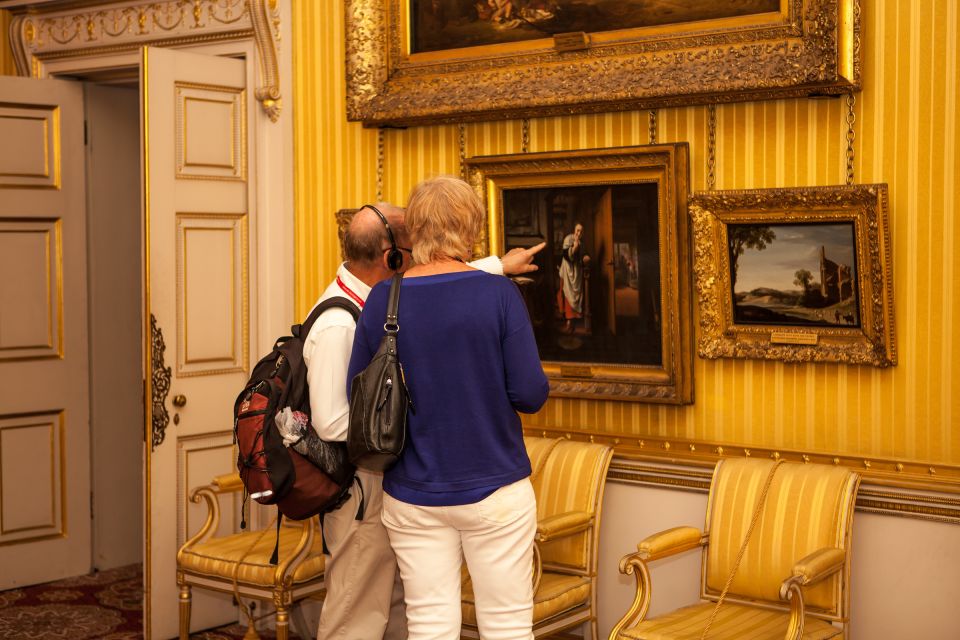
Once inside, the visit is supported by audio guides. That’s a big help if you want the highlights without reading everything. It lets you move at your pace while still getting context for the main rooms and major works.
Entering the House: The Inner Hall Seating and Wellington Albums
The Inner Hall is a smart first stop because it gives you a place to reset before you go full gallery-mode. There’s now a comfortable seating area, which is a quiet luxury in a place full of polished surfaces and stiff grandeur. It’s a good spot to gather yourself, use the audio guide, and decide what you want to chase first.
What I love even more is the chance to browse leather-bound albums of images related to Wellington, his descendants, and Apsley House itself. It turns orientation into entertainment. Instead of just walking deeper into the house hoping you’re in the right room, you can quickly connect what you’re seeing with how the house changed and who occupied it.
If you’re someone who likes to understand a place before you sprint through it, this is your moment. Take ten minutes here and the rest of the visit tends to click better.
Grand Rooms and Art Galleries: Velázquez, Rubens, and Big European Names
Apsley House is built around art, and the collection includes paintings by Velázquez and Rubens. Even if you only know those names from other museums, seeing them in an aristocratic townhouse setting changes the experience. The works feel like part of a household statement, not just a curated display.
You’ll also find sculptures and other artwork. The point isn’t one “star piece.” It’s the accumulation—room after room of objects that show how the Duke’s world looked and what he valued. At this scale, it helps to pick a few favorites rather than trying to absorb everything at once.
If you’re practical about museum time, the way to win is to let your eyes travel naturally. Pause when something grips you—then read/listen through the audio prompt. That’s how you get the most out of the collection without burning out.
One more good detail from the visit: the decorative arts can be just as fun as the canvases. You may run into impressive collections of china as well as gold and silverware, and those are worth slowing down for. They show wealth, yes—but also taste and daily display.



The Waterloo Gallery: The Stop That Makes the Visit Click
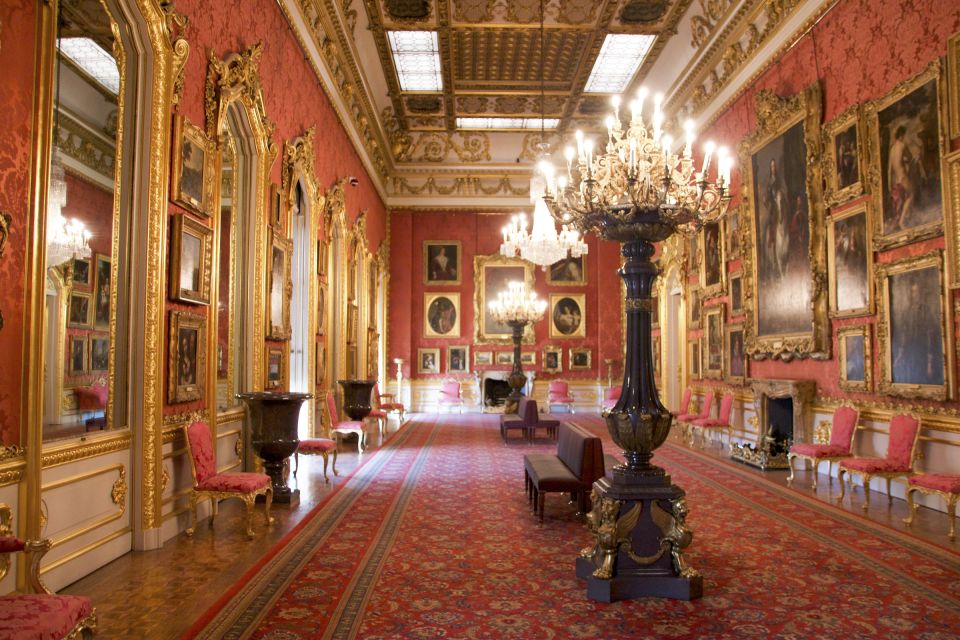
The Waterloo Gallery is one of the highlights for a reason. It anchors the whole experience around Wellington’s most famous public moment. Even if you’re not a deep military-history person, the gallery frames his legacy in a way that’s easy to feel.
What works here is that the space has purpose. You’re not wandering aimlessly through “pretty rooms.” You’re in a dedicated setting for story and symbolism, with artwork and display arranged to keep attention focused.
If you want a clear plan, make this a top priority. Don’t treat it as optional background. Give it proper time, then work outward to the other rooms. This approach helps the visit feel coherent instead of random.
Basement Gallery Finds: Rare Pieces Worth the Extra Effort
The basement gallery is the kind of stop that rewards curiosity. The collection includes rarely before seen pieces here, so you get a different angle on the overall inventory of artworks and objects.
Basements in museums can feel like a side note. Here, that’s not the case. The payoff is variety: you’re not just repeating what you saw upstairs. You’re seeing the collection’s other face, including items that don’t get the same spotlight.
If you tend to rush at the end of a museum visit, resist that urge here. Basement galleries often require a little extra effort—lighting, stairs, and a change in pace. But if you want a memorable Apsley House visit, this is a good place to slow down.
A Useful Detail I’d Tell You to Listen For: The Lighting Story
One surprisingly memorable element is the story behind the house’s lighting. You might expect a tidy progression from candle to oil to gas to electricity. In reality, the house’s history is messier.
At one point, paraffin candles were competitive with oil, and the house reverted to candles before later moving forward again. One account of the lighting timeline also notes that electricity arrived extremely late, in the 1940s.
This is more than trivia. It’s the kind of detail that makes the house feel real rather than staged. When an audio guide or staff explanation connects a small feature to how people actually lived, the whole visit becomes easier to picture.
The Canova Moment: Sculpture Drama and a Tiny Detail That Gets Attention
In the sculpture realm, one standout mentioned is Canova’s Napoleon as Mars. It’s striking in how it mixes power, classical imagery, and a human touch that feels oddly close despite the grandeur.
Even if you’re only half paying attention, you may notice the fig leaf detail and the fact it has needed replacement at times. That kind of practical, ongoing maintenance detail makes the sculpture feel less like a frozen icon and more like an artwork that has real-world handling behind it.
If you love art that has both aesthetic impact and a story, this moment is one to watch for. It also gives you a break from pure painting focus.
A Practical Day Plan: How to Fit Apsley House into London
Apsley House is in the center at Hyde Park Corner, so it plays well with nearby walks. If you’re doing the classic London morning route, think of Apsley as your interior “anchor,” where you trade outdoor sightseeing fatigue for a concentrated, high-impact visit.
Because the house is art-heavy and room-heavy, I’d plan to spend enough time to actually sit and listen, not just scan. The Inner Hall seating helps, and the audio guide makes it easier to choose depth over speed.
If you’re someone who also hates getting stuck between meals, this is where you’ll want to plan thoughtfully. One visit note said a tearoom nearby wasn’t available, so don’t assume you can easily grab refreshments on-site. Build in a snack or plan to continue to another nearby café after your visit.
Who This Entry Ticket Suits Best (and Who Might Skip It)
This is ideal if you like interiors, decorative arts, and the feeling of stepping into a real home with a major collection. The townhouse setting changes the tone compared with big public museums, and the focus on Wellington gives the art context beyond just aesthetics.
It’s also a good choice if you want a quieter experience than crowded museum halls. Because it’s one address, the visit can feel more controlled—more like a guided stroll through a household than a stampede through exhibits.
If you’re chasing interactive exhibits, hands-on activities, or modern installations, you may find Apsley House more traditional than you want. In that case, look for a different kind of London attraction for your day.
Should you book Apsley House Entry?
Yes, if you want a high-value London interior visit with big-name art, a signature Waterloo Gallery, and a collection that stretches from the main rooms down to the basement gallery. The price is reasonable for the scope, and the audio guide plus the Inner Hall seating make it comfortable to move at your pace.
If you’re short on time or hate art galleries, you might feel like you’re “just” touring rooms. But if you’re even mildly into paintings, sculpture, and the way wealthy households curated their world, this is a strong booking.
FAQ
What is included in the Apsley House entry ticket?
The ticket includes admission to Apsley House.
How long is the ticket valid?
The ticket is valid for 1 day.
Do I need to choose a starting time?
The ticket validity is for 1 day, and starting times depend on availability, so you’ll want to check the available times.
Where is Apsley House located?
Apsley House is located in Hyde Park Corner, in Greater London.
What language is the host or greeter?
The host or greeter is English.
Are audio guides available during the visit?
Audio guides are available to help you follow the main features of the rooms.
How much artwork can I expect to see?
You can expect to see around 3,000 paintings, sculptures, and other stunning artwork.
Is free cancellation available?
Yes. Free cancellation is offered up to 24 hours in advance for a full refund.
Is reserve and pay later available?
Yes. You can reserve and pay later.