REVIEW · LONDON
London: British Museum Guided Tour with Free Entrance Ticket
Book on GetYourGuide →Operated by London Tours and Activities · Bookable on GetYourGuide
Two hours in the British Museum can feel like a sprint. This guided tour is interesting because it gives you fast-track entry and a tight route through the museum’s most famous objects. I like that you get expert storytelling instead of wandering in confusion. I also like the variety packed into one visit, from Egyptian power to Assyrian sculpture and even a Stonehenge-related piece. The one thing to watch is that fast entry still depends on crowd control, and your entrance route can change during busy times.
Meet your guide after security at the main entrance staircase, then you’re off. In a perfect world, you go in at the front. In the real world, bigger groups and peak crowds sometimes mean a detour to a different entrance (including Montague Place), so I’d plan to keep your phone ready for updates.
In This Review
- Key points to know before you go
- A 2-Hour Hit in a Museum That Covers the World
- Fast-Track Entry and the Real Meeting-Point Check
- Rosetta Stone to Ramses II: Egypt’s Most Recognizable Power
- The Elgin Marbles and Other Controversial Sculpture You Should Know
- Assyrian Human-Headed Lions and an Aztec Double-Headed Snake
- Moai, Sutton Hoo, and Lewis Chessmen: When One Building Feels Like Many
- What’s Included, What’s Not, and Why the Price Makes Sense
- Who This Tour Suits Best (and Who Should Skip It)
- The Small Details That Make Your Visit Smoother
- Should You Book This British Museum Guided Tour?
- FAQ
- How long is the British Museum guided tour?
- Does the fast-track entry require anything in advance?
- Where do I meet the guide?
- Are flash photos allowed?
- Can I bring a backpack?
- Is this tour suitable for wheelchair users?
- What languages are available for the live guide?
Key points to know before you go
- Fast-track entry helps you bypass the longest lines, but timed entry still requires patience after security.
- A structured 2-hour route focuses on major crowd magnets like the Rosetta Stone, Ramses II, and the Elgin Marbles.
- You see far more than Egypt, including Assyrian winged lions, an Aztec double-headed mosaic snake, Moai, and Lewis Chessmen.
- The guide’s stories matter: the best part is how the objects get explained so quickly and clearly.
- Group size can affect your entry point, especially if the group is larger than 8.
- No flash, no backpacks keeps it respectful and moving, but plan your bag situation ahead of time.
A 2-Hour Hit in a Museum That Covers the World
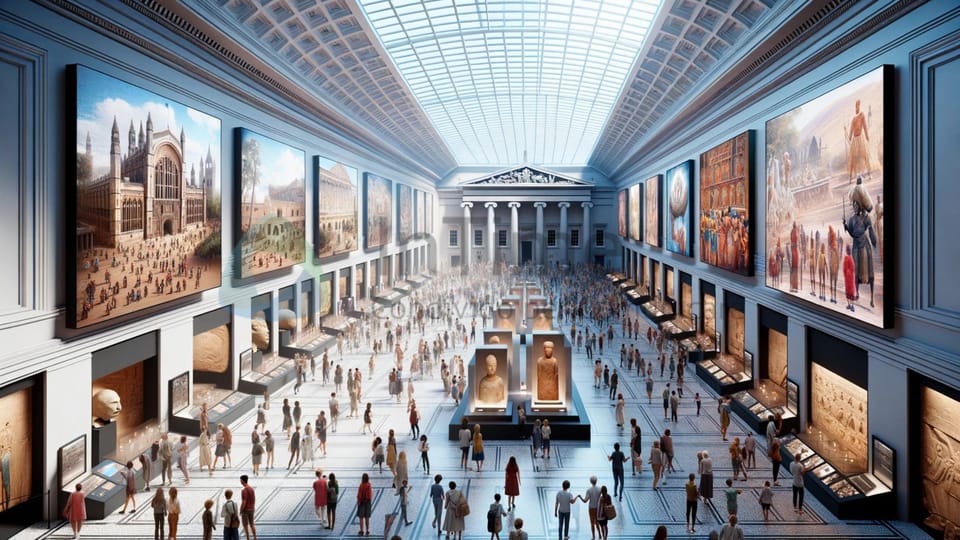
The British Museum is one of those places where your first instinct is to run everywhere. That’s exactly why this tour feels useful: it turns a huge building into a focused, walkable route with a guide steering the moment-to-moment choices.
At 2 hours, the goal isn’t to read everything. It’s to hit the big, recognizable objects and still understand why they matter. You’ll move between major highlights, so you’re constantly getting fresh visual anchors rather than getting stuck staring at one room for hours. For a first-time visit, that’s a big win. If you’re returning and you already know the layout, the guide can still help you prioritize the displays that deserve your time.
Because the tour is short, you should expect a brisk pace. That’s not a dealbreaker, but it does mean this isn’t the best option if you want slow, lingering museum time with lots of free wandering.
You can also read our reviews of more tours and experiences in London



Fast-Track Entry and the Real Meeting-Point Check
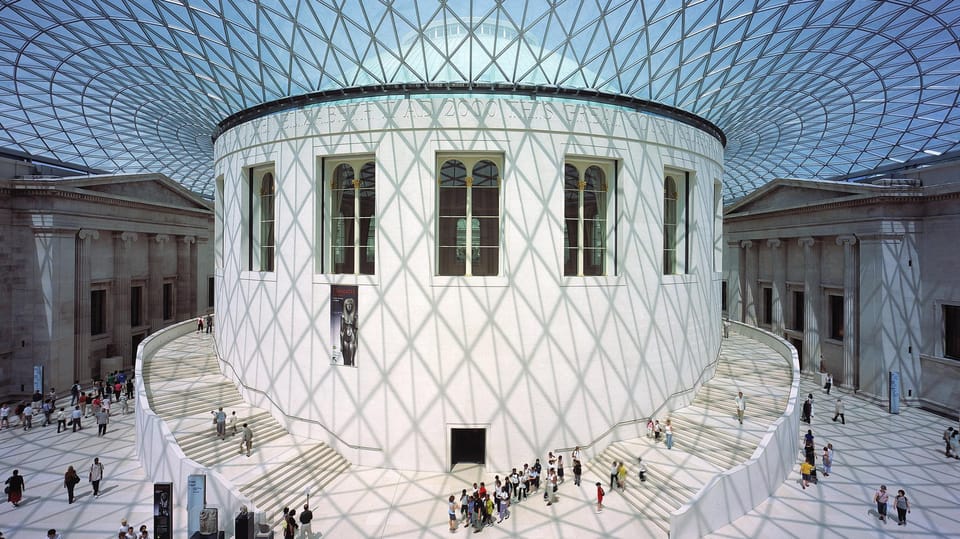
This tour starts right after security. You meet your guide at the main entrance after the security check, on the staircase. That means your timing matters more than usual. Arrive at least 15 minutes early, or you’ll feel rushed trying to locate your group.
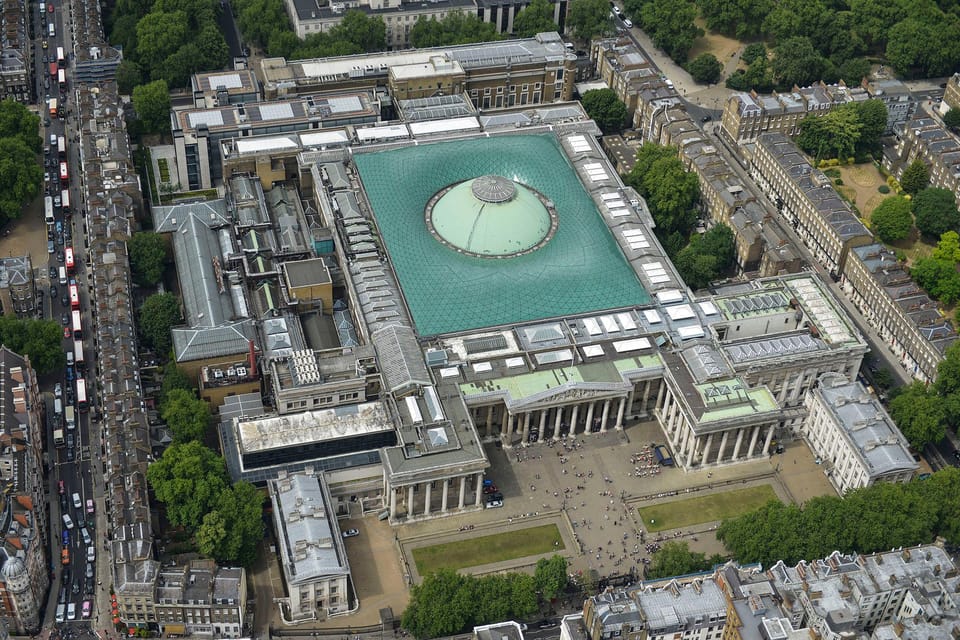
Now for the practical twist: the British Museum is the most visited museum in the world, and during busy times access can tighten. Your entry point might shift, and the organizer may direct you to an entrance at Montague Place. You’ll want to treat WhatsApp messages as part of your pre-trip checklist, not an afterthought.
One more logistics detail that can trip people up: the tour’s instructions can differ depending on group size. If a group is larger (for example, more than 8 people), you may not be allowed to enter from the exact front steps area described in the meeting instructions. If that happens, you’ll typically be directed to enter from a different route around the museum. Annoying? A little. Also manageable if you arrive early and stay flexible.
Rosetta Stone to Ramses II: Egypt’s Most Recognizable Power
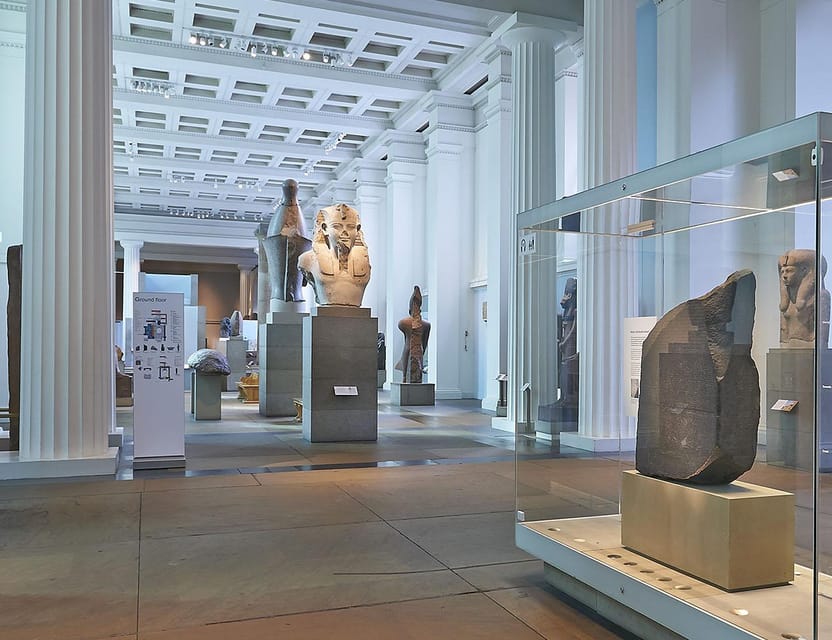
The tour’s Egypt section is designed like a highlight reel. You’ll see the Rosetta Stone, which helped crack the secrets of ancient Egyptian writing, and then you’ll move to the colossal statue of Ramses II, representing one of the most powerful pharaohs.
What I like about starting here is the contrast. The Rosetta Stone brings you the idea of deciphering—turning an unknown script into something readable. Then Ramses II swings you straight into physical presence and authority: big scale, strong visual impact, and that feeling of stepping into a world built around rulers and monuments.
For you, this pairing is more than famous-object spotting. It’s a fast way to understand the museum’s job: connecting objects to meaning. When you’re only in the building for a short time, this kind of sequencing helps the story land instead of just looking impressive.
One caution: the Egypt highlights are popular for a reason, so you may still encounter crowded viewing areas even with fast-track entry. Your guide’s job is to keep you moving and make sure you see what you came for.
The Elgin Marbles and Other Controversial Sculpture You Should Know
Next up is a glimpse at the Parthenon sculptures known as the Elgin Marbles from Athens. The important thing here isn’t whether you already have a strong opinion. It’s that you get a chance to look at the objects in a structured way and understand that they come with controversy tied to how they’re displayed.
This is one of the tour’s strengths: it doesn’t pretend every famous object is simple. The museum is where art meets politics, ethics, and historical context. Even if you only have two hours, it’s useful to see at least one object category where those debates matter.
If you’re someone who likes museums as living conversations rather than quiet galleries, this part will probably satisfy you. If you’d rather skip controversy entirely, you might want to adjust your expectations and treat this stop as a brief but important context moment.
Assyrian Human-Headed Lions and an Aztec Double-Headed Snake
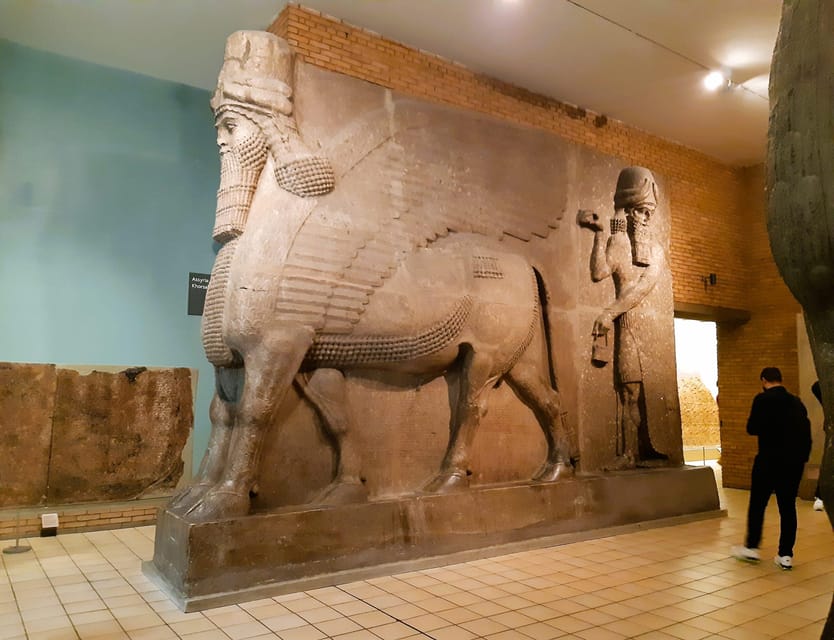
The tour then shifts gears into striking forms that feel completely different from Egypt. You’ll admire the Assyrian human-headed winged lions and the Aztec double-headed mosaic snake, listed as one of the museum’s rarer objects.
Why I like this section: it’s not just variety for variety’s sake. Those creatures are visual language. The winged lions suggest power and protection through hybrid form, while the double-headed snake signals something special through composition and symmetry. Even without going deep into academic detail, you can see how cultures use imagery to communicate authority, belief, or identity.
For you, this is a great reminder that the British Museum isn’t only about European art and famous classical marble. It’s also about how other civilizations expressed meaning through sculpture and craft. When a guide points out what you’re looking at and why it was made, the objects stop being just impressive shapes.
The only drawback here is attention span. Creature-heavy displays pull you in, but your time is limited. If you like to photograph constantly or read every label, you might feel the pinch. The tour is built to show you, not to let you fully park.
You can also read our reviews of more guided tours in London





Moai, Sutton Hoo, and Lewis Chessmen: When One Building Feels Like Many
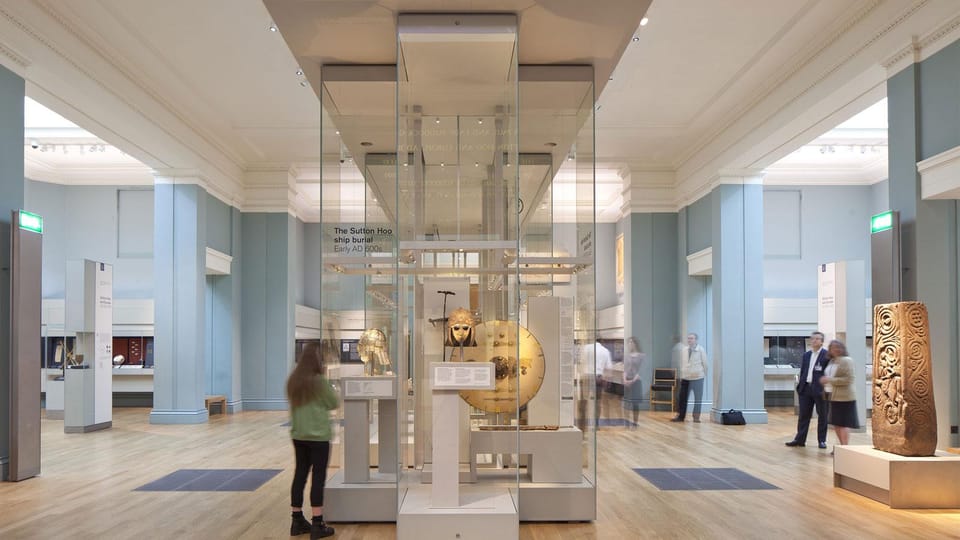
After you’ve covered the headline statues and controversial sculpture, the tour expands outward again. You’ll get to admire the Moai sculpture from Easter Island, the Sutton Hoo burial ship (a spectacular discovery in British archaeology), the Mold Cape from Stonehenge, and medieval Chessmen from the island of Lewis.
This part is where the museum starts to feel like a world tour. You jump from island sculptural imagery to a major discovery linked to British burial tradition, then to a Stonehenge-associated object, and finally to chess pieces that are both collectible-feeling and historically specific.
I especially like the inclusion of Sutton Hoo and Lewis Chessmen. They’re not only famous; they also connect to everyday human behaviors—ritual and play. That makes the museum feel more accessible, especially if you’re visiting with limited time and you want the objects to feel human, not only grand.
One practical note: these highlights can still involve narrow or busy sightlines depending on the room setup. Since you’re moving fast, you’ll want to keep your camera ready but remember that flash photography isn’t allowed.
What’s Included, What’s Not, and Why the Price Makes Sense
This tour costs $35 per person and includes fast track entry, an expert tour guide, and access to the museum’s most famous objects. Not included are hotel pickup and drop-off, food and drinks, and personal expenses.
Here’s how I think about value: you’re paying for two things that matter on a first visit. First is time saved through fast-track entry. Second is guided prioritizing. The British Museum is enormous, and without help it’s easy to leave with a handful of photos and a vague feeling of I saw it all, but I understood very little.
The tradeoff is straightforward: you still have to handle your own transit to the museum, and you’ll want comfortable shoes because there’s walking involved. Also, since meals aren’t included, plan a snack and water before or after. The activity suggests bringing water, which is good advice when you’re moving between rooms for two hours.
If $35 feels like a lot, ask yourself one question: would you rather spend that money to get a guided path to the headline objects, or would you prefer to spend the same time self-guiding and reading labels slowly? Either choice is valid. This tour is built for people who want momentum and clarity.
Who This Tour Suits Best (and Who Should Skip It)
This tour makes the most sense if you want a structured, high-impact British Museum experience and you’re okay with a guided pace. It’s also a good fit if you’re interested in seeing objects across multiple cultures and regions without spending half a day figuring out where to go.
It’s also language-friendly, with live guidance in English, Spanish, and Italian, and a private group option is available if you want a smaller setting.
On the other hand, it’s not suitable for people with mobility impairments or wheelchair users. That’s important because the route involves walking and getting around inside the museum quickly.
And if you rely on flash photography or you travel with a backpack you don’t want to manage, you’ll need a different approach. Flash isn’t allowed, and backpacks aren’t allowed either.
The Small Details That Make Your Visit Smoother
If you want this tour to feel easy, don’t overpack. You’ll want comfortable shoes, bring a camera, and carry water. Keep your bag plan simple so you don’t waste time at security.
Before you leave, save your meeting instructions and be ready to act on WhatsApp updates. Entrance changes can sound annoying, but if you’re prepared you won’t lose momentum.
Also, treat the 2-hour window as a sprint with breaks for key views. The tour is designed to move between major objects quickly, so you’ll get a lot of impact per minute rather than deep study.
One more plus: the guide experience can really shape the tour. In at least one case, a guide named Angel handled a train delay by messaging the group with what to do while waiting. That kind of communication helps you stay calm and makes the experience feel organized even when travel is messy.
Should You Book This British Museum Guided Tour?
I’d book it if you want a fast, guided tour of the British Museum’s biggest highlights and you’d rather pay for time saved than spend your visit guessing what to see. It’s a strong choice for a first visit, a short London stay, or anyone who likes their museum experience to come with a story and a plan.
Skip it or consider an alternative if you need slow pacing, if walking is a problem, or if you’ll struggle with the rules around flash and backpacks. And if you’re the type who panics about entrance changes, remember that busy crowds may shift your entry point, so you’ll need to keep your phone ready and arrive early.
If you match that profile, this is a good value way to see a world-class collection without losing your day in lines or decision fatigue.
FAQ
How long is the British Museum guided tour?
The tour duration is 2 hours.
Does the fast-track entry require anything in advance?
Yes. Online tickets must be booked to skip the line.
Where do I meet the guide?
Meet your guide at the main entrance after the security check, on the staircase. Arrive at least 15 minutes early. You may also need to follow WhatsApp instructions if the entrance changes.
Are flash photos allowed?
No, flash photography is not allowed.
Can I bring a backpack?
No, backpacks are not allowed.
Is this tour suitable for wheelchair users?
No. It is not suitable for people with mobility impairments or wheelchair users.
What languages are available for the live guide?
The live tour guide is available in English, Spanish, and Italian.