REVIEW · LONDON
London: Architecture Tour of Benjamin Franklin House
Book on GetYourGuide →Operated by Benjamin Franklin House · Bookable on GetYourGuide
London can surprise you in one door. Benjamin Franklin House is a five-storey townhouse that turns architecture into a real-life story, from Franklin’s 1730s London to the conservation work that let it reopen in 2006. I especially loved how the guide ties Georgian and Victorian features to Franklin’s choices, and how the tour brings in the Craven Street Bones and surgeon Hewson’s Anatomy school. One thing to plan around: the building has uneven, sloping floors and no wheelchair access.
If you like your sightseeing with specifics—rooms, dates, reasons—you’ll enjoy this. The tour lasts about an hour, and it moves through Franklin’s rented floor, the upstairs rooms tied to Margaret Stevenson, and the music-making final stop in the glass armonica room.
In This Review
- Key things I’d focus on before you go
- Entering Benjamin Franklin House at 36 Craven Street
- Franklin’s London, mapped through a 1730s-to-today building
- The first rooms: architecture details that actually matter
- A kitchen stop with Georgian food and the London diet
- Up to Margaret Stevenson’s parlour: rental life and political chat
- Franklin’s floor for 16 years: experiments, beliefs, and personality
- Craven Street Bones and Hewson’s Anatomy school
- The glass armonica room: play the instrument
- Who the guides are, and what that adds to your experience
- Practical reality check: uneven floors, five storeys, and photo rules
- Price and value: is $16 for an hour worth it?
- Who this tour suits best (and who should think twice)
- Should you book Benjamin Franklin House?
- FAQ
- How long is the tour?
- Does the price include entry to the house?
- Can I take photos during the visit?
- Is the tour available in English?
- Are there age discounts for children?
- Is wheelchair access available?
- Are pets allowed?
Key things I’d focus on before you go
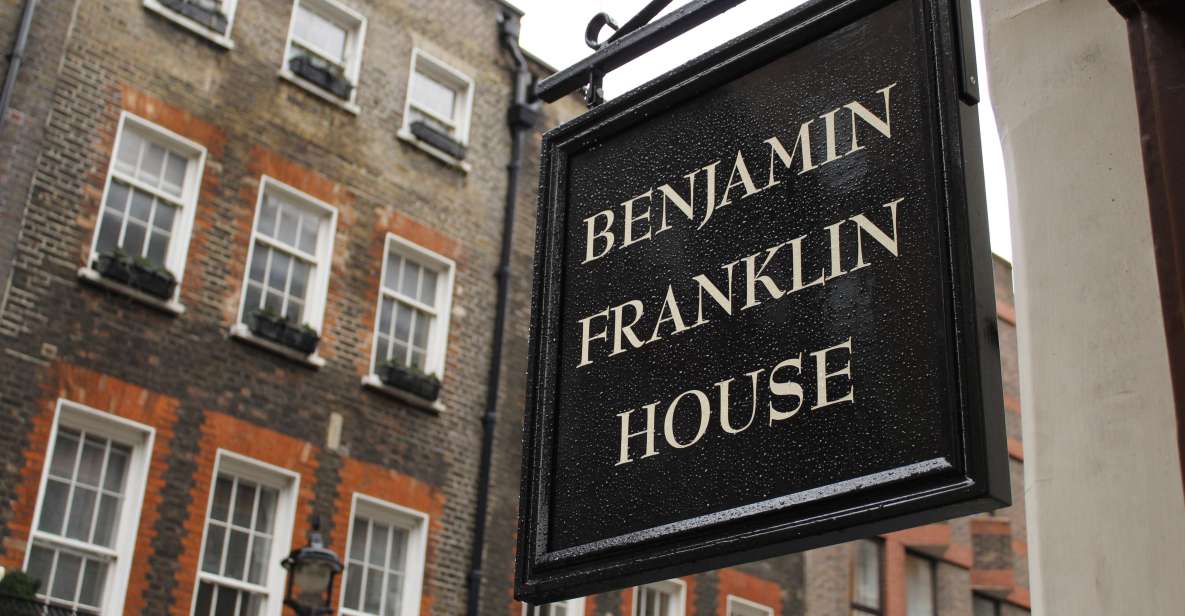
- Knock on 36 Craven Street to enter at the Benjamin Franklin House door and start with the right vibe.
- See why it’s Grade I listed with standout Georgian and Victorian details you can actually notice in person.
- Craven Street Bones and Hewson’s Anatomy school add a surprising London-science thread.
- Franklin’s rented rooms for 16 years make his personal London life feel tangible.
- Try the glass armonica at the end, which is far more fun than it sounds on paper.
- Expect an hour, not a marathon—and plenty of time for questions.
Entering Benjamin Franklin House at 36 Craven Street
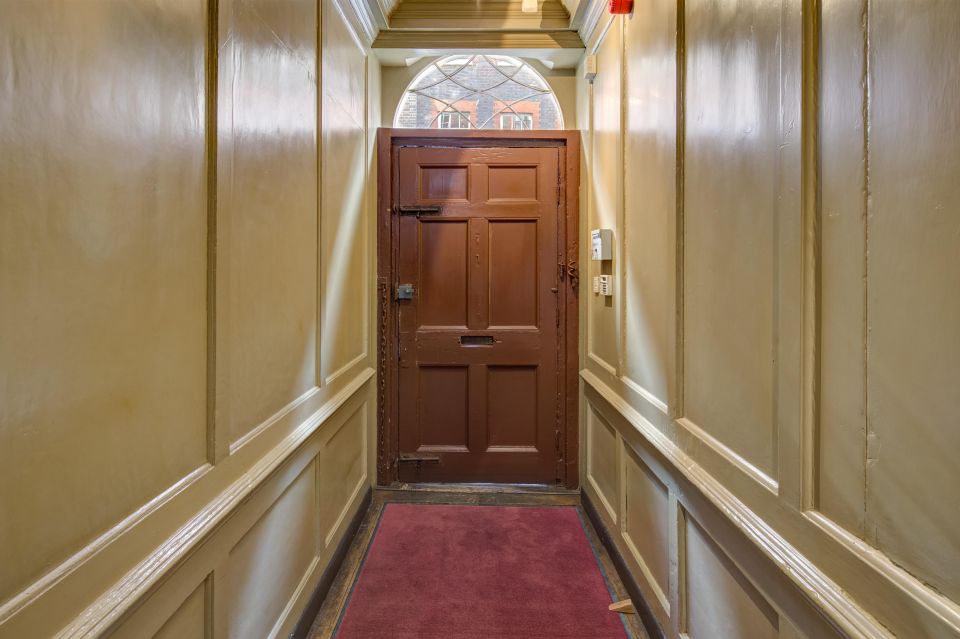
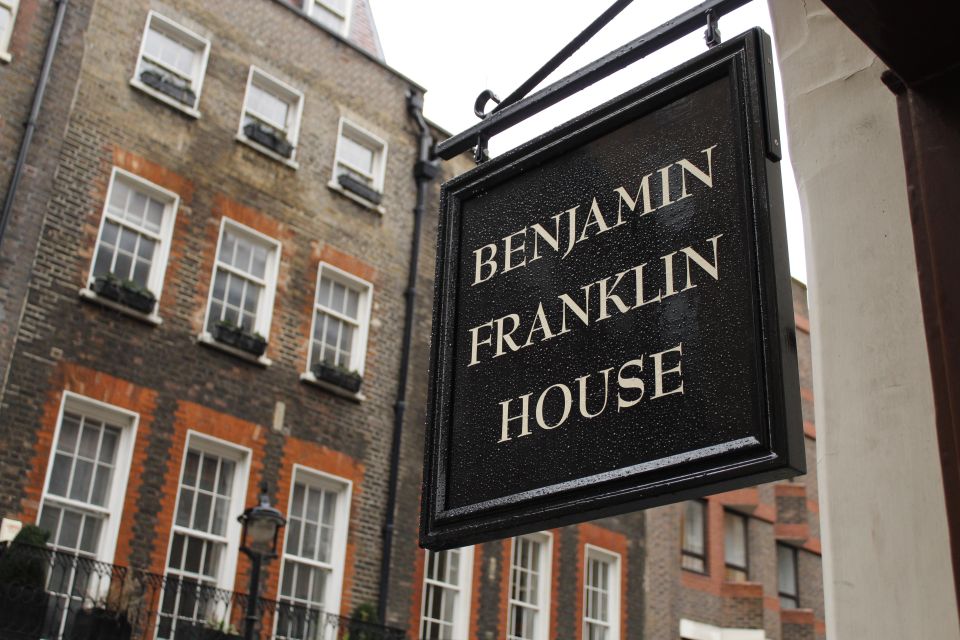
Start at 36 Craven Street. The meeting instruction is simple: knock on the door below the Benjamin Franklin House sign and you’ll get directed inside.
This is one of those London places where the entrance matters. Once you’re in, the experience quickly turns from a building you pass by into a set of rooms with purpose, dates, and named people. It helps that the house is the only remaining home linked to Franklin in London, so every stop lands with extra weight.
The tour is in English with a live guide, and it’s designed for a steady pace through the rooms. You’re welcome to take photos during the visit, and you’ll get time for questions at the end.
You can also read our reviews of more tours and experiences in London.



Franklin’s London, mapped through a 1730s-to-today building
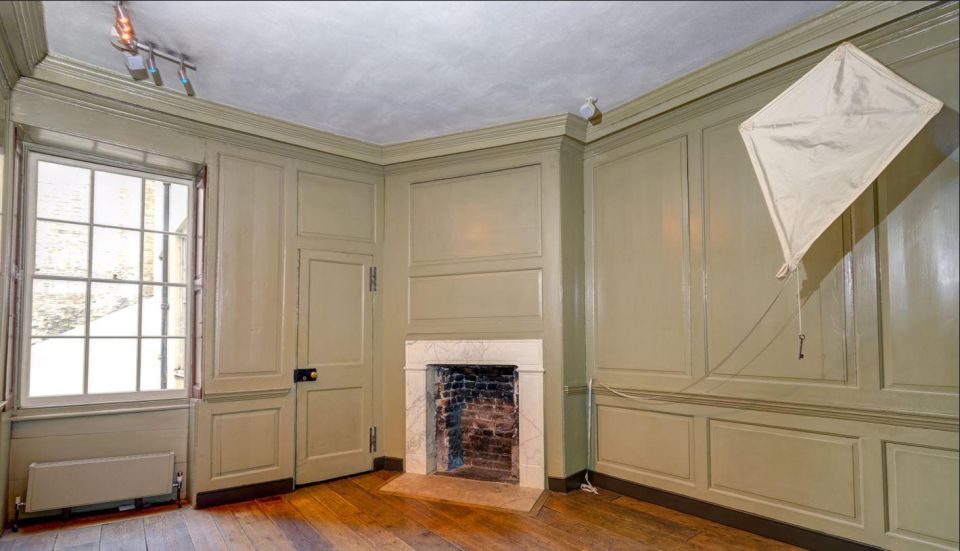
The tour frames the house like a timeline you can walk through. You’ll see how the story stretches from the 1730s into modern-day conservation, the work that resulted in the house opening to visitors in 2006.
That approach matters. Architecture isn’t just decoration here—it’s evidence. When you learn what changed, what stayed, and why conservation kept it intact, you start to understand the house as a living document, not a stage set.
The guide also explains why Franklin came to London in the first place. You won’t just get the famous highlights. You’ll get the practical reasons and the environment he was stepping into, which makes the later political and personal details feel grounded.
The first rooms: architecture details that actually matter
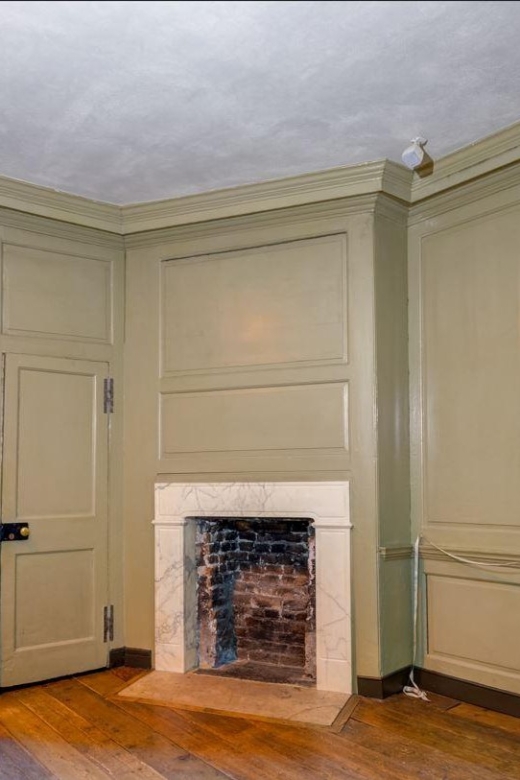
Even early on, you’ll likely notice how the guide points out features that are easy to miss when you’re just sightseeing. The house is Grade I listed, and the tour emphasizes remarkable original Georgian and Victorian elements.
Why you should care: these details explain how people lived—how rooms functioned, how spaces were shaped, and why certain design choices stuck around through time. Franklin’s life is the headline, but the building is the proof.
If you’re the type who likes learning what to look for, you’ll probably enjoy the pace. You get enough time in each room to spot features and connect them to the story.
A kitchen stop with Georgian food and the London diet
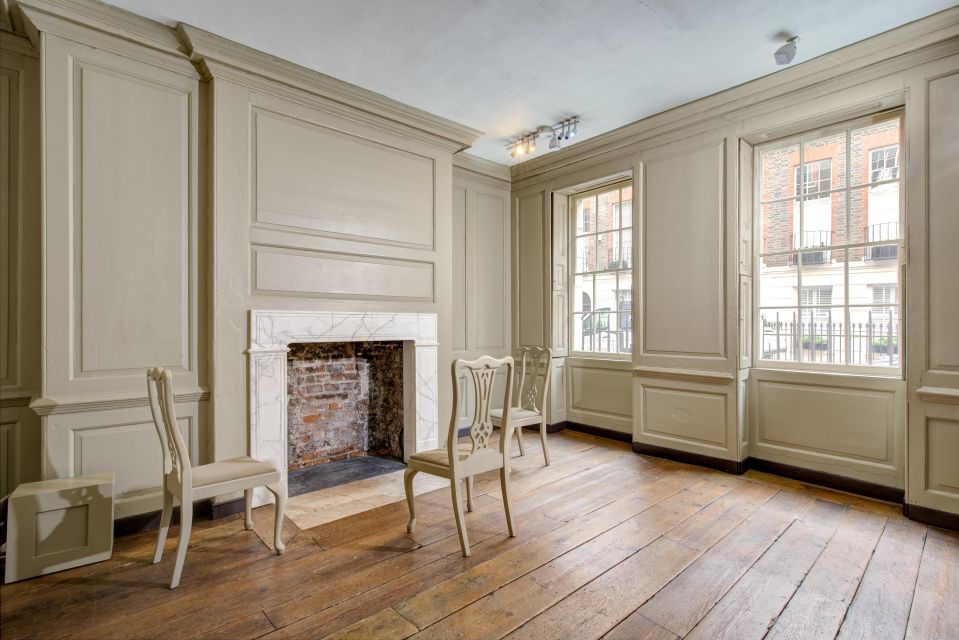
One of the most enjoyable moments is the kitchen segment. You’ll hear about Georgian food and how Franklin thought about the London diet.
This is a smart move in the tour design. Food is universal, and it turns a famous person into someone practical. Instead of floating in abstract ideas, Franklin becomes a man with daily observations—what people ate, what he thought of it, and what it said about the city around him.
And it keeps the tour from becoming only about politics and big names. You get a break in tone, and then the story ramps again as you head upstairs.
Up to Margaret Stevenson’s parlour: rental life and political chat
Next, you’ll move upstairs and learn about Margaret Stevenson, the wealthy widow from whom Franklin rented. Her parlour becomes a focal point, because it’s where Franklin met influential guests and discussed current affairs.
This is where the tour helps you picture Franklin’s social world. He wasn’t just writing or experimenting in isolation. He was in rooms where information moved, where ideas traded hands, and where decisions and debates were part of daily conversation.
You’ll also cover Franklin’s relationship with the Stevenson family and how that shaped his time in London. That emotional and practical link makes the rental story more than trivia. It explains why he was there long enough to build a life, not just pass through.





Franklin’s floor for 16 years: experiments, beliefs, and personality
The tour then lands on Franklin’s parlour, the floor he rented for 16 years. This is a key stop because it’s treated like the center of his London life.
Here, the guide discusses his experiments, his political beliefs and actions, and his eccentric personality. The combination is important. Franklin is usually remembered for a few iconic achievements, but this stop shows him as a more complete character—curious, argumentative, inventive, and very much a product of his time.
It also sets up the emotional ending of the London chapter. Franklin left London and the Stevenson family in 1776 when he returned to America to sign the Declaration of Independence, and he never returned to London. For me, hearing that end point clearly stated right before the final rooms makes the whole tour feel shaped, not random.
Craven Street Bones and Hewson’s Anatomy school
The highlight list promises the Craven Street Bones and surgeon Hewson’s Anatomy school, and that’s one of the more unexpected threads in the visit. Even if anatomy history isn’t your usual interest, it fits well because Franklin’s world included science, learning, and practical study.
What I like about this stop is the way it widens your mental map of London. You’re not only walking through genteel rooms and politics. You’re also seeing how ideas about the body and knowledge circulated in the city Franklin inhabited.
It’s a reminder that 18th-century London had multiple engines running at once—science, commerce, debate, and social networks—and the guide connects those dots without making it feel like a lecture.
The glass armonica room: play the instrument
Then comes the fun payoff: the glass armonica room. This is where guests are invited to try their hand at playing a tune on Franklin’s instrument.
Even if you don’t play music, this stop changes the feeling of the whole tour. It turns you from observer into participant. You get a quick hands-on moment that makes the instrument less like a museum label and more like a real artifact used for sound.
It also helps you remember Franklin as an inventor and tinkerer, not only as a political symbol.
The tour ends after you’ve seen this final stop, with time for questions. That question time is where the guide’s enthusiasm usually shines, and it’s a good moment to ask what you should notice on a second visit.
Who the guides are, and what that adds to your experience
The reviews emphasize the human factor here: the guides bring energy and detail. One guest described Volunteer Ron as both enthusiastic and so well-versed in Franklin history that the tour felt alive. Another mentioned Brian giving an informative tour with extra details.
You can feel this in the rhythm of the visit. Strong guiding doesn’t just recite facts. It helps you connect rooms to people, and people to their choices. If you care about authenticity, that kind of narration matters as much as the walls themselves.
If you’re the type who likes to ask follow-up questions, you’ll likely appreciate that the format includes time at the end rather than rushing you out.
Practical reality check: uneven floors, five storeys, and photo rules
Benjamin Franklin House is a five-storey townhouse with a staircase between each floor. The floors and stairs are uneven and sloping.
That’s not a small footnote. It affects comfort and pacing, and it’s the biggest practical drawback for many people. There are handrails on all staircases, and there is visitor seating in all historic rooms, which helps you slow down and catch your breath.
But wheelchair access isn’t available. Restrooms are downstairs in the basement, and there is no accessible restroom.
Photo and behavior rules are also clear. Smoking and vaping indoors aren’t allowed, and you can’t bring flash photography. Drinks and alcohol and drugs are prohibited. Audio recording isn’t allowed either, and bare feet are not permitted.
Pets aren’t allowed, but assistance dogs are welcome. Hearing dogs are permitted in all areas of the House as well.
If you’re planning your day in London, it’s smart to wear stable shoes. This tour is not about long outdoor walking, but it is about moving through a historic, uneven structure.
Price and value: is $16 for an hour worth it?
At $16 per person with an hour-long tour included, this offers solid value for a specific, story-driven site. You’re paying for entry plus guided interpretation, not just access to a static room.
The price also becomes more reasonable when you consider the rarity factor. This is the only remaining home of Benjamin Franklin in London, and the building is Grade I listed. That combination—rare access plus high-quality storytelling—usually costs more at comparable heritage sites.
The tour also includes built-in engagement points: question time, photo permission, and the chance to interact with the glass armonica. For an hour, that’s a lot of variety.
Children under 12 enter for free, which makes it easier to bring a younger history fan without paying full price for every person in the group.
Who this tour suits best (and who should think twice)
This tour is ideal if you like architecture plus people. You’ll enjoy it if you want the story of Franklin tied to rooms and to the way Georgian and Victorian features shaped daily life.
It’s also a great choice if you’re curious about science history and why someone like Franklin could connect politics, experiments, and London society. The Craven Street Bones and Hewson’s Anatomy school angle gives the visit an extra layer beyond typical biography tours.
If you need full wheelchair accessibility or you have concerns about stairs and sloping, you should think twice. The house has no wheelchair access, and movement between floors is part of the experience.
Should you book Benjamin Franklin House?
I think you should book this tour if you want a compact, high-impact London experience with real interpretation. It’s about an hour, it’s focused, and it mixes architecture, Franklin’s personal London life, and even hands-on music.
Book it especially if you like guides who can connect details—like how the rooms relate to Franklin’s 16-year rental, or why Margaret Stevenson’s parlour mattered. The guides’ energy shows up in the reviews, and the format gives you time for questions, not just a rushed walk-through.
Skip or reconsider if uneven floors and stairs are a deal breaker for you, because accessibility is limited and there’s no accessible restroom.
FAQ
How long is the tour?
Tours last about an hour.
Does the price include entry to the house?
Yes. The price includes entry to the House and an hour-long tour with an opportunity for questions at the end.
Can I take photos during the visit?
Yes, visitors are welcome and encouraged to take photos and ask questions.
Is the tour available in English?
Yes, the tour guide provides the tour in English.
Are there age discounts for children?
Children under age 12 enter for free.
Is wheelchair access available?
No. The building has no wheelchair access, and restrooms are downstairs in the basement with no accessible restroom.
Are pets allowed?
No pets are allowed, but assistance dogs are allowed.