REVIEW · LONDON
London: Natural History Museum Private Guided Tour
Book on GetYourGuide →Operated by Walkport Limited · Bookable on GetYourGuide
Dinosaurs meet smart science in 2 hours. This private Natural History Museum tour blends iconic prehistoric animals with the real human stories behind discovery. I also like the focus on the people behind the science, not just the objects. One consideration: the tour includes walking up and down stairs, even though lifts are available inside.
You’re in a private group (up to 6), with a live guide in English or French. Entrance is included, so you can focus on learning instead of juggling tickets. Still, plan on museum time with no snacks provided, and you’ll want to check whether any special exhibitions you care about cost extra.
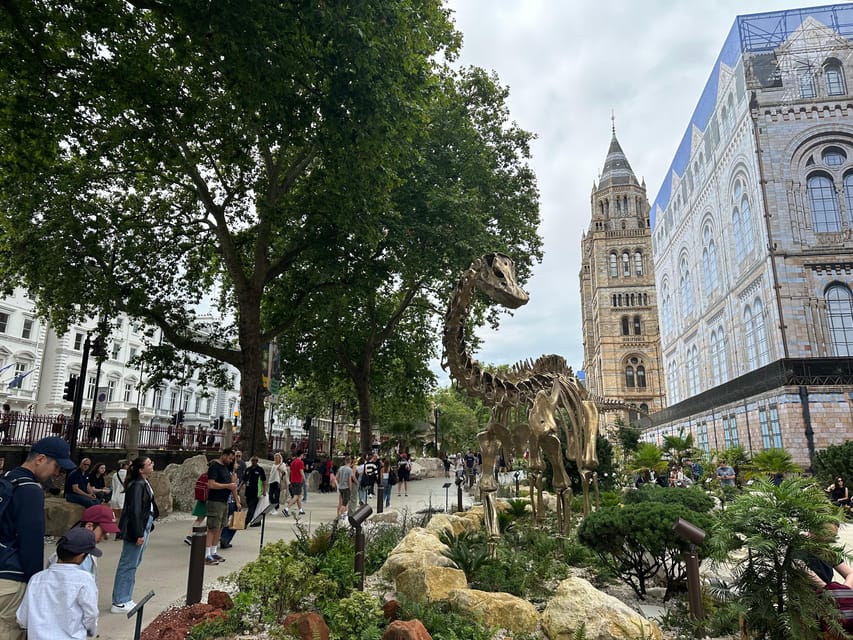
Meeting is at the museum’s east garden entrance, right where Cromwell Road meets Exhibition Road, with an Excellent Walks of London sign. If rain hits, there’s an underground connection from South Kensington tube so you don’t have to fight the weather. The whole experience is built to fit a short visit, but you’ll walk, look, and listen for the full 2 hours.
In This Review
- Key highlights worth marking on your map
- Meeting at Cromwell Road and Exhibition Road, plus the rain-proof route
- Choosing dinosaur power: T-Rex, Triceratops, and the story of extinction
- How the guide connects the science to real people
- Natural world highlights: giraffes, ocean speedsters, and the bigger pattern of life
- Hope the blue whale and the museum’s “treasures,” including precious gems
- What the 2-hour private format gets right (and who it suits)
- Price and value: $134 per group up to 6, with entrance included
- Practical tips before you go: stairs, lifts, and keeping the pace comfortable
- Should you book this Natural History Museum private tour?
- FAQ
- How long is the London Natural History Museum private guided tour?
- What does the tour cost, and how large is the group?
- Where do we meet for the tour?
- What if it’s raining?
- What languages are the guides available in?
- What’s included in the price?
- Are special exhibitions included?
- Is the tour wheelchair accessible?
Key highlights worth marking on your map
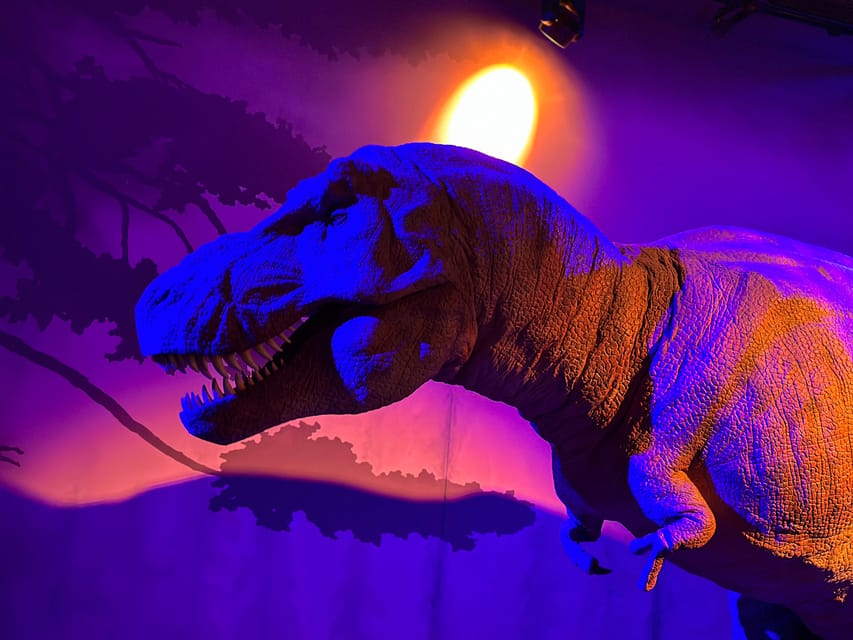
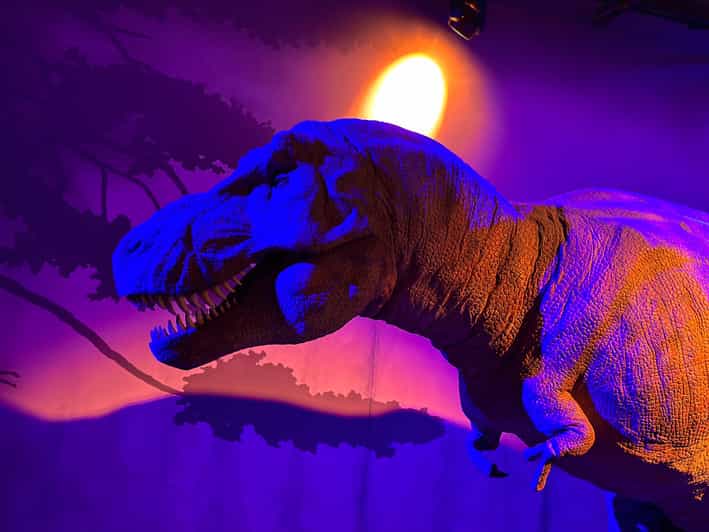
- T-Rex and Triceratops in focus: big-name dinosaurs with clear explanations of reign and extinction.
- Scientists as characters: you hear stories about the men and women who made key breakthroughs.
- Natural world breadth: from giraffes to the fastest fish of the oceans.
- Hope the blue whale: one of the museum’s headline specimens, discussed as part of the bigger story of life.
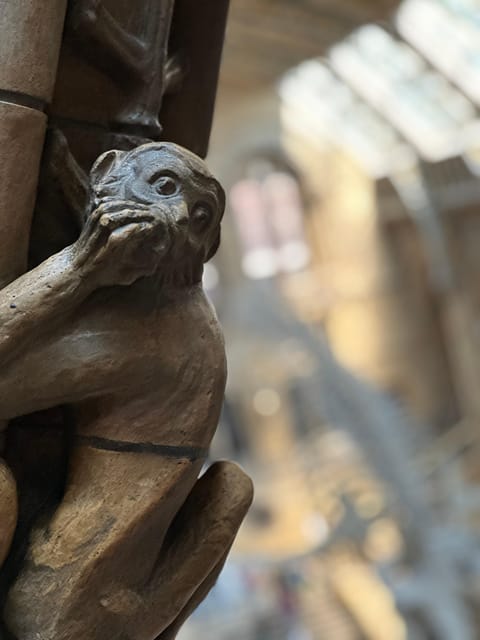
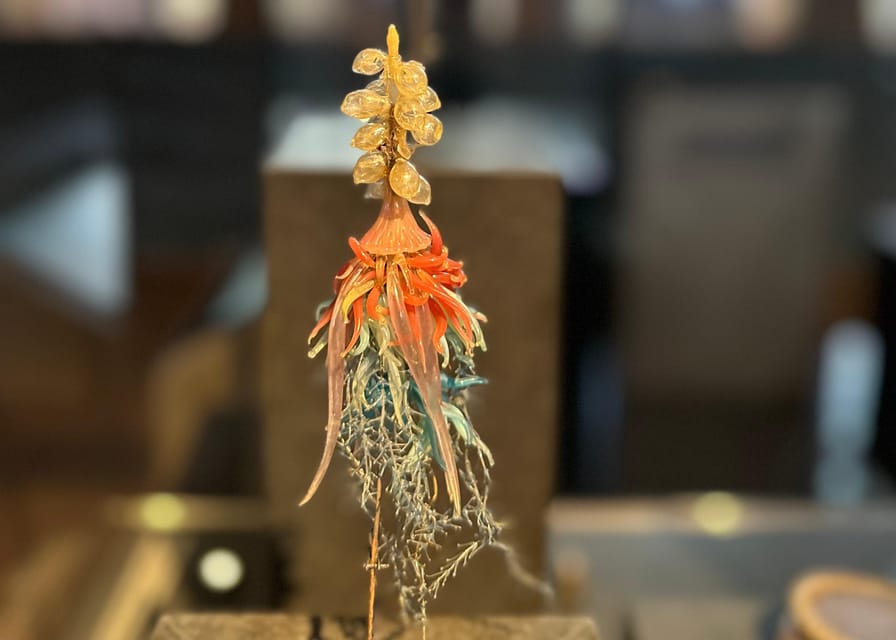
- Fossils, minerals, and artefacts: the museum’s “treasures” side, including precious gems.
Meeting at Cromwell Road and Exhibition Road, plus the rain-proof route
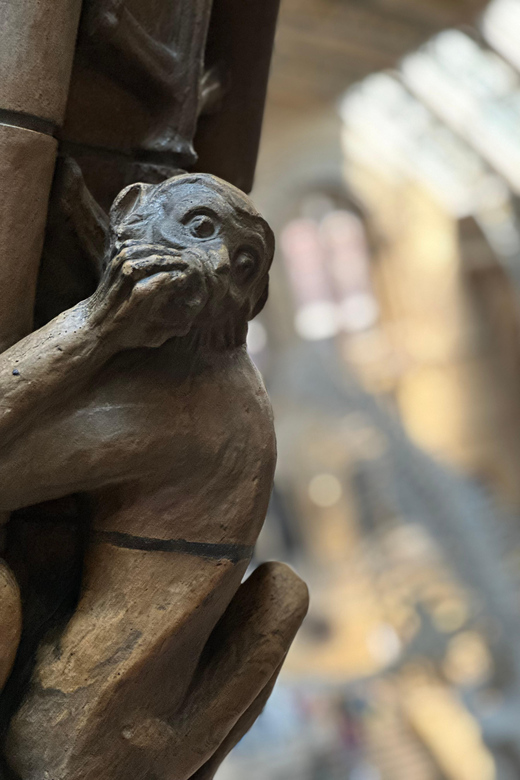
I like that the meeting point is specific and easy to find: the east side entrance to the museum garden at the corner of Cromwell Road and Exhibition Road. You’ll see an Excellent Walks of London sign, which saves time when you’re arriving on a busy London day.
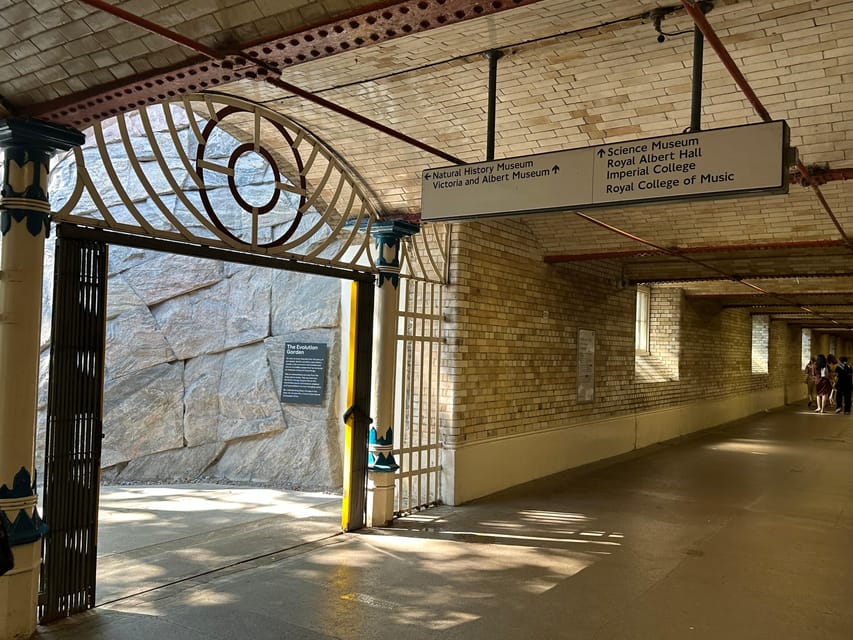
If the forecast looks gray, you’ve got a practical backup. There’s a tunnel route from South Kensington tube that leads to the museum area. You’ll wait at the Natural History Museum exit, also the east entrance to the garden but underground, which makes rainy moments much easier to manage. It’s a small detail, but it keeps your start from turning into a scavenger hunt.
The tour runs for 2 hours, so your first few minutes matter. When you show up at the right door (east garden entrance), you start seeing the museum right away rather than losing time getting oriented.
You can also read our reviews of more guided tours in London



Choosing dinosaur power: T-Rex, Triceratops, and the story of extinction
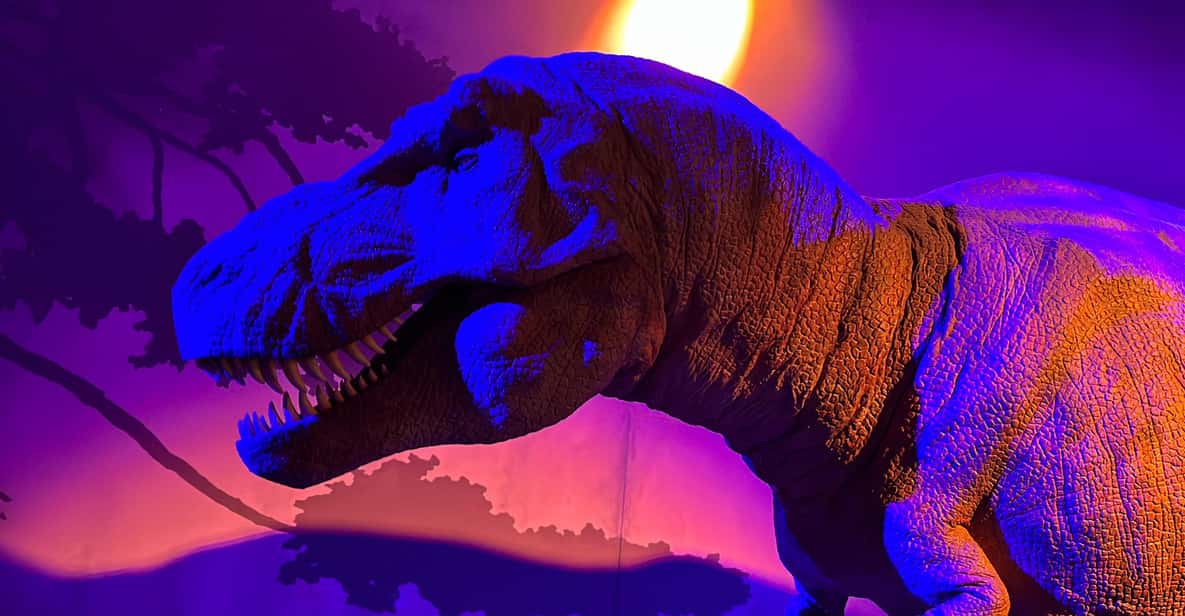
The biggest draw is the dinosaur segment. You’ll stand in awe of headline giants like T-Rex and Triceratops, and you’ll get context for what their world may have been like. The tone is not just wow, look at the skeleton. It’s also why they mattered and what science suggests happened at the end of the dinosaur era.
This is where a private guide pays off. A good guide helps you look with purpose. Instead of wandering until your brain feels full, you learn what to notice—shapes, adaptations, and the reasoning behind the conclusions. Even if you’re not a fossil expert, you’ll walk away understanding how scientists connect evidence to big claims.
One tip: keep your expectations flexible. Dinosaurs are the star, but the tour is structured so you also leave with an understanding of how the museum’s other collections support the same natural-world story. If you only care about dinosaurs, this still works—but you’ll likely end up caring about more than you planned.
How the guide connects the science to real people
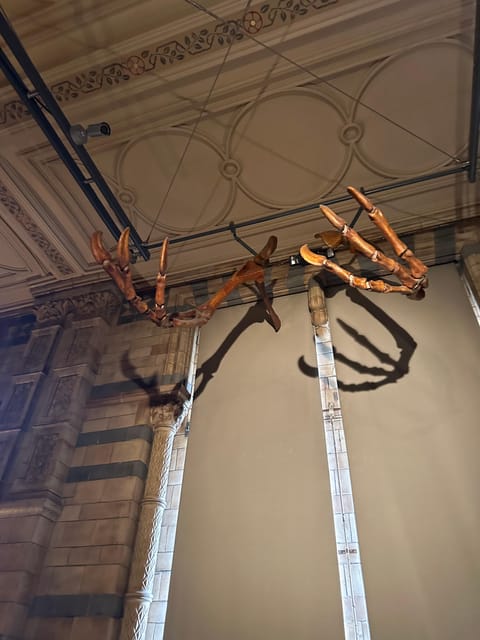
One of my favorite parts is the emphasis on the men and women who made history in science. You’re not just looking at specimens; you’re hearing about the people behind the ideas that changed how we understand the natural world.
That focus matters because it changes the museum experience from facts-on-a-wall to a living timeline of thinking. You start to see that discoveries weren’t instant light-bulb moments. They were built through questions, tools, debates, and patience—then refined as evidence improved.
The tour is led by a live guide, and the language options are English and French, which is ideal if you want a smoother, more expressive explanation than you’d get from a quick audio app. In one case, a guide named Hélène was praised for both knowledge and a generous way of teaching, which is the kind of approach you’ll hope for on a private tour.
Also, flexibility comes up as a strength. A museum collection is huge, so being able to adjust pacing—without rushing—helps you get more from the objects you actually stand in front of.
Natural world highlights: giraffes, ocean speedsters, and the bigger pattern of life
After dinosaurs, the tour expands beyond prehistoric giants into the wider diversity of life. You’ll move from land to sea, with examples like towering giraffes and the fastest fish of the oceans. The goal isn’t to list species like a checklist. It’s to show patterns: how animals adapt, how form connects to function, and how the planet’s variety fits together.
I like this because it keeps the story from getting stuck in one time period. Dinosaurs are fascinating, but they’re also a doorway into the bigger museum message: life changes, environments change, and science helps us interpret what those changes mean.
This is a great section if you’ve got mixed ages or interests. Kids often lock onto the big, recognizable animals. Adults tend to enjoy the logic—why these specimens are displayed in ways that help you compare, not just admire.
One practical note: this is still a walking tour. Even though it’s only 2 hours, you’ll be up and down around the galleries. If you’re sensitive to stairs, plan around museum lifts (they’re available). If you know you’ll need the lift, you should let the provider know so the tour itinerary can be organized with that in mind.
Hope the blue whale and the museum’s “treasures,” including precious gems
One of the tour’s named highlights is Hope, the blue whale. If you want a single anchor moment—the kind that makes you stop mid-sentence and actually look—this is it. Blue whales are already impressive in real life, but seeing how museums preserve and present them often helps you understand scale and biology in a way photos can’t.
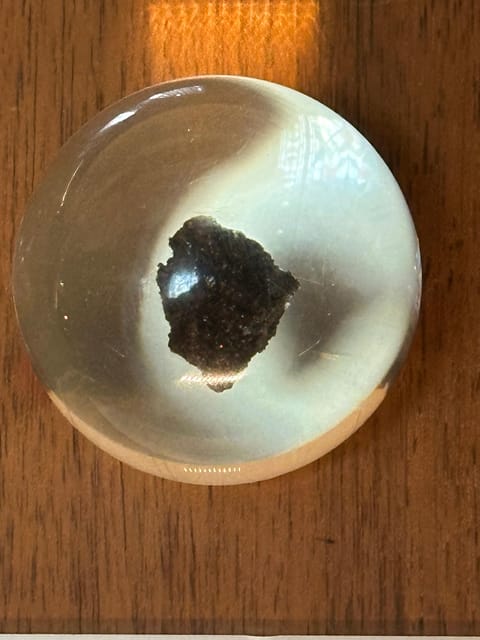
From there, the tour keeps moving through other show-stoppers: fossils, minerals, and artefacts. The highlights specifically point to precious gems and treasures, which ties in nicely with why this museum feels different from typical “look and move on” attractions. You’re seeing how Earth’s materials connect to living things, from fossil evidence to mineral forms.
Why I think this matters: dinosaurs explain time. Fossils and minerals explain the Earth itself. Artefacts and specimen histories help you see science as a chain—collect, study, interpret, update. The tour gives you a path through that chain rather than forcing you to build it alone.
If you’re the type who loves museum objects for their aesthetic beauty, this segment will please you. If you’re more of a science-first person, it’s also satisfying because it connects beauty to evidence.
You can also read our reviews of more private tours in London




What the 2-hour private format gets right (and who it suits)
A 2-hour tour sounds short, but for a museum like this, short can be smart. It’s long enough for real explanations and standing time in front of key displays, not just a quick pass-by. It also fits neatly into a London schedule if you’re doing other neighborhoods the same day.
The private format is also practical. With a small group of up to 6, you can ask questions and keep your curiosity pointed in one direction. That’s a big deal in a museum where you could easily end up with a “saw a lot, learned little” day.
This tour is a strong match if:
- you want dinosaurs with context, not just trivia
- you like hearing the science through the people who made it happen
- you’re visiting with family and want a structured route that doesn’t feel like a school lecture
- you prefer English or French guiding instead of reading everything on signage
It may feel less ideal if you want full freedom to wander every gallery for hours. This tour is planned and focused. You’ll see major highlights, but it’s not meant to replace a long, self-paced museum day.
Price and value: $134 per group up to 6, with entrance included
At $134 per group up to 6, you’re paying for a private guide plus museum entrance. The value is best when you spread it across a group, because the guide time is the main cost you’re sharing.
A helpful way to think about it: the maximum cost per person is about $22.33 if you’re a full group of 6. If you’re fewer people, your per-person cost rises, but you’re still getting a guided experience that’s hard to replicate with just a ticket and a map.
Also note what’s not included. Snacks, food, and drinks are not covered, and you’ll want to plan your own breaks. Transport isn’t included either, so you’ll factor that into your day. Finally, tickets for special exhibitions are not included, so if there’s a temporary show you care about, check ahead and plan for that extra cost.
Practical tips before you go: stairs, lifts, and keeping the pace comfortable
Even though you’re in a wheelchair-accessible tour, the route includes walking up and down stairs. The museum also has lifts, so you’re not stuck—but you need to plan.
If you know you’ll need lifts, tell the provider so they can organize the itinerary accordingly. That small step can make the difference between a smooth visit and a stressful one.
Wear comfortable shoes. A museum tour sounds easy until you’re doing multiple short climbs and turns. Bring a bottle of water if you need it, and plan your snack rhythm outside the tour time.
Finally, think about timing. Because this is a 2-hour guided visit, you’ll enjoy it most if you’re ready to focus rather than trying to squeeze in a dozen other stops at the same moment. This is a “quality over wandering” kind of experience.
Should you book this Natural History Museum private tour?
Book it if you want a focused, teacher-led visit with dinosaur highlights plus science stories about the people who shaped our understanding. The private group size, guide languages (English or French), and included entrance make it a good value when you’re traveling with family or a small circle of friends.
Skip or reconsider if you’re planning a long, slow museum day where you want to pick every gallery yourself. This tour is designed to hit major moments efficiently in 2 hours, not to replace a full exploration.
If you like your museum time structured—T-Rex awe, whale scale, fossils and gems, and explanations that connect it all—you’ll likely find this one lands right where you want it.
FAQ
How long is the London Natural History Museum private guided tour?
It lasts 2 hours.
What does the tour cost, and how large is the group?
The price is $134 per group, for up to 6 people.
Where do we meet for the tour?
Meet at the east side entrance to the garden of the museum, at the crossing of Cromwell Road and Exhibition Road, with an Excellent Walks of London sign.
What if it’s raining?
There’s a tunnel route from South Kensington tube to the museums. The guide will wait at the Natural History Museum exit, which is the east entrance to the garden but underground.
What languages are the guides available in?
The tour guide is available in English and French.
What’s included in the price?
A private guide and museum entrance are included.
Are special exhibitions included?
Tickets for special exhibitions are not included.
Is the tour wheelchair accessible?
Yes, the tour is wheelchair accessible. The tour includes walking up and down stairs, but lifts are available inside the museum. If you need the lift, let the provider know so the itinerary can be arranged accordingly.