REVIEW · LONDON
London: Beyond Jack the Ripper Serial Killers Walking Tour
Book on GetYourGuide →Operated by City Secrets Walks · Bookable on GetYourGuide
Jack the Ripper never stays in museums.
This 2-hour South London walking tour uses psychological profiling and cinematic storytelling to guide you through the kind of cases that turn ordinary streets into something darker. You start in Barbican, meet the guide outside the station, and finish in Holborn with a clear sense of how law enforcement thought, not just how criminals acted.
What I like most is the focus on the human behavior behind the crimes, not gore. I also like that the guide, Declan (noted for 30 years of research and an engaging, personable style), keeps it serious: the murders are handled with respect for victims, and the story never feels like a comedy.
One drawback: the subject matter is scary, shocking, and disturbing, and it’s not for people who get easily rattled. If you want light entertainment, or if you’re sensitive to violent crime themes, skip this one.
In This Review
- Key points before you go
- Starting at Barbican: finding the guide and getting oriented
- The walking pace: 2 hours, ~2 miles, and where your comfort really matters
- A lineup of real cases: from Jack the Ripper to the surprise tenth
- The psychology angle: profiling exercises and storycraft that feels theatrical
- Fleet Street to Holborn: how the route builds tension without wasting time
- Is $27 good value for London nightlife-style walking?
- Buying the guide’s book after: worth it if you want more than one night
- Who should book, and who should skip
- Final call: book Beyond Jack the Ripper if you want psychology with a pulse
- FAQ
- Where exactly do I meet the guide at Barbican Station?
- How long is the tour, and how much do I walk?
- Is the tour focused on gore?
- Who is this tour not suitable for?
- What should I bring?
- What time should I arrive?
- Are intoxicated people allowed?
- What language is the tour in?
Key points before you go
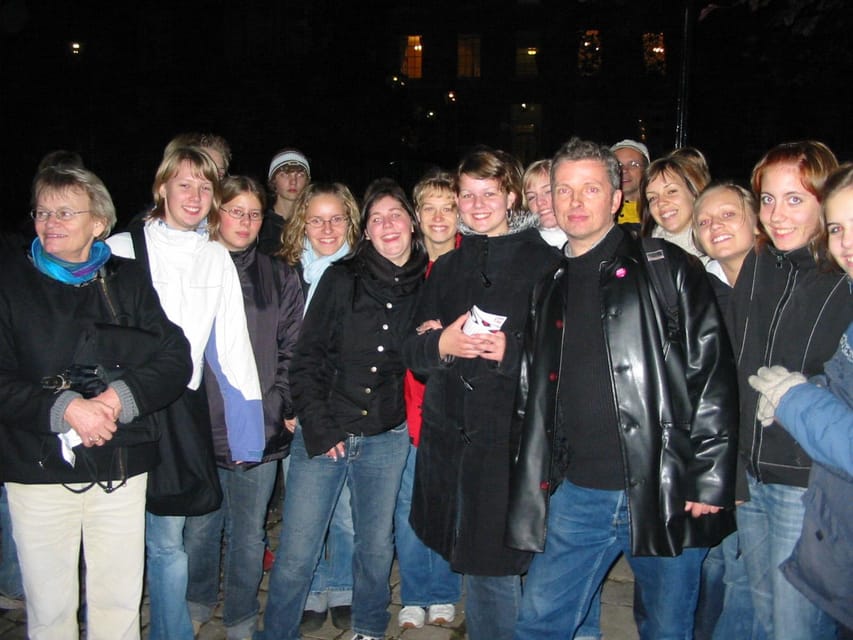
- Barbican meeting point is very specific: the guide waits right outside the only exit, about 20 feet away, with a backpack sign on the ground.
- Two hours and about 2 miles on foot, with enough stops for short explanations and short stretches of walking.
- The tour covers named cases including Jack the Ripper, Dennis Nilsen, Peter Sutcliffe, Joanne Dennehy, John Christie, and others, plus a surprise tenth.
- You’ll do profiling-style participation, with the guide explaining psychology rather than graphic details.
- It’s paced for the serious side of the topic: no tongue-in-cheek tone, no glorifying offenders—everything is framed around law enforcement and victims.
Starting at Barbican: finding the guide and getting oriented
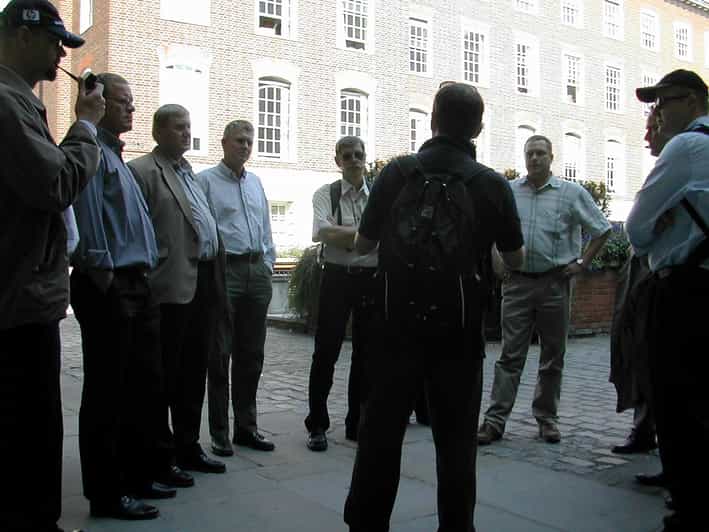
The tour begins at Barbican Station, and the setup is simple if you arrive on time. There’s only one exit at Barbican, and your guide will be waiting right outside that exit (around 20 feet away) with a sign on their backpack placed on the ground.
Plan for London timing chaos. The tour starts on schedule, and once it leaves, latecomers can’t join. I’d treat that as a “show up early enough to be calm” rule, not a “rush and hope” rule.
What to wear matters here because you’ll be outdoors for the whole experience. Bring comfortable shoes, warm layers, and rain gear if there’s any chance of wet weather. Also bring any personal medication you need, since you’re walking and stopping outdoors rather than sitting in a cafe.
If you’re thinking about comfort and stamina, the tour covers roughly 2 miles (3.2 km). It’s not a long distance, but it is continuous walking plus stops, and the pacing assumes people can stand and move for that stretch.
You can also read our reviews of more walking tours in London



The walking pace: 2 hours, ~2 miles, and where your comfort really matters
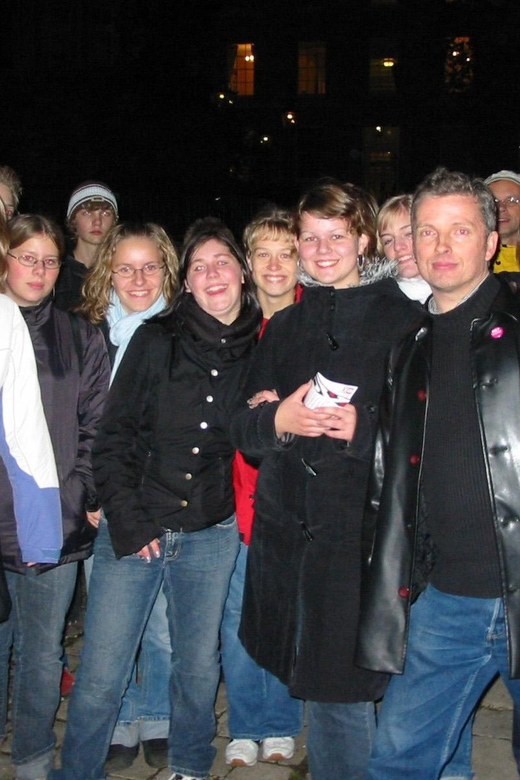
This is a 2-hour walk built around short guided segments and frequent attention-grabbing street corners. You’ll spend time moving between stops, with a bit of “stand and look” at viewpoints, then short bursts of storytelling. There are also breaks built into the timing, so it’s not one nonstop lecture.
Still, it’s not designed for everyone physically. It’s not suitable for people with low fitness, and it’s also flagged as not appropriate for heart problems, people over 75, and anyone who doesn’t handle outdoor walking well. The listing also calls itself wheelchair accessible, but it simultaneously says it’s not suitable for people with mobility impairments—so be realistic about your own ability to keep up and to handle uneven sidewalks and stopping points.
Age and sensitivity are the big filters. The tour is not suitable for children under 12, and unaccompanied minors aren’t allowed. Most importantly, it’s explicitly for adults who can handle shocking, disturbing content without needing the topic softened.
And about the tone: you won’t get gore. The focus stays on the psychology of the murders and how behavior patterns shaped investigations. That matters because it changes the emotional impact; it’s still dark, but it isn’t trying to gross you out.
A lineup of real cases: from Jack the Ripper to the surprise tenth
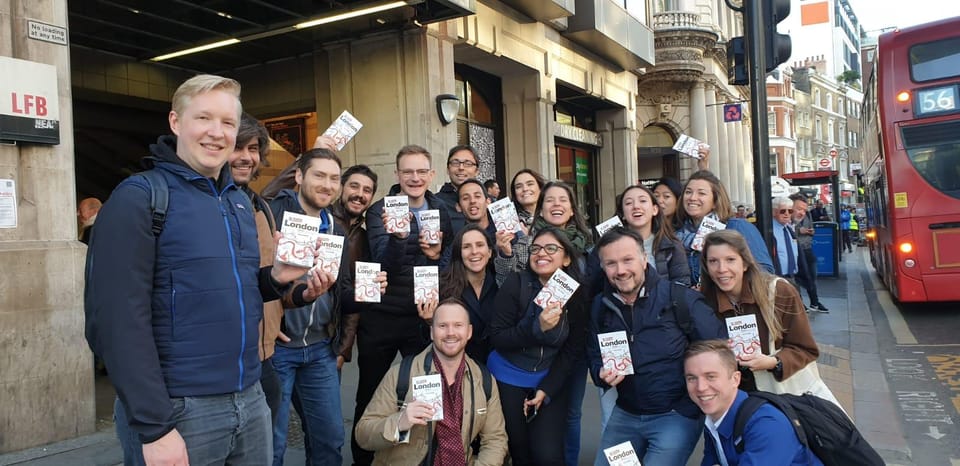
You’ll hear about multiple real cases across London, not just one famous name. Expect a guided narrative that includes Jack the Ripper, Dennis Nilsen, Peter Sutcliffe, Joanne Dennehy, John Christie, and Thomas Neil Cream. The tour also covers cases like Bishop and Head, described as an uncaught serial murderer of children, plus that surprise tenth killer the guide brings into the story later.
What makes this lineup useful is that it’s not just a list of titles. The cases are used to explain patterns—what investigators noticed, what behaviors suggested, and how different offenders worked. The guide’s approach is framed from the side of law enforcement and the victims, not a “look at the monster” voyeur vibe.
Also, don’t expect a “greatest hits” version that skims the surface. The guide is known for going into detail at each stop, including known information about a suspect’s life and psychology. It’s the kind of storytelling that keeps you engaged, even when the subject is hard to hear.
The tour uses this case list as a progression. As you move through the walk, the tone can get increasingly creepy, especially when you’re sent into tight-feeling alleyways and corners designed to make you pay attention.
The psychology angle: profiling exercises and storycraft that feels theatrical
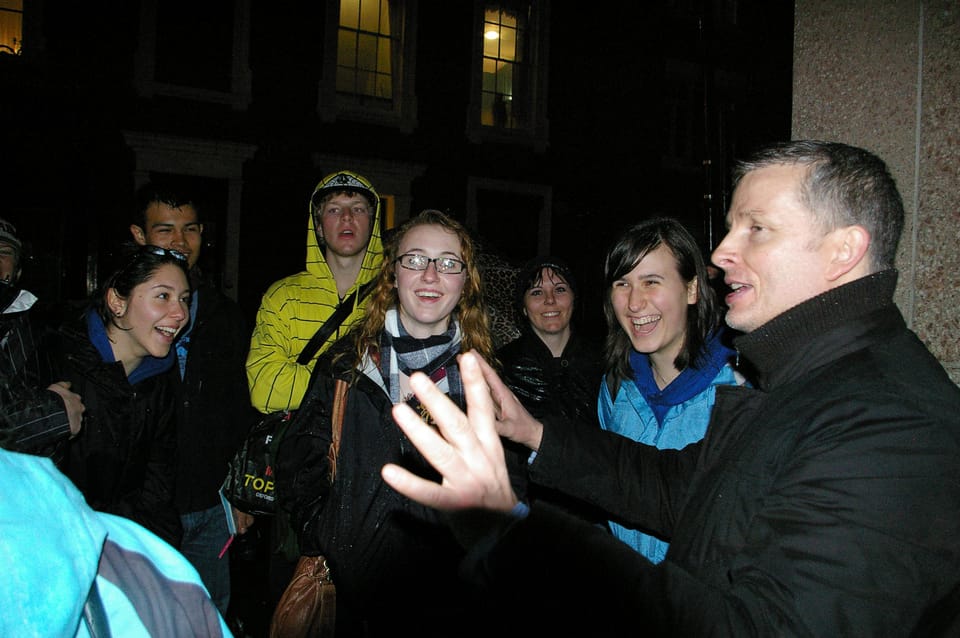
This is where the tour earns its name “beyond” the obvious. Instead of focusing on gore or sensational shock, the guide leans hard into how minds work and how patterns get interpreted.
You’ll hear explanations that focus on behavior, mindset, and investigative thinking. Then you’ll get profiling exercises during the walk—small moments where the guide prompts you to think like an investigator, using the information presented to build a picture of likely behavior patterns.
It’s also told with cinematic storytelling. The guide is interactive, and the delivery has a theatrical feel without turning the material into a joke. You’ll even get chances to ask questions and have them answered clearly as you go.
One practical plus: the guide is comfortable explaining things so they land for people who aren’t native English speakers. The way the story is paced and articulated helps, especially if you’re following the details case-by-case rather than just hearing broad summaries.
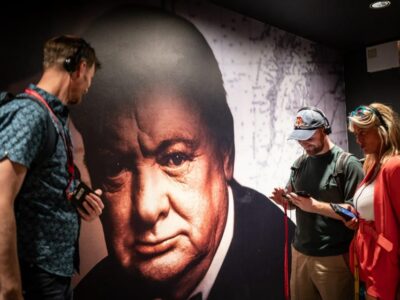
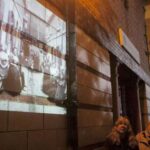
And the guide uses supportive visuals as part of the experience. At key points, you might see photos of suspects and get specific context tied to where you are and what you’re being told. That makes the narrative feel more anchored than a purely “talk while walking” format.
Fleet Street to Holborn: how the route builds tension without wasting time
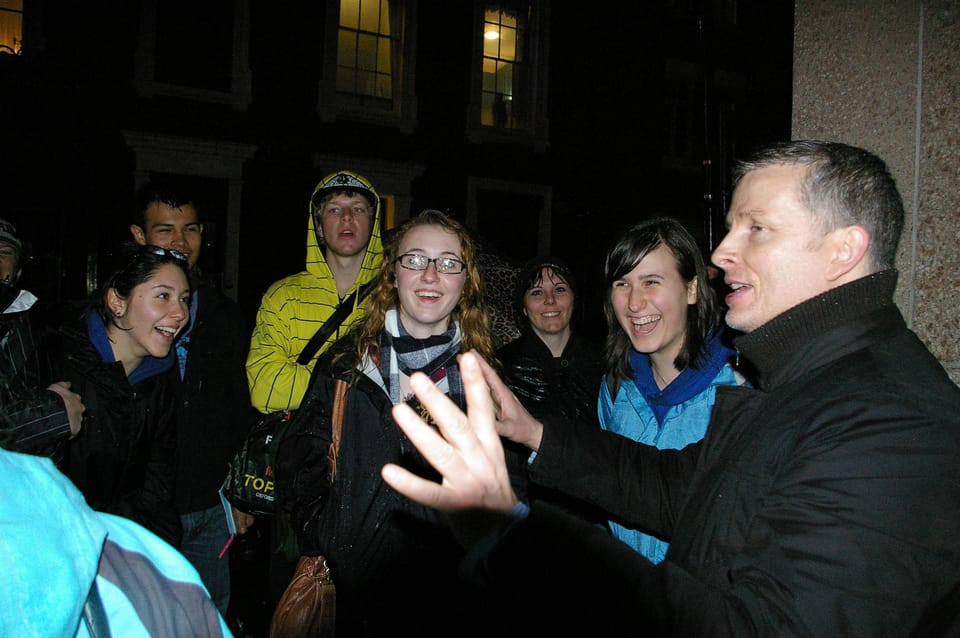
The walk isn’t just movement from A to B. It’s structured so you get a sense of shifting atmosphere as you go.
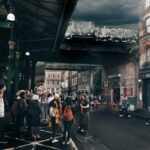
You start at Barbican, then you’re guided through a sequence of stops where you’ll alternate between short explanations and short sightseeing pauses. The walk includes a notable segment at Fleet Street, with guided storytelling there and a break later in the pacing. Fleet Street is one of those London corridors where the city’s character feels instantly recognizable, and the stop gives the guide room to slow things down and sharpen focus.
Later, the route continues into the Holborn area, with the tour ending at Holborn. You’re not just dropped into another meeting spot—you finish after a full arc of cases and analysis, with time to mentally “land” what you just absorbed.
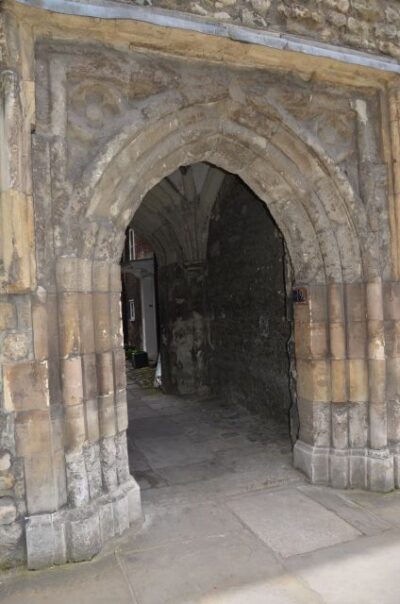
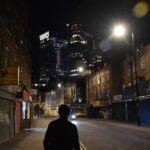
Along the way, you’ll be pulled toward viewpoint moments and then back out into narrower, more unsettling alley-feeling sections. That pattern is deliberate: it keeps the story tied to place and makes the creep factor feel like part of the technique, not random scare tactics.



Is $27 good value for London nightlife-style walking?
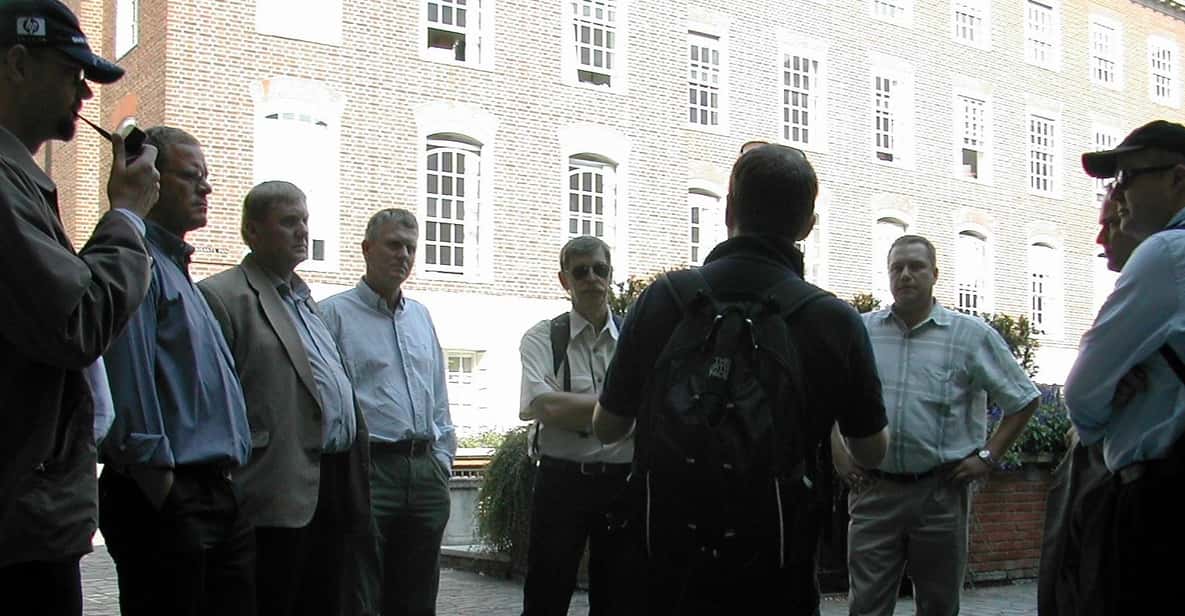
At $27 per person for 2 hours and about 2 miles, the price makes sense if you’re the right traveler for this theme. You’re paying for more than walking between points—you’re paying for a guide with a long research track record and a format built around participation, psychological framing, and serious storytelling.
The guide’s style matters here. When a tour is interactive and structured around detail at multiple stops, the cost tends to justify itself because you’re getting sustained attention rather than a quick overview. This one also keeps the material on the side of victims and law enforcement, which you’ll feel in how the stories are presented.
If you’re looking for cheap entertainment or you want “spooky” without substance, you’ll probably feel shortchanged. But if you want a guided, structured explanation of real cases with psychological thinking, $27 is a fair trade.
One extra value lever: at the end of the experience, you get the chance to purchase the guide’s best-selling book on the exact subject covered. That can turn the tour into a “take it further” experience, especially if you like reading while following locations and case details.
Buying the guide’s book after: worth it if you want more than one night
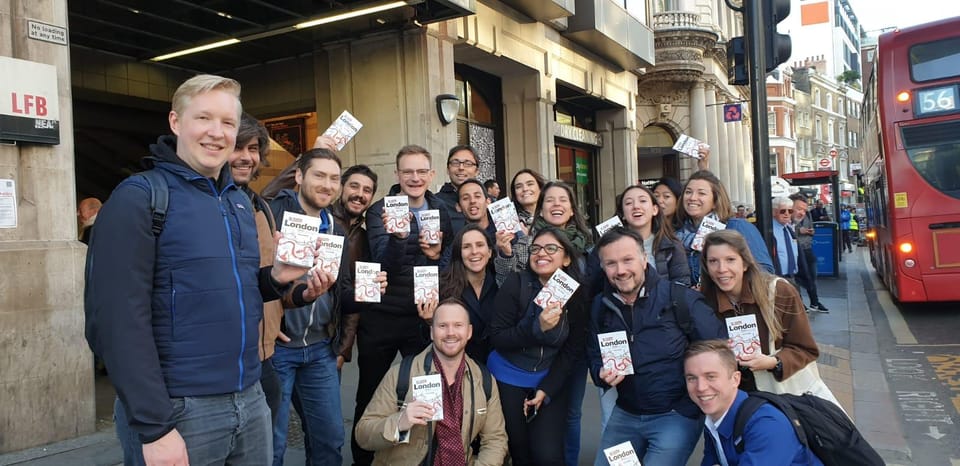
You end the tour with an opportunity to buy a best-selling book written by the guide. That matters because a walking tour has time limits; the guide can’t cover everything in a couple of hours.
The added value is that the book is meant to extend the same themes and keep the locations and case details in your mind. It also provides extra information that the guide can’t fit into the tour. If you’re the type who likes to process dark history by reading more carefully after you leave the streets, this is the easiest way to do it.
And if you like neat little extras, there’s also an option for the guide to provide a personal touch through book signing at the end, which fits the whole “relationship with the subject” style of the tour.
Who should book, and who should skip
This tour is best for adults who:
- like real criminal history told seriously and respectfully
- can handle disturbing topics without needing humor to cope
- want the psychological “why” more than the graphic “how”
- enjoy interactive learning, including profiling exercises
You should skip it if any of these apply:
- you’re easily disturbed by scary, shocking themes
- you’re traveling with kids under 12, or you need something that works for unaccompanied minors
- you have heart problems or struggle with outdoor walking stamina
- you’re older than 75 and concerned about pacing and time outdoors
- you plan to show up intoxicated (that’s not allowed)
This isn’t a tongue-in-cheek tour. If you want campy scares, this won’t match your mood. If you want a guided, thoughtful walk that stays focused on behavior and investigation, it’s a strong fit.
Final call: book Beyond Jack the Ripper if you want psychology with a pulse
I’d book this if you’re curious about serial killers as a historical and investigative topic—and you want that curiosity treated with seriousness. The combination of a long-research guide, interactive profiling, and a clear refusal to glorify offenders makes it more grounded than many spooky London alternatives.
Skip it if you’re seeking light entertainment or you know you react strongly to disturbing content. This walk uses the city’s tight corners and tense storytelling to make you think, not just to make you jump.
If you’re on the fence, make the decision based on two questions: can you handle the topic, and do you want psychological framing rather than gore? If both answers are yes, this is one of those London experiences that stays with you for the right reason.
FAQ
Where exactly do I meet the guide at Barbican Station?
Meet at Barbican Station at the station’s only exit. The guide stands right outside that exit (about 20 feet away) with a sign on their backpack on the ground.
How long is the tour, and how much do I walk?
The tour runs for 2 hours and covers about 2 miles (3.2 km) on foot.
Is the tour focused on gore?
No. The tour is designed to focus on the psychological aspects of the murders rather than graphic gore.
Who is this tour not suitable for?
It’s not suitable for children under 12, and unaccompanied minors aren’t allowed. It’s also flagged as not suitable for people with heart problems, people over 75, people with low fitness, and people with mobility impairments.
What should I bring?
Bring comfortable shoes, warm clothing, and rain gear if needed. Also bring any personal medication you require.
What time should I arrive?
Arrive at the meeting point at the specified time. The tour starts on time, and latecomers can’t be accommodated.
Are intoxicated people allowed?
No. Intoxication is not allowed.
What language is the tour in?
The tour is in English with a live guide.