REVIEW · LONDON
London: Churchill War Rooms & WW2 Westminster Private Tour
Book on GetYourGuide →Operated by Urban Saunters Ltd · Bookable on GetYourGuide
Churchill didn’t hide in history books. He led from one of London’s most secret places, and this tour connects the streets above with the bunkers below. You start in Westminster, then walk through the landmarks tied to wartime decision-making before descending into the Churchill War Rooms.
I especially love how the guide uses the city like a timeline. You’ll get the wartime backdrop around Parliament, Westminster Abbey, the Cenotaph, 10 Downing Street, and Whitehall—then those stops make far more sense once you see the underground rooms where leadership worked under pressure.
One thing to plan for: this is not a smooth, flat stroll. You’ll walk on city streets and deal with security before entering, plus the tour isn’t suitable for people with mobility impairments.
In This Review
- Key highlights at a glance
- Starting at Parliament Square: putting Churchill’s London on your map
- Westminster above ground: the war story behind the big landmarks
- Descending below Whitehall: what the Churchill War Rooms feel like
- The War Room: seeing the pressure behind decisions
- The Map Room: why information mattered in 1945-time capsules
- Churchill artifacts and the human side of leadership
- Living through the bombing: what it was like for people underground
- Price and value: what you’re paying for at $317 per person
- Who this private WWII Westminster tour suits best
- Planning tips so the day feels smooth
- So, should you book the London Churchill War Rooms private tour?
- FAQ
- Where do I meet the guide?
- How long is the tour?
- Is entry to the Churchill War Rooms included?
- What should I wear or bring?
- Is food or drinks provided?
- Is the tour suitable for people with mobility impairments?
Key highlights at a glance
- Walk Westminster in “WW2 mode” as your guide turns famous sights into wartime clues
- Churchill’s underground spaces with time in the War Rooms and the corridors below Whitehall
- Map Room and War Room context—what decisions meant, and why timing mattered
- Real-life bunker atmosphere including what it was like for the men and women who lived and worked there
- A guide who brings the story home with vivid anecdotes (a standout guide name you may hear is Jeremy)
Starting at Parliament Square: putting Churchill’s London on your map
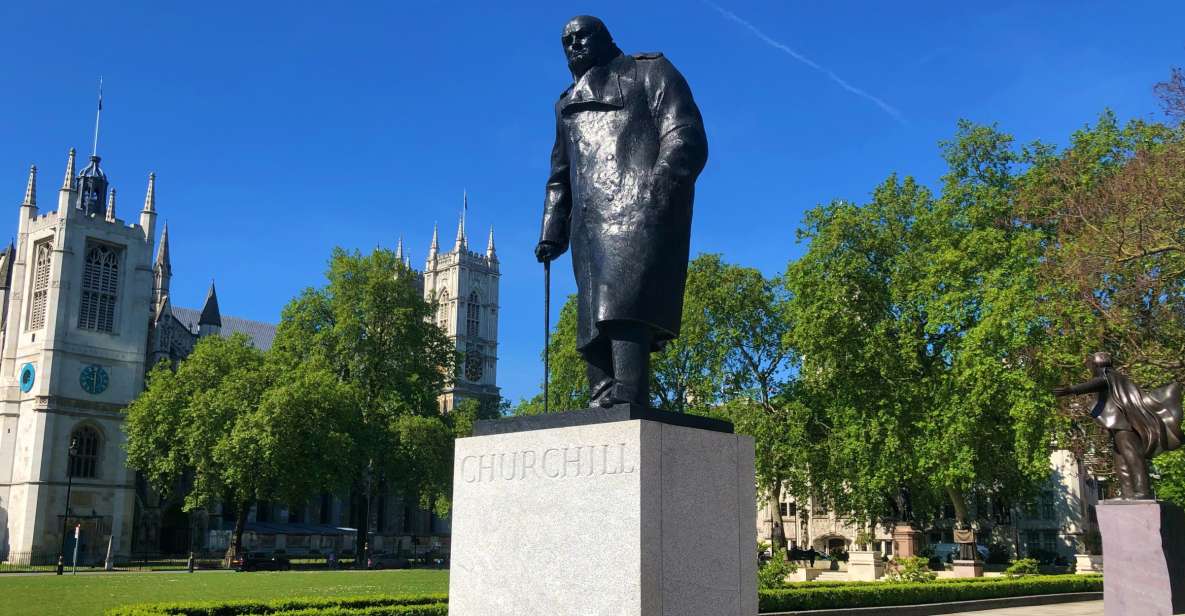
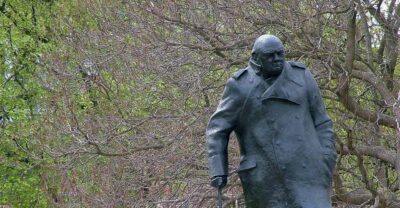
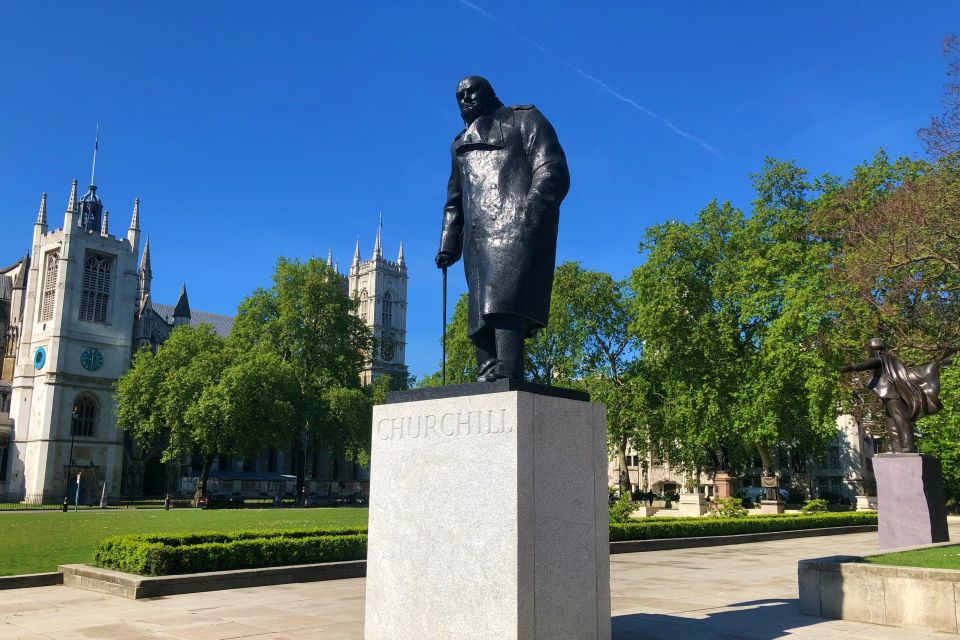
This tour begins at the Winston Churchill statue in Parliament Square, where your guide will be holding an Urban Saunters tour sign. The starting point matters because it sets the mood fast: you’re not just seeing buildings, you’re about to trace how a leader and a country moved through a crisis.
From there, you’ll cover major Westminster landmarks tied to British wartime life and government. You also get the practical benefit of staying together as a group—your guide keeps the route logical, so you’re not bouncing between sites trying to piece the story together yourself.
One small tip: bring comfortable shoes. You’re on your feet for a tour that runs about 2.5 hours, and the day can include stairs or tight passageways once you’re moving through the War Rooms area.
You can also read our reviews of more private tours in London

Westminster above ground: the war story behind the big landmarks
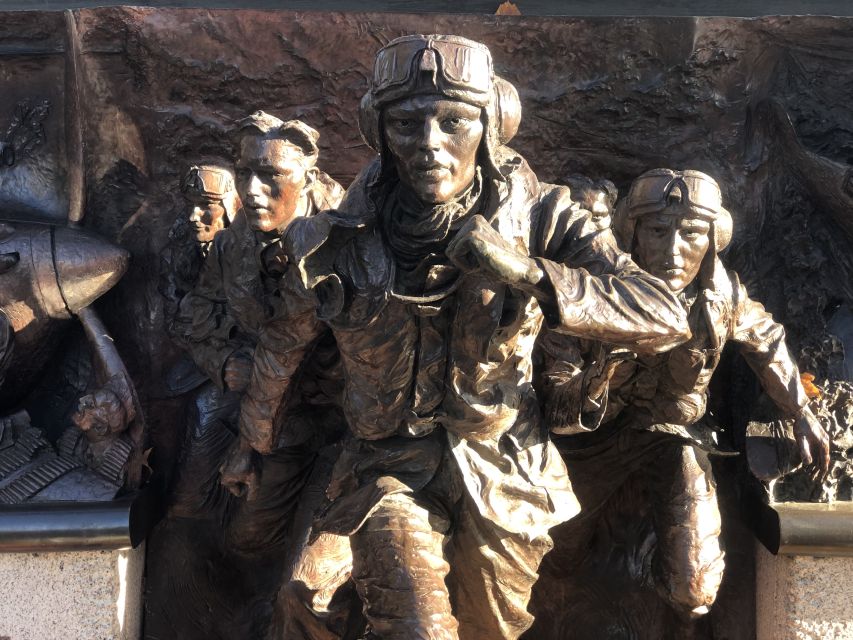
I like tours where the outside world actually connects to the inside world. Here, you’ll walk past several of the most recognizable parts of central London, but you’ll be viewing them through a WWII lens instead of as postcard backdrops.
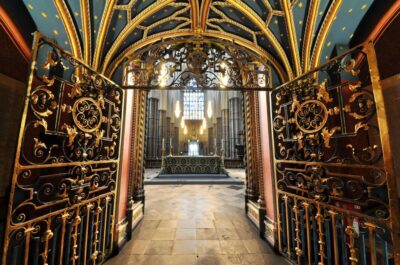
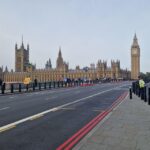
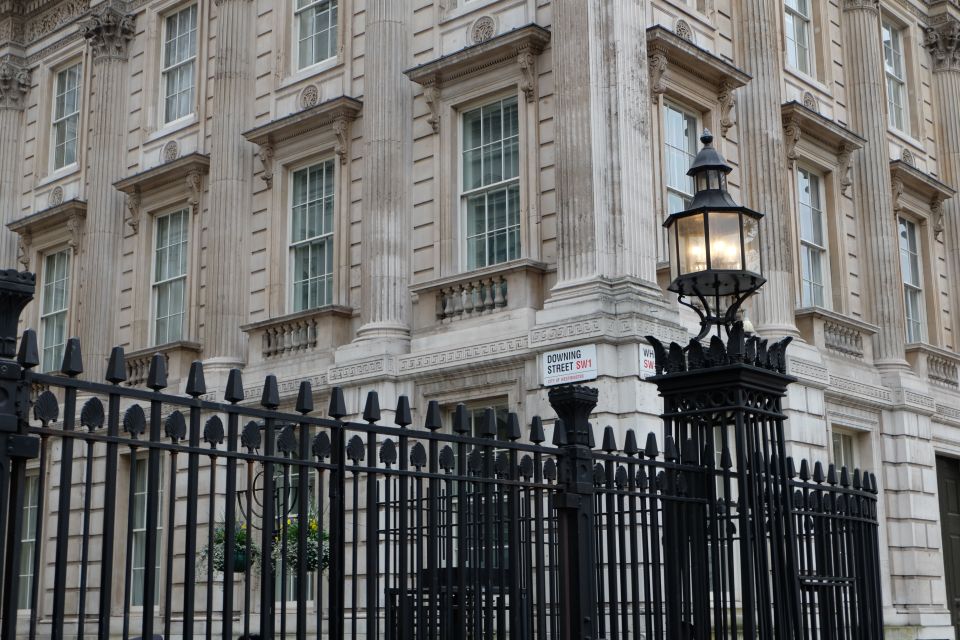
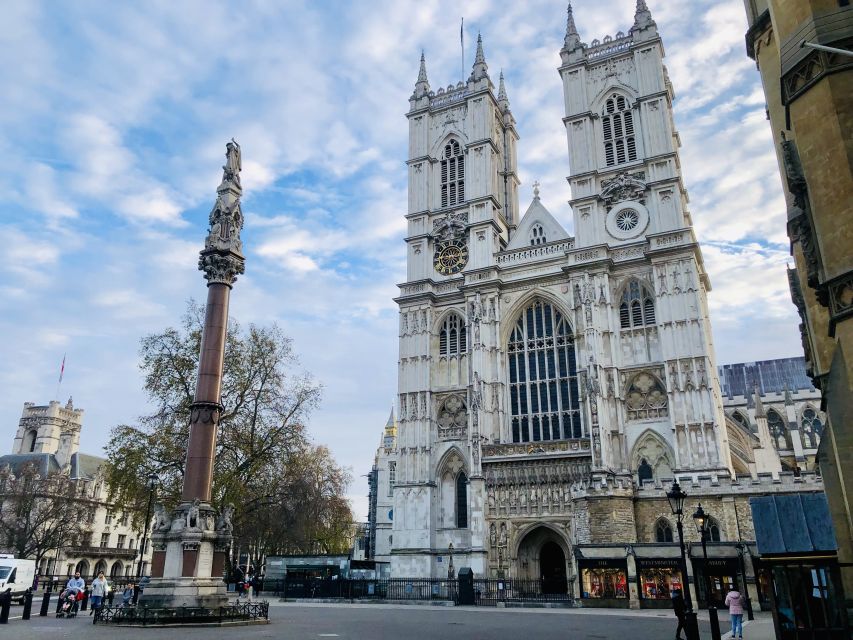
Your route focuses on the government heart of London—especially sites tied to leadership and national resolve. Expect time around the Houses of Parliament, Westminster Abbey, the Cenotaph, and areas including the Ministry of War and 10 Downing Street, along with Whitehall. Even if you’ve seen some of these places before, the war focus changes how you read them. You start asking different questions: Who made calls? Where did information land? What did public leadership look like when the city was under threat?
The guide also sets the timeline, including how, on September 7th, 1940, Nazi Germany’s lightning war kicked off the bombing campaign that began 57 consecutive nights of terror for London. Once you hear that framing, the “big sights” stop being just architecture and start feeling like key pieces in a pressured system.
You’ll also hear about the wartime reality around Westminster Abbey and the broader Westminster area—so places that often get treated as ceremonial start showing their human side. This is the sort of perspective shift that makes a private guide worth paying for, because you can’t easily recreate it on your own without turning London into a research project.
Descending below Whitehall: what the Churchill War Rooms feel like
After walking the streets, the tour shifts underground. That part is the payoff. You’ll descend below the Whitehall area to reach the Churchill War Rooms, where the spaces feel frozen in time—ready to be explored again.
This is where the tour stops being “look and learn” and starts being “see how it worked.” You’ll move through corridors that carry a sense of secrecy, and you’ll spend time in major rooms tied directly to wartime command decisions.
Be ready for the security process. All visitors must pass through security before entering. It’s not complicated, but it can add a bit of waiting time to your schedule, especially if you arrive close to your tour start.
Also, come light. There’s no large luggage allowed into the War Rooms, so plan to travel with a small bag you can comfortably manage.
The War Room: seeing the pressure behind decisions
The War Room is the heart of the underground experience, and your guide’s storytelling is central here. You’re not just walking past old objects—you’re being guided through how the space functioned as an operations center where decisions could mean victory or disaster.
Your guide talks through the kind of atmosphere that would’ve filled the room during the crisis. The key point for me is this: the room isn’t presented like a museum diorama. It’s presented like a working space that happened to survive history.
And this is where you’ll really understand why the phrase leadership “in the moment” matters. In other museum settings, it can feel like events are already decided. In the War Rooms, it feels more like the outcome was still on the line—because the room is structured around that kind of urgency.
If you’re the type of person who loves how stories connect to physical spaces, you’ll probably find the War Room especially gripping.
The Map Room: why information mattered in 1945-time capsules
Then you get the Map Room, where the idea of control through information comes into focus. The tour highlights that the Map Room remains untouched since 1945, and you can feel what that means as soon as you’re inside the space.
What I like about the Map Room portion is that it isn’t just about maps. It’s about what maps represented: intelligence, movement, and the constant need to interpret what was happening fast enough to act.
Your guide also connects this room back to the streets above—so it doesn’t feel like you walked into a separate attraction. You start to understand the chain: events on the streets and battlefronts feed into decision rooms, and those decisions shape what people experience across the country.
This is also where Churchill’s presence becomes more than a name. You’ll learn about him and his mindset through the lens of the rooms themselves—especially how leadership translated into operations.





Churchill artifacts and the human side of leadership
One surprise for me was how much the experience gives you the person behind the public figure. The tour includes a museum component brimming with artifacts from Winston Churchill’s life.
You may see items tied to his everyday imagery—like a baby rattle, a cigar, and the bowler hat he was never seen without. Those aren’t just decorative facts. They help you remember that the War Rooms were run by real humans, not just symbols.
From a value perspective, this adds depth. If the tour were only about government strategy, it could risk feeling distant. Instead, it balances the weight of WWII with small, concrete details that make Churchill easier to picture as a lived-in character.
Living through the bombing: what it was like for people underground
The tour doesn’t stop at command rooms. You’ll also learn about what life was like in the bunkers for the men and women who slept, ate, and worked there as bombs fell overhead.
That part matters because WWII isn’t only about generals and headlines. It’s about routines under stress—people managing work shifts, rest cycles, and fear in a city that was being attacked night after night.
The tour gives you a way to hold both truths at once: the rooms show the official side of Britain’s response, and the bunker-life angle shows how ordinary bodies and nerves had to keep going. When you combine those two, the War Rooms feel less like a single dramatic moment and more like a system that kept functioning.
And yes, this experience also carries a line from Churchill: It is the time to dare and endure. It lands better after you hear how the rooms and people actually worked.
Price and value: what you’re paying for at $317 per person
At $317 per person, this isn’t a budget activity. But it also isn’t just a quick city walk. You’re paying for a private guided walking tour plus entry reservations and tickets to the Churchill War Rooms, and you get live guide time both above ground and inside key underground spaces.
Here’s the value logic I use: if you can’t see Churchill War Rooms with real interpretation, you’ll likely skim the displays and miss the connections. With a private guide—especially one who can keep a wide range of ages engaged—you’re buying context. In the case of this tour, that context is built into the route and repeated once you go underground.
You’re also spending your time efficiently. In about 2.5 hours, you get an above-ground Westminster story and a full underground experience, rather than splitting your day across multiple attractions and doing the storytelling work yourself.
If you’re traveling with kids, or you want a guide who can hold attention while still being serious about the history, the private format helps a lot. It also reduces the risk of losing the plot if you’re not already familiar with WWII details.
Who this private WWII Westminster tour suits best
This is a great match if you want more than a standard “see the sights” walk. You should book it if you like your London with a narrative thread—especially one that connects famous Westminster landmarks to the behind-the-scenes mechanics of wartime government.
It’s also a good choice if you’re:
- First-timers to London who want a strong historical backbone
- Churchill history fans who want the War Rooms explained in a story, not a lecture
- Families with older kids who can follow a guided timeline
- People who prefer private group pacing over crowd chaos
It’s not right if you have mobility impairments, since the tour isn’t suitable for that.
Planning tips so the day feels smooth
This tour runs rain or shine. That’s not a throwaway line—it matters because you’ll be outside during the walking portion. Bring clothes that handle London weather and keep you comfortable if the day turns damp.
For what to bring:
- Comfortable shoes
- Comfortable clothes
For what not to bring:
- Luggage or large bags (not allowed into Churchill War Rooms)
Finally, plan to use the underground. The nearest station is Westminster, which is convenient since this whole area can be easier on foot once you’re dropped near Parliament.
So, should you book the London Churchill War Rooms private tour?
If you want a London experience where the story makes sense—not just a list of sites—this is a strong pick. You get a guided Westminster walk built around WWII context, then you step into the War Rooms and Map Room where decision-making under bombing pressure becomes tangible.
I’d especially recommend booking if:
- You care about Churchill and WWII beyond surface facts
- You like guided explanation that connects streets to strategy
- You’d rather pay for one good private experience than cobble together multiple visits alone
If you’re looking for a relaxing, low-effort stroll, or you need mobility-friendly routing, this may not fit. But for most travelers who can handle some walking and security, it’s a smart, high-value way to see London’s wartime core with real guidance.
FAQ
Where do I meet the guide?
Meet at the Winston Churchill statue on Parliament Square. The guide will be showing an Urban Saunters tour sign, and the nearest underground station is Westminster.
How long is the tour?
The duration is about 2.5 hours.
Is entry to the Churchill War Rooms included?
Yes. Tickets and entry reservations to the Churchill War Rooms are included, along with a live guide experience in the War Rooms.
What should I wear or bring?
Wear comfortable shoes and comfortable clothes. The tour takes place rain or shine.
Is food or drinks provided?
No, food and drinks are not included.
Is the tour suitable for people with mobility impairments?
No. The tour is not suitable for people with mobility impairments.