REVIEW · LONDON
London: Winston Churchill Walking Tour with War Rooms Ticket
Book on GetYourGuide →Operated by Ye Olde England Tours · Bookable on GetYourGuide
Church at ground level, war underground. This Winston Churchill walking tour threads wartime Britain through Piccadilly, St. James, and Westminster, then hands you a ticket to the Churchill War Rooms. You’ll see places tied to his rise and daily life—plus the stop everyone talks about: the preserved underground bunker where he directed WWII.
I like the mix of outdoors-and-indoor pacing. You get a live guide for the walking portion, then you switch to an audio-guided War Rooms visit, which lets you control how long you linger in each space. I also like that the tour leans into specific Churchill details, from his cigarette-cigar era to the story behind the famous Churchill statue.
One thing to consider: it’s a 3-hour walking experience that runs in all weather, so comfortable shoes matter, and you’ll want to be ready for steady time on your feet.
In This Review
- Key highlights worth planning around
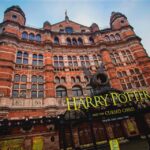
- Starting at the Criterion Theatre: easy meet, focused mission
- Piccadilly, St. James, and Westminster: the Churchill route in real space
- The Churchill statue stop: why that landmark matters
- Cigars and a cigar-supply store: Churchill’s habits, not just speeches
- Childhood home and the 1908 wedding church: personal story, real locations
- Downing Street: where prime minister life met wartime pressure
- The Allied leaders moments: Roosevelt, posing, and the “War Room mindset”
- Churchill War Rooms: preserved underground command, explored by audio
- How the 3-hour format really plays out
- Who this tour is best for (and who should think twice)
- Price and value: what you’re paying for at $262.66
- Practical tips before you go
- Should you book the Winston Churchill walking tour with War Rooms?
- FAQ
- How long is the London Winston Churchill walking tour with War Rooms?
- Where do you meet the guide?
- Where does the tour end?
- Is the Churchill War Rooms ticket included?
- Do I need to use the London Underground to join the tour?
- Is there a live guide during the walking portion?
- Is the Churchill War Rooms visit self-guided?
- What languages are available for the audio guide?
- Is this a private tour?
Key highlights worth planning around
- Criterion Theatre start: a clear, easy-to-find launch point at the front door.
- Live English guide on the streets: real context as you move between neighborhoods.
- Photo-and-moment stops: opportunities to pose between Allied wartime leaders and sit on a bench connected to Churchill and President Roosevelt.
- Churchill’s personal landmarks: his childhood home, the church where he married Clementine in 1908, and Downing Street.
- Cigars stop with a London twist: you’ll visit the store that supplied Churchill’s cigars and learn about a hidden spot he used.
- War Rooms ticket with audio guide: skip the ticket line and explore at your own pace inside the bunker.
Starting at the Criterion Theatre: easy meet, focused mission
The tour kicks off outside the front door of the Criterion Theatre. That matters more than it sounds. You’re not hunting around for a random corner or guessing which entrance to use—you can start clean and confident.
From there, the guide sets the tone right away: this isn’t a generic “Great Men of History” walk. It’s a route through the streets where Churchill’s life—and British decision-making—played out in real time. You’re moving through central London areas that were regularly targeted during the Blitz, so the stories have extra weight even before you step underground.
You’ll be in a private group, and the walking portion is a live tour with an English-speaking guide. That combination usually means fewer time-wasters and less “let’s all wait for the slowest person” energy. If you like history but you also want momentum, this format fits.
You can also read our reviews of more tours and experiences in London


Piccadilly, St. James, and Westminster: the Churchill route in real space
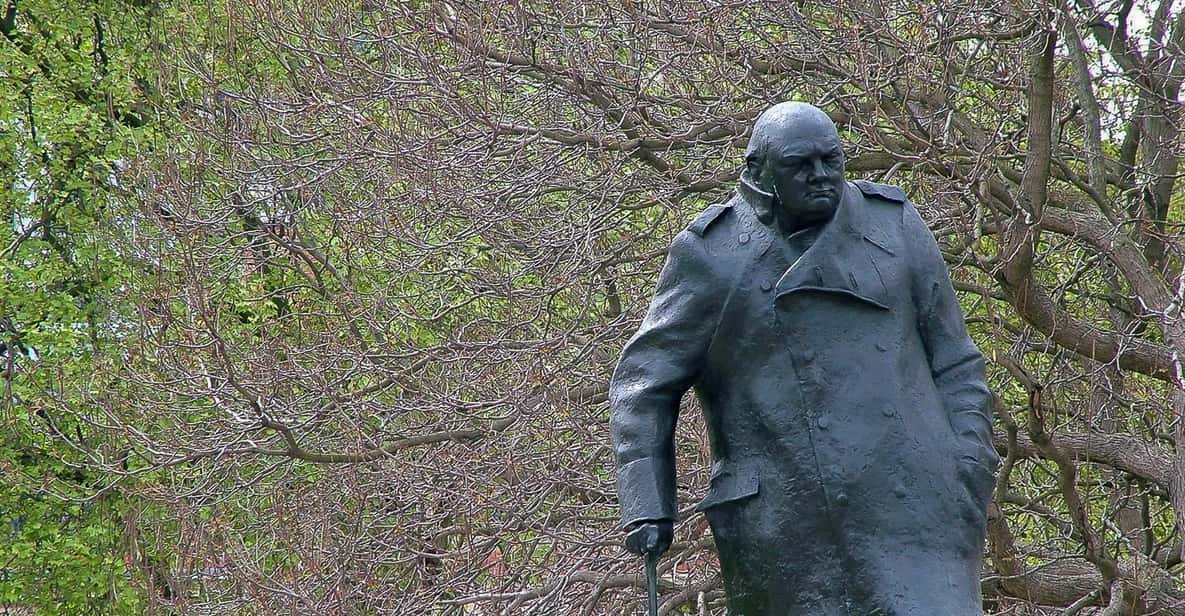
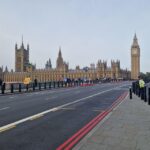
The heart of the experience is the walk through Piccadilly, St. James, and Westminster. These are the zones that feel like power: embassies, offices, and major landmarks. But on this tour, they’re not just scenery. They’re a backdrop for how Churchill operated—what he saw, where he went, and the kind of London that existed around him.
As you go, expect the guide to connect dots between Churchill the politician and Churchill the human. That’s where the tour stays fun. It’s one thing to learn dates. It’s another to hear how the everyday habits, quick stops, and favored hangouts fed into the bigger wartime story.
And because the tour runs under all weather conditions, you’re not waiting around for perfect skies. Bring weather-appropriate clothing so you can keep moving.
The Churchill statue stop: why that landmark matters
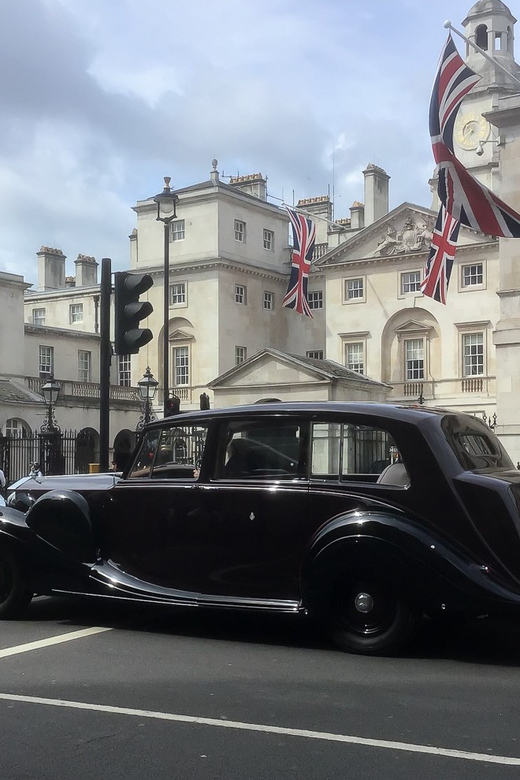
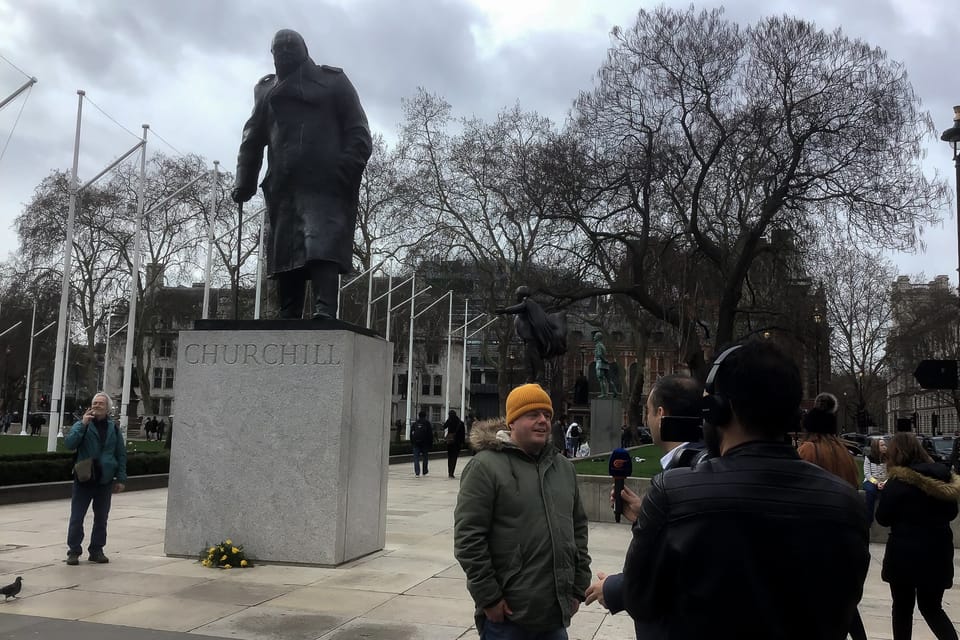
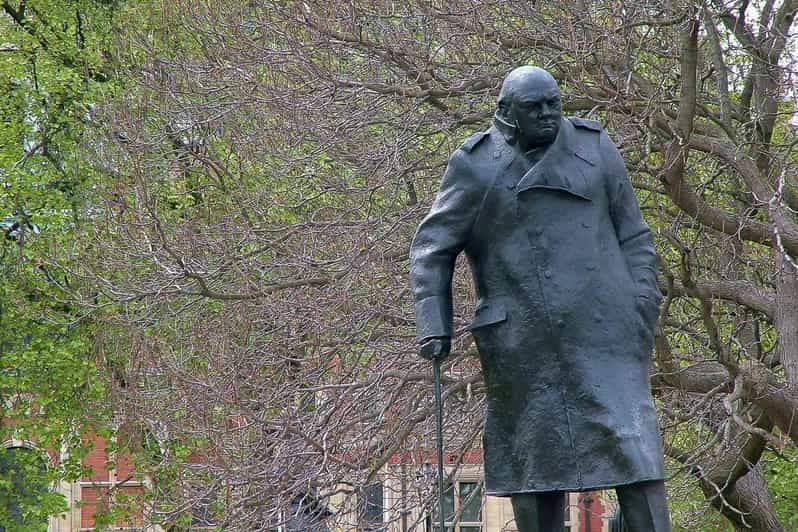
You’ll get to see the famous Churchill statue, and you’ll also hear why it’s there and what it represents. This is one of those stops that can go either way on a typical tour: either you just look at it and move on, or you learn what it’s pointing to.
Here, the value is the explanation. You’ll connect the statue to the public memory of Churchill—how Britain framed him after the war and why this specific monument ended up being one of the most recognizable Churchill images in London.
The statue also gives you something practical: there’s a pub nearby that’s described as a good follow-up stop. That’s the kind of detail that makes a tour day feel usable, not just educational.
Cigars and a cigar-supply store: Churchill’s habits, not just speeches
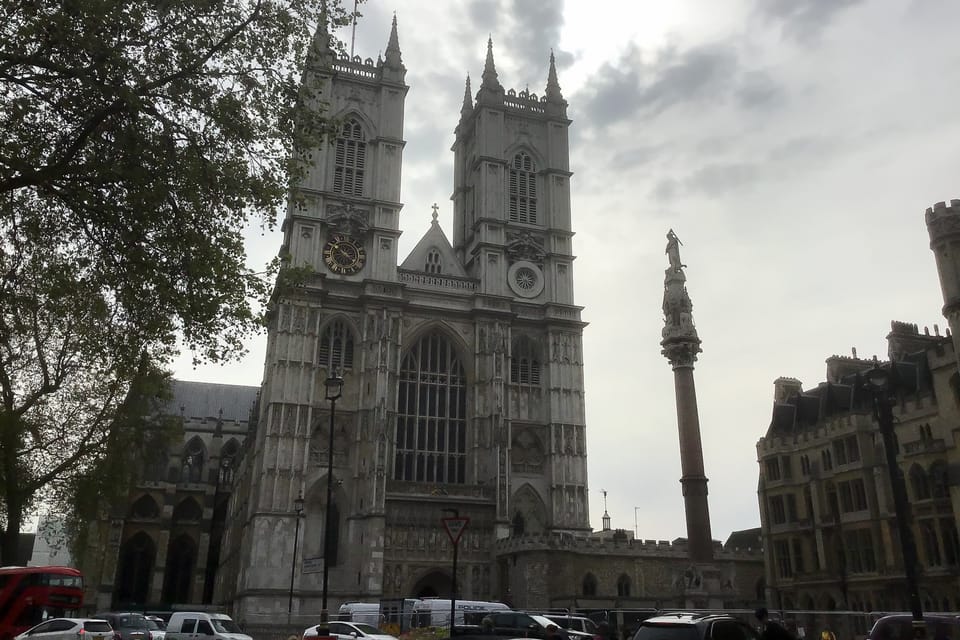
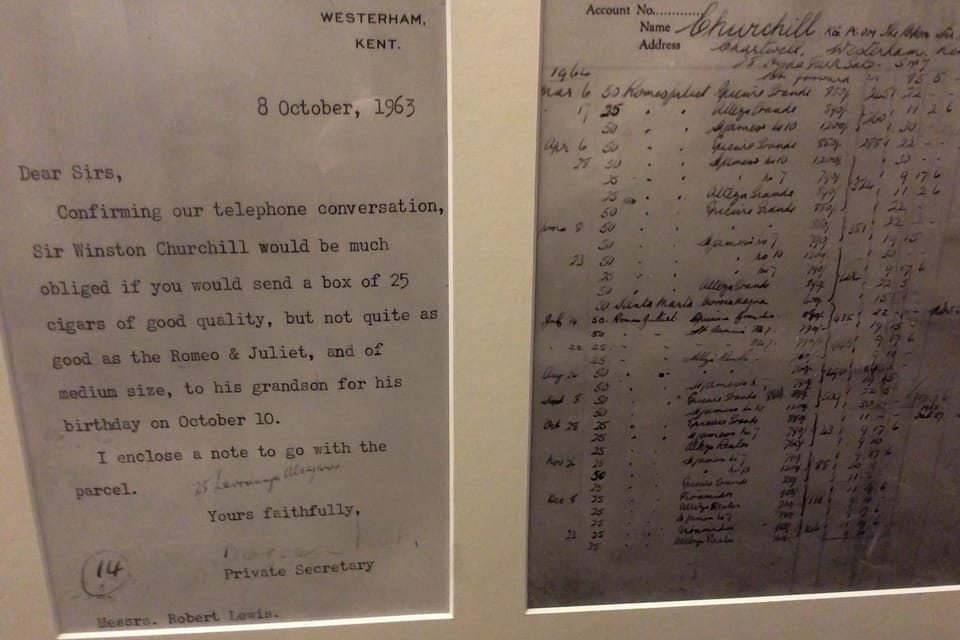
Churchill is famously associated with cigars, and this tour leans into that in a tangible way. You’ll visit a store that used to supply his cigars, and you’ll learn about a behind-the-counter kind of story—something you can’t really get from a single museum panel.
Inside, you’ll find a hidden treasure of London that Churchill himself used. The exact name of the hidden feature isn’t spelled out here, but the point is clear: it’s a personal, lived-in type of connection rather than a vague “he would have known this place” claim.
Why this is worth your time: it gives Churchill texture. His wartime image often gets flattened into speeches and decisions. The tour’s cigar stop reminds you he moved through ordinary routines too, and those routines belonged to a real London street grid.
Childhood home and the 1908 wedding church: personal story, real locations
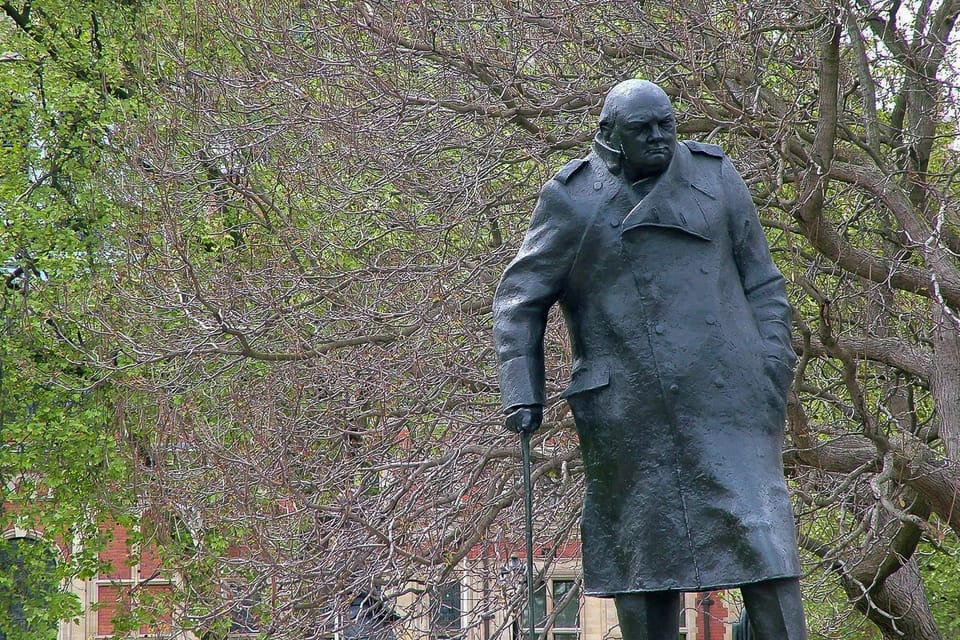
One of the strongest parts of this tour is how it anchors Churchill’s wartime role in earlier life.
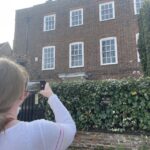
You’ll see the childhood home where Churchill lived as a young boy. That stop helps you shift perspective from WWII leader back to growing-up years—before the speeches, before the global stage. It’s a chance to remember that the figure you associate with crisis had a start long before London became a battleground.
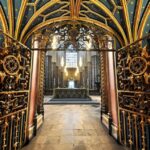
Next, you’ll visit the church where he and Clementine were married in 1908. That’s a specific detail, and it’s the kind of specificity that makes the walk feel credible. Even if you’re not a hardcore history buff, it’s hard not to appreciate how a single address can hold personal milestones and national consequence.
If you’re traveling with someone who thinks history is only politics, these two stops usually convert them. They’re human. They’re also easy to picture, since you’re standing in the places themselves.
You can also read our reviews of more walking tours in London




Downing Street: where prime minister life met wartime pressure
You’ll also see Downing Street, where Churchill lived as prime minister. On a walking tour like this, Downing Street is not meant as a photo-op alone. It’s there to connect Churchill’s name to the seat of government during the years when Britain was under constant threat.
Even though you’re outside, the framing matters. You’re walking the streets that supported wartime leadership—then you’re ending at the underground spaces where leadership became literal command-and-control.
If you’re a first-timer to London, this stop helps you understand why Churchill mattered so much to the city’s identity in WWII. And if you’re a repeat visitor, it adds a wartime layer to a place you might otherwise treat as just an address.
The Allied leaders moments: Roosevelt, posing, and the “War Room mindset”
This tour includes a couple of moments designed to make the stories stick.
You’ll have a chance to sit on a bench with Churchill and President Roosevelt—a guided connection to the alliance and shared wartime strategy. You’ll also get the chance to pose between Allied war-time leaders. That second detail isn’t just for photos. It’s a way of turning big, abstract alliances into something you can physically frame in your head.
One caution: because these are photo-style moments, you’ll want to pay attention to the guide’s timing so you don’t lose the thread of the narrative while people set up shots. The upside is that your photos won’t just be random London pictures; they’ll match the themes you’re learning.
Churchill War Rooms: preserved underground command, explored by audio
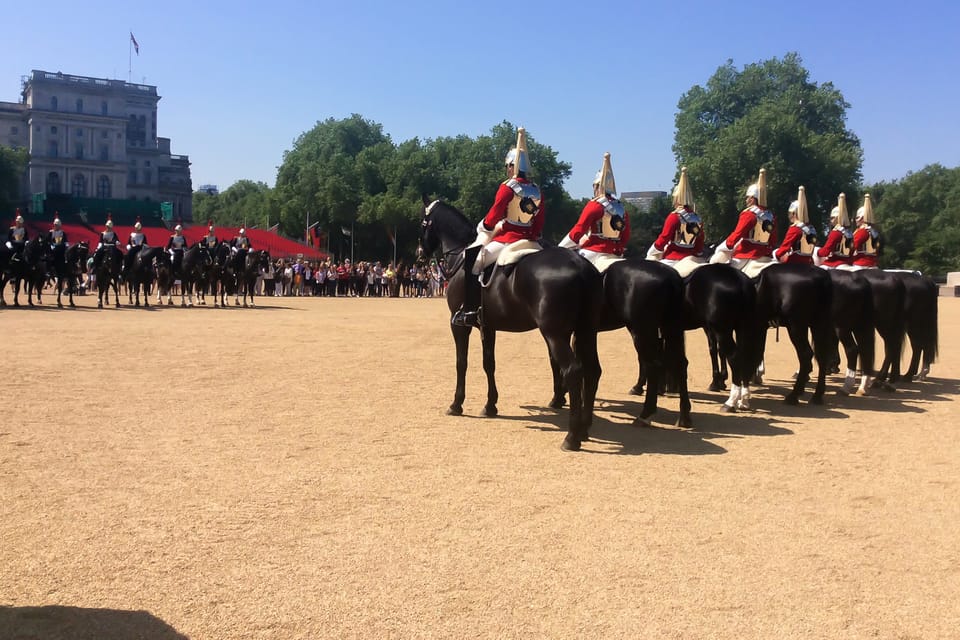
Then comes the main event: you’ll finish outside the Churchill War Rooms, and you’ll use your ticket to explore inside.
These rooms are described as perfectly preserved from the Second World War. That matters because you’re not visiting a “recreated” space that feels new and polished. You’re walking through a preserved bunker environment from where Churchill ran the war while the streets above were regularly bombed by the Luftwaffe.
You also get a skip-the-ticket-line benefit, which helps protect your limited time. The War Rooms exploration is by audio guide rather than the live guide format. That’s a good setup: you can slow down when you see something you care about and speed up when you don’t.
The audio guide languages listed include Chinese, English, French, German, Hebrew, Italian, Portuguese, and Spanish. So if you’re in a mixed-language travel party, you’ve got options.
One practical tip: give yourself permission to pause. Bunkers can be visually repetitive, and the audio helps you map what you’re looking at. If you rush, you’ll miss the “how it worked” feeling that makes this place click.
How the 3-hour format really plays out
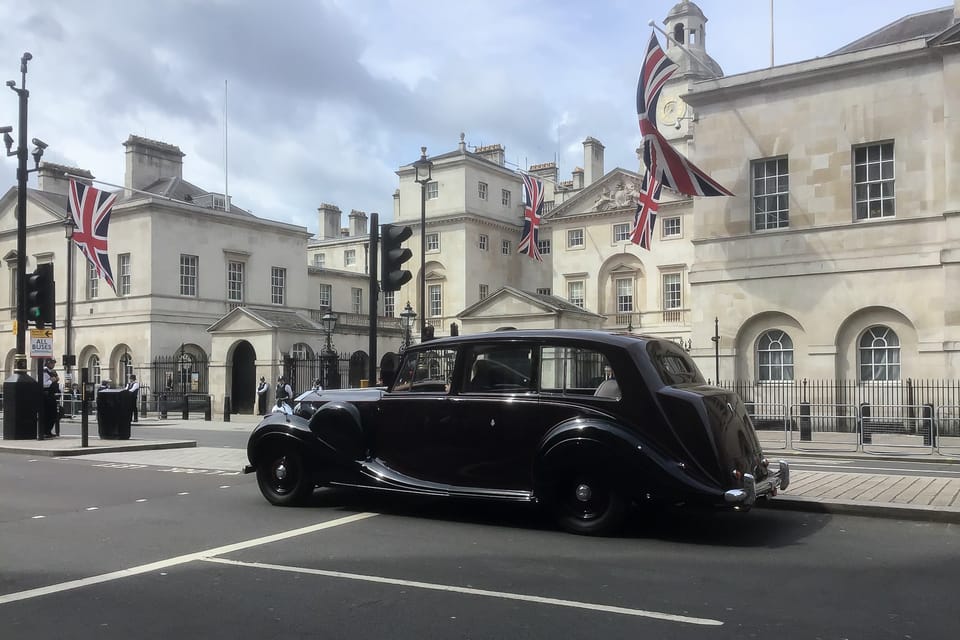
The total duration is listed as 3 hours. In practice, that usually means a brisk but not rushed walk through the key Churchill-related points, then a War Rooms visit that stays tight to what you can cover within the time window.
Because the walking portion has a live guide and the War Rooms are audio-based, the day has two tempos:
- Street time: explanation, context, and quick stops.
- Bunker time: audio-led pacing with your own attention span.
If you tend to read every placard, you may not hit everything inside the War Rooms during a short window. If you’re more of a listener than a scanner, the audio format is a better fit and you’ll likely feel more satisfied with what you heard.
Who this tour is best for (and who should think twice)
This tour is ideal if you:
- Love Churchill and want a focused WWII lens rather than a broad “everything London” day.
- Want a mix of landmarks plus personal-life touches (childhood home, the marriage church, Downing Street).
- Appreciate a guided structure paired with audio freedom inside the War Rooms.
It may be less ideal if you:
- Prefer long, unstructured museum wandering. The War Rooms are included, but your schedule is time-bounded.
- Have trouble with walking for extended stretches. It runs in all weather and you’ll be on your feet.
If you’re a history fan visiting London for the first time, this is the kind of day that gives you immediate context fast. And if you’re a repeat visitor, it turns famous streets into wartime geography.
Price and value: what you’re paying for at $262.66
At $262.66 per person, the ticket isn’t “cheap museum add-on” pricing. But it also isn’t trying to be. You’re paying for a private, guided walking experience that includes a War Rooms entrance ticket with audio guidance and a skip-the-line benefit.
Here’s the value logic that makes sense for this tour:
- You get a live English guide for the street route, which is hard to replace on your own without planning.
- You get the War Rooms access included, so you’re not juggling separate ticket timing.
- You get the storytelling connected to specific locations—childhood, marriage, Downing Street, Churchill’s cigar-supply world—so the War Rooms doesn’t feel like a standalone stop.
If your goal is maximum WWII context with minimum effort, this price can feel reasonable. If your goal is just to see the War Rooms with no added context, you might question the cost—but that’s not what this experience is designed to do.
Practical tips before you go
- Wear comfortable shoes. This is a walking-first itinerary.
- Dress for weather. The tour runs under all conditions.
- If you care about photos, know that there are a couple of posed moments—plan to listen while waiting for your turn.
- In the War Rooms, use the audio to guide your attention. If you treat it like a silent photo walk, you’ll miss half the point.
Should you book the Winston Churchill walking tour with War Rooms?
Yes—if you want a Churchill-focused day that connects the streets above to the bunker below. The biggest wins are the live guide on real locations and the included War Rooms visit where the WWII story becomes physical.
Skip booking only if you dislike walking in weather, want a very slow museum pace, or you’re mainly interested in the War Rooms and not the lead-in context. Otherwise, this is a smart use of limited time in London: you’ll leave with both images and an explanation for what you saw.
FAQ
How long is the London Winston Churchill walking tour with War Rooms?
The duration is listed as 3 hours.
Where do you meet the guide?
The guide meets you outside the front door of the Criterion Theatre.
Where does the tour end?
The activity ends back at the meeting point.
Is the Churchill War Rooms ticket included?
Yes. Entrance to the Churchill War Rooms with an audio guide is included.
Do I need to use the London Underground to join the tour?
A London Underground ticket is not included, but you may need to take the Underground to reach your hotel or the meeting point.
Is there a live guide during the walking portion?
Yes. The walking tour is led by a live guide in English.
Is the Churchill War Rooms visit self-guided?
Yes. The War Rooms are explored using an audio guide.
What languages are available for the audio guide?
The audio guide languages listed are Chinese, English, French, German, Hebrew, Italian, Portuguese, and Spanish.
Is this a private tour?
Yes. It’s described as a private group.