REVIEW · LONDON
London: Churchill’s Life & WW2 with Tour of War Rooms
Book on GetYourGuide →Operated by Walks - UK · Bookable on GetYourGuide
Churchill’s London is history with teeth. I love how the tour strings together key WWII landmarks across Westminster so the story makes sense on foot. I also love the Churchill War Rooms visit with pre-reserved entry and an audio guide that lets you set your own pace underground. The main drawback: it’s a walking tour with a moderate pace, and the War Rooms can get crowded at weekends and during school holidays.
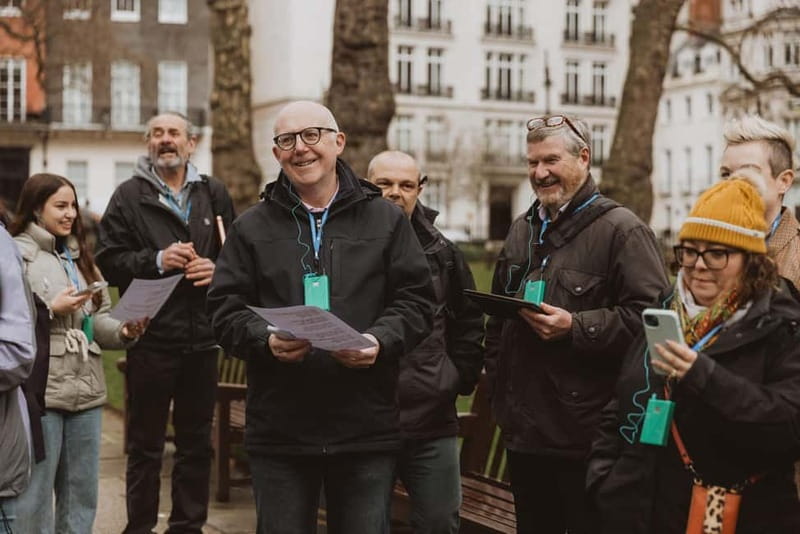
What makes it work is the human part. You’re with a live, English-speaking guide, and the group stays small (up to 15). In past groups, guides like Kate, Peter, and Salvadore have stood out for keeping the pace lively and the details clear without turning it into a lecture.
One more practical note before you plan your day: everyone has to go through security, and the tour isn’t a fit for baby strollers or people who can’t handle walking. Also, there’s a mismatch in the info about wheelchair access, so you’ll want to double-check what’s workable for your situation.
In This Review
- Key highlights worth your attention
- How this Churchill tour links the streets to the underground
- Starting at the RAF Memorial: a WWII tone-setter
- Big Ben, Parliament Square, and the Houses of Parliament on foot
- Downing Street and Whitehall: where strategy meets the buildings
- Churchill War Rooms: the underground part that actually changes your perspective
- Price and value: what $106.41 buys you in London time
- Who should book this, and who should skip
- Tips to get more out of each stop
- Should you book Churchill’s Life & WW2 with the War Rooms?
- FAQ
- How long is the tour?
- Where does the tour start?
- Is the Churchill War Rooms entry included?
- Is the War Rooms part guided by a live guide?
- What language is the tour in?
- Is the tour suitable for wheelchair users or for strollers?
- Is there free cancellation?
Key highlights worth your attention
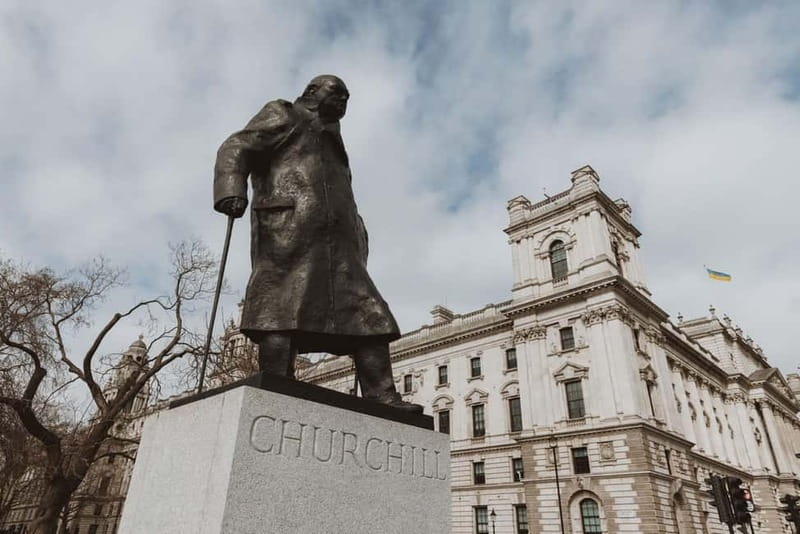
- A Westminster street-level route that connects Big Ben, Parliament, Downing Street, and Whitehall to WWII decisions
- Pre-reserved Churchill War Rooms entry so you’re not stuck waiting outside
- Audio guide during the War Rooms for a self-paced visit once you’re inside
- A small group size (max 15) that keeps questions possible and the walk more relaxed
- Guides who focus on both leadership and context, not just dates and names
- A thoughtful shift from city landmarks to underground history, without rushing you through either
How this Churchill tour links the streets to the underground
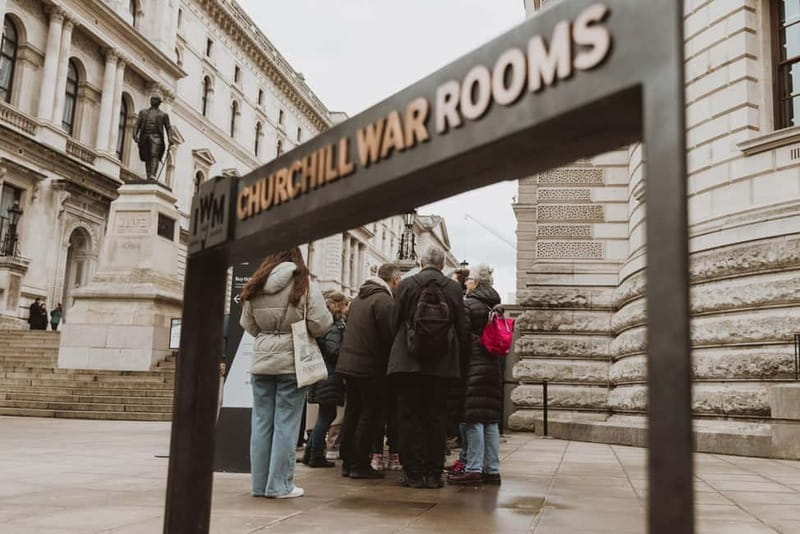
Most Churchill-focused tours stop at a monument, then toss you into a museum space. This one does the opposite in the best way. You start above ground, seeing where the wartime leadership operated and where the public face of Britain stood. Then you go underground to where decisions were made out of sight.
That order matters. Standing near Big Ben, Parliament, and Downing Street helps you understand what Churchill had to protect: the machinery of British democracy, the government in motion, and the symbols people clung to. Then, when you step into the War Rooms, the story lands differently because you’ve already walked the surface locations tied to the same pressure and time period.
You also get a built-in pacing trick. The walking portion is guided, so you have a narrative to follow. Once inside Churchill’s underground headquarters, you get an audio guide so you can pause, look, and take in rooms like his office and the map room at your own speed.
You can also read our reviews of more tours and experiences in London.



Starting at the RAF Memorial: a WWII tone-setter
The tour begins at the Royal Air Force Memorial area. Before you reach the big, famous landmarks, you get a short guided start at the nearby RAF monument. This is a smart setup because WWII in London isn’t only about Churchill at a desk. It’s about air power, pressure, and the sense that Britain was holding a line.
After that, the route moves to the Battle of Britain Monument as your storyline kickoff. This is where your guide explains how Churchill’s speeches helped Britain stay steady during the darkest days. Even if you know the broad history, this part helps you connect words to wartime morale—because that’s a real theme of the tour.
Next comes the Boudica Statue stop, a quick but meaningful thread about resilience. The guide connects it to strength that Churchill often referenced in his calls for Britain to endure. The stop isn’t long, but it adds a human, cultural layer to the political story.
Practical tip: this is where you can start asking questions. If you’re the type who likes context, ask your guide how they want you to think about Churchill—political leader, public communicator, or wartime manager. You’ll hear all three on this tour.
Big Ben, Parliament Square, and the Houses of Parliament on foot
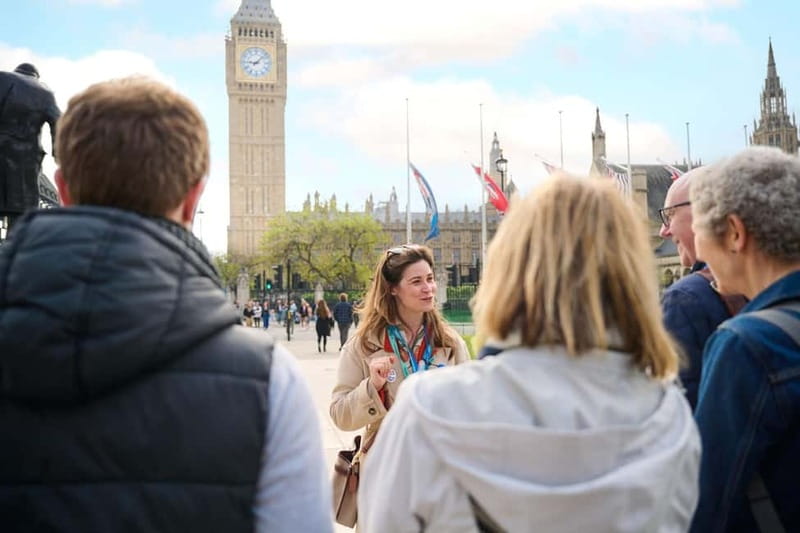
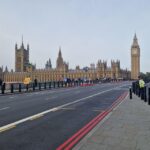
Big Ben is a natural anchor here, and you’re not treated like you’re just taking photos. You get a guided segment that explains how the tower survived bomb damage and how it became a symbol of hope. That matters because it turns the landmark from a postcard into something you can understand emotionally.
From there, the tour continues through Parliament Square and toward the area of the Houses of Parliament and a Churchill Statue. Your guide uses these spots to recount stories about Churchill’s leadership during the Blitz and efforts to preserve British democracy. On a short tour, it’s easy for “democracy” talk to feel abstract. Here, it’s tied directly to what’s around you.
You also have a stop for the exterior of Westminster Abbey. You won’t go inside on this tour, but the timing works. You’re in a Westminster corridor, and the guide can point out why Churchill’s London mattered in both civic life and the national image people saw day after day.
What I like for practical sightseeing: you’re learning as you walk between famous buildings, so you’re not wasting time trying to figure out what you’re looking at. Your guide gives you the thread.
Possible drawback: this area can be busy. Even with a small group, expect you’ll need patience as you move between crowds and crossing points.
Downing Street and Whitehall: where strategy meets the buildings
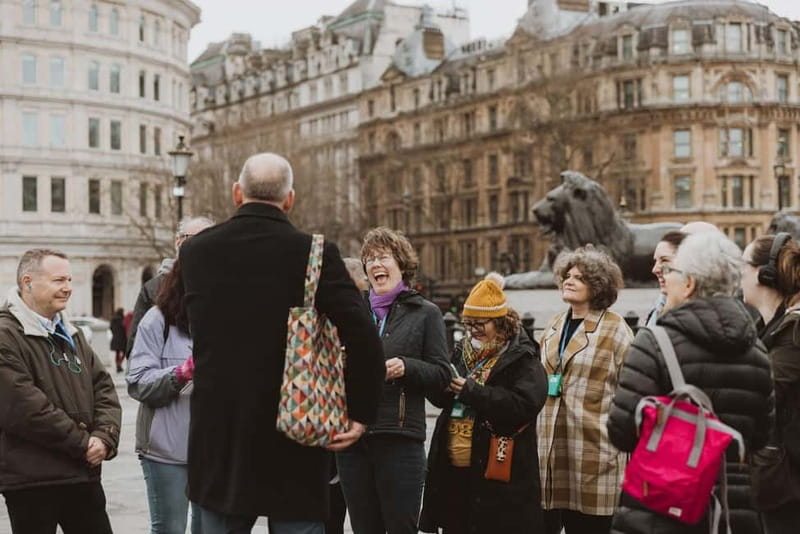
The tour reaches 10 Downing Street next, with a guided stop focused on Churchill’s wartime strategizing. It’s quick, but it’s the kind of stop that makes the name feel real. You’re right there at the symbol, and the guide frames what decision-making looked like under threat.
Then it’s on to Whitehall, another guided segment along the war-linked stretch of government buildings. Whitehall can feel like a gray corridor at first glance, but on this tour it gets explained as part of a wartime system—where communications, plans, and leadership had to function despite damage and fear.
You then pause at Horse Guards Parade at Whitehall. The guide explains Churchill’s connection to the historic site. This stop is especially good if you like the way military ceremony and leadership overlap. You’ll start seeing London’s wartime world as both practical and symbolic.
The final landmark in this above-ground cluster is the Guards Memorial, which honors those who served during WWII. This is a respectful reset before you go underground. It’s also a good moment to slow down, look closely, and take the story seriously instead of just sprinting from site to site.
Churchill War Rooms: the underground part that actually changes your perspective
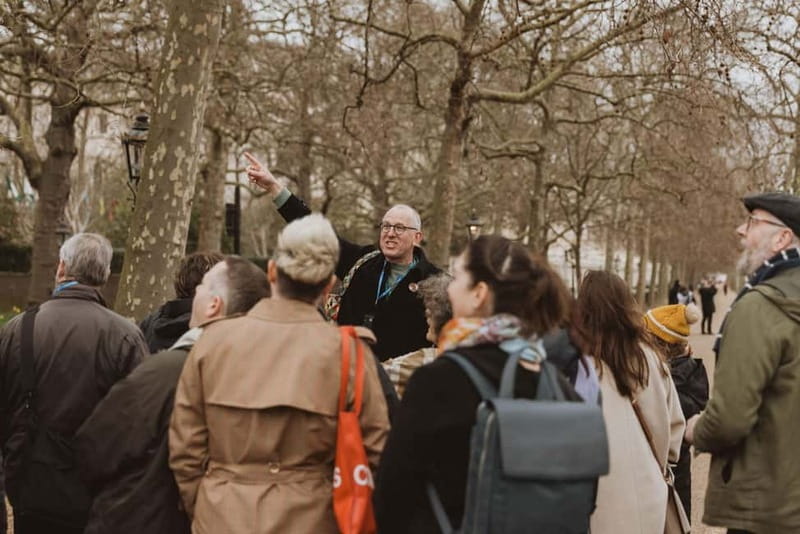
Now for the centerpiece: Churchill’s War Rooms. This is a network of hidden underground bunkers where Churchill made crucial decisions during WWII. The rooms are described as untouched since 1945, which is exactly the kind of detail that helps you take it seriously when you step inside.
Your War Rooms time is guided by audio, not a live guide. That’s important for expectations. You’ll have the pre-reserved ticket, then you’ll walk through the rooms with the audio guide to help you understand what you’re seeing—his private office, the map room, and other spaces tied to wartime work.
Why the audio approach works: underground spaces can be loud and crowded, and audio lets you control your pace. If you like reading labels, you can. If you prefer listening first, you can. And if you want to pause to absorb the layout, you can do that without feeling like you’re being herded.
Crowds matter here. The War Rooms can be busy on weekends and during school holidays, and the information notes they may be unsuitable if you don’t like crowds. I’d plan accordingly. If you’re sensitive to waiting, choose a less popular start time when you can.
Security is also part of the reality check. All guests must pass through security before entering, so don’t plan to show up at the last second.





Price and value: what $106.41 buys you in London time
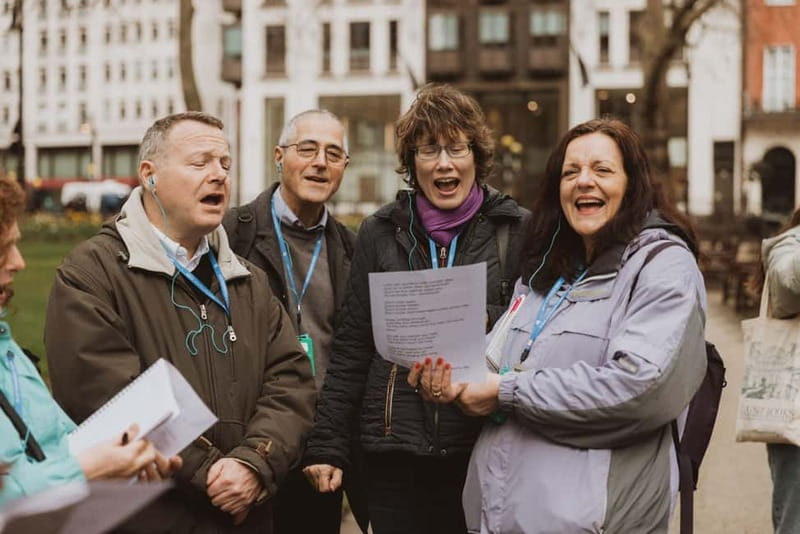
At $106.41 per person, this tour isn’t the cheapest way to see WWII London. But it’s also not trying to be. You’re paying for three things that are hard to replicate on your own:
First, you’re paying for a guided route that hits multiple landmarks in a logical story order—Battle of Britain Monument, Big Ben, Parliament areas, Downing Street, Whitehall, and more—within a 3-hour window.
Second, you’re paying for pre-reserved tickets to the Churchill War Rooms and the audio guide that comes with them. That pre-reservation component is the difference between a smooth visit and a day that depends on luck.
Third, you’re paying for a small group (up to 15). That keeps the walk manageable and makes it more likely your guide can answer questions instead of speaking to a crowd that’s too large to engage.
If you love WWII history but you also want efficient sightseeing, the value clicks. If you’re mainly after a quick museum entry and you don’t care about the street-level context, you might decide it’s more cost than you need.
Who should book this, and who should skip
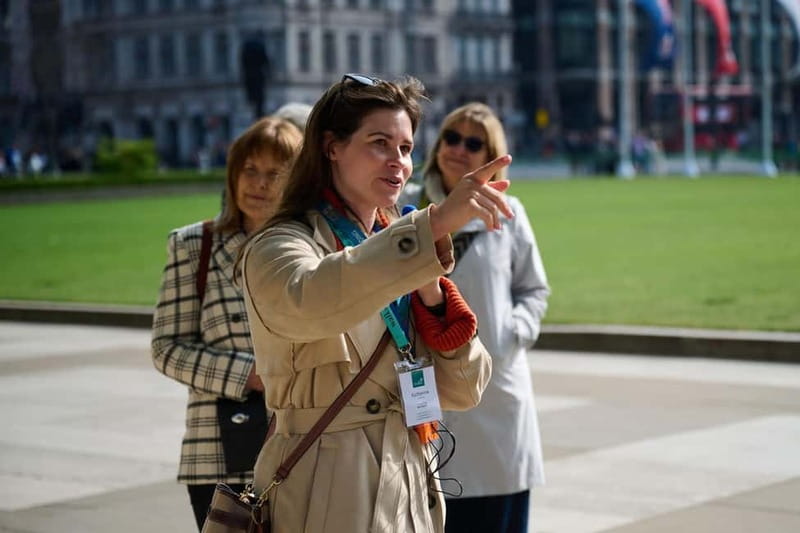
This tour fits best if you:
- Enjoy walking through Westminster and learning what the places meant during WWII
- Like having a guide frame the story, then letting you explore the War Rooms at your own pace
- Want a focused 3-hour experience instead of a half-day commitment
It’s not a good fit if:
- You can’t walk at a moderate pace (it is a walking tour)
- You need wheelchair access. The details say the tour is not suitable for guests with mobility impairments or wheelchairs, even though other notes claim wheelchair accessibility. Since that’s conflicting, treat it as a walking-focused experience.
- You’re traveling with a baby stroller. Strollers aren’t allowed.
One more note: if crowds make you miserable, be careful with weekend and school holiday timing. The War Rooms can get busy, and the tour is structured so you’ll be there during your assigned window.
Tips to get more out of each stop
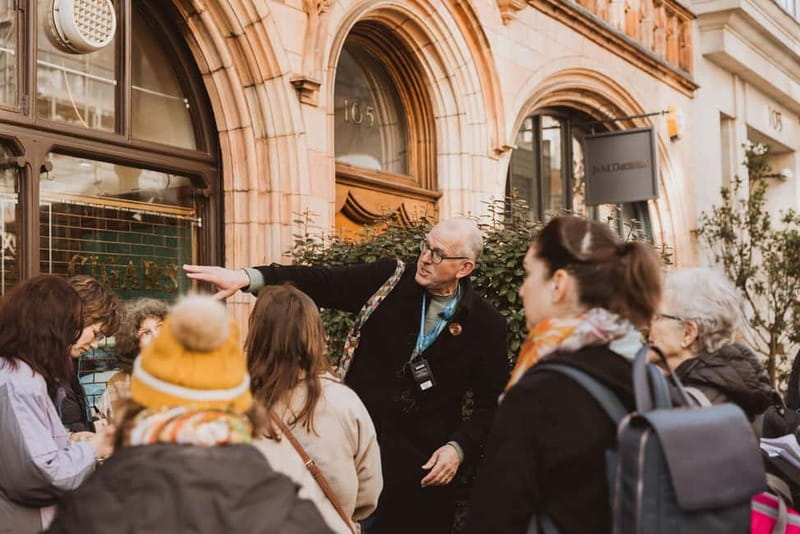
These are the small things that make a difference on a short, landmark-heavy route:
- Arrive 15 minutes early at the start point so you’re not rushing through the pre-tour moment. Your guide holds a green Walks sign at the Royal Air Force Memorial.
- Wear shoes you’d use for a solid city walk. You’ll be on sidewalks and crossing points, and the pace is moderate but steady.
- Keep a few questions ready. Stops like Downing Street and Whitehall can become more meaningful when you ask how Churchill’s public messaging tied into behind-the-scenes planning.
- In the War Rooms, use the audio guide as your steering wheel. If you want photos, time them around your listening pauses so you don’t feel like you’re racing your own attention.
Also, if you’re lucky enough to get a guide like Kate, Peter, or Salvadore (names that have come up in this experience), you’ll likely appreciate how they connect Churchill’s personal story with his wartime role. That kind of framing makes a big difference in how the history lands.
Should you book Churchill’s Life & WW2 with the War Rooms?
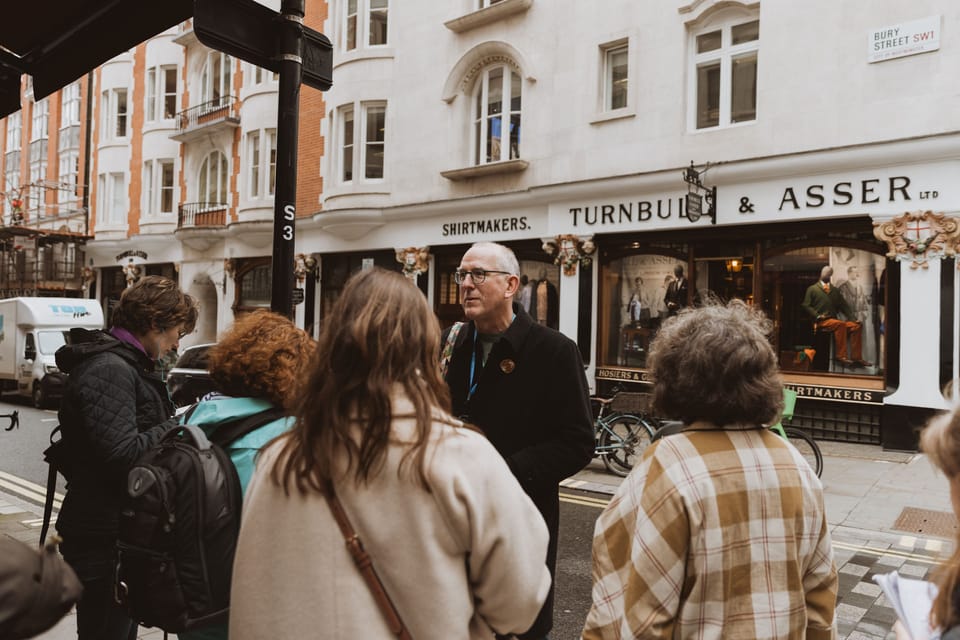
I think you should book if you want a clear, guided story through the WWII landscape of central London, then a serious, self-paced walk through Churchill’s underground command center. The combo of above-ground landmarks plus the War Rooms audio visit is exactly the kind of “see it, then understand it” format that works well in London.
Skip it if you want a slow, leisurely tour, or if you’re not comfortable with security checks, walking, and potentially crowded indoor spaces. And if wheelchair access is a key requirement, double-check the reality of the route and entry experience before committing—because the info you’re given isn’t fully consistent.
If you’re somewhere in the middle—curious about Churchill, short on time, and willing to walk—this is a strong pick.
FAQ
How long is the tour?
The duration is listed as 3 hours.
Where does the tour start?
The tour meets at the Royal Air Force Memorial in London. Arrive 15 minutes early, and look for a green Walks sign held by the guide.
Is the Churchill War Rooms entry included?
Yes. You get pre-reserved tickets to the Churchill War Rooms, including an audio guide.
Is the War Rooms part guided by a live guide?
No. The Churchill War Rooms portion is audio-guided.
What language is the tour in?
The tour is conducted in English.
Is the tour suitable for wheelchair users or for strollers?
The tour information says it is not suitable for guests with mobility impairments or with wheelchairs or strollers, and baby strollers are not allowed.
Is there free cancellation?
Yes. You can cancel up to 24 hours in advance for a full refund.