REVIEW · LONDON
London: British Museum Highlights Tour: How Beauty Was Born
Book on GetYourGuide →Operated by MyLondonGuide · Bookable on GetYourGuide
Beauty starts with a museum ticket. In just 2 hours, the British Museum turns beauty into a time-travel theme, with a human guide and a calm pace. I especially liked the small group size (max 8) and the fast-track entry that helps you get moving before the museum crowds fully lock in.
I also love how the tour uses specific objects to explain big ideas, so beauty is never just an art word. You’ll follow a guided storyline from ancient Greece through Egypt, Mesopotamia, India, and then into later European views. It’s led in English by an expert storyteller, and the stops feel connected rather than random.
One consideration: the route involves a moderate amount of walking, and it is not suitable for wheelchair users or people with mobility impairments. If your feet get tired fast, plan for it.
In This Review
- Key highlights worth planning around
- Why the How Beauty Was Born theme lands in only 2 hours
- Edward VII’s Entrance and the fast start you’ll feel right away
- Rosetta Stone: when beauty includes meaning
- Parthenon Marbles: Greek ideals and the rules behind the look
- Egyptian mummies: beauty, ritual, and the face-to-face with death
- Mesopotamia and beyond: ideas that kept spreading
- Tragic love and fate: when emotion becomes art language
- Medieval comic-style Jesus stories: belief retold in a visual way
- What to wear, bring, and how to handle museum rules
- Price and value: why this tour is priced like a smart shortcut
- Who should book this tour (and who should skip it)
- Should you book the How Beauty Was Born British Museum Highlights Tour?
- FAQ
- Where do I meet for the tour?
- How long is the tour?
- How many people are in the group?
- What language is the tour guide?
- Does the tour include fast-track entry?
- Can I take photos? Is flash allowed?
- What should I bring?
- Is the tour suitable for wheelchair users or people with mobility impairments?
- What are the cancellation and pay-later options?
Key highlights worth planning around
- Semi-private pace (8 max): more questions, less waiting, easier photos without elbow-to-elbow pressure
- Fast-track entry via express security: you start at the British Museum sooner than standard lines would allow
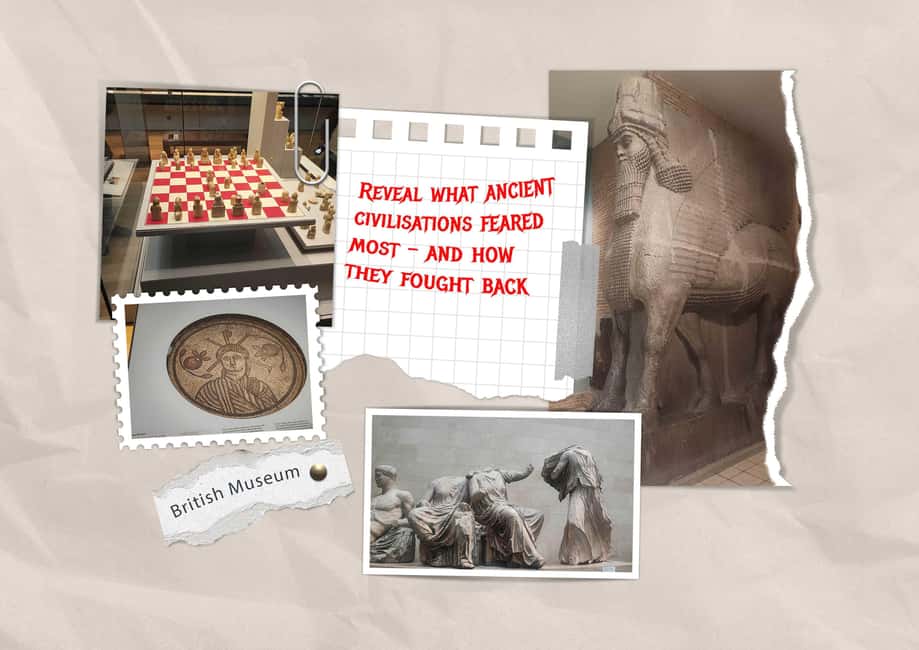
- Rosetta Stone moment: the tour frames hieroglyphs as a breakthrough that helped unlock meaning, not just decoration
- Parthenon Marbles for form and ideals: you see how Greek art shaped later ideas about proportion and beauty
- Egyptian mummies and life-after-death thinking: beauty here is tied to how people faced mortality
- Medieval comic-style Jesus stories: you get a surprising angle on how narratives were retold long after the originals
Why the How Beauty Was Born theme lands in only 2 hours
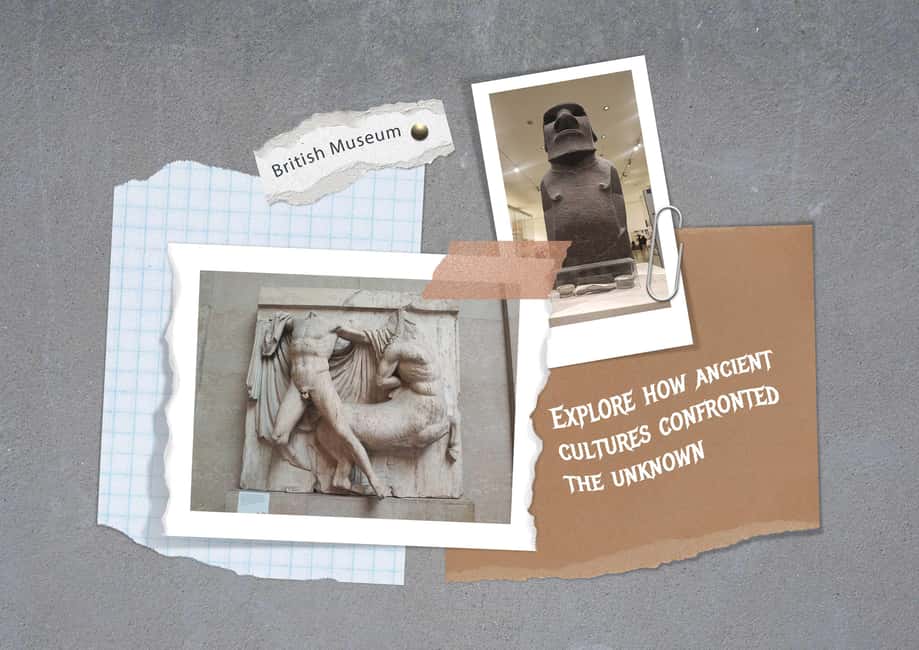
The British Museum is huge. The trick is choosing a way to see it that doesn’t turn into stress math: How many galleries can I survive before my brain goes museum-dusty?
This tour keeps the focus tight by using beauty as the thread. Not beauty as skin-deep glamour, but beauty as a cultural idea—who gets considered ideal, what counts as refined, and how artists used symbols to say more than they technically could. You’ll move through multiple civilizations, but the guide keeps bringing you back to the theme, so it feels like one conversation with history.
I like this format because it respects your time. You’re not trying to “cover” the museum. You’re learning how beauty gets built, challenged, and reinvented—over centuries.
You can also read our reviews of more museum experiences in London

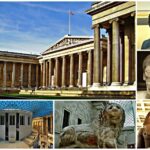
Edward VII’s Entrance and the fast start you’ll feel right away
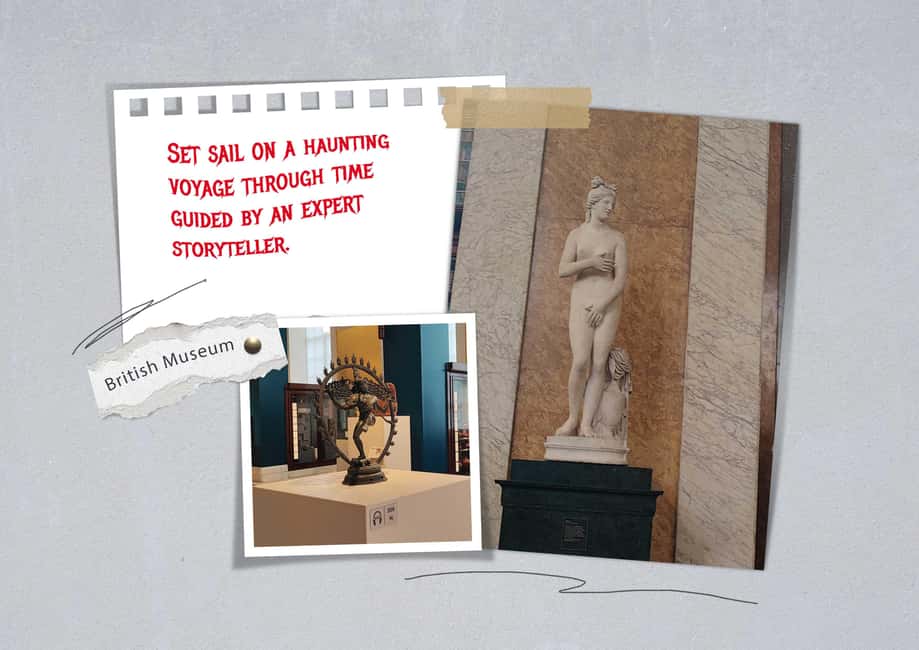
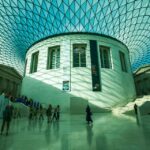
Your meeting point is the Group entrance at Edward VII’s Entrance, and the guide holds a sign that says My London Guide. That matters more than it sounds. If you arrive late or unsure, a clear meet marker saves you from roaming the museum perimeter like a confused extra in a film.
One of the best practical parts is that the tour includes fast track entry and you go through an express security check. That means you spend less time in the “stand here, wait, shuffle” phase and more time looking at objects while you’re fresh.
The tour runs about 2 hours, and it ends back at the meeting point. You’re not getting dropped somewhere remote and hoping your phone battery can save you.
And based on what I’ve learned about how these tours operate, a good guide also keeps the group moving even if there’s a brief entry hiccup. This one is built around a professional setup and a friendly environment, so when the museum’s process gets messy, your tour should still hold its shape.
Rosetta Stone: when beauty includes meaning
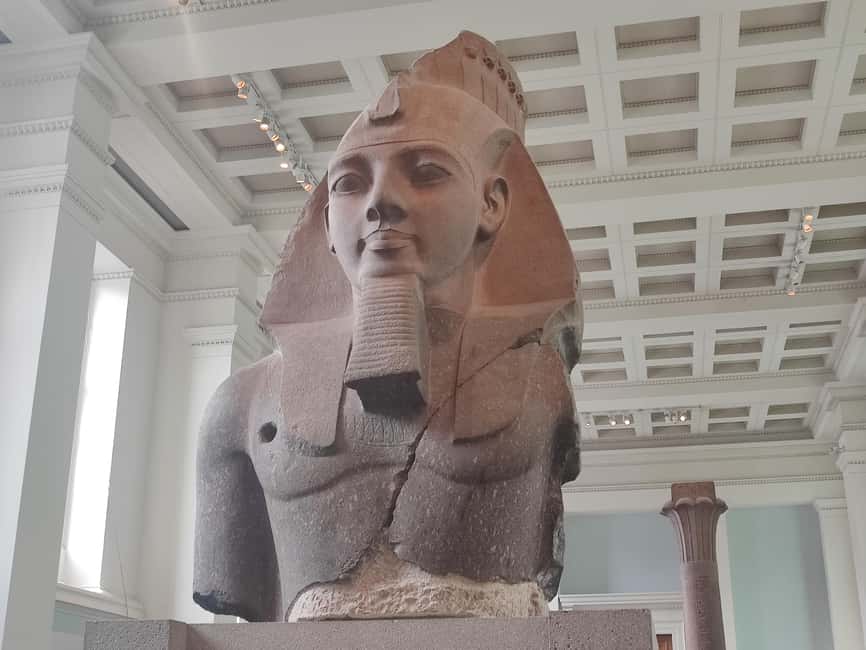
You’ll see the Rosetta Stone, and the tour focuses on how it helped unlock hieroglyphs. That’s a smart choice for a “beauty” theme, because it reminds you that beauty isn’t only visual. Beauty can be clarity. Beauty can be the moment language stops being a mystery box.
Hieroglyphs are often treated like decoration. But on this tour, the guide makes them feel like a key technology of the ancient world—something that allowed knowledge to move. When you understand how that breakthrough mattered, the stone stops being just a famous item and starts becoming a story about translation and access to meaning.
Also, the museum setting helps. Standing there in the British Museum, you get the sense of scale: this is ancient technology that survived long enough to change modern understanding. It’s the kind of object that makes beauty feel practical.
Tip for your photo brain: the tour allows photography without flash. I’d bring your camera ready, but don’t obsess. Spend enough time looking that your photos are follow-up, not the main event.
Parthenon Marbles: Greek ideals and the rules behind the look
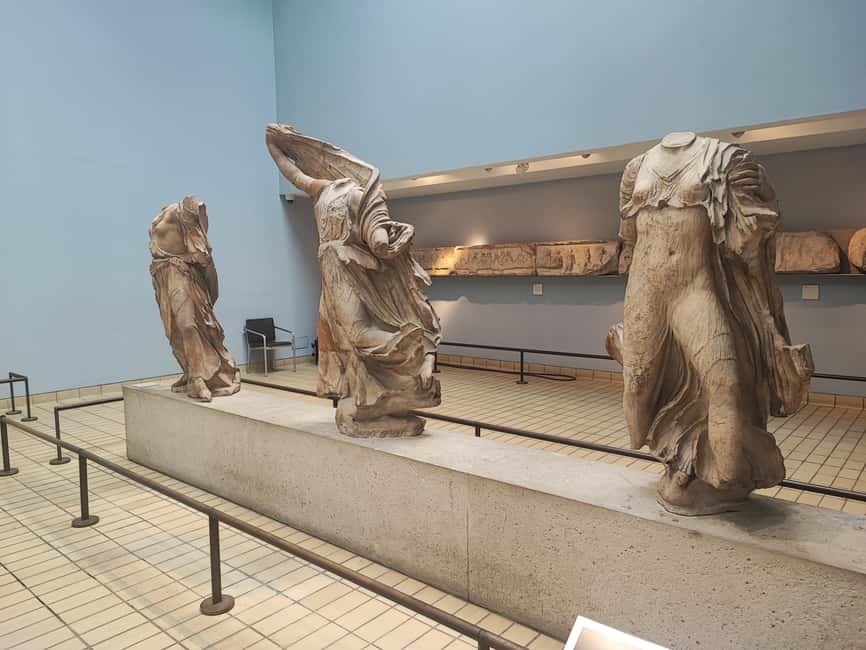
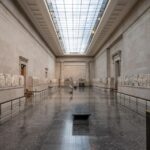
Next, you’ll witness the Parthenon Marbles—a stop that’s perfect for “beauty” because Greek art is where a lot of later Western ideas about form get their footing.
The guide connects ancient Greece to philosophy, democracy, and theatre, then asks the question: did those cultural values shape standards of beauty? In other words, the tour treats art as part of a worldview, not a standalone craft lesson.
When you look at marble carving, it’s easy to focus on skill alone. This tour pushes you to think about why certain proportions and compositions felt persuasive. Greek art helped establish the idea that beauty can follow rules—rules that you can study, debate, and build from.
If you enjoy art history that explains the thinking behind the work, this is your anchor stop. You’ll leave with a clearer sense of how beauty can be taught, not just felt.
Egyptian mummies: beauty, ritual, and the face-to-face with death
The tour then shifts to Egyptian mummies, with a focus on the “dance” between life and death. That’s an important pivot. In a lot of modern conversations, beauty is treated as denial of decay. Egyptian culture treated death as part of the story—and art as one of the tools to shape that story.
You’re not learning about mummies as horror props. You’re seeing how ancient people designed an afterlife narrative, and how their visual style supported that belief system. Beauty becomes ritual and reassurance. It’s a way of organizing fear and making meaning.
This stop also helps you spot a pattern across the tour: even when cultures differ, humans keep using images to answer big questions—what happens next, and what kind of person should be remembered as “beautiful,” “complete,” or “worthy.”


Mesopotamia and beyond: ideas that kept spreading
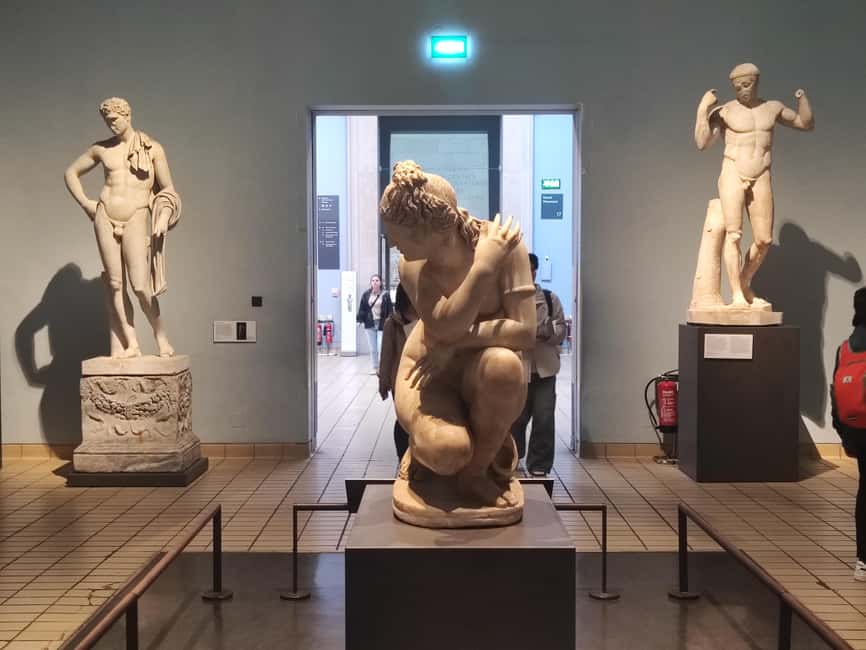
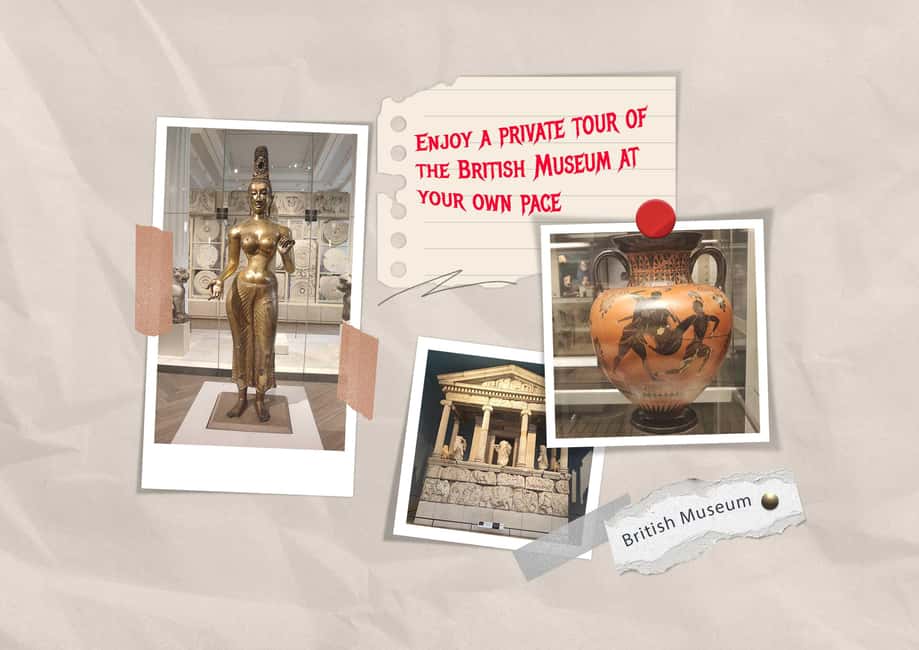
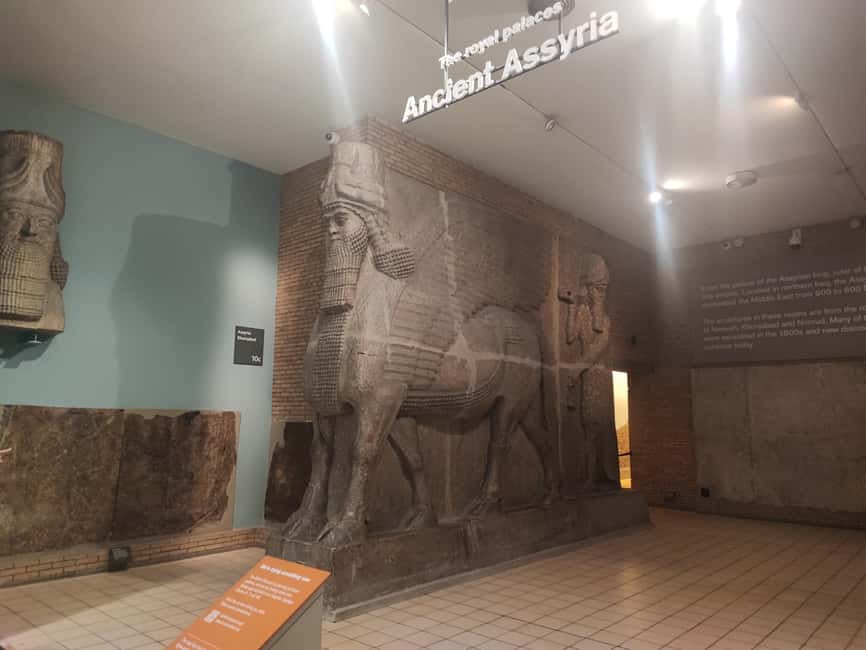
The tour also weaves in the legacy of Mesopotamia, including how early civilizations contributed inventions like the wheel, siege engines, and farming innovations. That’s not random history filler. The connection to beauty is the bigger picture: where do cultures put effort, and how do innovations shape everyday life, and then eventually art?
Even if Mesopotamia isn’t your favorite topic, this segment gives you context. It helps you see that beauty standards don’t grow in a vacuum. They grow in places with new tools, new conflicts, and new ways of organizing society.
You’ll also hear about ancient India, including yoga, rebirth, and pathways to enlightenment. Again, it’s tied to the tour theme through how belief systems influence ideas of the self—and how the concept of peace can become part of what people consider beautiful or desirable.
If you like tours that connect art to philosophy and belief, you’ll probably enjoy these jumps more than you’d expect. The guide keeps it connected to the central question: how do cultures define the ideal life and ideal appearance?
Tragic love and fate: when emotion becomes art language
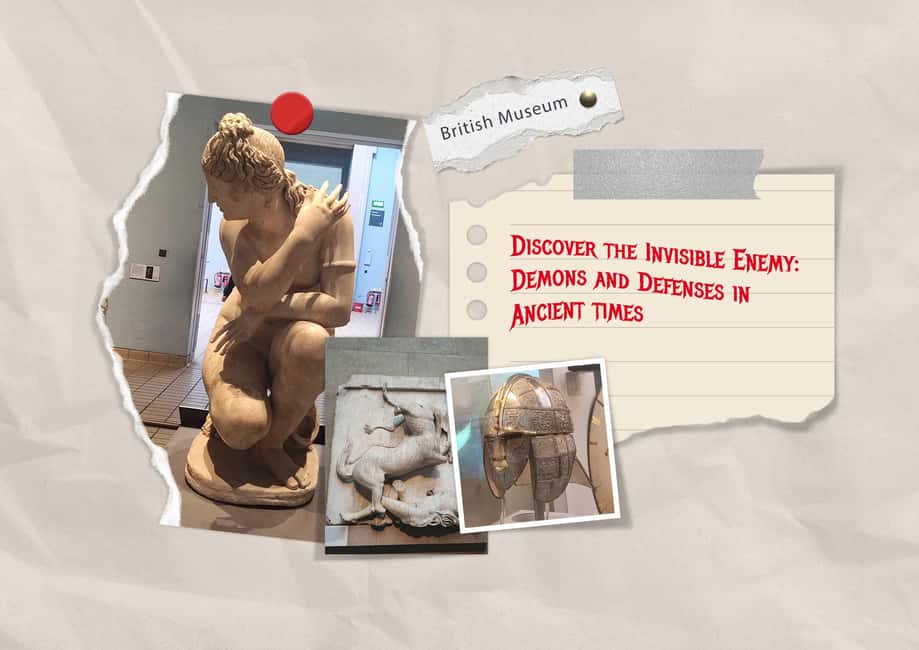
Another stop focuses on Love and Fate in ancestors’ art, with an emphasis on tragic stories and how audiences would have reacted emotionally. This is the part of the tour that can surprise you if you think “beauty” is purely about symmetry or sculpture.
Tragic love isn’t just entertainment. In older storytelling traditions, tragedy is also instruction. It shows how people behave, what consequences feel like, and how fate can shape identity. When art depicts love under pressure, beauty becomes emotional storytelling.
The tour asks what emotions the stories likely produced, and that prompts a useful mindset shift. Instead of asking only what the artist made, you start asking what the artist wanted you to feel. That’s a different kind of beauty, and it sticks better.
Medieval comic-style Jesus stories: belief retold in a visual way
Then you’ll get to Jesus Christ stories in medieval comic-style form—specifically, the idea of his secret childhood as told in those later retellings. This is a fun twist, because it shows how cultural memory keeps generating new versions of familiar figures.
The tour frames it with a question: what alternative narratives exist beyond the traditional accounts? In other words, you’re not just seeing Christian art. You’re seeing how communities used storytelling to expand, explain, and dramatize a sacred figure for their own time.
For many people, this is where the tour’s theme of beauty feels most human. Beauty isn’t only what a culture admires. It’s also what a culture chooses to repeat, embellish, and pass along with visual style.
If you enjoy religious art but wish it had less solemn energy and more curiosity, this stop usually lands well. You’ll also get the reminder that stories can have drafts—bonus scenes that never made the final cut, but still mattered to the culture telling them.
What to wear, bring, and how to handle museum rules
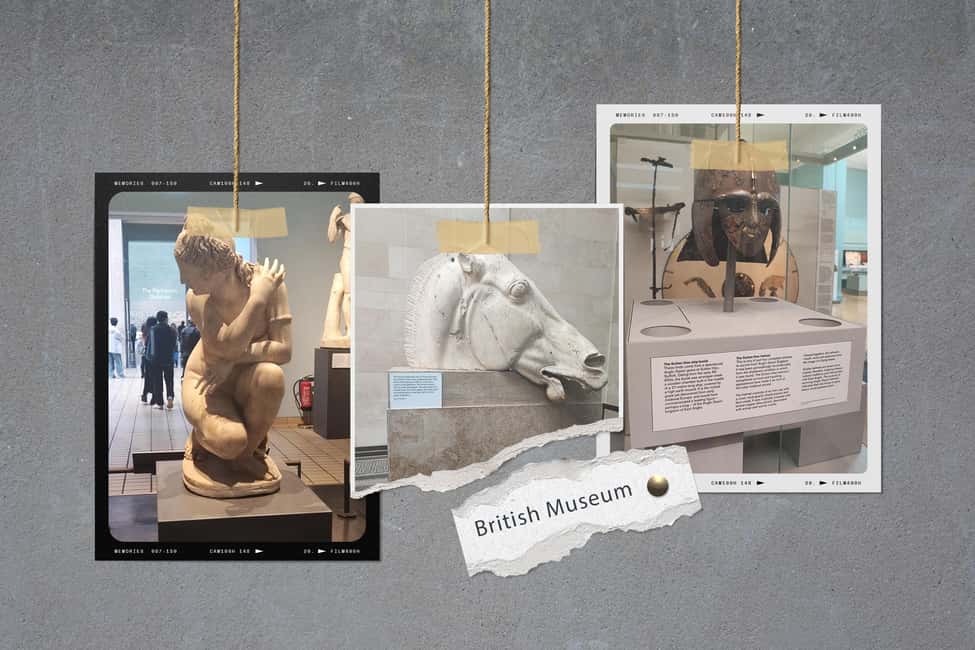
This tour is built for a museum walk, not for a sit-down lecture. Wear comfortable shoes, because you’ll cover ground at a moderate pace. Bring a camera if you like, and water since you’ll be on-site for about 2 hours.
Photography is allowed, but no flash photography. That means if you tend to shoot in bursts, adjust your habits so you’re using natural light.
You’ll also want to plan your bags. Backpacks are not allowed, and large bags aren’t allowed either. Food and drinks aren’t permitted inside the exhibition halls. I’d treat this as a morning or afternoon snack-free mission, unless you’re planning a meal right after.
In practice, this is where you’ll feel the value of the “fast-track” plan: fewer delays means you can keep moving without needing to buy water inside.
Price and value: why this tour is priced like a smart shortcut
At $33.67 per person for a 2-hour semi-private tour, you’re paying for three things that add up:
First, you’re buying time. The British Museum is massive. A guided route that actually connects objects saves you from wandering and guessing what matters for your interests.
Second, you’re buying structure. The theme of beauty keeps the stops from feeling like a random hit list. That kind of framing is what makes a short tour feel richer than it should.
Third, you’re buying smoother entry. The included fast track and express security check are real value in London, where lines can steal your momentum.
Is it the cheapest museum option? No. But it’s also not trying to replace self-guided exploring. Think of it as a focused sampler that helps you understand how to look once you’re on your own.
Who should book this tour (and who should skip it)
This is a great fit if you:
- want a 2-hour, small-group way to see major British Museum highlights
- like art history that connects to ideas, religion, and everyday beliefs
- enjoy storytelling, especially when it links emotion—like tragic love and fate—to visual culture
- prefer not to spend hours figuring out routes and “what to see”
You might want to skip or consider a different format if you:
- have mobility limitations, because this tour is not suitable for wheelchair users
- don’t like walking, since the route includes a moderate amount of walking
- rely on flash photography (it’s not allowed)
Should you book the How Beauty Was Born British Museum Highlights Tour?
If you want an efficient, thoughtful introduction to how “beauty” gets defined across eras, I’d book it. The tour’s strength is its tight theme and its selection of anchor objects: Rosetta Stone, Parthenon Marbles, Egyptian mummies, plus the emotional and narrative turns toward Love and Fate and medieval Jesus stories.
Add in the semi-private size (max 8) and the fast-track entry, and you get a smoother experience than doing this museum purely on your own. Just be honest about the walking and the museum rules—comfortable shoes and light packing will make the day feel easy instead of annoying.
FAQ
Where do I meet for the tour?
You meet at the group entrance to the British Museum at Edward VII’s Entrance. The guide will be holding a sign that says My London Guide.
How long is the tour?
The tour lasts about 2 hours.
How many people are in the group?
It’s a semi-private tour with a maximum of 8 participants.
What language is the tour guide?
The live tour guide speaks English.
Does the tour include fast-track entry?
Yes. You get fast track entry and skip the line through an express security check.
Can I take photos? Is flash allowed?
You can take photographs without flash. Flash photography is not allowed.
What should I bring?
Bring comfortable shoes, a camera, and water.
Is the tour suitable for wheelchair users or people with mobility impairments?
No. The tour is not suitable for wheelchair users and not suitable for people with mobility impairments.
What are the cancellation and pay-later options?
You can cancel up to 24 hours in advance for a full refund. You can also reserve now & pay later to keep your plans flexible.