Baker Street has secrets you never see. In this 85-minute London Transport Museum tour, you get into areas of Baker Street Station that are normally off-limits, including spaces tied to the station’s early Underground days and corridors last seen by the public decades ago.
Two things I like a lot: the chance to see the staff rifle range and other practical behind-the-scenes spaces, and the way you walk through old lift shafts and hidden corridors that feel like stepping into the station’s working past. The big drawback is that it involves stairs, uneven ground, and low-light sections with no elevators, so it is not a match for everyone.
In This Review
- Key highlights worth planning around
- Entering Baker Street: right where you meet the guide
- Why this station matters: 1863 and the Metropolitan Railway
- The Victorian steam-travel vibe, minus the museum glass
- Hidden-off-limits spaces: staff rifle range and the work side of the station
- Original platforms, lift shafts, and corridors last seen around 1945
- Baker Street as operational headquarters: running the Underground from here
- Guide impact: Anthony, Sophie, and Pat, and why it lands
- Price and value: is $60 for 85 minutes worth it?
- Timing and movement: what the schedule feels like in real life
- What to bring, and what not to bring
- Who this tour is perfect for
- Who should skip it (or at least think twice)
- Should you book Hidden Baker Street Station Tour?
- FAQ
- Where do I meet the guide for the Hidden Baker Street tour?
- How long is the tour?
- How much does the tour cost?
- What language is the tour guide?
- Is hotel pickup or drop-off included?
- What should I bring with me?
- What items are not allowed during the tour?
- Is the tour suitable for people with mobility impairments?
- Is the tour suitable for children?
Key highlights worth planning around
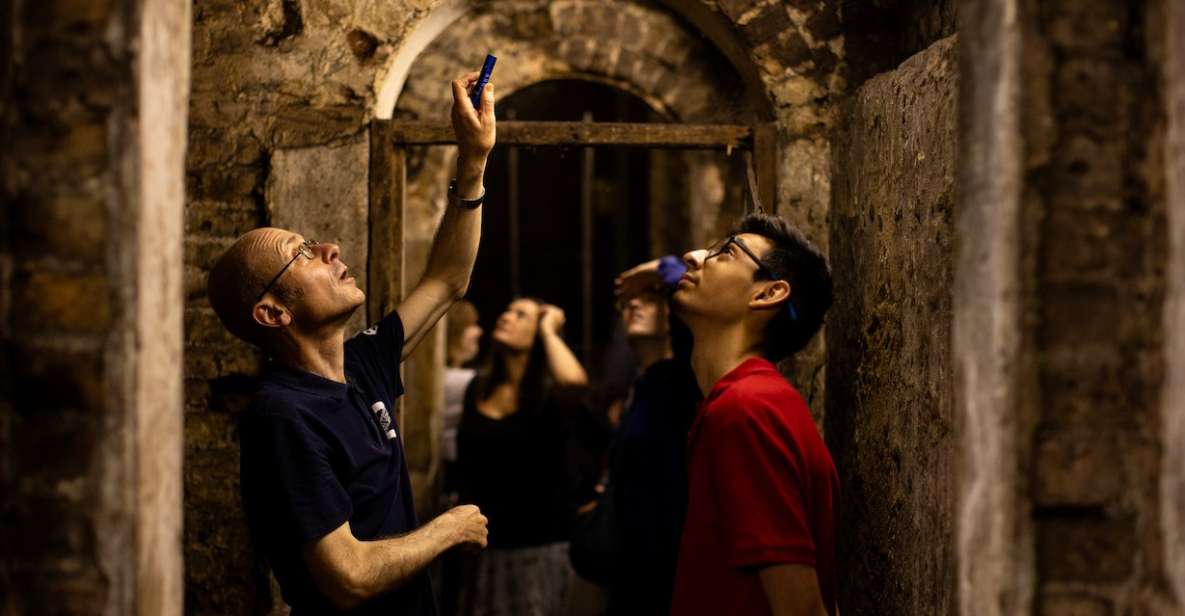
- Exclusive access to station areas not seen by the public, including parts last used by the public around 1945
- Victorian-era Underground context tied to the origins of the world’s first underground network
- Working-station details like the staff rifle range and staff-focused areas
- Hidden infrastructure including old lift shafts and corridors that are easy to miss if you only rush through the station
- Strong guide performance with enthusiastic guides, including Anthony, Sophie, and Pat
- Real human stories from the London Underground staff who worked there over the years
Entering Baker Street: right where you meet the guide
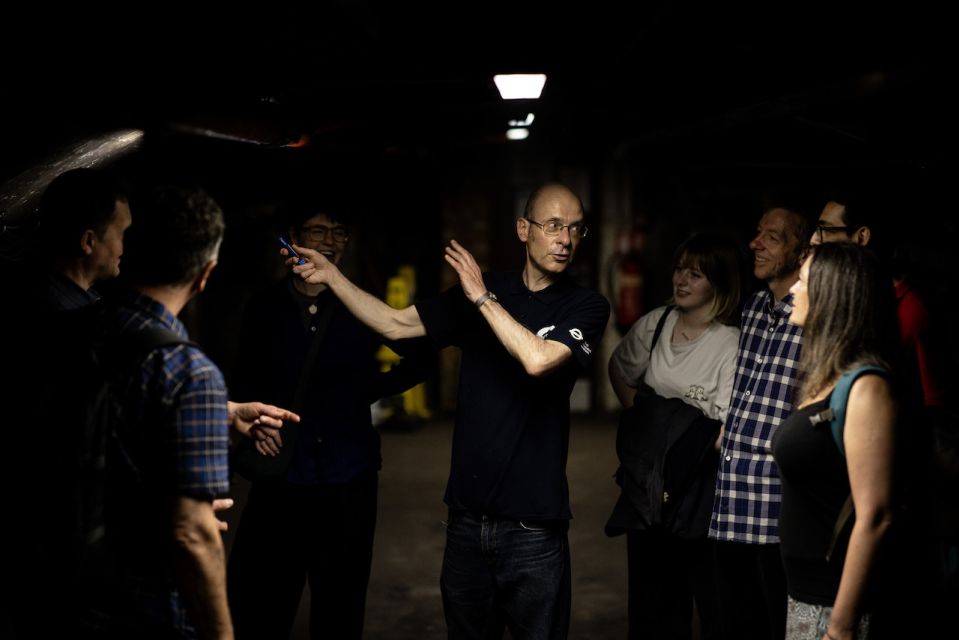
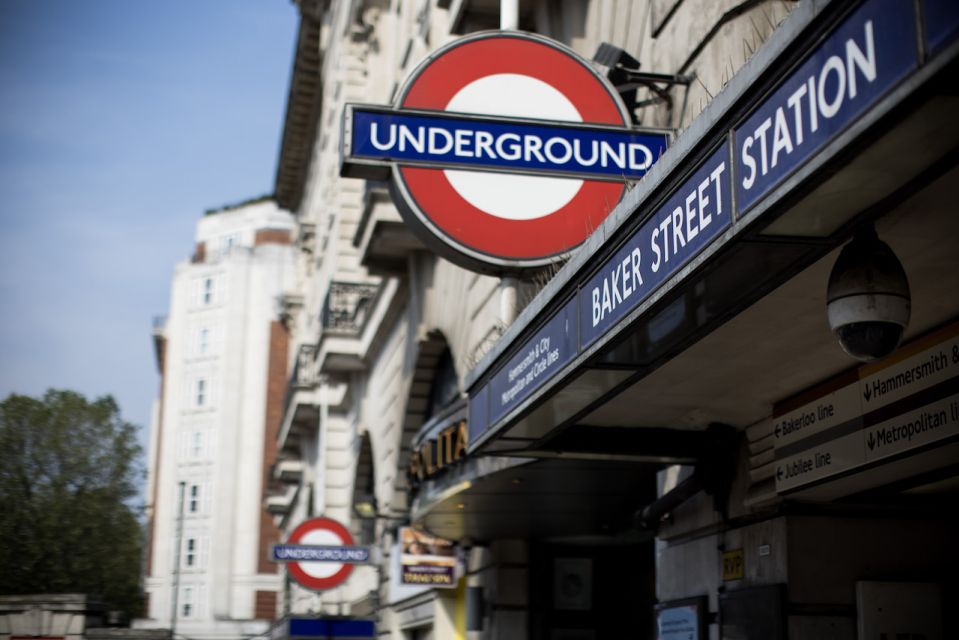
You start outside Baker Street Underground Station, in front of the Sherlock Holmes statue. It is a simple meeting point, easy to find, and it keeps you focused on the tour instead of wandering around looking for a van or a secret door.
You should also know that there is no pickup or drop-off. You’ll be there on your own, so I suggest building in a little buffer time in case trains run oddly or you take the scenic route through the station instead of the direct one.
You can also read our reviews of more tours and experiences in London.



Why this station matters: 1863 and the Metropolitan Railway
Baker Street is not just a stop. It opened on January 10, 1863, as part of the Metropolitan Railway—at the time, a bold idea that put passengers beneath congested streets. That matters because this tour isn’t treated like a random history walk. The story is built around how Underground travel started, then grew into a system people relied on.
And here’s the useful angle: when you learn what the first passengers thought about underground travel, you stop viewing the Tube as a modern convenience. You start seeing it as a Victorian engineering and operations problem someone had to solve day after day.
The Victorian steam-travel vibe, minus the museum glass
The tour takes you back to the early years of Victorian steam travel, but it does it with location, not lecturing. The station spaces you visit help explain why the Underground spread the way it did: the design choices, the practical needs of moving people underground, and the tight relationship between passengers and the staff who kept everything running.
Along the way, you’ll hear how the Underground expanded over the years that followed. This is where the tour becomes more than a “cool places to see” outing. It connects the station’s physical layout to the bigger timeline of Underground growth over roughly 16 decades.
Hidden-off-limits spaces: staff rifle range and the work side of the station
One of the standout moments is how you get to areas that feel like the station’s operating room. You’re not just looking at old walls—you’re being shown functional spaces that used to be part of how staff worked and managed the Underground.
The staff rifle range is a big example. It’s the kind of detail that makes you stop and think, because it turns an ordinary commute landmark into something shaped by security, training, and staff routines. You also hear stories about staff who worked there—and yes, staff who played there too—so the human side doesn’t get lost in the machinery.
Practical note: these are not wide, polished showrooms. Expect tight angles and the feeling of walking through real station infrastructure that wasn’t built to be tourist-friendly.
Original platforms, lift shafts, and corridors last seen around 1945
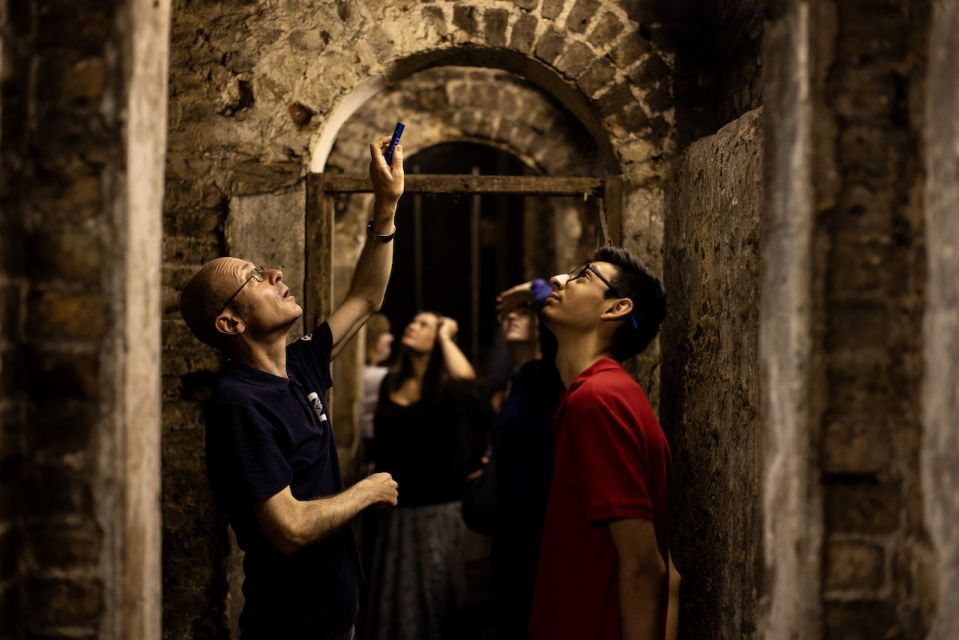
This is the part that makes people book the tour in the first place. You visit closed-off sections that include original platforms, old lift shafts, and corridors that most people will never even know exist.
What I found most compelling is the sense of time compression. Some of these spaces were last accessed by the public as far back as 1945, so the tour doesn’t feel like you’re just seeing “old architecture.” It feels like you’re encountering leftover station life—design and function preserved behind barriers.
Why that matters: seeing a corridor or lift shaft that was last publicly seen in the mid-20th century helps you understand how station operations evolve. It’s one thing to read about changes. It’s another to walk past the physical leftovers and realize how much the system has been redesigned since.






Baker Street as operational headquarters: running the Underground from here
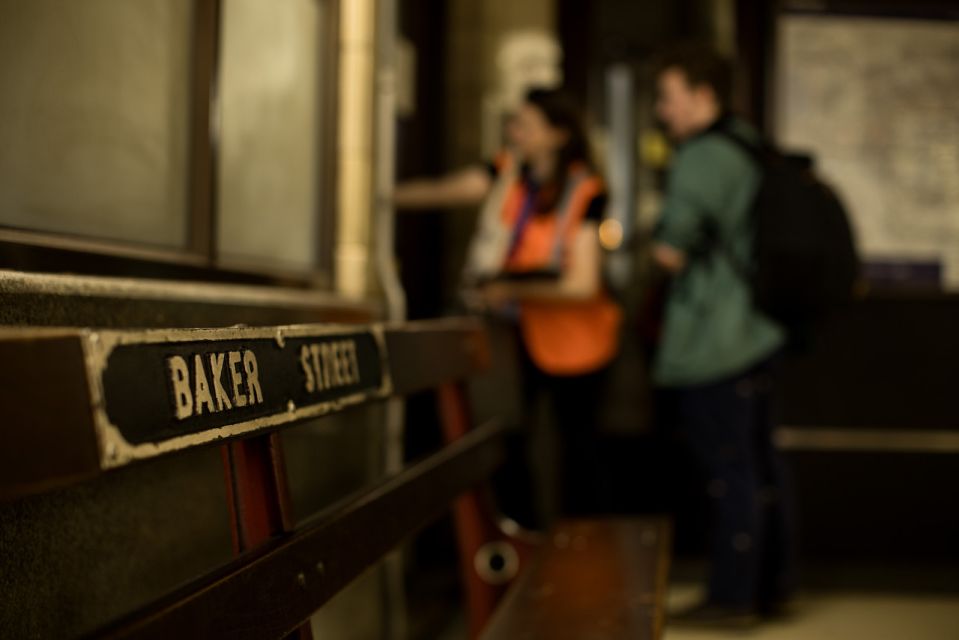
Baker Street also served as the operational headquarters for the London Underground. That theme runs through the tour: it keeps shifting from passenger experience to staff operations, and it helps you connect the station’s hidden spaces to decisions and workflows.
You’ll hear stories connected to what station staff did over the years and how the station supported the Underground as the network grew. The guide also draws on archive and collection material connected to the London Transport Museum, so it isn’t just rumor or vague storytelling.
If you like transport history with a practical backbone, this is the sweet spot. It’s not only about dates and names. It’s about how the system worked, and who worked it.
Guide impact: Anthony, Sophie, and Pat, and why it lands
The biggest theme I’d highlight from the strongest experiences is guide quality. People consistently point to guides who bring the station alive with strong character and energy, and you may meet guides such as Anthony, Sophie, and Pat.
That matters more than you might think. Hidden infrastructure can turn into a dry tour if the guide only lists facts. Here, the best parts come from how the stories are told—tying staff routines and station roles to what you’re seeing in front of you.
I also like that the tour is live and English-guided. You can ask practical questions as you go, which helps you connect what you’re seeing to the broader Underground timeline.
Price and value: is $60 for 85 minutes worth it?
At $60 per person for 85 minutes, you’re paying for something that’s hard to replicate: exclusive access to station areas normally off-limits. Most London transport experiences show you what’s already public. This one focuses on areas you’d never reach on your own, plus the interpretation that explains why those spaces existed.
Here’s how I think about value:
- If you want classic sightseeing, you might feel it is pricey for under two hours.
- If you’re curious about how Underground systems actually operated, the access and storytelling are the point, and the price starts to make sense quickly.
You should also factor in the walking. You’re getting a guided tour with stairs and uneven ground, so it is less “stand and watch” and more “move and discover.”
Timing and movement: what the schedule feels like in real life
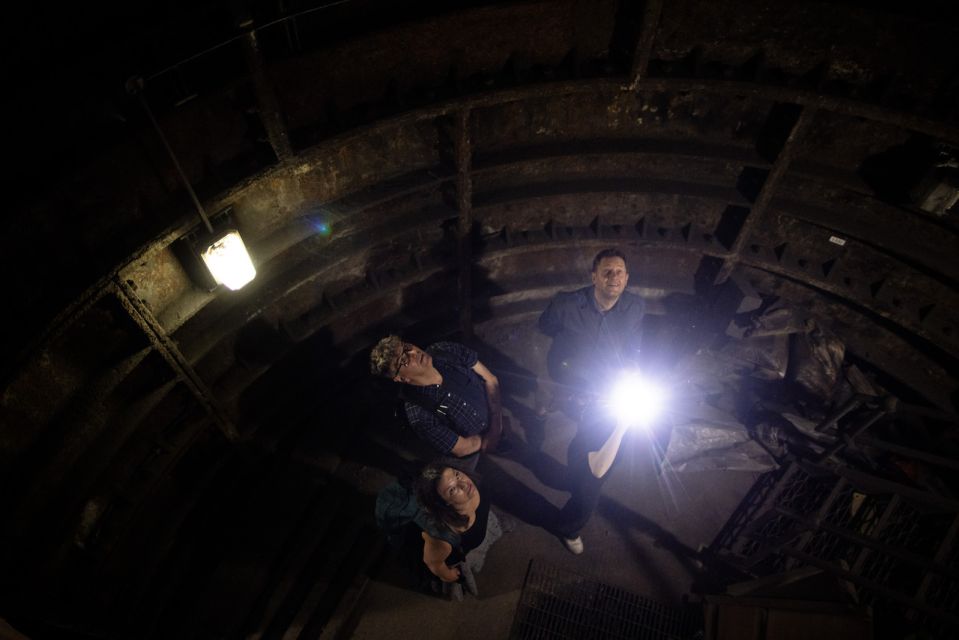
The tour lasts 85 minutes, and it’s structured to keep you moving through station spaces. There are no elevators, and the route includes stairs and sections with low lighting and uneven ground.
That doesn’t automatically mean it feels exhausting, but it does change the vibe. You’ll want to be comfortable shifting your pace and footing while listening. If you are the type who gets tense in darker spaces or you prefer full accessibility, this may frustrate you.
What to bring, and what not to bring
For a smooth experience, bring the basics:
- Comfortable shoes
- Water
- Passport or ID card
Skip the items the tour won’t allow. Food and drinks are not allowed, and you’ll also want to avoid luggage or large bags. Open-toed shoes are also a no-go, which makes sense given the uneven and sometimes tight route.
Also, plan around the fact that the tour involves a lot of walking. If you’re used to museum pacing, this will feel more active than you expect.
Who this tour is perfect for
This tour is ideal if you like:
- London transport history that is tied to real places
- Behind-the-scenes operations, not just postcard views
- Seeing infrastructure you can’t access on a normal Tube day
- Talking with a guide and hearing staff stories tied to the Underground’s development
It’s also a good fit for people who enjoy old engineering details—platform layouts, hidden corridors, and lift shafts—because that physical evidence is the main attraction.
Who should skip it (or at least think twice)
This is not a casual stroll. It is not suitable for:
- Children under 10
- People with mobility impairments
- People with claustrophobia
It also includes a rule on children: there can be a maximum of four children ages 10 to 15 per adult. If you’re traveling with kids, it is worth checking that ratio before you lock your plans.
If any part of you hates tight spaces, low light, or stairs, this is the moment to be honest. The tour’s whole appeal depends on entering areas most people don’t experience.
Should you book Hidden Baker Street Station Tour?
I’d book it if you want a London experience that feels different from the usual walking tours. The combination of exclusive access and real interpretation makes it a strong choice for anyone who thinks about the Tube as an engineering system, not just a way to get from A to B.
Skip it if accessibility and comfort are top priorities for your group, or if claustrophobia is on the list of concerns. Also, if your ideal outing is minimal walking and maximum open-air viewing, you’ll likely feel constrained.
If you can handle uneven ground, stairs, and low light, this tour is one of the more direct ways to understand what Baker Street was—and how the Underground grew from a Victorian experiment into a global model.
FAQ
Where do I meet the guide for the Hidden Baker Street tour?
Meet your guide outside Baker Street Underground Station, in front of the Sherlock Holmes statue.
How long is the tour?
The tour lasts 85 minutes.
How much does the tour cost?
The price is $60 per person.
What language is the tour guide?
The tour is guided in English.
Is hotel pickup or drop-off included?
No. Pickup and drop-off are not included.
What should I bring with me?
Bring comfortable shoes, water, and a passport or ID card.
What items are not allowed during the tour?
Food and drinks are not allowed, and luggage or large bags are not allowed. Open-toed shoes are also not permitted.
Is the tour suitable for people with mobility impairments?
No. The tour involves stairs and there are no elevators, so it is not suitable for people with mobility impairments.
Is the tour suitable for children?
Children under 10 are not allowed. For children aged 10 to 15, there is a maximum of four children per adult.