REVIEW · LONDON
London: Self-Guided History City Tour with an App
Book on GetYourGuide →Operated by Trippy Tour Guide · Bookable on GetYourGuide
London can feel like a lot. This tour turns it into a 3-hour story walk. You’ll trace the city from Sky Garden views to St Paul’s, with an audio app that guides you street by street through major landmarks and quieter stops.
I like two things most: the route is packed with iconic stops (Tower of London area and St Paul’s Cathedral), and the app gives 30+ narration points so you’re not just looking, you’re learning what to notice. One caution: because it’s fully app-based, a phone or app glitch can break your flow, so download the tour beforehand and keep your phone charged.
In This Review
- Key Things To Know Before You Go
- Why A Self-Guided History Tour Works In London
- Starting At Sky Garden: Panoramas, But Plan for Tickets
- The Great Fire Monument and Saint Magnus-the-Martyr
- Roman Bath Houses, St Dunstan in the East, and Quiet Courtyards
- All Hallows by the Tower and the Tower of London Area
- Tower Hill: Sundial, London Wall Remnants, and Tower Bridge
- Along the Thames: Queens Walk, HMS Belfast, and The Shard
- London Bridge, Borough Market, and Shakespeare’s Footsteps
- From Tate Modern to St Paul’s Cathedral: The Best Finish for Big Views
- Price and App Reality Check: Is $9 Worth It?
- Who This Tour Fits Best (And Who Should Skip It)
- Should You Book This London History City Tour?
- FAQ
- How long is the London History City Tour with an app?
- Where do I start the tour?
- What’s included in the $9 price?
- Are attraction entry tickets included?
- Do I need an in-person guide?
- What languages is the audio available in?
- Does the app play audio automatically?
- Can I control the audio during the tour?
- What do I need to bring?
- Does it require Wi‑Fi?
- Final thoughts
Key Things To Know Before You Go

- Sky Garden first: You start with panoramic views, but the entry ticket is not included.
- Over 30 narration points: Stories play automatically, with controls to pause, replay, or rewind.
- Major sites on the same walk: Tower area, Tower Bridge, Thames viewpoints, Borough Market, St Paul’s.
- Roman to Shakespeare to WWII: The route jumps across eras, so bring patience for a time-hopping day.
- Multiple languages available: English, Spanish, German, French, Chinese, Italian.
- Self-guided means self-reliant: You need the app installed and downloaded using Wi‑Fi.
Why A Self-Guided History Tour Works In London

A good London day is part planning, part wandering. This one gives you structure without locking you into a group pace. At $9 per person for a 3-hour route with audio narration and directions, it’s a practical way to get oriented fast, especially if you like seeing several big-hitter places in a single outing.
The format also matters. Instead of waiting for a guide to catch up, you control your own timing. The app plays automatically as you go along, but you can start, stop, replay, or rewind the audio whenever you want. That’s great when you pause for photos, step away to read a sign, or want the background again before moving on.
The downside of self-guiding is simple: you’re responsible for the device. You’ll need a charged smartphone, the downloaded app, and water. And per the tour instructions, you must install the app and download the tour using Wi‑Fi.
You can also read our reviews of more guided tours in London



Starting At Sky Garden: Panoramas, But Plan for Tickets

You begin at Sky Garden, one of those London stops that changes how the city feels. Even before you get into the older parts of the route, you’re given a high-up context: the Thames, bridges, and the skyline all click into place.
Sky Garden is also where you can set your tone for the day. As you secure your visit, the audio prompts you to imagine the building’s transformation into what you see now. Lush greenery inside pairs nicely with the “how did London become London?” theme that runs through the rest of the route.
Important practical note: Sky Garden entry ticket is not included. So if you’re hoping to go up inside, treat the ticket like part of your planning, not a last-minute thought.
The Great Fire Monument and Saint Magnus-the-Martyr
After the modern city-view warm-up, the route moves straight into a turning point: the Great Fire of London. The Great Fire Monument area is a sobering reminder that London’s story wasn’t always a smooth line of growth. It’s one of those places where you can look around and instantly understand why cities harden their rules—how building materials, fire control, and city design start mattering in a big way.
Nearby, the church of Saint Magnus-the-Martyr becomes part of the lesson. The narration frames it as a site that survived the Great Fire, which makes it feel less like background scenery and more like a survivor in your walking timeline.
What I like here is that it’s not only dramatic history. It’s practical context: London’s present shape is linked to past disasters. You’ll likely notice how the city layout and architecture feel like they grew out of lessons, not luck.
Roman Bath Houses, St Dunstan in the East, and Quiet Courtyards

Next comes Roman London through the ancient Roman bath houses. The audio uses that idea of bathing and social life to help you picture the daily rhythm of Roman-era city living. Even if you’re not a hardcore archaeology person, this stop works because it connects physical remains to human habits.
Right after that, you get a calmer pause: St Dunstan in the East Church Garden. This is exactly the kind of place that benefits from app audio. You’re not rushed through it, and you can step into the quiet while the narration gives you a reason the spot matters.
This combination is smart for a self-guided tour. Busy landmarks can blur together. A garden moment breaks the day and keeps you from turning everything into a checklist.
All Hallows by the Tower and the Tower of London Area

Then the route shifts into Tudor and early medieval gravity with All Hallows by the Tower. The narration points you to the idea that its roots trace back to AD 675. That’s the kind of detail that makes a church stop feel less like a photo stop and more like a timeline marker.
From there you move toward the Tower of London area. The route description highlights the Tower’s reputation for secrets, and the audio keeps it tied to what happened around it—not just what the building looks like.
A particularly chilling stop is the Site of Execution, described as where traitors met their fate. This isn’t the kind of content you want to skim. The value of an app here is you can control the pace and give yourself a moment before walking on.
You can also read our reviews of more city tours in London






Tower Hill: Sundial, London Wall Remnants, and Tower Bridge

At Tower Hill, the route calls out the sundial at Tower Hill, a small feature that quietly reminds you that time keeps moving whether a city is prepared or not. It’s a nice bridge between the big stories (fire, executions, power) and everyday reality (days, seasons, schedules).
From there you follow remnants of the London Wall. Roman London isn’t the same as medieval London, but the route keeps weaving the “London as layers” theme. You’ll get the sense that the city kept rebuilding around older skeletons.
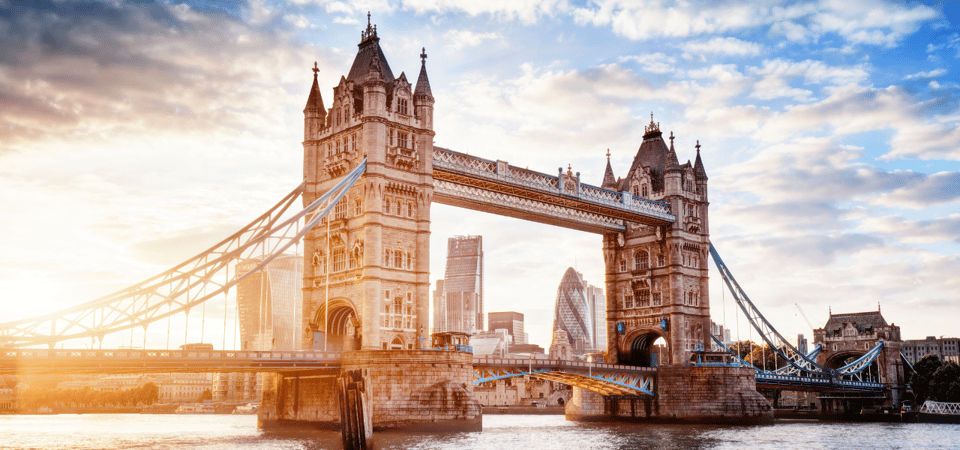
Then it’s time for modern scale: you cross Tower Bridge, one of London’s most recognizable river crossings. The audio turns this into more than a photo moment by pairing it with the surrounding history of why the Thames matters for movement, trade, and defense.
Along the Thames: Queens Walk, HMS Belfast, and The Shard
Once you’re on the river corridor, the tour leans into variety. Queens Walk gives scenic riverside views, which matters because it stops the day from becoming only stone-and-stories. You’re walking beside the water, so London’s geography does the teaching, too.
You also reach HMS Belfast, a World War II warship turned museum. Even if you don’t go inside, the stop is useful for anchoring the idea that London’s history includes modern conflict and naval power, not just ancient Rome and medieval rule.
The route then heads toward The Shard, described as London’s tallest skyscraper. This is another “present-day London” punctuation point. If you started at Sky Garden looking outward, The Shard reinforces that feeling from a different angle: London now, shaped by what came before.
London Bridge, Borough Market, and Shakespeare’s Footsteps
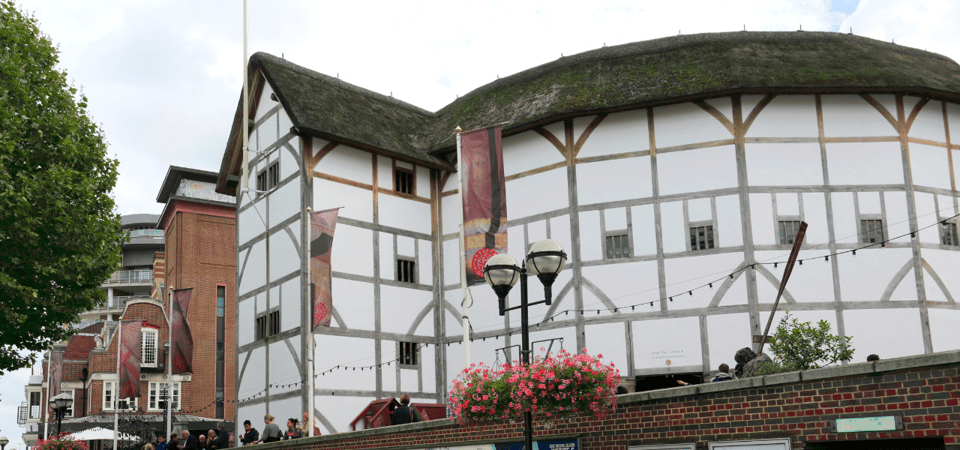
Crossing London Bridge takes you back toward food and culture. Borough Market is framed as a food lover’s paradise, and honestly, it’s one of the best places to stop during a history walk. If you’re spending hours absorbing dates, names, and places, you’ll appreciate a break where London tastes like London.
Near the market, the route points you to the original site of the Globe Theatre and then to Shakespeare’s Globe. The narration ties these to the world of Shakespearean drama. Even if you don’t attend a performance, the tour makes the area feel like stage space, not just a neighborhood.
One practical tip: if you want to shop or eat at Borough Market, plan for a little extra time. This tour is 3 hours, so you’ll want to decide early whether you’ll snack lightly or stop and linger.
From Tate Modern to St Paul’s Cathedral: The Best Finish for Big Views
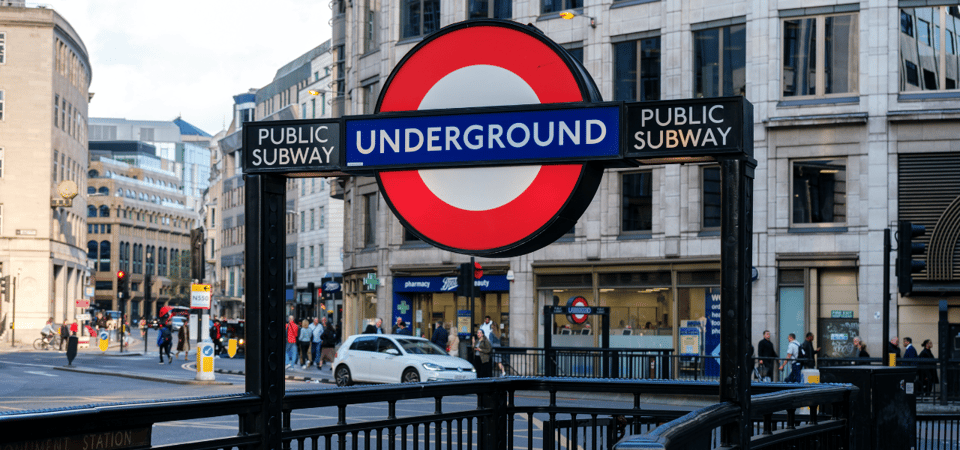
As you move past Cardinals Wharf and Tate Modern, the tour keeps blending art and river life. This is a good moment to reset your focus. You’ve already hit the older sites; now you’re walking through parts of London that are more about what the city chooses to build and show today.
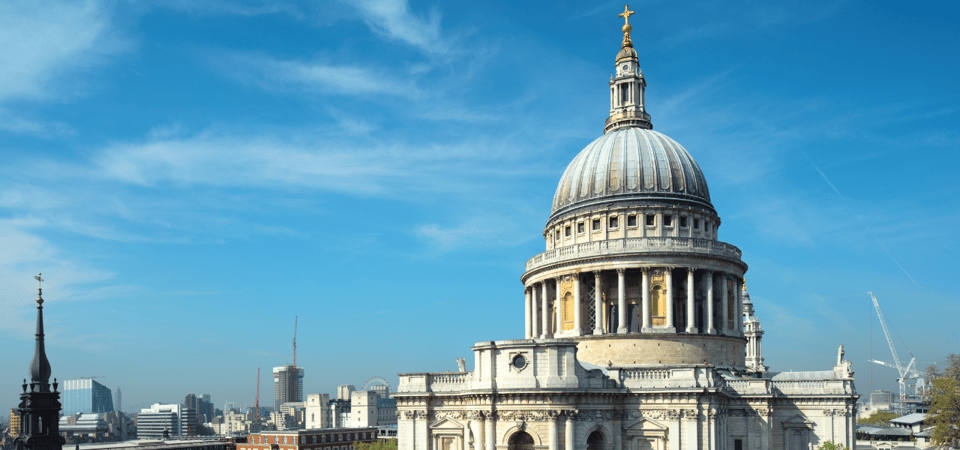
Finally, you cross the Millennium Bridge to reach St Paul’s Cathedral. This is an excellent finish line because St Paul’s is visually strong and easy to orient with as you arrive. The app route supports that arrival with the idea of moving from side streets and viewpoints into one of London’s most iconic interiors/exteriors.
If you like your endings cinematic, this one is. If you prefer calmer closings, you’ll still have choices here: spend your time looking outward at the cathedral’s surroundings or linger on the nearby river views.
Price and App Reality Check: Is $9 Worth It?
Let’s talk value. At $9 per person for a 3-hour self-guided tour, you’re paying for structure, narration, and directions—not museum entry tickets. The app includes access to the “London History City Tour” with over 30 narration points and a route that blends major landmarks with smaller history anchors.
That’s a good deal if:
- you want a single day where you hit Tower area, Shakespeare area, Borough Market, and St Paul’s without extra planning
- you like audio guidance while you walk
- you want flexibility to replay and pause
It’s less ideal if:
- you want entry included for places like Sky Garden (entry ticket is not included)
- you hate relying on your phone outdoors
- you prefer a live person to answer questions
One more reality check from the overall feedback: audio quality and app stability matter. One comment referenced the voice sounding like AI-generated. Another described an app bug mid-tour that prevented finishing. Those are the kinds of issues that only matter because the experience depends on the app staying reliable.
Who This Tour Fits Best (And Who Should Skip It)
This tour is a strong fit for people who like to plan a route but still keep control of their pace. It’s also ideal for a first or second London visit, because it hits the big geography of the city: Thames crossings, the Tower area, and the St Paul’s finish.
If you’re traveling solo, it can be especially satisfying. You don’t have to navigate around a group schedule, and you can spend extra time wherever the narration grabs you. If you’re traveling with a friend who likes different eras, the route’s shift from Roman sites to Shakespeare sites to WWII stops helps keep both interests alive.
You might skip it if you’re not comfortable with phone-based navigation and audio, or if you’re traveling with a phone that doesn’t reliably download content. The tour requires installing the app and downloading the tour using Wi‑Fi.
Should You Book This London History City Tour?
If you want an affordable way to walk London’s key historical corners in about 3 hours, this is a solid choice. The route is well matched to audio storytelling, and the combination of major landmarks (Tower of London area, St Paul’s) plus practical cultural stops (Borough Market, Shakespeare’s Globe) gives you a day that feels more than just sightseeing.
Book it if you’ll do the basics right: install and download on Wi‑Fi, start on a fully charged phone, and bring water. Skip it if you need guaranteed smooth tech all day or you mainly care about ticketed attractions, because entry fees aren’t included and Sky Garden specifically requires its own ticket.
FAQ
How long is the London History City Tour with an app?
The tour runs for 3 hours, with starting times based on availability.
Where do I start the tour?
You start on your own. After you download the app, head to the starting point listed in the tour and begin.
What’s included in the $9 price?
You get access to the London History City Tour on the Trippy Tour Guide app, with over 30 narration points and detailed directions.
Are attraction entry tickets included?
No. Entry fees are not included, and Sky Garden entry tickets are specifically not included.
Do I need an in-person guide?
No. This is self-guided, and there is no in-person guide included.
What languages is the audio available in?
The audio is available in English, Spanish, German, French, Chinese, and Italian.
Does the app play audio automatically?
Yes. Stories play automatically as you go along the route.
Can I control the audio during the tour?
Yes. You can start, stop, replay, or rewind the audio as you like.
What do I need to bring?
Bring a charged smartphone, the downloaded app, and water.
Does it require Wi‑Fi?
You must install the app and download the tour using Wi‑Fi. After that, you use the app during the walk.
Final thoughts
This is a smart, budget-friendly way to experience a lot of London in one walk, as long as your phone and app behave and you plan for non-included entry tickets.