Holborn hides a second underground London. In this Hidden London tour by the London Transport Museum, you’ll slip behind closed doors at Holborn station and walk through disused areas that haven’t been publicly seen in nearly 30 years. The focus stays on real railway details and human stories, not just big-history talk.
I especially love the chance to see the former Aldwych branch up close, including the two long-closed platforms with original design elements and period posters. I also really like how the guide connects what you’re seeing—like an early signalling cabin and Edwardian architecture—to how the Tube changed across the decades.
One thing to plan for: this is mostly stair-and-stairs underground with uneven ground and low lighting, and there are no elevators, so it’s not a comfortable fit for everyone, including people with claustrophobia.
In This Review
- Key things you’ll notice on this Hidden Tube tour
- Why Holborn’s secret platforms feel different from a typical Tube tour
- The meeting point on Gate Street and what to do before you start
- Behind concealed doors: stepping into Holborn’s disused spaces
- The 1906 Piccadilly platforms: Edwardian design you can actually point at
- The Aldwych branch story: two closed platforms and a very human angle
- The early signalling cabin: where the Tube becomes a machine
- Wartime shelter, laboratories, and model rail club life
- The 1930s modernization and why British Museum station closed
- Today’s signalling upgrades: why this disused station still matters
- How long it takes and what walking is really like in 85 minutes
- Who will love this tour, and who should skip it
- Price and value: is $60.61 worth it?
- Should you book Hidden Tube: Holborn’s Secret Platforms?
- FAQ
- How long is the Hidden Tube Tour of Holborn’s secret platforms?
- Where is the meeting point for the tour?
- What does the tour cost?
- Is pickup and drop-off included?
- What parts of the station and branch line will I see?
- Are there elevators or step-free routes?
- Can children join the tour?
- What should I bring, and what isn’t allowed?
- What is the cancellation window?
Key things you’ll notice on this Hidden Tube tour
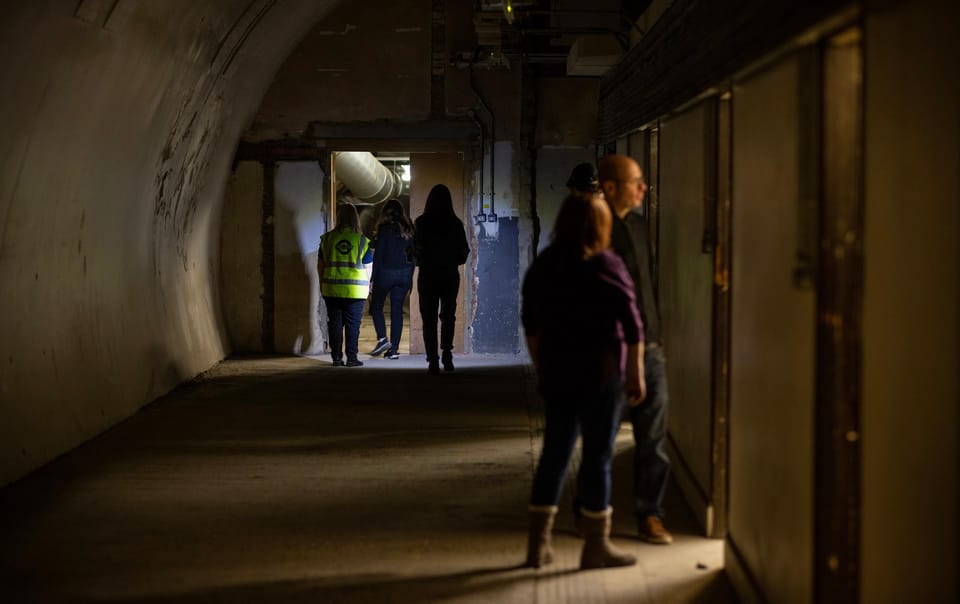
- A peek at the Aldwych branch platforms that have been closed for decades, not just discussed from a distance
- Vintage visuals and original design, including Leslie Green Edwardian styling and old poster work
- An early 20th-century signalling cabin that makes the station feel intensely real
- A rare view of the Piccadilly line from an unexpected angle
- Life under the Blitz and wartime shelter stories tied directly to the spaces you walk through
- How 1930s modernization still echoes today, including the Tube’s ongoing signalling upgrades
Why Holborn’s secret platforms feel different from a typical Tube tour
Holborn is the kind of station most people race through. You go in for a connection, not for curiosity. This tour flips that mindset fast.
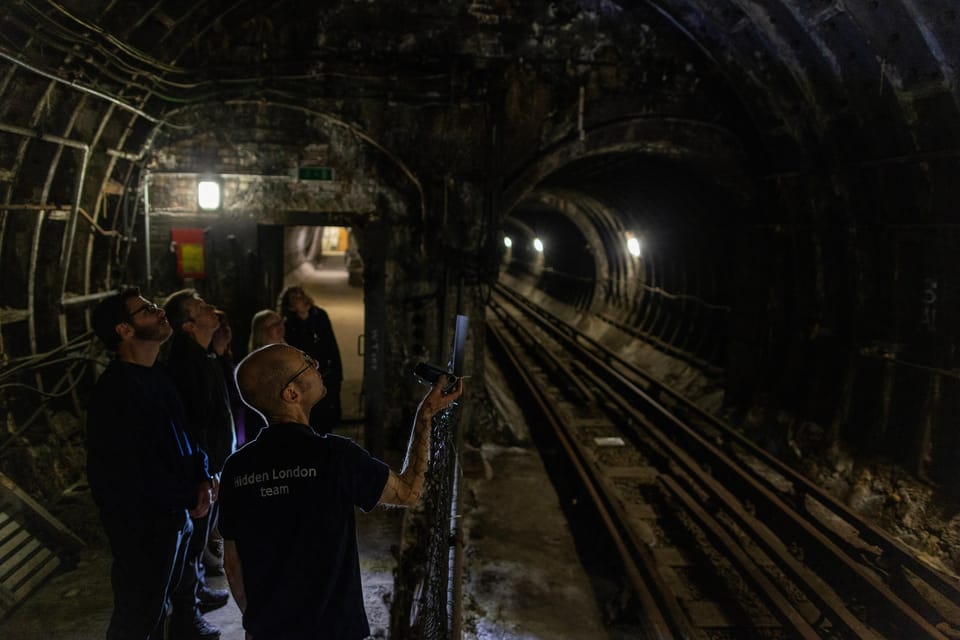
You’ll spend 85 minutes in a part of the London Underground story that most visitors never see: the disused spaces behind Holborn station. The London Transport Museum runs the Hidden London program, and the tone is practical. You’re not just looking at photos—you’re walking the corridors and station areas where the Piccadilly line and the nearby Aldwych branch once mattered day-to-day.
I love that the tour stays grounded in what the Tube actually is: platforms, branching lines, signalling, design choices, and the daily work of staff. That makes it feel more like meeting a working system than touring a museum exhibit behind glass.
You can also read our reviews of more tours and experiences in London.



The meeting point on Gate Street and what to do before you start
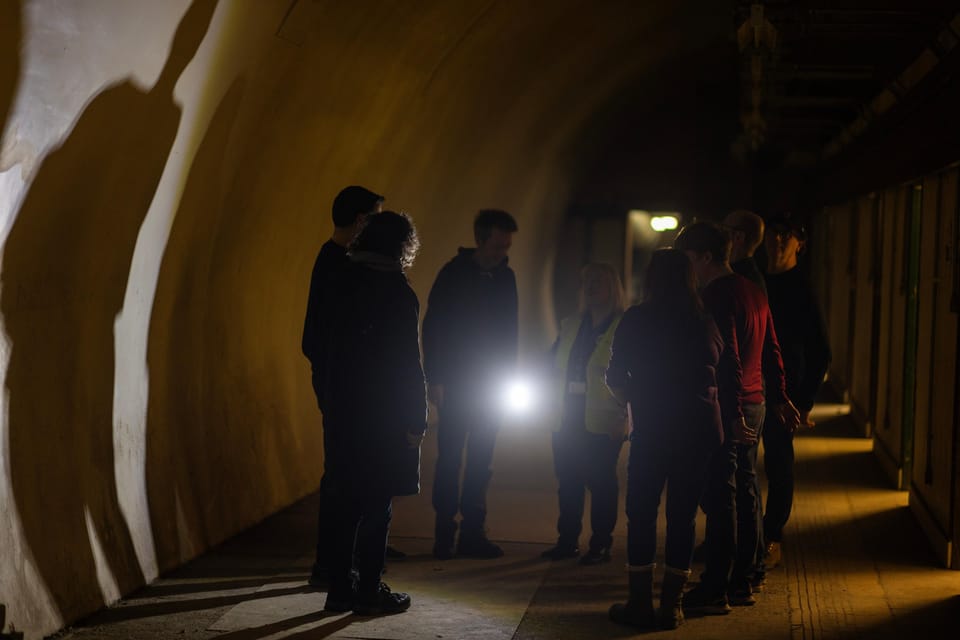
You’ll meet at the corner of Gate Street and Kingsway (WC2B 6AA). The tour ends back at the same spot, so you’re not left playing guess-the-exit at the end.
Before you go, I suggest you treat this like a mini hike in an old underground facility:
- Wear comfortable shoes you can trust on uneven ground.
- Bring water. You can’t bring food or drinks on the tour.
- Plan to move steadily; this is a lot of walking for an 85-minute slot.
If you’re the type who needs a lot of time to get oriented, arrive a bit early. Once you’re inside, the tour works at “listen and follow” pace rather than “stop and linger” pace.
Behind concealed doors: stepping into Holborn’s disused spaces
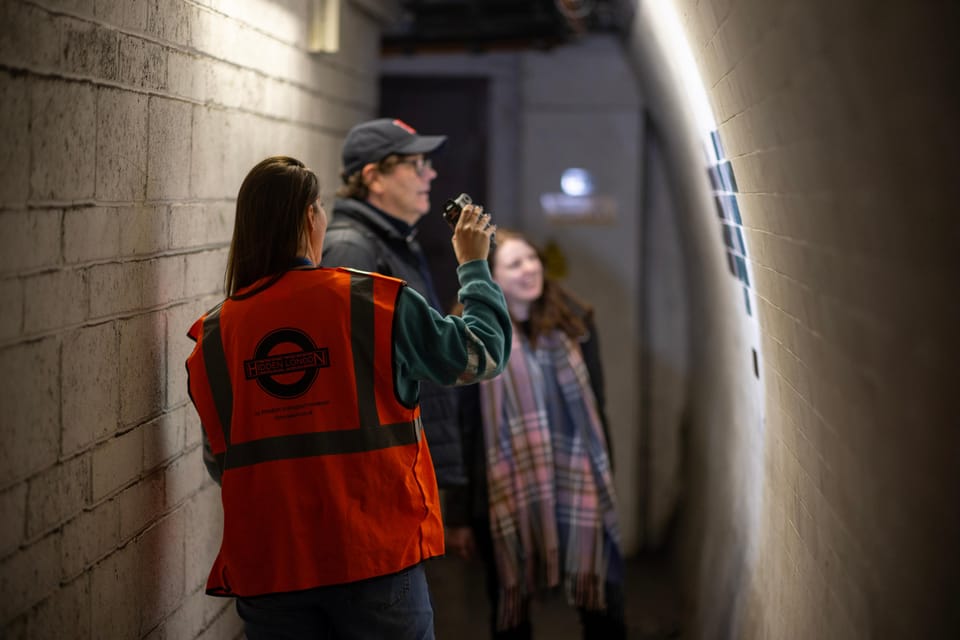
The main action starts when the guide brings you through restricted doors into the disused areas behind the public station. This is the heart of the experience: some areas haven’t been seen by the public for nearly 30 years.
What makes this part special is the contrast. You’ll likely recognize Holborn as you know it—busy, functional, in-the-now. Then the tour shifts you into a quieter physical world where the design elements feel preserved and the station feels built for another era.
You’ll also get that moment people usually remember: an unexpected view of the Piccadilly line. Even if you use it all the time, seeing a line from somewhere it isn’t normally viewed changes how you picture the network.
The 1906 Piccadilly platforms: Edwardian design you can actually point at
Holborn opened in 1906 as a complex of four platforms to serve the Piccadilly line. That detail matters because this isn’t a generic “old tube history” stop. The guide ties the space to a specific design moment, so you can connect the hardware and layout to why the station existed in the first place.
As you explore, you’ll see original early 20th-century elements, including Leslie Green Edwardian design. If you’ve ever liked the look of older London Underground buildings and station tilework, you’ll feel at home here—because the aesthetics aren’t just on the surface. They’re part of the station’s identity.
The vibe is part architecture and part operations. That’s the sweet spot for me: you walk through a space and realize it was engineered to do very specific jobs, not just to look interesting on postcards.
The Aldwych branch story: two closed platforms and a very human angle
The Aldwych branch is the star for many people, and the tour earns that attention. You’ll see platforms closed for 30 years: the two closed platforms of the former Aldwych branch line.
This section works because it’s not only about rail lines. The guide frames the Aldwych branch as something that changed over time and ended up being used in surprising ways. You’re shown the physical result—closed, quiet platforms—and then you’re given the human timeline that explains why.
Along the way, you’ll also spot vintage posters and period details that help the spaces feel lived-in even though they’re disused now. Seeing those elements in the environment they belong to is a big difference from reading about them. It gives you context for how stations supported public life, staff life, and the constant shift of London itself.



The early signalling cabin: where the Tube becomes a machine
One of the most fascinating things on this tour is the early 20th-century signalling cabin. It’s the kind of stop that makes you pause because you can feel the logic of the system.
The guide uses the cabin to connect past technology with how the Underground operates at all. Signalling is the invisible backbone of the Tube, so seeing a physical piece of it—especially an older one—helps you understand why modernization has always been a big deal.
And it also makes the later “future of the Underground” part more meaningful, because you’ve already seen the kind of work that signals and controls were designed to manage.
Wartime shelter, laboratories, and model rail club life
The tour doesn’t treat these spaces like a static relic. Instead, it tracks how the station areas were repurposed over time.
You’ll hear how parts of the station spaces were used as scientific laboratories, how they served as shelter for London Transport staff during wartime, and how the area even became home to a model rail club. That mix of uses is exactly why I like this tour: the Underground didn’t just run trains. It adapted to whatever London needed next.
You’ll also learn about what staff might have felt during the height of the Blitz. This part lands best if you like to connect infrastructure to people. The guide brings the emotion back to the hardware: the building wasn’t only steel and tile. It was work shifts, stress, and survival.
If you’ve ever enjoyed WWII stories, but you’re tired of generic “history wall” telling, this is a good alternative. The war story is tied to actual space and function.
The 1930s modernization and why British Museum station closed
Another standout moment is the way the guide explains the modernization program of the 1930s and how it changed the network. You’ll learn how that big modernization project led to the closure of nearby British Museum station.
This matters to you because it reframes the Tube as a living system—always being redesigned, trimmed, and upgraded. A station doesn’t stay the same just because it’s old. It changes because demand, engineering, and planning decisions shift.
In a tour like this, the 1930s section doesn’t feel like a detached history lecture. It’s linked back to what you’re seeing in the disused spaces: evidence of earlier decisions, and proof that later upgrades reshaped what was worth keeping.
Today’s signalling upgrades: why this disused station still matters
It would be easy for a tour like this to focus only on the past. It doesn’t. You’ll also hear how the station still plays a role in the future of the London Underground, tied to a major signalling system upgrading project.
That’s a big part of the value. You leave understanding that the Tube isn’t frozen in time. Even when parts are disused, the Underground remains an engineering network that keeps evolving.
For me, this creates a satisfying loop: you see an early signalling cabin, you hear about wartime and repurposing, and then you connect it to modern upgrades. The result feels coherent rather than random.
How long it takes and what walking is really like in 85 minutes
This tour runs for about 85 minutes. That’s long enough to feel like you’ve truly gone somewhere, not long enough to become exhausting for everyone—as long as you’re physically prepared.
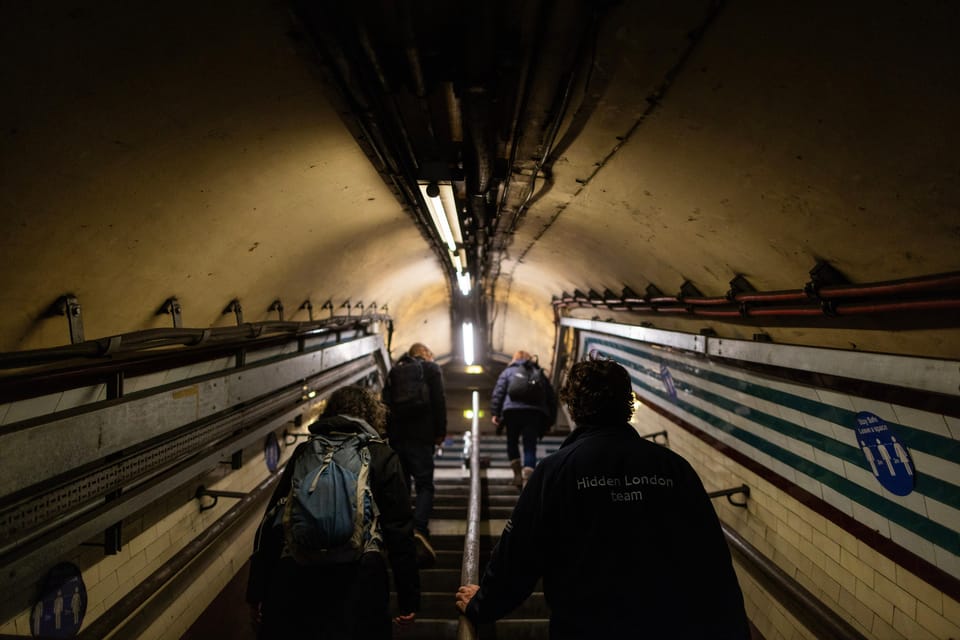
The walking isn’t casual sightseeing. The tour includes walking in areas with:
- uneven ground
- low lighting
- stairs
And there are no elevators. If that’s your situation—if stairs or enclosed, low-light spaces make you uncomfortable—this experience may be a tough fit.
Also note the environment is controlled but not “museum-cushioned.” Think practical footwear and steady pace.
Who will love this tour, and who should skip it
This is a great match if you:
- like rail history but want it tied to real spaces and equipment
- enjoy design details (Leslie Green Edwardian style, vintage posters)
- want a story that connects the Piccadilly line, the Aldwych branch, and wartime London
- care about signalling and how stations run
It’s not a good match if you:
- have mobility impairments and need step-free access
- have claustrophobia
- need very bright, open walking spaces
One more family note: children under 10 aren’t suitable. There’s a maximum of four children aged 10–15 allowed per adult, so it’s more controlled than a typical family attraction.
Price and value: is $60.61 worth it?
At $60.61 per person, this tour isn’t a bargain-bin activity. But it also isn’t priced like a standard walking tour of famous landmarks.
The value comes from the exclusivity: you’re getting access to disused areas behind Holborn station, including closed platforms and an early signalling cabin—spaces that aren’t open to the public. You’re also paying for expert guidance through technical topics like modernization and signalling, plus real-world context such as wartime shelter and repurposed uses.
If you’re the kind of traveler who would happily spend extra time on how cities actually work—how infrastructure changes and why—this price feels fair. If you’re only seeking surface-level Tube trivia, you might not get your money’s worth.
Should you book Hidden Tube: Holborn’s Secret Platforms?
I’d book it if you want an Unusual London experience with actual access. The tour mixes architecture, operations, and human stories in one place, and that combination is hard to find.
I wouldn’t book it if you dislike stairs, uneven ground, and low lighting. There’s no elevator here, and the tour isn’t built for claustrophobia.
If your goal is to understand London Underground as a system—past and present—this one delivers. You leave with new mental images of Holborn, the Piccadilly line, and the Aldwych branch that you won’t forget the next time you pass through.
FAQ
How long is the Hidden Tube Tour of Holborn’s secret platforms?
The tour duration is 85 minutes.
Where is the meeting point for the tour?
You meet on the corner of Gate Street and Kingsway, WC2B 6AA (What3Words: ///towers.rift.forest).
What does the tour cost?
The price is $60.61 per person.
Is pickup and drop-off included?
No. Pickup and drop-off are not included.
What parts of the station and branch line will I see?
You’ll explore disused areas behind Holborn station, including two closed platforms of the former Aldwych branch line. You’ll also see details like vintage posters, original Leslie Green Edwardian design, and an early 20th-century signalling cabin, plus an unexpected view of the Piccadilly line.
Are there elevators or step-free routes?
No. The tour involves walking in areas with uneven ground, low lighting, and stairs, and there are no elevators.
Can children join the tour?
Children under 10 years can’t join. For ages 10–15, there is a maximum of four children per adult.
What should I bring, and what isn’t allowed?
Bring a passport or ID card, comfortable shoes, and water. Food and drinks are not allowed, and luggage or large bags are not allowed. Open-toed shoes aren’t allowed either.
What is the cancellation window?
Free cancellation is available up to 24 hours in advance for a full refund.