REVIEW · LONDON
London: Private Underground and Tube Tour
Book on GetYourGuide →Operated by Brit Icon Tours · Bookable on GetYourGuide
The Tube has secrets in plain sight. This private 165-minute walk-and-ride from Paddington to historic corners of the network is a fun way to learn how the Underground grew from 1863 and why Circle line travel direction matters. I also loved how the guide points out real-world station quirks you would never notice on your own, including ghost-station stories. One drawback to plan for: it is not accessible for wheelchair users or parents with prams.
You’ll start underneath the clock on Platform 1 at Paddington and end back at the start point (though the tour description also says it concludes at Westminster—so double-check your confirmation). You’ll need a zone 1 travel card or an Oyster card topped up with at least £7 pay-as-you-go credit, and you should expect some walking in and around stations where the route can shift slightly due to network work.
In This Review
- Key things you’ll notice on this Underground tour
- Entering London’s Underground at Paddington Platform 1
- 1863 to now: how rival owners shaped what you ride today
- Riding the Underground’s oldest stretch (and why that feels different)
- The Circle line lesson: stop guessing and start traveling correctly
- Spotting the deepest, famous, and peculiar stations up close
- Ghost stations: the Underground’s secrets you’ll wish you’d known earlier
- How accurate is the Tube map, really?
- Westminster finish: using your new perspective the next time you ride
- Price and value: what you get for $84.86 per person
- Who should book this Underground tour
- Practical tips so you enjoy the full 165 minutes
- Should you book it?
- FAQ
- How long is the London Private Underground and Tube Tour?
- Where does the tour start?
- Where does the tour end?
- Is this tour private or shared?
- What language is the guide?
- Is the tour accessible for wheelchair users or parents with prams?
- Are baby carriages allowed?
- What is included in the ticket price?
- What ticket/card do I need for the tour?
- What’s the cancellation policy?
Key things you’ll notice on this Underground tour
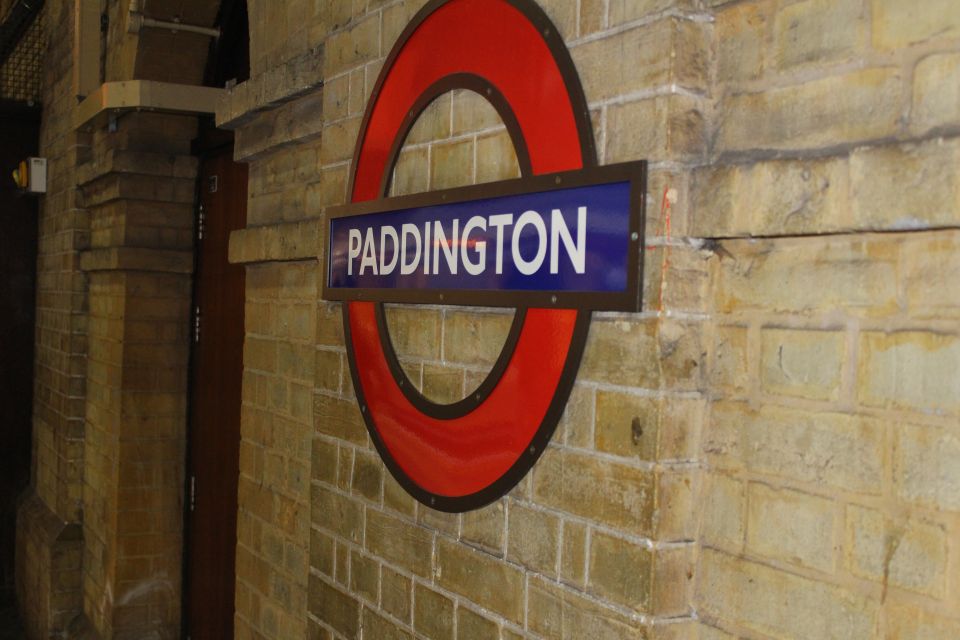
- Paddington Platform 1 start under the clock, so you know exactly where to be
- 150 years of Underground history starting from the 1863 opening story
- London’s oldest stretch of railway line rides, plus what makes it special
- Circle line “which way” lesson so you don’t get turned around
- Ghost stations and station quirks explained in plain language
- Tube map reality check—how accurate the map feels once you’re there
Entering London’s Underground at Paddington Platform 1
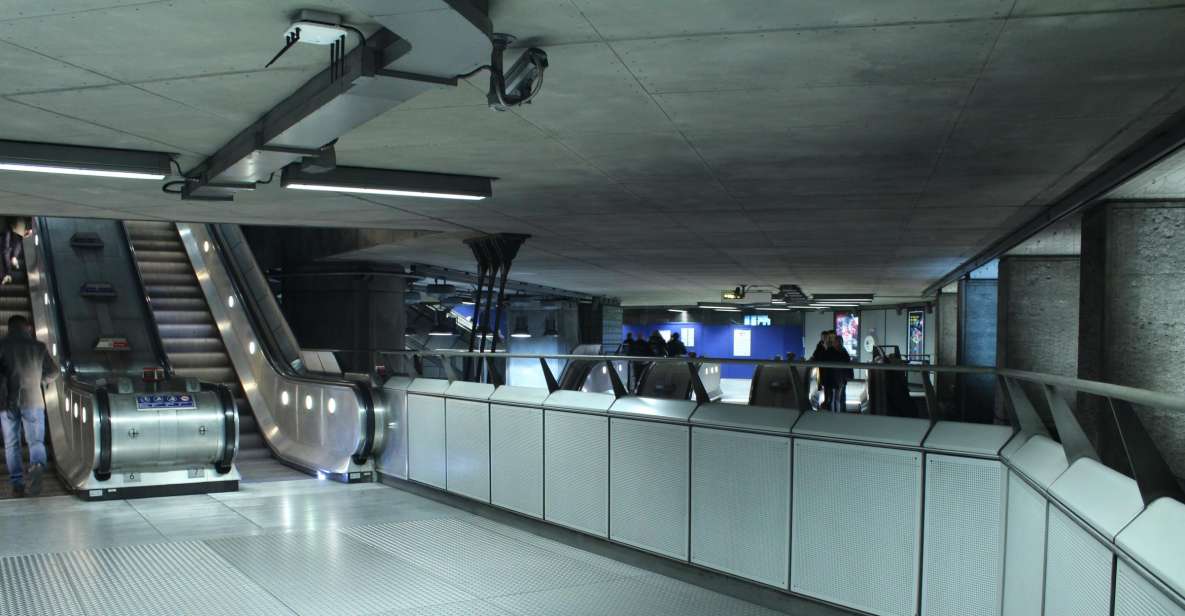
Meeting under the clock on Platform 1 at Paddington is a small thing that makes the whole tour feel organized. You’re not just wandering into a station and guessing where to go. You’re also already in the right setting: you’ll be standing where riders normally rush through, then slowly switching gears to notice details.
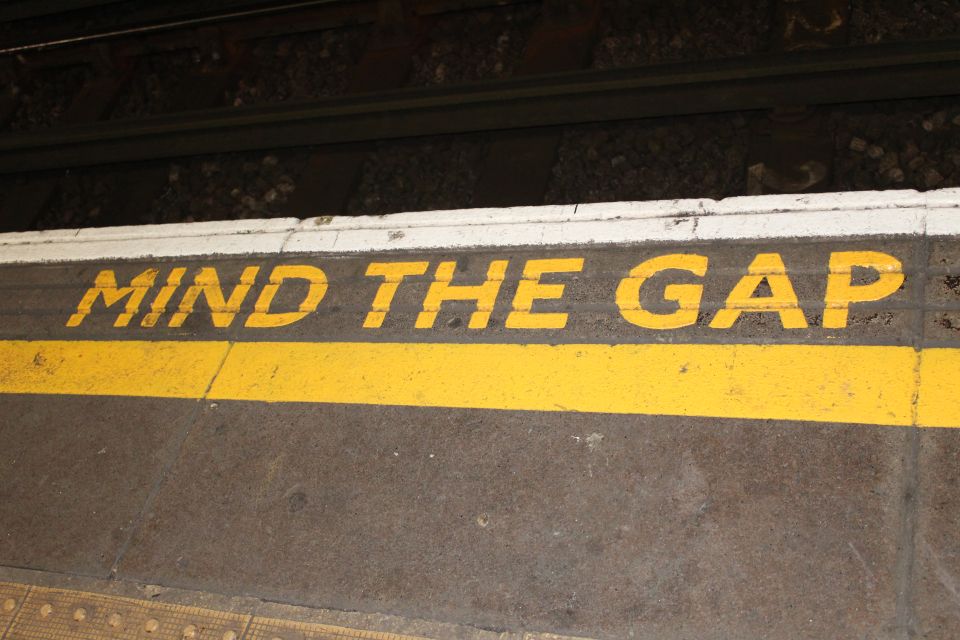
The tour runs for about 165 minutes, and that matters. This isn’t a quick hit. It’s enough time for the guide to talk, for you to ask questions, and for you to see how the network can feel different station to station. You also get the basic Underground experience cues—think mind the gap reminders and the rhythm of boarding and moving through underground spaces.
You can also read our reviews of more private tours in London


1863 to now: how rival owners shaped what you ride today
One of the best parts of this tour is how it connects history to what you’re actually doing minute to minute. You’re not just hearing dates. You’re learning why the system looks and feels the way it does.
You’ll hear how London got its Underground in the first place, including the fact that different lines were originally owned by rival companies. That concept is surprisingly helpful for modern riders: it explains why the network can feel like separate personalities wearing the same uniform. Lines, stations, and routes can have their own logic, and the guide helps you read that logic instead of treating it like random complexity.
You’ll also learn why you now have electric trains instead of steam engines. Even if you never notice the change while commuting, knowing the switch gives you a framework for understanding how the system evolved from early-day rail thinking into a metro that could run reliably day after day.
Riding the Underground’s oldest stretch (and why that feels different)
The tour highlights travel along London’s oldest stretch of railway line. That’s not just a brag line for the guide—it gives you a reason to pay attention to the environment.
When you ride older track sections, you can often feel the difference in space, layout, and the way stations connect to tunnels. Even if you can’t measure anything on the spot, the guide’s job is to teach you what to look for: how the geometry of tunnels and platform areas influences how stations function. That makes your “normal commute brain” switch to “observer brain,” and the tour turns into a live lesson on how infrastructure changes over time.
If you’re the type who likes to understand why places look the way they do, this section is a good payoff. You’ll see the network not as one big tube map line, but as an evolving set of choices made at different times.
The Circle line lesson: stop guessing and start traveling correctly
One standout highlight is learning why it was important to know which way to travel on the Circle line. This is the kind of tip that sounds small until you realize how often people feel uncertain when they’re standing on a platform with multiple possible directions.
The guide doesn’t treat it like trivia. Instead, the explanation helps you understand the practical reality: direction isn’t just about where the train goes next—it affects the mental model you use to track your progress. After this lesson, you’ll be less likely to second-guess yourself when you’re on the Circle line, because you’ll have a clearer sense of how the route behaves.
It also makes the rest of the tour click. Once you learn that “direction” can be a bigger deal than you assumed, the rest of the Underground’s quirks feel less random.
Spotting the deepest, famous, and peculiar stations up close
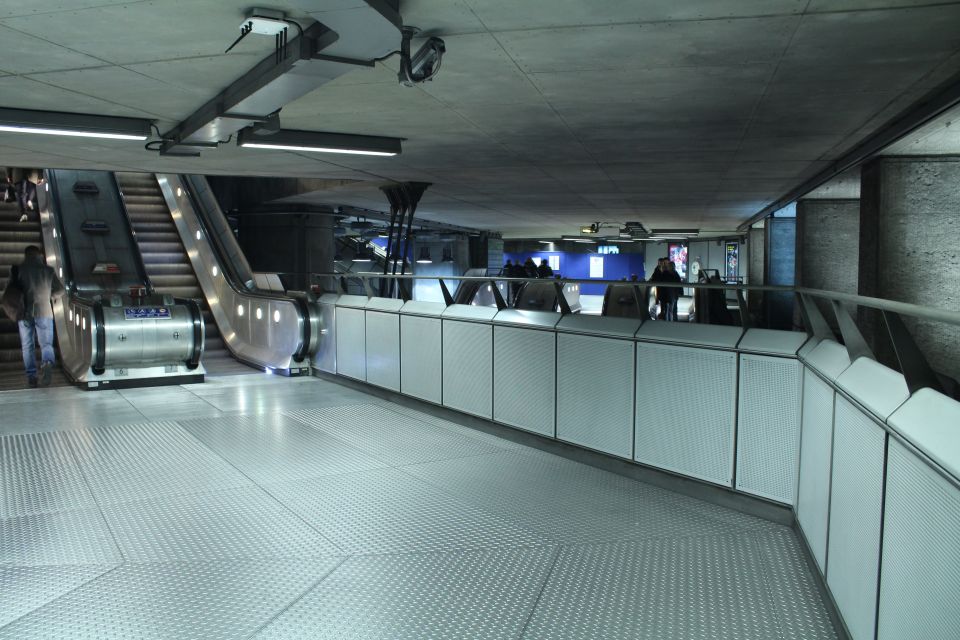
A big promise here is that you’ll get to some of London’s oldest, deepest, beautiful, and peculiar underground stations. That mix is exactly why a guided tour beats doing this solo. It’s easy to visit famous stops. It’s harder to understand what makes them special in the first place.
Your guide uses the route to show you how different station areas can feel distinct—how spaces connect, how certain design choices guide movement, and which details most people overlook when they’re just trying to get from point A to point B.
Also, the tour route can change slightly depending on improvement work on the network. That’s worth knowing because it signals flexibility: you’re not signing up for a rigid script that ignores the real city. The practical upside is that the guide can still build the main story around what’s accessible that day.






Ghost stations: the Underground’s secrets you’ll wish you’d known earlier
This tour includes a ghost-station element, and it’s one of the most memorable types of stories because it turns a familiar commute into something more mysterious.
You’ll learn about London’s ghost stations, plus the broader idea that the Underground has had plans, changes, and unused spaces over time. Even if you don’t have names written on a postcard, the concept sticks: some stations feel like they should exist because they make sense on paper or in the network’s past, yet they don’t function for today’s riders.
The best part is how the guide connects these stories to the physical places you’re standing near. Instead of treating ghost stations like pure legend, you’ll understand how station design, network changes, and practical decisions can create these “almost” places that linger in London’s transit folklore.
How accurate is the Tube map, really?
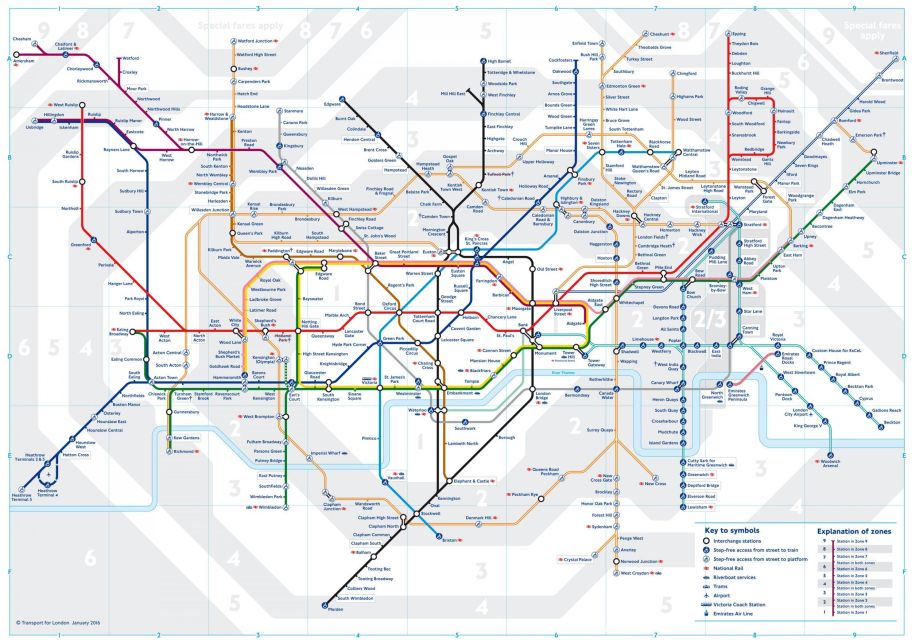
The tour also includes a built-in reality check: you’ll discover how accurate the tube map really is.
On the surface, the Tube map looks like a clean, confident diagram. But when you walk through the actual station environment—corridors, levels, connections—you start thinking differently about what maps simplify. The guide’s approach helps you interpret the map as a tool with limitations, not a perfect reflection of distance and layout.
This is valuable because it changes how you plan future rides. Instead of trusting the map blindly, you’ll be more prepared for the real experience of transfers and movement inside stations. That makes the Underground feel less stressful on your next day out.
Westminster finish: using your new perspective the next time you ride
The tour concludes at Westminster Station in the overview description, but your confirmation also notes that it ends back at the meeting point. That means your final steps might depend on the exact route used that day.
Either way, you’ll finish with a brain that works differently. After learning about rival companies, steam-to-electric change, the logic behind circle-line direction, ghost-station stories, and how the tube map simplifies reality, your next Tube ride won’t feel like a blur of tiles and signage.
It turns into a scavenger hunt where you already know what to look for. You’ll spot quirks faster, you’ll understand why certain station areas feel the way they do, and you’ll remember that the network has layers of decisions underneath the surface.
Price and value: what you get for $84.86 per person
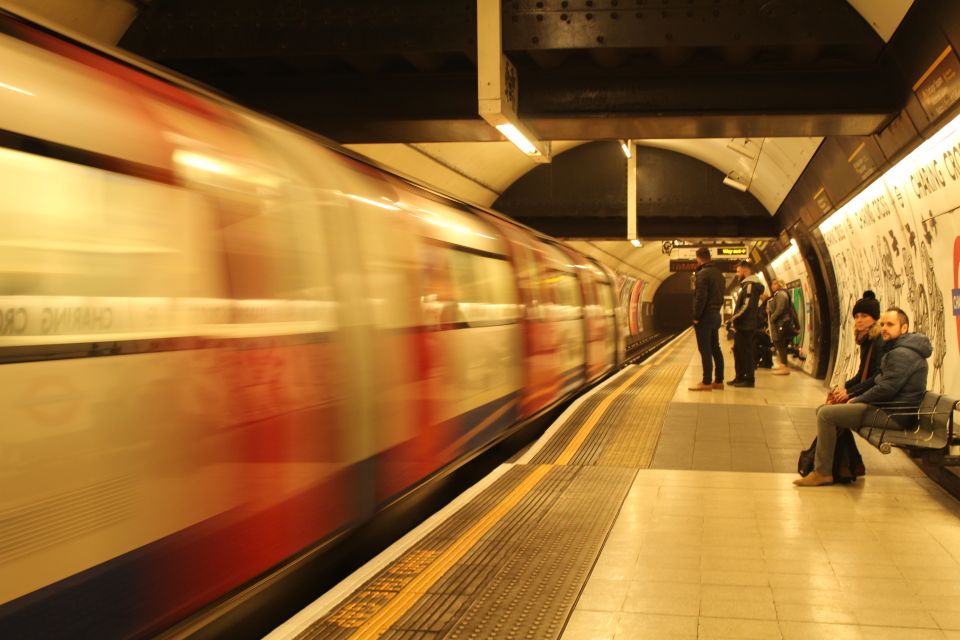
At $84.86 per person for a 165-minute private tour, this isn’t the cheapest way to spend an afternoon in London. But it also isn’t trying to be. The value comes from three things you can’t easily DIY:
First, you get a professional guide who can explain Underground development in context, not just point at stations. That’s a big difference between seeing old places and understanding why they exist.
Second, you get a private group format. That usually means more questions, more pacing, and fewer awkward moments when someone doesn’t understand the story yet. In the reviews, guides like Rory, Fiona, Jericho, and Chris are singled out for being engaging, friendly, and genuinely invested in keeping people interested. That human factor matters on a tour where a lot of the fun is listening.
Third, you’re paying for time plus structure. You’re learning about ghost stations, the Circle line direction lesson, and tube-map accuracy all in one session rather than trying to stitch together bits from apps and articles.
One cost note: travel costs are not included. You’re required to have the right zone 1 travel card or Oyster credit before you go. So think of the $84.86 as paying for the guide and the tour experience, not the underlying transit fare.
Who should book this Underground tour
This tour is a strong fit if you like:
- history that connects to real places, not just museums
- station spotting and practical tips you can use next time you ride
- a private format where questions are welcome
- tours led by guides who focus on making the story clear and fun (Rory, Fiona, Jericho, and Chris show up as standouts)
It may be a weaker fit if:
- you rely on step-free access, since it’s not accessible for wheelchair users or prams
- you want frequent breaks, because planning for facilities can be tricky in stations (one review mentioned a lack of a loo stop as a concern)
Also, if you’re coming with kids, this can work well because the tone is described as engaging and the guide doesn’t mind questions—one father-and-daughter experience came away feeling like history had become part of the day, not something distant.
Practical tips so you enjoy the full 165 minutes
Here’s how I’d set yourself up for success:
Plan on arriving early enough to find the exact spot—under the clock on Paddington Platform 1. Once you’re late, the tour pace can feel harder to catch up with.
Bring whatever you need for Underground entry and rides: a zone 1 travel card or an Oyster card topped up with at least £7 pay-as-you-go credit.
Wear shoes you’ll be happy in for a mix of standing, walking, and moving through stations. Even when you’re “on the train,” you’ll still be navigating station space and transitions.
If you’re sensitive to long station time, think about your comfort needs before you start. One review flagged limited bathroom options, so it’s smart to handle that earlier rather than assuming there will be a quick stop along the way.
Finally, come with curiosity. The tour is at its best when you’re willing to look at familiar places as if you’ve never seen them before.
Should you book it?
Book this tour if you want a guided Underground experience that turns station routines into stories with real meaning. The Circle line direction lesson and the ghost station component are both memorable, and the private format gives you room to ask questions without feeling rushed. The price also makes sense if you value a guide who can connect 150 years of change to what you’ll see around you in real time.
Skip it (or look for a different option) if accessibility is a key requirement for you, because this one isn’t set up for wheelchair users or prams. And if you know you need lots of restroom flexibility during long station-heavy outings, plan extra carefully.
If you’re happy with an active, station-focused history walk and ride, this is one of the more satisfying ways to understand London’s Underground beyond the map.
FAQ
How long is the London Private Underground and Tube Tour?
It lasts 165 minutes.
Where does the tour start?
You meet underneath the clock on Platform 1 of Paddington Station.
Where does the tour end?
The activity description says it ends back at the meeting point, while the overview says it concludes at Westminster Station. Check your confirmation for the exact end point for your date.
Is this tour private or shared?
It’s a private group tour.
What language is the guide?
The live tour guide speaks English.
Is the tour accessible for wheelchair users or parents with prams?
No. It is not accessible for wheelchair users, and it is not suitable for parents with prams.
Are baby carriages allowed?
No, baby carriages are not allowed.
What is included in the ticket price?
A professional guide is included.
What ticket/card do I need for the tour?
You need a zone 1 travel card or an Oyster card topped up with at least £7 of pay-as-you-go credit.
What’s the cancellation policy?
Free cancellation is available up to 24 hours in advance for a full refund.