REVIEW · LONDON
London: Secrets of the London Underground Walking Tour
Book on GetYourGuide →Operated by Evan Evans Tours · Bookable on GetYourGuide
The Tube hides stories under your feet. This 2.5-hour walk from Baker Street Station uses the Underground’s own marks on London—engineering, eerie tales, and repurposed tunnels—so the city feels more human than touristy. With audio headsets, you can keep up even when you’re surrounded by station noise.
I love starting at Baker Street, because it ties you to the Underground’s earliest days (including an original station opened in 1863). I also love the way the guide makes the system make sense: steam power to electrified rails, how the first tunnels were built, why so many stations were left behind, and even the meaning of the famous Underground roundel.
One thing to consider: expect a moderate walking route with lots of steps, so it’s not suitable for reduced mobility or wheelchair users. And while the tour covers disused and haunted stations, you should not assume you’ll go inside closed-off areas.
In This Review
- Key points worth knowing before you go
- Entering Baker Street: where London’s Tube story starts
- The Underground’s big turning points: steam to electrified rails
- Original stations and the 1863 milestone you’ll actually remember
- Haunted and disused stations: the stories you’ll hear, not the ones you’ll force
- The Blitz and beyond: when the Tube became shelter, factory, and storage
- London Transport Museum stop: turning walking stories into real objects
- Logistics without headaches: tickets, steps, and what to bring
- Price and value: what $40 buys you (and what it doesn’t)
- Who should book this Underground secrets tour
- Should you book Secrets of the London Underground Walking Tour?
- FAQ
- Where does the tour start and where do I meet the guide?
- How long is the London Underground Walking Tour?
- What’s included in the tour price?
- Do I need an Underground ticket or Oyster card?
- Is there moderate walking?
- Is the tour suitable for wheelchair users or reduced mobility?
- What’s the cancellation policy?
Key points worth knowing before you go
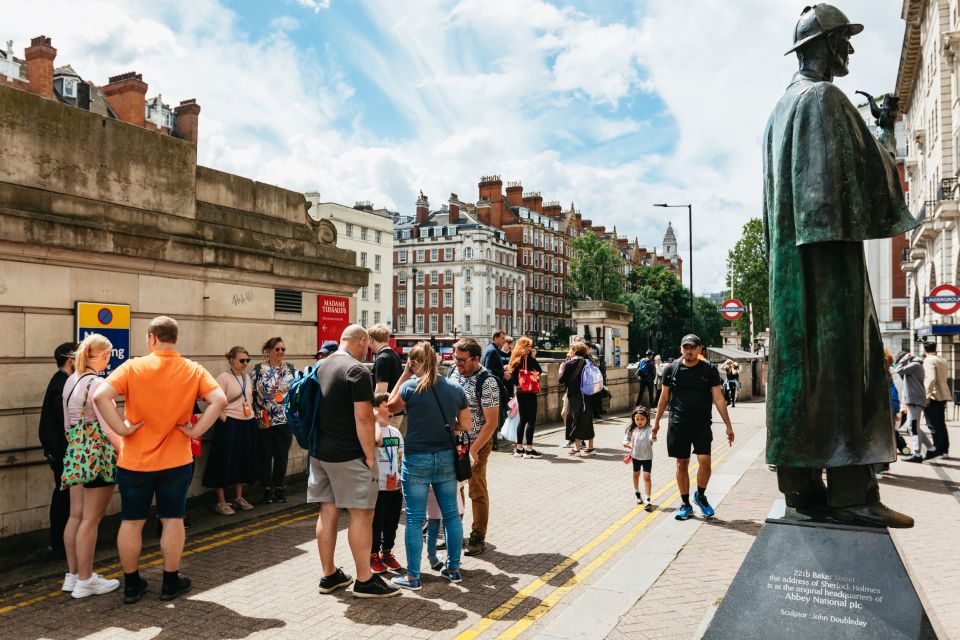
- Baker Street meet-up: find the guide outside the Sherlock Holmes statue.
- Original Underground era: you’ll connect today’s Tube to an 1863 station opening.
- Engineering stories you can picture: steam, electrification, and the first tunnel builds.
- War-era Tube reuse: refuge during the Blitz, plus aircraft factory and museum storage roles.
- Disused and haunted station legends: including stories tied to a pharaoh’s daughter and a nun.
Entering Baker Street: where London’s Tube story starts
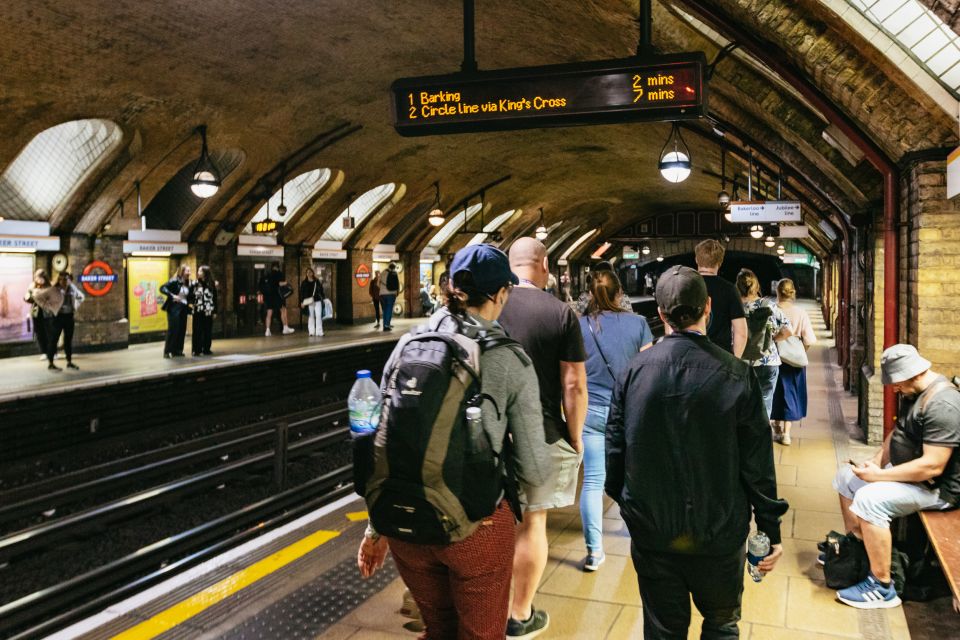
The tour kicks off at Baker Street Station, with the meeting point outside the Sherlock Holmes statue. That location matters more than it sounds. It’s one of those London anchors where you can instantly feel the city layering time on time—Victorian rail beginnings right next to today’s commuter rush.
After you get sorted and your audio headset is working, you’ll move into a guided walk that mixes photo stops with story stops. You’re not just looking at signage and pretending you understand it. You’re learning what those rail lines were built to solve, and why the Underground grew the way it did.
I like that the tour’s pacing starts with an easy win: a famous landmark that’s also tied to the Underground’s early network. Even if you’ve ridden the Tube a hundred times, Baker Street still feels like the place where the system begins to feel real.
You can also read our reviews of more walking tours in London



The Underground’s big turning points: steam to electrified rails
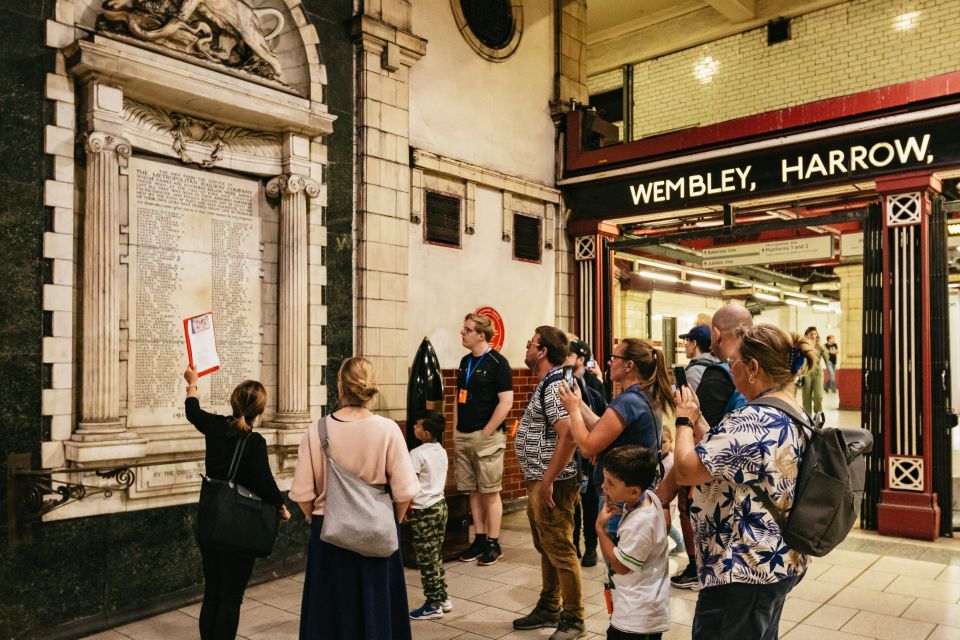
This tour doesn’t treat the Tube like a magic black box. It explains the practical shift from early steam-powered operations to electrified rails, and it does it at walking speed, with stops that give your brain a place to park new info.
That matters because the Tube’s technology is what shaped the geography of London underground. Once you switch power systems and change how trains run, you change what tunnel work is worth doing, where platforms can go, and what station layouts can handle. The guide connects those dots instead of tossing dates at you.
You’ll also hear how the very first tunnels were built and how the Underground evolved into the recognizable transport network it became. And you won’t just get dates and diagrams—you’ll get explanations framed around the built environment you’re standing in.
One more detail I appreciated: the tour spends time on why more than 40 stations have been abandoned over the years. It’s not presented as random trivia. It’s explained as part of a living system: lines re-routed, needs changed, and some stations ended up in the wrong place for the network that followed.
Original stations and the 1863 milestone you’ll actually remember
One of the tour’s best hooks is the chance to visit an original Tube station, opened in 1863. That’s not just a number; it’s an era shift. The Underground wasn’t designed as a modern subway system with a century of hindsight. It was built with risk, experimentation, and a lot of problem-solving in the open.
You’ll also learn about the famous Underground roundel symbol—how it became a visual shortcut for the whole network. It sounds like branding, but it’s really about wayfinding. When you understand why a symbol exists, you start noticing it everywhere, including on tiles, signage, and station architecture.
I like that this tour uses the physical cues you’re likely to overlook. You’ll be trained to see small details as historical evidence, not just decoration. That’s why the tour works even if you’re not a “history person.”
And if you’ve only ever visited central stations, this is a chance to widen your mental map. The Tube stops you ride every day are only part of the story. The earlier stops show you what London looked like before the Underground became the default way to move.
Haunted and disused stations: the stories you’ll hear, not the ones you’ll force
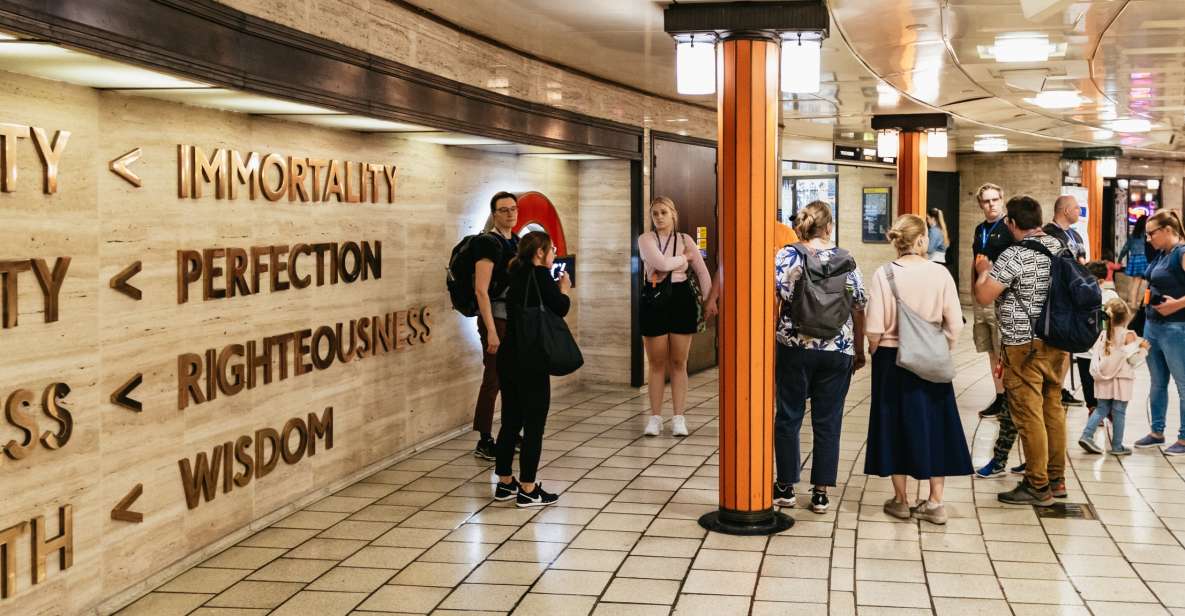
The tour leans into the spooky side of the Tube: haunted and disused stations. You’ll hear station legends tied to a pharaoh’s daughter and even a nun. You’ll also learn about an unusual claim: one station lies above remains of 1,000 bodies.
It’s great storytelling, but here’s the practical note. This is a walking-and-explaining experience, not a ticket into sealed off spaces. If your fantasy is descending into a disused station like a movie extra, temper expectations.
That balance is worth it. You still get the details that make those legends feel grounded: how stations get closed, how unused spaces can persist, and how the Underground’s physical changes leave behind ghost stories for people to repeat. The tour turns the city’s gaps into clues.
If you want a “I can’t believe I’m standing here” moment, this section delivers. The best part is that the guide uses real-world context to keep the supernatural from becoming pure fantasy.
The Blitz and beyond: when the Tube became shelter, factory, and storage

One of the tour’s most memorable stretches is how it describes the Tube’s role during wartime. You’ll learn how the Underground was repurposed as a refuge during the Blitz—not just as a place to travel, but as a place to survive.
The tour also covers other unusual jobs the system took on, including use as an aircraft factory and storage for the British Museum’s treasures. That’s the kind of detail that changes how you think about infrastructure. A railway can be a lifeline, but it can also become an emergency tool when the city’s surface life is under pressure.
This part works because it frames the Tube as London’s adaptable machine. It’s not only tunnels and trains. It’s space. It’s crowd movement. It’s shelter logistics. That makes the stories click.
You don’t need to be a military-history buff to enjoy it. Even if you’re mainly here for the engineering, wartime reuse adds emotional weight and helps you understand why abandoned stations might matter beyond aesthetics.





London Transport Museum stop: turning walking stories into real objects

Halfway through, you’ll visit the London Transport Museum. This is where the tour’s storytelling gets anchored. If you’re the type who likes to confirm facts with physical evidence, the museum stop is a smart payoff.
The tour stays efficient: you get a short transport segment (about 10 minutes), then you shift into museum time. That keeps your brain from melting after constant station-to-station focus.
In plain terms, the museum visit helps you remember what you just heard. You’ll see how signage, design choices, and transport artifacts connect back to the Tube’s evolution. If the guide’s talk is the map, the museum is where you check whether the map matches the terrain.
I also like that this part gives you a reset. A walking tour can start to feel like nonstop input. The museum stop breaks that rhythm, so the second half doesn’t blur into the first.
Logistics without headaches: tickets, steps, and what to bring
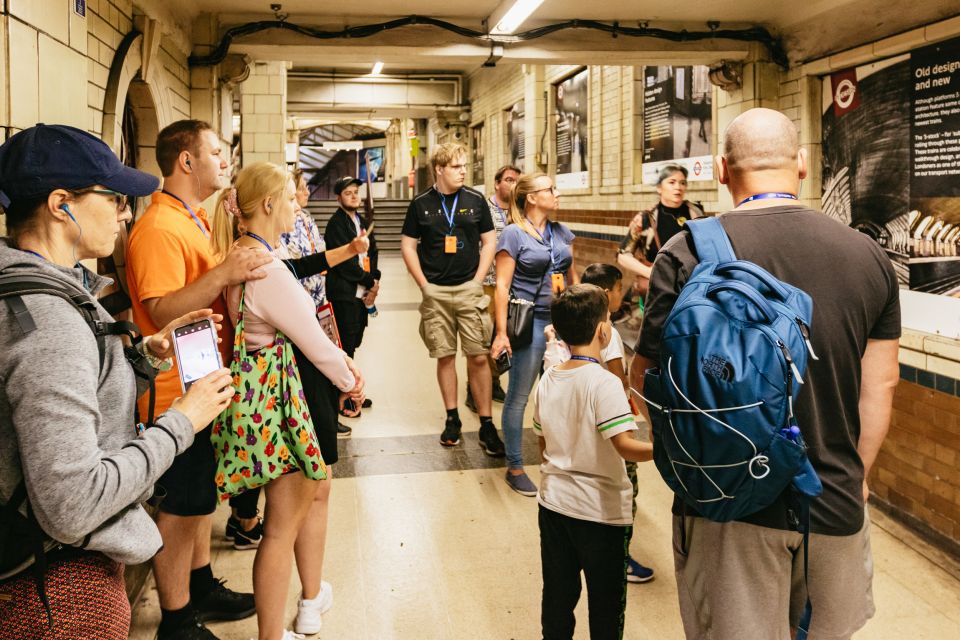
This is where most value and most frustration live, so plan for it.
You need a public transport ticket for the Tube segment, and you’ll also need a Travel Card for Zones 1–2 or an Oyster card. The transport pass is not included. I’d buy or load it before you join, so you’re not stuck at the station figuring out payment while your tour clock runs.
Wear shoes that can handle a moderate walking route. The tour involves station steps, and that’s not optional trivia—it’s part of why the tour isn’t suitable for wheelchair users or people with reduced mobility.
Also, don’t show up with luggage or large bags. Baby strollers aren’t allowed either. If you’re traveling light, great. If you’re carrying too much, you’ll spend energy managing bags instead of enjoying the stories.
One small practical tip: the headset helps, but the sound can be affected by where you are—above ground versus underground. If audio clarity matters to you, bring patience and keep your headset properly fitted.
Price and value: what $40 buys you (and what it doesn’t)

At $40 per person for a 2.5-hour experience, you’re paying for a guided history walk with audio headsets, plus the London Transport Museum visit. That’s a fair structure: you get a person interpreting the city and a museum stop to back it up.
What’s not included is key: you’ll pay for your Tube travel ticket or Oyster/Travel Card. So your real cost is $40 plus your transit spend for Zones 1–2.
Is it worth it? If you like meaning behind infrastructure—why lines exist, why stations were abandoned, and how the Tube influenced wartime London—yes. You’ll come away with a new mental map, not just a list of facts.
If you only want a casual ride and don’t care about history, you might feel pressed by the walking and the structured talk. This tour is best for people who want the Tube to become more than transit.
Who should book this Underground secrets tour
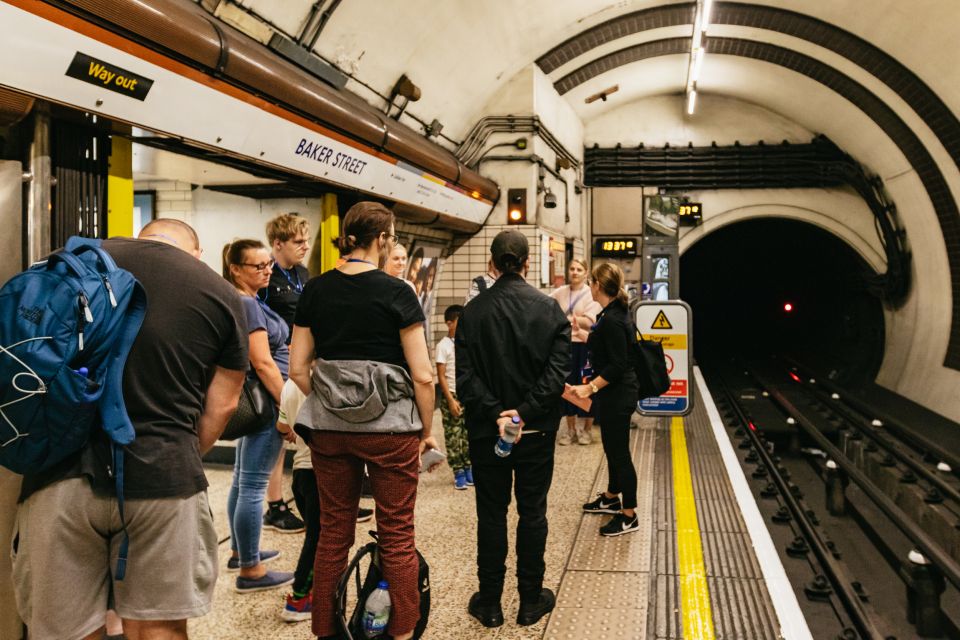
This works especially well for:
- People who enjoy architecture-as-story and want practical context, not vague legends.
- Travelers who want a mix of engineering, design, and human-scale history in one outing.
- Families with kids who like questions. The format is built around explanation and Q-and-A energy during station stops.
It may not be a good fit if:
- You rely on step-free routes or need wheelchair access.
- You’re hoping for extended time inside disused stations or deep underground spaces.
The tour runs in English with a live guide, so it’s straightforward to follow. It also uses audio headsets, which helps you keep track of the guide’s narration while walking and looking around.
Should you book Secrets of the London Underground Walking Tour?
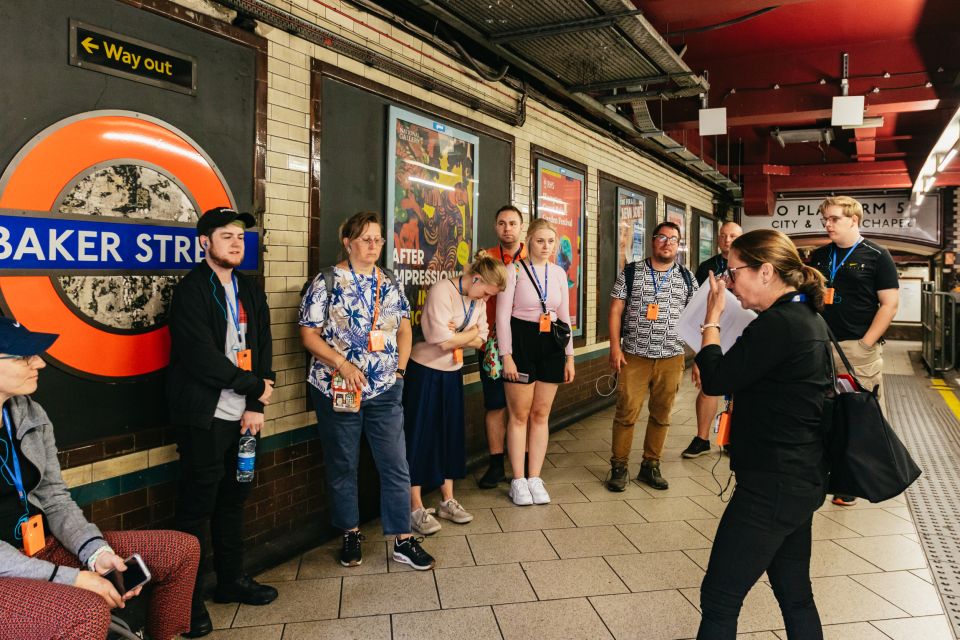
If you’re willing to walk and you want the Tube explained in a way that connects tunnels to real London moments, I’d book it. The mix is the point: early station beginnings (including the 1863 milestone), steam-to-electric evolution, abandoned station stories, and the Tube’s wartime jobs.
Just go in with the right expectation. You’ll get compelling haunted and disused station narratives, but this is not a guaranteed pass into locked-off underground spaces. If that’s what you want, you’d need a different kind of experience.
If you want value, add it up like this: guide + audio + museum stop + guided Tube time, then factor in the transit ticket you’ll still need. For many people, that math works out nicely, especially if the Tube is a big part of your London trip.
FAQ
Where does the tour start and where do I meet the guide?
Meet the guide by the Sherlock Holmes statue outside Baker Street Station.
How long is the London Underground Walking Tour?
The duration is 2.5 hours.
What’s included in the tour price?
The tour includes a tour guide and audio headset.
Do I need an Underground ticket or Oyster card?
Yes. A Travel Card for Zones 1–2 or an Oyster card is required, and it’s not included. Bring your public transport ticket.
Is there moderate walking?
Yes. A moderate amount of walking is involved.
Is the tour suitable for wheelchair users or reduced mobility?
No. Due to the number of steps on the Underground system, it is not suitable for customers with reduced mobility or wheelchair users.
What’s the cancellation policy?
There is free cancellation up to 24 hours in advance for a full refund.