REVIEW · LONDON
London: The Beatles Walking Tour of Soho and Mayfair
Book on GetYourGuide →Operated by Brit Music Tours · Bookable on GetYourGuide
London tilts toward Beatles legends when you look up. This Soho and Mayfair walk is interesting because it links big-screen moments to real corners, from the rooftop connected to the band’s last time performing together to the story of John and Yoko’s first meeting at Yoko’s art exhibition. One drawback to plan around: you don’t visit Abbey Road Studios on this tour.
The best part is how the guide ties music to place. Guides such as Michael and Spencer are known for clear explanations and a fun sense of humor, and the tour ends near Green Park Station, so it’s easy to keep moving after.
In This Review
- Quick hits: what makes this Beatles walking tour worth your time
- Starting at Hard Rock Cafe on Piccadilly Circus
- Gazing up at the rooftop tied to the Beatles’ last time together
- John Meets Yoko: the art exhibition connection you’ll remember
- Royal Variety Performance: where pop history got made
- Carnaby Street: Soho’s fashion corridor and the image machine
- Ronnie Scott’s jazz club: why Soho’s music scene mattered
- A recording studio stop that went beyond the Beatles
- The business side: royalties and spin-off companies that kept money moving
- Your 2-hour game plan (and how to enjoy it)
- Price and value: why $22 feels fair for a London walk
- Who this tour suits best (and who should consider alternatives)
- Should you book this Beatles Walking Tour of Soho and Mayfair?
- FAQ
- Where does the tour start?
- How long is the London Beatles walking tour?
- How much does the tour cost?
- Is Abbey Road Studios included?
- What language is the tour guide?
- Is this tour suitable for people with mobility impairments?
Quick hits: what makes this Beatles walking tour worth your time
- Rooftop photo moment: You look up to a roof tied to the Beatles’ last shared performance.
- Yoko’s art-world doorway: You hear how John and Yoko first met through her exhibition.
- Royal Variety Performance spotlight: The tour explains why this show mattered for pop music history.
- Carnaby Street fashion lanes: You walk the Soho corridor where style and youth culture drove attention.
- Ronnie Scott’s jazz club stop: You get context for why jazz mattered to the era’s music scene.
- The music-business angle: Royalties and Beatles spin-off companies show the money side behind the fame.
Starting at Hard Rock Cafe on Piccadilly Circus
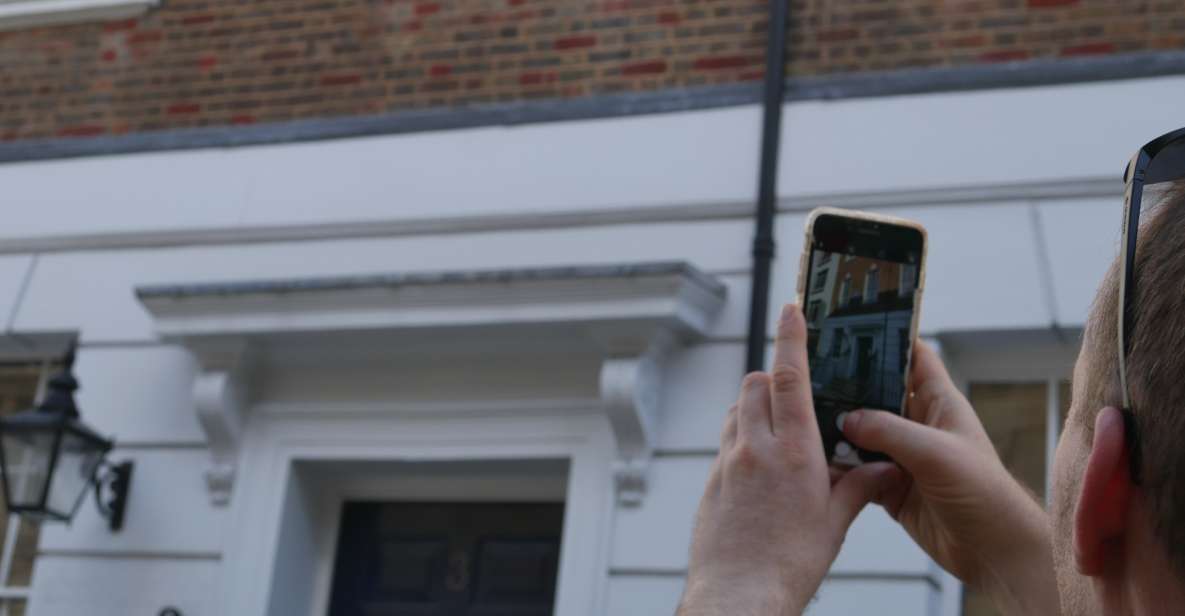
This is a straightforward London meetup point: outside Hard Rock Cafe at 225-229 Piccadilly in the Criterion Building (Piccadilly Circus area). The nearest tube is Piccadilly Circus, using the Bakerloo or Piccadilly lines, and you exit toward the statue of Eros.
Why I like this start: you’re already in the kind of West End streets where you can easily orient yourself. And because this is a walking tour that runs about 2 hours, meeting in a busy, landmarky area keeps the “where do we go now?” stress low. If you’re the type who likes to be done with logistics quickly, you’ll appreciate how clean the starting point is.
Before you go, wear shoes that can handle cobblestones and curb steps. This kind of tour is short, but London sidewalks still demand good footing.
You can also read our reviews of more walking tours in London


Gazing up at the rooftop tied to the Beatles’ last time together
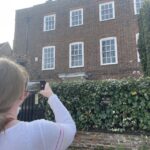
Early in the walk, you’ll focus on one of the most famous Beatles images: you’ll be looking up at the roof where the band performed together for the last time. Even if you think you already know the story, the power here is physical. Seeing the space from street level makes the moment feel less like a music video and more like something that happened in an actual London neighborhood.
Here’s what this stop gives you, beyond fandom:
- A mental time machine. Rooftop stories land better when you can actually picture the view and scale.
- A shift in tone. The tour’s narrative doesn’t keep it all light. It helps you understand the weight of late-era Beatles moments.
Keep your head up (literally). It’s the kind of spot where you’ll want photos, and you’ll also want a second to just look and take in the setting.
John Meets Yoko: the art exhibition connection you’ll remember
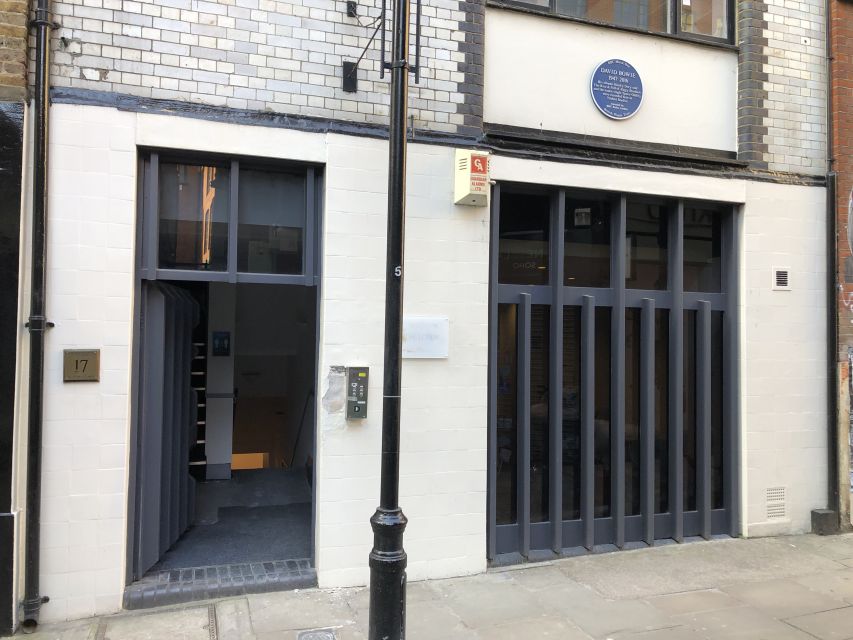
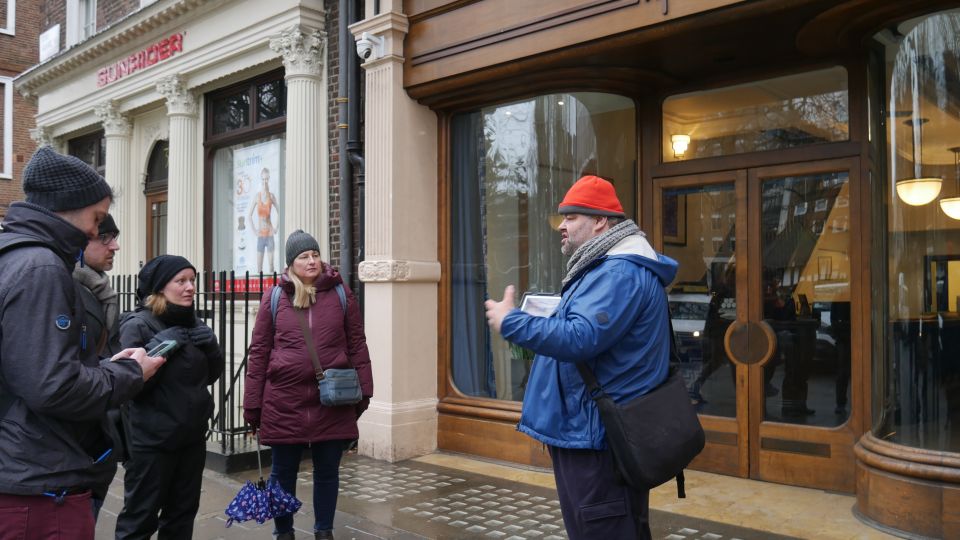
Next, the tour moves from street scenes to meeting-room history—specifically John and Yoko’s first encounter through Yoko’s art exhibition. This is a smart choice for a walking tour because it shows the Beatles story isn’t only about guitars and stages. It’s also about ideas, art circles, and how creative worlds bump into each other.
What you learn to look for on this stop:
- How culture and music overlap in real ways, not just as a caption under a photo.
- Why the Beatles era can’t be reduced to chart numbers. The tour positions it as a creative collision.
If you like character-driven storytelling, this one lands. It’s also helpful if you’re new to the Beatles story and want an entry point that isn’t purely technical music talk.
Royal Variety Performance: where pop history got made
Another major anchor is the Beatles at the Royal Variety Performance. The tour explains how the band made pop history there—meaning this wasn’t just another gig. It was a public stage where mainstream entertainment and youth culture collided in a way that mattered.
I like this stop because it reframes the Beatles from a band that simply broke records into a band that changed what pop could be. When you understand the context of a performance like this, you start hearing the music differently. You also gain a sense of how British cultural institutions responded to a new kind of pop phenomenon.
Practical tip: listen closely here. The tour’s best moments are the ones where the guide connects the street location to why that location mattered at the time.
Carnaby Street: Soho’s fashion corridor and the image machine
Then you’re walking Carnaby Street, Soho’s fashion center. This isn’t there just for atmosphere. Carnaby is where you can feel how the Beatles era worked as a full package: sound, style, media attention, and youth identity all feeding each other.
What makes this stop valuable is that it links music to the look of the 1960s. You start to see why certain songs caught on when they did, and why the Beatles became more than a band in the public imagination.
If you want souvenir-friendly browsing after the tour, Carnaby Street is also a good area to extend your day. Even if you don’t shop, you can still enjoy the classic London street energy that shaped the era.




Ronnie Scott’s jazz club: why Soho’s music scene mattered
The tour also heads into Soho’s core music territory, including Ronnie Scott’s jazz club. Even if jazz isn’t your default listening, the point here is cultural. Soho in the 1960s didn’t just run on pop radio. It ran on a wider music ecosystem where genres influenced each other.
I like this stop because it helps you avoid the “all Beatles, all the time” trap. You learn how the Beatles fit into a bigger scene. That broader lens can make Beatles songwriting feel more connected to the world it came from.
The guide’s job here is to connect dots. Your job is to pay attention to the why: why jazz clubs, why Soho, and why those rooms mattered to how music reputations formed.
A recording studio stop that went beyond the Beatles
You’ll also see a recording studio connected to the Beatles that was later used by other rock icons. This is a great angle for a walking tour because it shows continuity. Music-making spaces often host more than one “golden era,” and studios become part of the story just like stages do.
What to take from the stop:
- Studios are where talent meets process. You’re not only learning about fame; you’re learning about the work.
- Shared spaces create shared influence. If other rock legends used the same studio, that tells you the Beatles weren’t alone in pushing boundaries.
One note: this tour is not built around Abbey Road Studios, so if Abbey Road is your must-see, you’ll need a separate plan for it.
The business side: royalties and spin-off companies that kept money moving
This tour doesn’t pretend the Beatles story is only art. There’s also a business track, with a look at music royalties and how Beatles spin-off companies generated revenue over decades—powered largely by a loyal global fanbase of millions.
I appreciate this part because it answers a question many people never ask: how does a cultural phenomenon keep working long after the original years? Learning about royalties and the business structure makes the Beatles story feel more real and less myth-only.
It’s also genuinely interesting if you like practical thinking. You start to see that the Beatles brand (songs, recordings, licensing, and related companies) became a machine—one that still hums because people keep caring.
Your 2-hour game plan (and how to enjoy it)
With a duration of 2 hours, this is a “great hits” tour. You’ll be moving through key areas of Soho and Mayfair and hitting several story-based stops. That time limit is actually a feature. It keeps you from turning the walk into a half-day slog.
To get more out of it:
- Keep one ear on the guide and one eye on the buildings. These tours work when you actively watch the surroundings.
- Have your phone ready for skyline looks and street views, especially at the roof-related stop.
- If you hate rushing, arrive a few minutes early so you can settle before the group starts.
And since it’s a live guide in English, you can follow details without relying on translation apps. That matters when the tour is talking about meeting points, performance context, and the business side.
Price and value: why $22 feels fair for a London walk
At $22 per person for a 2-hour guided walking tour, the value comes from concentration. You’re paying for a guide to connect multiple landmarks—rooftop moment, Yoko’s exhibition story, Royal Variety Performance, Carnaby Street, Ronnie Scott’s jazz setting, and a studio stop—into one coherent narrative.
In London, guided time adds up fast, so the fact that this is a tight schedule helps. You’re getting a tour built around “more story per minute,” not a long route that burns your afternoon.
If you’re a Beatles fan, this is a good way to see locations that you’d otherwise only notice in passing. If you’re not a diehard, it still works because the tour points out why music culture formed the way it did in Soho.
Who this tour suits best (and who should consider alternatives)
This is ideal if you:
- Like walking tours that tell stories tied to specific streets and venues
- Want a Beatles experience focused on London locations around Soho and Mayfair
- Enjoy both music culture and the business behind the music
It’s not suitable for people with mobility impairments, since it’s a walking format.
Also, be honest with yourself about what you want most. If Abbey Road Studios is the main goal, this tour won’t cover it. You’ll need to add that separately.
Should you book this Beatles Walking Tour of Soho and Mayfair?
Yes, if you want a fast, focused Beatles London story with stops that connect performance, art-world encounters, and the music business.
Book it if:
- You’re excited by the street-level feeling of iconic moments (especially the roof stop)
- You want Carnaby Street and Ronnie Scott’s jazz context, not just generic Beatles plaques
- You like a guide who can keep the mood light while still making the details click, like Michael’s humor or Spencer’s enthusiasm
Skip it (or plan something else) if:
- Abbey Road Studios is your non-negotiable must-see
- You need an itinerary that fits mobility needs
If your ideal London day is a compact walk with real-world context and good guide energy, this one is easy to recommend.
FAQ
Where does the tour start?
The meeting point is outside Hard Rock Cafe, 225-229 Piccadilly, Criterion Building, London W1J 9HR.
How long is the London Beatles walking tour?
It lasts 2 hours.
How much does the tour cost?
The price is $22 per person.
Is Abbey Road Studios included?
No. The tour does not include a visit to Abbey Road Studios.
What language is the tour guide?
The tour guide provides the tour in English.
Is this tour suitable for people with mobility impairments?
No, it is not suitable for people with mobility impairments.