REVIEW · LONDON
London: Winston Churchill and London in WWII Walking Tour
Book on GetYourGuide →Operated by Urban Saunters Ltd · Bookable on GetYourGuide
Big Ben has a second job: wartime memory. This walking tour turns central Westminster into a WWII story you can walk along at street level.
I really like the way the guides bring the era to life with sharp storytelling and humor, and you may even get guides like Nathan or Richard, both mentioned by name in past groups.
You also get a focused sweep of major landmarks, from 10 Downing Street to the Westminster Abbey area, explained through what Britain faced during the war. One heads-up: entrance tickets to the sights (and the Churchill War Rooms) aren’t included, so you’ll be doing a lot of this outside and you may want to add ticket time later.
In This Review
- Key things that make this walk work
- Walking Westminster like it’s 1940s London
- Where you meet: Westminster Station Exit 2 and the orange sign
- The Battle of Britain memorial sets the wartime lens fast
- Houses of Parliament and Big Ben: more than postcard views
- Westminster Abbey: national identity meets wartime remembrance
- The Cenotaph and the reality check of sacrifice
- Ministry of War, Whitehall, and Downing Street: where decisions had weight
- Churchill’s War Rooms finale: step right up, then decide
- Price and value: what $39 buys you in central London time
- Who this tour suits best
- My booking advice: when to choose shared vs private
- Should you book this WWII Westminster walking tour?
- FAQ
- How long is the London: Winston Churchill and London in WWII Walking Tour?
- Where do I meet the guide?
- Is the tour private or shared?
- What’s included in the price?
- Are entrance tickets included for landmarks or the Churchill War Rooms?
- What should I bring?
- Is the tour suitable for wheelchairs or mobility impairments?
Key things that make this walk work
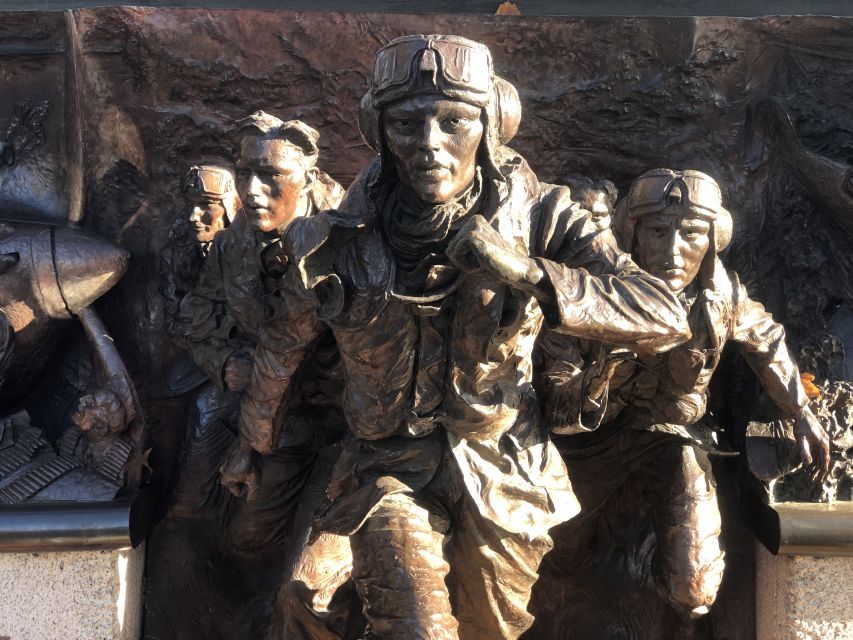
- You start at the Battle of Britain memorial, setting the tone right away
- Big Ben, Westminster Abbey, Downing Street, and Whitehall all get wartime context
- The guide matters a lot, with named guides like Nathan, Richard, Francis, Rosie, and Amber showing up in bookings
- It’s built for story-first learning, not a stop-and-snap photo route
- You finish at Churchill’s War Rooms, a natural point to continue on your own
- Shared or private format lets you match pacing and attention level
Walking Westminster like it’s 1940s London
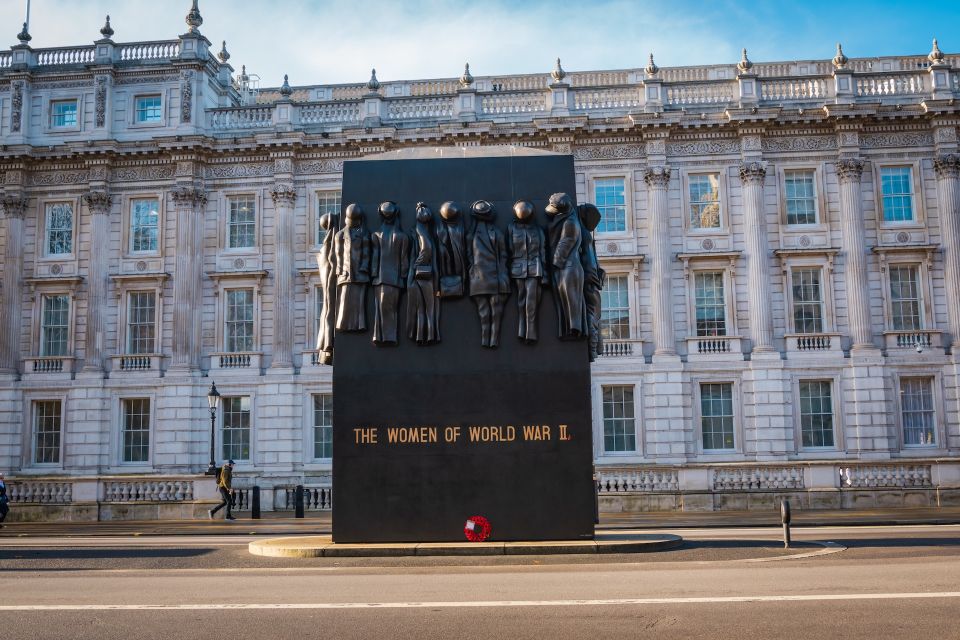
The best part of this tour is the angle. You’re not just seeing famous buildings. You’re learning what they meant when Britain was under pressure, with leadership, planning, and daily endurance all tied to this same stretch of London.
And since your guide keeps the narration rolling between landmarks, you don’t get the usual feeling of, Here’s a building, next building, goodbye. Instead, you get a chain of cause-and-effect: government decisions, public life, and national resolve all show up in the places you’re already looking at.
Most tours like this live or die on the guide. The good news here is that the storytelling gets repeat praise. People mention guides who can talk about both big moments and the everyday reality, with anecdotes that go beyond what you’d pull from a basic guidebook. That style is exactly what makes a short walking tour feel longer—in a good way.
You can also read our reviews of more walking tours in London



Where you meet: Westminster Station Exit 2 and the orange sign
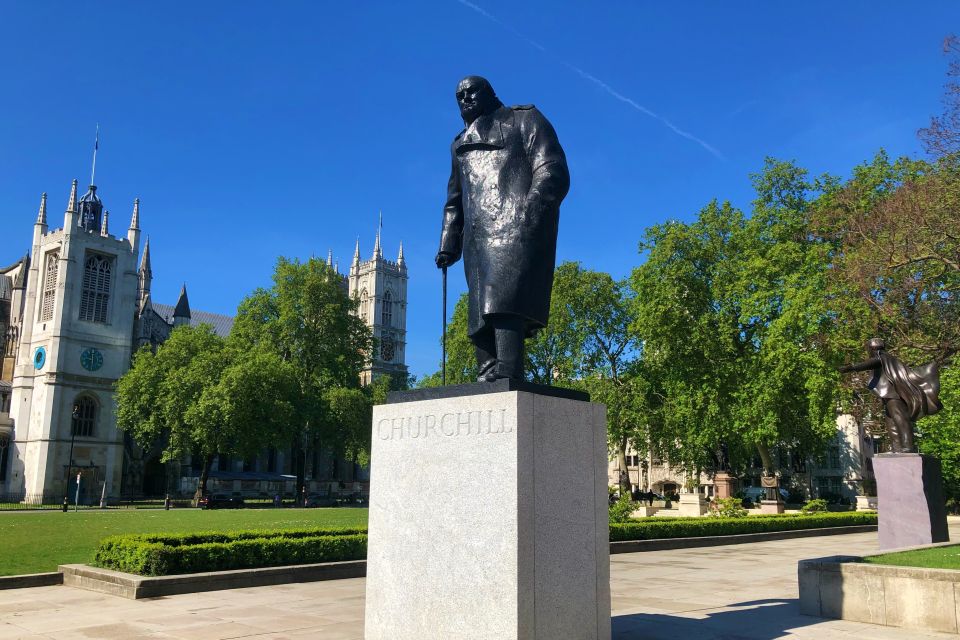
Plan to arrive a few minutes early. The meeting point is outside Westminster Station at Exit 2, by Boadicea and Her Daughters Statue. Your guide will be holding an Urban Saunters orange tour sign.
From there, the walk builds toward the first big historical anchor. If you’re using public transport, this location is easy to reach, but it’s still a walk with real sidewalks and some stairs for street level. Wear comfortable shoes and keep your pace steady.
Two small constraints matter. You won’t want to show up with luggage or large bags, and this tour isn’t set up for wheelchair users or people with mobility impairments.
The Battle of Britain memorial sets the wartime lens fast
The tour begins outside the Monument to the RAF, a memorial linked to people who took part in the Battle of Britain during WWII. Starting here matters because it frames everything that follows.
You’ll hear how the war shaped everything around Westminster, not only the political side but the human side too: fear, stamina, leadership under stress, and the long stretch of waiting for the next knock at the door. It’s a strong opening because it turns the whole neighborhood from tourist zone into something more serious and personal.
Houses of Parliament and Big Ben: more than postcard views
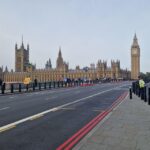
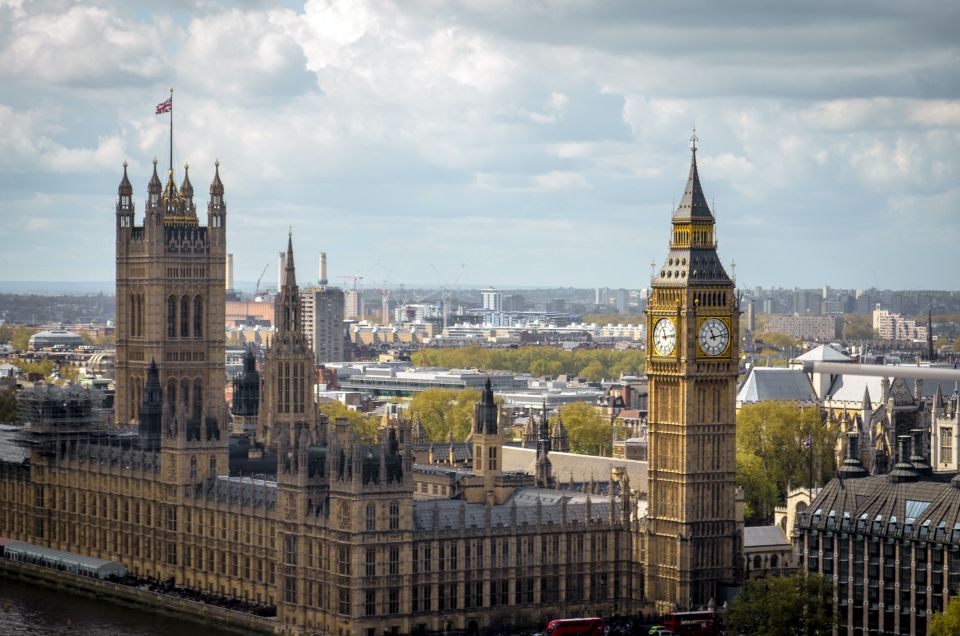
Your walk goes past the Houses of Parliament and you’ll see Big Ben in the mix. In daylight, this area feels grand and solid. In wartime terms, it was also a nerve center—symbols of national continuity paired with the reality that decisions had real consequences.
What I like about this section is how the guide connects the architecture to the job being done. You’re not asked to memorize dates. You’re taught what leaders had to handle and why Westminster stayed at the center of British life when the country was under siege.
Expect plenty of context about WWII impact and how Britain coped—shared by telling you the story of the people and processes behind the scenes. People consistently praise guides for mixing biographies and anecdotes with the broader picture, and this is where that storytelling really fits.
Westminster Abbey: national identity meets wartime remembrance
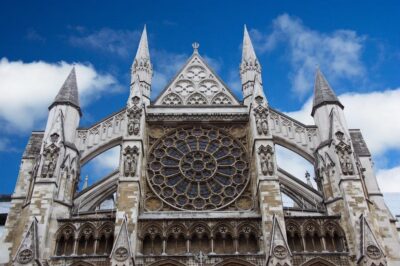
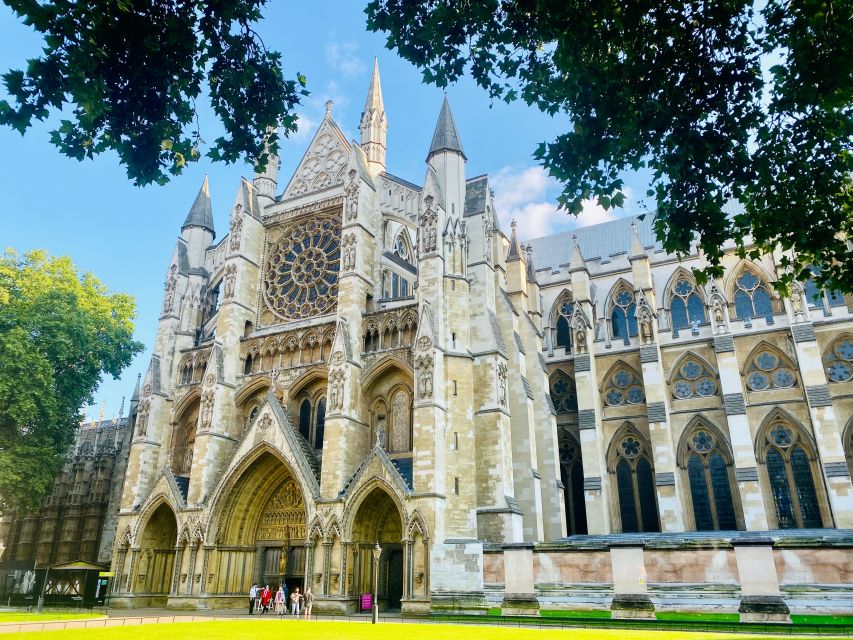
Next comes the Westminster Abbey area, one of the most meaningful landmarks in the whole city. On a normal visit, you might think of Abbey tours as art, architecture, and monuments.
Here, it gets pulled into WWII framing. Your guide ties the site back to what the war meant for Britain’s identity and public mourning—why places like this mattered when the nation was taking losses and trying to hold steady.
You won’t be standing still for long. This is a moving tour, so the goal is to understand the landmark while you’re still near it, then carry the theme forward as you walk.




The Cenotaph and the reality check of sacrifice
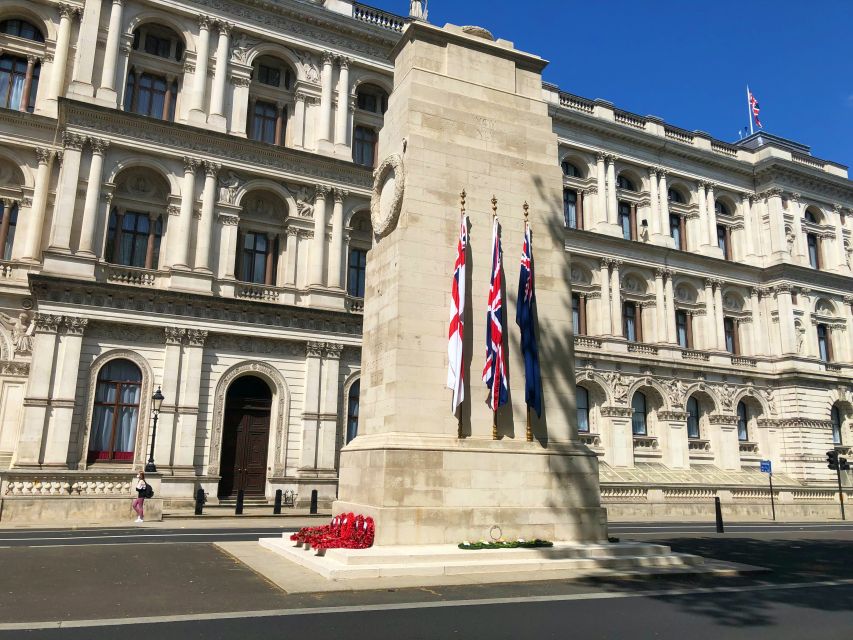
You’ll pass the Cenotaph, and this stop is a useful course correction for anyone who thinks of WWII as just battles and speeches. The Cenotaph brings you back to remembrance and the cost in human lives.
In the tour flow, this works well as a “pause and reflect” moment, even though you’re still walking. Your guide’s job is to help you connect the monument to the living memory of the war—what it meant to families, communities, and the wider public trying to function day to day.
Ministry of War, Whitehall, and Downing Street: where decisions had weight
One of the reasons Westminster is such a strong place for a WWII tour is that it stacks government functions in a tight area. You’ll see and learn about the Ministry of War, Whitehall, and 10 Downing Street.
Here’s what makes this section valuable: it gives you a sense of how command and administration worked in wartime London. It’s not just that Churchill was important. It’s that the systems around him—planning, coordination, and day-to-day management—were what kept the machine running when everything was under pressure.
People mention guides answering questions and keeping the pace moving without making it feel like a sprint. That pacing matters here. If you rush this part, you lose the connections between buildings. With the right guide, you’ll come away with a clearer picture of how Westminster operated during the crisis.
Churchill’s War Rooms finale: step right up, then decide
The tour ends outside Churchill’s War Rooms. Your guide will leave you here so you can explore if you want.
This is a smart wrap-up point because the “big story” lands somewhere you can actually picture: strategic bunkers where Churchill and the cabinet conducted their WWII work. The building is about as literal as it gets, which makes it a natural final beat after hearing about leadership and wartime governance on the walk.
Just remember the key practical point: entrance tickets aren’t included. So you have two choices. If you want the inside experience, plan to buy tickets separately. If you just want the context and exterior orientation from the walk, you can still get plenty out of the finale.
Price and value: what $39 buys you in central London time
At $39 per person, this is priced like a “short guided experience” for a high-demand part of London. The value comes from what’s included: a 1.5-hour guided walking tour (with duration that can run up to about 3 hours) plus an English-speaking local expert guide.
For that money, you’re paying for interpretation—turning famous sights into a coherent WWII narrative. And that only works if the guide is good. Based on repeated feedback in bookings, the guide quality is a major selling point, with people praising storytelling skill and humor, not only facts.
The only cost caveat is optional add-ons. Since entrance tickets to named monuments (and the Churchill War Rooms) are not included, you may spend more if you want to go inside several sites.
Who this tour suits best
This tour is a strong fit if you:
- Want WWII context in a concentrated area around Westminster
- Like history explained through real people and real moments, not just a timeline
- Enjoy walking with a guide who tells stories and answers questions
- Are traveling with kids who are into military history (there’s at least one mention of a 10-year-old staying interested)
It may be less ideal if you:
- Need full wheelchair access or have mobility limitations, since the tour is not suitable for wheelchair users
- Want lots of indoor time without buying extra tickets
- Prefer long museum-style stops instead of moving narration
My booking advice: when to choose shared vs private
The tour offers a choice between a shared group and a private walking tour. If you want maximum flexibility—more time at a specific stop, or fewer pacing worries—private can be worth it. Shared is a good way to meet other history-minded people while still getting the guide’s stories in a group setting.
One more timing note: start times can vary, and one guest called out an early 9am slot as too soon. If you’re not a morning person, check the available times before you lock it in.
Should you book this WWII Westminster walking tour?
Yes, if your goal is to understand what Westminster meant during WWII in a short, guided format. This is the kind of tour that can make famous landmarks feel personal again—Big Ben, Downing Street, Whitehall, and the Abbey area all start pointing to the same story of leadership and endurance.
Book it especially if you care about the human side: anecdotes, biographies, and everyday reality alongside the headline political moments. Just budget for possible extra ticketing if you want to go inside the Churchill War Rooms or other named sights.
If you want a London walk that moves fast but thinks deeper, this is a solid pick.
FAQ
How long is the London: Winston Churchill and London in WWII Walking Tour?
The duration is listed as 1.5 to 3 hours. A guided walking tour of Westminster is described as 1.5 hours, with timing depending on the scheduled start.
Where do I meet the guide?
Meet your guide outside Westminster Station, Exit 2, next to the Boadicea and Her Daughters Statue. The guide will be holding an Urban Saunters orange tour sign.
Is the tour private or shared?
You can choose between a shared group or a private walking tour.
What’s included in the price?
Included is a guided walking tour of Westminster and an English-speaking local expert guide.
Are entrance tickets included for landmarks or the Churchill War Rooms?
No. Entrance tickets to named monuments and entrance tickets to Churchill War Rooms are not included.
What should I bring?
Bring comfortable shoes.
Is the tour suitable for wheelchairs or mobility impairments?
No. The tour is not suitable for people with mobility impairments and wheelchair users.