REVIEW · LONDON
Royal London: from Saxons to Tudors & Stuarts Walking Tour
Book on GetYourGuide →Operated by Reign of London · Bookable on GetYourGuide
London’s royal story is shorter than you think. This 2-hour walking tour moves from Saxons to Tudors and Stuarts, and it ties big names like Henry VIII, Anne Boleyn, Shakespeare, and Charles I to the exact street-level spots you can see. I especially like the small group vibe and how the guide connects the era to what’s in front of you, not just a lecture. The main drawback is simple: it’s outside only and there are no entry tickets or indoor stops, so if you want museums or sheltered time, this may not be your best fit.
What really made it click for me is the way the guide balances familiar royal scenes with less-common context—so you get the timeline, but you also get the “how did we get here?” details. On one recent tour, the guide Natalie brought a sense of humor and a lot of behind-the-scenes framing, while another guide, Nichole, was friendly and quick with insightful answers. One other consideration: it’s a steady walk for the full two hours, so plan for comfy shoes and rain-ready clothes.
Meet at the entrance to Waterstones at Trafalgar Square (WC2N 5EJ). You’ll find a live English guide who’s described as a quirky short lady, and the tour stays focused on the walking route and the history tied to key sites. Expect rain or shine, and expect the guide to keep the pace brisk enough that the time feels like it flies.
In This Review
- Key highlights that make this tour worth your time
- Why this Royal London walk covers Saxons to Stuarts in just two hours
- Trafalgar Square start: the small-group format and how to work the route
- Saxons, William Conquer, and the early monarchy setup you’ll actually remember
- The former royal palace site: how power concentrates in one place
- Tudor London: Henry VIII and Anne Boleyn where the marriage story lands
- Stuart drama and Charles I: following the footsteps to execution
- Shakespeare and the Stuart-era premiere angle you can place on a map
- Who this tour suits best (and who might want a different option)
- Price and value: why $29 for 2 hours can be a smart spend
- What to bring, how to dress, and how to avoid a miserable two hours
- Should you book Royal London: from Saxons to Tudors & Stuarts?
- FAQ
- How long is the Royal London: from Saxons to Tudors & Stuarts Walking Tour?
- Where do I meet for the tour?
- Is the tour inside or outside?
- What language is the tour in?
- Is it a small group?
- Do I need comfortable shoes?
- Will the tour run in bad weather?
- Are there toilets available during the tour?
- Is this tour suitable for children?
- Is the tour wheelchair accessible?
- Can I get a refund if my plans change?
Key highlights that make this tour worth your time
- Saxon-to-Stuart timeline in real London locations, without rushing through names only
- The site of the largest former royal palace once stood—where power shifted over centuries
- Shakespeare-premiere focus in a Stuart-era setting connected to first performances
- Charles I’s downfall told through the story of the love-torn king who ended up executed
- Henry VIII and Anne Boleyn: learn where their marriage fits into the Tudor turning point
- Small group of max six, so questions actually get answered
Why this Royal London walk covers Saxons to Stuarts in just two hours
This tour works because it treats London like a living timeline. Instead of trying to cover every monarch you’ll ever hear about, it gives you a clean backbone from the Saxon era through the Tudors and into the Stuarts—so you leave with a mental map you can actually use.
You’ll also notice the guide doesn’t just drop dates. The best moments come when the story explains why people acted the way they did: succession anxiety, political control, religion, and personal relationships at the center of rule. That’s why the topics you expect—William Conquer, the Tudors, and the Stuarts—feel connected rather than like separate trivia lists.
And you’ll probably appreciate the approach if you like British period dramas. The guide steers you toward the real-life mechanics behind those stories, including how some rulers are not always front-and-center in films and shows. That angle helps you spot where TV simplifies reality.
You can also read our reviews of more walking tours in London



Trafalgar Square start: the small-group format and how to work the route
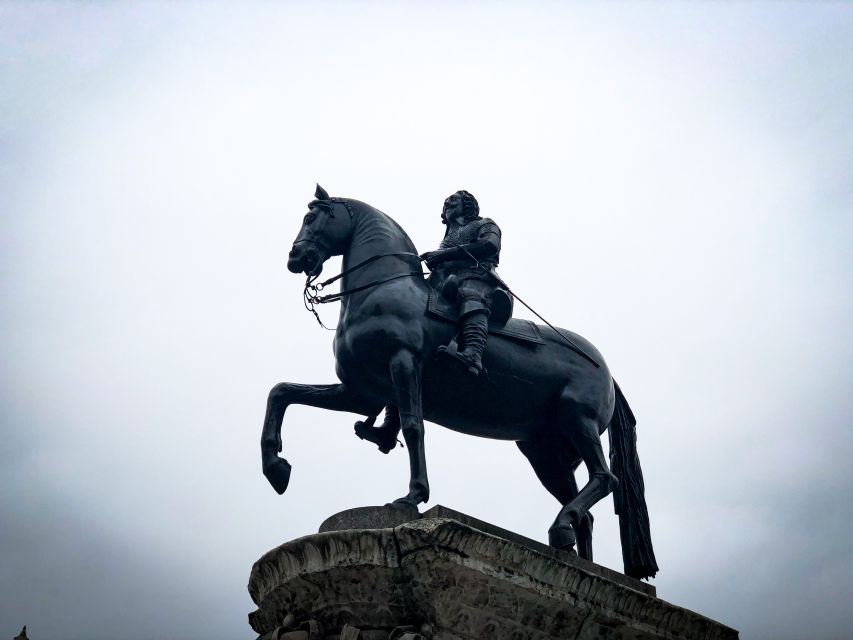
The meeting point is practical: the entrance to Waterstones at Trafalgar Square, WC2N 5EJ. If you’re arriving by Tube, give yourself a few extra minutes to orient around the square before you look for your guide.
The group stays tiny—limited to six attendees—which matters more than it sounds. When you’re in a micro-group, the guide can slow down for questions and adjust to what you’re curious about, rather than delivering a one-size-fits-all script. It also helps you follow the story as it links to what you’re seeing outdoors.
One small detail I liked from the reviews: guides like Natalie and Nichole were described as humorous and willing to respond confidently to questions. That combination keeps a two-hour walk from turning into a nonstop monologue.
Saxons, William Conquer, and the early monarchy setup you’ll actually remember
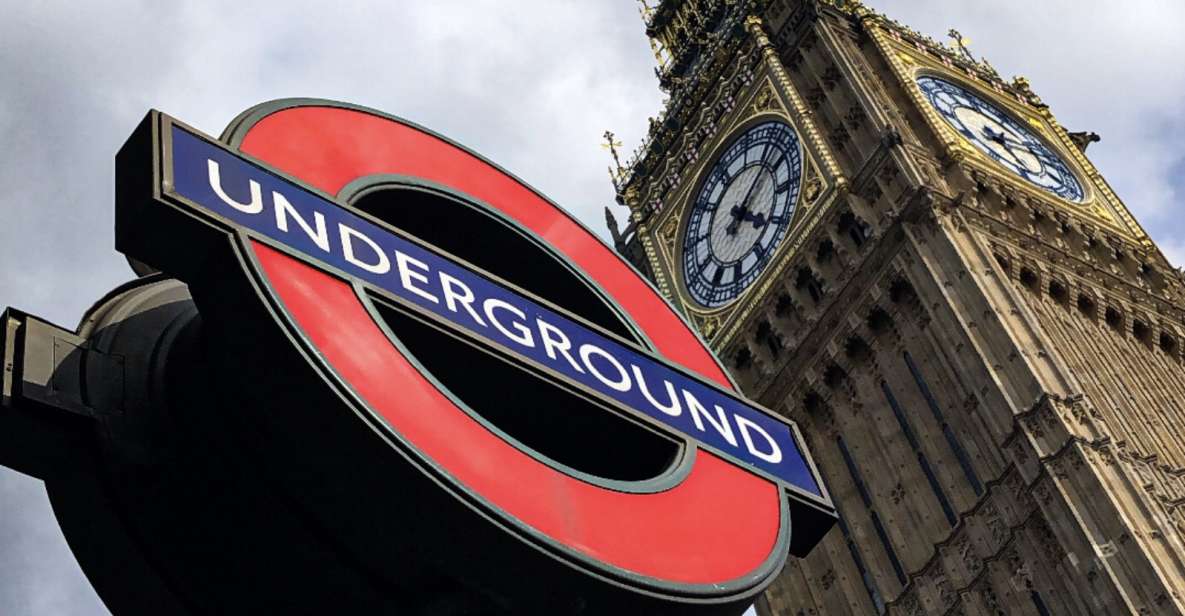
The Saxon-to-Norman shift is where a lot of London’s royal story starts making sense. You’ll hear about what William Conquer did and why the early monarchy matters for everything that follows. You’ll also get a pointer toward Edward the Confessor, which sets up the bigger “who had legitimacy” question that keeps showing up later.
The way the tour frames this early period is useful because it stops the story from feeling like a straight line of kings. Instead, you learn the undercurrent: each change in power brings new claims, new political games, and new reasons London becomes important.
What to pay attention to as you walk during this section:
- Listen for the cause-and-effect links: conquest leads to new structures of control
- Watch for how the guide sets up later Tudor and Stuart events, so names don’t feel random
If you’ve only met this era through textbooks, this part helps you put characters into context. If you’ve met it through TV, this part gives you the real-world background those shows often compress.
The former royal palace site: how power concentrates in one place
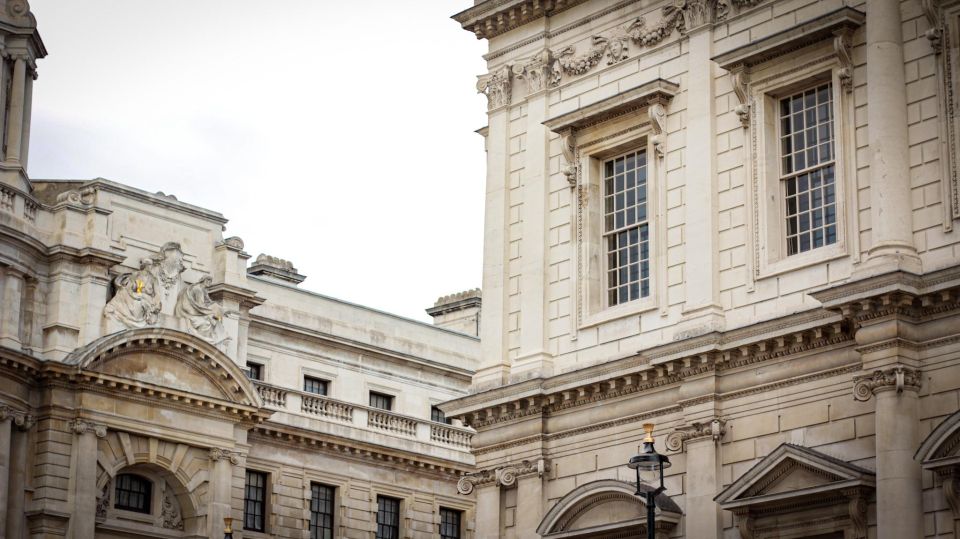
One highlight is exploring the site where the largest royal palace once stood. Even without going inside, this moment gives you a strong sense of scale and authority—because a palace site isn’t just architecture. It signals where decisions were made, where influence gathered, and where the public drama of monarchy actually played out.
This is one of those segments where the guide’s explanations matter. The palace isn’t being treated as a static monument. It’s treated like a stage: who moved through those spaces, how the court functioned, and why that matters for understanding later Tudor and Stuart conflicts.
A practical note: because the tour stays outdoors the entire time, you’ll rely on the guide’s pointing and the story you’re hearing. If you like a visual anchor, this is a strong stop to keep your attention glued to the narration.
Tudor London: Henry VIII and Anne Boleyn where the marriage story lands
The Tudor thread is built around one of the most consequential royal relationships of all time: Henry VIII and Anne Boleyn. The tour includes the place where Henry VIII married Anne Boleyn, and it uses that point to show why this marriage wasn’t just romance or scandal—it was a political turning point.
If you only know the Tudor period from headlines, this part helps you connect the personal to the national. You’ll hear how a love story becomes governance, and how decisions made in private quickly turn into public consequences.
How to make the most of this section while walking:
- Keep an ear out for why the marriage mattered to power and legitimacy
- Think about the timing—what changed after this moment, not just what happened next
Also, if you enjoy the feel of period drama, this is where the tour feels the most human. It’s not only about policy; it’s about what happens when private convictions collide with the machinery of monarchy.




Stuart drama and Charles I: following the footsteps to execution
The Stuart era part of the tour follows the story of the love-torn king who was doomed to be executed. That’s Charles I, and the tour treats his downfall as both tragic and deeply political.
This section is valuable because it frames execution as the end of a long struggle, not as a random, sensational ending. You learn what it meant for a king to lose control, and you get the emotional weight without ignoring the power struggle that caused it.
What you’ll likely enjoy here is the sense of narrative flow. The guide connects Tudor outcomes to Stuart tensions so Charles I doesn’t feel like he appeared out of nowhere. Instead, he feels like the result of earlier decisions.
If you prefer history that reads like a story, this is a high-impact segment. If you prefer history that explains systems, it still delivers, because it gives you a reason the conflict escalated the way it did.
Shakespeare and the Stuart-era premiere angle you can place on a map
One highlight is the Stuart gem where Shakespeare premiered his plays. The wording here matters: this isn’t a generic Shakespeare walk. It’s tied to the Stuart period and focused on what it meant to stage plays during that time.
You’ll likely come away with a better sense of why performances mattered beyond entertainment. Court culture, public attention, and political mood all shape what gets produced and how audiences interpret it. And when you attach that to a specific place, it becomes easier to remember.
In practice, you’ll be listening for how the guide links the premiere story to the wider monarchy narrative you’ve already been hearing. That layering helps you keep both the literary and the political threads in your head at the same time.
Who this tour suits best (and who might want a different option)
This tour is best for:
- People who want big-name monarchy with practical place-based storytelling
- Fans of British period dramas such as The Tudors, Becoming Elizabeth, Gunpowder, The White Queen, Mary & George, and Outlander
- Travelers who like asking questions and prefer a guide who can answer in plain language
It may not be ideal if:
- You want an indoor itinerary with museum-style stops
- You’re hoping for wheelchair-friendly access; the tour is not suitable for wheelchair users and people with mobility impairments
- You’re traveling with children under 13; the tour is not suitable for them
The good news is that the guide’s humor and the compact group size can make the learning feel lighter than you’d expect for monarchy. Reviews also mention the walk isn’t overly strenuous for the time you’re out there, but you should still plan for steady outdoor walking.
Price and value: why $29 for 2 hours can be a smart spend
At about $29 per person for a two-hour outdoor tour, the value depends on what you expect to get.
You’re paying for:
- A live English guide
- A small group limited to six people
- A place-based story that connects Saxons, Tudors, and Stuarts to sites you can stand next to
You’re not paying for:
- Entrance tickets, museum access, or indoor visits (the tour stays outside)
So it’s a strong value if you care about guidance, interpretation, and context—because that’s the core product. It’s not a bargain if you’re looking for a do-it-yourself audio route with minimal human explanation.
The ratings and feedback make sense for this kind of tour. Guides like Natalie and Nichole are credited with humor, history that fits together, and an ability to answer questions. That human factor is what turns a list of monarchs into something you remember.
What to bring, how to dress, and how to avoid a miserable two hours
This walk runs outside for the full two hours, rain or shine. Bring:
- Comfortable shoes (this is non-negotiable for a smooth experience)
- A bottle of water to stay hydrated
- An umbrella just in case
There are toilets in Trafalgar Square, though opening hours can change. If you’re the type who hates last-minute scrambling, plan quick breaks early rather than mid-story.
Also, because it’s outside the entire time, dressing in layers is a smart move. London weather can change fast, and you’ll want your comfort to match the pace.
Should you book Royal London: from Saxons to Tudors & Stuarts?
I’d book this tour if you want a tight, high-impact way to understand British monarchy. The mix of Saxons, Tudors (Henry VIII and Anne Boleyn), and Stuarts (Charles I and Shakespeare premiere links) makes it feel like a timeline you can actually hold onto. The small group size also means you’re not just watching and listening—you can ask what you want and get answers.
I wouldn’t book it if you’re looking for indoor attractions or accessible routes for wheelchairs and mobility impairments. Also, if you’re traveling with kids under 13, this one won’t fit.
If you’re in London for a short trip and you want the royal story anchored to places around Trafalgar Square, this is a solid use of two hours.
FAQ
How long is the Royal London: from Saxons to Tudors & Stuarts Walking Tour?
It runs for 2 hours.
Where do I meet for the tour?
Please meet at the entrance to Waterstones bookshop, Trafalgar Sq, WC2N 5EJ, UK.
Is the tour inside or outside?
The walking tour takes place outside and does not include visits to places of interest.
What language is the tour in?
The live tour guide speaks English.
Is it a small group?
Yes. The group is limited to six attendees.
Do I need comfortable shoes?
Yes. Comfortable shoes are recommended because you’ll be walking for the full two hours.
Will the tour run in bad weather?
The tour will take place rain or shine, so bring an umbrella just in case.
Are there toilets available during the tour?
Toilets are available in Trafalgar Square, but opening hours are subject to change.
Is this tour suitable for children?
No. It is not suitable for children under 13.
Is the tour wheelchair accessible?
No. It is not suitable for wheelchair users and people with mobility impairments.
Can I get a refund if my plans change?
Yes. Free cancellation is available up to 24 hours in advance for a full refund.