REVIEW · LONDON
Downton Abbey Film Locations & Blenheim Palace Day Tour
Book on GetYourGuide →Operated by International Friends · Bookable on GetYourGuide
Downton Abbey fans get a full day of cinematic real life. You’ll see Downton Village scenes in Bampton and then shift gears to Blenheim Palace, where Winston Churchill was born. The only catch is simple: this is a long day, and food and drink are not included, so you’ll want to budget for lunch and snacks.
I like that the tour uses a luxury mini-coach and keeps the group small (max 16). That combination helps you actually spend time at the places that matter, instead of playing traffic chess. If you’re expecting Highclere Castle as well, adjust your expectations now, because it’s not part of this day.
In This Review
- Key things to look forward to
- Why Oxfordshire makes the Downton-to-Churchill shift work
- Yew Tree Farm (Cogges): the filming setting starts with farmers and land
- Bampton as Downton Village: the specific places you should look for
- Burford lunch in the Gateway to the Cotswolds
- Swan Inn in Swinbrook: a story stop tied to Sybil and Branson
- Blenheim Palace: upstairs, downstairs, and Churchill’s beginning
- Coach comfort and small-group touring that actually feels personal
- Price and value: what you get for about $245 per person
- Who this tour suits best
- Should you book this Downton Abbey film locations and Blenheim day tour?
- FAQ
- How long is the Downton Abbey Film Locations & Blenheim Palace day tour?
- What’s included in the tour price?
- Is lunch or other food included?
- Which Downton Abbey filming locations are visited?
- Do you visit Highclere Castle on this tour?
- How many people are in the group?
- Where do you meet and where does the tour end?
Key things to look forward to
- Yew Tree Farm (Cogges): see filming farmland and hear how tenant farmers and landowners worked the land
- Bampton as Downton Village: Bampton Library, St Mary’s Church, and Crawley-era street scenes
- Burford for lunch: Wool Church views plus time to wander a medieval market town
- Swinbrook Swan Inn stop: a Downton story moment tied to Lady Sybil and Branson
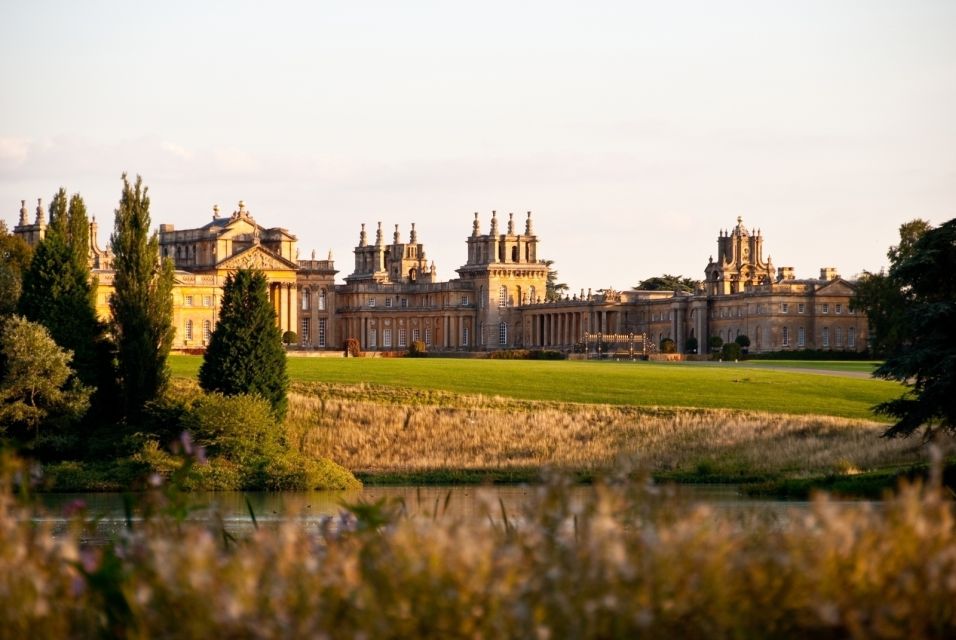
- Blenheim Palace with upstairs/downstairs context: the class system that shaped the place
- Temple of Diana walk: the Churchill proposal spot with a quick story stop at the end of the day
Why Oxfordshire makes the Downton-to-Churchill shift work
This trip takes you out of London and into Oxfordshire’s rolling limestone hills, where the scenery feels custom-made for period drama. You get more than a hit-list of locations. The route is built so the Downton Abbey stops set up how people lived, then Blenheim Palace shows you the power and politics behind that world.
I also like that the day isn’t only about photos. You’ll hear why particular places were used, and you’ll get a sense of the social rules that turn ordinary streets and rooms into Downton-era storylines.
You can also read our reviews of more tours and experiences in London.


Yew Tree Farm (Cogges): the filming setting starts with farmers and land
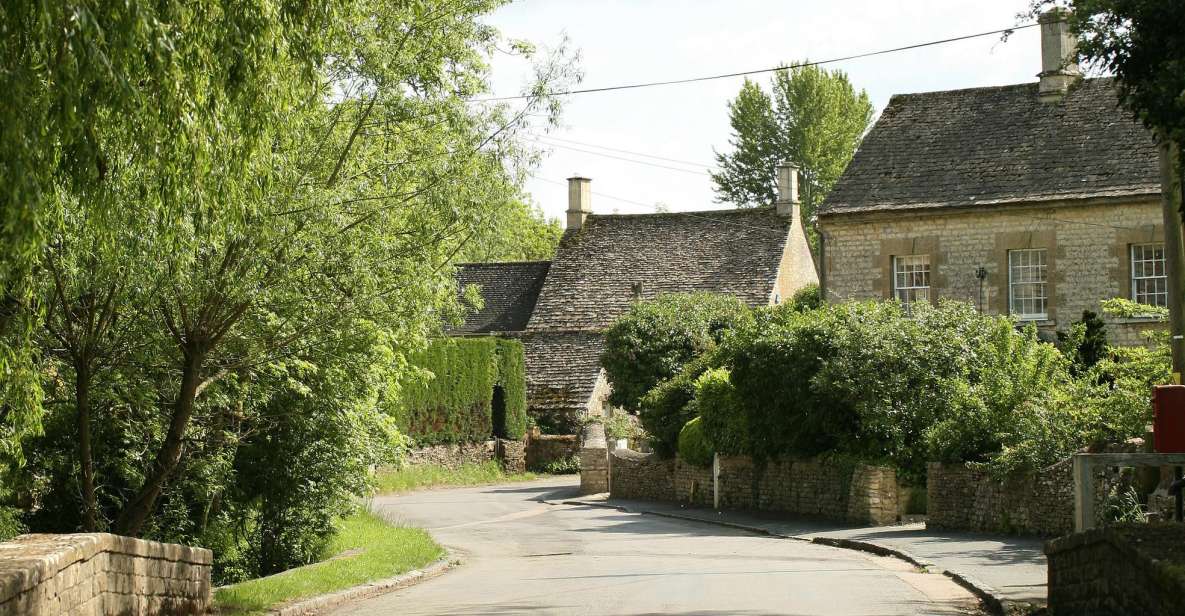
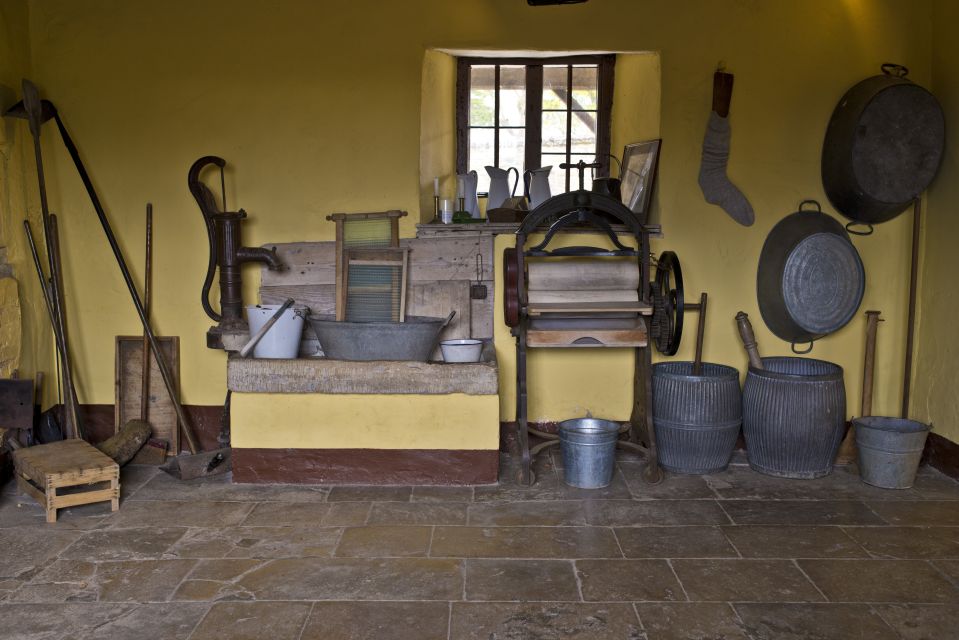
The day opens at Yew Tree Farm in Cogges, one of the key early stopping points. This is where the tour leans into land and labor, not just buildings. You’ll hear about the relationship between tenant farmers and landowners, which gives the whole Downton world a practical base.
Afterward, you can grab tea or coffee at the refurbished Cogges Café. It’s a helpful break early on, because the rest of the day is a mix of driving, walking, and picture stops where your legs will want fuel.
A tip for your shoes: the areas around filming locations can be uneven or worn. Comfortable footwear matters more here than you might expect.
Bampton as Downton Village: the specific places you should look for
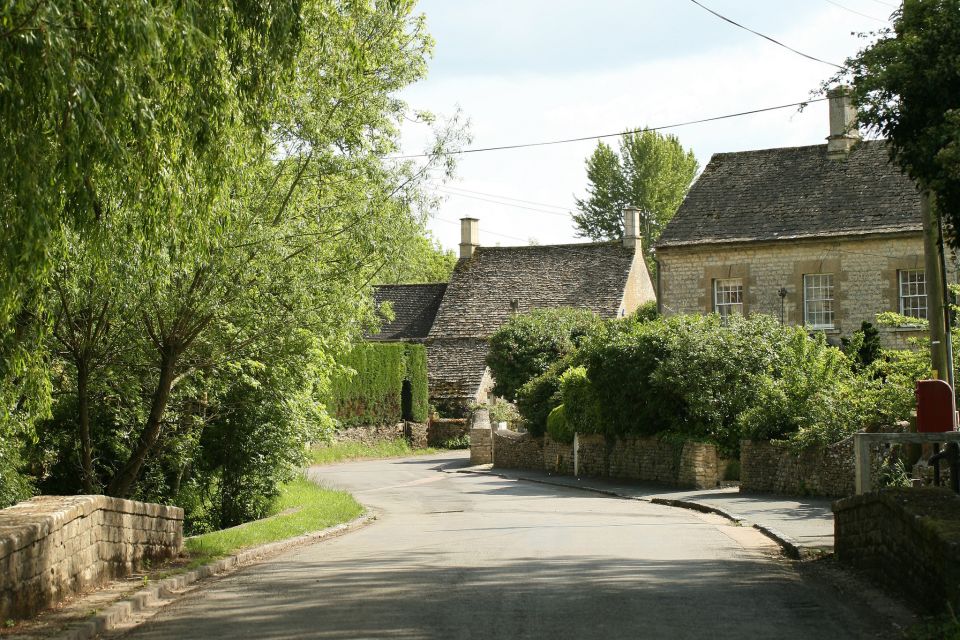
Next you’ll head to Bampton, a Cotswolds village that has been used extensively for Downton Village. The value here is detail. It’s not just, here’s a street; it’s where the story-life moments happened.
Here are the standout locations you’ll connect to Downton scenes:
- Bampton Library: used as Downton Cottage Hospital and the doctors’ surgery
- St Mary’s Church: filmed as Downton Church
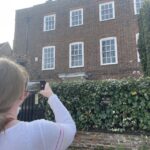
- Churchgate House: shown as the Crawley family home
- A walk along the street scene where you can spot spots tied to shops, the post office, and the Grantham Arms
Even if you remember the show by heart, this stop can still surprise you because the tour gives you waypoints. When you know which doors and windows were used, you start seeing the set like a map.
One consideration: this part includes walking through village streets. You’ll want to pace yourself and keep some energy for Burford and Blenheim later.
Burford lunch in the Gateway to the Cotswolds
Lunch takes place in Burford, known as the Gateway to the Cotswolds. This is a smart choice because Burford gives you a change of tone: you go from filming sites and street scenes into a proper medieval market-town feel.
You’ll have time to see the famous Wool Church, built on the wealth of the wool trade. It’s one of those details that makes the whole region click. The Cotswolds weren’t just pretty backdrops; they were powered by trade, money, and industry.
You also get time to wander. I recommend treating this as your reset window: stop for lunch, use the time to stretch, and then return to your walking pace before the afternoon drive.
Practical point: since food and drink aren’t included, plan to pay for lunch here. If you’re picky or have dietary needs, this is where you’ll be glad you came prepared with a strategy.
Swan Inn in Swinbrook: a story stop tied to Sybil and Branson
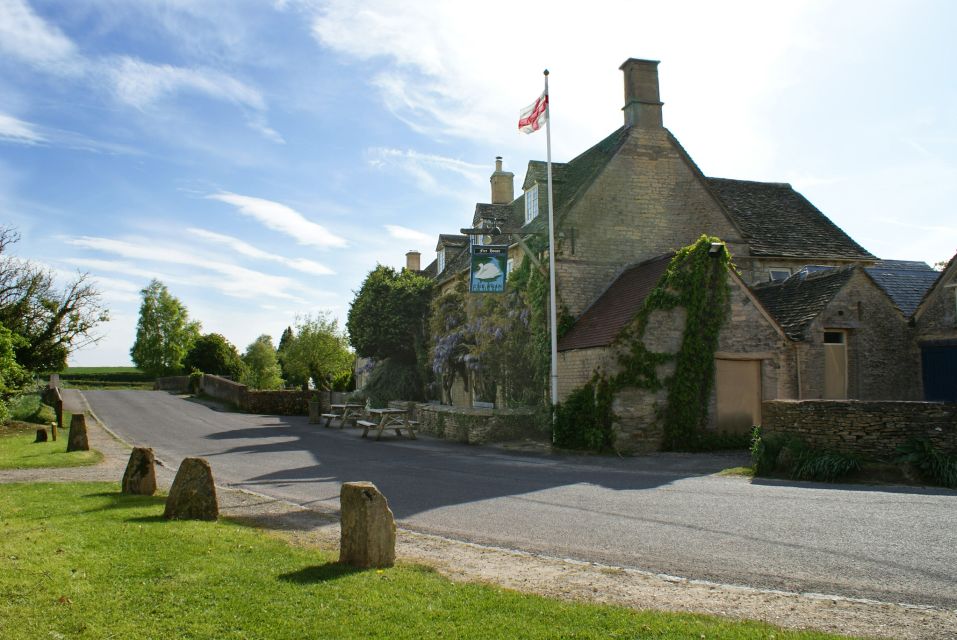
After lunch, you’ll drive through the Cotswolds countryside and make a stop at the Swan Inn in Swinbrook. This is where Downton fans get a tidy storyline moment: it’s the filming site linked to Lady Sybil’s elopement with Branson, the family’s chauffeur.
The good part about this stop is that it’s short and story-led. You’re not stuck in a long detour. You get the scene context, take your photos, and keep moving toward Blenheim.
If you want to get the most out of it, listen carefully during the explanation. Small details from the guide can make the location feel instantly familiar, even when the building looks different in real life than it does on TV.

Blenheim Palace: upstairs, downstairs, and Churchill’s beginning
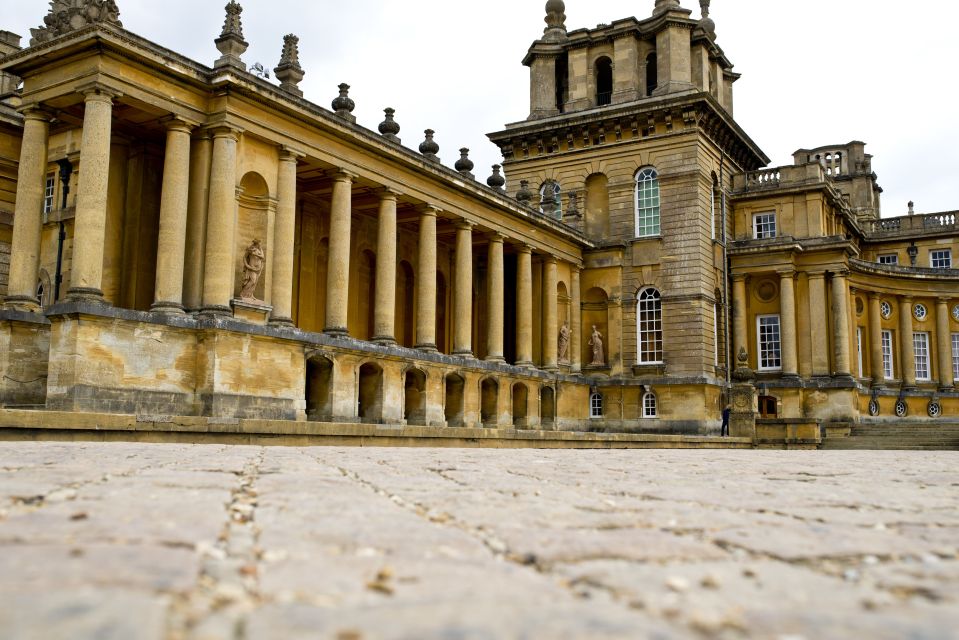
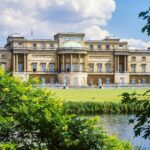
Blenheim Palace is the day’s big shift, and it’s handled in a way that makes it make sense. Before you even step inside, you’ll see the graves of Sir Winston Churchill and Lady Churchill in the village of Bladon. It’s a quiet tonal change right before the grandeur.
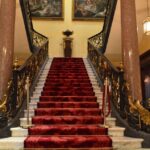
At Blenheim Palace, the tour starts with the contrast between upstairs and downstairs life. That’s not just a clever framing. The palace was built in the early 18th century for John Churchill, the first Duke of Marlborough, and the guide will connect the architecture and layout to class and power.
You’ll learn how the aristocracy lived and how the state apartments grew in importance as you move through the home. It’s a guided path you can follow even if you’re not a palace-architecture expert.
And yes, this is where the Churchill connection lands hard:
- Winston Churchill was born here in 1874.
After the house tour, you’ll walk in the landscaped gardens and stop at the Temple of Diana, the spot where Churchill proposed to Clementine Hozier in 1908. It’s the kind of payoff moment that turns a stately building into a human story.
One more practical note: palace grounds often involve open-air walking after indoor spaces. Bring layers. Even in good weather, the air can feel different by the gardens.
Coach comfort and small-group touring that actually feels personal
You’re traveling by executive mini-coach, and that detail matters more than it sounds. A larger bus can’t reach every stop, and the mini-coach helps you get closer to filming sites and viewpoints without extra shuffling.
The group size is capped at 16 people, which helps the guide keep the day moving at a human pace. When the tour is smaller, you also get more chances for questions and clearer attention when the guide points something out.
This is where the praised guide energy shows up. In the day’s experiences, names like Catherine, Tony, and Amber come up for a reason: the guides don’t just recite dates. They tell stories, engage on the bus while traveling, and keep you from feeling rushed at key stops.
If you want a tour where you feel included instead of processed, this small-group setup is one of the best reasons to choose it.
Price and value: what you get for about $245 per person
At $245.15 per person, this is not a budget day trip. But you’re paying for two things that cost money: dedicated transport by mini-coach and a professional guide for a full day, plus admission to Blenheim Palace.
Here’s how I’d think about the value:
- You’re getting multiple filming locations tied to Downton Abbey, not just one or two
- You’re getting Blenheim Palace entry, where the guided upstairs/downstairs story is a big part of the experience
- You’re in a group of up to 16, which helps the day feel organized and not crowded
What you should know is what you don’t get. Food and drink are not included, and Highclere Castle is not part of the itinerary. If you were counting on a full packaged meal plan or expecting every major Downton location in one day, you may feel the gap.
My advice: budget for lunch in Burford and keep some snack money for later. If you plan your spending, the trip feels fair for the number of stops you cover.
Who this tour suits best
This is a strong fit if:
- You’re a Downton Abbey fan who wants more than a generic stop-and-snap
- You also like learning how class, land, and politics shaped the era
- You’d rather do a small group day trip than fight crowds or self-navigate between scattered locations
- You want a single day that pairs TV nostalgia with a major real-world site tied to Churchill
It’s also a good match if you enjoy guides who talk through story context while you’re on the move, so you arrive at places already primed for what to look for.
Should you book this Downton Abbey film locations and Blenheim day tour?
Book it if you want a full day where the Downton stops actually connect to how people lived, and then Blenheim Palace turns that into a broader picture of Britain’s power structure. The combination of filming locations in Oxfordshire, Blenheim admission, and a small-group mini-coach ride is a solid mix.
I’d pause and reconsider if you’re traveling on a tight food budget, because you’ll be paying for meals and drinks on your own. And if your must-see is Highclere Castle, pick a different option, because this one doesn’t include it.
In short: for a one-day hit of Downton Abbey locations plus Churchill at Blenheim, this is one of the more well-tuned formats.
FAQ
How long is the Downton Abbey Film Locations & Blenheim Palace day tour?
The tour duration is listed as 1 day. Starting times vary, so you’ll want to check availability for the exact departure time.
What’s included in the tour price?
The price includes transportation by executive mini-coach, visits to Downton village (Bampton) and Yew Tree Farm (Cogges), photo stops at Oxfordshire Cotswold villages, admission to Blenheim Palace, and full-day professional tour guide services.
Is lunch or other food included?
Food and drink are not included. You’ll have lunch in Burford, but you’ll need to pay for what you eat and drink.
Which Downton Abbey filming locations are visited?
The tour includes Yew Tree Farm (Cogges) and Downton Village filming in Bampton. It also includes photo stops at Oxfordshire Cotswold villages and a stop at the Swan Inn in Swinbrook.
Do you visit Highclere Castle on this tour?
No. Highclere Castle is not included in this day tour.
How many people are in the group?
It’s a small group tour with a maximum of 16 people.
Where do you meet and where does the tour end?
You start outside the Cumberland Hotel main entrance at Marble Arch (formerly the Hard Rock Hotel), and the tour ends back at the meeting point.