REVIEW · LONDON
French Language : Original Jack the Ripper Tour
Book on GetYourGuide →Operated by See Your City · Bookable on GetYourGuide
One street can change how you see an entire city. This Jack the Ripper walk turns Whitechapel into a crime-scene timeline, with a guide who explains victims, suspects, and why the murders in 1888 mattered so much.
I especially love the way the tour mixes storytelling with case analysis. You’re not just hearing spooky legends; you’re also looking at alleged clues, including photographic evidence, and weighing competing theories.
The only drawback to flag: this is not for sensitive stomachs or young kids. The experience includes graphic details and visual content, so plan accordingly.
In This Review
- Key things that make this tour worth your time
- Jack the Ripper on Foot: Why Whitechapel Still Works
- Meeting at Altab Ali Park: Finding Your Guide Fast
- St Marys Whitechapel Church Memorial: The Start That Sets the Tone
- Whitechapel Streets to Petticoat Lane and Mitre Square
- Spitalfields Market: Where the Neighborhood Pulse Shows
- Ten Bells Pub: The Stop You’ll Remember
- Brick Lane and Christ Church Chelsea: Architecture Meets Theory
- The Detective Work Part: Evidence, Victims, and Suspects
- The Guides: Live Narration in Multiple Languages
- Price and value: What $24 buys you in 2 hours
- Who should do this tour (and who should skip it)
- Should you book the Original Jack the Ripper Tour in French?
- FAQ
- FAQ
- Where does the tour start?
- Where is the nearest Underground station?
- How long is the tour?
- How much does it cost?
- What languages are offered?
- What stops and sights are included?
- Is food or drinks included?
- Is the tour outdoors?
- Is it suitable for people with limited mobility?
- Are there any age restrictions?
- What’s the cancellation policy?
Key things that make this tour worth your time
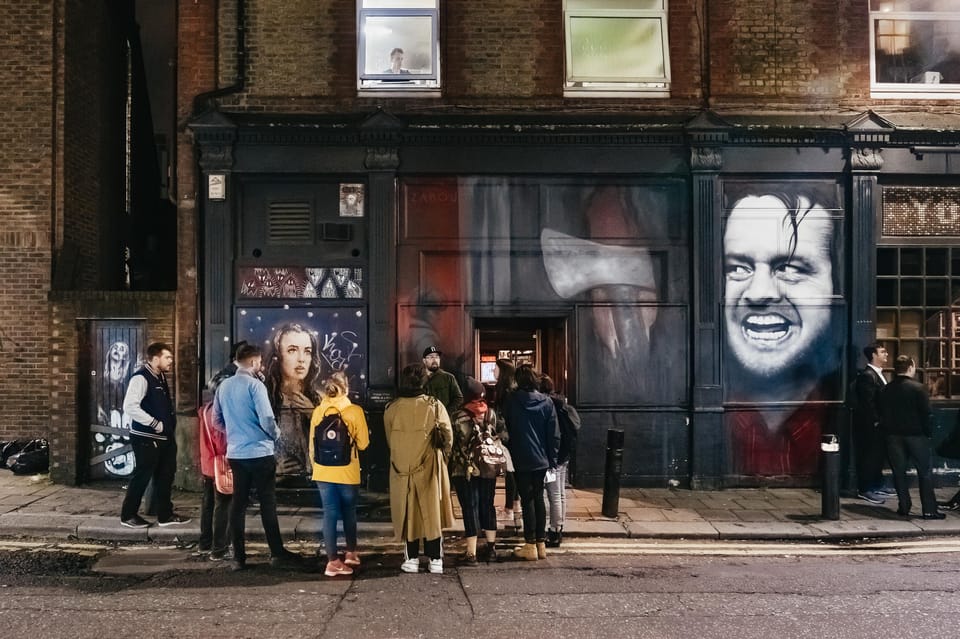
- Expert Ripperologist guide guiding you through the case logic, not just the myths
- Photographic evidence and suspect theories to help you form your own conclusion
- Real East End landmarks tied to daily life in 19th-century Whitechapel
- Stop focus on places like Spitalfields Market, Mitre Square, Petticoat Lane, and Ten Bells
- Multi-language live guide (English, French, Spanish, German, Italian) so you can choose comfort
- Two hours outdoors with a route built around famous locations, from church fronts to street corners
Jack the Ripper on Foot: Why Whitechapel Still Works
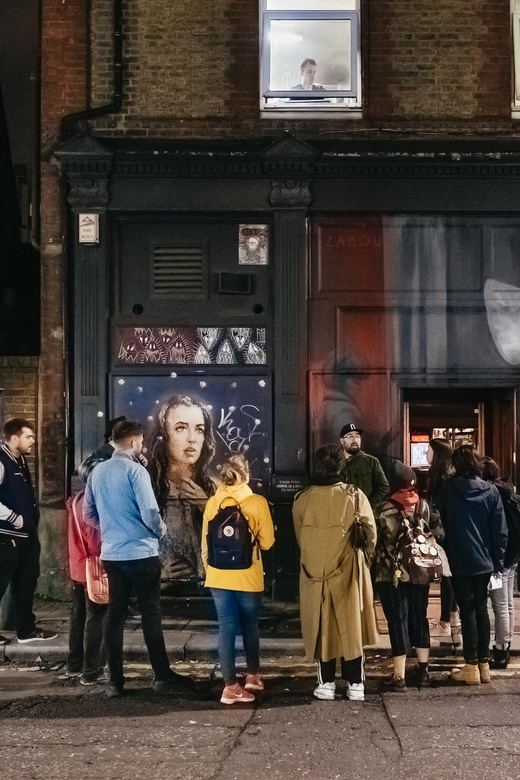
Whitechapel hits different when you walk it. From the first turns you get the sense that this was a working-class neighborhood where people lived close together, with limited space and limited comfort. That’s key to understanding the case, because the murders didn’t happen in a museum. They happened in streets full of real routines—markets, worship spots, pubs, and thoroughfares.
What I like about this tour is that it keeps the story grounded. You learn about everyday life in Whitechapel and then connect it back to the crimes. That everyday context matters, because it helps you see why places like Spitalfields Market weren’t just background—they shaped how people moved, worked, and noticed (or didn’t notice) strange things.
You can also read our reviews of more tours and experiences in London.



Meeting at Altab Ali Park: Finding Your Guide Fast
You’ll meet at the west entrance to Altab Ali Park, at the large iron arch gate on the corner of White Church Lane and Whitechapel High Street. Your guide will be holding a blue flag, so you can spot them quickly even if you’re arriving a little early.
The nearest Underground is Aldgate East. If you’re coming by tube, give yourself a few extra minutes to orient yourself before the tour starts—this area can feel like a maze at first.
This is a 2-hour walking tour, all outdoors. You’ll want shoes you can trust on city sidewalks, because you’ll spend the time on your feet. The route isn’t described as heavy on stairs, but public paths can vary, so if you have mobility concerns, it’s smart to plan for uneven ground.
St Marys Whitechapel Church Memorial: The Start That Sets the Tone
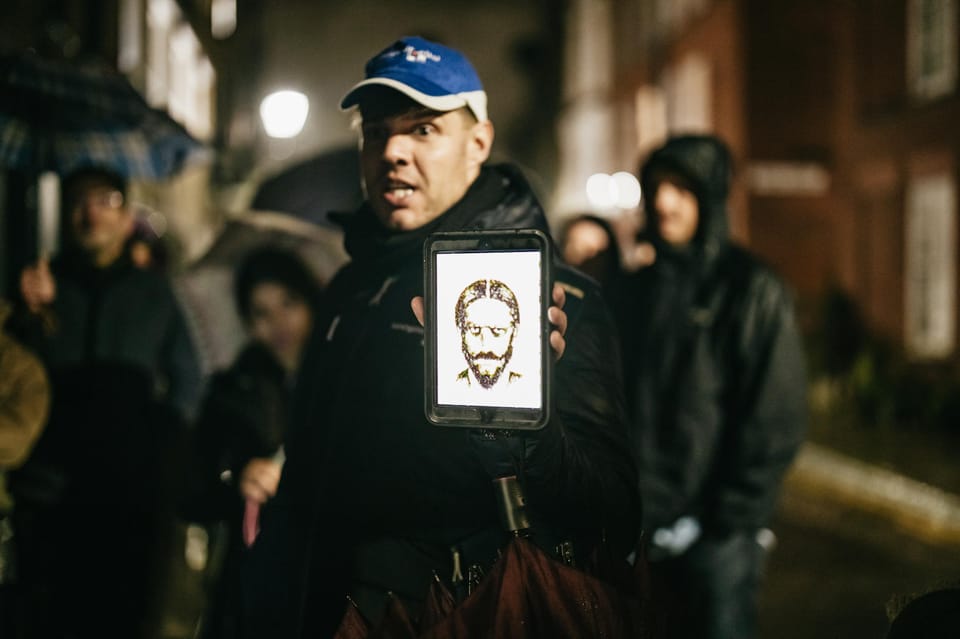
The walk begins at St Marys Whitechapel Church Memorial. Starting at a church memorial makes sense. It frames the area as a living community, not a theme park of horrors.
From there, you transition into the wider Whitechapel area with a guide who keeps linking the case to places people actually visited. That approach makes the story easier to follow: you’re constantly aware of where you are in the neighborhood while the guide brings you back to 1888.
Whitechapel Streets to Petticoat Lane and Mitre Square
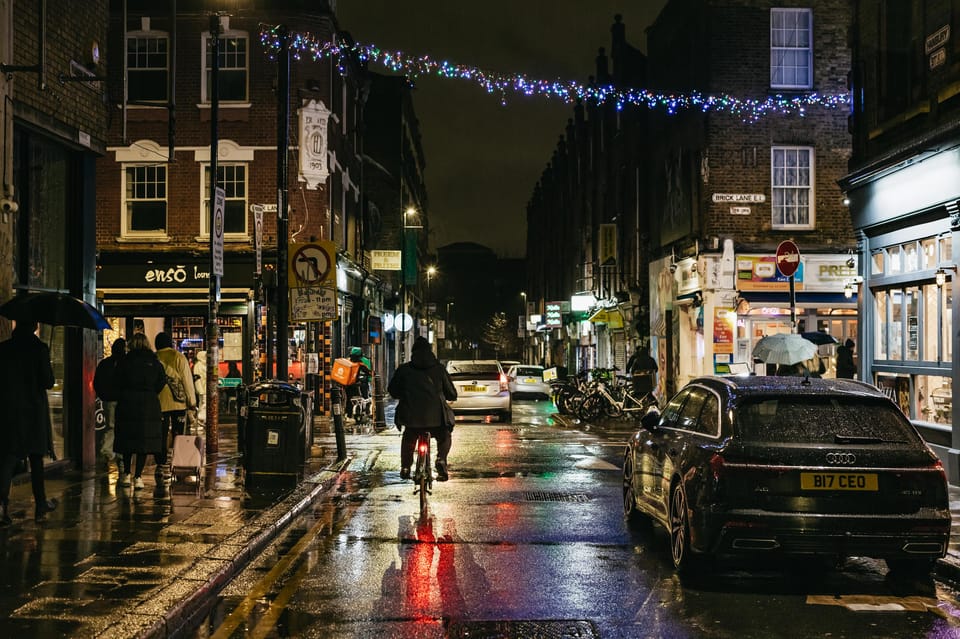
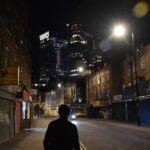
As you move through Whitechapel, the tour focuses on how people lived day-to-day during the Victorian period. That includes the kind of neighborhood texture you don’t get from a single photo—tight spaces, local landmarks, and streets where the rhythm of daily life would have been hard to ignore.
Two locations worth paying attention to in this part of the walk are Petticoat Lane and Mitre Square. Even if you’ve seen them listed on a map, you’ll likely understand them better once your guide explains the neighborhood pattern around them. Markets and squares matter in these stories because they affect movement: where people went, when they were out, and how witnesses could (or couldn’t) observe what happened.
Spitalfields Market: Where the Neighborhood Pulse Shows

One of the big strengths of this tour is that it doesn’t treat the murders as detached from life. Spitalfields Market is included as a notable sight, and it’s the kind of place where you can imagine the neighborhood energy without needing to dramatize it.
Think of markets as information hubs. People notice strangers more easily when they’re already scanning crowds for goods, conversations, and the usual rhythm of vendors and shoppers. On this walk, your guide ties that kind of logic to the investigation, helping you understand why certain locations could become important to the case.
Even if you’re not a hardcore history person, this stop helps you “see” the environment the victims were part of—and why Whitechapel was chosen in the first place.





Ten Bells Pub: The Stop You’ll Remember

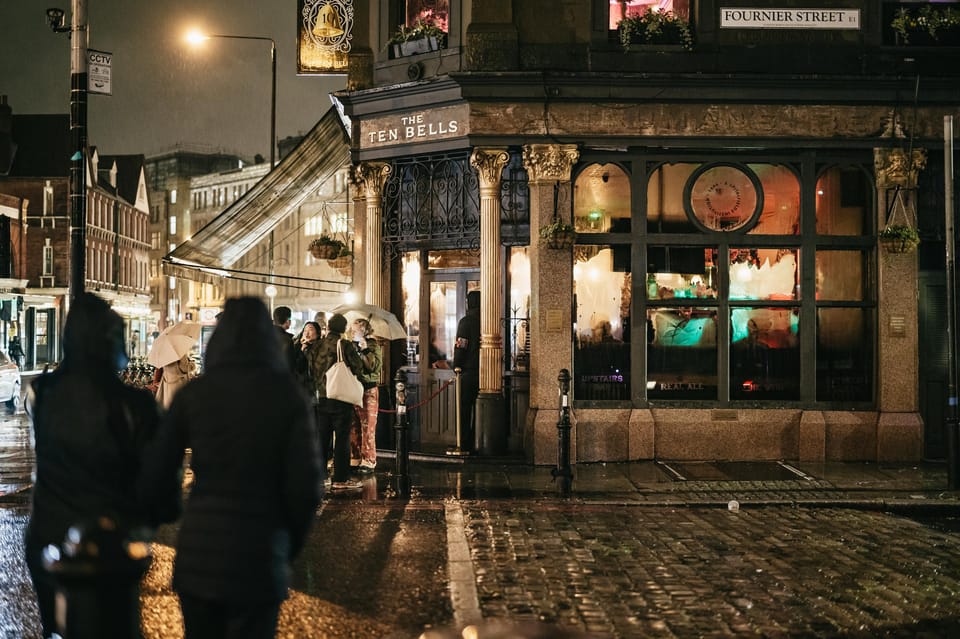
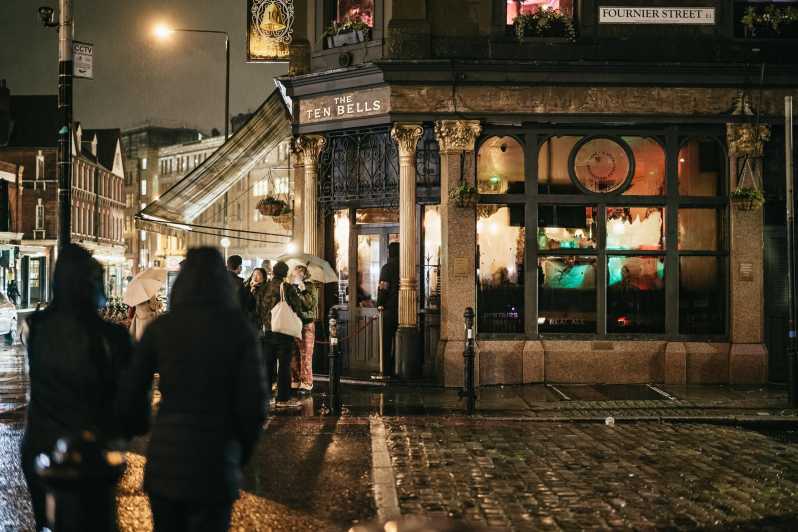
The walk centers on The Ten Bells in Spitalfields, and it’s more than a name you hear in Jack the Ripper conversations. This is a real anchor point on the route, with the tour passing by it and also finishing there.
If you’ve read anything about the case, Ten Bells is likely already familiar. The value here is hearing how your guide connects the pub to the bigger story: who frequented places like this, why witnesses might have been nearby, and how theories try to use everyday locations as pieces of a puzzle.
I also like that the tour ends at Ten Bells, because it gives you a clean off-ramp. After two hours of crime-scene logic and period context, you can regroup there—photos, a breath, and then you can keep exploring the area at your own pace.
Brick Lane and Christ Church Chelsea: Architecture Meets Theory
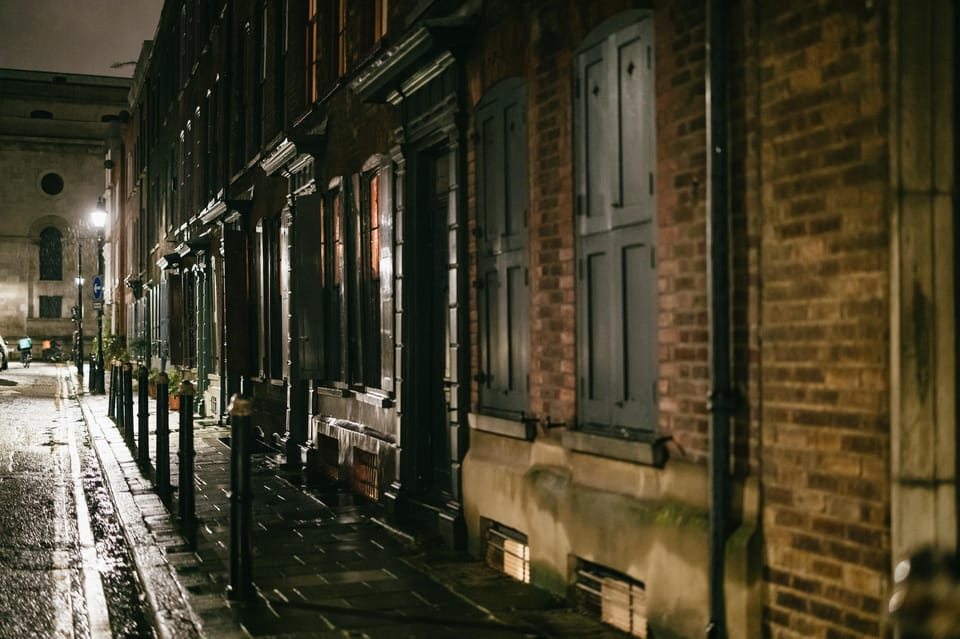
The route includes Brick Lane and Christ Church Chelsea (named by the tour). These stops work for two reasons.
First, churches and big streets help you orient yourself. They give fixed reference points while the guide talks through timeline questions—when people were out, which routes made sense, and why certain streets show up again and again in theories.
Second, the guide uses these locations to support case discussions instead of floating in generalities. When you hear about where evidence might have been discovered or why suspects are discussed, the neighborhood landmarks help the ideas click. It’s easier to reason about the case when you can look around and match the story to the physical layout.
The Detective Work Part: Evidence, Victims, and Suspects
The heart of the tour is the investigation narrative. Your guide frames the murders as something still debated, and that’s part of the fun in a grounded way. You’ll learn about the victims, hear stories about alleged perpetrators, and get explanation around how investigators might have formed ideas.
A standout element is that you’ll assess photographic evidence and discuss theories with your guide’s help. This is where the tour becomes more than a storytelling walk. Instead of telling you one answer, it helps you understand why the case remains unresolved—and how people build theories based on the clues they think matter most.
You’ll also ask big questions as you walk, like whether Jack might have been close to being caught, why Whitechapel became the target area, and where evidence was discovered. Even if you end the tour with uncertainty (because that’s the point), you’ll likely feel clearer about what makes certain theories stronger than others.
The Guides: Live Narration in Multiple Languages
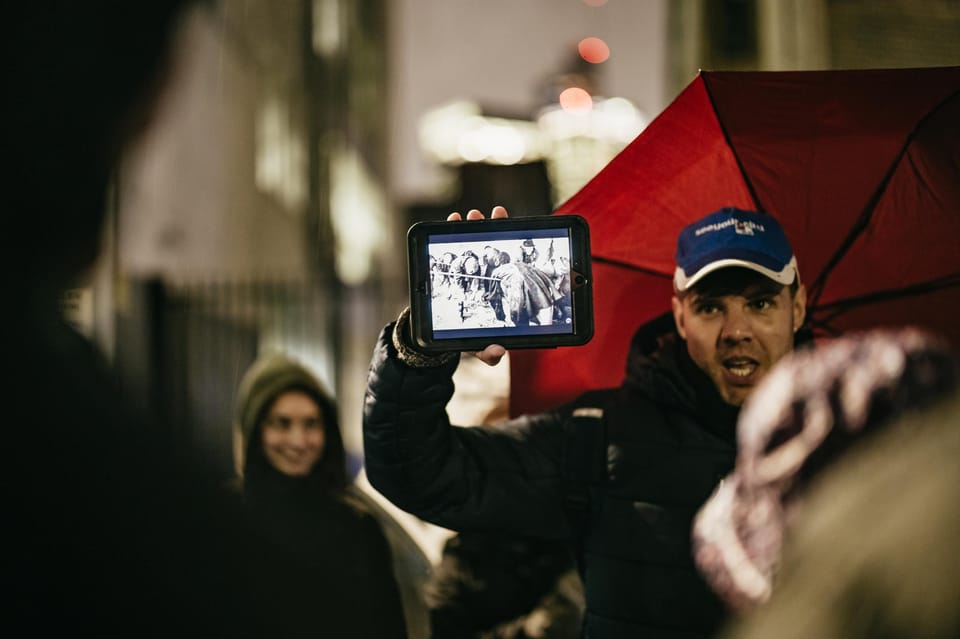
This is a live guided tour in English, French, Spanish, German, and Italian. If you’re choosing French, it makes the experience more comfortable because you can follow the story with full nuance—especially when the guide is analyzing evidence and describing victims’ circumstances.
A big positive signal from past experiences is guide performance. Names that have popped up in strong feedback include Clara, Klairvy, Christophe, and SINA—and the common thread is pacing, clarity, and storytelling energy. One review praised a guide using narration plus anecdotes and photos to add depth. That matches what you want from this kind of tour: enough structure to follow the case, and enough period texture to make the streets feel like a timeline.
If you’re the type who likes to ask yourself what you believe, this tour supports that. The guide gives you enough to think, not just enough to repeat.
Price and value: What $24 buys you in 2 hours
At $24 per person for 2 hours, you’re paying for three things: a specialist guide, a focused route, and a story that connects victims, suspects, and real locations.
You could always try a self-guided walk. But you’d miss the logic piece—how the guide explains alleged evidence and how different suspects get discussed. You’d also lose the on-the-ground context about everyday Whitechapel life, which helps you understand why the case unfolded the way it did.
So the value isn’t just paying for a “walk around famous spots.” It’s the structured narrative that turns those spots into parts of a case file.
Also, since food and drinks are not included, you’re smart to plan either before or after. If you’re going to extend your day in East London, you can pair the tour with a meal on your own schedule.
Who should do this tour (and who should skip it)
This tour is a strong fit for:
- People who like Jack the Ripper but want more than just the well-worn legends
- History-minded travelers who enjoy connecting stories to real streets and landmarks
- Anyone who prefers a guided explanation of evidence and theories rather than reading alone
It may not be for you if:
- You’re sensitive to graphic details and visual content
- You’re traveling with kids who aren’t up for that type of material (the tour notes that anyone under 18 must be accompanied by an adult)
It’s also all outdoors, so weather matters. Dress for the conditions. Plan for real walking time and city sidewalks, even if the route is described as not heavy on stairs.
Should you book the Original Jack the Ripper Tour in French?
If you want a guided walk that connects murders to the actual setting—markets, squares, churches, and the famous pub stop—then yes, I think you should book it. The best part is the balance: you get victims and suspects, but you also get case reasoning through evidence like photographic material. That combination helps you understand why the story refuses to close.
If you’re uneasy with graphic content, or you want a light, spooky stroll with zero heavy details, you’ll probably prefer a different style of tour. Otherwise, this one is a solid use of two hours in East London—practical, structured, and built around the places that made the case matter.
FAQ
FAQ
Where does the tour start?
You meet at the west entrance to Altab Ali Park, at the large iron arch gate on the corner of White Church Lane and Whitechapel High Street. Your guide will be holding a blue flag.
Where is the nearest Underground station?
The nearest station is Aldgate East.
How long is the tour?
The tour lasts 2 hours.
How much does it cost?
The price is $24 per person.
What languages are offered?
The live tour guide is available in English, French, Spanish, German, and Italian.
What stops and sights are included?
Stops and sights include Brick Lane, Christ Church, Spitalfields Market, Mitre Square, Petticoat Lane, and Ten Bells Pub.
Is food or drinks included?
No. Food and drinks are not included.
Is the tour outdoors?
Yes, it takes place entirely outdoors, so dress for the weather.
Is it suitable for people with limited mobility?
It is wheelchair accessible, but the tour takes place outdoors with varying conditions of public paths, so limited mobility travelers should be aware.
Are there any age restrictions?
Participants under 18 must be accompanied by an adult, and the tour includes graphic details and visual content.
What’s the cancellation policy?
Free cancellation is available up to 24 hours in advance for a full refund.