REVIEW · LONDON
London: Serial Killers of London Guided Walking Tour
Book on GetYourGuide →Operated by Brit Icon Tours · Bookable on GetYourGuide
London can be heavy after dark. This guided walk turns the city’s streets into a crime timeline, with sites, photos, and stories that don’t pull punches. You’ll hear about 11 notorious serial killers, including famous names like Dennis Nilsen and Peter Sutcliffe, while learning how police work and public fear collided in real time.
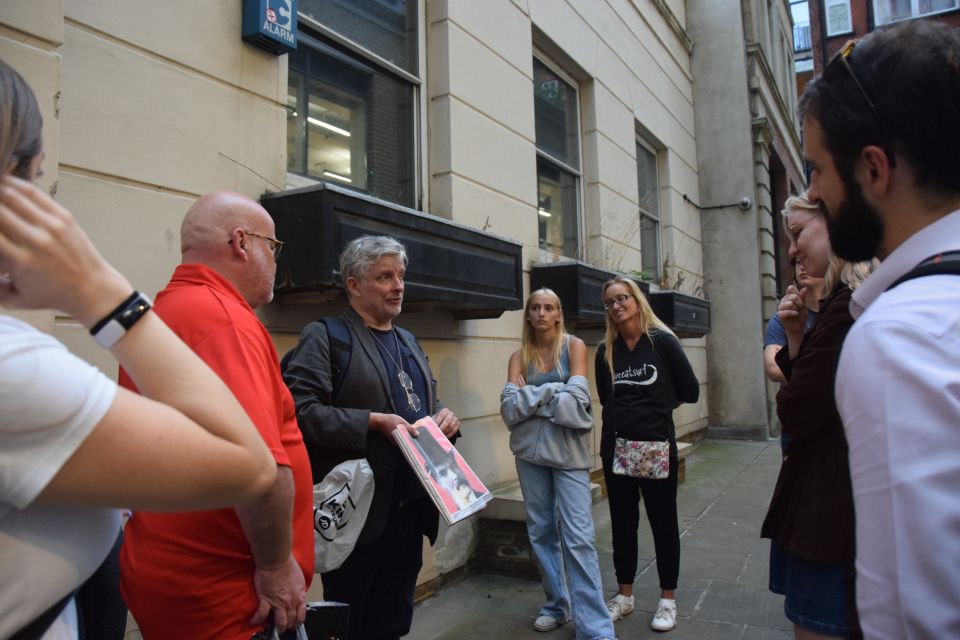
I especially like the way the tour feels hands-on: you’re not just hearing facts from a distance, you’re walking to the kinds of places where these cases played out. I also like the energy with Declan as the guide, with interactive moments and questions that keep you switched on instead of dozing through grim details.
One consideration: this is built around deeply disturbing crimes, and the tone can get intense fast. If you’re looking for a light, entertainment-style walk, you may feel out of place.
In This Review
- Key things you’ll notice on this London serial killers tour
- Barbican Underground Start: finding Declan before the tour leaves
- A 2-hour walk through London’s crime timeline (and why the route matters)
- Dennis Nilsen and Peter Sutcliffe: the anchor stories that set the tone
- Crime-scene locations and photos: how the tour builds your mental map
- The police investigations and manhununts: why this isn’t only about villains
- Declan’s guided style: interactive, theatrical at times, and easy to follow
- Who should book, and who should think twice
- Price and value: is $22 fair for 2 hours and 11 cases?
- Practical tips before you go (so you enjoy the walk, not fight it)
- Should you book London: Serial Killers of London Guided Walking Tour?
- FAQ
- How long is the London Serial Killers walking tour?
- Where do I meet the group at Barbican?
- What language is the tour guide?
- Does the tour run in bad weather?
- Is the tour suitable for people with mobility impairments?
- Can I get a refund if I cancel?
Key things you’ll notice on this London serial killers tour
- Barbican start point makes it easy to locate the group quickly if you arrive 15 minutes early
- 11 serial killer cases are covered in about 2 hours, so the pace stays moving
- Crime-scene stops with photos help you connect the story to the place
- Police investigations and manhunts get real attention, not just the crimes
- Declan’s interactive style keeps the group asking and thinking, not just listening
Barbican Underground Start: finding Declan before the tour leaves
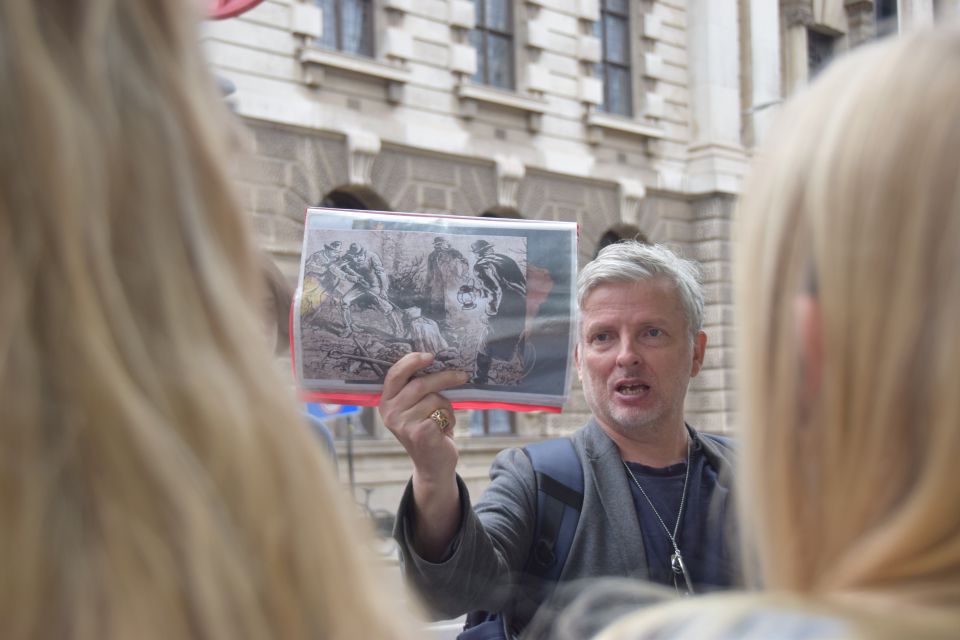
The tour kicks off at Barbican underground station, at the outside area of the station’s only exit. The key practical move: arrive at least 15 minutes early, because the walk departs promptly.
You’ll spot the meeting point by looking for Declan’s sign on his rucksack, sitting on the ground outside the exit. If you’re the type who hates last-second confusion, give yourself a buffer—Barbican can be busy, and you’ll want a calm moment to get oriented before you start hearing the darker side of London.
Also note the tour runs rain or shine. That matters because this is a walking experience, not a museum session. Wear shoes that handle wet sidewalks and slick curbs, and bring a compact rain layer so you’re not adjusting your gear every few minutes.
You can also read our reviews of more walking tours in London



A 2-hour walk through London’s crime timeline (and why the route matters)
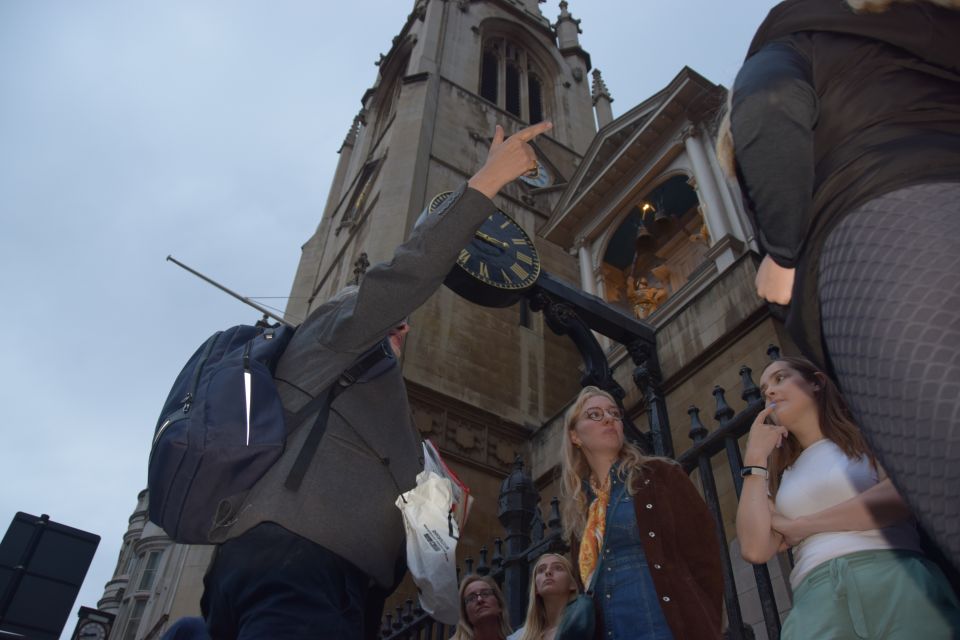
This is a 2-hour guided walking tour focused on serial killers who plagued London and the surrounding area. The big idea is simple: you connect stories to the city’s geography. Walking changes how you process the information. A story told on a bench hits differently than a story attached to a street where investigators and communities once had to face what was happening.
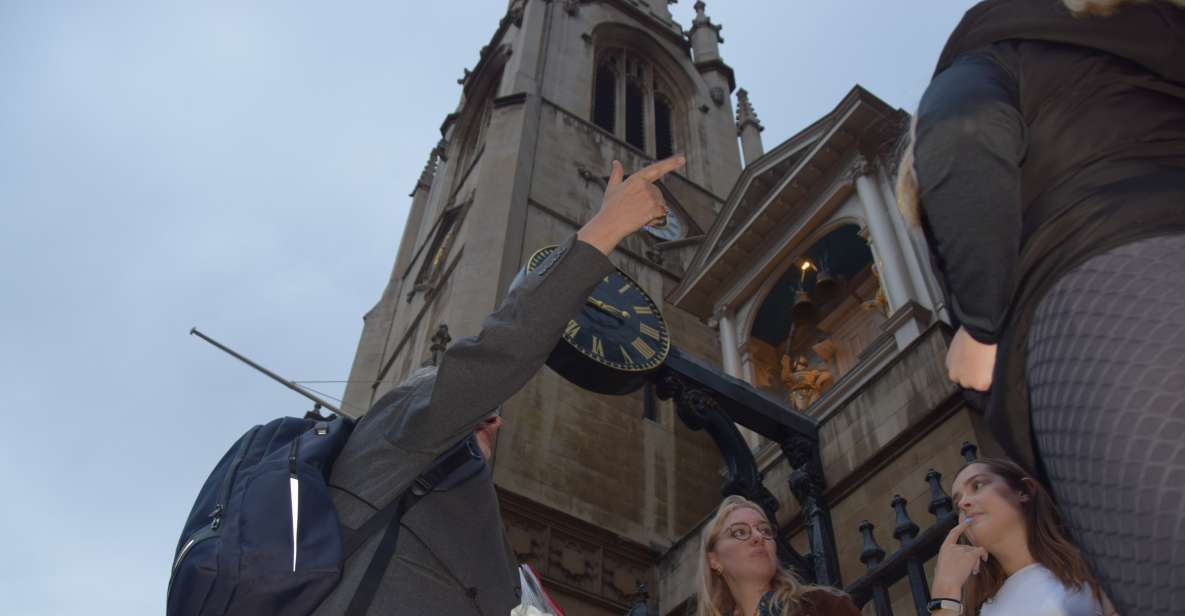
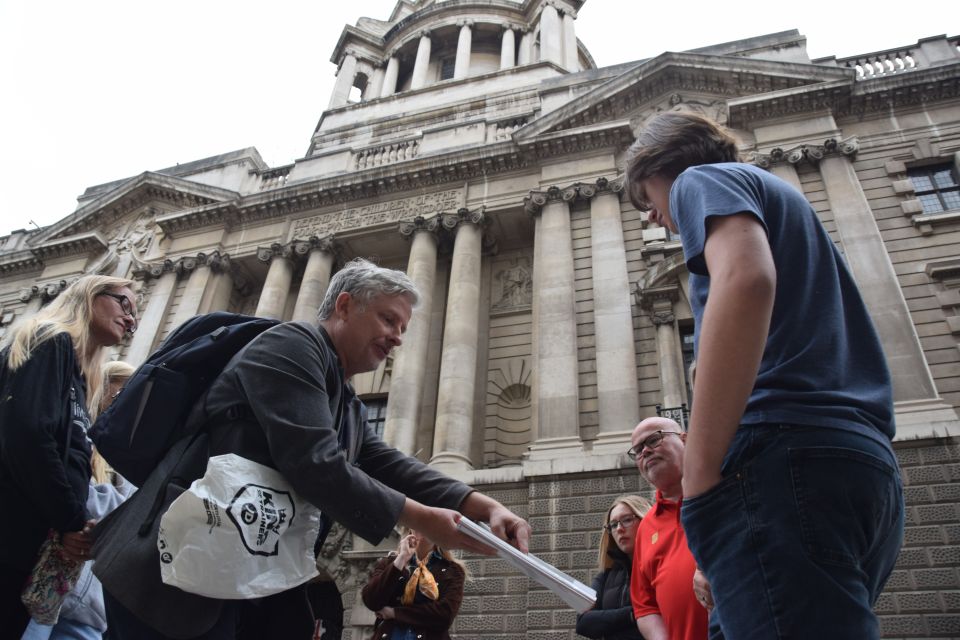
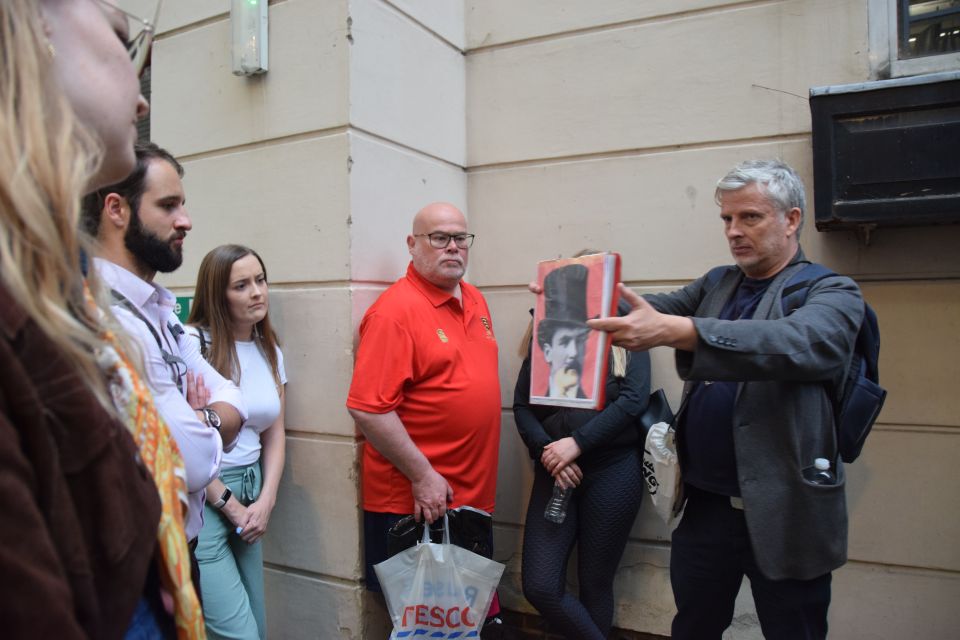
The tour is also structured around a mix of narrative and “visual support.” You’ll get detailed descriptions, plus historical photos and other materials at or near relevant locations. That combination helps you build a mental picture without having to guess what the area looked like back then.
One more thing I like about the format: it doesn’t pretend the cases were isolated. You get explanations around psychological and social factors—not as an excuse, but as context for how these patterns can emerge. Then you hear how the cases were investigated, and how detectives built a case while the city dealt with fear and uncertainty.
Dennis Nilsen and Peter Sutcliffe: the anchor stories that set the tone
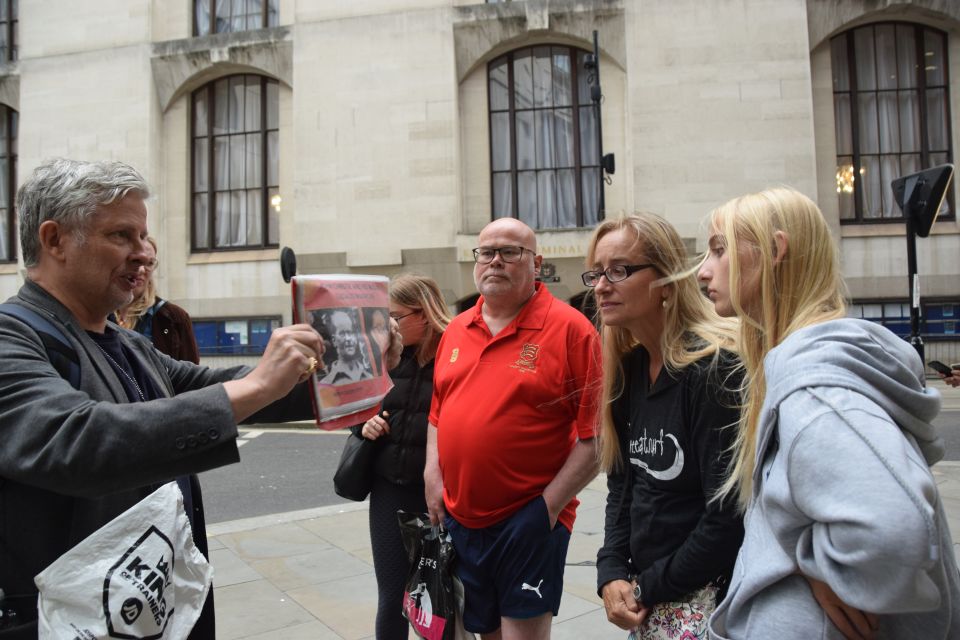
Early on, the tour calls out major cases, including Dennis Nilsen and Peter Sutcliffe. Even if you already know their names, hearing them in a guided, site-based setting can feel sharper because the guide ties the crime details to why they were so hard to stop.
This is where the tour’s tone gets serious. Expect the narration to focus on motivations and methods, plus the knock-on effects for the people living nearby. I wouldn’t call this “gory entertainment,” but it’s absolutely not sanitized. If you’re sensitive to violent crime topics, consider whether you want to spend two hours thinking about it.
What makes these anchor cases especially useful is the contrast they bring to the investigation side. The guide doesn’t treat police work like a footnote. You’ll learn about the manhunts and investigation efforts that worked to bring the killers to justice, which helps you understand the stakes beyond the headline names.
Crime-scene locations and photos: how the tour builds your mental map
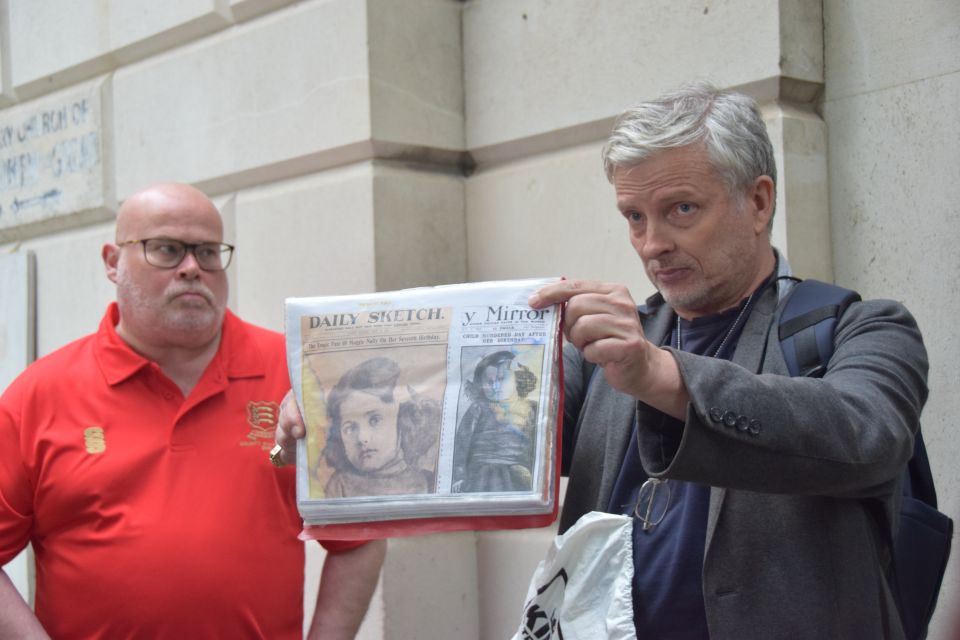
A key feature is that you don’t just hear about crimes—you visit the kinds of locations where killings took place, with detailed descriptions and photos to support what you’re seeing. In London, where streets can look so timeless, those visuals matter. They act like a time machine, giving context for what might be hidden in plain sight today.
The photos and supporting materials also help you follow along when the stories get complicated. Serial killer cases often include dates, patterns, and shifts in investigator thinking. Having visual reminders can make the timeline easier to track.
That said, keep expectations realistic about what “photos” can mean on a walking tour. Some visuals may be older and less crisp than museum displays. If you’re the kind of person who needs high-resolution images and heavy sourcing for every claim, this format might feel lighter on that side than you want. The tour is designed for story and place, not for an academic, document-by-document experience.
The police investigations and manhununts: why this isn’t only about villains

The tour spends meaningful time on law enforcement efforts—how police built leads, compared patterns, and pushed investigations forward under pressure. That’s one of the best parts for me because it shifts the focus from shock to process.
Serial killer cases are difficult not just because of what’s happened, but because of how long it can take to connect dots across victims and locations. When you hear about the investigations and manhunts, you can see the tension between limited evidence and urgent public fear. You also get a sense of how bravery and persistence showed up on the ground, not just in official results.
This perspective changes how you judge the stories. It’s easier to understand why these cases were so disruptive for London’s communities, and why the outcome mattered so much to public safety.
You can also read our reviews of more guided tours in London




Declan’s guided style: interactive, theatrical at times, and easy to follow

Declan appears to be the guide for this experience, and his approach is a big reason people rate the tour highly. The standout strength is the way he keeps the tour interactive—including questions that pull you into the story rather than letting you tune out.
You’ll likely appreciate the pacing if you like a guided talk with back-and-forth moments. Declan’s style seems to work well for mixed groups too, including people who are new to the topic and people who know London crime stories already. That’s a good sign if you’re bringing friends with different comfort levels for darker history.
Now the balanced part: some people want their tours strictly linear and heavily documented. In this kind of setting, a guide may include interpretation or personal framing, and you might catch pop-culture-style asides along the way. If you’re here for carefully sourced courtroom-style narration, you may want to approach the tour as a well-told story tour, not a lecture with citations for every claim.
Who should book, and who should think twice
This tour is listed as not suitable for people with mobility impairments. It’s a walking tour with rain-or-shine operation, so expect outdoor time on streets and station areas.
On the topic side, the tour openly signals that serial killers and their crimes are deeply disturbing. That’s not a vague warning. If you’re easily triggered by descriptions of violent crime, or if you’re the kind of person who needs a break from heavy subjects while traveling, this may not be the right fit.
On the flip side, it’s a strong choice if you:
- like London’s darker layers and unusual guided themes
- enjoy crime history told with a sense of place
- want a guide who asks questions and keeps you engaged
- are okay with psychological and social context alongside police process
If you want something spooky-but-light, consider a different walk. If you want “London, but with the gloves off,” and you can handle the material, this can be a memorable two hours.
Price and value: is $22 fair for 2 hours and 11 cases?
At $22 per person for a 2-hour guided walking tour, the value comes down to effort and payoff. You’re paying for a live guide, time spent organizing route logic, and guided storytelling with photos and explanations at sites you might not otherwise seek out.
Where the value feels strongest is the combination of:
- multiple case studies (11 notorious serial killers)
- site-based stops rather than a generic lecture
- a guide-led pacing that aims to keep you active and thinking
It’s not a private tour, so you’re getting group dynamics. But if you want a guided experience that’s more specific than just a London “ghost story” vibe, $22 can feel reasonable for the format.
The one caution on value is expectation management. If you’re craving extremely detailed, document-style backstory for every case, you might feel the tour moves too quickly. At two hours, it can’t be exhaustive. It’s better understood as a guided overview with place-based storytelling.
Practical tips before you go (so you enjoy the walk, not fight it)
First, plan for the weather. Since it runs rain or shine, a light rain jacket and grippy shoes make a difference right away.
Second, be early. The tour meets outside Barbican’s only exit, and it leaves promptly. If you’re even slightly late, you risk missing the start and getting separated from the group.
Third, think about your topic tolerance. This is a crime history tour focused on serial killers. If you feel uneasy with violent descriptions or heavy psychological framing, you might want to pass.
Finally, bring the right mindset: treat it like a guided story tour tied to real locations. You’ll get more out of it if you let the guide set the tone and you stay present while walking.
Should you book London: Serial Killers of London Guided Walking Tour?
I think you should book if you want a 2-hour, site-based London experience that goes beyond mainstream highlights. The strongest reasons are the interactive guide style (Declan), the focus on investigations and manhunts, and the fact that you’ll see locations and photos you likely wouldn’t pick on your own.
Skip it if you’re mobility-limited, not comfortable with disturbing violent crime topics, or if you need a strictly academic approach with highly structured evidence. This tour leans into storytelling and interpretation, not a research seminar.
If you’re on the fence, ask yourself one question: can you handle dark material for two hours in exchange for a vivid, place-connected view of London’s past? If the answer is yes, this one can land as unforgettable.
FAQ
How long is the London Serial Killers walking tour?
The tour lasts 2 hours.
Where do I meet the group at Barbican?
Meet outside the only exit at Barbican underground station. You should look for Declan’s sign on his rucksack on the ground.
What language is the tour guide?
The tour is in English.
Does the tour run in bad weather?
Yes. The tour runs rain or shine.
Is the tour suitable for people with mobility impairments?
No. It is not suitable for people with mobility impairments.
Can I get a refund if I cancel?
Yes. You can cancel up to 24 hours in advance for a full refund.