Aldwych feels like London paused in time. I love the abandoned ticket hall with its original details, and I love how the tour connects the station’s Underground life to real wartime stories and storage. The main catch is practical: expect lots of walking on uneven ground, low light, and stairs, with no elevator, so it’s not for everyone.
What makes this tour special is the way it’s built around access. You’re led through areas most people never see, including the former Piccadilly line terminus with interconnecting walkways and spaces that were once part of daily commutes. Guides from the London Transport Museum team the history with storytelling, and names you might hear include Colin and Cat, plus Emily, Dom, and Jas.
In This Review
- Key Things You’ll Notice Right Away
- Aldwych Station: a Disused Tube Stop With a Wartime Job
- Finding the Meeting Point on Surrey Street (and Not the Wrong Entrance)
- The 75-Minute Route: Ticket Hall, Lifts, Platforms, and Tunnels
- 1) The abandoned ticket hall
- 2) Original lifts and changing levels
- 3) Abandoned platforms and interconnecting walkways
- 4) Tunnels and the “closed world” feeling
- WWII Shelters and Stored Treasures: Why the Tour Hits Hard
- Film and TV Locations Underground: Luther, Sherlock, and More
- Guides From the London Transport Museum: What Their Stories Add
- Price and Value at $60: What You’re Paying For
- Practical Tips: Footwear, IDs, and What’s Not Allowed
- Bring
- Wear
- Don’t bring
- Watch-outs
- Children
- When You Should Book (and When You Should Skip)
- Should You Book Aldwych: Hidden Tube Station Guided Tour?
- FAQ
- Where do I meet the guide for the Aldwych tour?
- How long is the tour?
- Is the tour suitable for claustrophobia?
- What identification do I need to bring?
- Are food, drinks, or luggage allowed?
- Is there free cancellation?
Key Things You’ll Notice Right Away
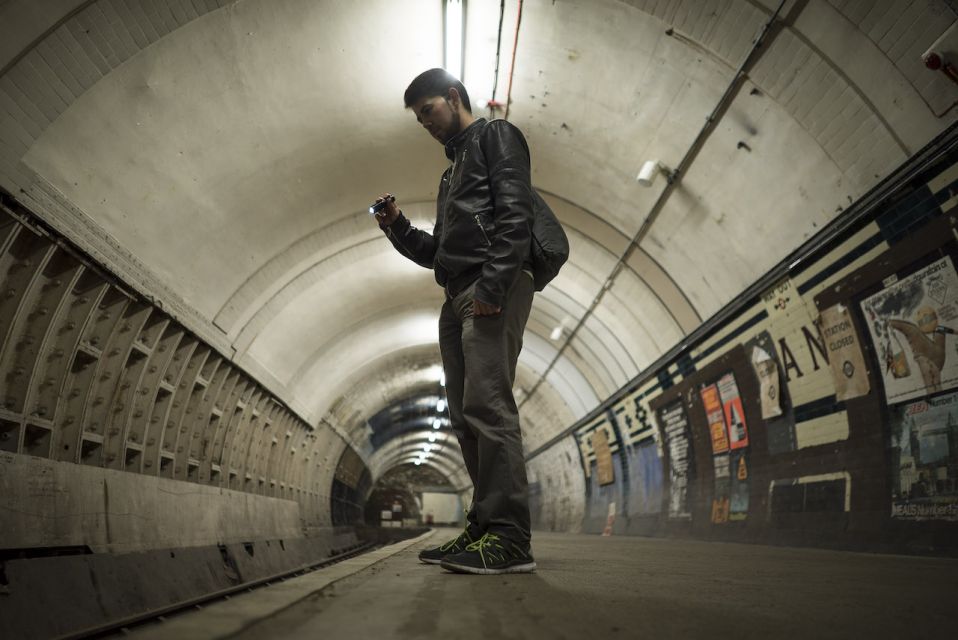
A disused 1907 Tube station closed in 1994 that still feels startlingly intact.
Original ticket hall features that make the station’s past feel real, not staged.
War stories with first-hand accounts from Second World War shelterers.
Blitz-era “treasure storage” showing how the site was used under pressure.
Film and TV locations tied to recognizable titles like Luther: The Fallen Sun.
Lots of real-world walking constraints: uneven ground, low lighting, and stair-heavy routes.
Aldwych Station: a Disused Tube Stop With a Wartime Job
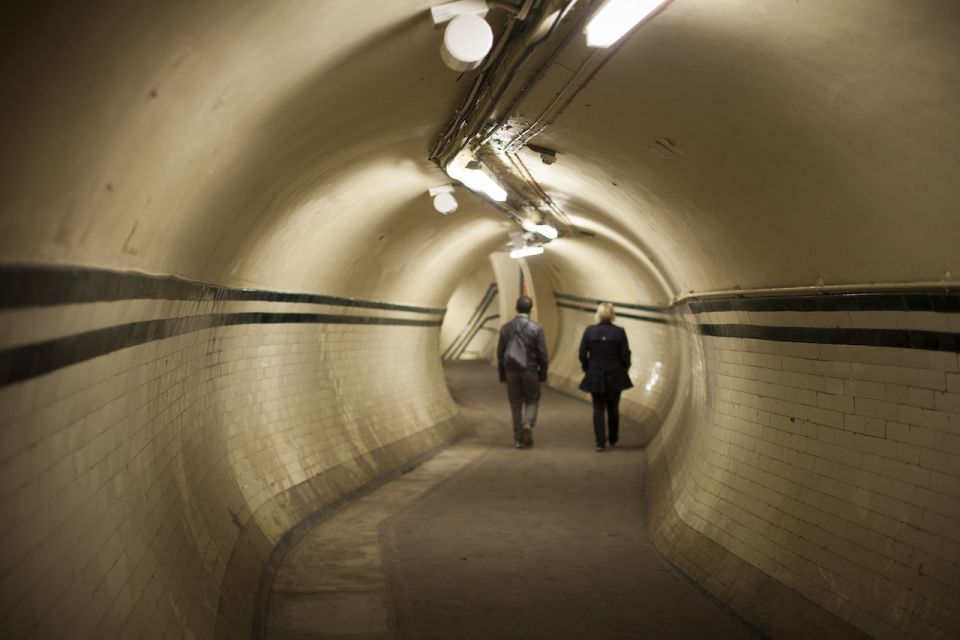
Aldwych is one of those London places where you don’t need to imagine the past. The station opened in 1907, ran for nearly a century, and closed in 1994—but the underground spaces remain, waiting for your feet to take you through them.
On this tour, I like that the story is not just “old station, now empty.” It becomes a timeline. You start with how the station was meant to handle heavy use, then the experience shifts into how the station was repurposed in wartime. That matters because it gives you a reason to look closely at details: the architecture, the corridors, and the connection points all make more sense when you understand their jobs.
There’s also a film-studio angle. As you move through tunnels and platforms, you’ll spot places used for productions. It turns the walk into a scavenger hunt, but with context, so you’re not just chasing camera angles.
One more thing I appreciate: the tour is built by historical experts linked to the London Transport Museum, so the emphasis stays on evidence and explanation, not vague “isn’t history cool” talk.
You can also read our reviews of more guided tours in London


Finding the Meeting Point on Surrey Street (and Not the Wrong Entrance)
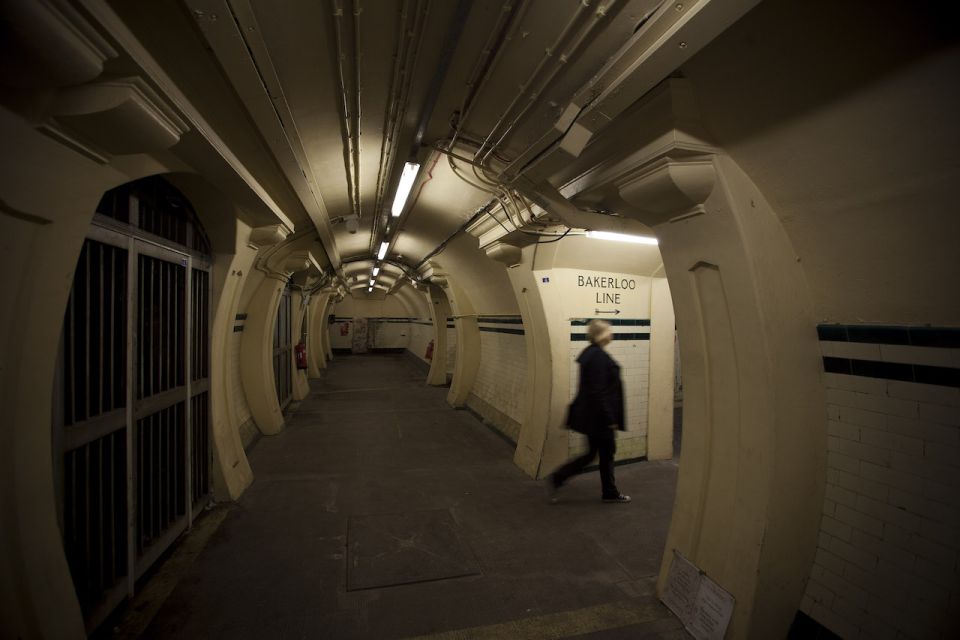
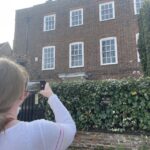
Logistics are simple, but details matter here. You meet your guide outside Aldwych station on Surrey Street, and that entrance is different from the one facing the Strand.
It’s the kind of thing that can waste ten minutes and add stress right at the start. I suggest you arrive a few minutes early, confirm you’re at the correct doorway, and then get ready for the walking-heavy portion once the group is called.
The tour duration is 75 minutes, and starting times vary, so check availability before you plan your day.
The 75-Minute Route: Ticket Hall, Lifts, Platforms, and Tunnels
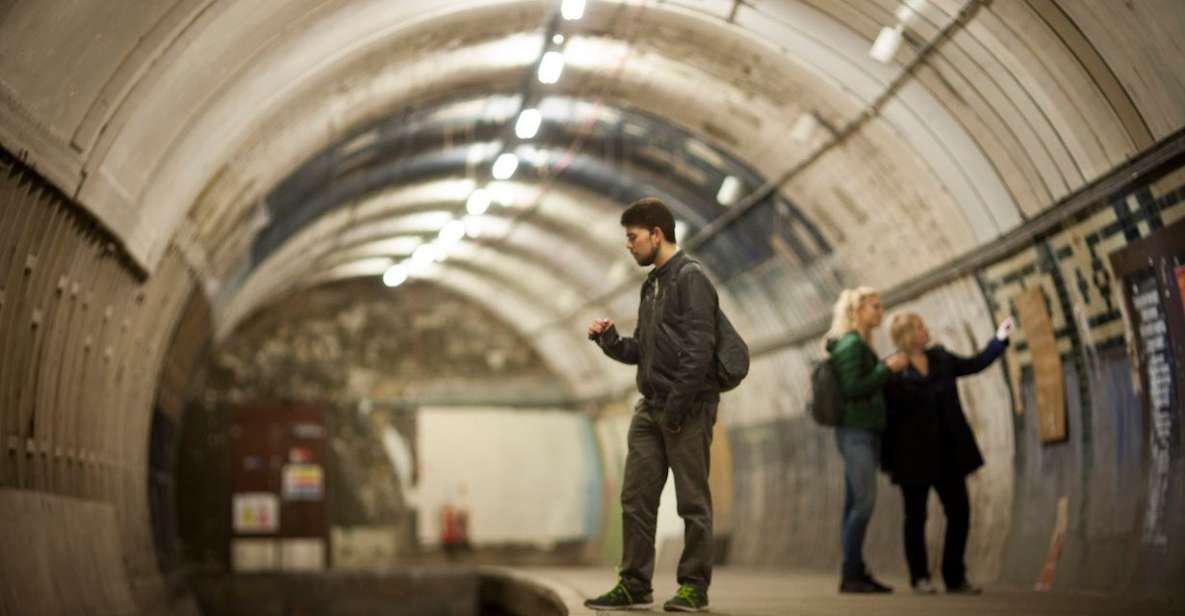
This isn’t a drive-by. The point is to move through the station’s key parts, including the places that were once part of everyday movement and the bits that were tucked away from most passengers.
1) The abandoned ticket hall
This is often the first “wow” moment. The ticket hall is where the station’s original character shows up best. I like how it frames everything else you’ll see later: once you understand the ticketing space, you can better picture how people entered, bought, and then disappeared underground.
You’ll also get a feel for the architectural rhythm—doors, openings, and the overall sense of how the station was designed to handle crowds.
2) Original lifts and changing levels
The tour guides you past the station’s original lifts, plus the way the station connects different levels. Even if you already know basic Tube layouts, the Aldwych setup is different enough to keep you paying attention.
This section also gives the tour its “secret station” credibility. You’re seeing how people would have moved vertically before modern expectations for ease of access became standard.


3) Abandoned platforms and interconnecting walkways
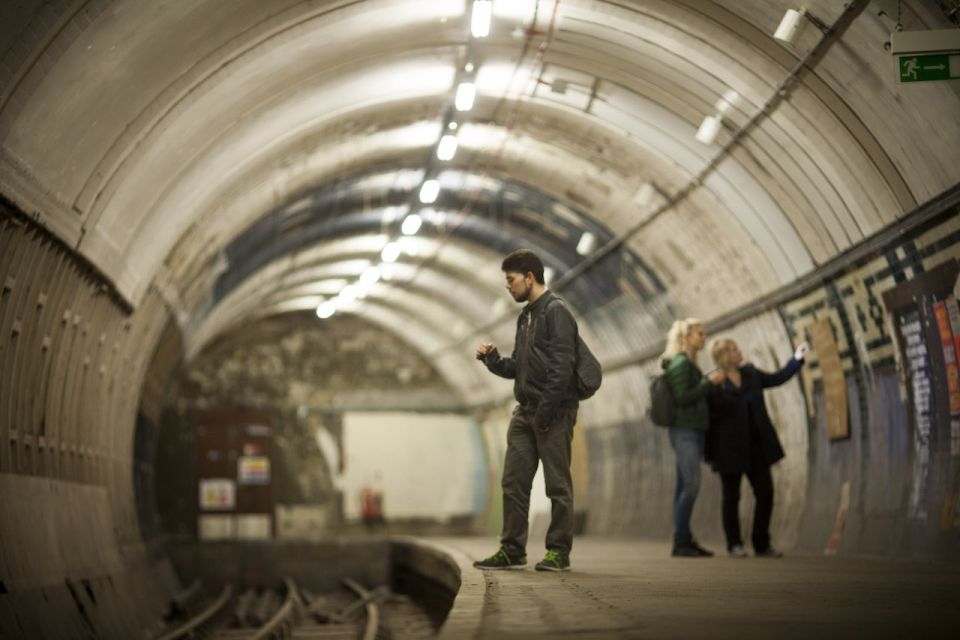
Next comes the heart of the underground maze: abandoned platforms, tunnels, and interconnecting walkways, some of which are seldom seen by the public.
I think the value here is that you’re not just looking at a single room. The route helps you understand how the station functioned as a system—moving people from one zone to another, with practical connections that made day-to-day travel possible.
A drawback to know up front: the tour is not step-free. You’ll deal with stairs, and the ground can be uneven. Low lighting is part of the atmosphere and also part of the challenge.
4) Tunnels and the “closed world” feeling
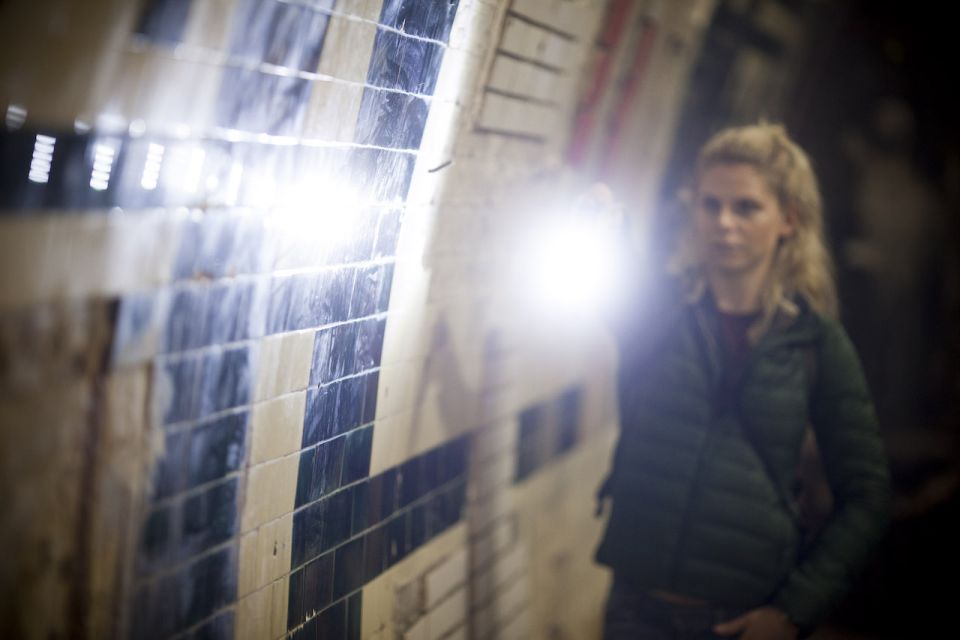
When you get into the tunnels, you start to feel the station as its own environment. That’s the moment the tour earns its name. The spaces feel sealed off from modern London, so it’s easy to forget how close everything is to the street.
If you’re claustrophobic, though, this is the part you should think about carefully. The route involves low light and enclosed areas, and the tour notes it’s not suitable for people with claustrophobia.
WWII Shelters and Stored Treasures: Why the Tour Hits Hard
This tour gets emotionally serious in the best way, because it doesn’t treat wartime as a chapter in a textbook. It connects you to what the station became during the Second World War.
One of the most compelling themes is the idea of storage during the Blitz—how priceless treasures came to be stored in the station. That detail changes the way you look at the underground spaces. Suddenly, the tunnels and rooms aren’t just “abandoned.” They’re logistical and protective.
Even more important, you hear first-hand accounts from Second World War shelterers. That’s where the tour moves beyond facts and into human experience. You’re listening to how people managed fear, waiting, and daily survival, using the station as a shelter when the outside world was dangerous.
I also like that this part of the tour doesn’t bulldoze you with tragedy. It’s presented as a lived situation tied to the station’s physical reality.
Film and TV Locations Underground: Luther, Sherlock, and More
Aldwych has been used as a backdrop in films and TV shows, and the tour points out locations associated with productions you may recognize.
You can expect references to titles including Luther: The Fallen Sun, plus The ABC Murders (2018), Darkest Hour (2017), Sherlock (2014), and Atonement (2007).
What’s useful here is that the tour doesn’t treat these titles as trivia. The point is to help you map story and camera work onto real underground architecture. When you see where scenes were staged, the station starts to feel like a stage set that still has working-room logic—corridors lead somewhere, levels connect for reasons, and sightlines make sense.
So if you enjoy screen locations, you’ll likely feel extra satisfied because you’re not just told what was filmed. You’re shown the physical parts that make filming possible.
Guides From the London Transport Museum: What Their Stories Add
This tour is crafted by experts associated with the London Transport Museum, and it shows in the pacing. I like the way the storytelling alternates between setting the scene and zooming in on specific station features.
Guide names you may hear in different sessions include Colin and Cat, and other guides referenced in tour feedback include Emily, Dom, and Jas. Even when the guide changes, the structure stays focused: you get the station layout, then the human reason behind it.
The best part is that the guides don’t just list facts. They connect facts to what you’re standing in front of, like the station’s original design and the wartime repurposing that changed its meaning.
Price and Value at $60: What You’re Paying For
At $60 per person for a 75-minute guided tour, the price can feel steep if you’re comparing it to generic walking tours. But this is not a standard stroll through a public museum.
You’re paying for access to a disused station area, plus time with trained historical interpreters, and a route that’s more hands-on than most indoor experiences. The station is not just displayed. It’s walked. That matters when you’re trying to build a real sense of scale.
Value also comes from the variety packed into the same session:
- architectural details in the ticket hall
- movement through lifts, platforms, and tunnels
- wartime context with first-hand accounts
- connections to major TV and film locations
If you’re a London Underground fan, a history buff, or someone who likes seeing how cities were built and repurposed, this price starts to make sense fast.
Practical Tips: Footwear, IDs, and What’s Not Allowed
Before you go, read the constraints carefully. They’re there because the route includes stairs, uneven ground, low lighting, and enclosed areas.
Bring
- Passport or ID card
Wear
- Sturdy footwear
- Suitable clothing for walking
Don’t bring
- Open-toed shoes
- Food and drinks
- Luggage or large bags
- There’s no cloakroom, so plan to travel light.
Watch-outs
- The tour involves a lot of walking, including uneven ground.
- Not step free and includes staircases; there’s no elevator.
- It’s not suitable for claustrophobia.
- It’s also noted as not suitable for people with mobility impairments.
If you know you’ll struggle with stairs or enclosed spaces, don’t gamble. The station’s atmosphere is part of what makes the tour work, and the route reflects that.
Children
- Children under 10 are not suitable.
- There’s a maximum of four children aged 10–15 per adult.
If you’re planning a family visit, this ratio matters. It’s also a good reason to book at the right time rather than assuming all sessions are equally easy.
When You Should Book (and When You Should Skip)
This tour is a good fit if you want:
- a behind-the-scenes look at an old Tube station that still feels functional in its layout
- a wartime narrative connected to the station’s physical purpose
- screen-location spotting with context, not just name-drops
- an organized 75-minute route that keeps you moving and focused
It’s not the best choice if you:
- need step-free access, because the tour is not step free and includes stairs
- are claustrophobic, since the route includes low lighting and enclosed spaces
- prefer minimal walking, because there’s a lot of it over uneven ground
Also, be honest about timing. With a 75-minute schedule, once you’re in the underground spaces you’ll want to move steadily.
Should You Book Aldwych: Hidden Tube Station Guided Tour?
I’d book this if you like London when it gets strange in a good way: industrial, secret, and story-driven. The combination of original station spaces, WWII shelter accounts, and film location stops makes the 75 minutes feel purposeful, not padded.
If you’re sensitive to enclosed environments, have mobility limits, or want a low-walking, fully accessible experience, skip it and look for a tour that fits your needs better.
For everyone else, Aldwych is one of the most satisfying “how did London work then” experiences you can book. You leave with the sense that you didn’t just see an old station—you understood why it mattered.
FAQ
Where do I meet the guide for the Aldwych tour?
Meet your guide outside Aldwych station on Surrey Street. This is different from the entrance that faces the Strand.
How long is the tour?
The tour lasts 75 minutes.
Is the tour suitable for claustrophobia?
No. The tour involves areas with low lighting and enclosed spaces, and it’s not suitable for guests with claustrophobia.
What identification do I need to bring?
You should bring a passport or ID card.
Are food, drinks, or luggage allowed?
No. Food and drinks are not allowed, and you also can’t bring luggage or large bags. There is no cloakroom.
Is there free cancellation?
Yes. You can cancel up to 24 hours in advance for a full refund.