REVIEW · LONDON
London: Churchill and World War 2 Walking Tour in London
Book on GetYourGuide →Operated by See The Sights Tours · Bookable on GetYourGuide
Churchill’s London hits you fast. In 150 minutes, you’ll connect political power, wartime sacrifice, and one stubborn leader in the very streets where it happened. This walk is a smart way to see major landmarks without turning them into just photo stops, especially if you like your history with names, stakes, and a clear timeline.
I especially like how the guide ties together Churchill’s life and the mechanics of WWII decision-making. If you get a guide with real command of the story (Adam is one example from past guests), you’ll walk away with clearer context for why these buildings mattered. I also like the mix of big, public sights—Downing Street and the Cenotaph—plus more personal touches like St Margaret’s Church.
One drawback to plan around: this is a walking tour that’s not suitable for wheelchair users or people with mobility impairments, and there’s no room for luggage or large bags. Also, the pacing can feel a little loose depending on the group and guide, so go in ready to follow a narrative, not a strict script.
In This Review
- Key Points You’ll Care About
- Embankment Start: Finding Your Guide and Setting the Tone
- Downing Street and the Government Core at War
- The Cenotaph and Women of World War II Memorial: Remembrance with Specific Focus
- Battle of Britain Memorial: Courage You Can See and Feel
- Churchill’s Statue, Parliament, and Big Ben: The Public Face of a Wartime Leader
- St Margaret’s Church: The Human Side Behind the War Leader
- Churchill War Rooms: What You’ll See Without Paying for Entry
- Price and 150 Minutes: Is $18 Good Value?
- Who This Tour Fits Best (and Who It Doesn’t)
- Should You Book the Churchill and World War 2 Walking Tour?
- FAQ
- Where does the tour start?
- How do I find my tour guide?
- How long is the walking tour?
- What parts of the Churchill War Rooms are included?
- Is the tour guided, and what language is it in?
- Is the tour suitable for wheelchair users or mobility impairments?
- Can I cancel for a refund?
Key Points You’ll Care About
- Downing Street and the Cabinet Office area: you’ll see where wartime strategy and government leadership played out side by side.
- Cenotaph + Women of World War II Memorial: two memorials that balance national mourning with the specific roles women took on.
- Battle of Britain memorial: you’ll get a focused moment on bravery and air defense rather than only broad WWII storytelling.
- Big Ben and the Houses of Parliament from Churchill’s statue: a classic skyline view with a pointed connection to Churchill’s public image.
- St Margaret’s Church: a quiet detour that adds personal grounding to a public legend.
- Churchill War Rooms exterior only: you’ll end near the bunker without paying for entry as part of this price.
Embankment Start: Finding Your Guide and Setting the Tone
The tour starts at Embankment Station, using the Embankment Pier Exit. Go inside the station and look for the signposting to that exit. Your guide will be holding a yellow umbrella, which makes the meeting point easy to spot even if London is doing its usual weather chaos.
This kind of walk works best when you arrive a little early and use the first minutes to get your bearings. The route you’ll follow is tightly tied to WWII-era government and remembrance sites, so your job is basically to pay attention and let the story build stop by stop.
Practical note: because it’s a walking tour for fit visitors, plan on being on your feet for the full 150 minutes. Wear comfortable shoes. Keep your plan simple. And since luggage or large bags aren’t allowed, travel light—hand luggage is your friend here.
You can also read our reviews of more walking tours in London



Downing Street and the Government Core at War
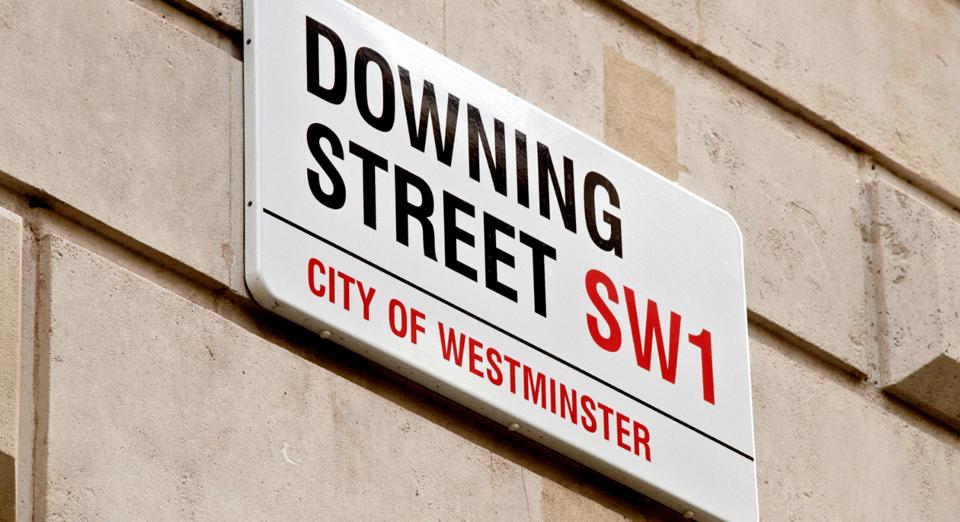
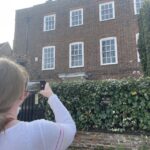
Your first major wow moment is 10 Downing Street. Seeing it from the street gives you a fast mental image of where Britain’s leader had to operate during the most intense years of WWII. You’re not going inside, but you are watching history live in the present tense—this is still the heart of British political power.
From there, the tour moves through the Ministry of Defence area and the wider government district, including the Cabinet Office and HM Treasury on the way to the memorials. These are not random office buildings. During the war, decision-making on defense, coordination, and national resources all came together in this neighborhood.
Why I think this stop matters for you: it helps you connect the war you’ve read about to the real process of leadership. It’s easy to treat WWII like a sequence of battles. But here you’ll learn how Britain’s leadership had to make choices in the same streets where they govern today.
A quick reality check: because this is a public, high-security zone area, you’ll likely spend more time walking and looking outward than lingering. That’s normal here. Plan to stay with the guide so you don’t get separated while crossing busy sections.
The Cenotaph and Women of World War II Memorial: Remembrance with Specific Focus
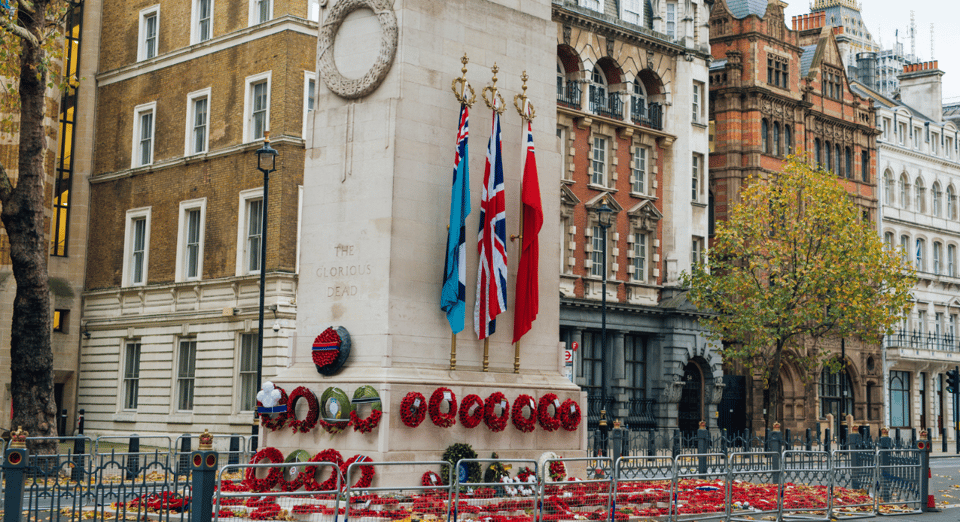
Then the walk shifts from leadership to loss. The Cenotaph is one of Britain’s most important war memorials, and it’s designed for respectful attention. It’s the place where national grief becomes visible and formal. You’ll understand what Britain chose to commemorate—and how the country marks lives lost across both World Wars.
Right after that, you’ll visit the Women of World War II Memorial. This is a key difference from many WWII tours that keep the story locked on combat and commanders. Here, the focus turns to the vital contributions women made during the conflict. That matters because WWII wasn’t only fought at the front. It was also fought in factories, offices, services, and roles that kept Britain running.
If you care about historical accuracy and balance, this pairing is one of the tour’s best values. The Cenotaph gives you the public mourning framework, and the Women of WWII memorial puts specific human contributions into the picture. Together, it prevents the usual one-dimensional version of WWII.
Battle of Britain Memorial: Courage You Can See and Feel
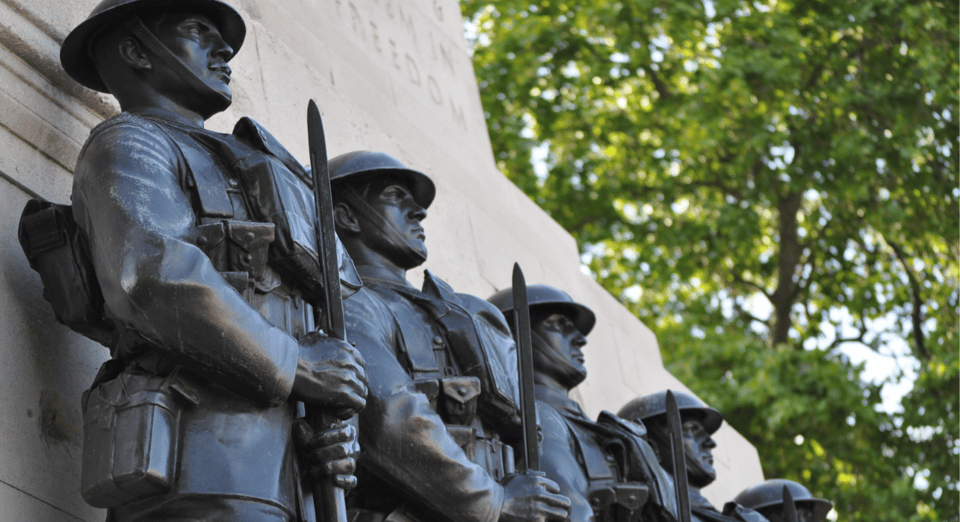
A major emotional anchor on this walk is the Battle of Britain memorial. This is where the story shifts toward the defense of Britain—especially the pilots who fought to prevent invasion.
Even if you think you already know the big WWII headlines, this kind of stop tends to clarify what people mean when they say bravery. You’ll hear stories of courage and get a better sense of why air defense carried such weight. It’s not just a memorial plaque. It’s a focused chapter in Britain’s survival narrative.
Tip: give yourself a moment here. Don’t rush through just to keep moving. The tour moves, but you can still take 30 seconds to stand with the memorial and let the meaning land.
Churchill’s Statue, Parliament, and Big Ben: The Public Face of a Wartime Leader
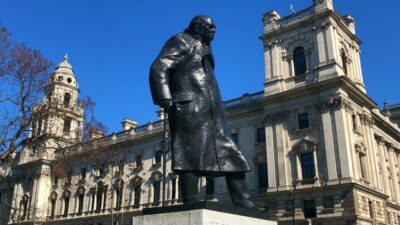
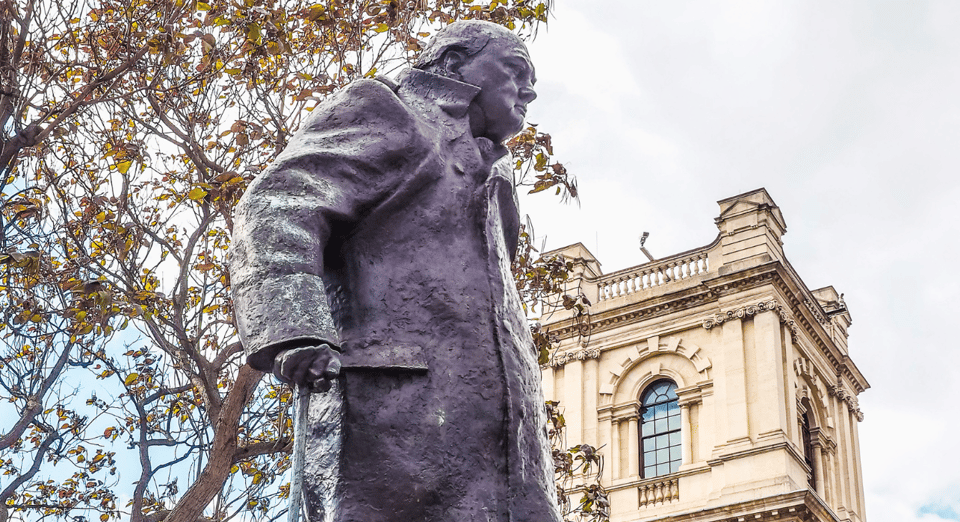
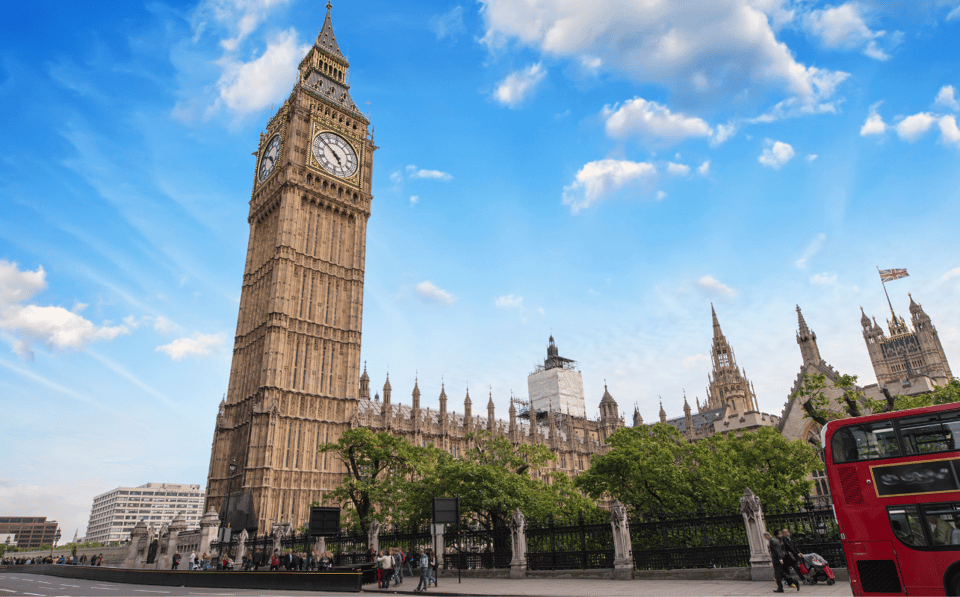
One of the most recognizable stretches of London history comes when you reach the Winston Churchill statue overlooking the Houses of Parliament and Big Ben. This isn’t just a photo spot. The placement and perspective matter, because it links Churchill’s public image to the institutions he helped guide during wartime.
You’ll also see the Houses of Parliament from this vantage, and then continue on to Big Ben. Together, they frame a specific kind of British wartime identity: old institutions, new threats, and a leader portrayed as steady and resolved.
Why this part works: it turns the idea of Churchill from a textbook name into a lived presence in the city’s architecture. And since you’ve already walked through the government and memorial sequence, you’ll feel the story connecting—leadership, sacrifice, defense, and the public symbols that remain.
Practical note: this area can be crowded and loud. Stay close to your guide, keep an eye on crosswalks, and don’t plan on standing in the middle of the sidewalk for the perfect angle. Your best photos come from being patient at the edges.




St Margaret’s Church: The Human Side Behind the War Leader
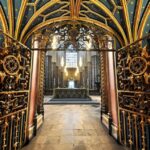
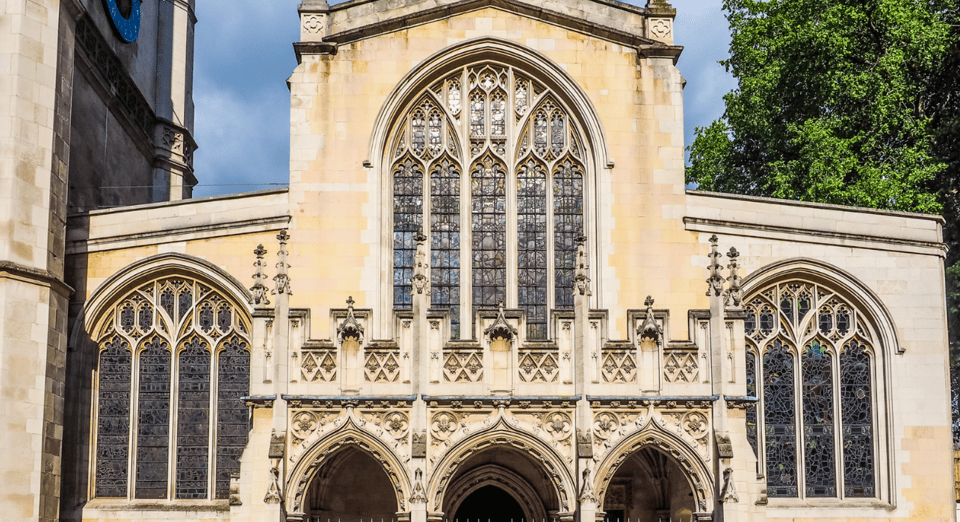
The tour then makes time for something calmer: St Margaret’s Church, where Winston Churchill married Clementine Hozier. This stop is valuable because it interrupts the big public monuments with something intimate and personal.
You’ll stand in a place that reminds you Churchill wasn’t only a wartime figure. He was also a husband, part of family life, and a person tied to real moments that existed beyond speeches and strategy. In a walking tour like this, those quiet stops are what keep the story from becoming purely political.
Potential drawback: if you’re mostly in it for the highest-energy, headline sights, you might find this segment a bit more reflective than action-heavy. But that’s also why it works. It gives your brain a breather before the final stretch.
Churchill War Rooms: What You’ll See Without Paying for Entry
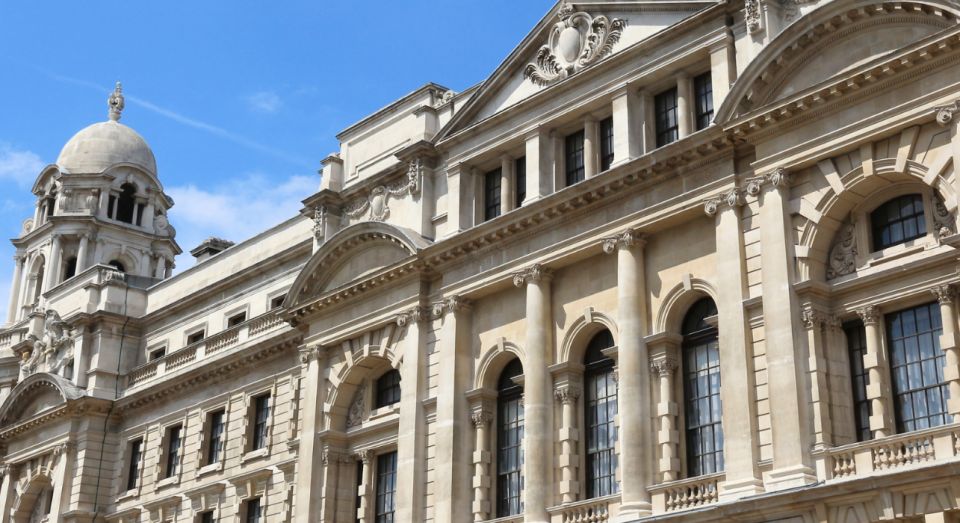
The tour finishes at Churchill War Rooms, but with an important caveat: entry isn’t included. So you’ll get exterior viewing and the chance to connect the tour narrative to what sits beneath the surface.
This is still worthwhile even without the ticketed interior, especially because the walk has already covered the politics and the memorials. You’ll understand why an underground bunker mattered: it was the place where strategy and communications could continue under pressure.
If you’re curious to go further, you’ll be standing in the right spot to decide whether you want the full experience next. The tour’s design is basically a strong “orientation” pass. It gives you enough context that the interior visit—if you add it later—won’t feel like random rooms and dates.
Price and 150 Minutes: Is $18 Good Value?
At $18 per person for 150 minutes, this tour is priced like a “best-of” overview rather than a deep ticketed attraction day. And that’s exactly what it delivers. You get a professional guide, a tight route through major WWII and Churchill-related sites, and several landmarks that usually take more time to string together on your own.
Here’s the value math: the walking tour includes many big-name stops (Downing Street, multiple government buildings, the Cenotaph, the Women of WWII memorial, Churchill’s statue area, St Margaret’s Church, and War Rooms exterior only). The one major omission is War Rooms entry, which is excluded.
So you should think of this as a high-quality primer. If your goal is to cover a lot of important WWII context with a guide, it’s a strong deal. If your goal is to see the inside of the bunker, you’ll want to plan a separate ticket or adjust expectations accordingly.
Also, because it’s only 150 minutes, it suits people who want a meaningful London day without committing to a half-day museum marathon. You’ll finish with enough story to keep exploring nearby on your own.
Who This Tour Fits Best (and Who It Doesn’t)
This one is for you if you:
- like Churchill and want the story connected to the exact locations tied to his wartime role
- want WWII history that includes government power and the memorial layer of remembrance
- prefer guided storytelling over trying to piece together sites independently
- can handle a walking route comfortably for about 2.5 hours
It’s not a great fit if you:
- use a wheelchair or have mobility impairments (not suitable)
- have low fitness for extended walking
- plan to carry luggage or large bags (not allowed)
For everyone else, it’s a smart way to see iconic London sights and still keep the focus on WWII.
Should You Book the Churchill and World War 2 Walking Tour?
Yes, if you want an efficient, story-led route through some of the most important Churchill-and-WWII locations in central London. I’d book it if you appreciate a guide who can connect Churchill’s life to what was happening in WWII, not just point at buildings.
Skip or rethink it if you need full accessibility support or if you specifically want to go inside the Churchill War Rooms during this trip, because entry is not included. If you’re okay with exterior viewing and you’re planning either a later add-on or a separate ticket, this walk can be a very cost-effective way to get your Churchill and WWII footing fast.
FAQ
Where does the tour start?
The tour starts at Embankment Station at the Embankment Pier Exit. You’ll meet your guide there.
How do I find my tour guide?
Your guide will be holding a yellow umbrella.
How long is the walking tour?
The duration is 150 minutes.
What parts of the Churchill War Rooms are included?
Churchill War Rooms are included as exterior only. Entry tickets are not included.
Is the tour guided, and what language is it in?
Yes, it’s a live guided walking tour with an English-speaking guide.
Is the tour suitable for wheelchair users or mobility impairments?
No. The tour is not suitable for wheelchair users or people with mobility impairments.
Can I cancel for a refund?
Yes. Free cancellation is available up to 24 hours in advance for a full refund.