REVIEW · LONDON
London: Guided Sightseeing Tour on a Vintage Open-Top Bus
Book on GetYourGuide →Operated by Manchester Bus Tours Ltd · Bookable on GetYourGuide
London on wheels beats staring at maps. I love how this vintage open-top Routemaster turns the big sights into an easy, scenic loop, and I also like that you get a live on-board guide telling you what you’re looking at. The only real downside: the weather hits you more on an open top, so you’ll want to plan for wind and cold.
This 90-minute round trip is built for “first day in London” energy. You’ll cruise past landmarks like Piccadilly Circus, St Paul’s Cathedral, the Tower of London, Westminster Abbey, and the London Eye—usually without needing to buy separate tickets just to see the exteriors.
If you’re hoping to linger at one place for ages, this isn’t that kind of tour. It’s a fast, well-paced sightseeing hit that trades extra time on-site for a wider overview of central London.
In This Review
- Quick hits before you go
- Why a vintage open-top bus makes sense for 90 minutes
- Getting on at Embankment: Stop 40B and how to choose your spot
- The route: Royal Courts to Piccadilly, with the best-looking London moments
- Royal Courts of Justice: early sightlines and a sense of place
- St Paul’s Cathedral: the skyline anchor
- Monument and London’s core: a quick taste of the City
- Tower of London: power, history, and instantly recognizable views
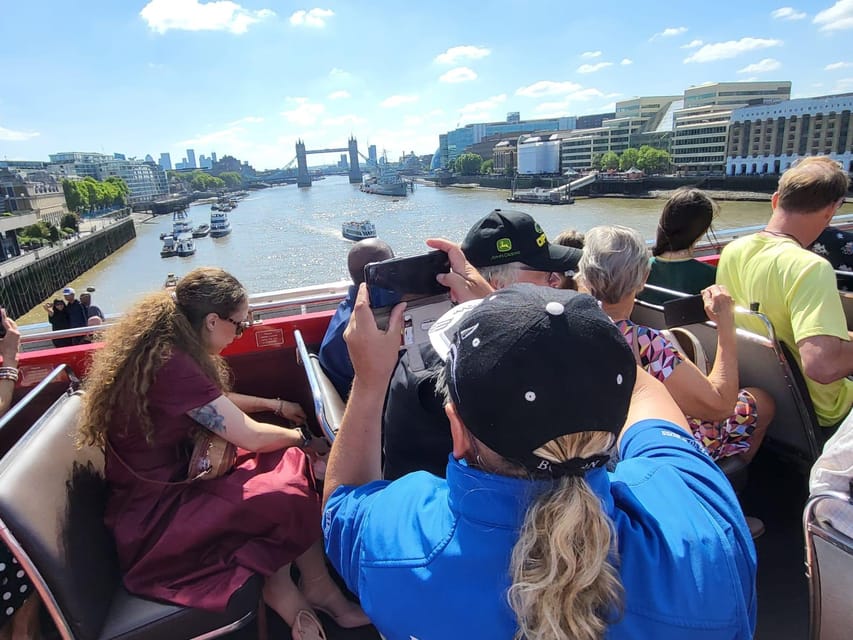
- Tower Bridge: the classic London postcard moment
- The London Eye: a different kind of skyline landmark
- Big Ben and Parliament buildings: the Westminster postcard
- Westminster Abbey: a major landmark with strong visual gravity
- Trafalgar Square: the square that anchors the West End
- Piccadilly Circus: the finish that feels like London nightlife
- What makes the on-board guide such a big deal
- Price vs value: is $40 worth it?
- Weather, clothing, and the reality of open-top sightseeing
- Who this tour is best for (and who should skip it)
- If you’re pairing this with a London day plan
- Should you book this vintage Routemaster tour?
- FAQ
- How long is the London round sightseeing tour?
- How much does it cost per person?
- Where does the tour start and end?
- Do I need to buy entry tickets for the sights?
- Is the bus open-top or closed?
- Is there hotel pickup?
- What language is the guide speaking?
- Is the tour suitable for wheelchair users?
- Are alcohol or drugs allowed on the tour?
- Can I get a refund if I cancel?
Quick hits before you go
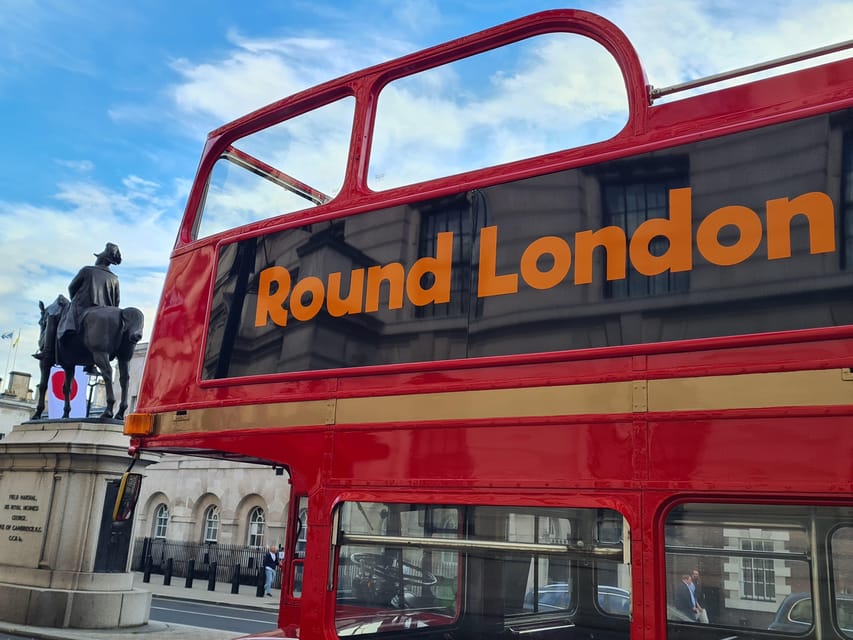
- 1960s Routemaster open-top views: photo-friendly angles of the Thames-side landmarks and central squares
- Live English guide: clear context while you pass sights like Westminster and Parliament
- Prime starting point at Embankment (Stop 40B): easy to reach and close to Trafalgar Square and Charing Cross
- A tight route that covers the classics: St Paul’s, Tower of London, Big Ben, Westminster Abbey, Trafalgar Square, Piccadilly
- Great for time-crunched days: you get the lay of the land in 1.5 hours
- Weather matters: bring a warm scarf/hat that won’t fly away on the upper level
Why a vintage open-top bus makes sense for 90 minutes
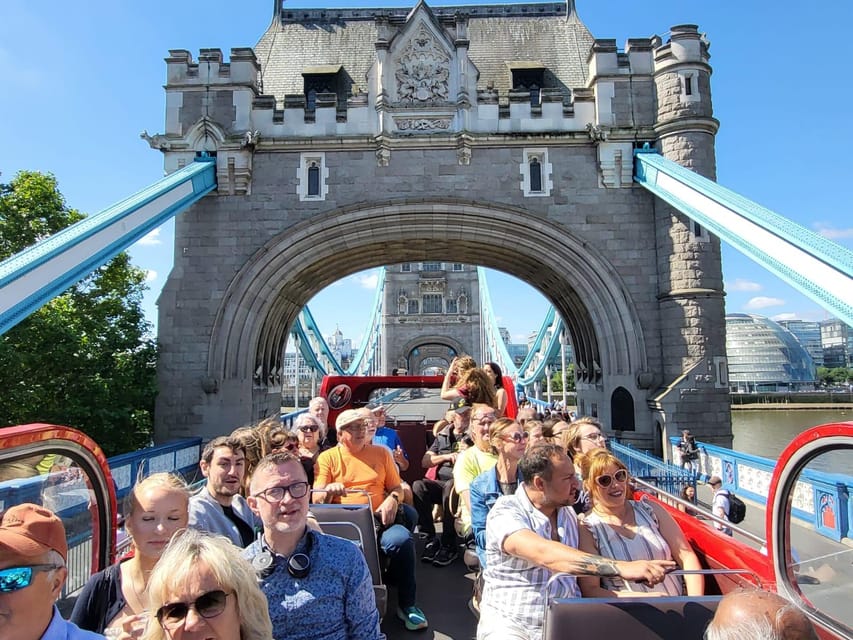
London can be overwhelming fast. This tour is designed to cut through the noise. In about 1.5 hours, you’re pushed through the most photo-friendly stretch of central London, with a guide talking as you go so it feels like a guided story, not just a bus ride.
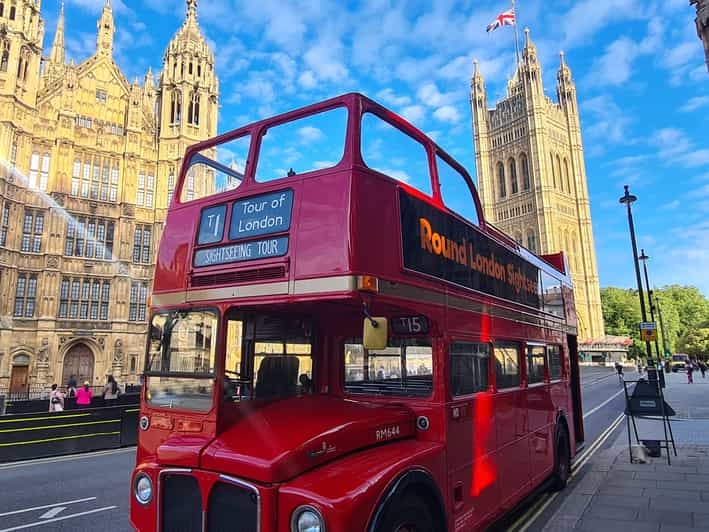
The Routemaster part is more than a marketing detail. Being on a classic, open-top bus changes how you experience the streets. Instead of looking at landmarks through windows, you get the rhythm of the city—traffic movement, views widening as you crest a road, and sudden sightlines toward the river.
And the guide element is the key differentiator. With a live person onboard, you can get explanations that match what’s right outside your seat at that moment—plus the kind of humor and energy that keeps the group engaged even when the skies are grey.
You can also read our reviews of more guided tours in London



Getting on at Embankment: Stop 40B and how to choose your spot
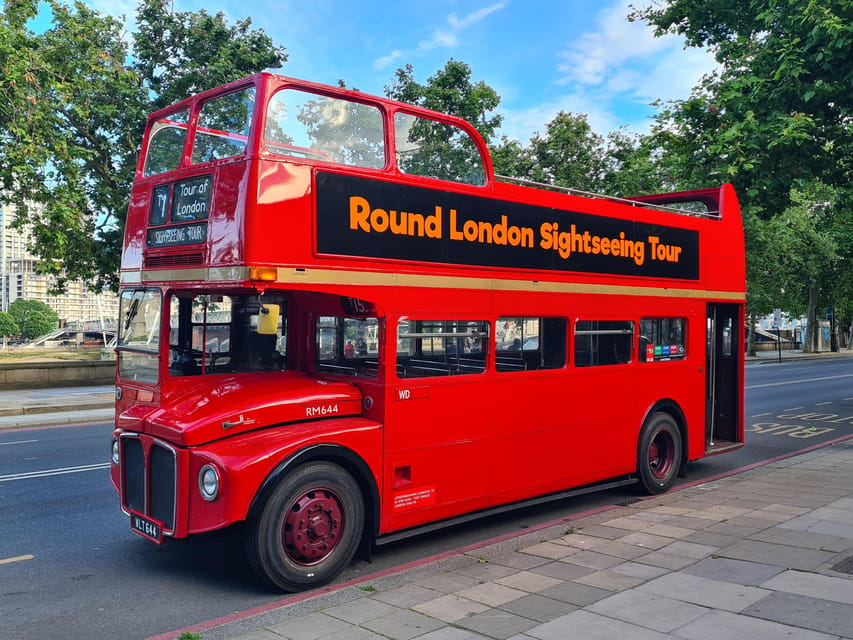
Your departure point is near Embankment Underground Station (Bus stop 40B, WC2N 6PB). It’s also within walking distance of Trafalgar Square and Charing Cross, which is handy if you’re combining this with a morning or afternoon on foot.
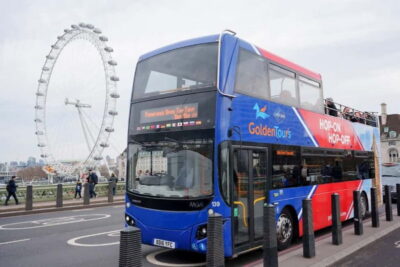
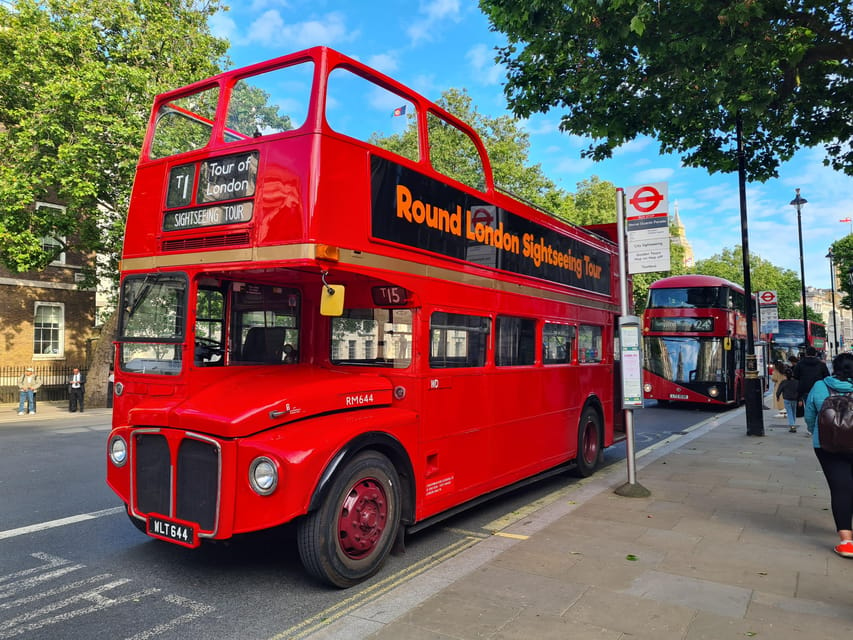
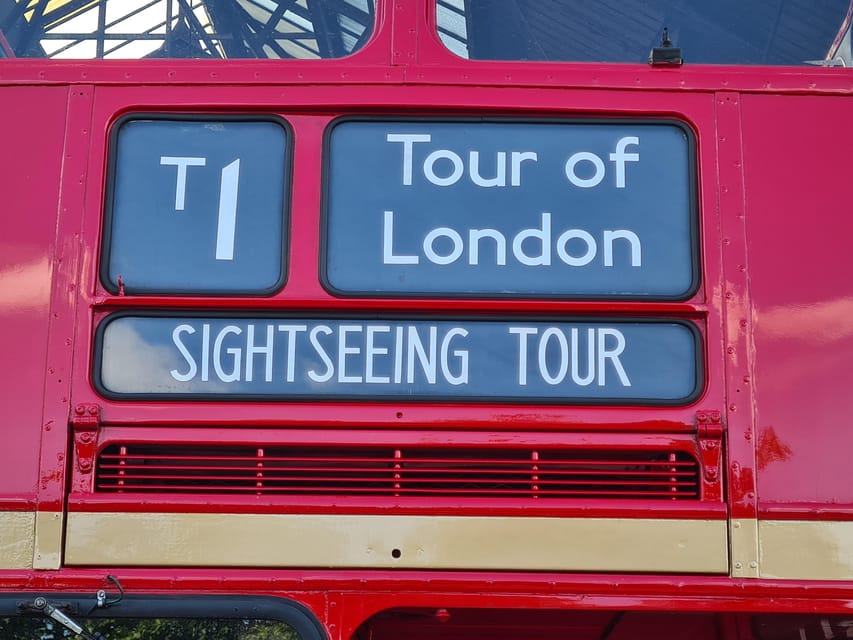
Once you find the bus, look for the red double-decker with an open top (the 1960s Routemaster style). From there, the practical choice is where to sit. If you want maximum skyline views and photo angles, go up top. If you prefer a bit more shelter and want steadier comfort, choose lower seating.
One useful tip from real experience: even on the upper level, you can still hear the guide clearly. Still, don’t underestimate the wind. A warm scarf or hat that won’t take flight is a smart move, especially in colder months.
The route: Royal Courts to Piccadilly, with the best-looking London moments
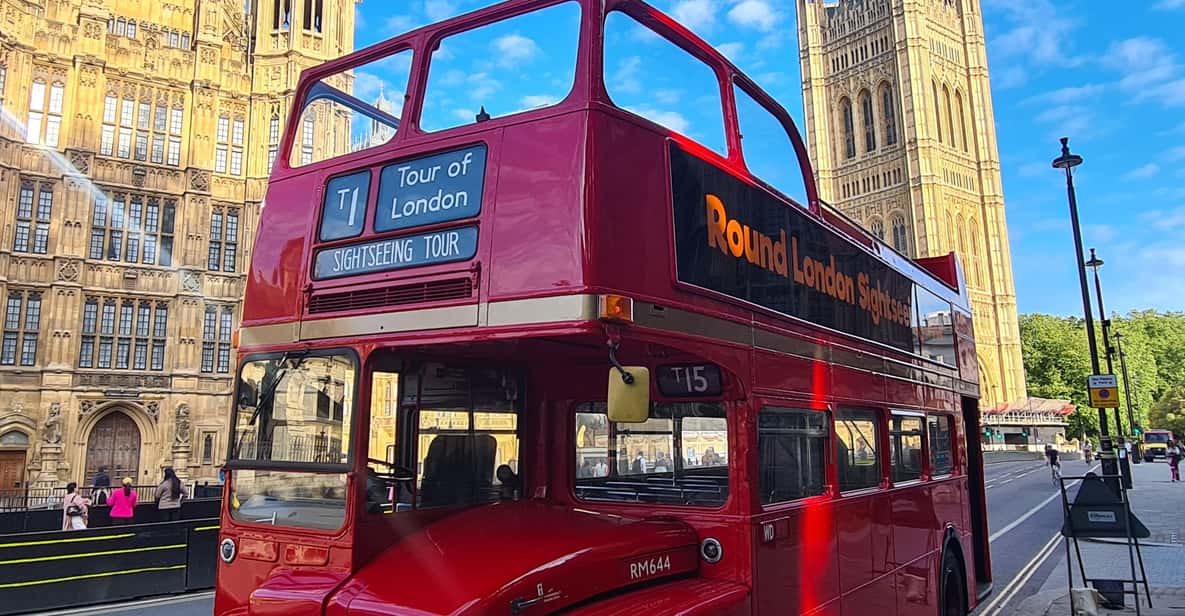
This tour is a loop that starts and ends at Embankment (Stop 40B). Along the way, it hits the “greatest hits” around the City, Westminster, and the West End—so you can connect the skyline dots without hopping buses all day.
Here’s what you’ll be seeing, stop by stop, and what each part is good for.
Royal Courts of Justice: early sightlines and a sense of place
You’ll start with a view around the Royal Courts of Justice. It’s not the kind of landmark you stare at like Big Ben, but it gives you an immediate sense of the legal and civic heart of central London.
Practical value here: this early segment helps you orient. By the time you reach the river and major squares, the city layout makes more sense.
St Paul’s Cathedral: the skyline anchor
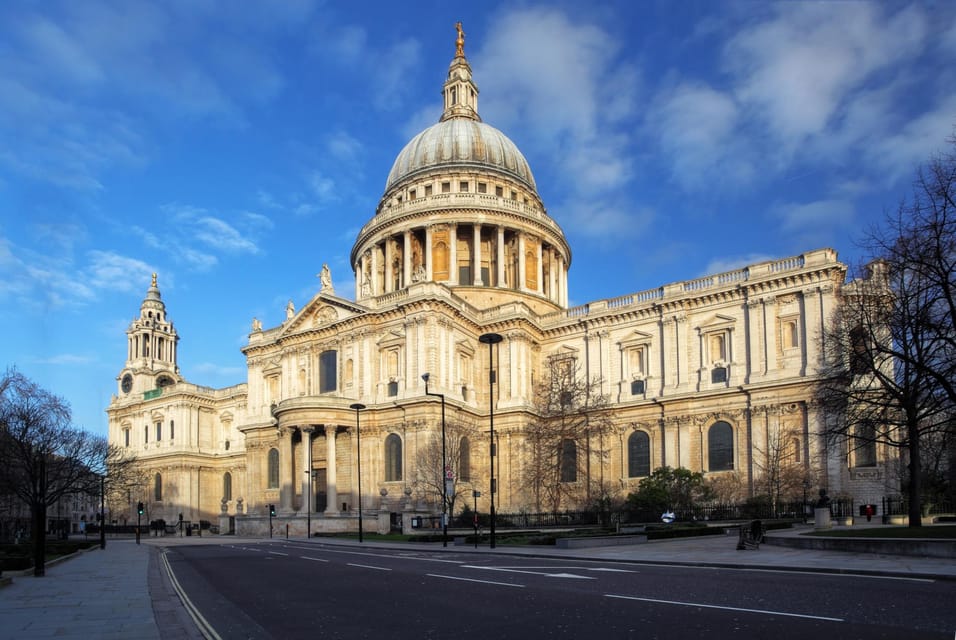
Next up is St Paul’s Cathedral. Even from the bus, St Paul’s works as a visual anchor—tall, distinctive, and unmistakable.
What to do: keep an eye out for how it sits in relation to the river and surrounding streets. A guided explanation helps you understand why it’s such a persistent symbol in London’s identity.



Monument and London’s core: a quick taste of the City
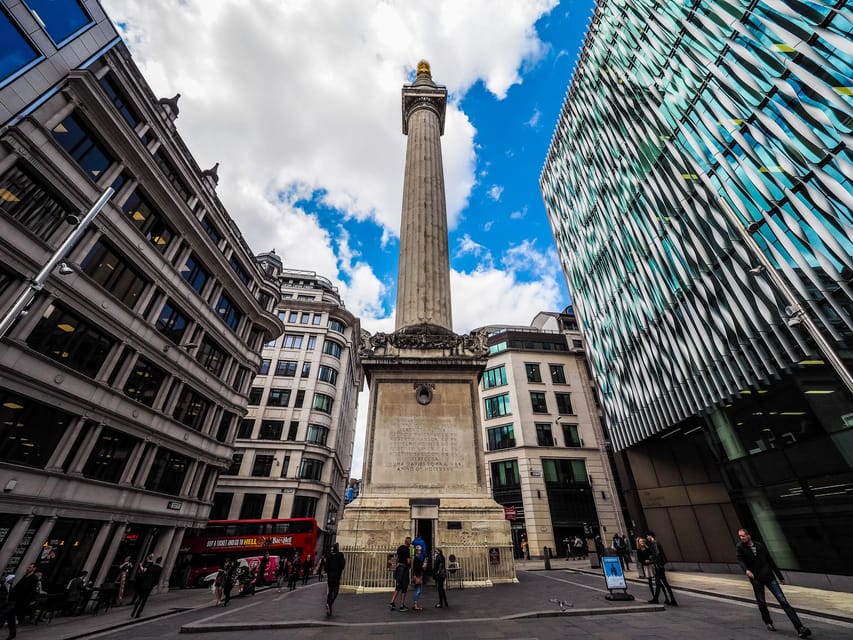
You’ll pass Monument, London, which is a strong “this is the old London” kind of stop. It’s one of those places that might not be on everyone’s must-see list—but once you know what it represents, it clicks.
This is where a live guide really helps: rather than treating landmarks like background, you learn what they’re connected to.
Tower of London: power, history, and instantly recognizable views
The bus then gets you to the Tower of London area. Tower views are hard to miss because the buildings and tower shapes dominate the scene.
Photo tip: aim to capture the Tower from an angle that includes the surrounding streets or the river context, not just a close-up. From a bus window or open-top view, you can get those wider “where is this in London” shots that posters don’t show.
Tower Bridge: the classic London postcard moment
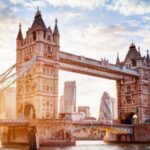
After the Tower, it’s Tower Bridge—one of the most “London” landmarks on the planet. This is a stop that delivers even if you don’t know a single historical fact yet.
For photos, try to keep your framing flexible. The bus route gives shifting angles, and that’s part of the fun. You’ll often get a cleaner shot from the open top than you would on a static street corner.
The London Eye: a different kind of skyline landmark
Next is the London Eye. This one plays differently: it’s modern, huge, and designed to be seen from across the city.
If you’re doing this tour early in your trip, the Eye is useful as a reference point. Later, when you walk around, you’ll feel like you’re navigating with a “centerline” in your mind.
Big Ben and Parliament buildings: the Westminster postcard
You’ll then pass Big Ben and the Parliament buildings. This is the political heart of the city, and the bus gives you a strong overview without forcing you into ticket lines.
What makes it valuable: you’re seeing multiple layers at once—the monumental architecture, the river-adjacent setting, and the street-level vibe around government buildings.
Westminster Abbey: a major landmark with strong visual gravity
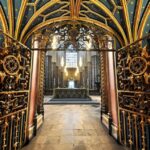
The tour includes Westminster Abbey. You may know it by name, but seeing it in context helps you understand why it’s such a heavyweight site in the UK story.
Even if you don’t enter, this stop works because you get the scale and the surrounding streets—plus the guide helps connect it to London’s broader timeline.
Trafalgar Square: the square that anchors the West End
Then comes Trafalgar Square. It’s a place you can feel even before you fully take it in—open space, famous monuments, and a “meet-up” quality.
If you like to walk after tours, this is a great moment to remember. It’s easy to turn your afternoon into a self-guided stroll from here.
Piccadilly Circus: the finish that feels like London nightlife
Finally, you’ll reach Piccadilly Circus. It’s a contrast with the solemn feel of Westminster and the Tower—louder, more neon, more “London in motion.”
This stop is ideal for last photos because it feels lively right away. It’s also a relief point: after 80+ minutes of landmarks, you end with something fun and energetic before returning to Embankment.
What makes the on-board guide such a big deal
This is where the experience often wins or loses, and the pattern in the guide quality is strong. People repeatedly mention guides like Johnny, Paul, Jay, Will, and Alfie for being both informative and entertaining.
A few specific strengths I’d plan around:
- Clear explanations while you pass landmarks, so you’re not hunting for context after the fact
- Storytelling and humor that keeps the ride from going flat
- Friendly, engaging delivery—even when traffic slows things down, the guide keeps the momentum going
One practical benefit: because it’s live commentary, you’re more likely to notice details you’d otherwise miss. That could be a historical reference, an architectural feature, or a street-level detail that helps you connect the dots when you’re off the bus later.
Price vs value: is $40 worth it?
At $40 per person for 1.5 hours, this isn’t a budget for a single landmark visit—it’s a budget for a whole sweep of central London highlights.
Here’s why it tends to feel worth it:
- You get guided interpretation (not just a static “see this, see that” loop)
- You get transportation on a classic vintage open-top bus
- You see a compact set of top sights that would take a lot longer (and more walking and route planning) on your own
What’s not included matters too. There are no entry tickets in the price. So you’re paying for views and context, not for getting inside museums or attractions.
If your day is already packed, this tour can be a smart use of time. You’re basically buying orientation plus photo opportunities—then using your savings to choose a couple of sites to go deeper later.
Weather, clothing, and the reality of open-top sightseeing
Let’s be honest: London weather loves to humble plans. Because the bus is open-top, wind and cold will reach you more directly than you’d expect on a standard coach.
Do this and you’ll enjoy it more:
- Bring a warm scarf and/or a hat that stays put
- Wear layers so you can adjust as the ride moves between open and sheltered streets
- If you’re sensitive to chill, pick your spot with comfort in mind rather than only chasing the highest view
The good news is that the guide and driver keep things moving and entertaining, so even rainy days don’t have to drain the fun.
Who this tour is best for (and who should skip it)
This is a strong fit if:
- You’re visiting London for the first time and want a fast overview
- You’re short on time and want the major sights in one pass
- You’d rather spend your energy learning what you’re seeing than planning a route
You might want to skip or choose something else if:
- You need wheelchair accessibility (this tour is not suitable for wheelchair users)
- You want long, stop-and-stay visits at each landmark
- You’re mainly interested in entering attractions, since entry tickets aren’t included
Also, note the experience is English only. If that’s a deal-breaker, you’ll want to plan around it.
If you’re pairing this with a London day plan
This tour works especially well early in your trip. Think of it as your “map with context” moment. You’ll leave knowing where Westminster sits relative to Trafalgar Square, and how the Tower and London Eye anchor the broader route along the river.
After you get back near Embankment, you’re positioned well for walking. The location is close to major central districts, so you can choose what to explore next based on what you liked most from the bus—rather than choosing blindly.
Should you book this vintage Routemaster tour?
Book it if you want a simple, high-impact way to see London’s most recognizable landmarks in 90 minutes, with live English commentary and classic open-top views. At $40, the biggest value is the guided context and the fact you don’t need to spend your whole day hopping between stops.
Skip it if you’re the type who needs long time on-site, or if you can’t manage the open-top weather comfort level. And remember: you’re getting exterior views and explanations, not paid entries to attractions.
If you want a smart first-day activity that makes the rest of your trip easier, this one is a solid choice.
FAQ
How long is the London round sightseeing tour?
The tour lasts about 1.5 hours.
How much does it cost per person?
The price is $40 per person.
Where does the tour start and end?
It starts and ends at Embankment (Stop 40b).
Do I need to buy entry tickets for the sights?
No. Entry tickets are not included, so you’d need to purchase them separately if you want to go inside.
Is the bus open-top or closed?
It’s an open-top bus (a converted 1960s Red Routemaster).
Is there hotel pickup?
No. Hotel pickup and drop-off are not included.
What language is the guide speaking?
The live tour guide provides commentary in English only.
Is the tour suitable for wheelchair users?
No, the tour is not suitable for wheelchair users.
Are alcohol or drugs allowed on the tour?
No. Alcohol and drugs are not allowed.
Can I get a refund if I cancel?
There is free cancellation up to 24 hours in advance for a full refund.